Successfully landedTrust: Agency-primaryLast verified
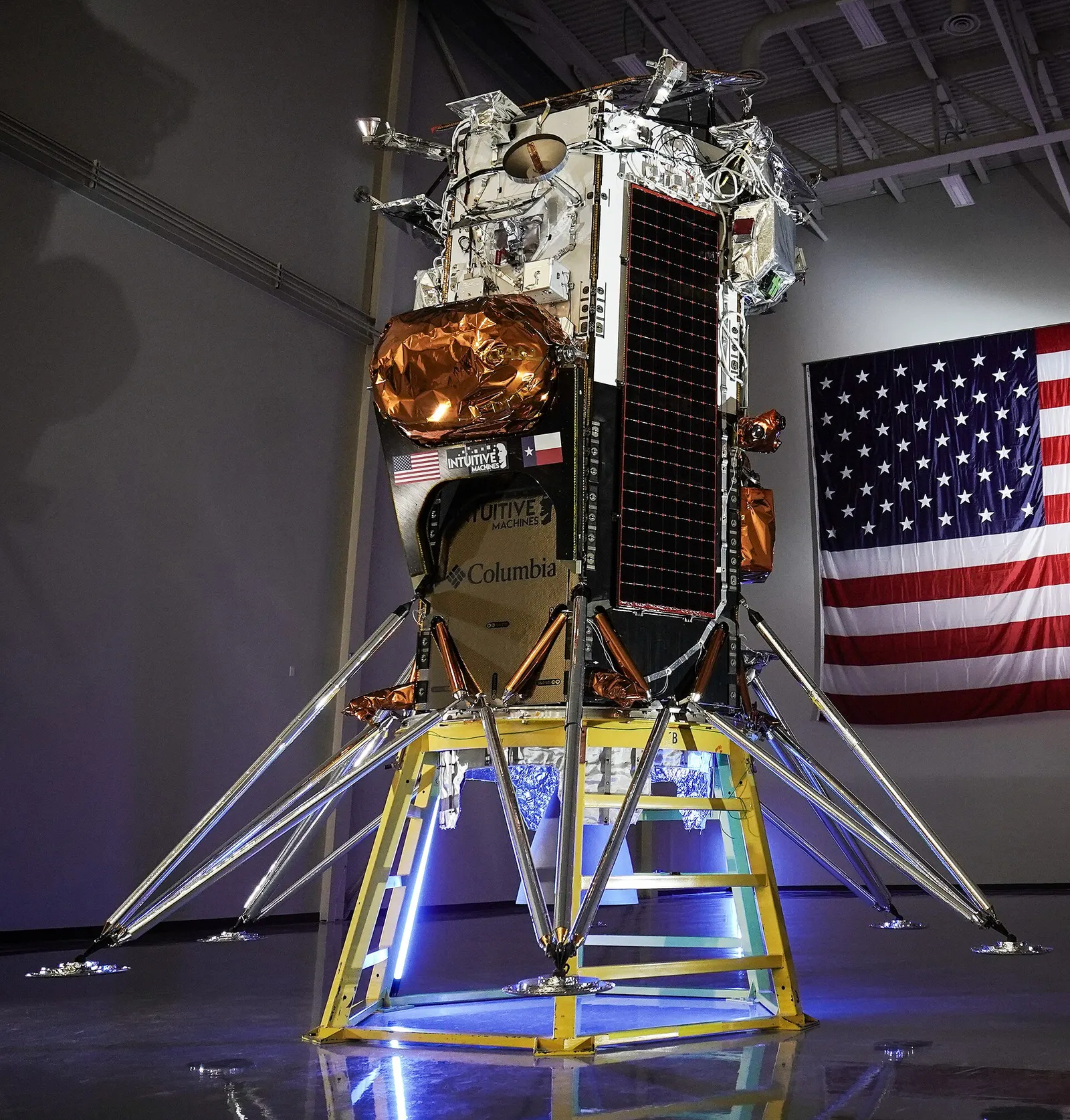
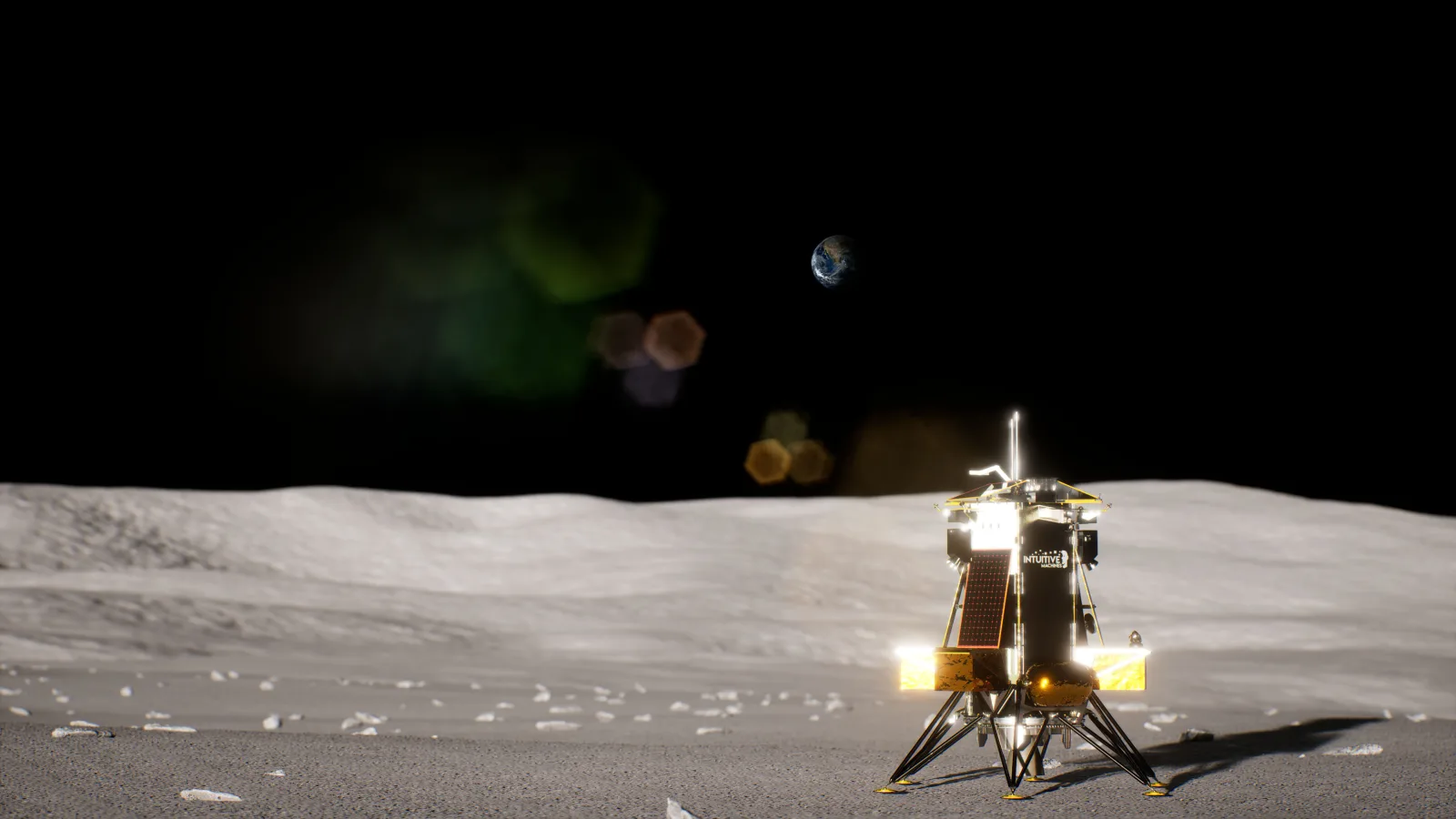
Nova-C IM-2
Athena
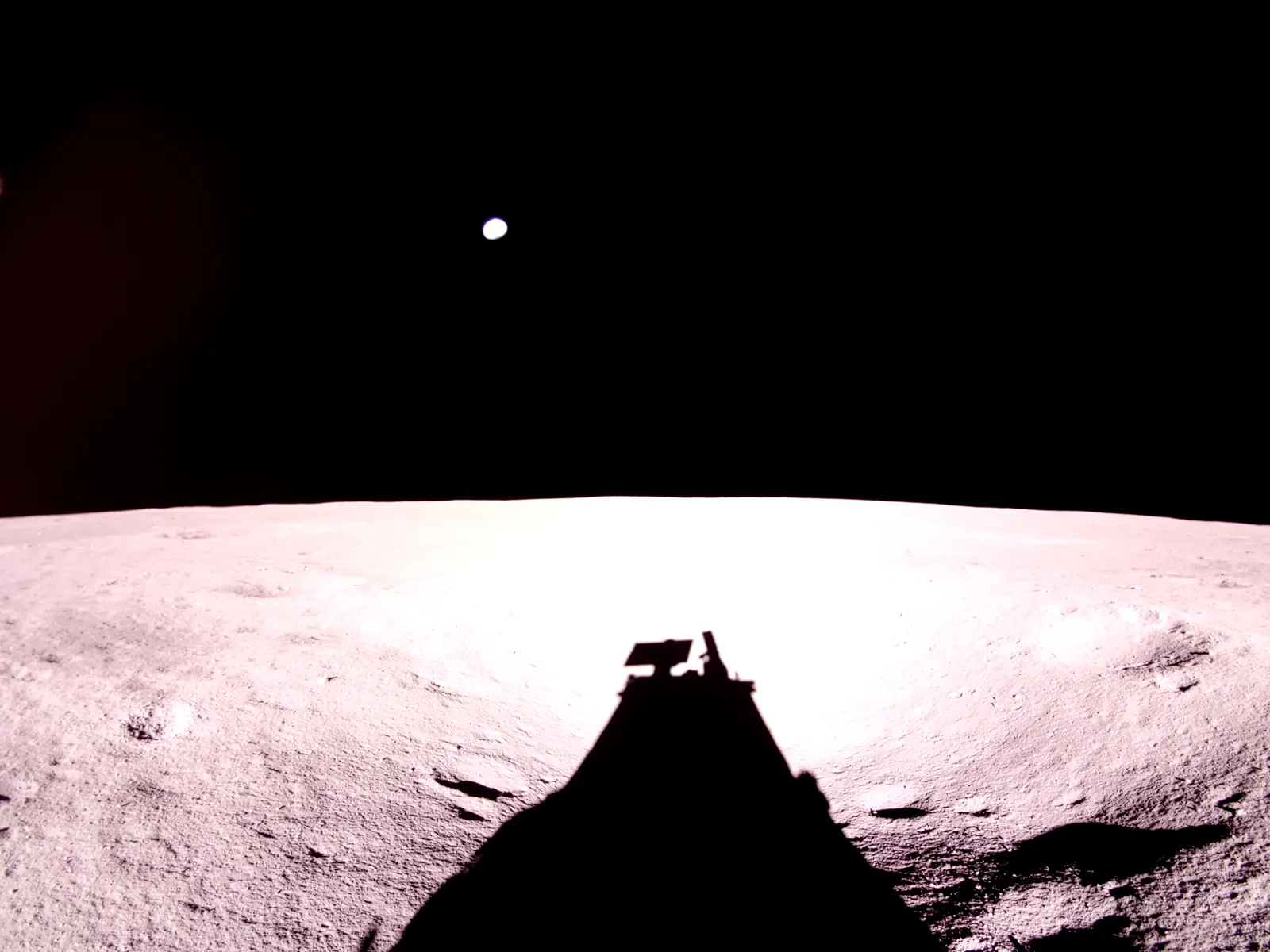
Soft-landed but tipped onto its side after altimeter failure caused the lander to strike a plateau and skid into a crater rim. Power depleted within ~24 hours; ~250 MB of data transmitted including TRIDENT drill range-of-motion demonstration.
Mission specifications
- Operator
- Intuitive Machines
- Prime contractor
- Intuitive Machines
- Launch
- 2025-02-27
- Landing
- 2025-03-06
- Landing site
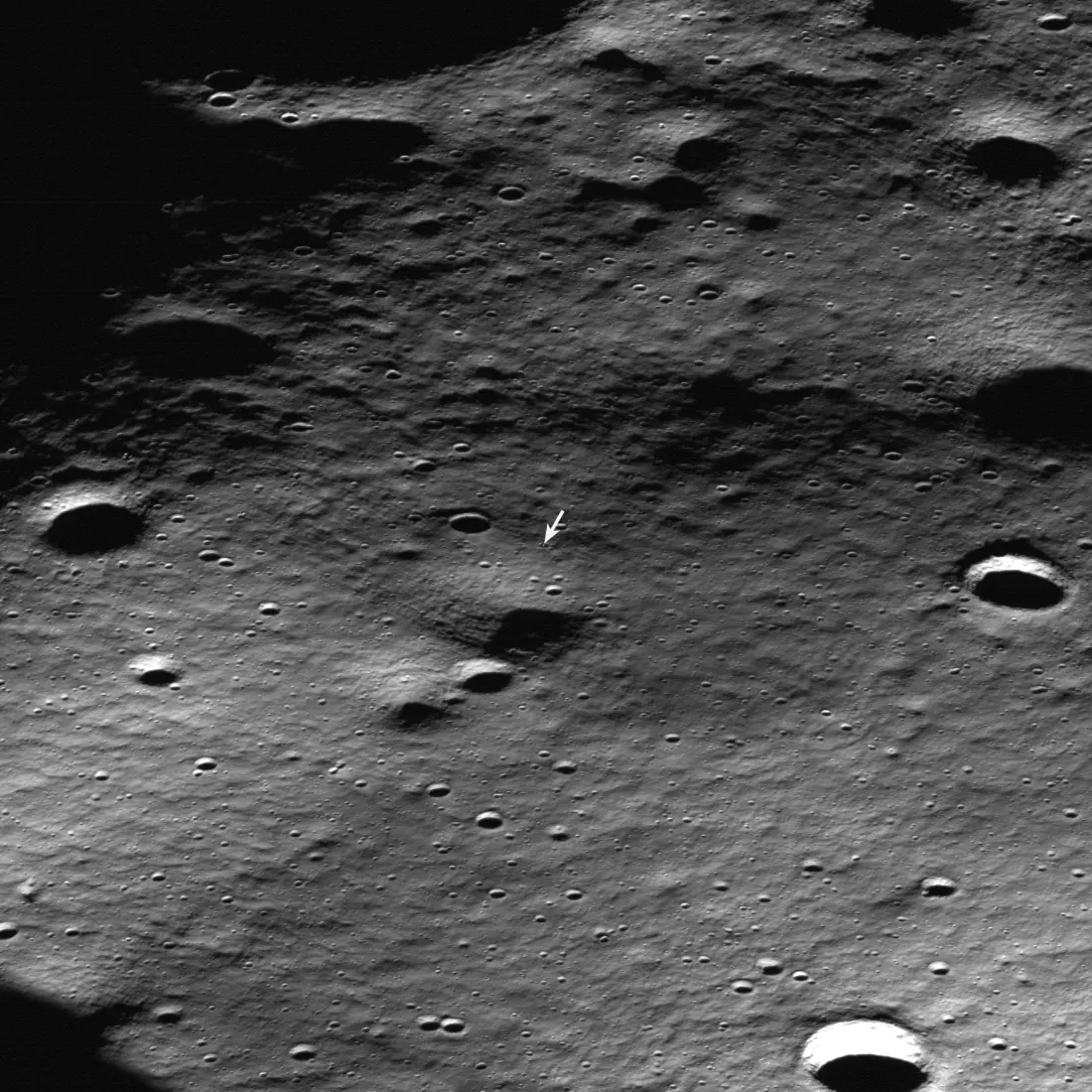
- Mons Mouton plateau, lunar south pole (~400 m off target)
- Customer
- NASA-CLPS
- Payload
- 10 payloads deliveredas of [1]Including NASA PRIME-1 (TRIDENT drill + neutron spectrometer) and IM's µNova hopper
- Contract value
- $62.5Mas of [2]CLPS Task Order PRIME-1 for water-ice prospecting at Mons Mouton
Key findings
- 1.Landed on March 6, 2025 at the Mons Mouton plateau, touching down closer to the lunar south pole than any prior spacecraft — the southernmost lunar landing in history.
- 2.Came down off target after altimetry problems (NASA initially cited ~400 m/1,300 ft; Intuitive Machines later localized it ~250 m/820 ft from the aim point): Athena struck the plateau, tipped over and skidded, coming to rest on its side inside a crater with its solar panels poorly illuminated.
- 3.NASA's PRIME-1 payload still exercised the TRIDENT drill through its full range of motion in the lunar environment — auger rotation, full extension, percussion hammering, and thermal checks — but the sideways orientation kept the drill from penetrating the regolith to feed samples to the mass spectrometer.
- 4.The MSolo mass spectrometer operated and detected gases, but initial analysis judged them anthropogenic — spacecraft propellant vapors and traces of Earth-origin water — rather than native lunar volatiles.
- 5.Starved of sunlight in the cold crater, the lander's batteries depleted less than 13 hours after touchdown; about 250 MB of data was transmitted to NASA before the mission was declared over early on March 7, 2025.
Mission outcome
IM-2 Athena reached the Mons Mouton plateau on March 6, 2025, planting the southernmost landing ever attempted on the Moon, but altimeter trouble caused it to skid and tip onto its side in a crater. Starved of sunlight, the lander lasted under 13 hours before its batteries died, yet NASA's PRIME-1 team still demonstrated the TRIDENT drill's full range of motion and ran the MSolo spectrometer, returning roughly 250 MB of data. The primary goal of drilling for and measuring south-polar water ice went unmet, making Athena a partial success that advanced key prospecting hardware while underscoring how unforgiving precise polar touchdowns remain.
Source bibliography
- [1]NASAretrievedhttps://www.nasa.gov/news-release/nasa-receives-some-data-before-intuitive-machines-ends-lunar-mission/
- [2]Intuitive Machinesretrievedhttps://www.intuitivemachines.com/im-2
- [3]Spaceflight Nowretrievedhttps://spaceflightnow.com/2025/03/07/intuitive-machines-im-2-mission-ends-with-lander-on-its-side-on-the-moon/