Recent Activity
Launch Complex 1 (LC-1) operational for suborbital MOMO testing; Launch Complex 2 (LC-0) orbital pad under construction with first ZERO launch slipped to 2027.
Investor Brief
Japan's first private-sector-led orbital site — bypasses JAXA-centric Tanegashima/Uchinoura monopoly. Crucial enabler for Interstellar Technologies' ZERO and any future Japanese commercial smallsat launchers. Direct competitor positioning vs. Rocket Lab Mahia for Asia-Pacific SSO market.
Ownership
Parent Entity
Regulatory Regime
Anchor Tenants
Latitude Advantage
Launch Azimuth Range
Country
🇯🇵Japan
Region
Asia
Established
2,021
Launches / Year
24
Years Active
5
Strategic Position
42.5000° N, 143.4000° E
Azimuth: 100°–195° (LEO, SSO, polar over Pacific)
42.5°N — high-latitude pad optimized for SSO and polar trajectories over the Pacific with no overflight constraints; SSO payload-to-orbit competitive with Mahia (38°S)
Future Milestones
- 2027
Interstellar Technologies ZERO orbital maiden flight
- 2028
LC-0 orbital pad commercial operations begin
- 2030
Target 10+ orbital launches per year from commercial Japanese customers
About
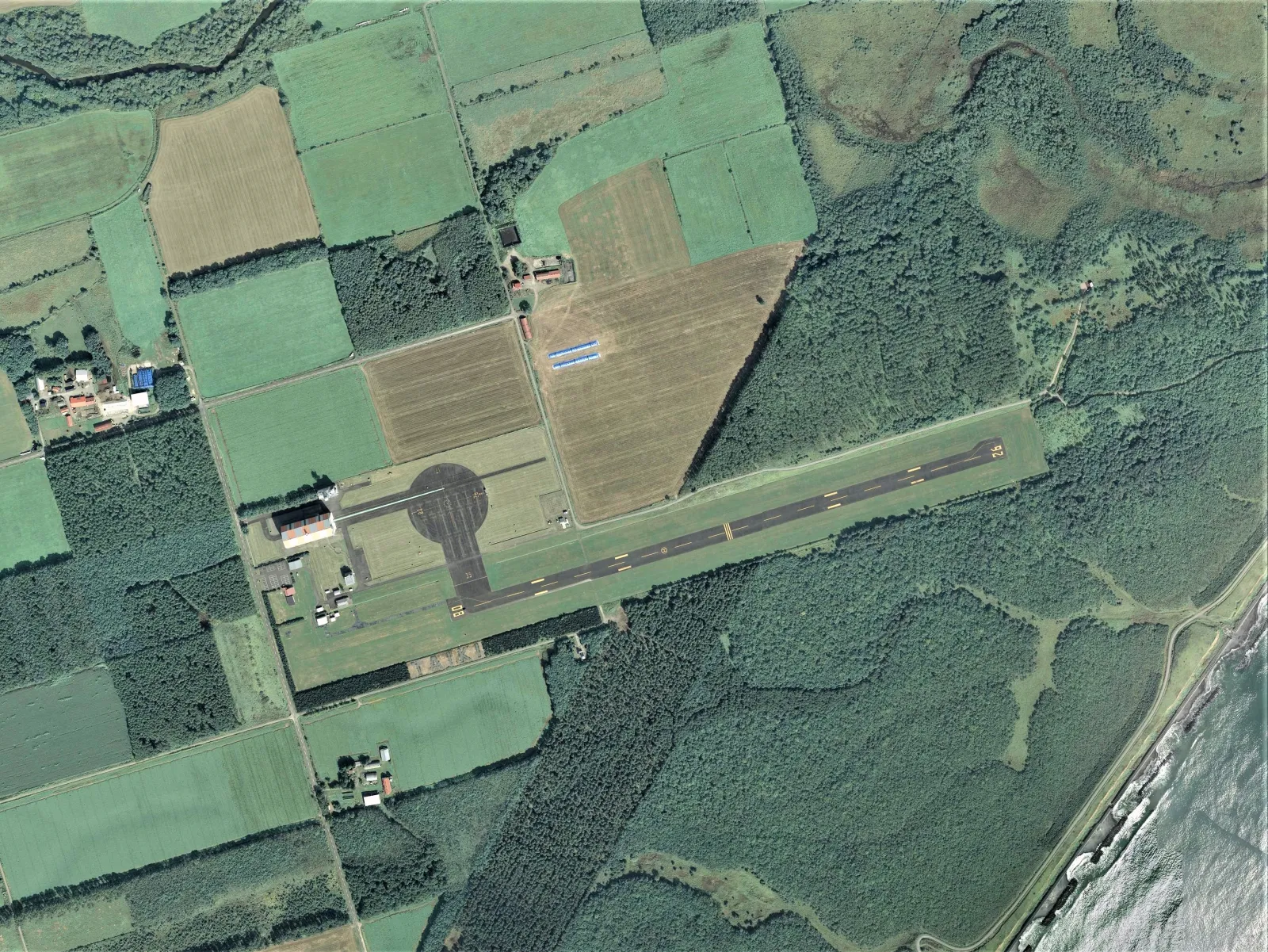
Hokkaido Spaceport (HOSPO) is a commercial launch site under development in Taiki, Hokkaido, in northern Japan. The facility is being built to support Interstellar Technologies' ZERO small orbital rocket and other commercial launch vehicles. Its northern location provides direct access to polar and sun-synchronous orbits over the Pacific Ocean.
Key Features
Commercial spaceport under construction in northern Japan
Primary site for Interstellar Technologies' ZERO orbital rocket
High-latitude location ideal for polar and SSO launches over the Pacific
Existing suborbital launch operations for MOMO sounding rockets
Designed to be Japan's first private-sector-led orbital launch site
Rockets That Launch Here
Companies Operating Here
Orbit Types
Notable Launches
MOMO suborbital rocket tests by Interstellar Technologies (2017-present)
MOMO F7 (2021) — First successful MOMO flight to 100km
ZERO orbital rocket first launch targeted for mid-2020s
Growing suborbital test and research mission cadence