Time Machine
You have arrived · The Moon Race
Soyuz 1
Vladimir Komarov, first in-flight space fatality
April 24, 1967OKB-1
Valentin Cheredintsev / TASS, CC BY 4.0, via Wikimedia Commons
The world that day
3.1 billion
People on Earth
2
Nations to launch a human
0
Humans to walk on the Moon
0
Known worlds beyond the Sun
In the small hours of 23 April 1967, Vladimir Komarov rode a brand-new spacecraft off the pad at Baikonur, becoming the first Soviet cosmonaut ever to fly to space twice. His backup, standing by at the cosmodrome, was Yuri Gagarin. Soyuz was the machine meant to carry the Soviet Union to the Moon, and the plan was ambitious: Soyuz 2 would follow a day later with three more cosmonauts, dock, and exchange crew members by spacewalk. The spacecraft, rushed through development, began failing almost as soon as it reached orbit.
One of the two solar panels never unfolded, starving the ship of power. Orientation sensors faltered, communications grew patchy, and Komarov, a trained engineer, spent hours coaxing a half-blind spacecraft into line. Ground controllers cancelled the Soyuz 2 launch and ordered him home. After a failed first deorbit attempt, Komarov manually oriented the ship, a feat of airmanship in its own right, and fired the retrorockets after roughly a day aloft. The descent module came through the fire of reentry intact.
Then the parachutes failed. The drogue deployed, but the main canopy stayed jammed in its container; the manually released reserve chute streamed out and tangled in the drogue's lines. The capsule struck the steppe of the Orenburg region at roughly 40 metres per second, and its soft-landing rockets ignited the wreckage. Komarov, forty years old, decorated, and respected on both sides of the Iron Curtain, became the first human being to die during a spaceflight.
The Soviet Union gave him a state funeral and an urn in the Kremlin Wall, and grounded crewed Soyuz flights for eighteen months while engineers tore the parachute system apart and rebuilt it. Investigators concluded that the same flaw lay waiting in Soyuz 2's descent module; the cancelled launch had almost certainly spared three more lives. The redesigned Soyuz flew again with a crew in October 1968 and never stopped: descendants of Komarov's spacecraft still carry people to orbit today.
By the numbers
- Launch
- 23 Apr 1967
- Re-entry and crash
- 24 Apr 1967
- Orbits completed
- 18
- Mission duration
- 26 hr 48 min
- Komarov's age
- 40
- Crewed Soyuz grounded
- 18 months
Why it mattered
Soyuz 1 was spaceflight's first fatal flight, and its hardest-won lesson was that schedule pressure kills. Coming three months after the Apollo 1 fire, Komarov's death forced both superpowers to confront how dangerous their race had become. The eighteen-month stand-down and parachute redesign that followed transformed Soyuz from a rushed prototype into the most flown, longest-serving crewed spacecraft in history, the ship that would one day carry American astronauts after the Shuttle retired. Komarov's name, etched on the Fallen Astronaut plaque on the Moon, remains a permanent caution against flying before a vehicle is ready.
- Komarov's backup for the flight was Yuri Gagarin, the first human in space.
- Komarov was the first Soviet cosmonaut to fly twice, having commanded the three-man Voskhod 1 in 1964.
- Soyuz 2 was to launch the next day so two cosmonauts could spacewalk over to Komarov's ship; its cancellation almost certainly saved three lives, as its descent module carried the same parachute flaw.
- After a state funeral, his ashes were interred in the Kremlin Wall, and his name is among the fourteen on the Fallen Astronaut plaque left on the Moon by Apollo 15 in 1971.
- The parachute redesign forced by the tragedy produced the Soyuz that, through continual upgrades, still flies crews today, the longest-serving spacecraft line in history.
Keep travelling
People also explored
From the same era
Moment
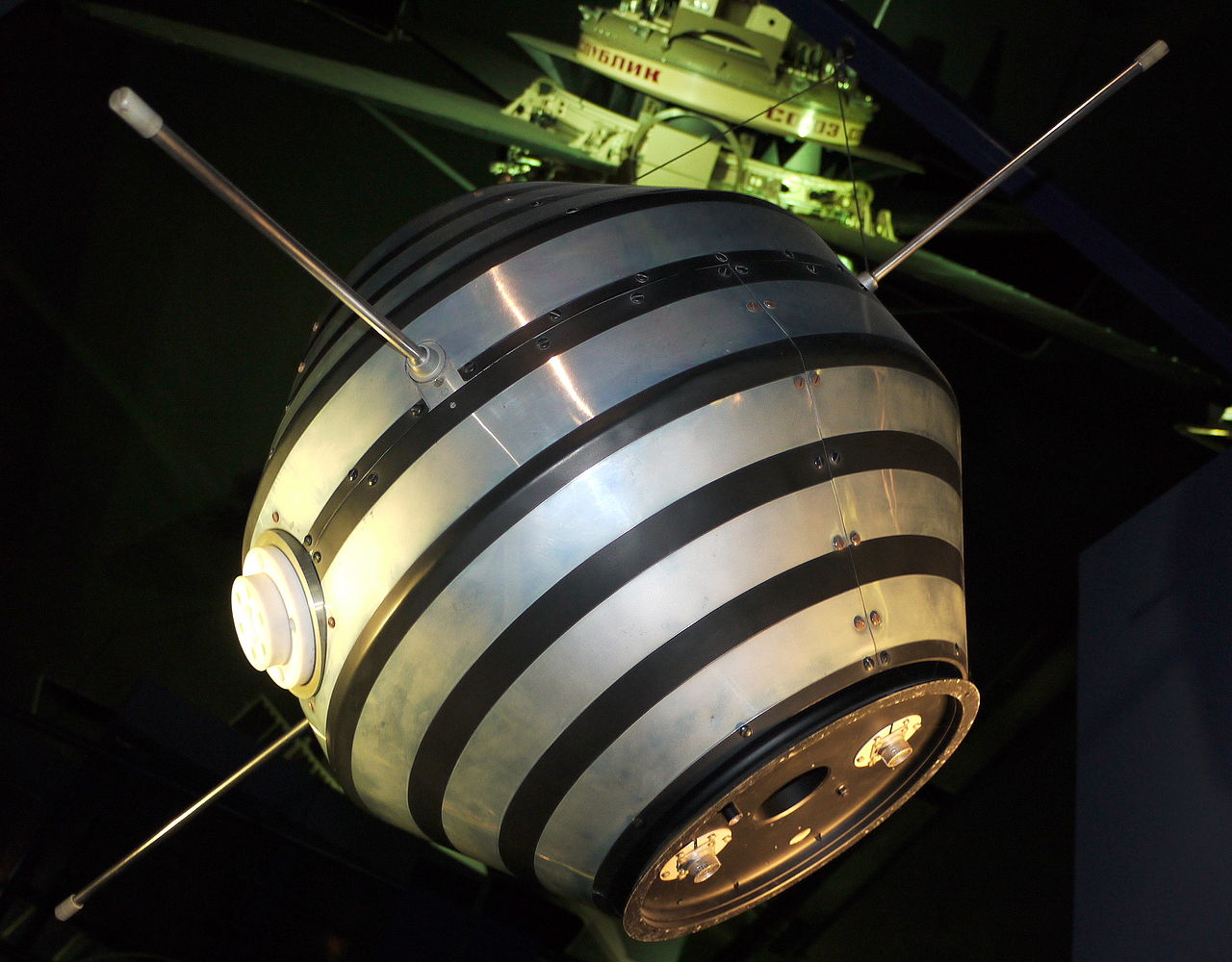
Astérix — France becomes the third space-faring nation
From the same era

From the same era
Moment
Luna 9 — first soft landing on the Moon
From the same era

From the same era
Moment
Apollo 8 — first humans to orbit the Moon
From the same era
From the same era
Moment
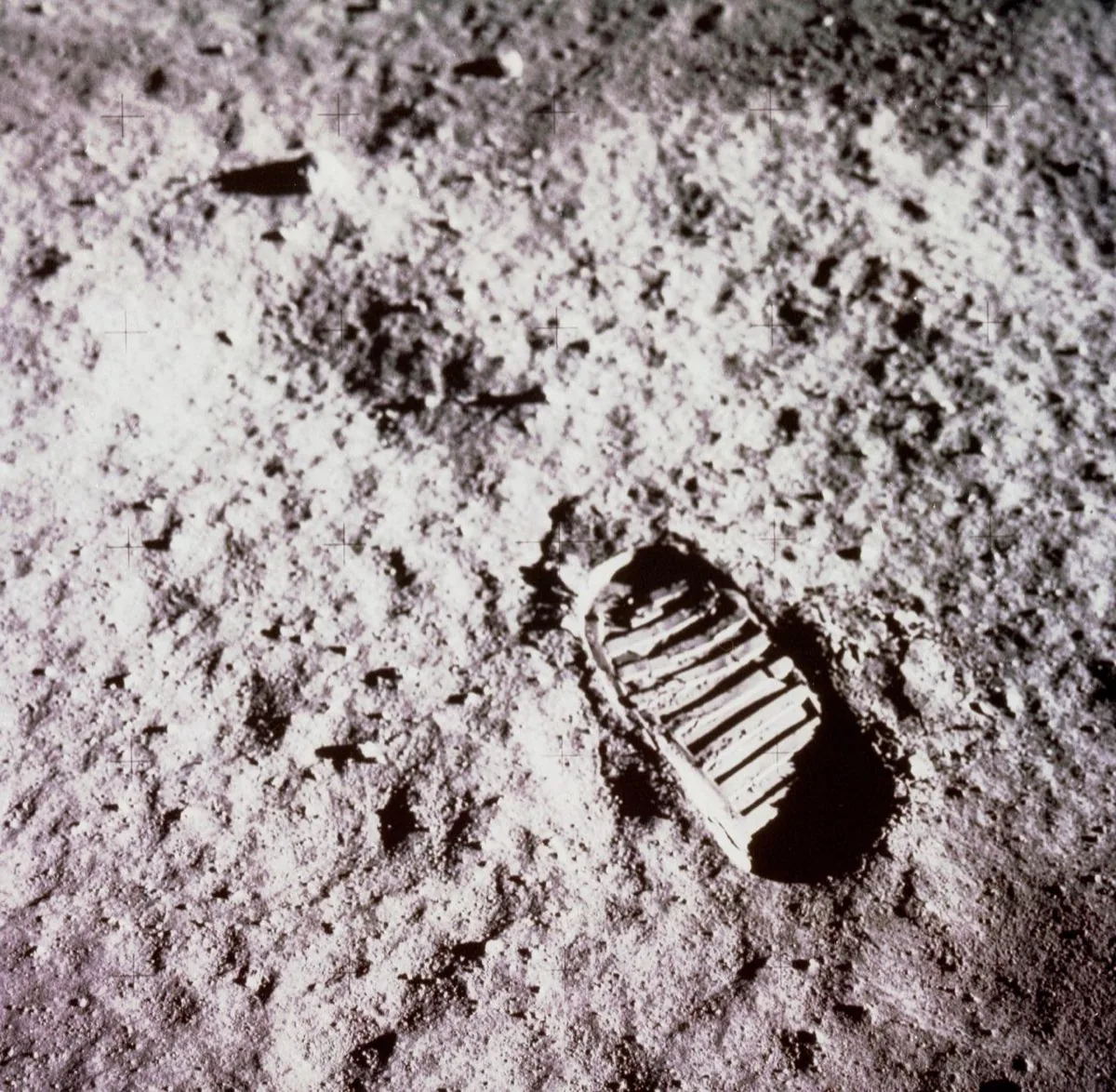
Apollo 11 — Armstrong and Aldrin walk on the Moon
From the same era