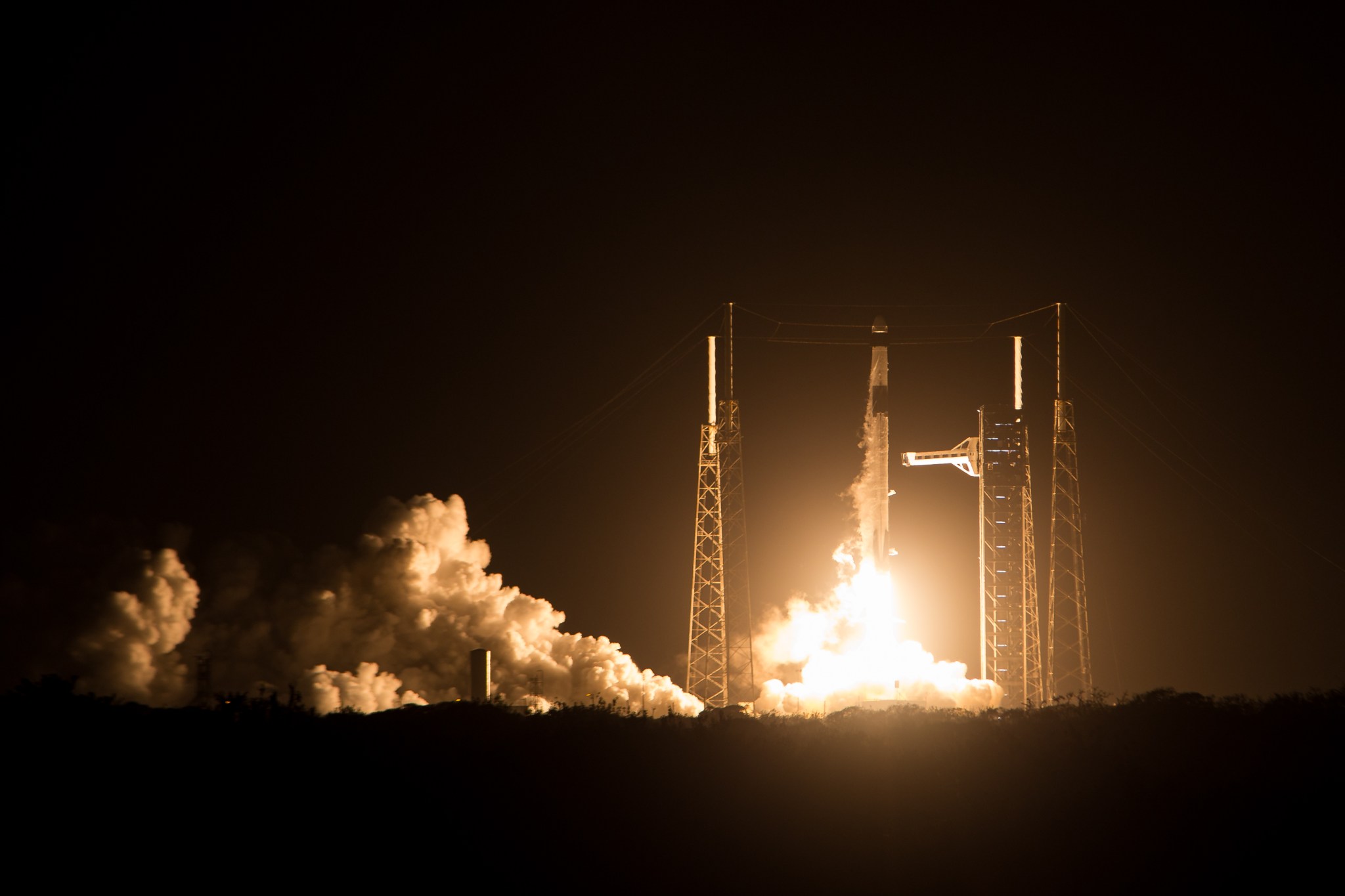
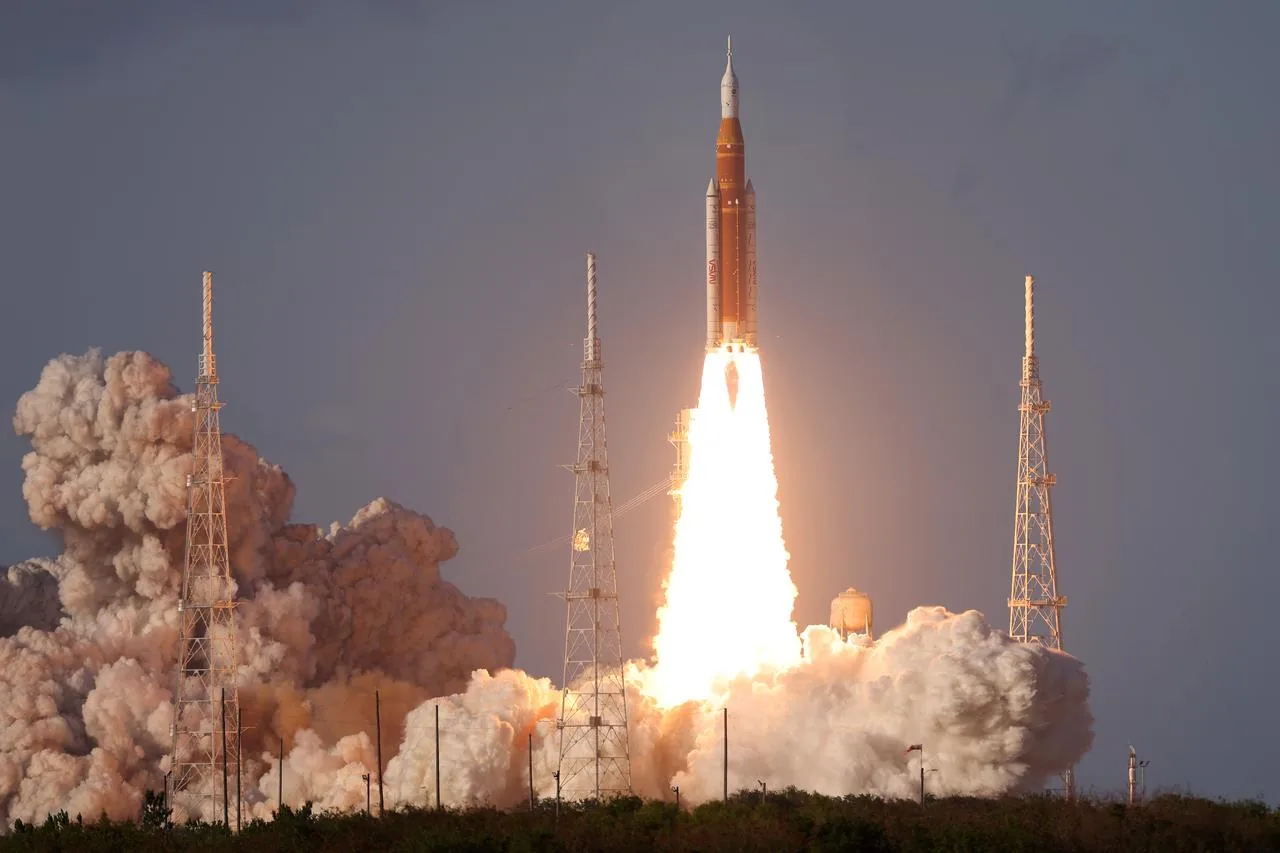
first non-American attempt at propulsive booster recovery
December 3, 2025LandSpace
Scroll to begin
China News Service (中国新闻社) / LandSpace, CC BY 3.0, via Wikimedia Commons
The world that day
8.1 billion
People on Earth
3
Nations to launch a human
12
Humans to walk on the Moon
5,500
Known worlds beyond the Sun
01 / 04
At midday on 3 December 2025, a gleaming stainless-steel rocket stood at Site 96, the commercial pad zone at Jiuquan in the Gobi Desert. Zhuque-3 belonged not to the Chinese state but to LandSpace, a private Beijing company that had already claimed one world first when its Zhuque-2 became the first methane-fueled rocket to reach orbit in July 2023. The day's ambitions were larger still: reach orbit on a maiden flight, then bring the first stage back to a propulsive landing, something only American rockets had ever attempted.
02 / 04
The ascent was nearly flawless. Nine Tianque-12A methalox engines drove the 66-meter rocket uphill, staging was clean, and the second stage carried a mass simulator into its planned orbit, a rare achievement for any rocket's first flight. The returning booster then flew most of its descent like a veteran, surviving the crushing aerodynamic loads of supersonic reentry, steering with grid fins and cold-gas thrusters, and guiding itself with high precision toward the landing pad. Engineers watching the telemetry had reason to believe China was seconds from joining the reusable club.
03 / 04
The final burn betrayed them. As the engine ignited for landing, abnormal combustion broke out, flame visibly washing the booster's base, and the stage crashed close to its pad in a desert fireball. LandSpace still declared the launch itself a success, and within days it published recovery-test data showing the thermal protection, aerodynamic layout, and attitude control had all been validated through the glide phase. The company promised a fresh landing attempt in the second quarter of 2026, with reuse of a recovered stage targeted by year's end.
04 / 04
The crash mattered less than the attempt. Ten years almost to the month after SpaceX first landed a Falcon 9, China became the second country to try propulsive recovery of an orbital-class booster, and it did so with a private company's rocket built from Starship-style stainless steel. The race to reuse had finally gone international, and everyone watching understood the next attempt would not be long in coming.
“
An anomaly occurred after the first-stage engine ignited during the landing phase, preventing a soft landing on the designated recovery pad.
LandSpace · Company statement, 3 December 2025
By the numbers
Maiden flight
3 Dec 2025, 04:00 UTC
Launch site
Site 96, Jiuquan (commercial zone)
Height / diameter
≈66 m / 4.5 m
First stage
9 × Tianque-12A methane-LOX engines
Construction
Stainless steel
Outcome
Orbit achieved; booster lost in landing attempt
Why it mattered
Zhuque-3's maiden flight ended American exclusivity in the defining technology of modern launch. By reaching orbit and nearly landing its booster on the same first flight, LandSpace compressed years of the Falcon 9 development arc into one afternoon and signaled that Chinese commercial space had moved from imitation to genuine contention. The flight set off an open race among Chinese firms to land a booster first, and it forced planners everywhere to shorten their estimates of when reusable competition would arrive.
▸LandSpace already held a world first: its Zhuque-2 beat both Starship and Vulcan to become the first methane-fueled rocket to reach orbit, in July 2023.
▸Reaching orbit on a maiden flight is rare by itself; Zhuque-3 did it while simultaneously attempting a feat only SpaceX and Blue Origin had ever achieved.
▸The booster flew nearly the entire descent successfully, surviving supersonic reentry and steering precisely toward the pad with grid fins and cold-gas thrusters before the final burn failed.
▸Like Starship, and unlike Falcon 9, Zhuque-3 is built of stainless steel, chosen for cost, weldability, and heat tolerance.
▸Within days LandSpace published its recovery-test findings and committed to another landing attempt in the second quarter of 2026, with booster reuse targeted by year's end.