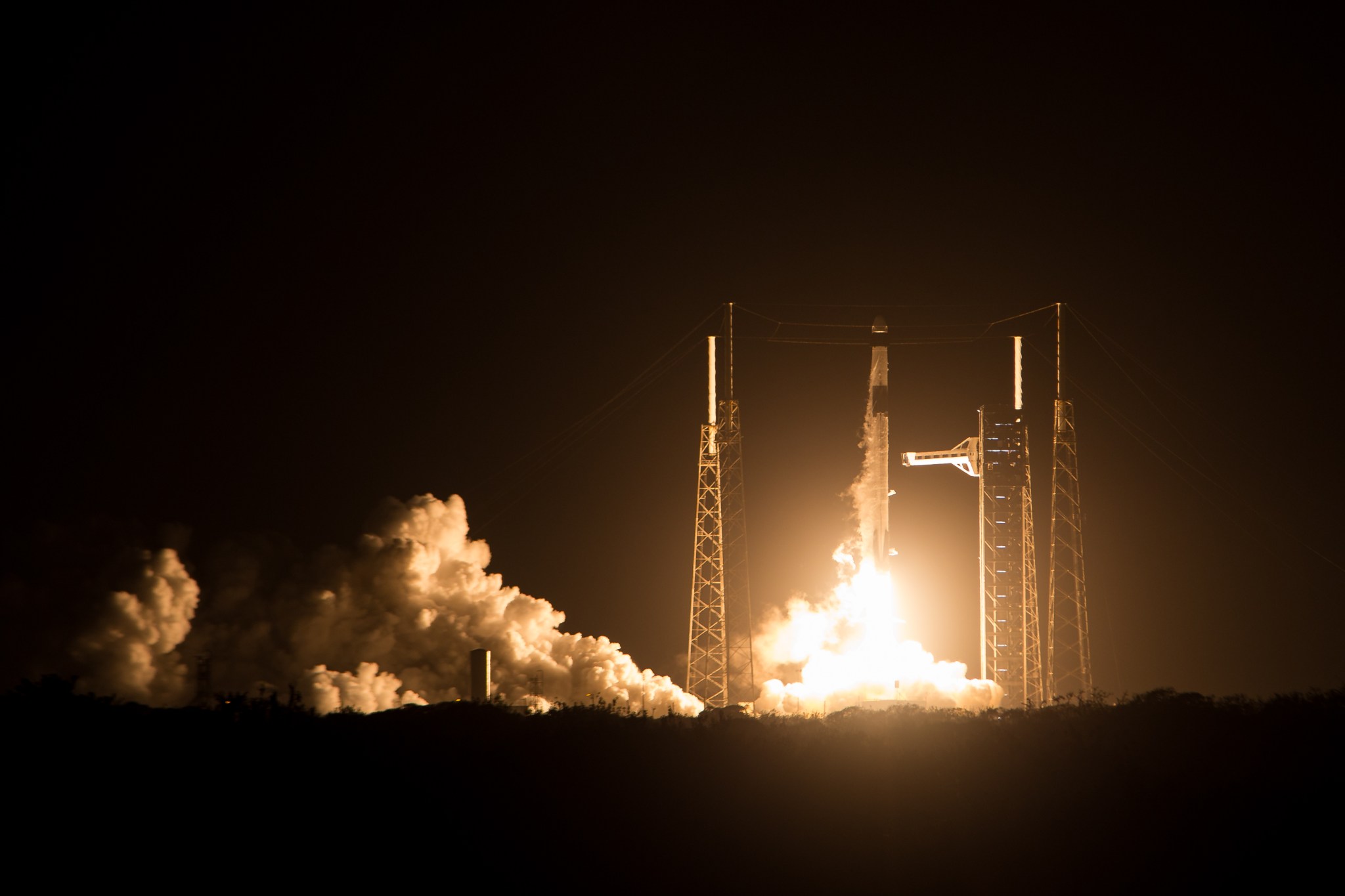
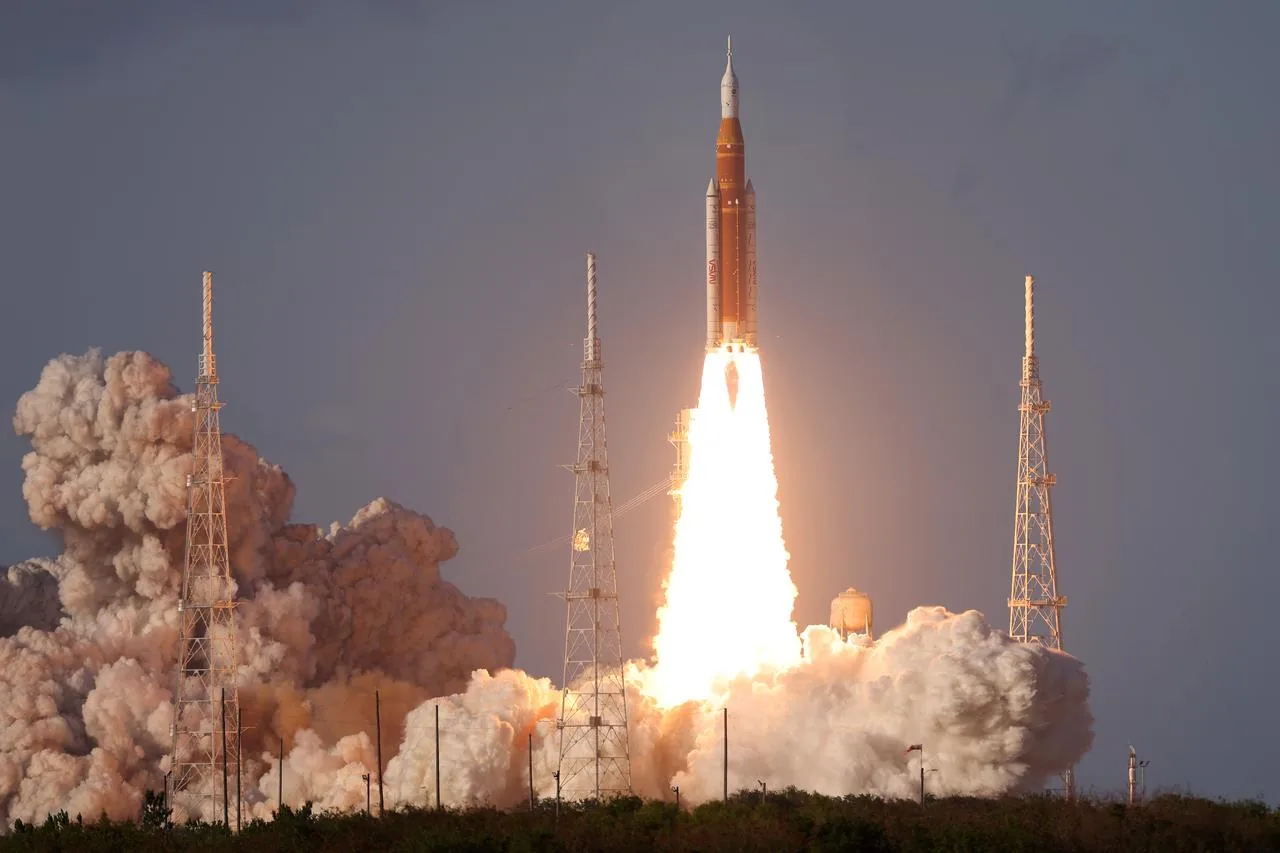
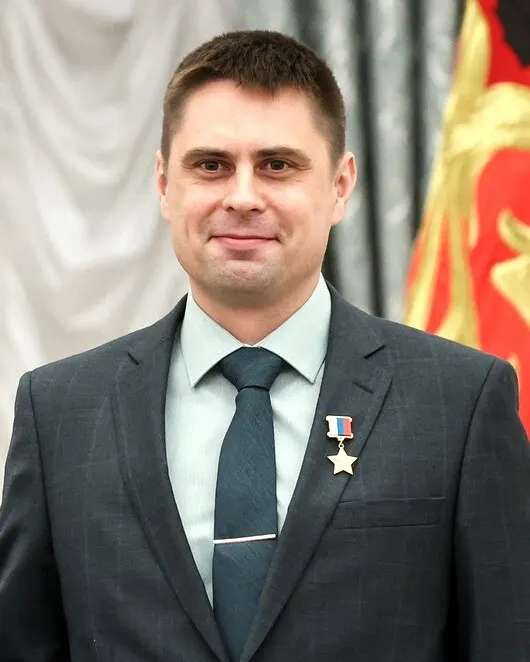
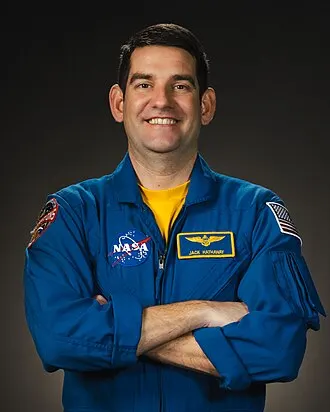
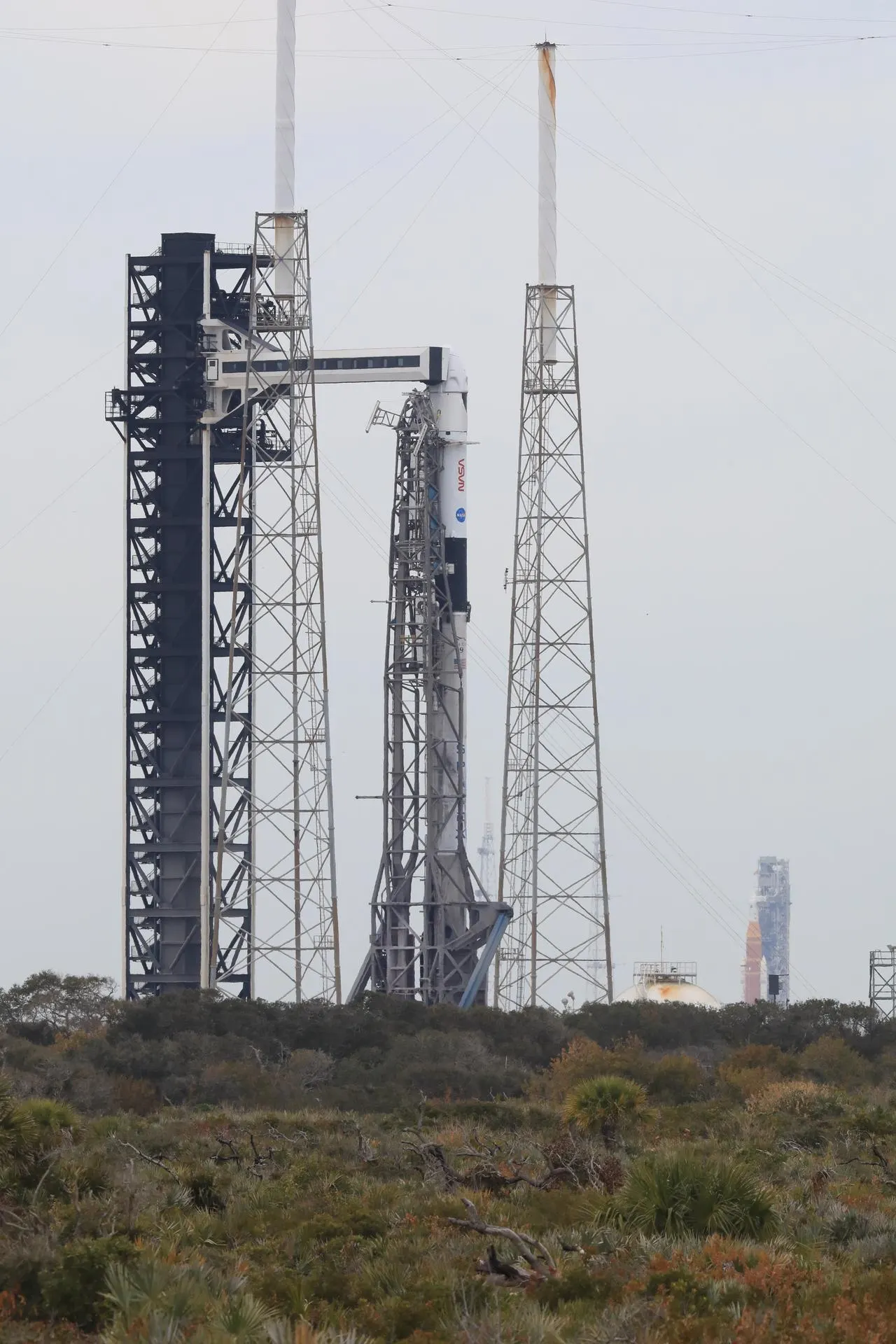
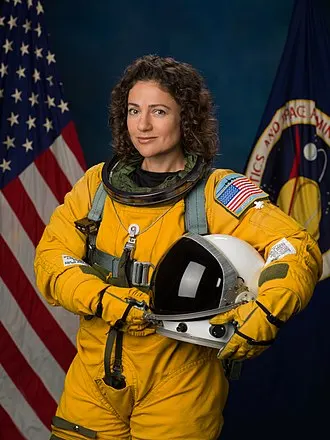
At 5:15 a.m. on 13 February 2026, a Falcon 9 cut through the Florida dark from Space Launch Complex 40 at Cape Canaveral. Inside the Crew Dragon Freedom, a capsule making its fifth trip to orbit, sat an unusually storied crew: commander Jessica Meir, half of history's first all-female spacewalk in 2019; rookie NASA pilot Jack Hathaway; ESA's Sophie Adenot, flying a mission she had named Epsilon; and Roscosmos cosmonaut Andrey Fedyaev, who had joined the crew barely ten weeks earlier after the abrupt removal of veteran Oleg Artemyev.
02 / 04
The station they were chasing needed them. Since Crew-11's departure in January, the International Space Station had been running with a skeleton crew of three: NASA's Chris Williams and cosmonauts Sergey Kud-Sverchkov and Sergei Mikaev. Weather had already pushed the launch back from 11 February, and every day mattered for a laboratory designed around seven pairs of hands. Minutes after liftoff, the booster added a small first of its own, making the inaugural touchdown at SpaceX's brand-new Landing Zone 40.
03 / 04
Freedom docked to the zenith port of the Harmony module at 20:15 UTC on 14 February, a Valentine's Day arrival that restored the station to its full seven-person complement. The newcomers folded into Expedition 74 and a research queue that included pneumonia-causing bacteria studied for cardiovascular therapies, technology for generating intravenous fluids in space, blood-flow investigations, and plant health monitoring. For Meir, it was a return to orbit more than six years after her first mission.
04 / 04
The flight carried a quiet historical rhyme. In October 2019, Meir and Christina Koch had floated out of the station together on the first all-woman spacewalk. In April 2026 the two were in space at the same time once again, Meir circling Earth aboard the ISS while Koch swept around the far side of the Moon on Artemis II. Adenot, meanwhile, became the first career astronaut of ESA's 2022 selection to reach orbit, a generational handoff in European spaceflight.
“
With Crew-12 safely on orbit, America and our international partners once again demonstrated the professionalism, preparation, and teamwork required for human spaceflight.
Jared Isaacman · NASA Administrator
By the numbers
Launch
13 Feb 2026, 10:15 UTC
Launch site
SLC-40, Cape Canaveral
Spacecraft
Crew Dragon Freedom (5th flight)
Docking
14 Feb 2026, 20:15 UTC, Harmony zenith
Crew
4 (NASA ×2, ESA, Roscosmos)
Expedition
74/75
Why it mattered
Crew-12 restored a fully staffed International Space Station at a fragile moment, ending a month of skeleton-crew operations and keeping the science pipeline alive in the station's final scheduled years. It also captured spaceflight's geopolitics in miniature: a Russian cosmonaut swapped weeks before launch amid security allegations, even as the seat-exchange system that keeps Americans and Russians flying together survived intact. The mission affirmed an unglamorous truth, that reliable crew rotation, more than any single first, is what keeps an orbital laboratory worth having.
▸Veteran cosmonaut Oleg Artemyev was pulled from the crew about ten weeks before launch, reportedly over photographs taken inside SpaceX's Hawthorne factory; Andrey Fedyaev replaced him.
▸The Falcon 9 booster made the first-ever landing at SpaceX's new Landing Zone 40.
▸The Valentine's Day docking lifted the ISS from a three-person skeleton crew back to its full complement of seven.
▸Sophie Adenot, flying her mission Epsilon, became the first career astronaut of ESA's 2022 class to reach orbit.
▸Commander Meir and Artemis II's Christina Koch, partners on the first all-woman spacewalk in 2019, were in space simultaneously that April, one circling Earth and one rounding the Moon.