Disclosure: We may earn a commission from purchases made through links on this page. Editorial picks are independently selected. Read our editorial standards.
Our top pick for 2026 is the Celestron SkyMaster 15x70 — the entry-level light-bucket that has introduced more people to binocular astronomy than any other model. For handheld stability without a tripod, it's the Nikon Aculon A211 10x50. For the rare combination of high magnification and rock-steady framing without a tripod, nothing beats the Canon 10x42 L IS WP image-stabilized binocular — but you pay for it. Below are 7 picks across $40 to $1,500, plus a buying guide that explains why "the bigger number wins" is wrong almost as often as it's right.
Stargazing Binocular Comparison
| Pick | Best For | Magnification × Aperture | Price Tier | Buy Link |
|---|---|---|---|---|
| Celestron SkyMaster 15x70 | Best light-bucket on a tripod | 15 × 70 mm | $ | Buy on Amazon → |
| Nikon Aculon A211 10x50 | Best general-purpose handheld | 10 × 50 mm | $ | Buy on Amazon → |
| Celestron SkyMaster Pro 20x80 | Serious deep-sky on heavy tripod | 20 × 80 mm | $$ | Buy on Amazon → |
| Orion Scenix 7x50 | Best ultra-wide handheld | 7 × 50 mm | $ | Buy on Amazon → |
| Canon 10x42 L IS WP | Best image-stabilized (premium) | 10 × 42 mm IS | $$$ | Buy on Amazon → |
| Canon 10x30 IS II | Best compact image-stabilized | 10 × 30 mm IS | $$ | Buy on Amazon → |
| Vortex Diamondback HD 10x50 | Best mid-tier daytime + stars | 10 × 50 mm | $$ | Buy on Amazon → |
Price tiers: $ < $200 / $$ $200–$800 / $$$ $800+
1. Celestron SkyMaster 15x70 — Best Light-Bucket on a Tripod
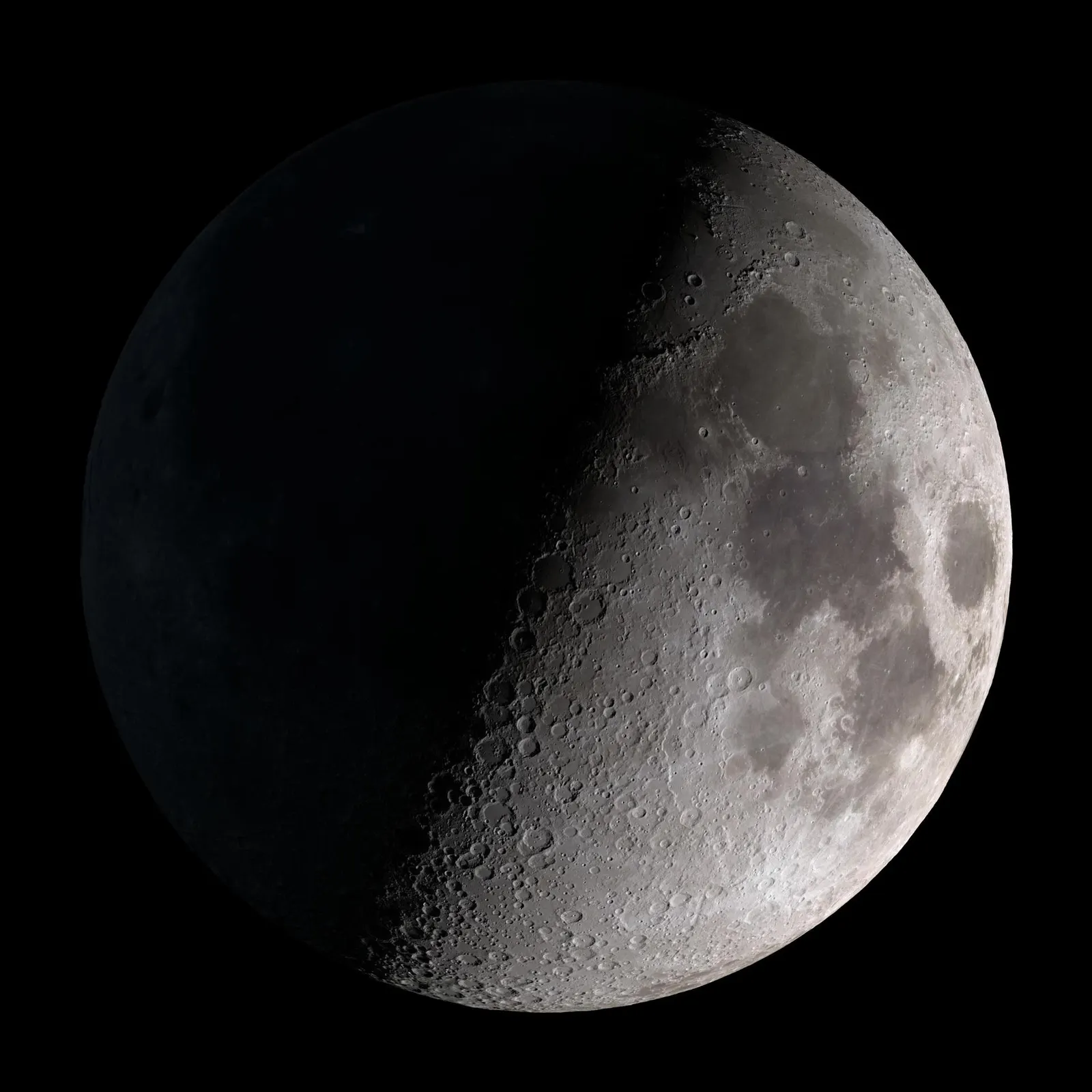
Almost every astronomy club has a Celestron SkyMaster 15x70 in the loaner cabinet. Seventy-millimeter objectives gather more than twice the light of 50 mm binoculars, the 15x magnification reveals lunar craters and the cloud bands of Jupiter (under steady mounting), and the price is the lowest in this guide. The catch is that 15x is too much for most people to hold steady — you genuinely need a tripod. Once you mount them, M31 (Andromeda Galaxy), M42 (Orion Nebula), the Pleiades, the double cluster in Perseus, and dozens of other deep-sky targets become accessible.
- Magnification: 15x
- Objective lens: 70 mm
- Field of view: 4.4° (231 ft at 1000 yds)
- Weight: 3.3 lb
- Tripod adapter: Built-in
- Price tier: $ (~$110–$150)
- Best for: Beginner-to-intermediate deep-sky on a tripod, lunar observation
Pros: Outstanding light-gathering for the price, tripod-mountable out of the box, the de facto starter binocular for astronomy. Cons: Too heavy and too high-magnification to hand-hold steadily; collimation drift after a drop is a known SkyMaster issue.
2. Nikon Aculon A211 10x50 — Best General-Purpose Handheld
The Aculon A211 in 10x50 is the binocular I tell people to start with if they want one pair that does both daytime hiking/birding and naked-eye-class stargazing. Ten-times magnification is right at the threshold of what most adults can hand-hold steadily, 50 mm objectives gather enough light for the Moon, brighter Messier objects, and Jupiter's four Galilean moons, and Nikon's optics are noticeably above the price point.
- Magnification: 10x
- Objective lens: 50 mm
- Field of view: 6.5° (342 ft at 1000 yds)
- Weight: 1.8 lb
- Tripod adapter: Yes (with optional adapter)
- Price tier: $ (~$120–$150)
- Best for: Dual-use birding/stargazing, a first stargazing binocular
Pros: Lightweight, sharp Nikon optics, excellent value, hand-holdable for most adults. Cons: 50 mm objective is the floor for serious deep-sky; for very faint targets you'll outgrow them.
3. Celestron SkyMaster Pro 20x80 — Serious Deep-Sky on a Heavy Tripod
If you've used 15x70s for a year and want more reach, the SkyMaster Pro 20x80 is the next step. Twenty-power magnification splits double stars the 15x70 cannot, the 80 mm objectives push useful aperture deeper, and the Pro variant uses BaK-4 prisms with multi-coated optics throughout. The trade-off: 5.5 lb of glass on a heavy tripod, with a binocular mount that needs to be rated for the load. Don't try a $40 photo tripod with these — get a parallelogram or counterweighted astronomy mount.
- Magnification: 20x
- Objective lens: 80 mm
- Field of view: 3.2° (168 ft at 1000 yds)
- Weight: 5.5 lb
- Optics: BaK-4 prisms, fully multi-coated
- Price tier: $$ (~$280–$350)
- Best for: Serious binocular astronomy on a robust mount
Pros: Real reach into deep-sky territory, sharp BaK-4 optics, included carrying case. Cons: Demands a heavy-duty mount; far too much for hand-holding; bulky for travel.
4. Orion Scenix 7x50 — Best Ultra-Wide Handheld
Seven-power binoculars are an underrated configuration for astronomy. The wider true field of view (around 7°) frames large objects like the Pleiades cluster, the Hyades, the North America Nebula, and big swaths of the Milky Way better than any 10x or 15x can. The 50 mm objectives still gather useful light, and 7x is so easy to hand-hold that even kids can use them effectively. Following Orion Telescopes' 2024 closure and brand revival under new ownership, the Scenix line has reappeared via resellers — confirm stock before ordering.
- Magnification: 7x
- Objective lens: 50 mm
- Field of view: ~7.1° (375 ft at 1000 yds)
- Weight: 2.4 lb
- Price tier: $ (~$130–$160 where in stock)
- Best for: Wide-field Milky Way scanning, comet hunting, kids and travel
Pros: Easiest binocular in this guide to hand-hold, glorious wide views, gentle learning curve. Cons: Magnification is on the low end for lunar detail; smaller deep-sky objects are tiny in the field.
5. Canon 10x42 L IS WP — Best Image-Stabilized (Premium)
Image-stabilized binoculars sound like a gimmick. They are not. Activating the IS circuit on a Canon 10x42 L IS WP transforms the view — the jitter you didn't realize you were seeing disappears, faint stars suddenly resolve as crisp pinpoints instead of wobbling smears, and you can actually use 10x magnification without a tripod for as long as your arms hold up. Canon's L-series fluorite-element optics are also genuinely premium-tier, and the WP rating means they survive dew and rain.
- Magnification: 10x
- Objective lens: 42 mm
- Field of view: 6.5°
- IS: Up to ±0.8° vibration compensation
- Weight: 2.4 lb
- Power: 2× AA batteries
- Price tier: $$$ (~$1,300–$1,500)
- Best for: Anyone who wants tripod-quality views without a tripod
Pros: Game-changing stabilization, premium L-series optics, weatherproof. Cons: Eye-watering price; battery dependence; weight is borderline for long handheld sessions.
6. Canon 10x30 IS II — Best Compact Image-Stabilized
If $1,500 is too much (it is for most of us), Canon's 10x30 IS II is the entry-level image-stabilized model and a remarkable piece of engineering at its price. Thirty-millimeter objectives gather less light than 50 mm, so deep-sky performance is more limited than the SkyMasters or Aculons — but for binocular Moon viewing, planetary moons, and bright Messier objects, the steadiness of the IS view actually shows you more detail than a wobbly 10x50.
- Magnification: 10x
- Objective lens: 30 mm
- Field of view: 6.0°
- IS: Yes, button-activated
- Weight: 1.4 lb
- Power: 2× AA batteries
- Price tier: $$ (~$500–$650)
- Best for: Travel, lunar/planetary, brighter deep-sky on a budget IS rig
Pros: Half the price of the 10x42 L IS, very portable, excellent IS performance. Cons: Smaller objective limits deep-sky reach; build is plastic-bodied, not weatherproof to the L-series standard.
7. Vortex Diamondback HD 10x50 — Best Mid-Tier Daytime + Stars
If your budget runs to $300 and you want a binocular that excels at daytime use and is competent at stargazing, the Vortex Diamondback HD 10x50 is the right pick. Vortex's HD glass and dielectric prism coatings produce noticeably better contrast than the budget 10x50s, the build is fully waterproof and fog-proof, and the VIP unconditional lifetime warranty is the best in the industry. Stargazing performance is comparable to the Nikon Aculon with a real edge in build quality.
- Magnification: 10x
- Objective lens: 50 mm
- Field of view: 6.5° (341 ft at 1000 yds)
- Weight: 1.8 lb
- Optics: HD glass, dielectric coatings
- Warranty: VIP unconditional lifetime
- Price tier: $$ (~$249–$299)
- Best for: Premium dual-use, daytime + nighttime, gift purchases
Pros: Excellent build, weatherproof, VIP warranty, sharper than budget 10x50s. Cons: No tripod adapter included (sold separately); pricier than pure-stargazing options like the SkyMaster.
What to Look For
Magnification × Aperture: Reading the Numbers
A binocular labeled "10x50" magnifies 10 times with 50 mm front lenses. Magnification is one factor; aperture (the front lens diameter, in mm) is the other. The key derived value is the exit pupil = aperture / magnification. A 10x50 has a 5 mm exit pupil; a 7x50 has a 7.1 mm exit pupil; a 15x70 has a 4.7 mm exit pupil. A young person's dilated pupil at full dark adaptation is around 7 mm, dropping to about 5 mm by middle age. An exit pupil larger than your dilated pupil is wasted light.
For most adults, 5 mm exit pupil (10x50, 12x60) is the practical sweet spot.
Hand-Holdability
The rule of thumb: any magnification above 10x is hard to hand-hold steady, and above 12x is essentially impossible for most adults. A 15x70 binocular needs a tripod. A 10x50 binocular is hand-holdable for short sessions. A 7x50 is hand-holdable indefinitely. Image-stabilized binoculars (Canon IS) break this rule because the IS circuit cancels the jitter.
Light-Gathering and the Sky
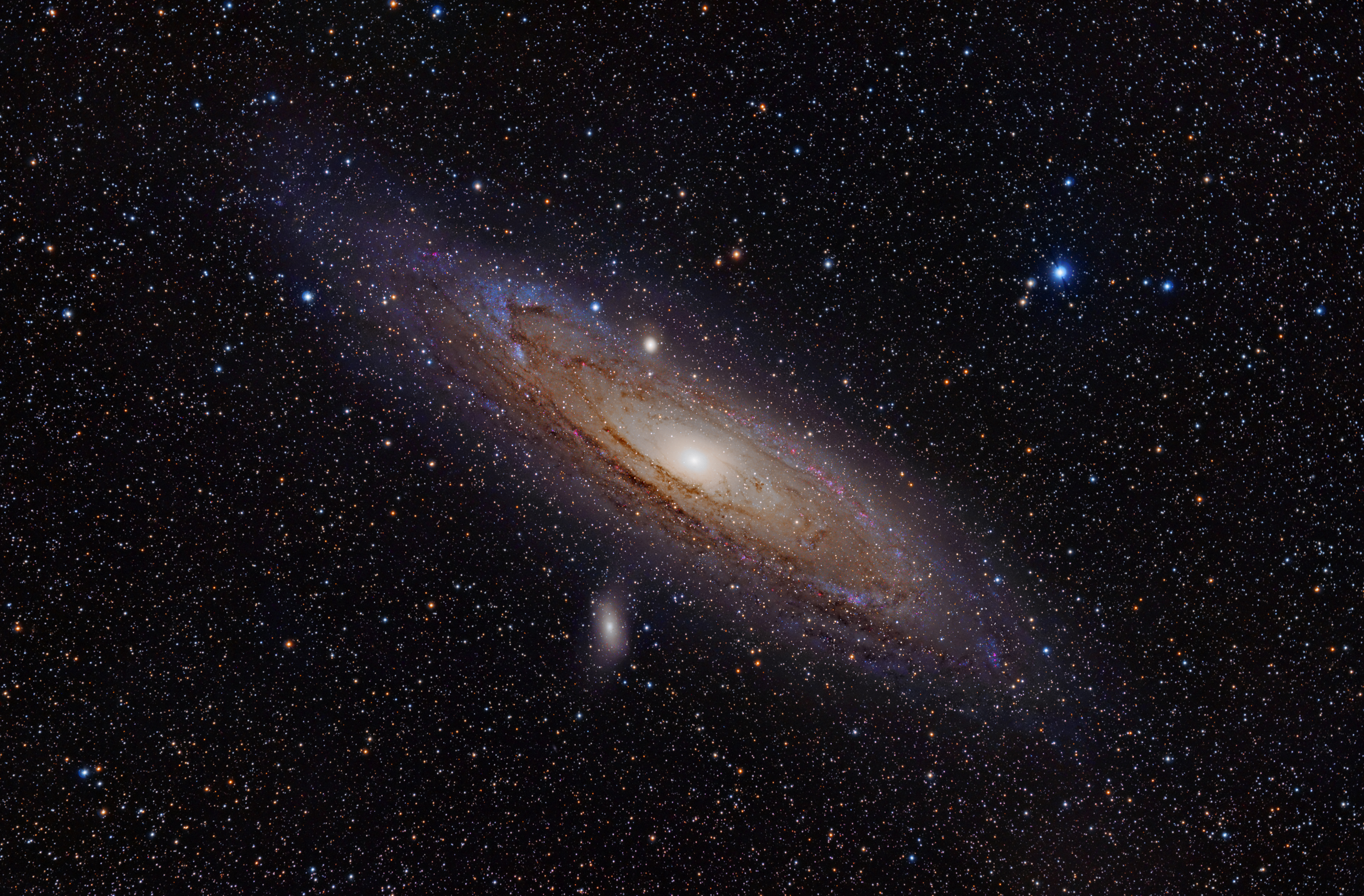
Aperture wins for deep-sky. A 70 mm binocular gathers 96% more light than a 50 mm — almost double — which translates to fainter stars resolved and hazy nebulae (Andromeda, Orion, the Lagoon) revealing more detail. From dark skies, a 15x70 on a tripod will show you M31's dust lane; a 7x50 hand-held will show you M31 as a featureless cotton ball.
Prism Type and Coatings
BaK-4 prisms outperform BK-7 prisms — they produce a fully round exit pupil with sharper edges and brighter image. Always confirm BaK-4 in the spec sheet. Then look for "fully multi-coated" optics (every air-glass surface coated, not just some), which boosts light transmission by 5–10%.
Mount Compatibility
If you're buying anything 12x or higher, confirm the binocular has a built-in tripod-adapter thread (most do, on the front of the center hinge). For very heavy units (20x80, 25x100), don't even consider a photo tripod — get a parallelogram or counterweighted astronomy binocular mount.
FAQ
Are binoculars good for astronomy, or should I just buy a telescope?
Binoculars are better than a telescope for: comets, large open clusters (Pleiades, Hyades), Milky Way scanning, the Andromeda Galaxy in its full extent, and quick "look up and identify" sessions. A telescope is better for: planetary detail, splitting tight double stars, faint deep-sky details, and serious magnification. Most amateur astronomers own both.
Can binoculars show me Saturn's rings?
Just barely. At 15x or 20x with steady mounting, Saturn looks oval — the ring extension is visible but not resolved as a clear ring. To see the rings as a clear ring, you need at least 25x magnification, which means a small telescope or 25x100 super-binoculars on a heavy mount.
What can I see with 10x50 binoculars?
Lunar craters along the terminator, Jupiter as a tiny disk plus its four Galilean moons, the Pleiades and Hyades clusters in their entirety, the Andromeda Galaxy as a glowing oval, the double cluster in Perseus, the Orion Nebula's central glow, comet comas, and dozens of brighter Messier objects. From dark skies, the count goes up substantially.
Are image-stabilized binoculars worth the money?
If you have the budget, yes — they're transformative. The view through an IS binocular at 10x is steadier than most people can hold a 7x. If your budget is under $400, buy a 10x50 and a tripod; you'll see more than with a $500 IS at 10x30.
Should I get 7x50 or 10x50?
Get 7x50 if you'll do mostly wide-field Milky Way scanning, comet hunting, or share with kids. Get 10x50 if you want more reach into the Moon and brighter deep-sky objects and you can hand-hold them steadily. If you're not sure, 10x50 is the more versatile starting point.
Will fog and humidity ruin my binoculars?
Cheap binoculars can fog internally if temperature changes are sudden. Waterproof, nitrogen-purged binoculars (Vortex Diamondback HD, Canon IS L, most Nikon Monarchs) are sealed and won't fog internally. They'll still get external dew on a humid night — wipe with a microfiber lens cloth, never your shirt.
How do I clean binocular lenses without scratching them?
Blow off loose dust with a Giottos rocket blower first. Then a few drops of optical lens cleaner on a microfiber cloth (never directly on the lens), wiping in a spiral from center outward. Don't reuse cloths once they have grit on them.
Sources
- Celestron SkyMaster product specifications, celestron.com
- Nikon Sport Optics product pages for Aculon A211, nikonusa.com
- Canon Image Stabilized Binoculars product pages, canon.com
- Vortex Optics product specifications and VIP warranty, vortexoptics.com
- Orion Telescopes product specifications (legacy and post-2024 reseller listings)
- Sky & Telescope binocular reviews and shootouts, skyandtelescope.org
- Cloudy Nights binocular forum tests and side-by-side comparisons, cloudynights.com
- BinocularSky monthly observing column and binocular database
- NASA Astronomy Picture of the Day for sample binocular targets, apod.nasa.gov