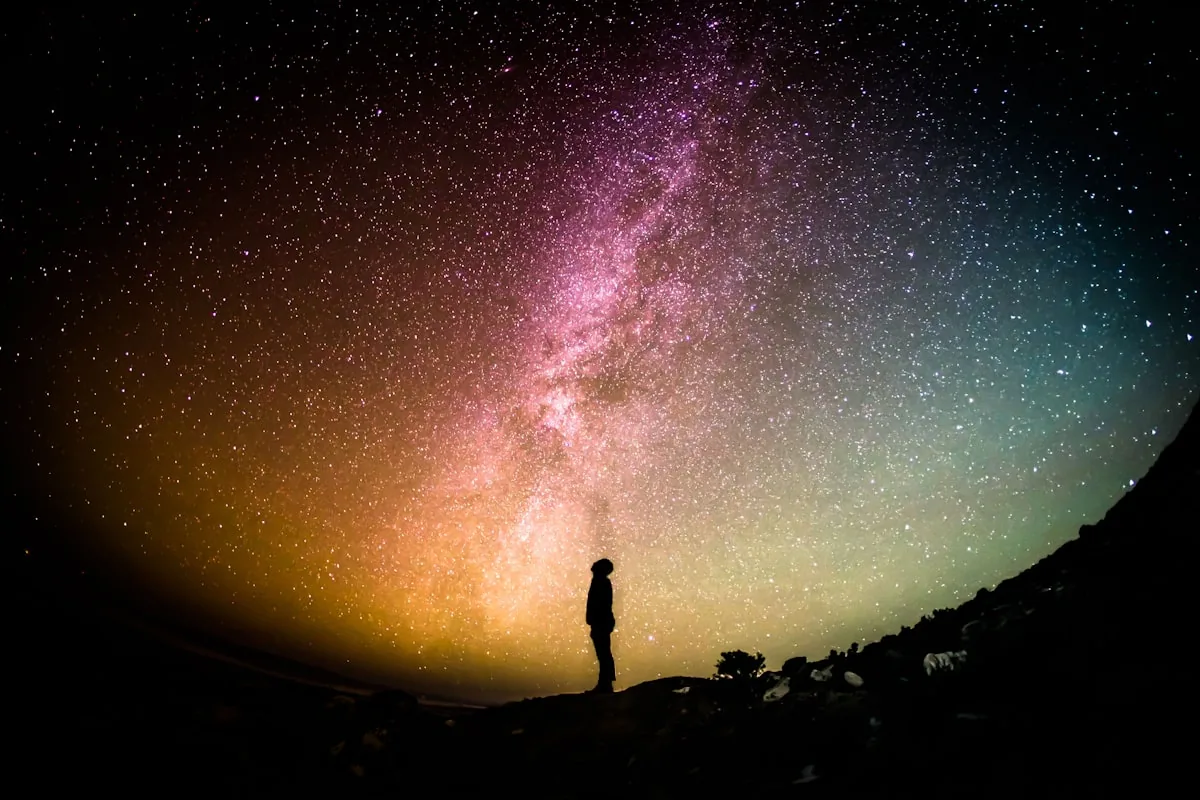
Stargazing is one of humanity's oldest activities, but it's never been easier to get started. You don't need a telescope. You don't need to understand astrophysics. You don't even need to drive anywhere special. All you need is a clear night, some patience, and a little guidance on where to look.
This guide will take you from complete beginner to confident naked-eye observer — and show you exactly what to expect if you decide to take the next steps with binoculars or a telescope.
Step One: Get Away from Light Pollution
The single most important factor in stargazing quality is darkness. Light pollution — the glow from cities, streetlights, and buildings — washes out faint stars and makes it impossible to see the Milky Way from urban areas. Even a moderate amount of suburban light dramatically reduces what you can see.
Understanding the Bortle Scale
Astronomers use the Bortle Dark-Sky Scale (1–9) to measure sky darkness:
- Bortle 1: Exceptionally dark, the zodiacal light is obvious, Milky Way casts shadows. Rare.
- Bortle 3–4: Rural sky, Milky Way is clearly visible, hundreds of naked-eye stars visible
- Bortle 6–7: Suburban sky, Milky Way barely detectable, major constellations clear
- Bortle 8–9: Inner-city sky, only brightest stars and planets visible
If you're in a Bortle 7–9 area (most city dwellers), even driving 30–60 minutes to a rural area can put you in a Bortle 4–5 sky with a dramatic improvement in viewing quality.
Tools to find dark skies: The Light Pollution Map at lightpollutionmap.info shows your area's Bortle rating. The Dark Sky Finder app and the International Dark-Sky Association (darksky.org) list certified dark sky parks and preserves near you.
Letting Your Eyes Adapt
Your eyes take 20–30 minutes to fully dark-adapt — the process by which your pupils dilate and your retinas switch from cone-based (color, daylight) to rod-based (monochrome, night) vision. During this adaptation period, avoid white light. If you need a flashlight, use a red-light flashlight or cover your phone with a red filter. White light instantly resets dark adaptation.
Avoid looking at your phone screen during this period. If you must check something, reduce brightness to minimum and use a dark mode or red filter app.
What to Look For With the Naked Eye
Even in a suburban sky, you can identify planets, bright stars, constellations, the International Space Station, and meteor showers without any equipment at all.
The Planets
Planets are often the brightest objects in the night sky after the Moon. They don't twinkle like stars — they shine with a steady light because they appear as discs (even if tiny ones) rather than points. Key identification tips:
- Venus: The brightest object in the sky after the Sun and Moon. Only visible near the horizon around sunrise or sunset (never in the middle of the night). Unmistakably bright.
- Jupiter: The second-brightest planet, often visible for many hours. With steady binoculars, you can spot its four Galilean moons as dots on either side.
- Saturn: Golden-colored, steadier light. Binoculars hint at its rings; a small telescope reveals them clearly.
- Mars: Distinctly reddish-orange. Brightness varies hugely depending on Earth-Mars distance — during opposition it can rival Jupiter.
Planets always appear along the ecliptic — the path the Sun follows across the sky. If you see a bright, non-twinkling object near this band, it's almost certainly a planet.
Constellations to Learn First
Don't try to memorize all 88 constellations. Start with five reliable anchors:
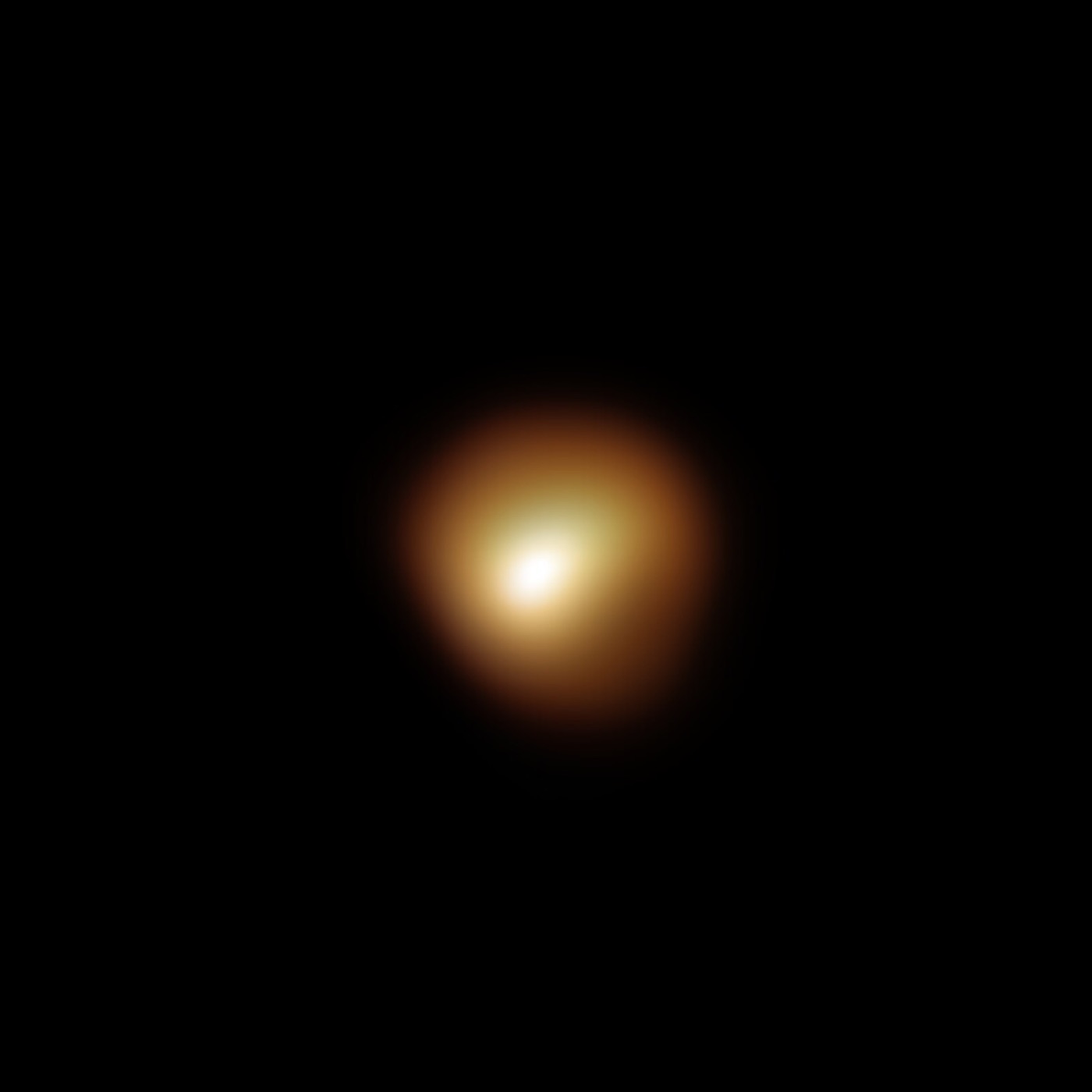
- Orion (Northern Hemisphere winter): The most recognizable constellation — three belt stars in a row, the red supergiant Betelgeuse at top left, blue-white Rigel at bottom right. The Orion Nebula (M42) is visible as a fuzzy patch in the sword below the belt.
- The Big Dipper (Northern Hemisphere, year-round): Not a constellation but an asterism within Ursa Major. The two stars at the end of the "bowl" (Dubhe and Merak) point to Polaris — the North Star — when a line is extended through them.
- Cassiopeia: A W or M shape, always opposite the Big Dipper from Polaris. Visible year-round from northern latitudes.
- Scorpius (summer in Northern Hemisphere): A large, S-shaped constellation with the bright red star Antares at its heart. Very striking from dark skies.
- The Southern Cross / Crux (Southern Hemisphere): The most recognizable southern constellation. Points roughly toward the south celestial pole. Four main stars form a compact cross.
The ISS and Satellites
The International Space Station is visible to the naked eye as a bright, fast-moving point of light — as bright as Venus in good conditions. It moves across the sky in about 6 minutes. The website heavens-above.com and the NASA Spot the Station app give exact pass times for your location. Seeing a $100 billion structure orbiting at 28,000 km/h overhead with your own eyes is genuinely thrilling.
Meteor Showers
Meteor showers happen when Earth passes through debris trails left by comets. The most reliable annual shows:
- Perseids (August 11–13 peak): Up to 100 meteors/hour in dark skies
- Geminids (December 13–14 peak): Often the year's most prolific shower, 120+/hour
- Leonids (November 17–18 peak): Variable, occasional outbursts
- Quadrantids (January 3–4 peak): Brief but intense peak
For meteor showers, the best approach is to lie flat, look straight up, and let your eyes sweep the whole sky. No equipment needed.
Moving to Binoculars
If you want to take the next step without spending much money, a pair of binoculars will reveal more than you expect. Any binoculars work, but astronomy-specific recommendations are 7x50 or 10x50 (magnification x objective lens diameter in mm). Larger objectives gather more light — critical for night use.
With binoculars, you can see:
- Jupiter's four Galilean moons (Io, Europa, Ganymede, Callisto)
- The Pleiades star cluster (M45) in its full glory — dozens of stars in a tight group
- The Andromeda Galaxy (M31) as an oval smudge — the most distant object visible to the naked eye at 2.5 million light-years
- The Moon's craters in sharp detail
- Star clusters including the Beehive (M44) and the Orion Nebula
The key technique with binoculars is to stabilize them. Lean against a wall, rest your elbows on a surface, or use a tripod adapter. Hand-held binoculars make it hard to hold targets steady enough for detailed observation.
Telescopes: What to Know Before You Buy
The most common beginner mistake is buying a cheap department-store telescope. Many sub-$100 telescopes have tiny, poorly made optics, flimsy mounts, and frustrating eyepieces. They create a bad experience that puts people off astronomy permanently.
The better approach is to either spend enough for a quality instrument or start with binoculars and visit a local astronomy club to look through different telescopes before committing.
Aperture is King
The most important spec in a telescope is aperture — the diameter of the main mirror or lens. More aperture means more light gathered and more detail visible. A 6-inch (150mm) reflector will always outperform a 3-inch (75mm) refractor on faint objects, regardless of what the box says about magnification.
Recommended Beginner Telescopes
- Dobsonian reflectors (6"–10"): The best aperture-for-dollar option. Simple alt-azimuth mount, large mirrors, excellent for planets and deep-sky objects. The 6" Dobsonian (around $250–400) is the standard recommendation for beginners.
- Computerized GoTo mounts: More expensive, but the mount will automatically point to and track any object in its database. Useful for beginners who struggle with star-hopping. Requires alignment setup under the stars.
- Refractors: Classic lens-based telescopes. Good for lunar and planetary work, small and portable. 70mm–80mm aperture makes a solid beginner scope.
Apps to Get You Started
- Stellarium (free, iOS/Android): Point your phone at the sky and it identifies every star, planet, and satellite in real time. One of the most useful astronomy apps available.
- SkySafari: More advanced planning features, telescope control for motorized mounts
- ISS Detector: Real-time ISS and satellite pass alerts
- Clear Outside / Clear Dark Sky: Weather forecasting specifically for astronomers, showing cloud cover, transparency, and seeing (atmospheric steadiness) predictions
Planning Your First Session
A practical checklist for your first serious stargazing outing:
- Check the weather — you need clear skies and ideally low humidity
- Check the Moon phase — a full Moon washes out faint objects. New Moon weeks are ideal for deep-sky; full Moon weeks are great for lunar observation
- Check local sunset time — allow 30–45 minutes after sunset for the sky to fully darken
- Dress warmly — you'll be standing still outdoors for hours, often in cold temperatures
- Bring a red flashlight, a star chart (or Stellarium on your phone), a reclining chair or blanket, and something warm to drink
- Give your eyes 20+ minutes to dark-adapt before judging the sky quality
Joining a Community
Local astronomy clubs are invaluable for beginners. Most clubs hold regular "star parties" at dark-sky sites where experienced members share their telescopes and knowledge freely. You'll see more in one star party than you could through months of solo observation.
The International Dark-Sky Association (IDA) has chapters worldwide. The Astronomical League (US), the Society for Popular Astronomy (UK), and national astronomical societies in most countries offer membership, observing programs, and certification tracks that give structure to the learning process.
Key Takeaways
- Darkness matters more than equipment: Drive away from city lights before buying any gear
- Start with your naked eyes and a star chart app — you can see more than you expect
- Let your eyes dark-adapt for 20–30 minutes before judging sky quality
- Binoculars (7x50 or 10x50) are the best low-cost upgrade from naked-eye observing
- If buying a telescope, prioritize aperture and mount quality over magnification claims
- Join a local astronomy club — the community and shared equipment are invaluable
- Meteor showers, the ISS, and planetary conjunctions are spectacular free events requiring no equipment
The universe is patient. It has been putting on this show for 13.8 billion years and will continue long after all of us are gone. All you have to do is look up.