analysisJuly 17, 2026
China's First Booster Recovery: Long March 10B Caught in a Net
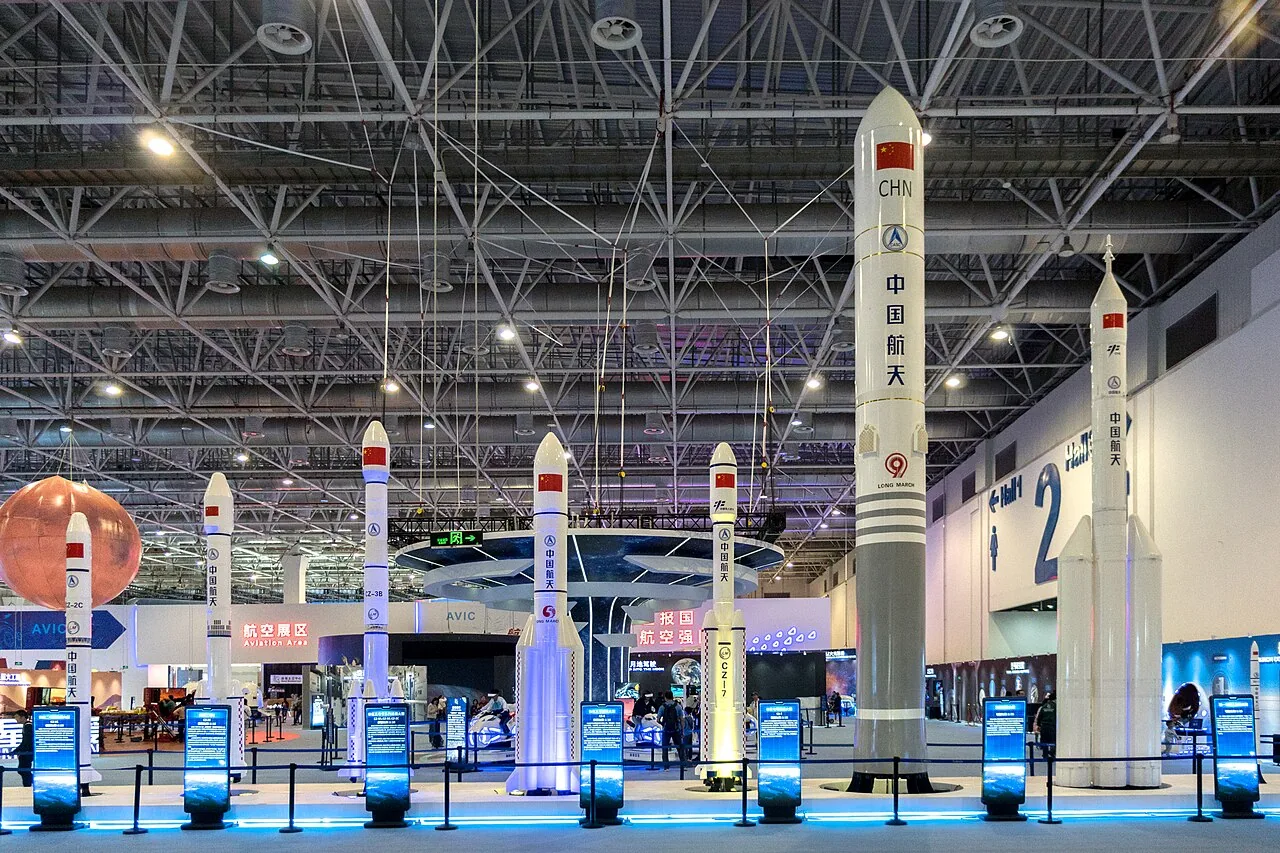
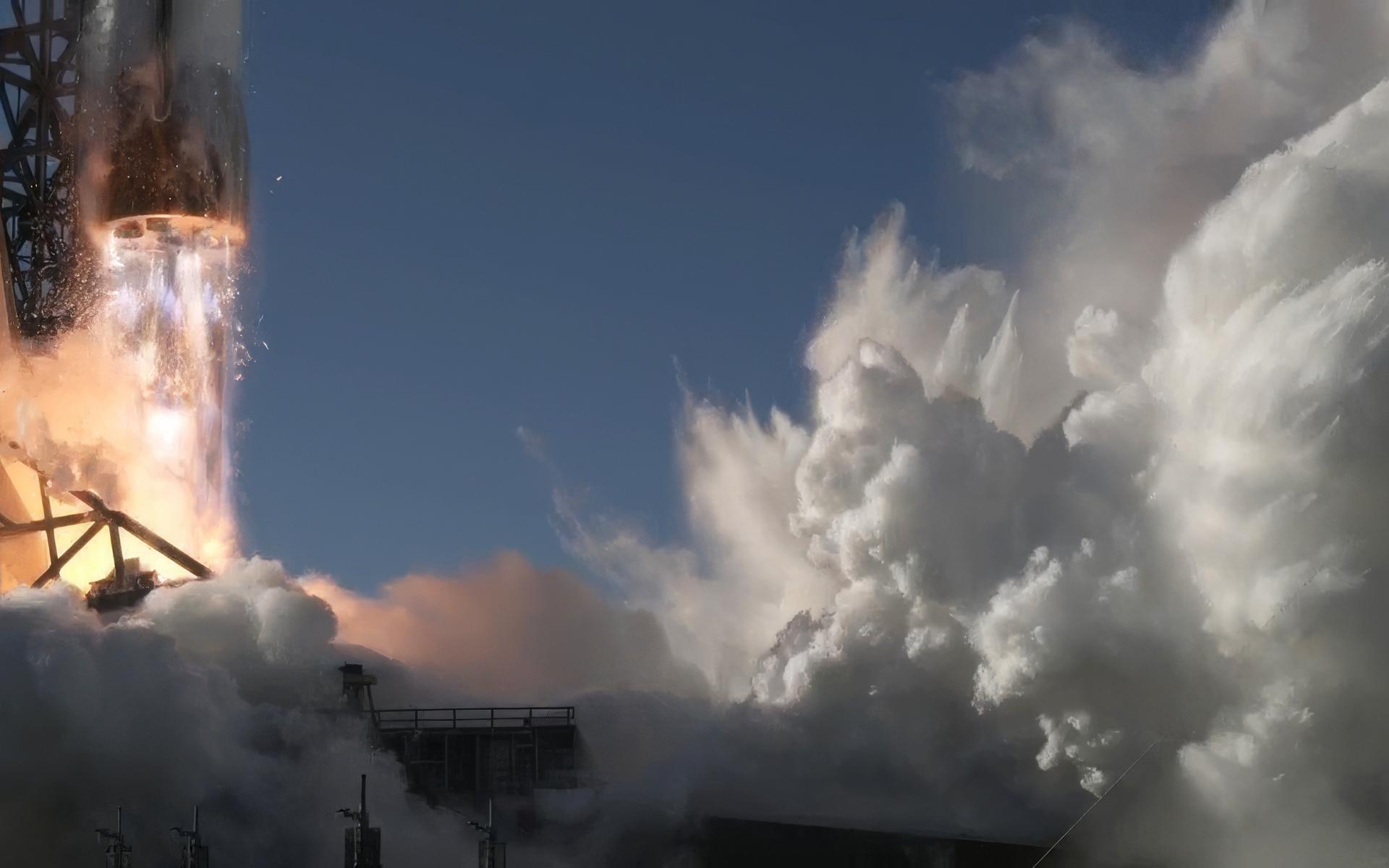
China caught a Long March 10B booster in a net at sea on July 10, 2026 — its first orbital booster recovery, and the world's first net capture of a rocket.
China caught a Long March 10B booster in a net at sea on July 10, 2026 — its first orbital booster recovery, and the world's first net capture of a rocket.
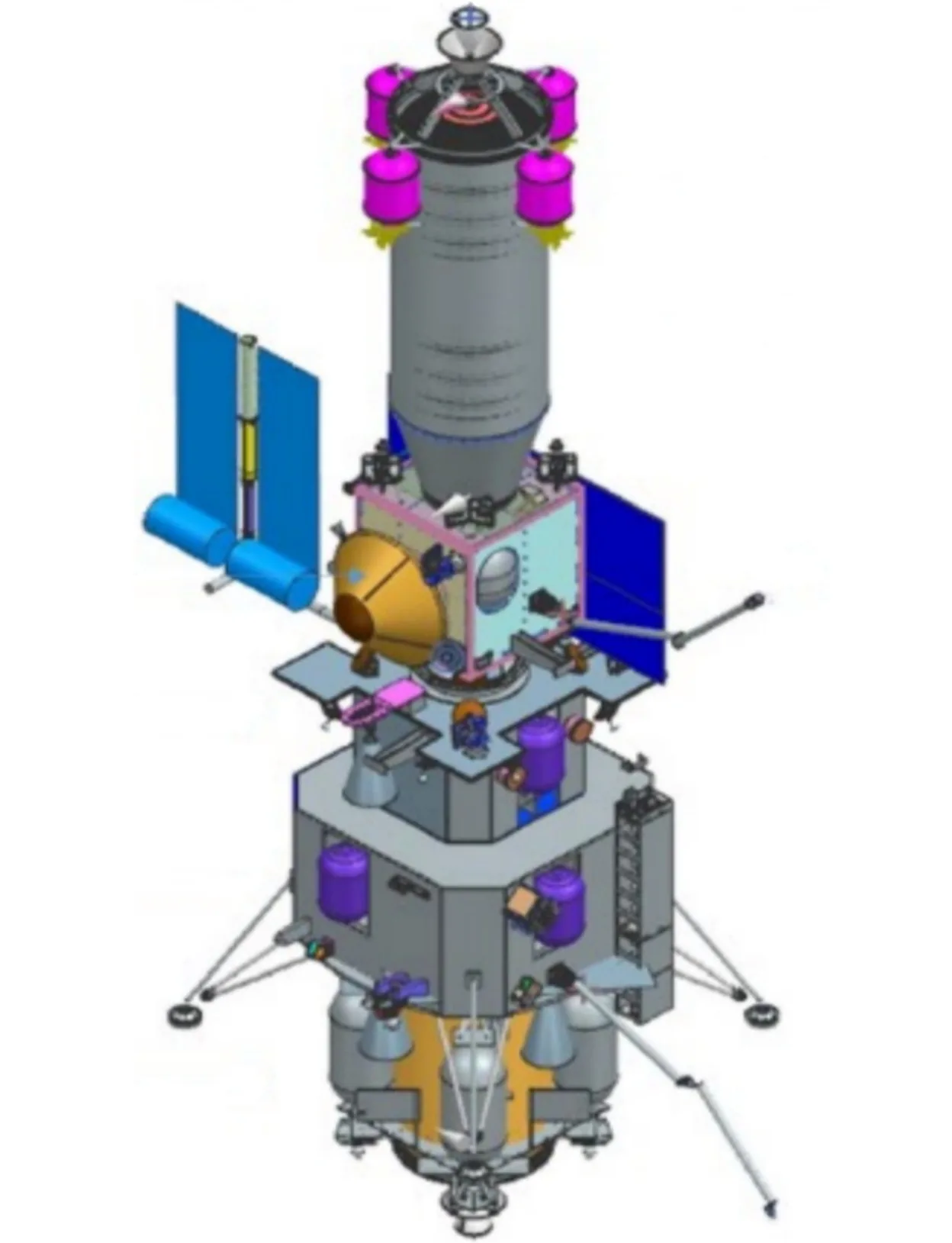
Inside Chandrayaan-4, India's ambitious lunar sample-return mission — five modules, two LVM3 launches, orbital docking, and about 3 kg of Moon rock by 2028.
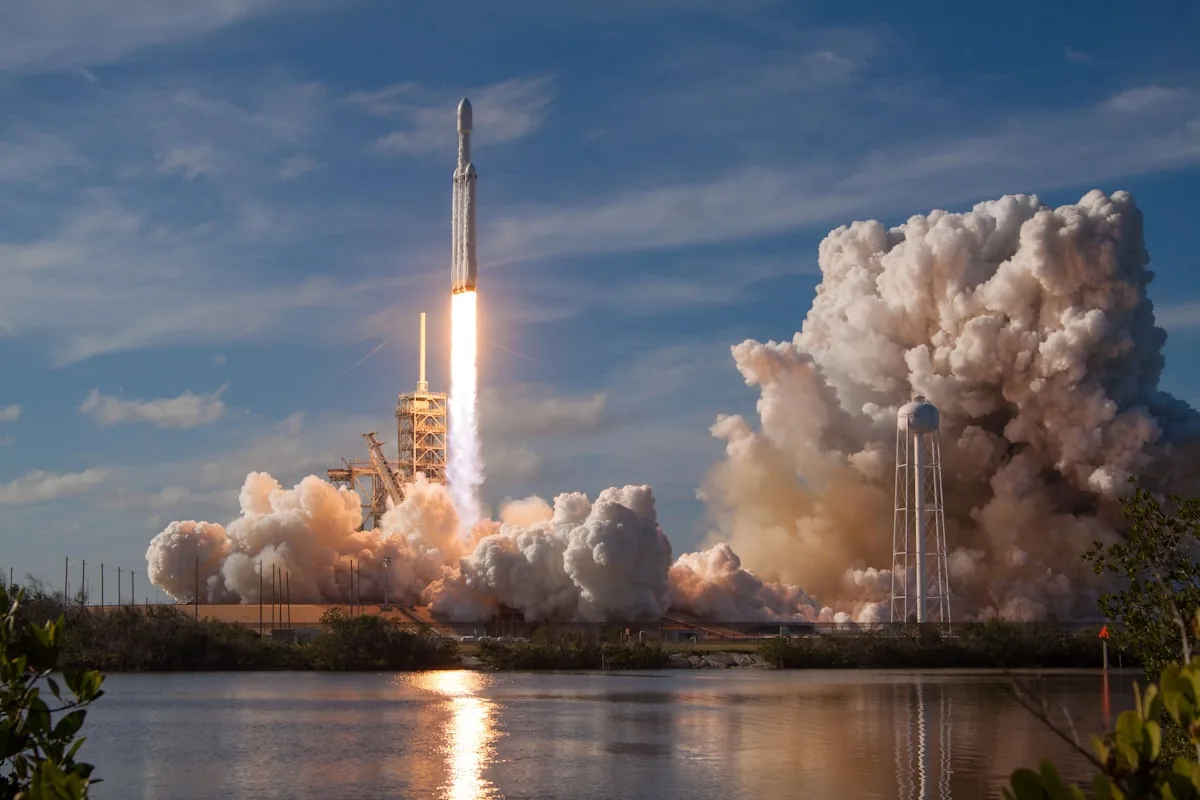
Meet the four Indian Air Force test pilots training to become India's first astronauts on Gaganyaan — and how one of them already flew to the ISS.
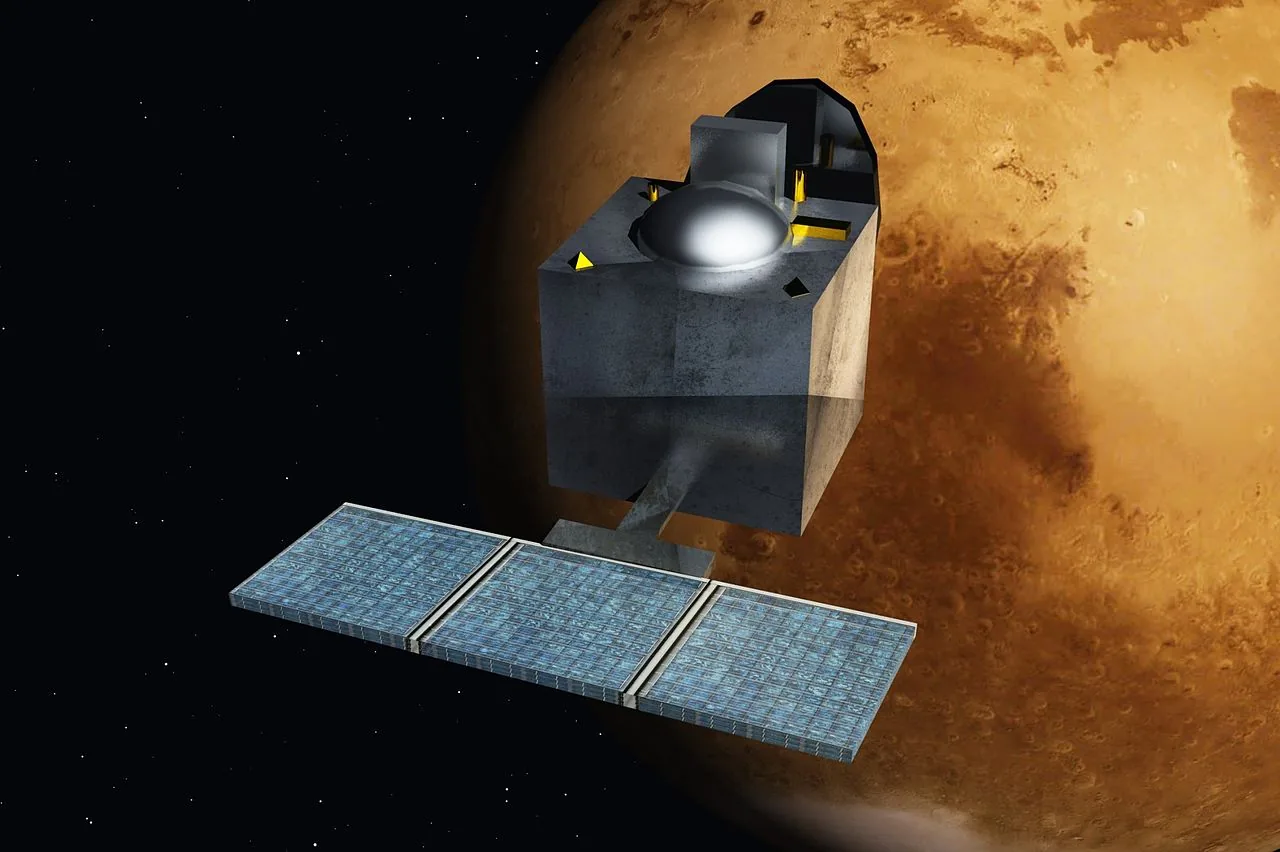
How ISRO's Mangalyaan reached Mars orbit on its first attempt for about $74M — the engineering, the frugal-genius story, what it found, and Mangalyaan-2.
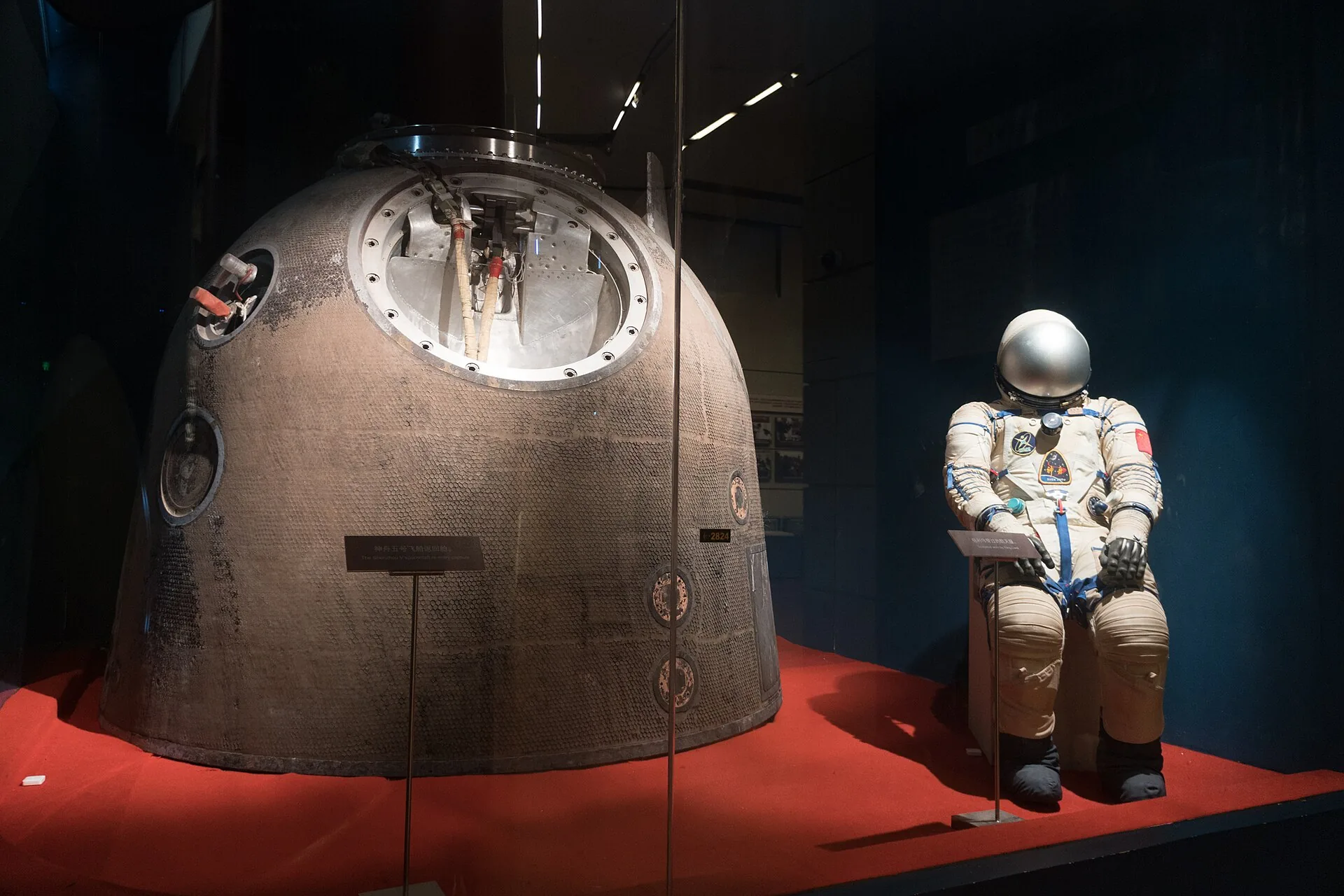
From Project 921 and Yang Liwei's 2003 first flight to Tiangong crew rotations, the Mengzhou spacecraft and a 2030 Moon landing — the Shenzhou story.
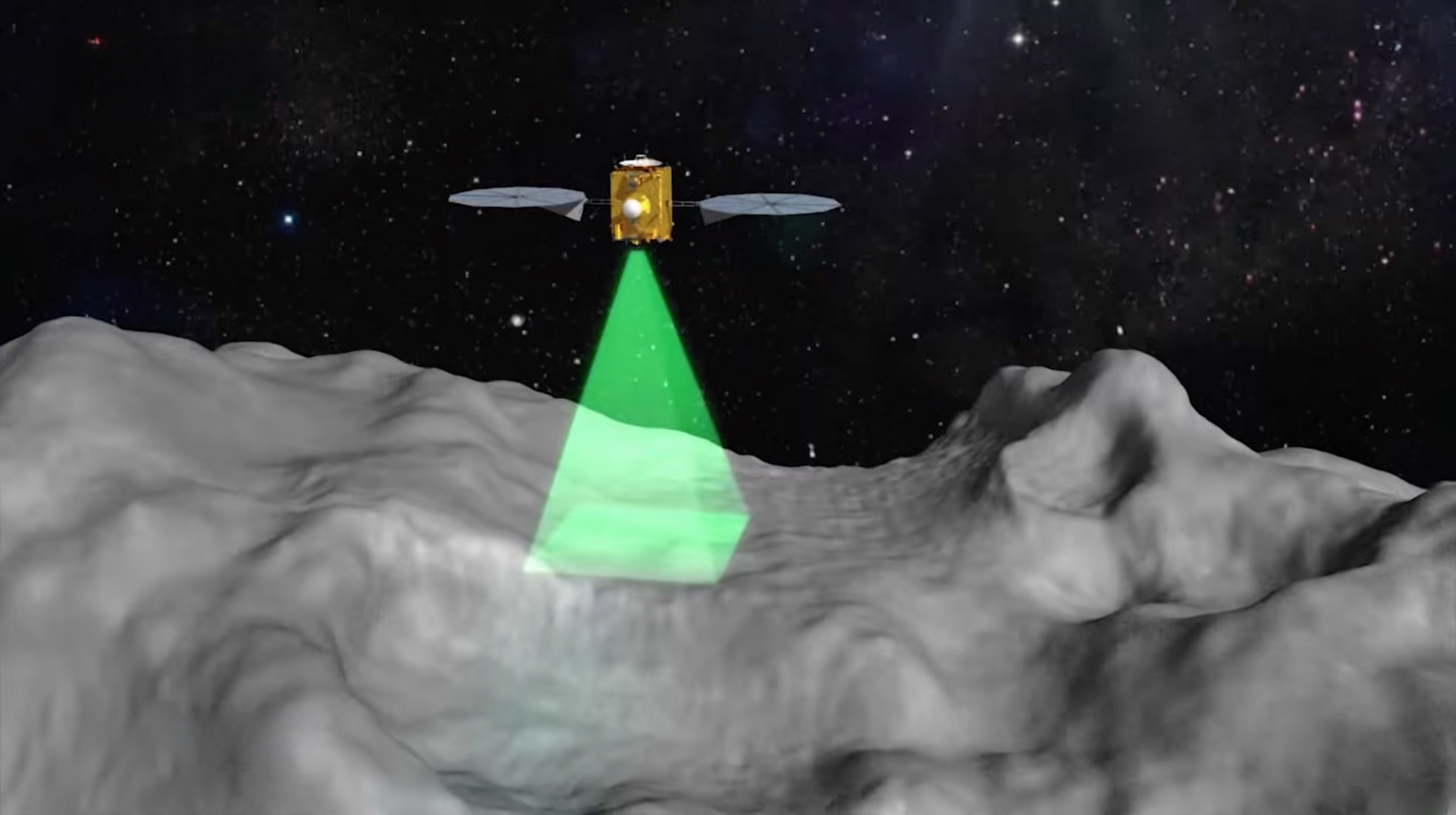
China's Tianwen-2 reached the quasi-moon Kamoʻoalewa in June 2026 to grab an asteroid sample, return it to Earth by 2027, then chase a comet.
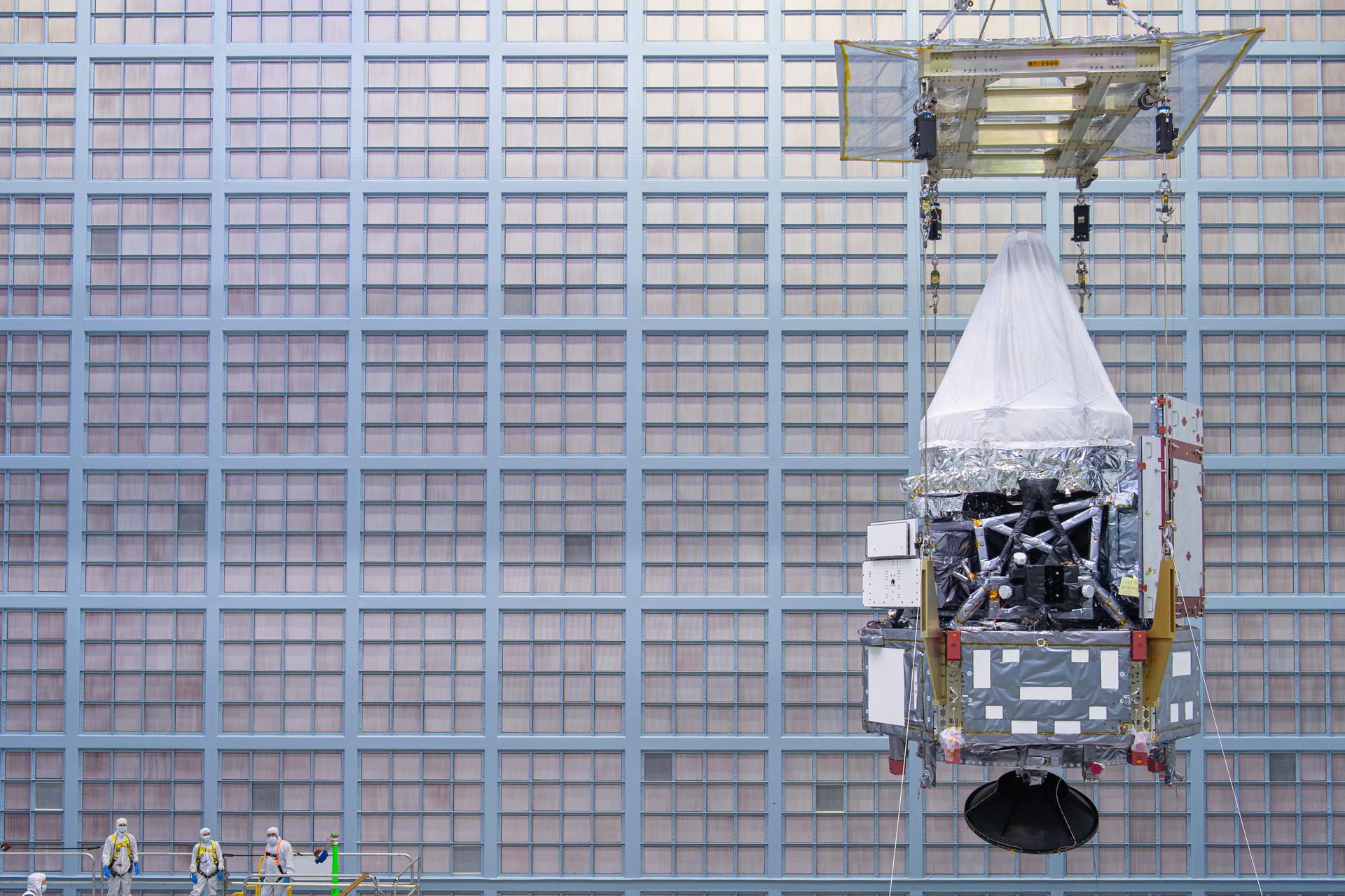
Side-by-side: Roman, Hubble, JWST, and Euclid compared on mirror size, field of view, wavelength, orbit, and science goals — with a full comparison table.
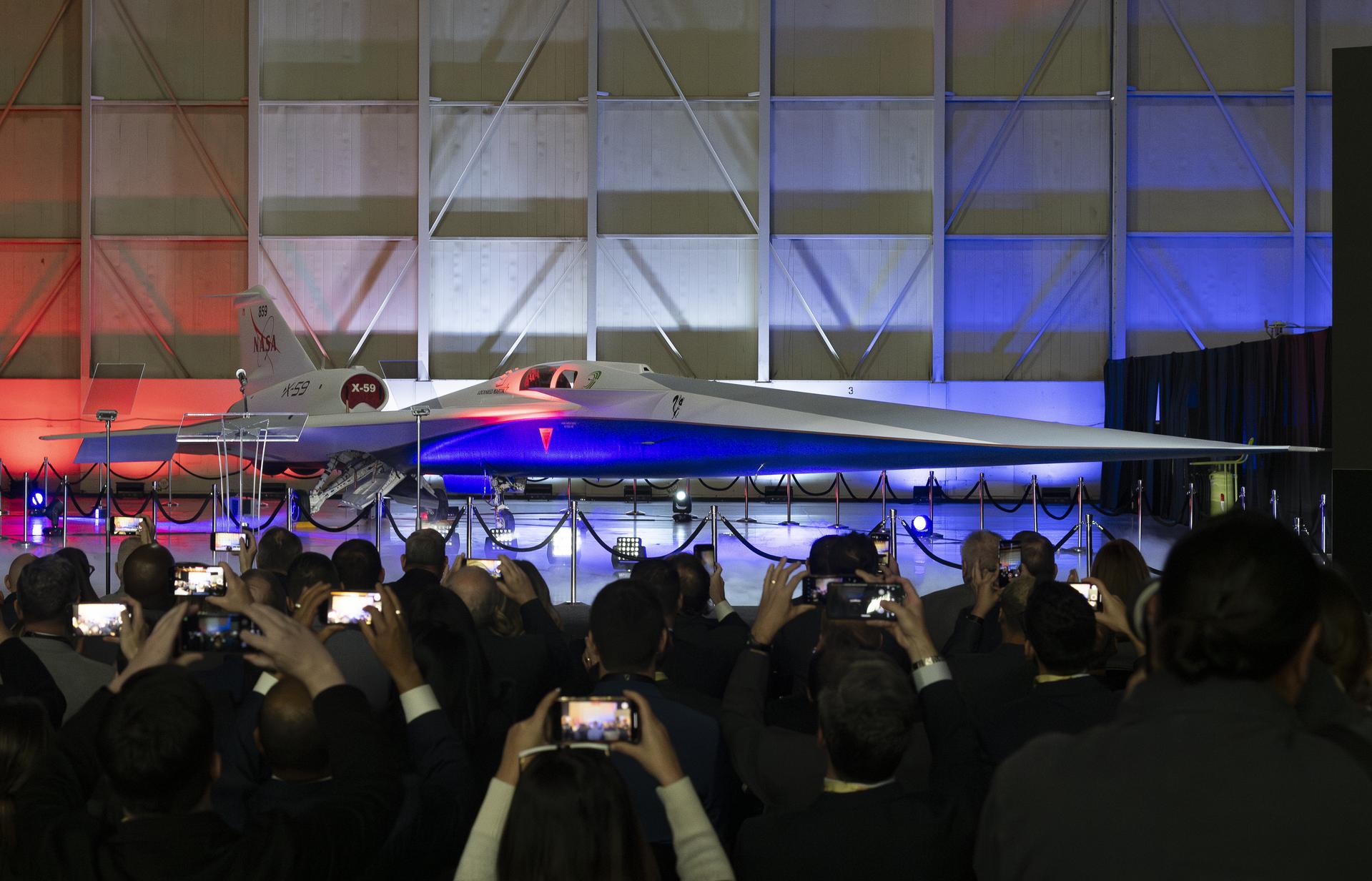
NASA's X-59 flew supersonic on June 5, 2026. Here's what the Quesst mission means for quiet supersonic travel — and if a Concorde successor is really coming.
On May 28, 2026, a New Glenn static fire anomaly levelled Launch Complex 36. Here's what it means for Blue Moon, Artemis 3, and NASA's 2028 moon landing.
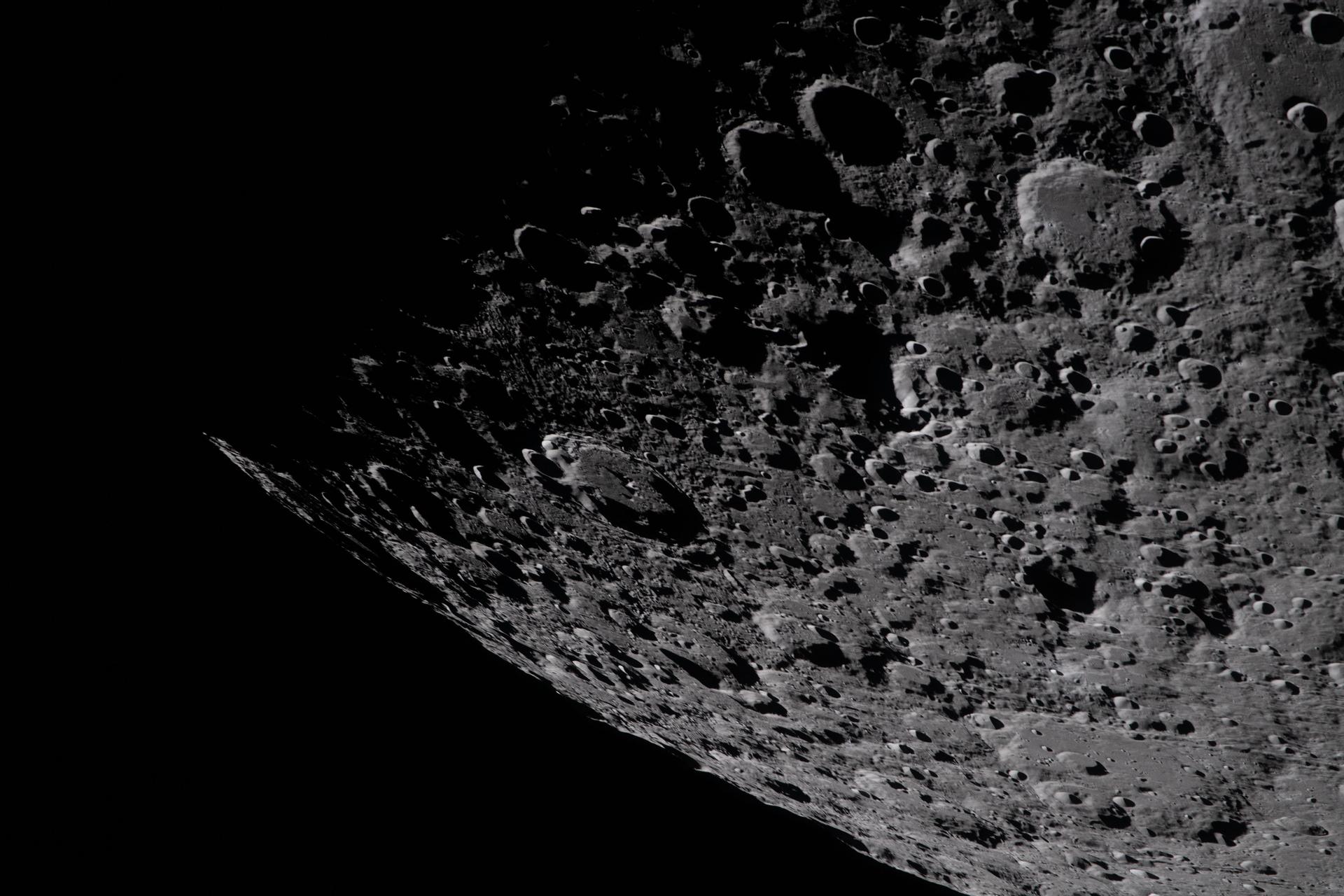
NASA's $749M Moon Base Phase One — Astrolab CLV-1 and Lunar Outpost Pegasus rovers, Blue Moon Mk1 LTV delivery, and Firefly's MoonFall hopper drones.
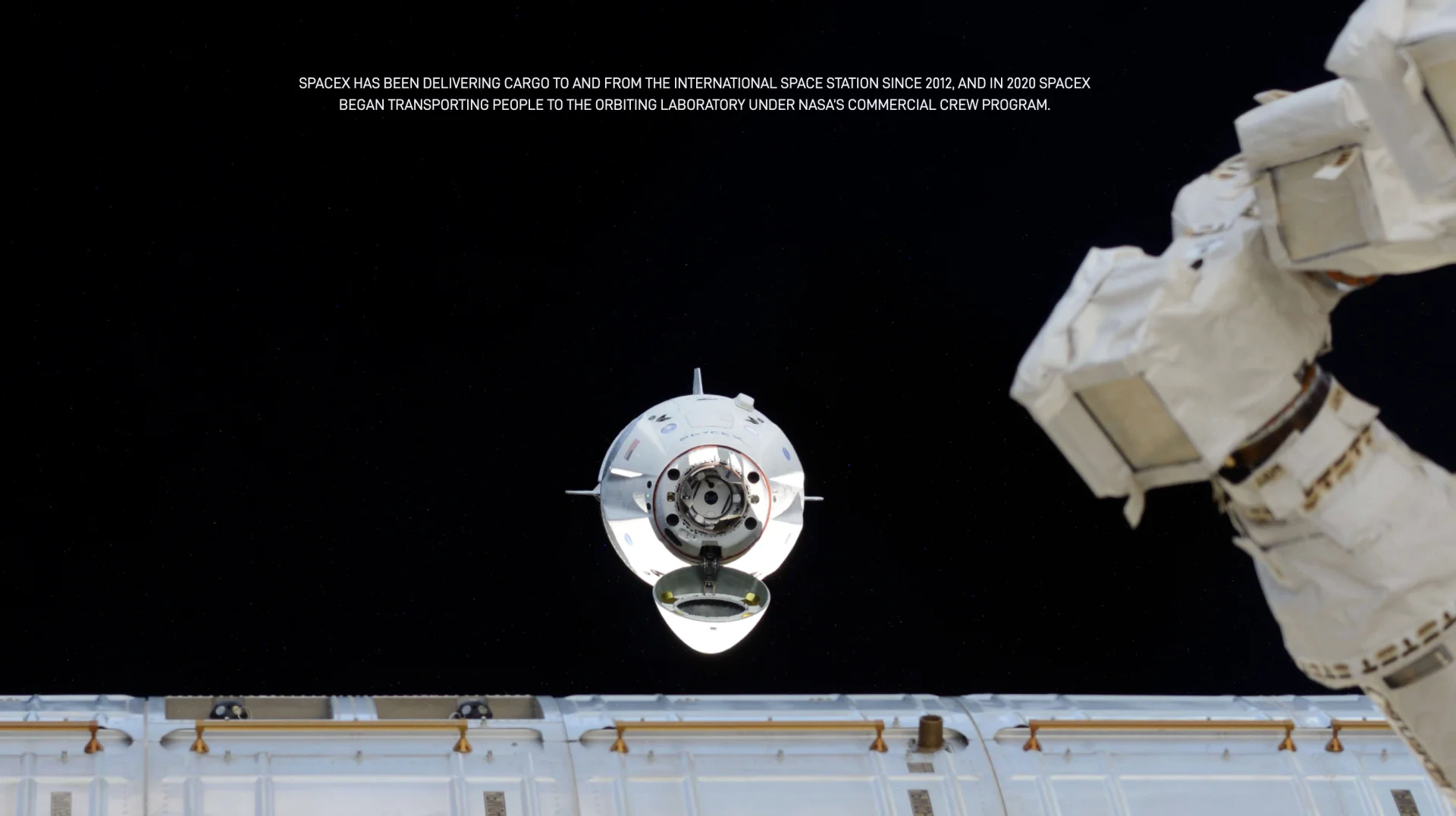
SpaceX has roughly $22 billion of lifetime federal commitments, $3.8 billion in FY2024 obligations, and a 100% sweep of NSSL Phase 3 Lane 1 task orders awarded through May 2026. The bull case is that this concentration is the moat. The bear case is that this concentration is the tail risk. We build the full contract stack, walk the audit trail, and weigh the political volatility that bracketed June 2025.
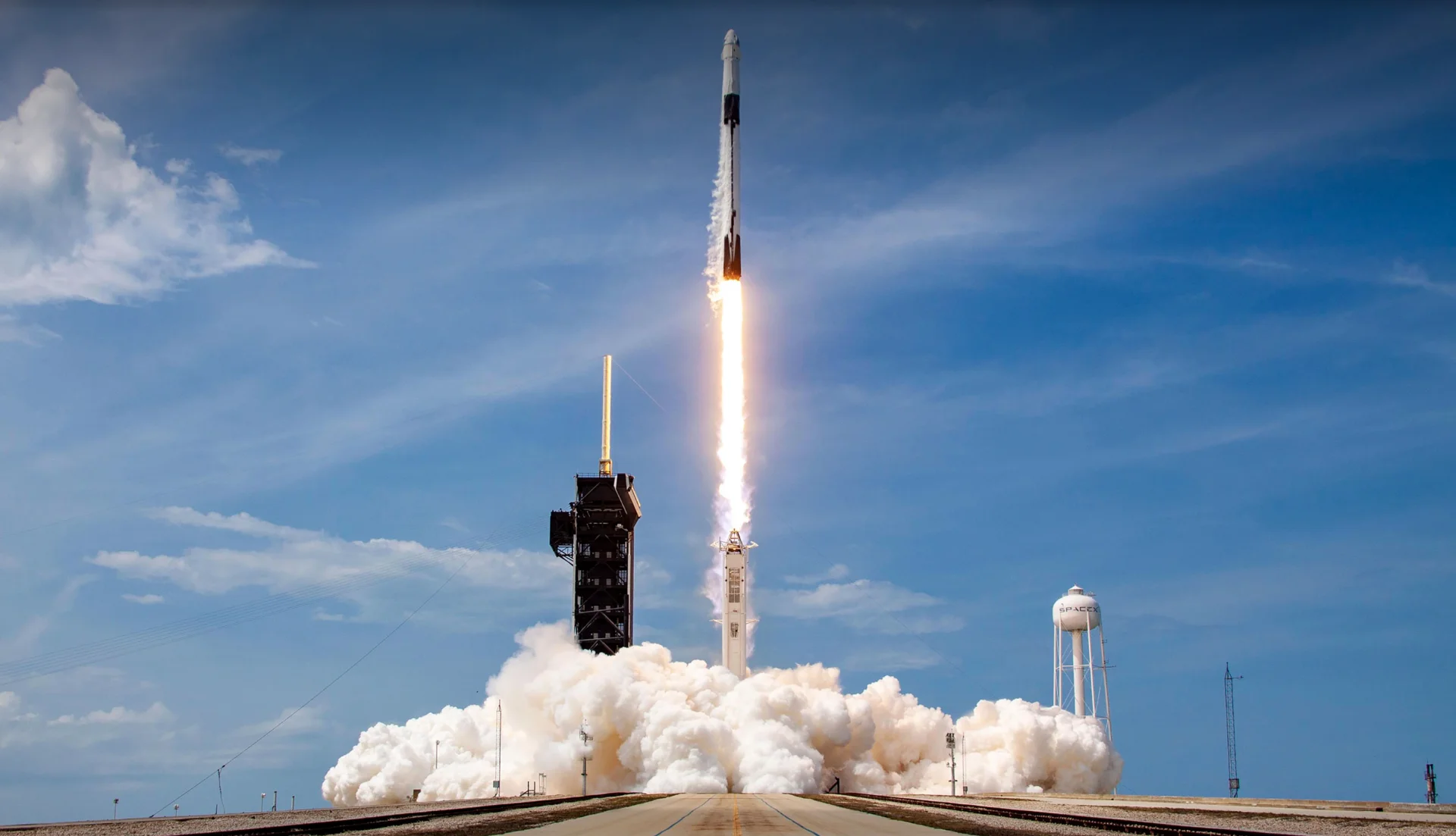
The institutional thesis on SpaceX at $1.75–2.0 trillion. We build the full sum-of-the-parts across Launch Services, Starlink, Starshield, and Dragon, weigh the bull case against the bear case with explicit probability weights, and route to four supporting deep dives — Valuation & Secondary Markets, Starship Economics, Government Contract Risk, and Starlink Unit Economics.
SpaceX trades at ~$1.51T on Forge Global and $1.86T-implied on Hiive as of May 12-13, 2026. Project Apex — the codename for the confidentially filed IPO — targets $1.75-2T. We build the SOTP, walk the comparable multiples, and explain why a $350B Sacra mark and an $800B December tender now coexist with bank desks pitching $2T.
Starlink's 60-70% EBITDA margin is either the most defensible moat in telecom or the most temporary. This is the model behind the number: per-satellite CapEx by generation, ARPU segmented across five customer tiers, $/Mbps math versus fiber and GEO, churn dynamics, Direct-to-Cell take-rate sensitivity, and regional capacity vs demand. The unit economics either survive Amazon Leo and OneWeb pressure or they don't.
Starship is the single most consequential variable in the SpaceX SOTP. The marketed economics — $20-30M per launch, $100-200/kg to LEO — would re-base the entire space economy. The probable economics through 2028 are different. We build the model, weigh HLS execution risk, and explain why the Mars architecture is the most over-discussed and least near-term-relevant part of the thesis.
Why a Seattle startup just won a NASA contract to extract helium-3 from lunar regolith — and whether the fusion-fuel argument actually holds up to scrutiny.

Our top picks for deep-sky and planetary imaging in 2026 — ranked by sensor quality, cooling, and value across DSLR, mirrorless, and dedicated astro cameras.
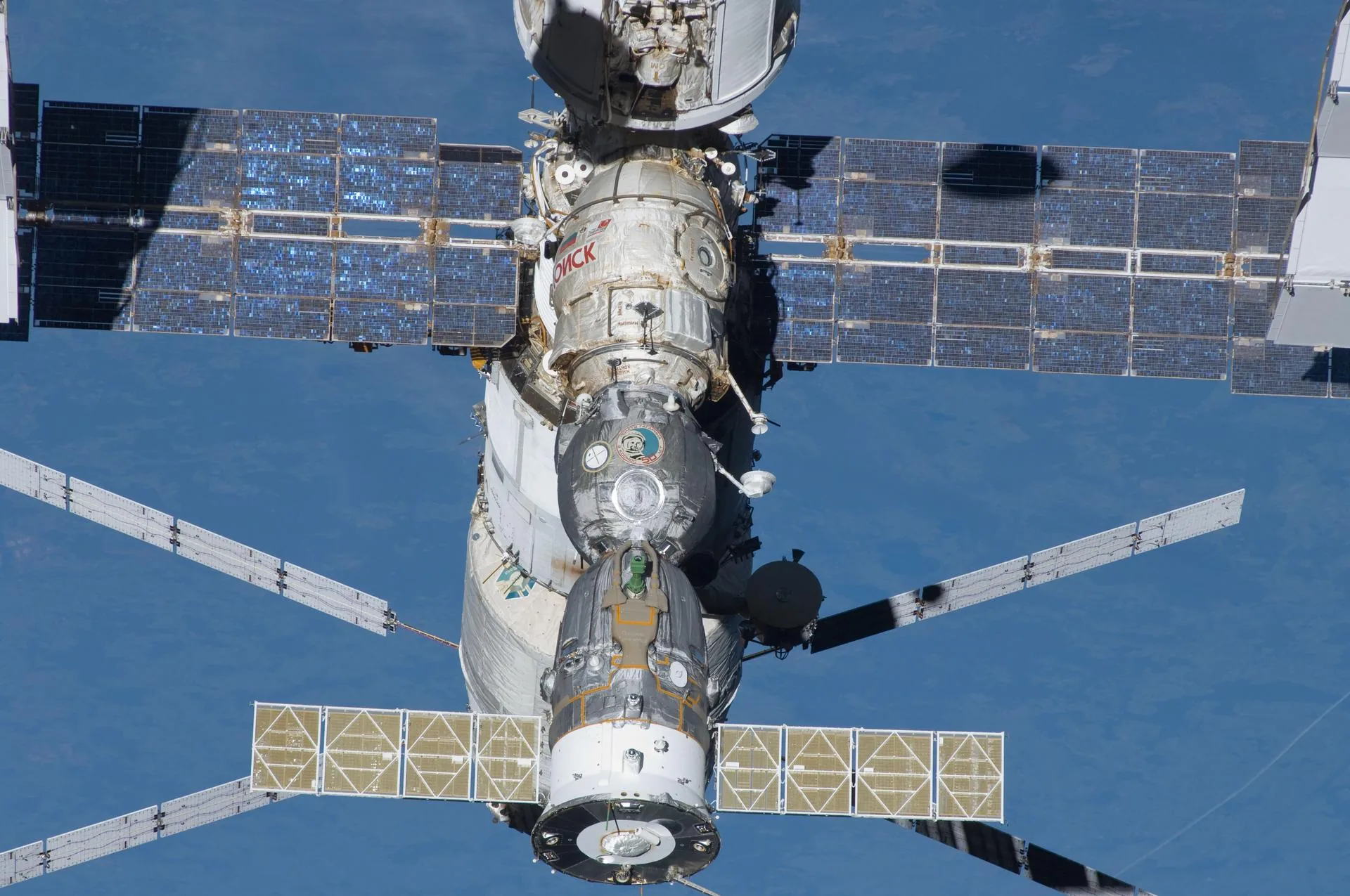
The ISS is being deorbited around 2030. Inside the Zvezda cracking, SpaceX's $843M deorbit vehicle, and the four commercial stations racing to replace it.
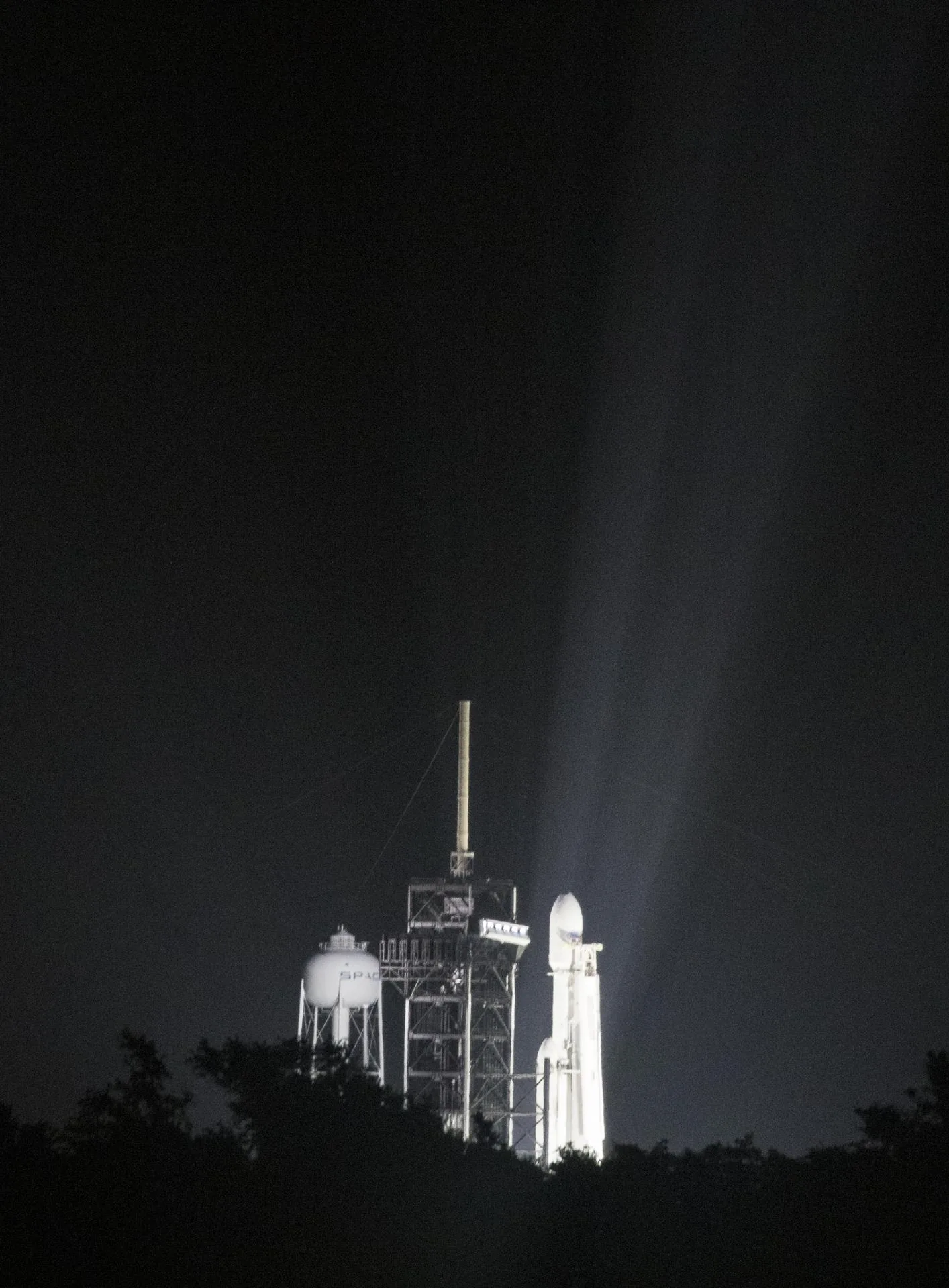
Ranked by peak heliocentric speed. Parker Solar Probe holds the record at ~191 km/s — fastest object humans have ever built. Here's the full top 10.
Ranked by years of continuous operation. Voyager 2 leads at 48+ years and counting. Here's the full top 10 — including the rovers, orbiters, and probes that wildly outlived their warranty.
Ranked by inflation-adjusted total program cost in 2025 USD. Apollo leads at ~$280B, Space Shuttle is second, ISS third. Here's the full top 10 — and what's program vs. mission cost.
Ranked by peak sea-level thrust and payload to LEO. SpaceX's Super Heavy now leads the list — the Saturn V is second. Here's the full top 10 with sources.

Our top binocular picks for 2026 stargazing — 7x50, 10x50, 15x70, and image-stabilized — ranked by light-gathering, weight, and what you can actually see with each.
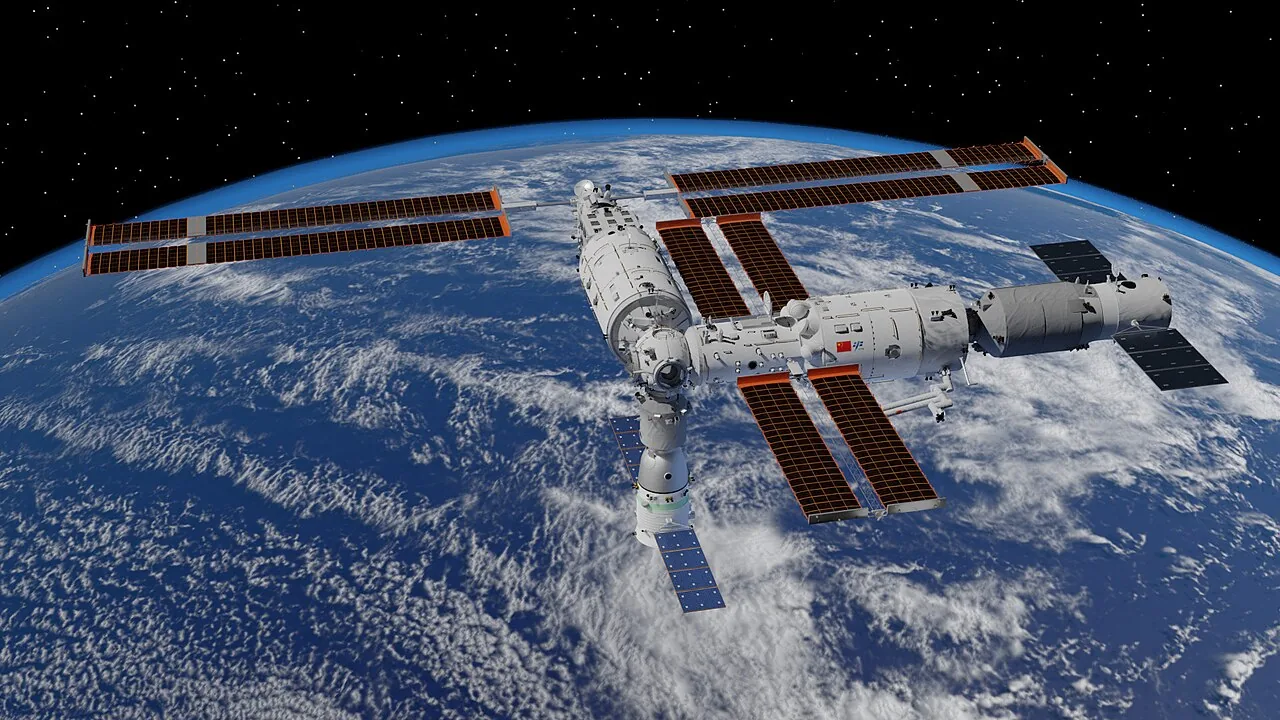
China's Tiangong station is now fully operational with a permanent crew. Here's a complete update on its modules, missions, research programs, and China's expanding space ambitions.
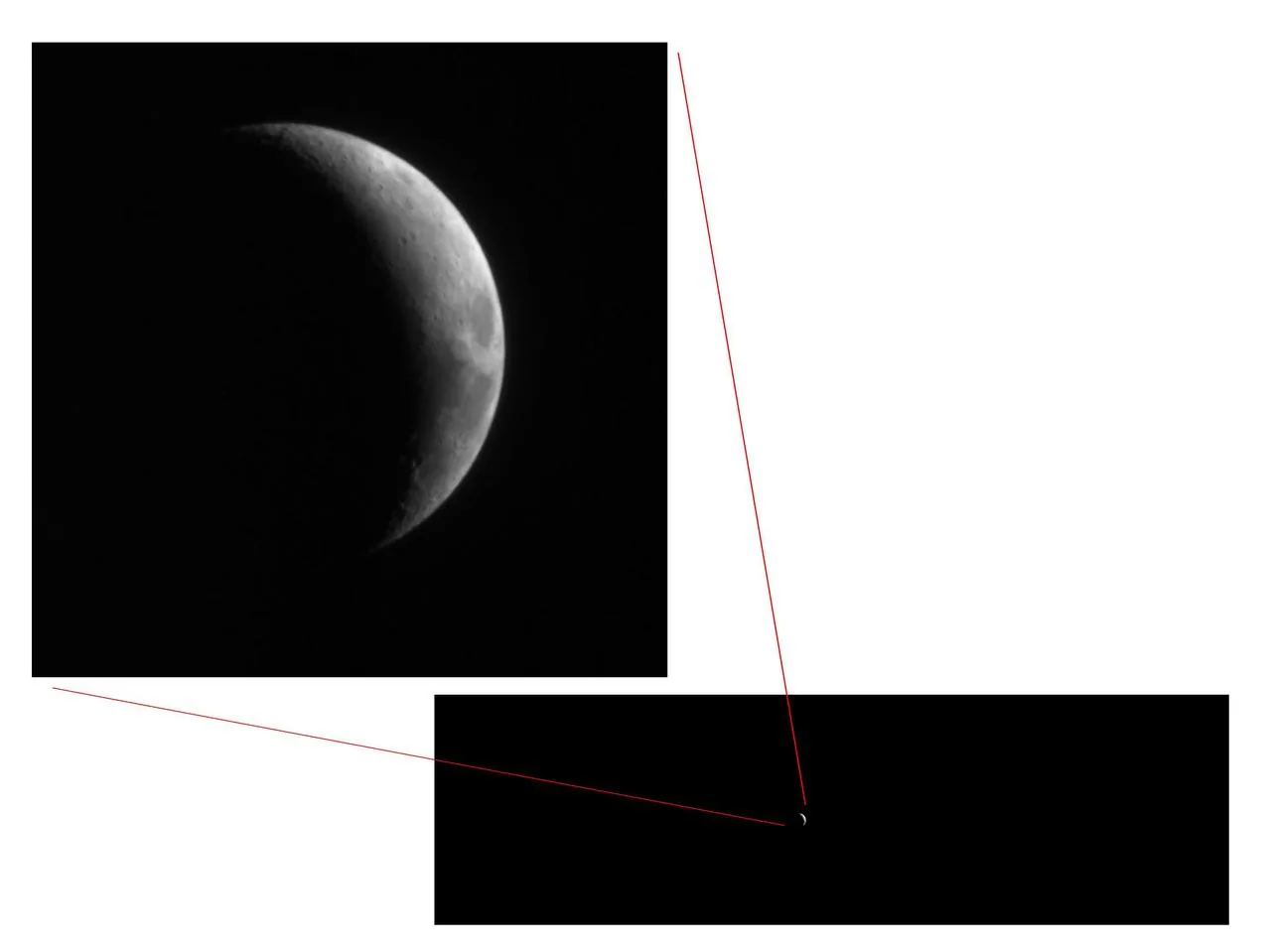
The 21st century Moon race is intensifying. Here's a country-by-country breakdown of where Artemis, Chang'e, ISRO, JAXA, and commercial players stand in the competition to establish a lunar presence.
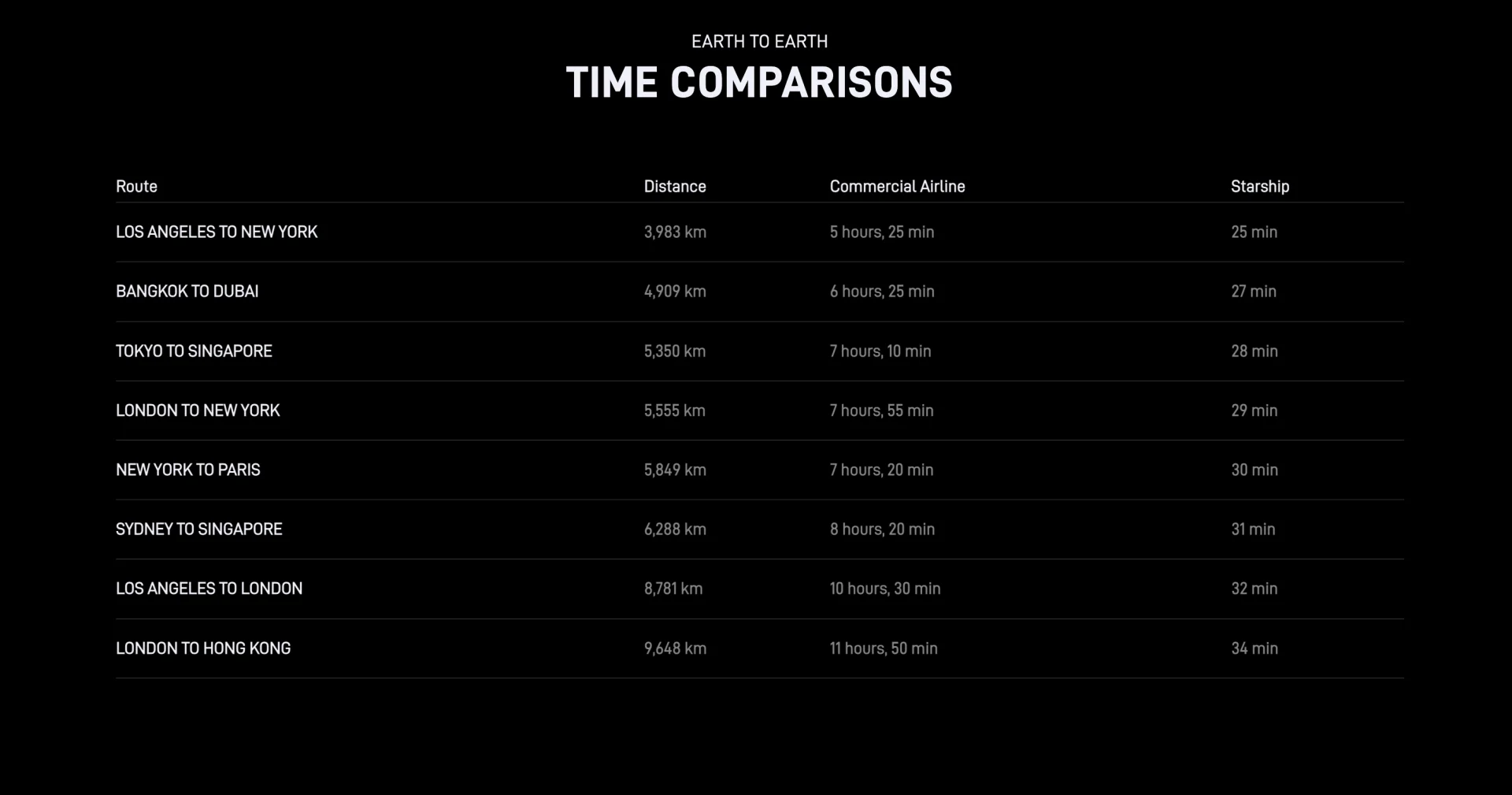
SpaceX's Starship has achieved full-stack reusability and is ramping toward operational missions. Here's the complete 2026 status update on tests, timelines, and the path to the Moon and Mars.
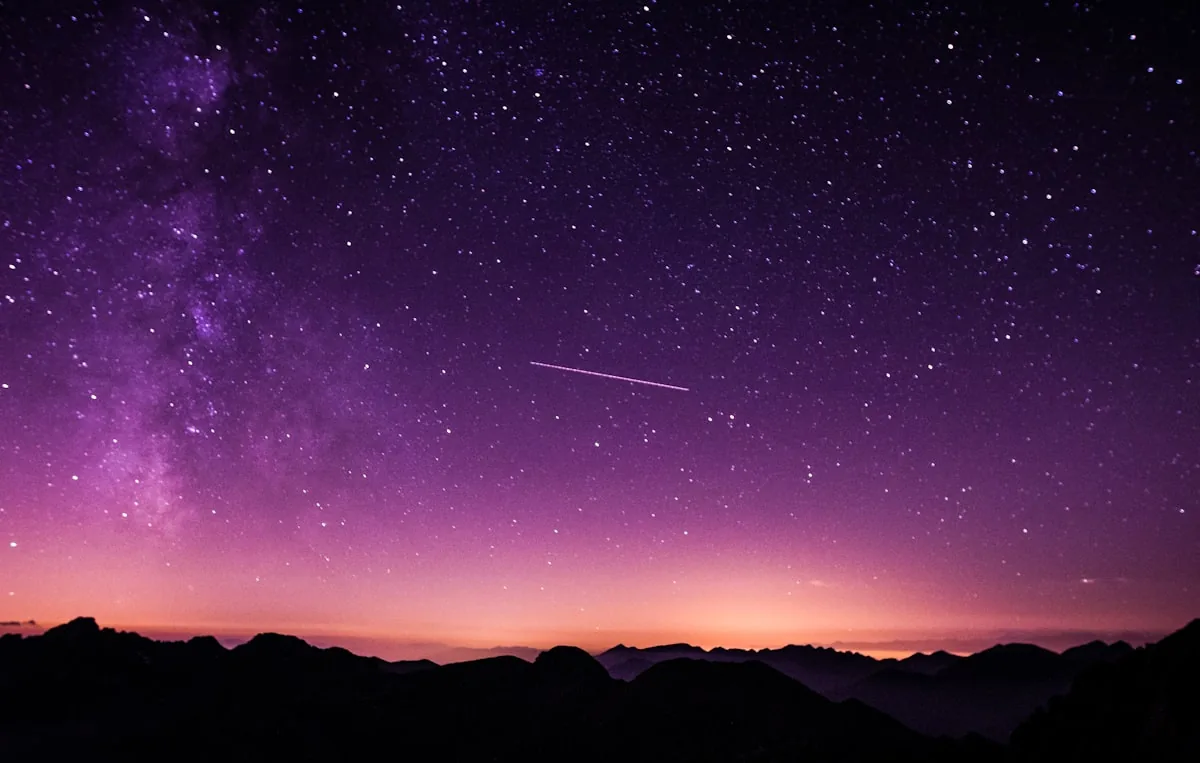
From the robotic arms that built the ISS to Jeremy Hansen's historic Moon orbit in April 2026, Canada's space agency punches far above its weight. A complete deep dive into the CSA — its technology, astronauts, satellites, and what comes next.
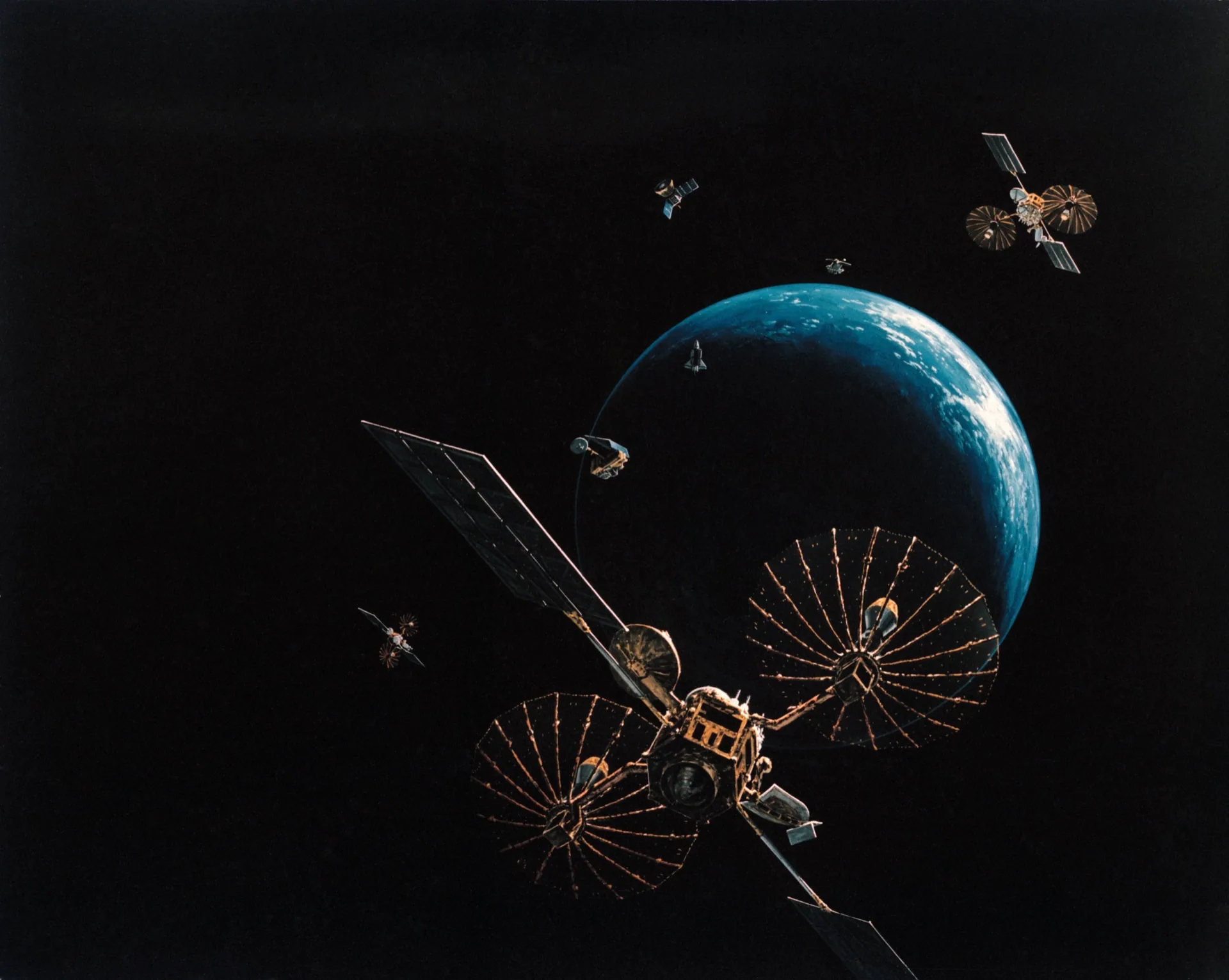
GPS seems like magic — your phone knows exactly where you are within meters. Here's the elegant physics behind it: atomic clocks, triangulation, and a constellation of 31 satellites in medium Earth orbit.
NASA redesigned Artemis III as a low-Earth orbit HLS demonstration. Artemis IV (2028) is now the first crewed Moon landing. Here's everything that changed and why.
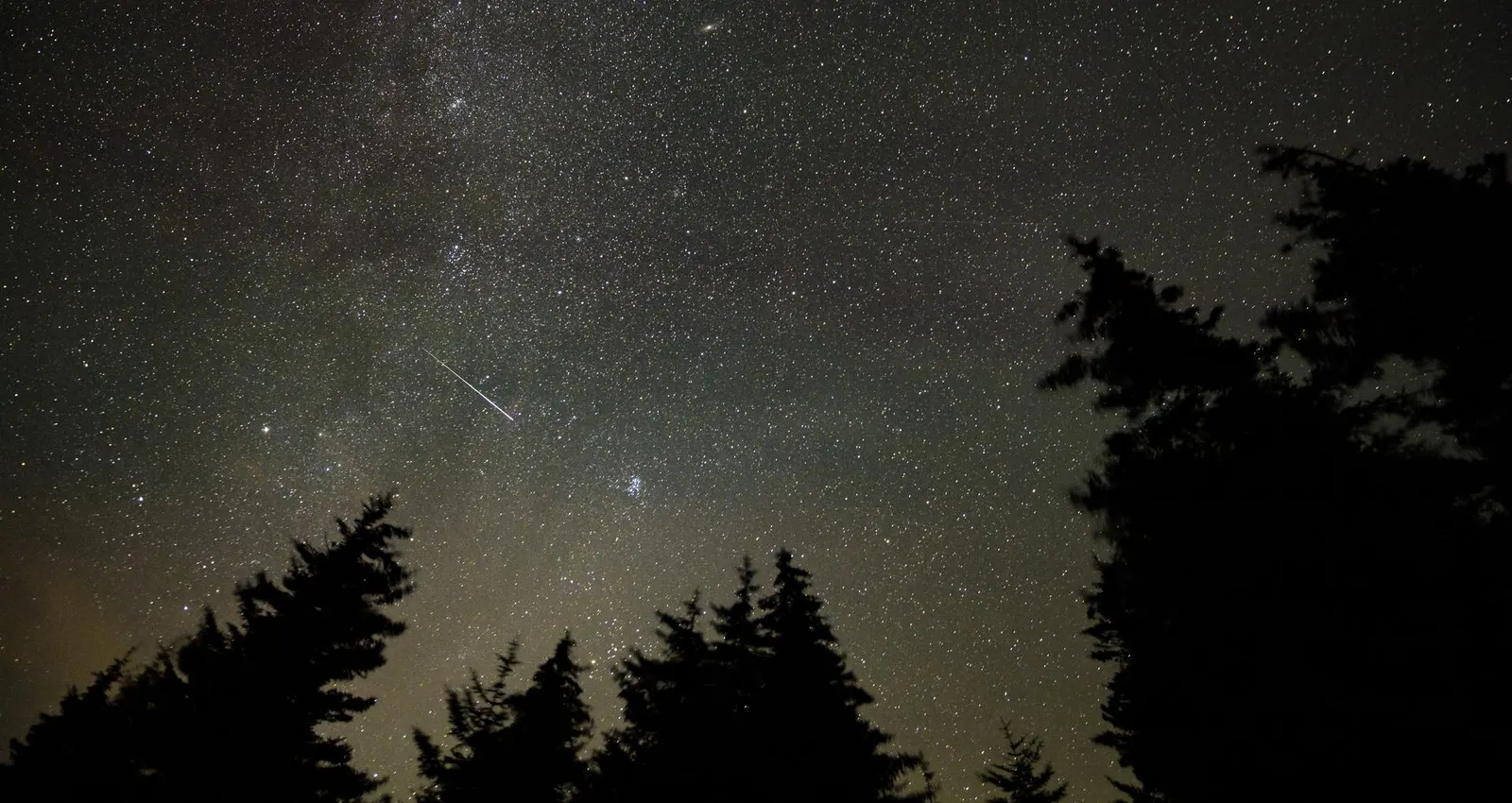
Everything we actually pack for a meteor shower in 2026 — reclining chairs, mummy bags, red headlamps, hand warmers, thermoses, and the star atlas that's worth carrying.
Starlink generates an estimated $10-12 billion annually and may be worth more than the rest of SpaceX combined. Here's a full investor breakdown of subscriber growth, ARPU, competitive moat, and IPO timeline.
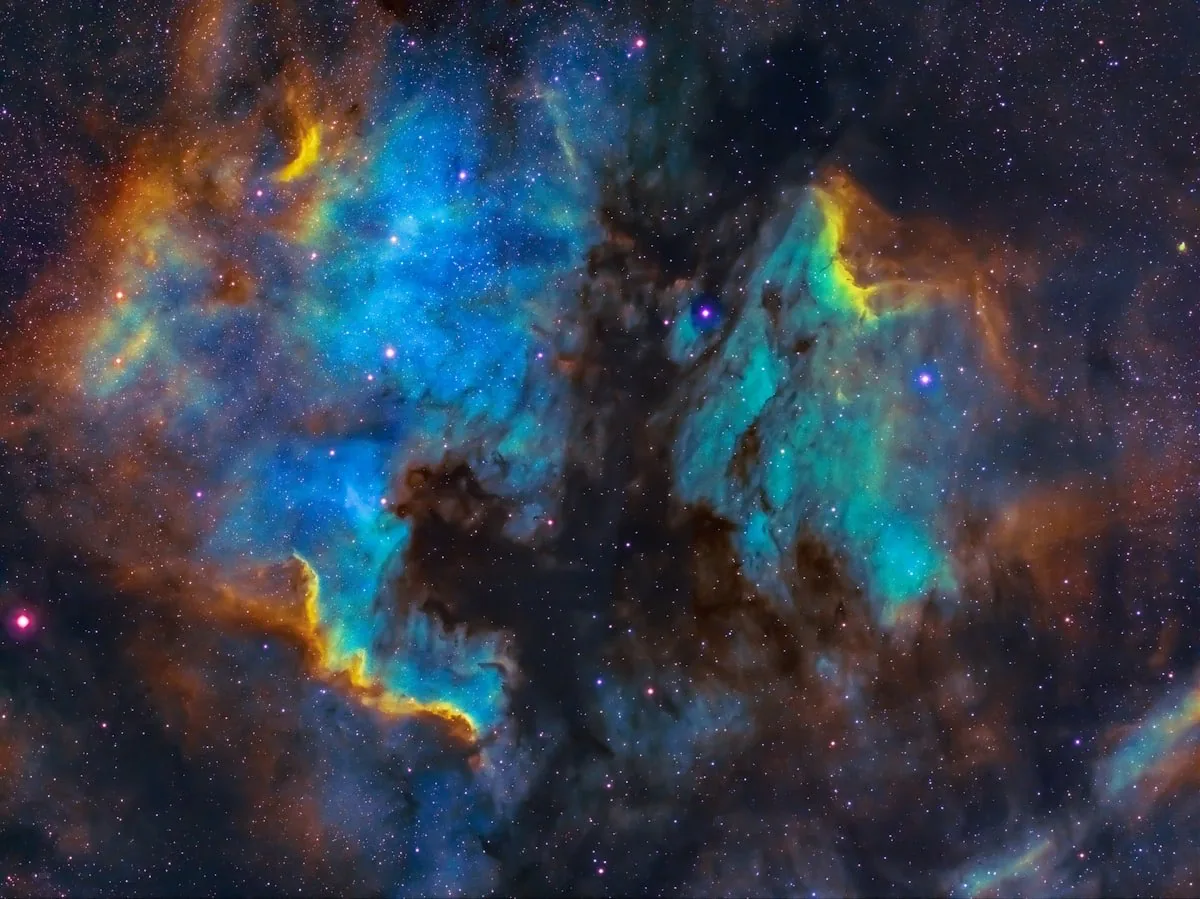
Chandrayaan-3 landed at the Moon's south pole in 2023 for a fraction of NASA costs — inside ISRO's Aditya-L1, Gaganyaan, NISAR, and PSLV program driving India's rise.
ARKX and UFO have both underperformed the S&P 500 by 40-60 percentage points since launch. Here's the honest analysis of what went wrong and smarter ways to get space exposure.
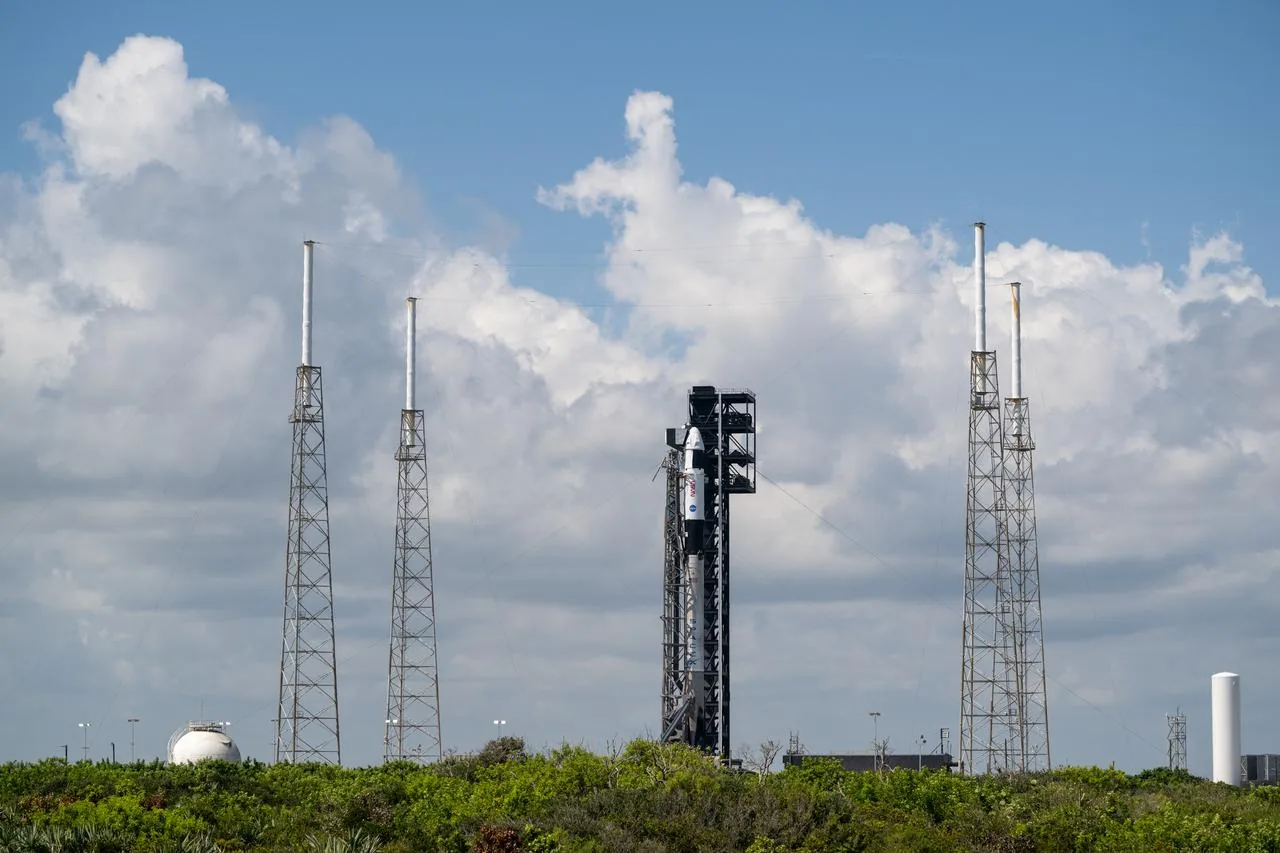
SpaceX flew 165 missions in 2025 and is on pace for 170+ in 2026; Blue Origin's New Glenn is operational with three flights and a reused booster, with NG-4 on the pad for Kuiper. The cadence gap, the revenue gap, and what each company is racing to prove next.
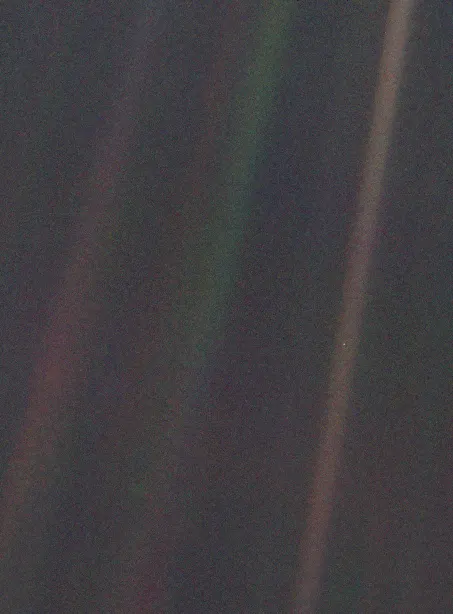
10 essential space books for adult readers in 2026 — from Sagan's Cosmos to Hadfield's An Astronaut's Guide to Life on Earth, ranked by what they actually do for you.
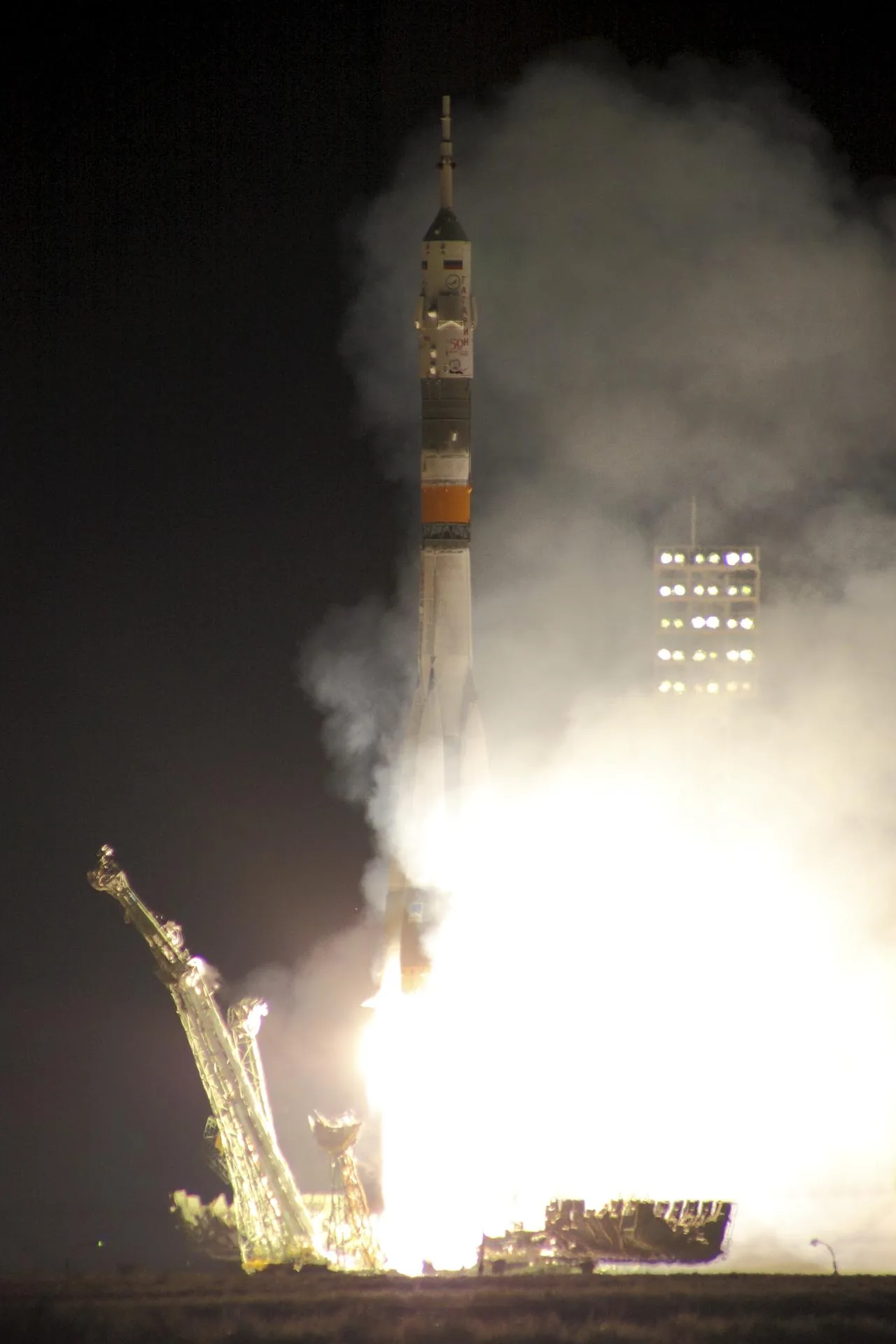
Russia once led the space race. Today it launches fewer rockets than SpaceX alone. Inside Roscosmos's post-Soviet decline, Luna-25's crash, GLONASS, and the Amur reusable rocket gamble.
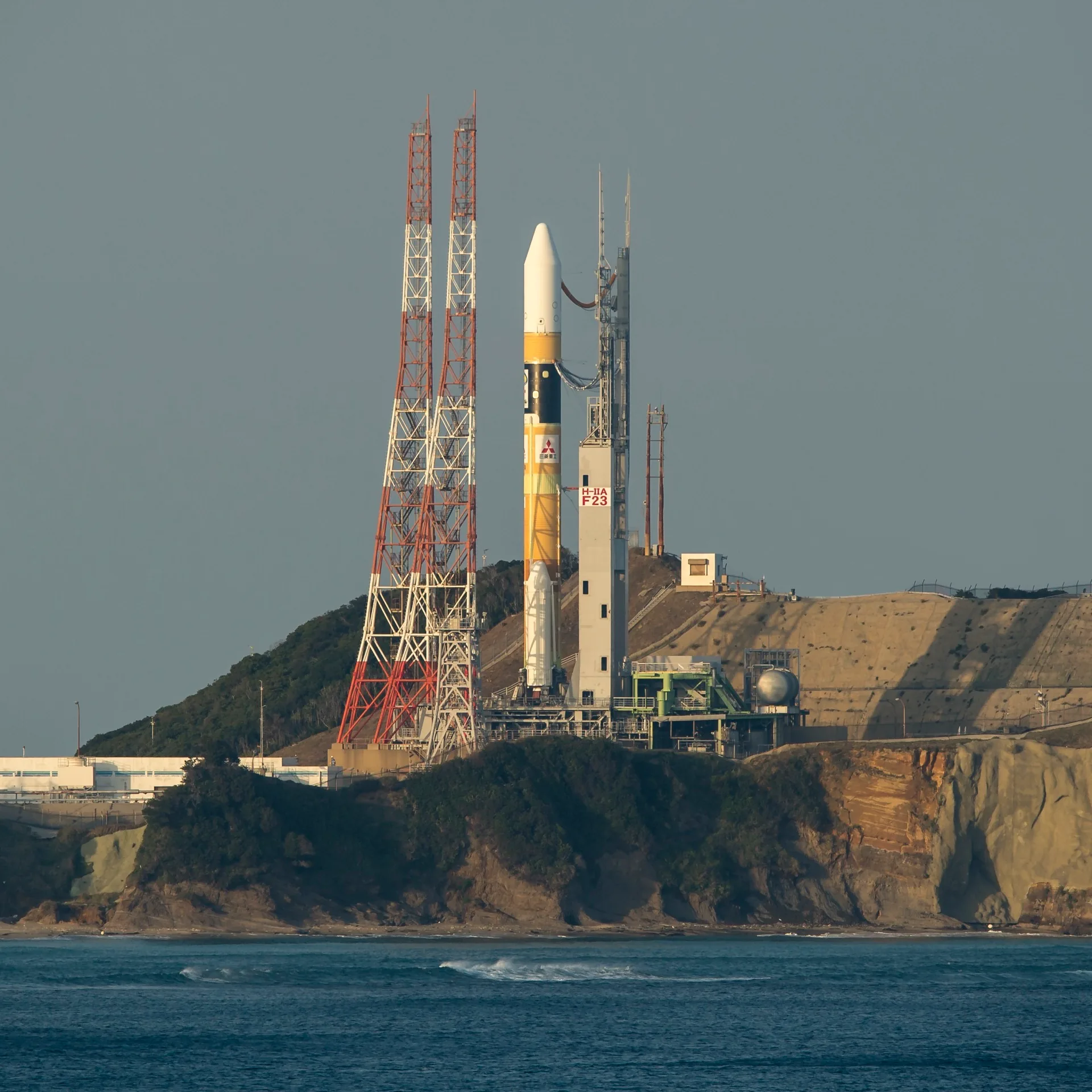
Japan launched its first satellite in 1970, pioneered asteroid sample return with Hayabusa, nailed a 55-meter precision Moon landing, and built H3 for the
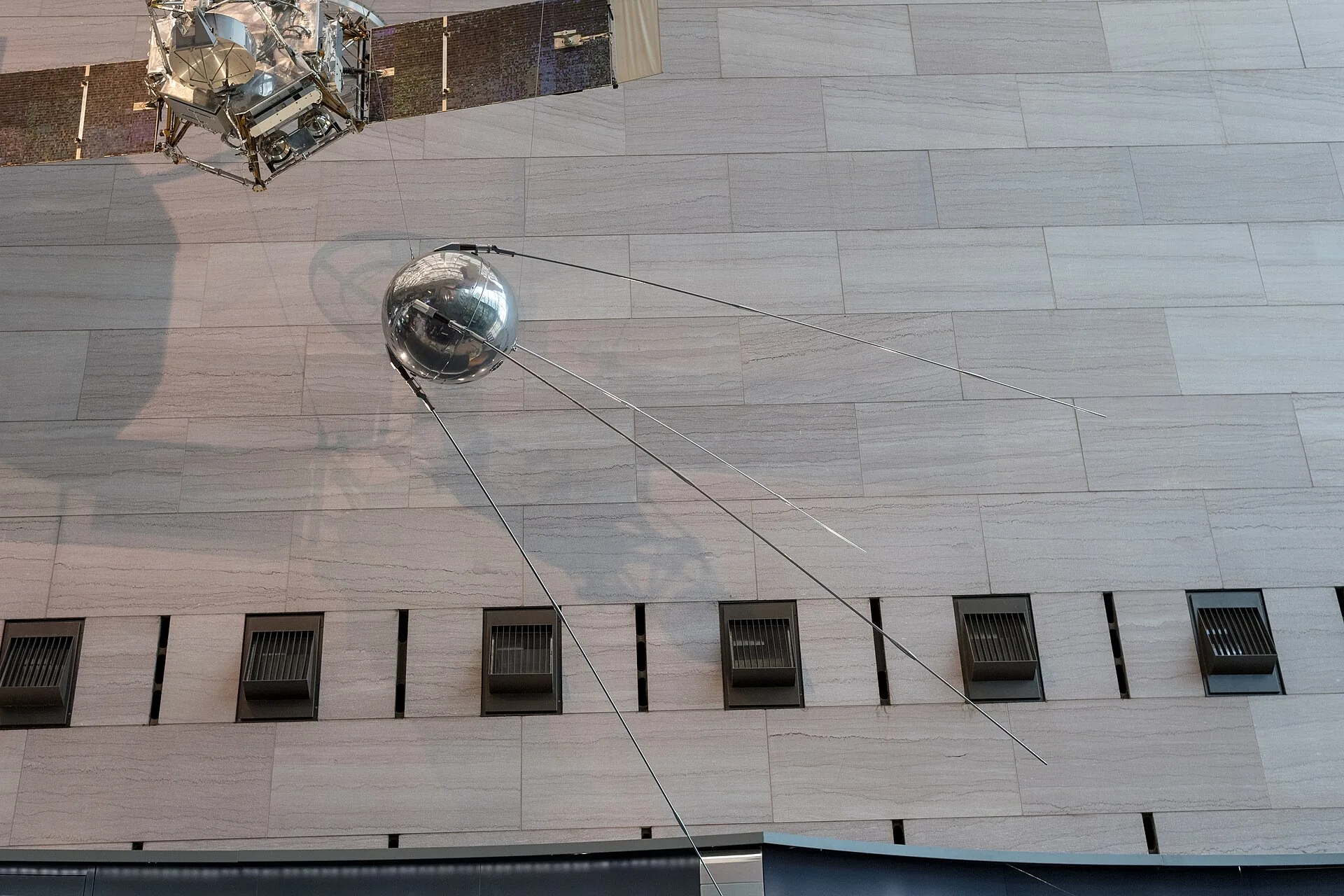
The Soviet Union launched Sputnik, put the first human in orbit, did the first spacewalk, built the first space stations, and dominated space for 30
India's Gaganyaan will put Indian astronauts in orbit on a homegrown rocket. Meet the vyomnauts, understand the spacecraft, and learn what's at stake.
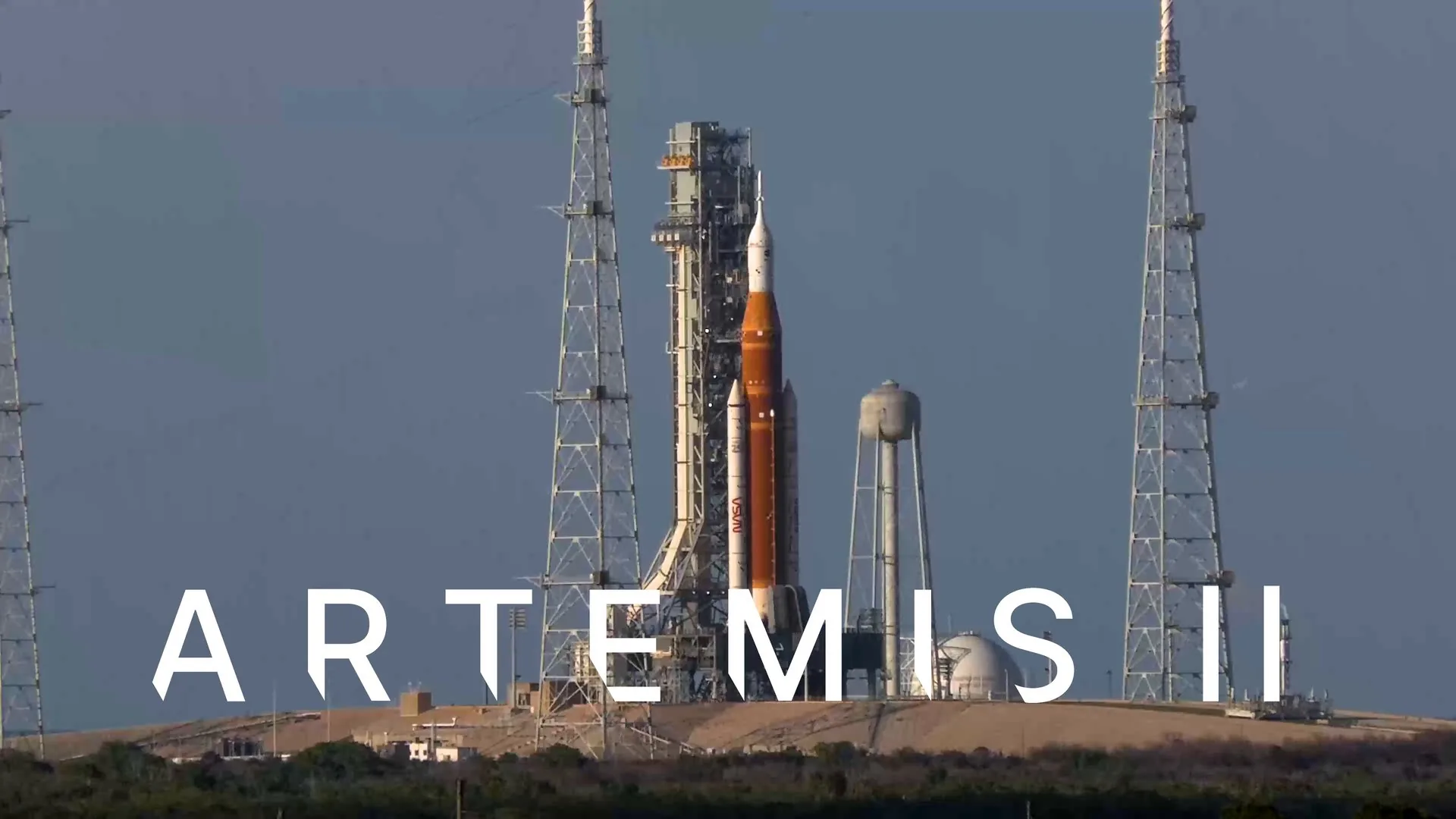
Artemis II sent four astronauts around the Moon and safely home in April 2026, flying farther than any humans in history. The complete 10-day mission recap.
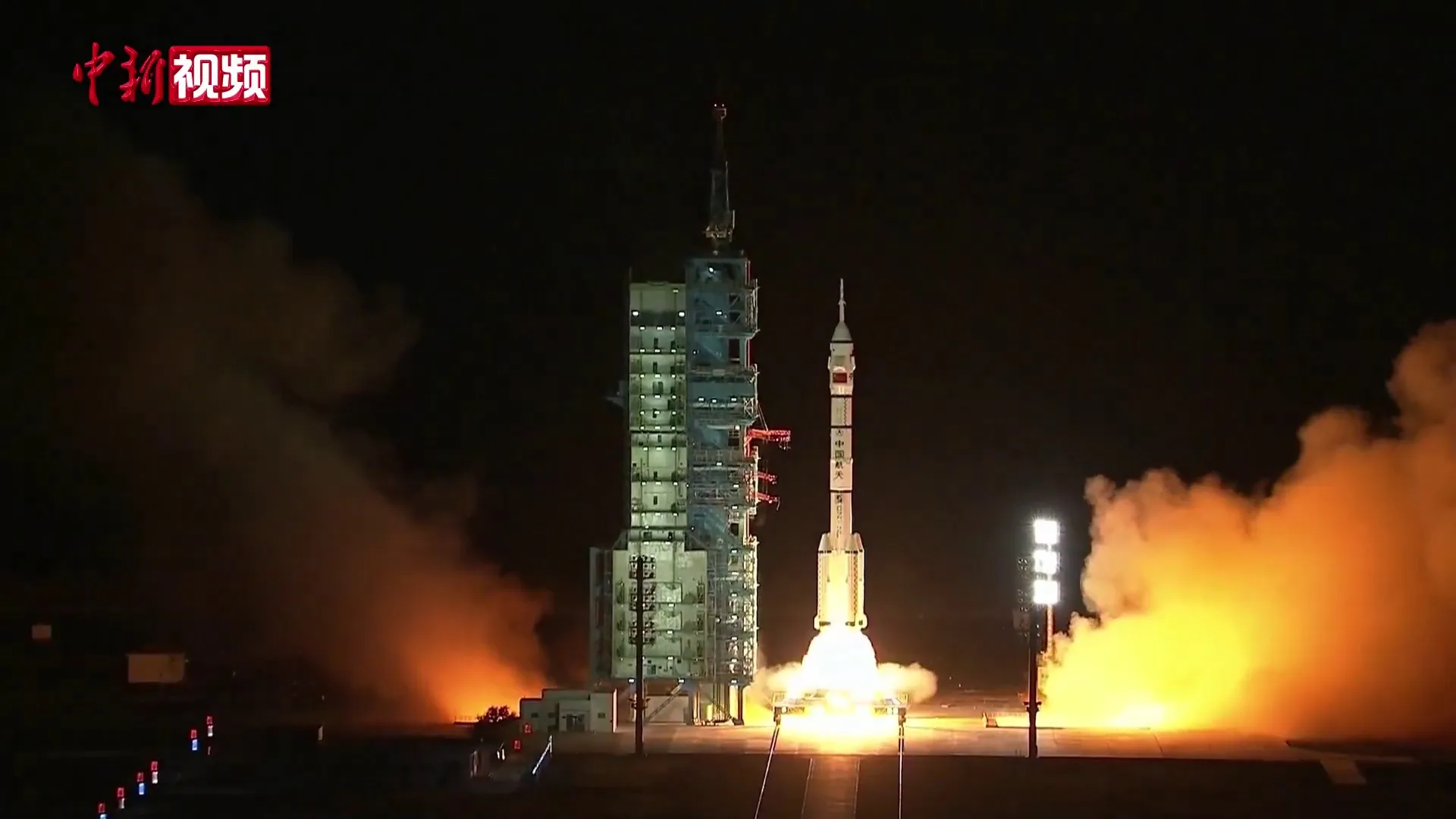
Inside China's rise as a space superpower: Qian Xuesen's US deportation, the 1970 Dongfanghong-1 satellite, Shenzhou taikonauts, Chang'e far-side landing, and Tianwen-1 Mars.
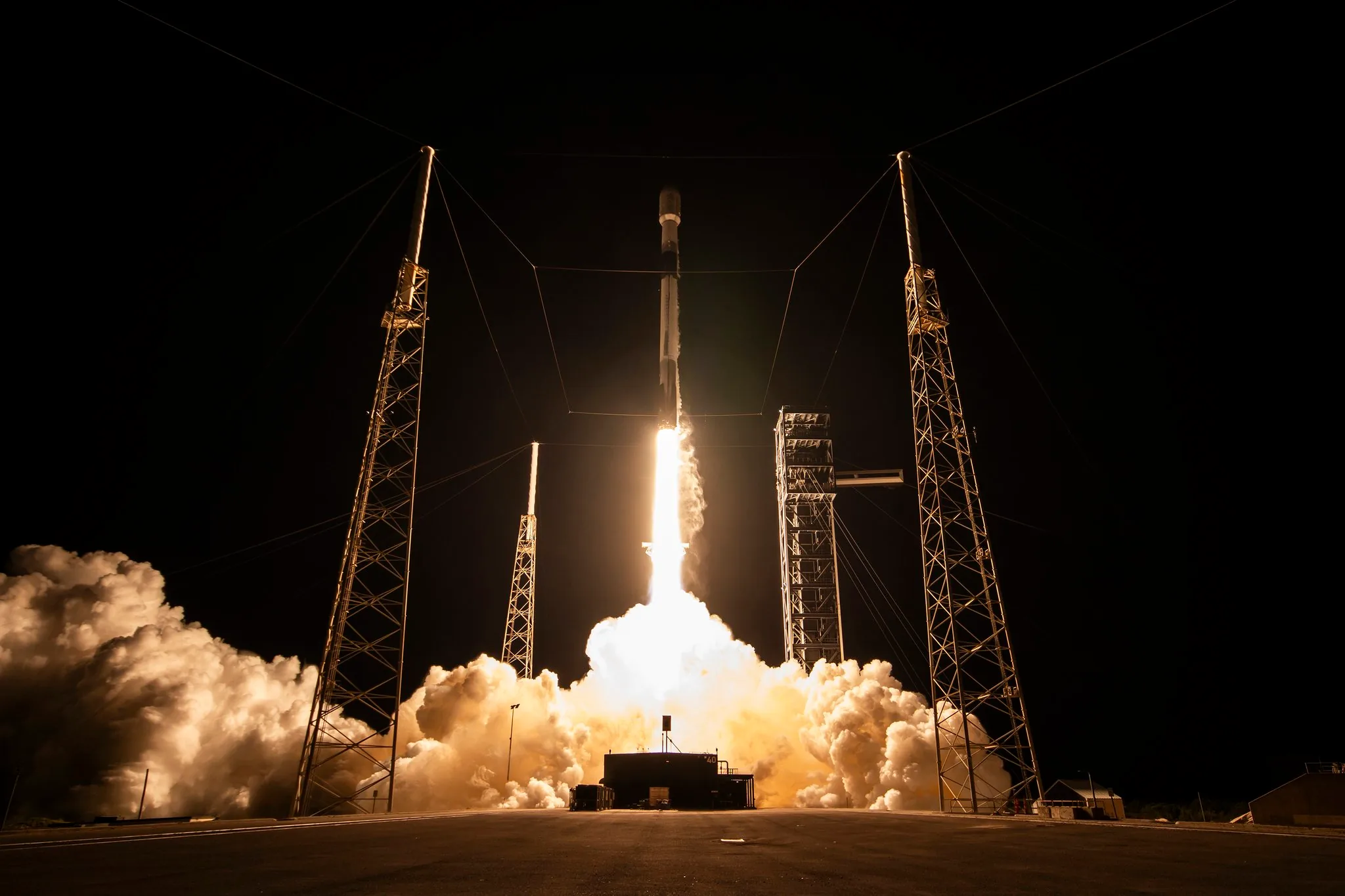
Three rockets competing for the same customers. Falcon 9's 500+ cumulative flights vs Vulcan in operational cadence vs New Glenn now operational. Which wins for your payload?

Our top home-planetarium picks for 2026 — ranked across disc-based projectors, laser galaxy projectors, and astronaut/nebula novelty units, with honest notes on image quality vs. mood lighting.
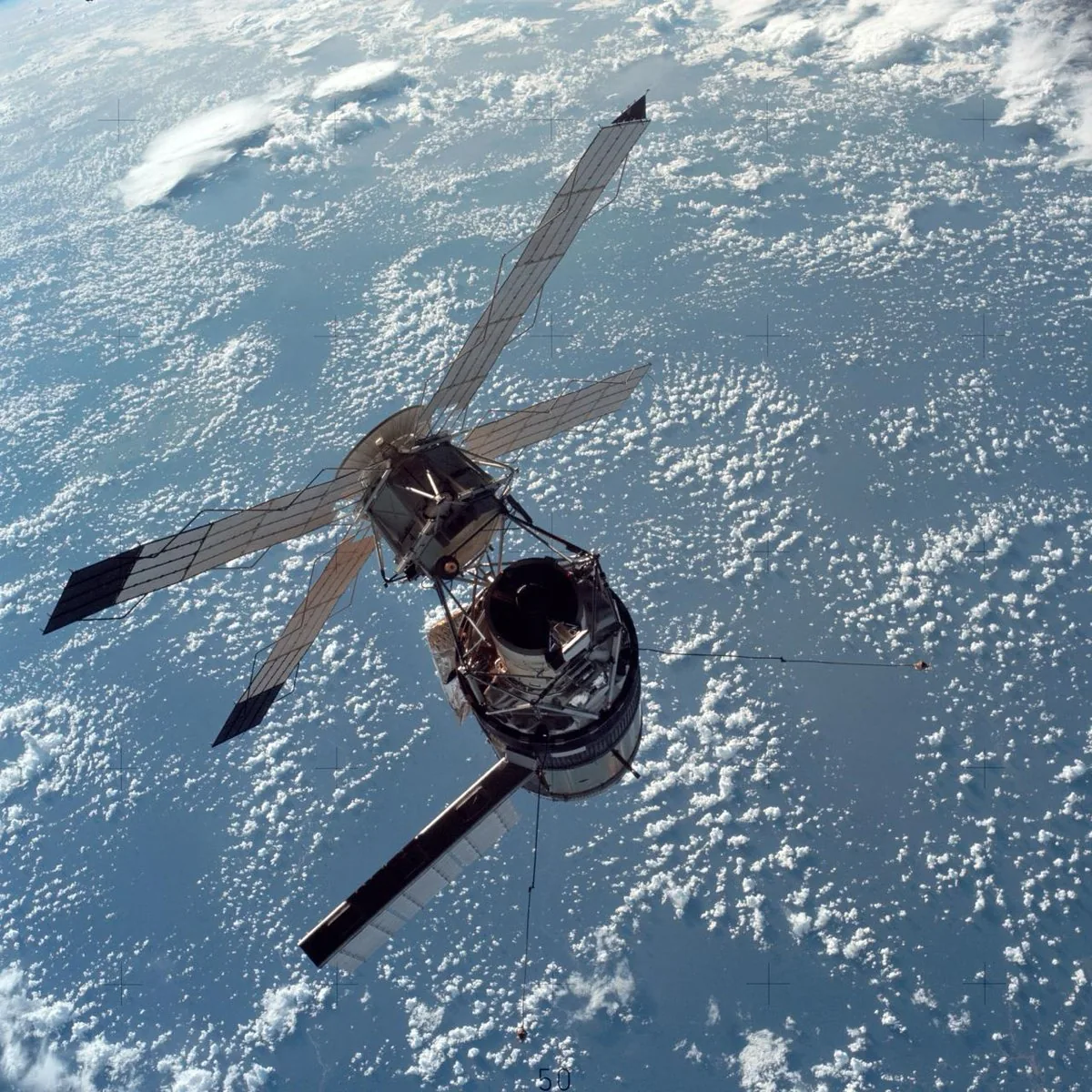
Skylab launched May 14, 1973, nearly died minutes later, and hosted three crews over 171 days. Built from Apollo leftovers, saved by ingenuity, lost over
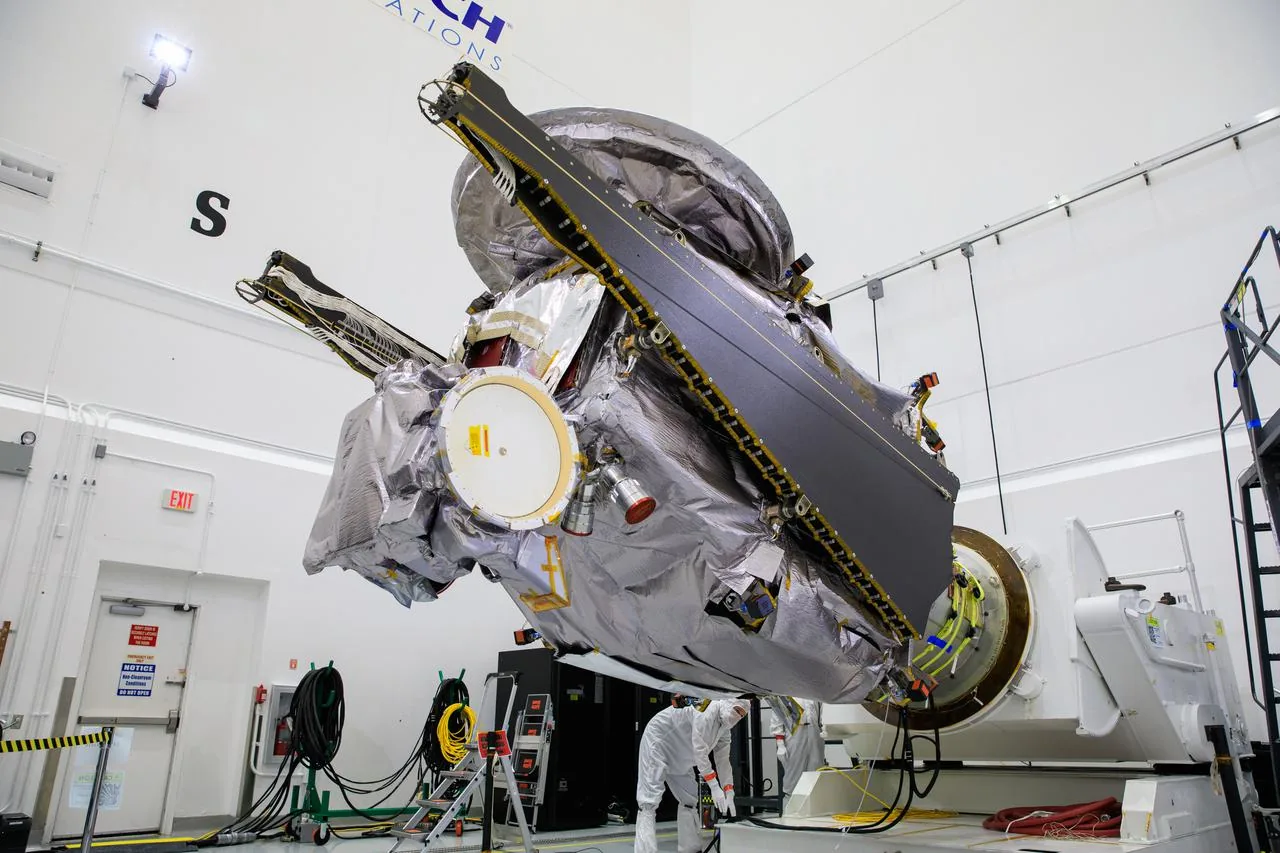
NASA's Lucy will visit 8 asteroids over 12 years, covering 6.3 billion km to study Jupiter's Trojan swarms — 4-billion-year-old fossils from planet formation.
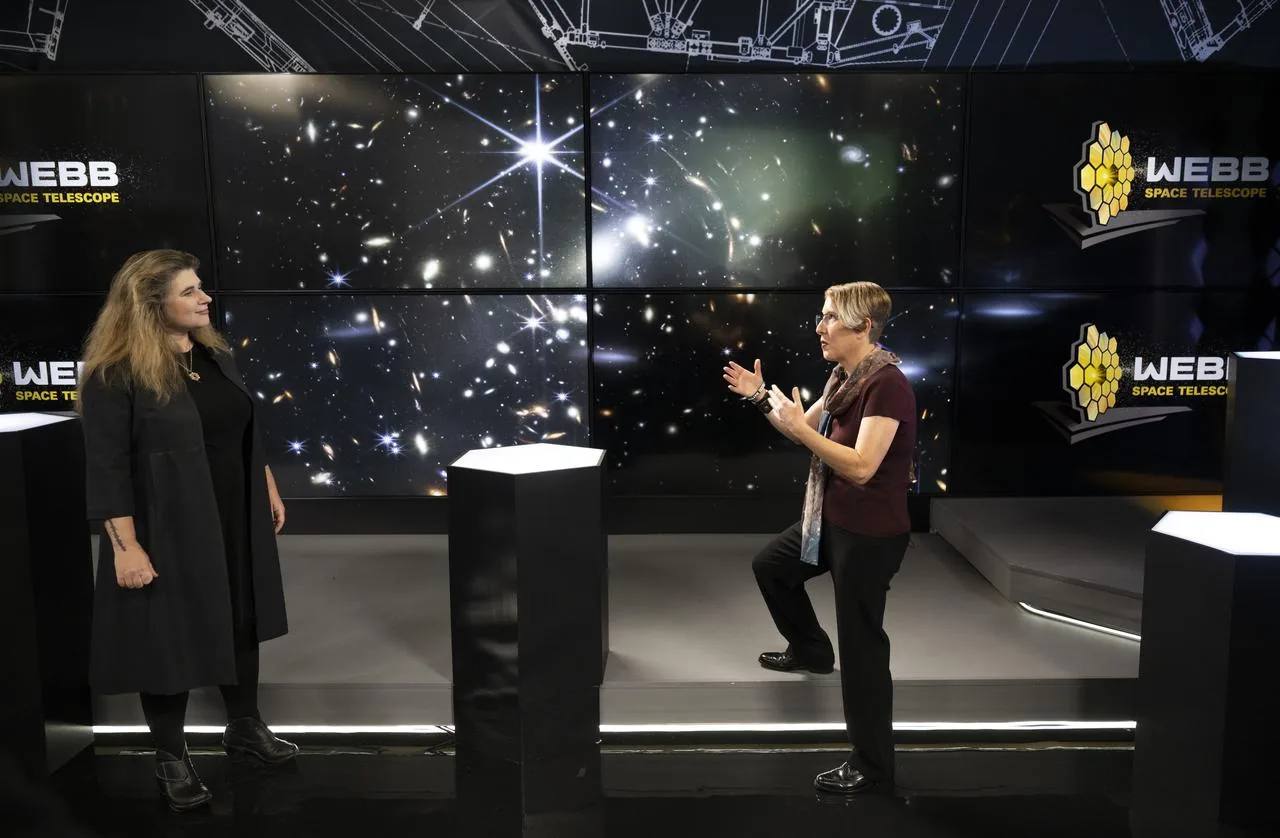
The Nancy Grace Roman Space Telescope launches in September 2026. It will map 100× more sky than Hubble per snapshot, hunt dark energy, and photograph's next great observatory.
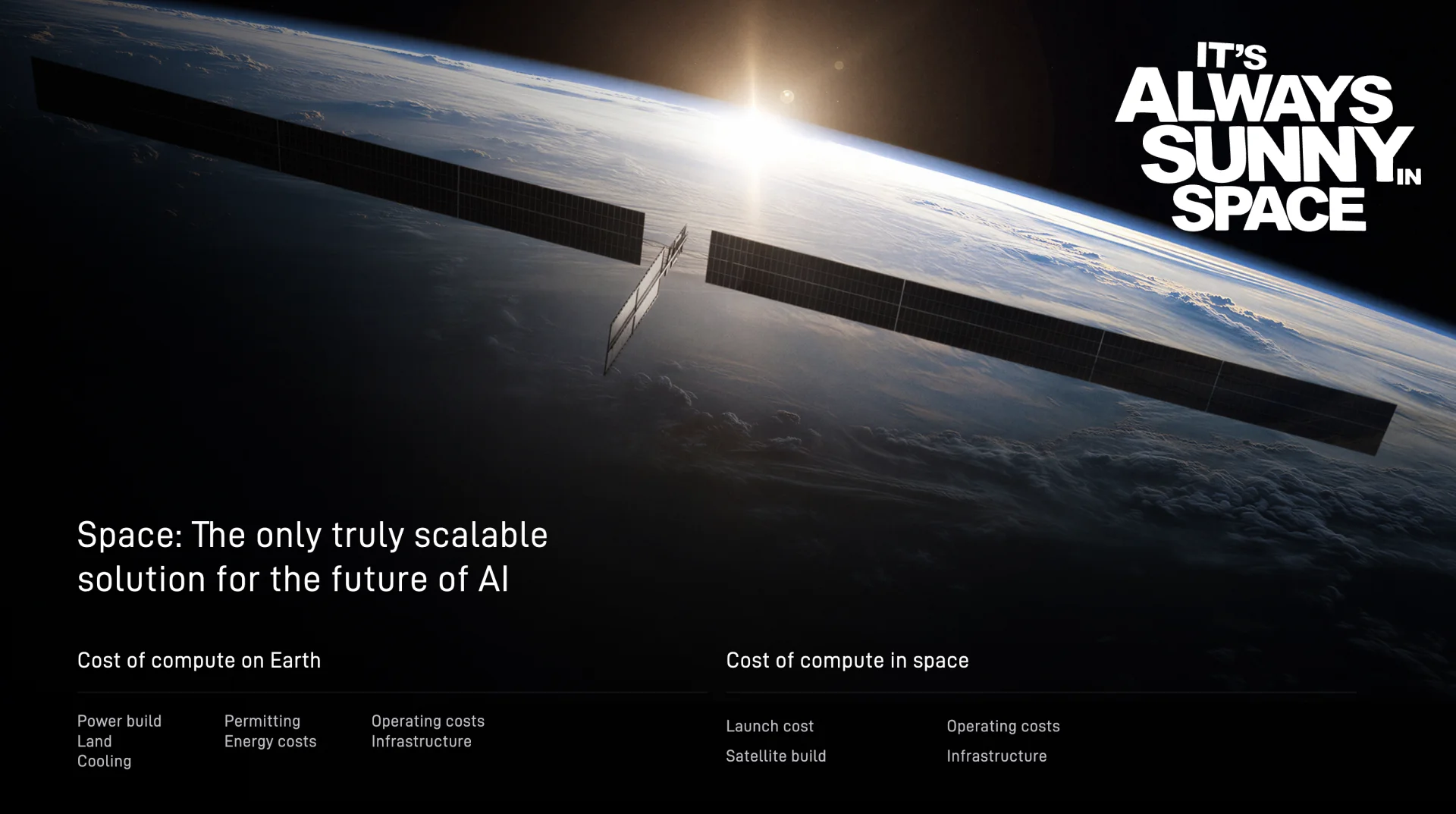
SpaceX plans a million-satellite orbital data center, Starcloud hit a $1.1B valuation, and NVIDIA is building chips for space. The companies, tech, and
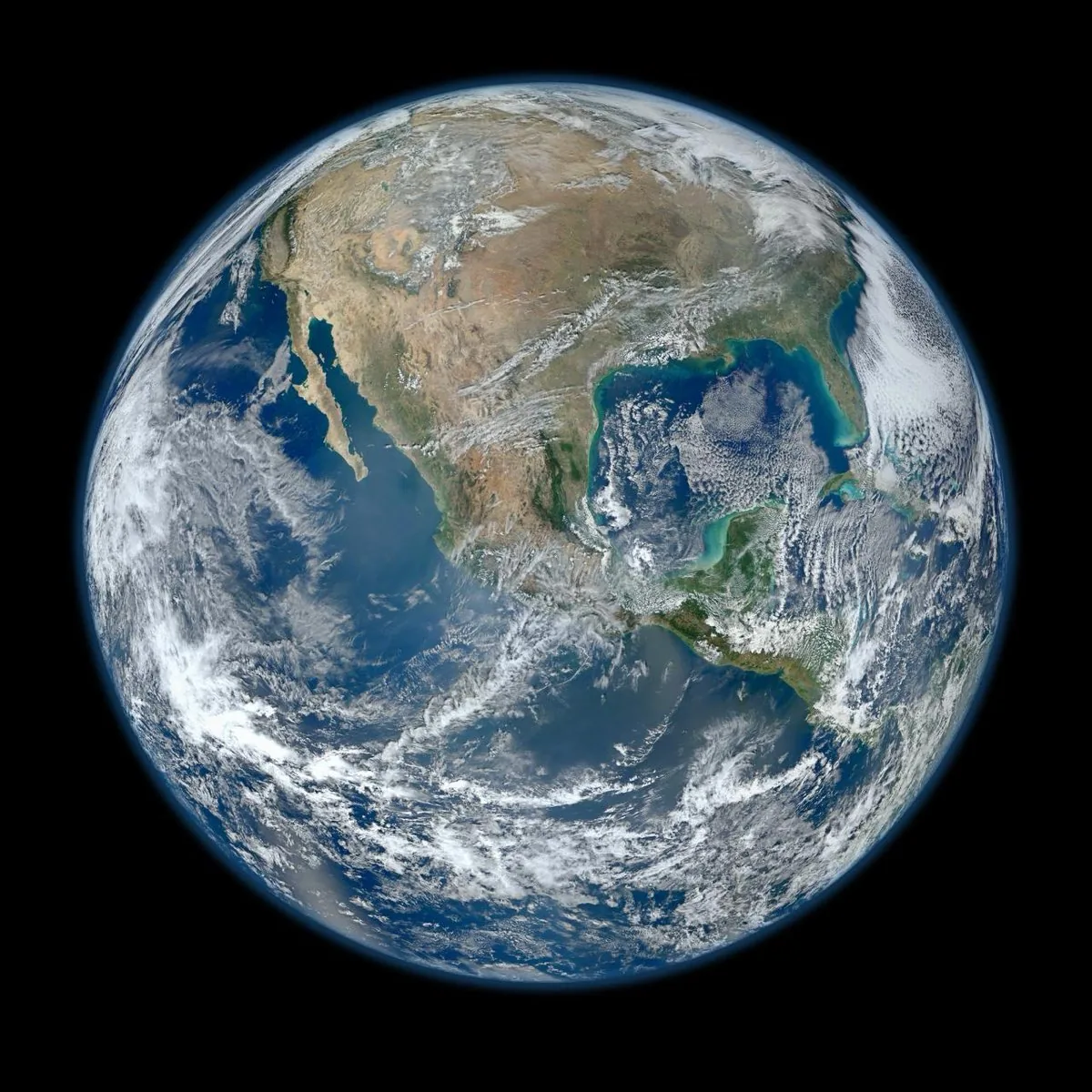
CubeSats and smallsats are reshaping who gets to participate in the space economy. Here's why the democratization of orbit is unstoppable — and what it means for the industry.
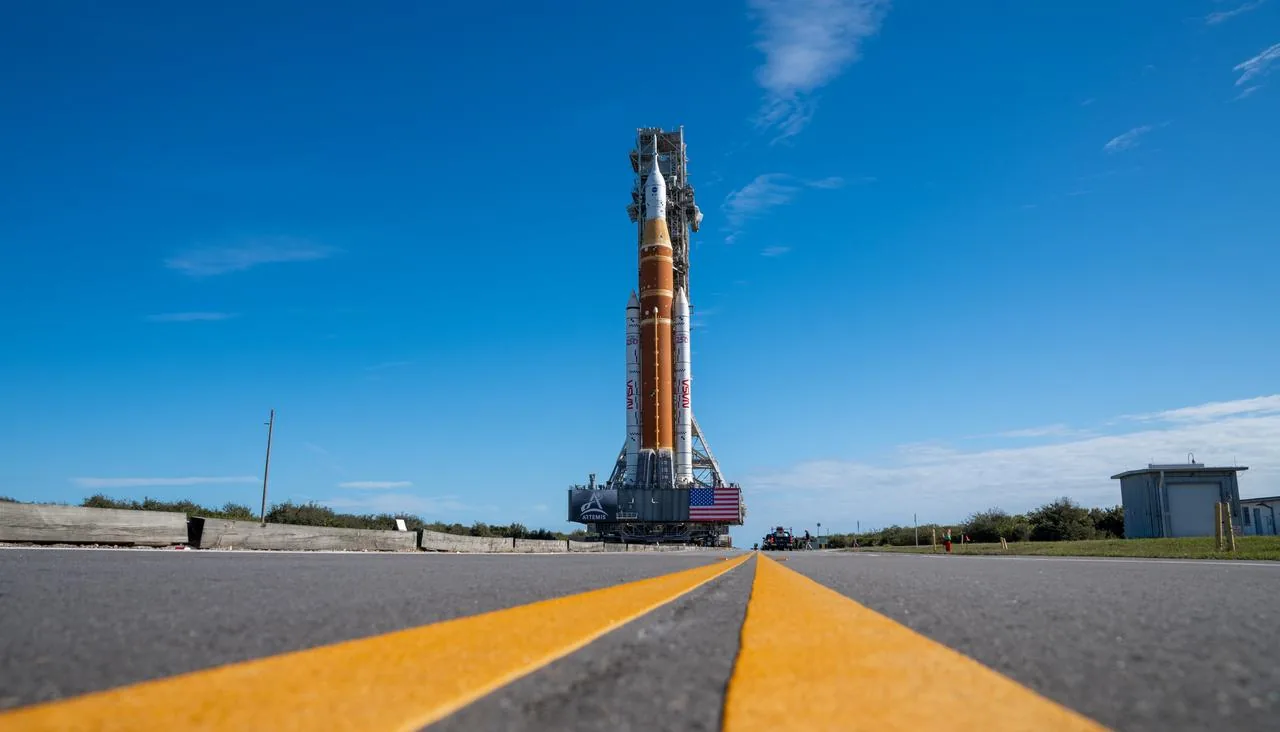
NASA's Artemis II launches April 1, 2026 — the first crewed Moon mission in 53 years. Launch time, live stream links, the four astronauts, mission timeline, and how to watch.
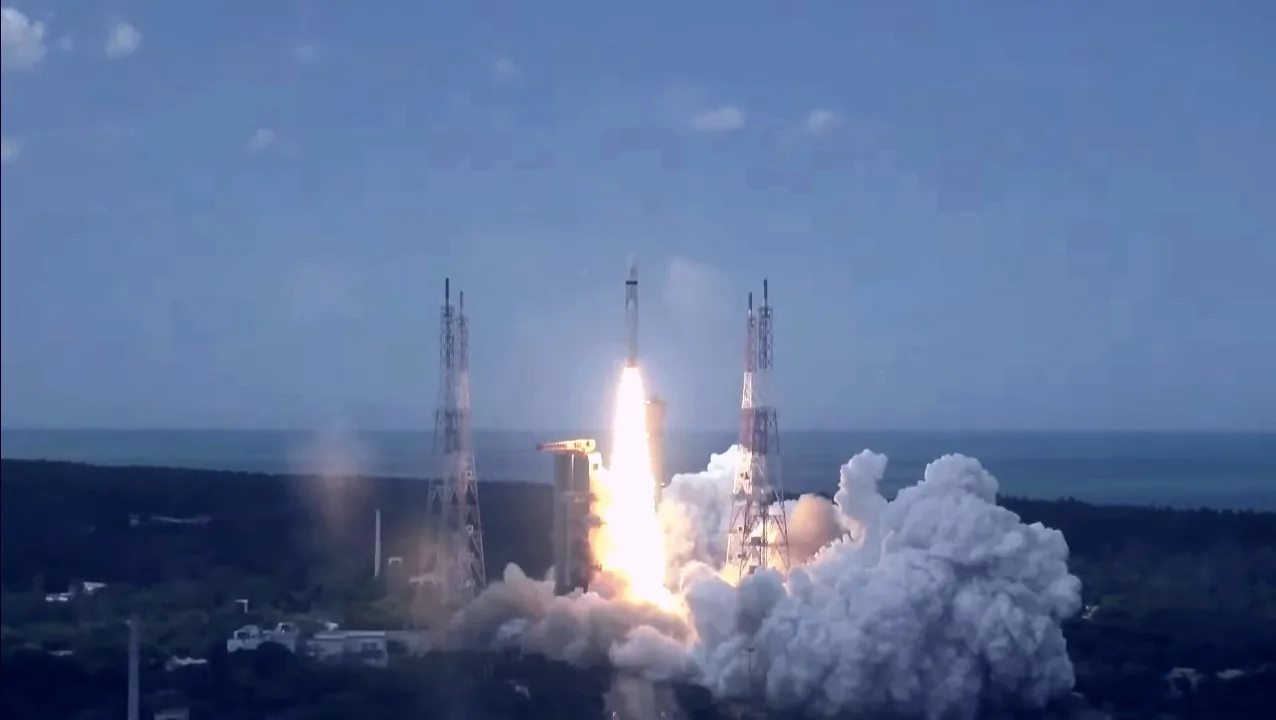
Inside India's rise as a space power: ISRO's journey from bicycle-carried rockets to Chandrayaan-3's lunar south pole landing, Mangalyaan's $74M Mars mission, and Gaganyaan.
NASA paused the Lunar Gateway in March 2026, pivoting $20B to a surface base. What happens to built hardware, ESA-JAXA-CSA partners, and the Artemis
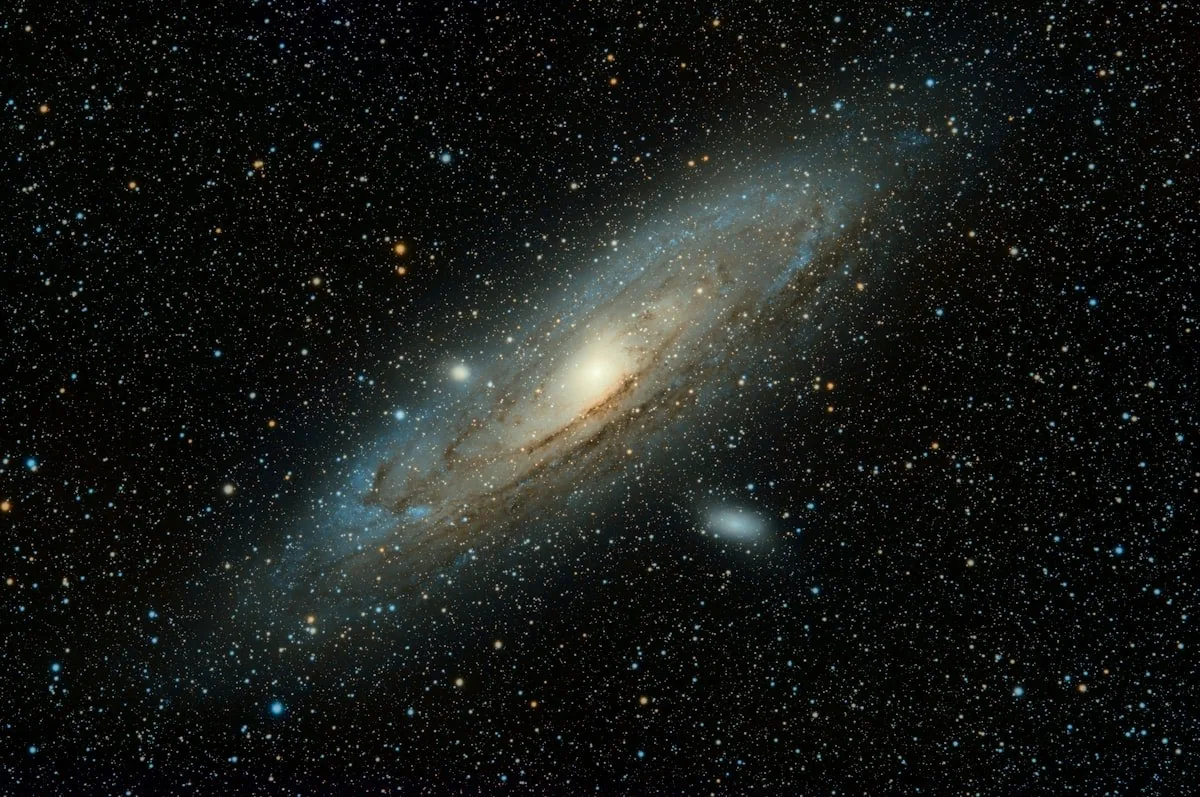
The space economy is already worth over $630 billion annually — and most of it isn't rockets. Here's a plain-language guide to who's making money in space and what comes next.
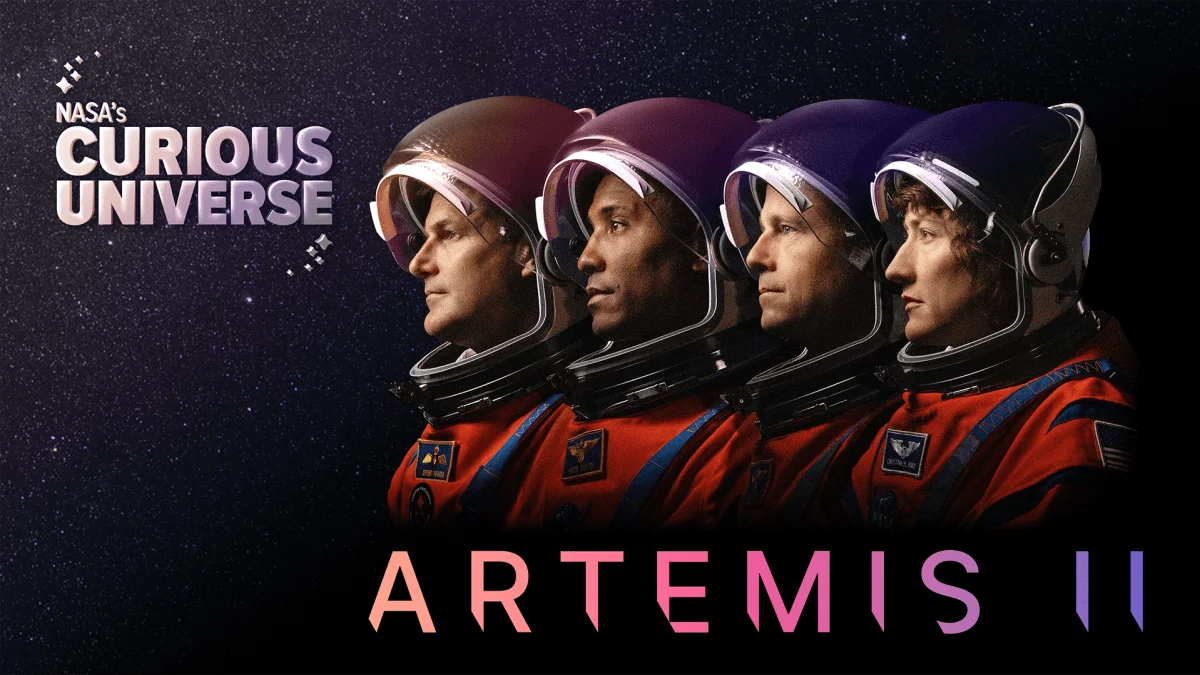
Artemis II is humanity's first crewed Moon mission since Apollo 17 in 1972. Meet the four astronauts, understand the 10-day lunar flyby, and why this mission matters more than you think.
NASA's multi-billion Moon base program: a permanent south-pole outpost by the early 2030s, Starship HLS and Blue Moon landings, ISRU water mining, the Lunar Gateway descope, and the post-Artemis II architecture shift.
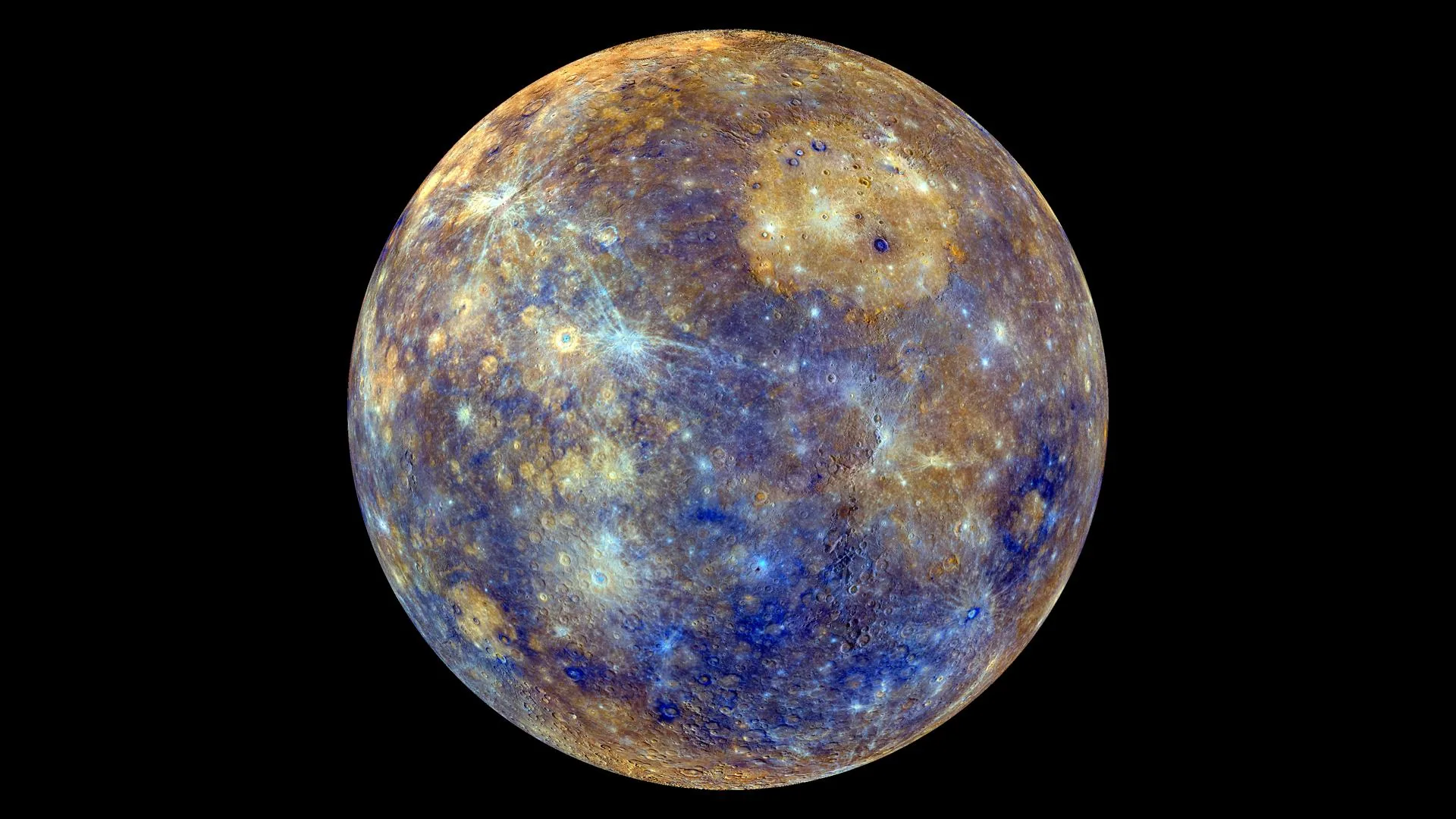
BepiColombo reaches Mercury orbit in late 2026 after 7 years and 6 flybys. Why Mercury is so hard to reach, what MESSENGER found, and what ESA-JAXA aim to
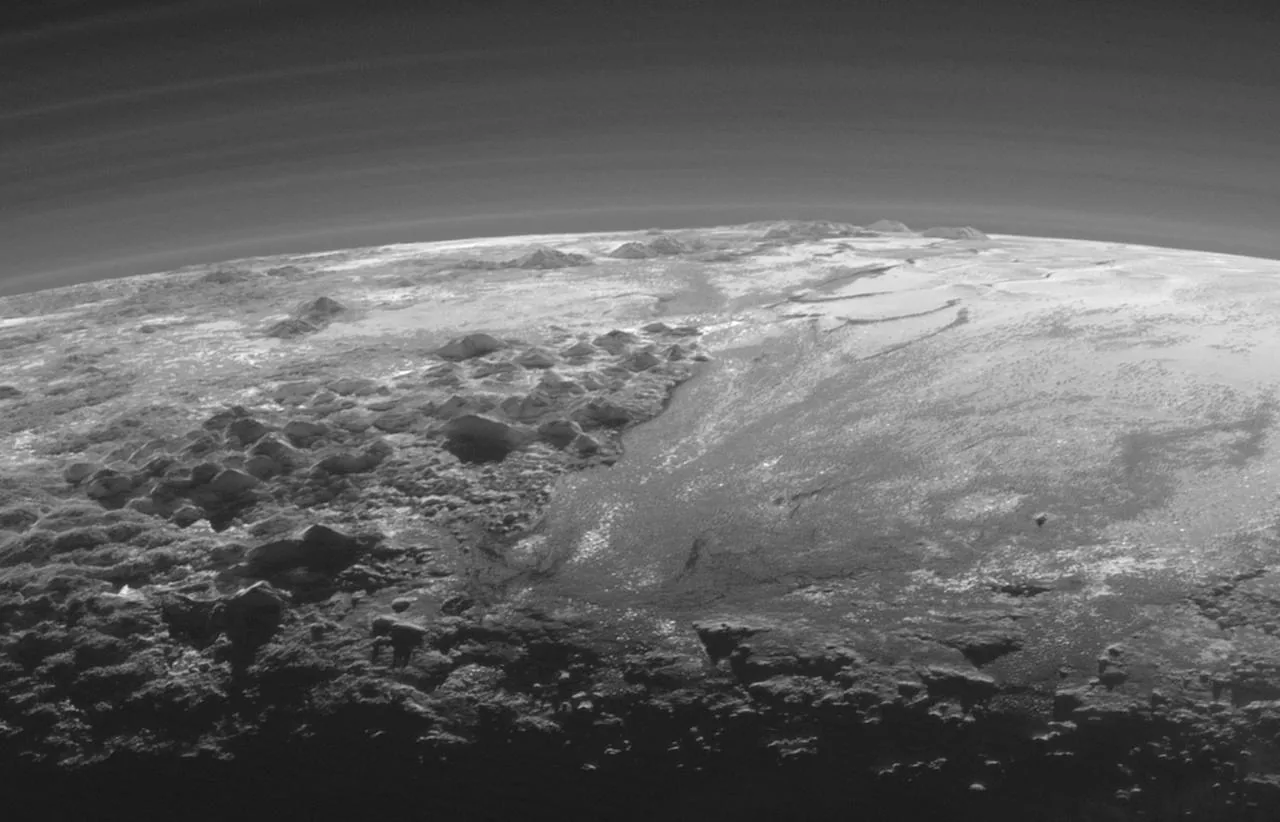
New Horizons' July 2015 Pluto flyby at 49,600 km/h revealed nitrogen glaciers and the heart-shaped Tombaugh Regio — then pushed on to Kuiper Belt object Arrokoth.
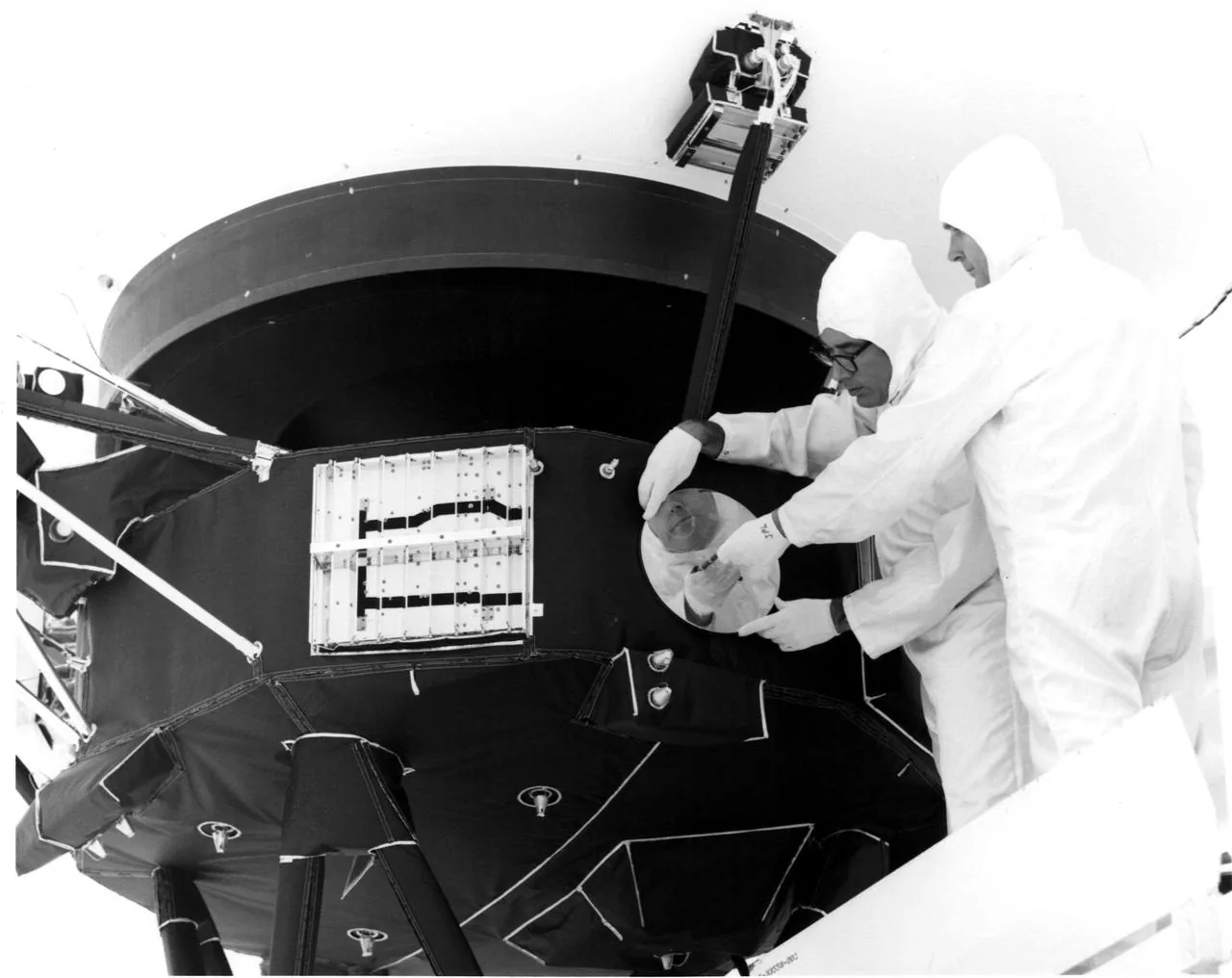
Voyager 1 and 2 launched in 1977 on a Grand Tour that comes once every 176 years. How they mapped Jupiter, Saturn, Uranus and Neptune — and carried the
Space-based solar power could deliver clean, uninterrupted energy to Earth. Here's why the idea deserves serious investment — and the real obstacles to getting there.
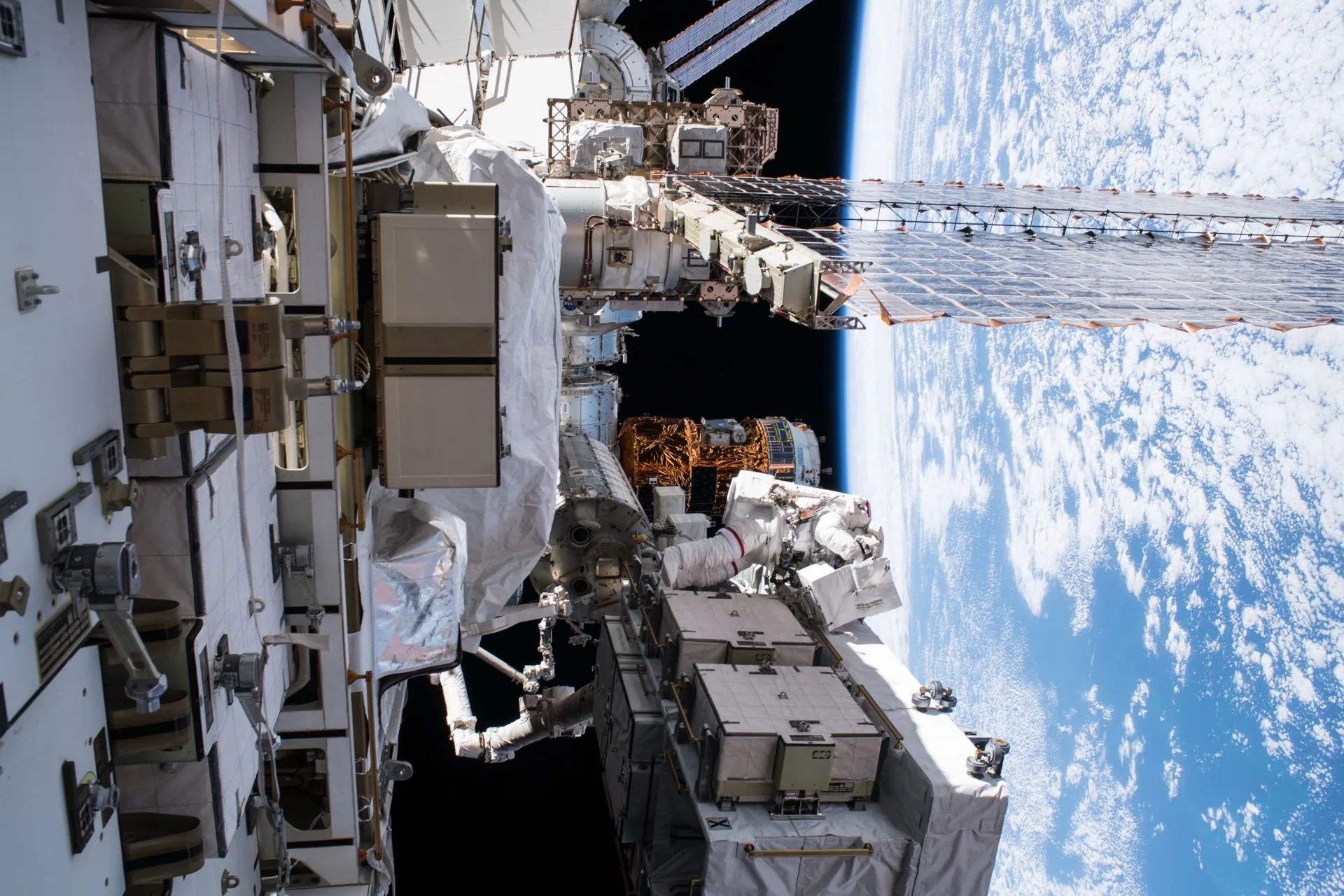
Six months on the ISS causes bone loss, vision changes, cardiovascular deconditioning, and DNA alterations. Space medicine research is racing to solve these problems before humans go to Mars.
Every rocket propellant involves trade-offs between energy density, handling complexity, cost, and reusability. This guide covers every major propellant combination used in modern rocketry.
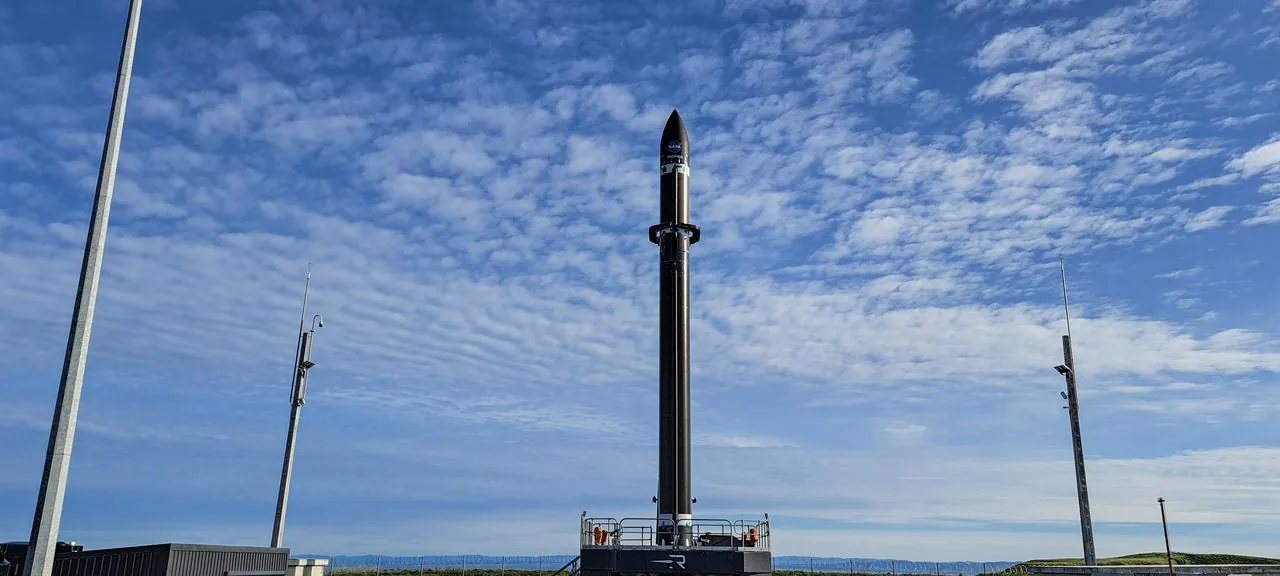
From a 2006 Auckland garage to a publicly traded end-to-end space company — Peter Beck, Electron, Neutron, Photon, and Rocket Lab's CAPSTONE Moon mission for NASA.
The Lunar Gateway is a cornerstone of NASA's Artemis architecture — but critics argue it's expensive, unnecessary, and could delay rather than enable Moon landings. Who's right?
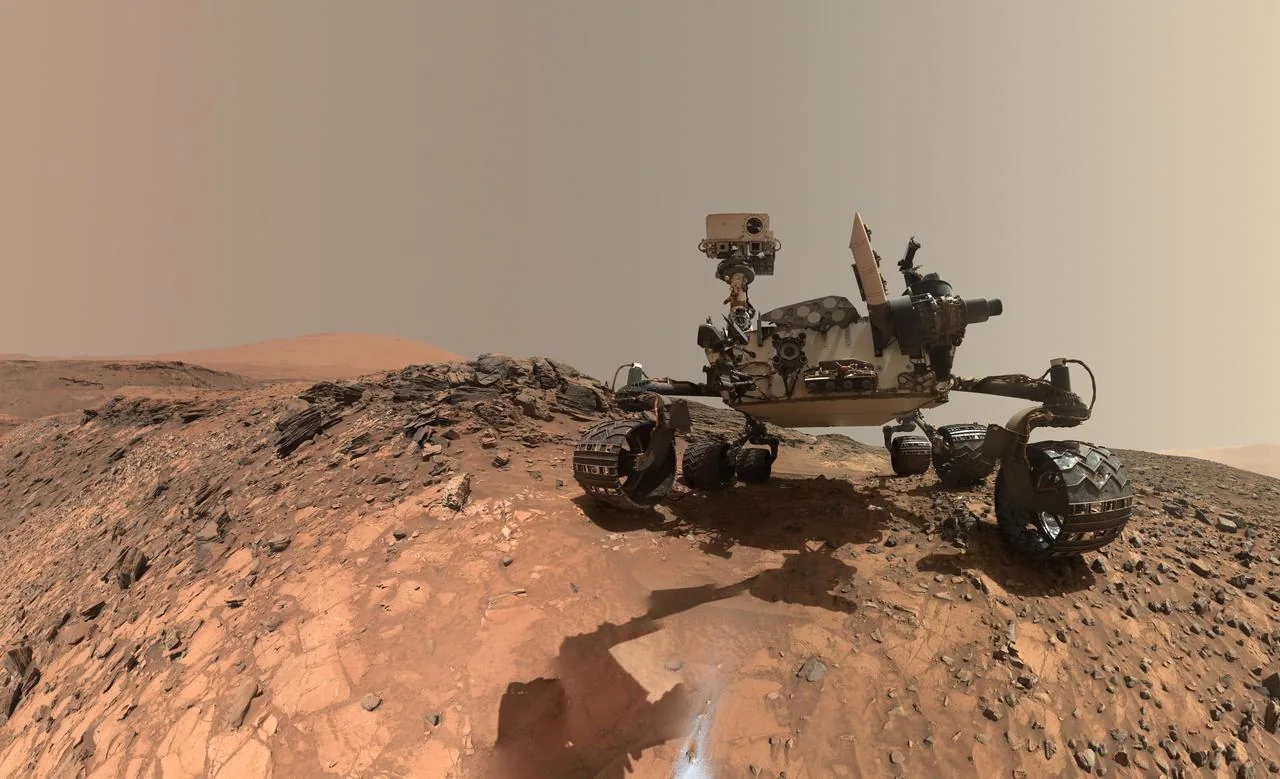
13+ years of NASA's Curiosity rover on Mars — sky crane landing, Gale Crater's ancient lakebed, organic molecules, the methane mystery, and a full Mars rover comparison.
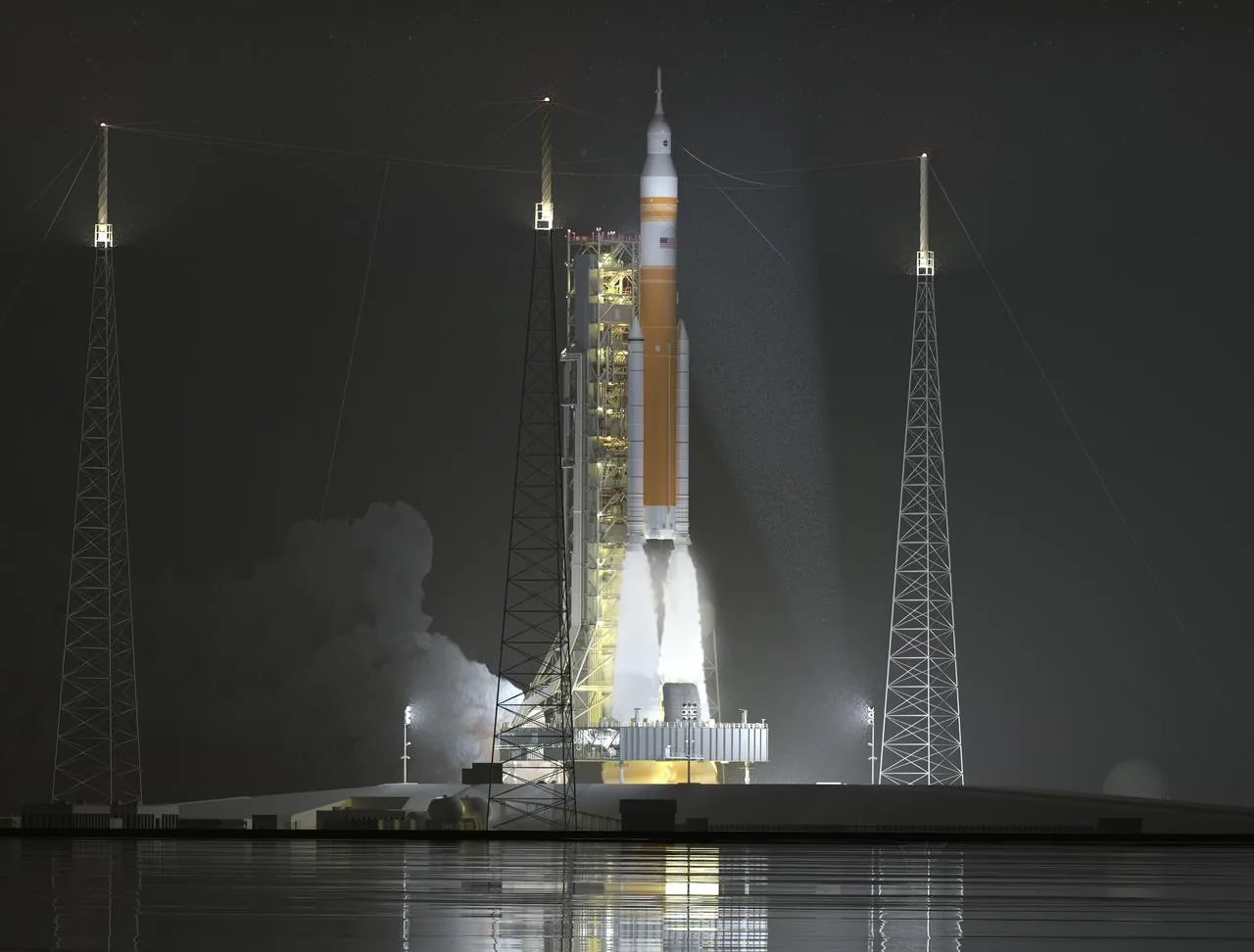
Where NASA's Artemis program actually stands in 2026: a successful Artemis II crewed flyby, the road to Artemis III's south-pole landing, the cancelled Lunar Gateway, and a restructured architecture built around SpaceX Starship HLS and Blue Origin's Blue Moon.

Voyager 2 flew past Uranus in 1986 and Neptune in 1989 — and that's still our only close look. Why the Decadal Survey ranks an ice giant orbiter a top priority.
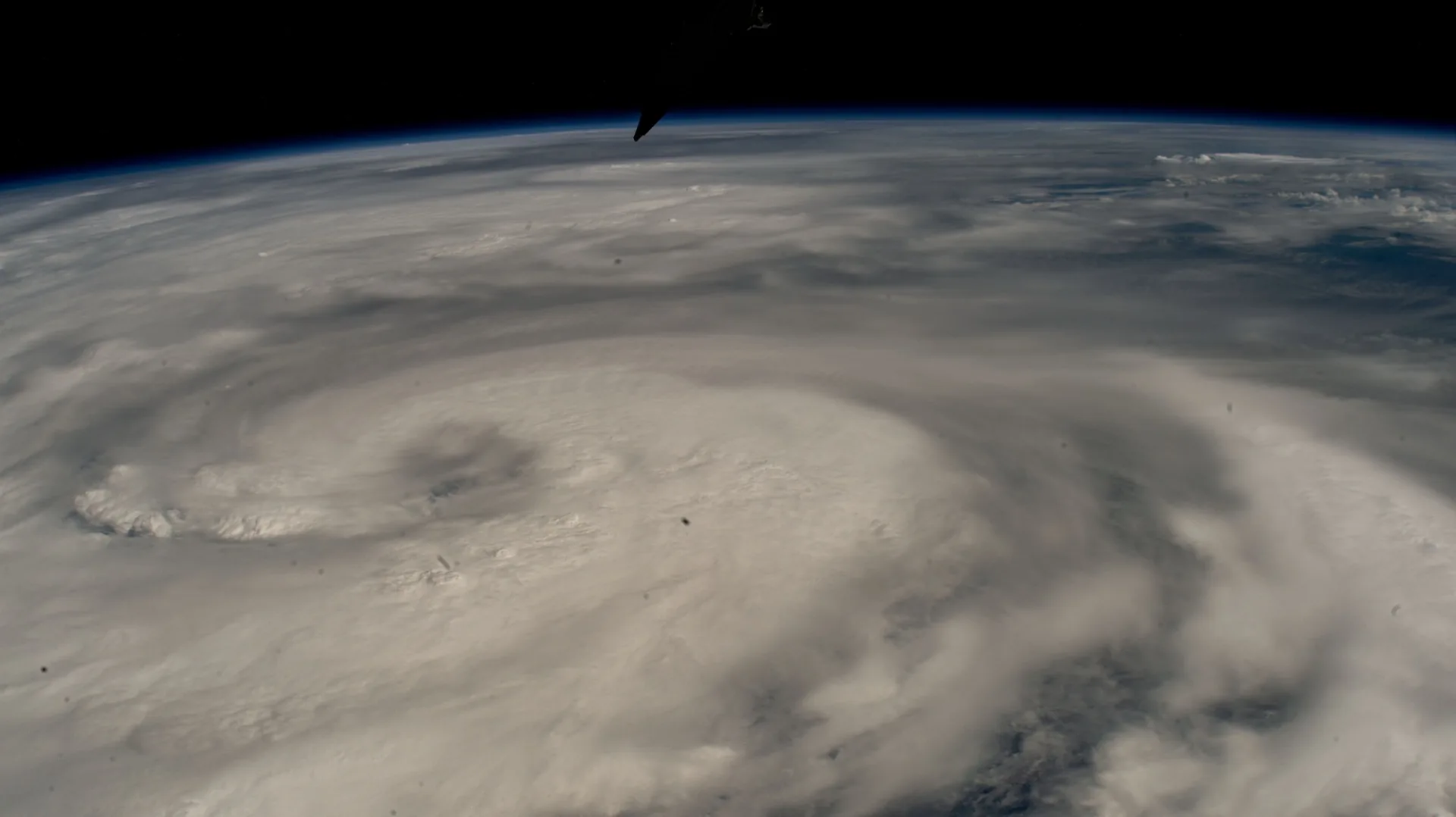
How the Copernicus Sentinels, NASA satellites, and methane-hunting orbiters track ice loss, sea level rise, and deforestation — the backbone of modern

From Sputnik in 1957 to JWST deep fields, Chandrayaan-3, DART, and Ingenuity — the defining milestones of a century of space exploration through 2024.
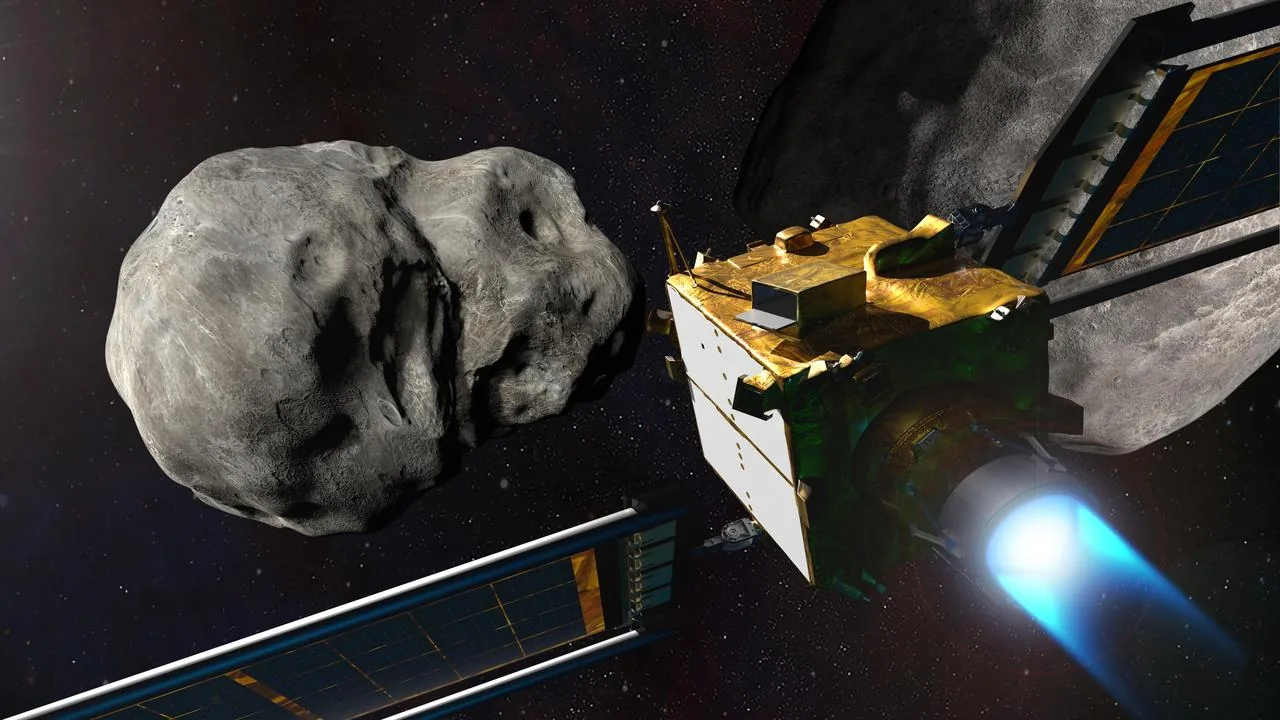
NASA's DART deflected asteroid Dimorphos by 33 minutes — proving planetary defense works. Plus: every active asteroid mission, Apophis 2029 close approach, and notable flybys.
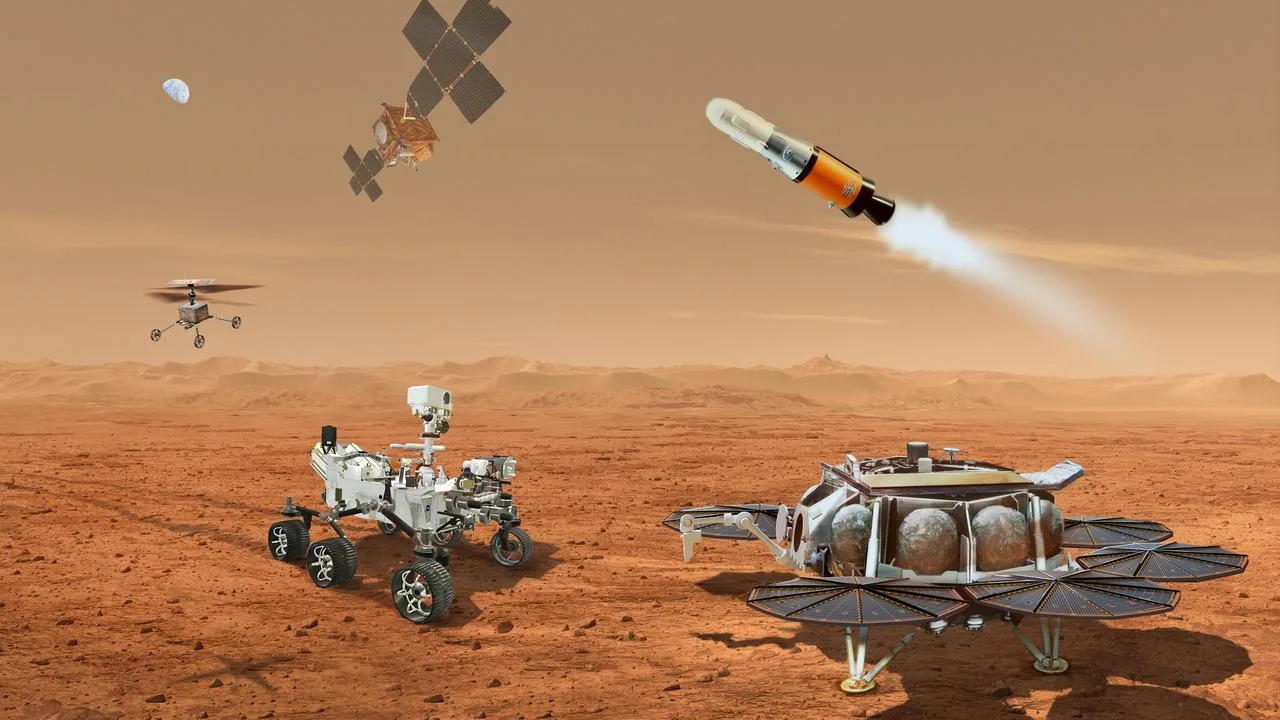
Terraforming Mars means warming a -60C desert, thickening a 1% atmosphere and restoring water. The real physics, greenhouse gas plans, and why it may take
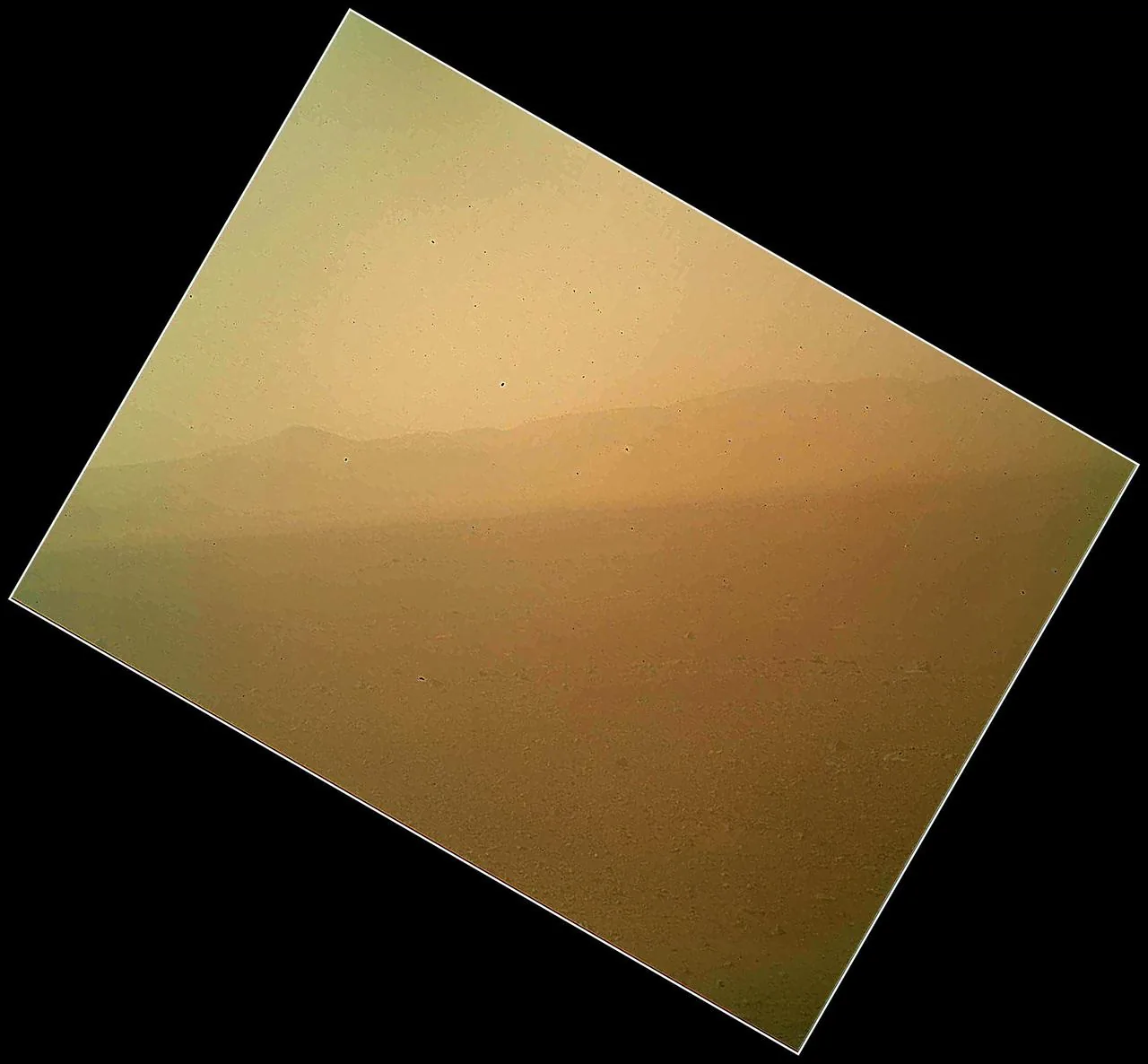
The real obstacles to Mars colonization: deadly radiation, -80°C cold, toxic perchlorate dust, ISRU fuel, muscle loss, and how SpaceX's Starship plans to solve them.
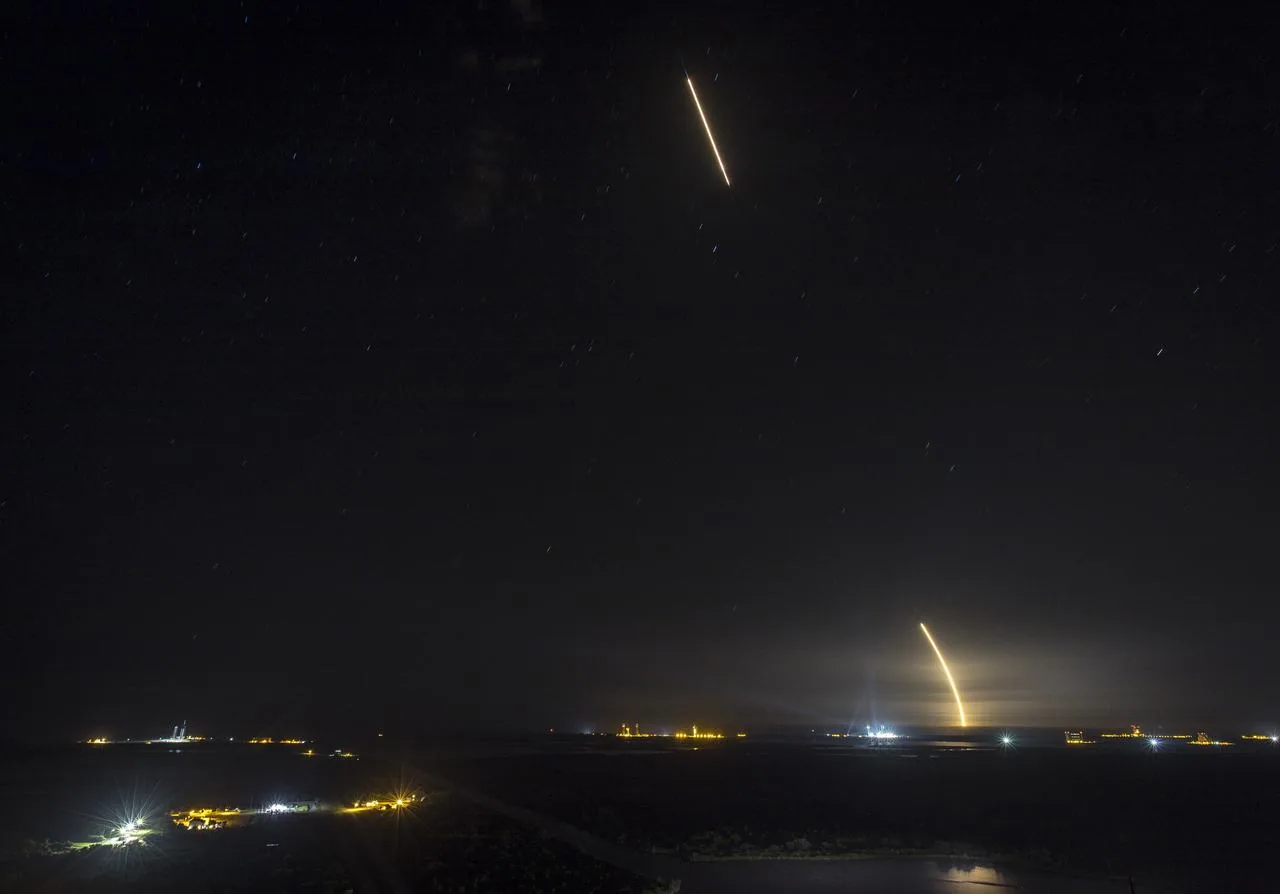
Compare the major LEO mega-constellations in 2026: Starlink, Eutelsat OneWeb, Amazon Kuiper, China's Guowang and Qianfan — satellites deployed, altitude, target size, status.
Reusable rockets land themselves, satellite megaconstellations blanket Earth, AI navigates probes. A tour of the space systems powering 2025's golden age of spaceflight.
Inside China's CNSA space program: the Chang'e 6 far-side Moon sample return, Tiangong station crews, Tianwen Mars mission, and the road to a crewed lunar landing.
Satellites, GPS, and NDVI imagery are boosting crop yields 15-20% worldwide. How NASA's SMAP, Copernicus, and ISRO data feed farmers from Iowa to Uttar Pradesh.
The Lunar Gateway: a mini space station in near-rectilinear halo orbit around the Moon. PPE, HALO, international modules, Artemis role, and the 6.5-day
How NASA's Artemis Base Camp and China-Russia's ILRS plan to build permanent Moon bases: 3D-printed regolith habitats, Kilopower reactors, ISRU, and realistic timelines.
China's Tiangong space station completed in 2022 with Tianhe, Wentian and Mengtian modules. Inside the taikonaut missions, science program and CNSA's post-ISS ambitions.
South Korea built Nuri entirely in-country, has Danuri orbiting the Moon, and plans a 2032 lunar landing. KARI, Hanwha, Innospace, and the rise of Seoul's space program.
Gaganyaan will make India the fourth nation to launch its own astronauts — inside ISRO's crew module, GSLV Mk III, and the 2023 TV-D1 abort test that proved it works.
Space tourism in 2026: Virgin Galactic, Blue Origin, SpaceX, Axiom, Polaris and Space Perspective ticket prices from $125K stratospheric to $55M orbital.
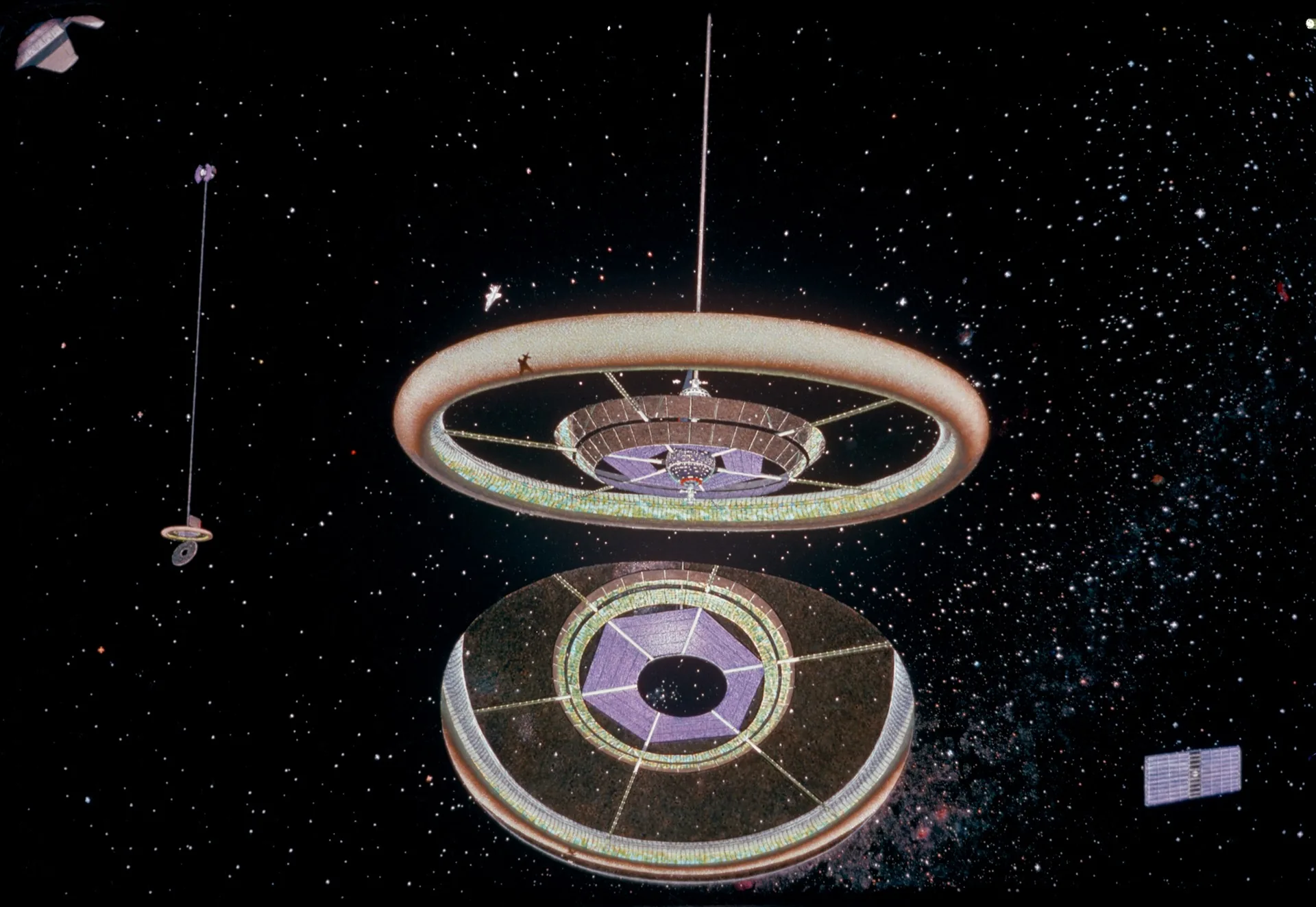
Gerard O'Neill's rotating space cities: how cylinders, Stanford toruses, and Bernal spheres create artificial gravity, plus Bezos' Blue Origin and Vast Haven-1 plans.
Luna-25 crashed into the Moon in August 2023, Russia's first lunar mission since 1976. What went wrong, what it reveals about Roscosmos, and what comes next for Russia.
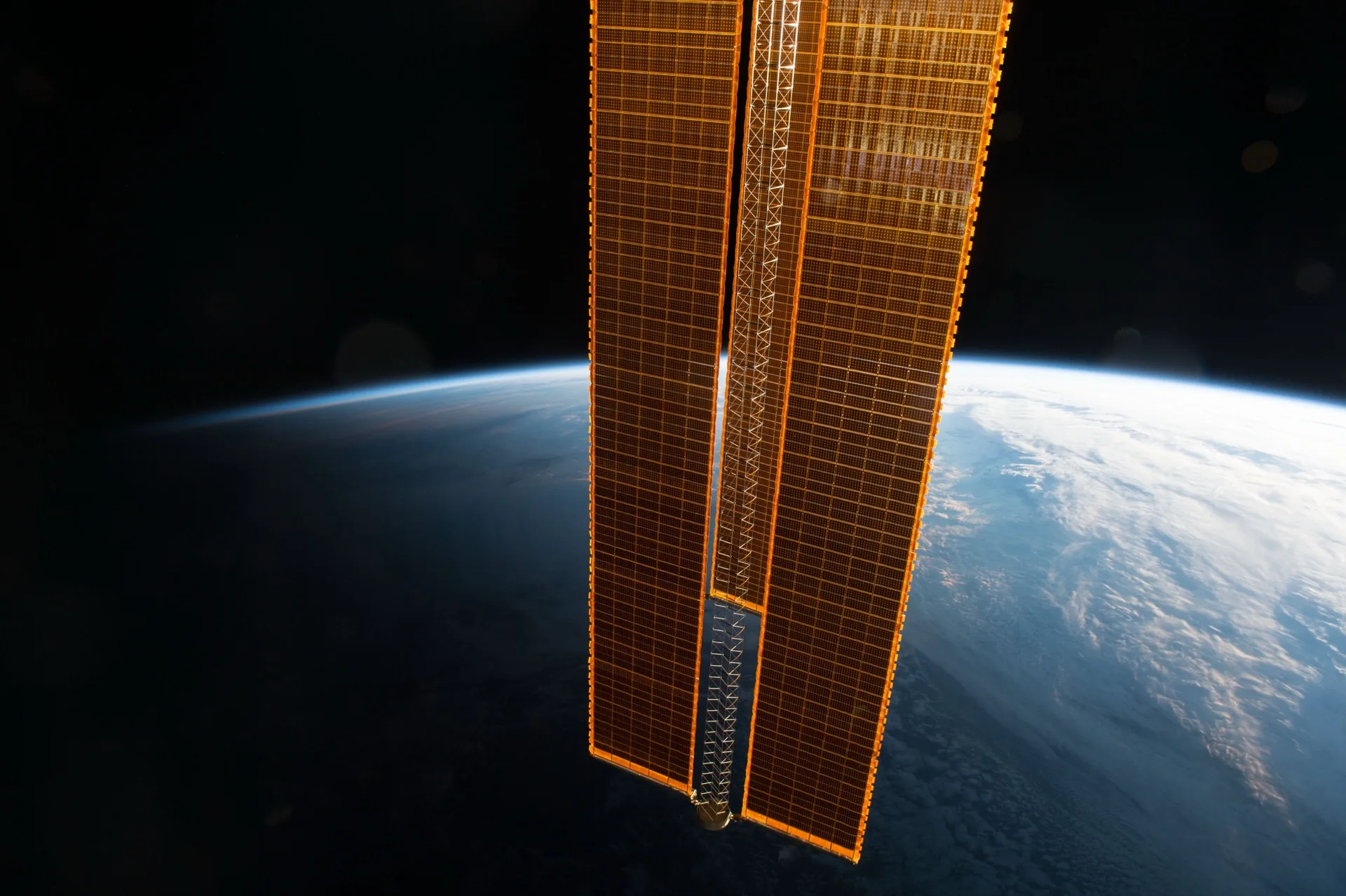
On March 18, 1965, Alexei Leonov floated free of Voskhod 2 for 12 minutes — and nearly died when his spacesuit ballooned and trapped him outside the
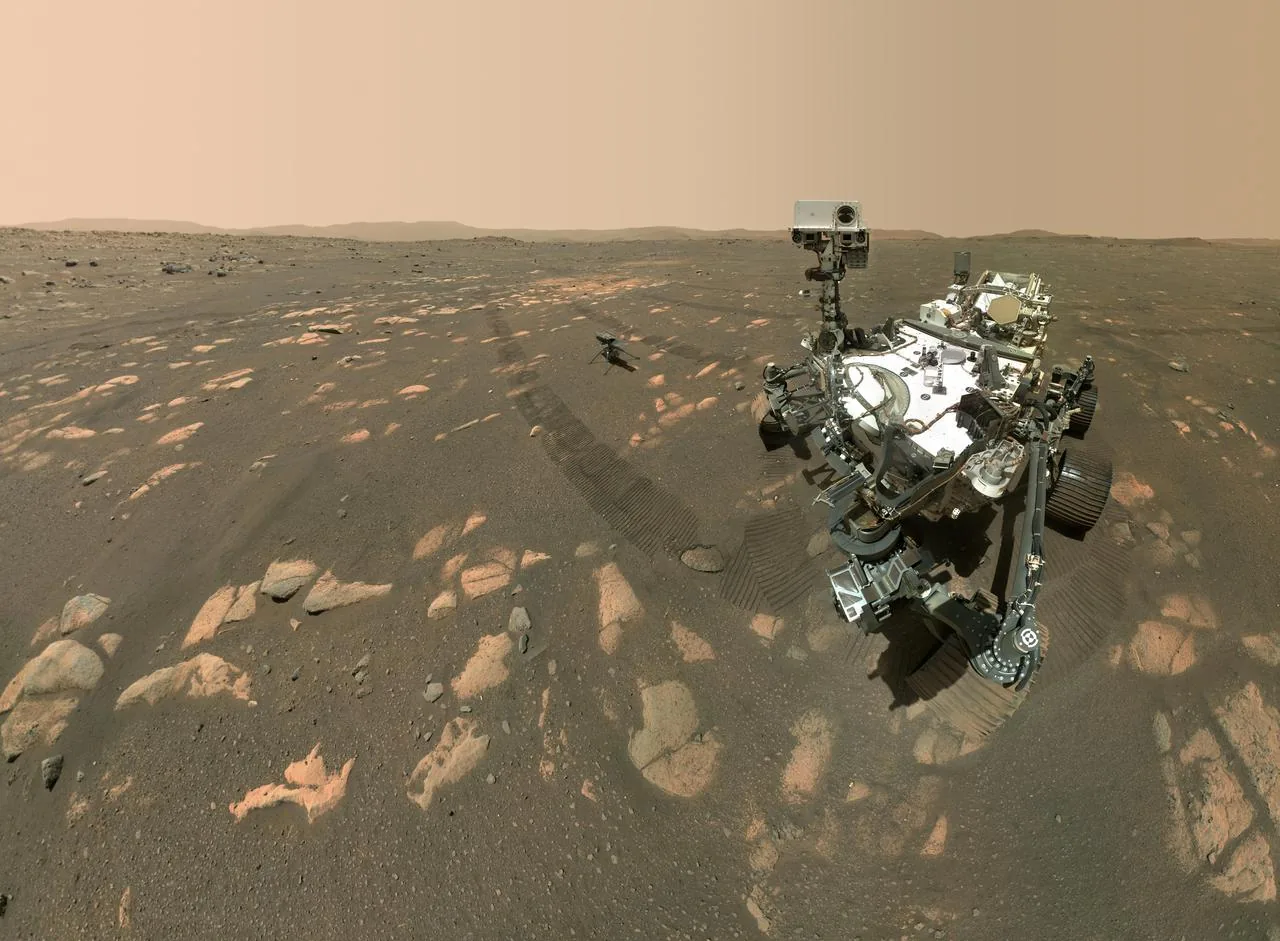
Four years in Jezero Crater: organic molecules, ancient river deltas, MOXIE making oxygen, and 24 sealed samples awaiting Mars Sample Return. Perseverance's biggest finds.
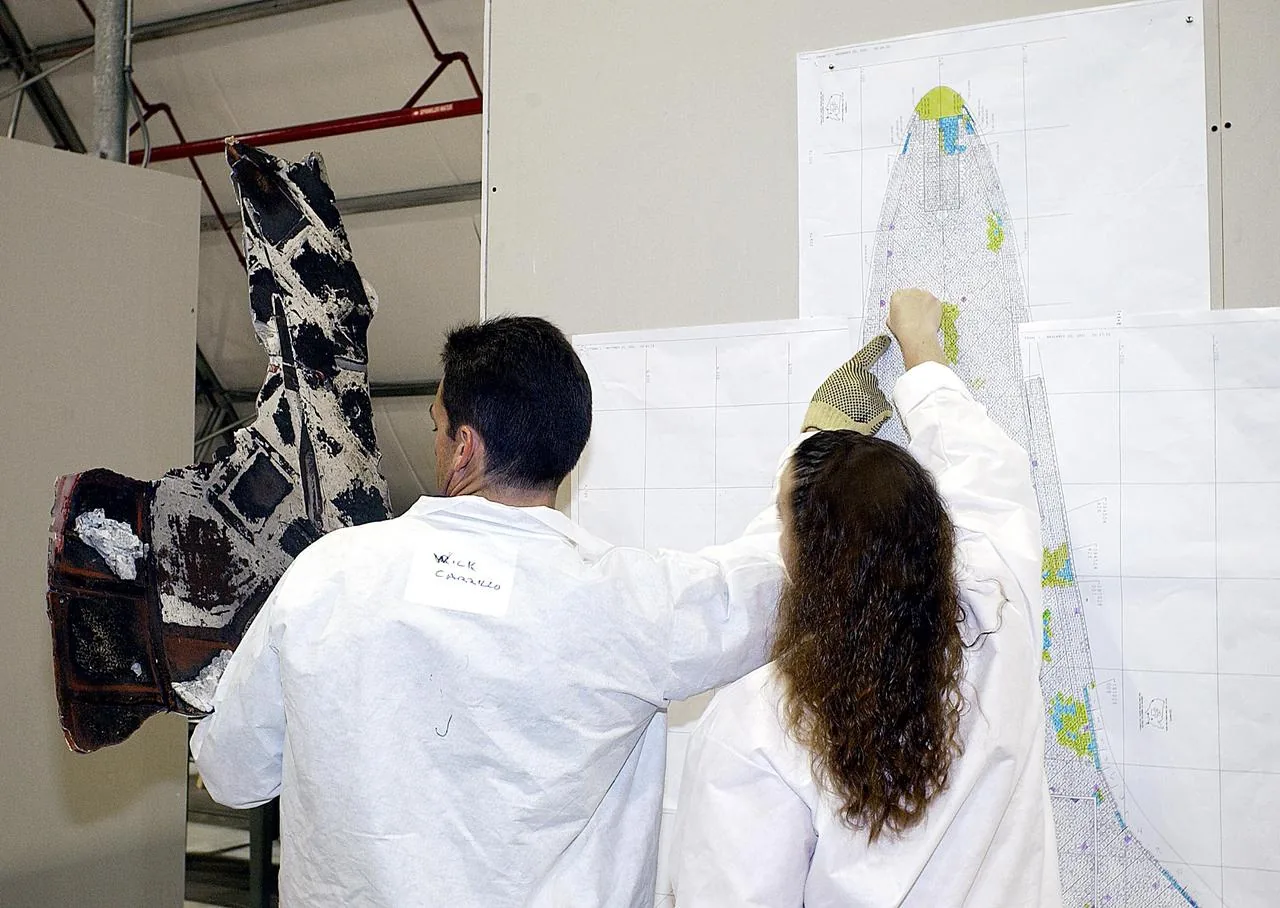
36,500+ tracked objects and 130 million smaller fragments orbit Earth at 7 km/s. Kessler Syndrome, ClearSpace, Astroscale, and the plans to clean up low Earth orbit.
A full day aboard the ISS: 6 AM wake-up, velcroed sleeping bags, 2 hours of mandatory exercise, freeze-dried meals, and 16 sunrises every 24 hours at 250
Falcon 9 boosters now fly 20+ times each. How SpaceX, Rocket Lab, and Blue Origin rewrote launch economics, slashed costs, and made orbital access look
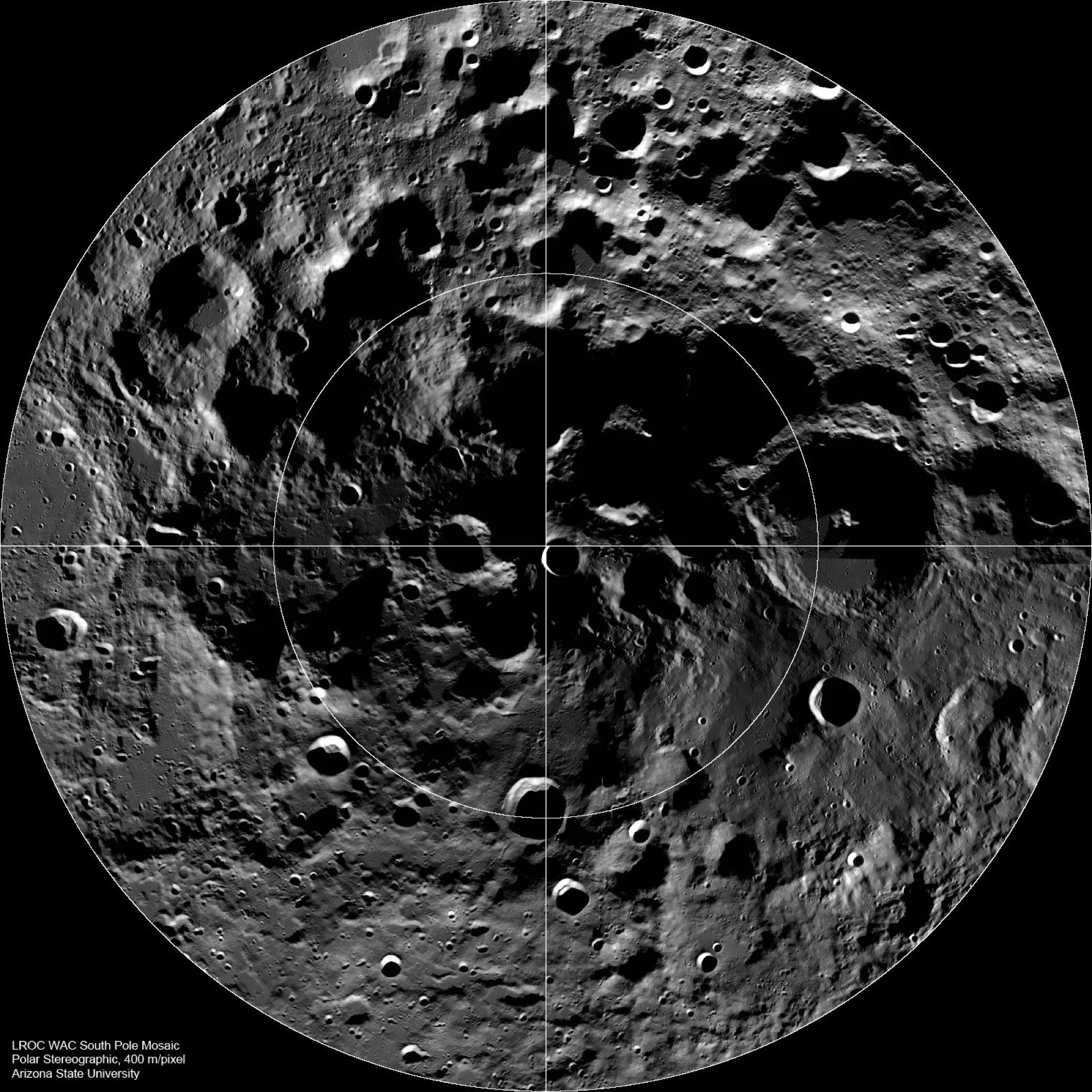
Water ice at the Moon's south pole could fuel rockets and sustain a base. Inside the NASA, ISRO, and China race to reach it — Chandrayaan-3, VIPER, Artemis and more.
Why space exploration pays back more than it costs — from climate monitoring and planetary defense to the $500B space economy and the Artemis Accords
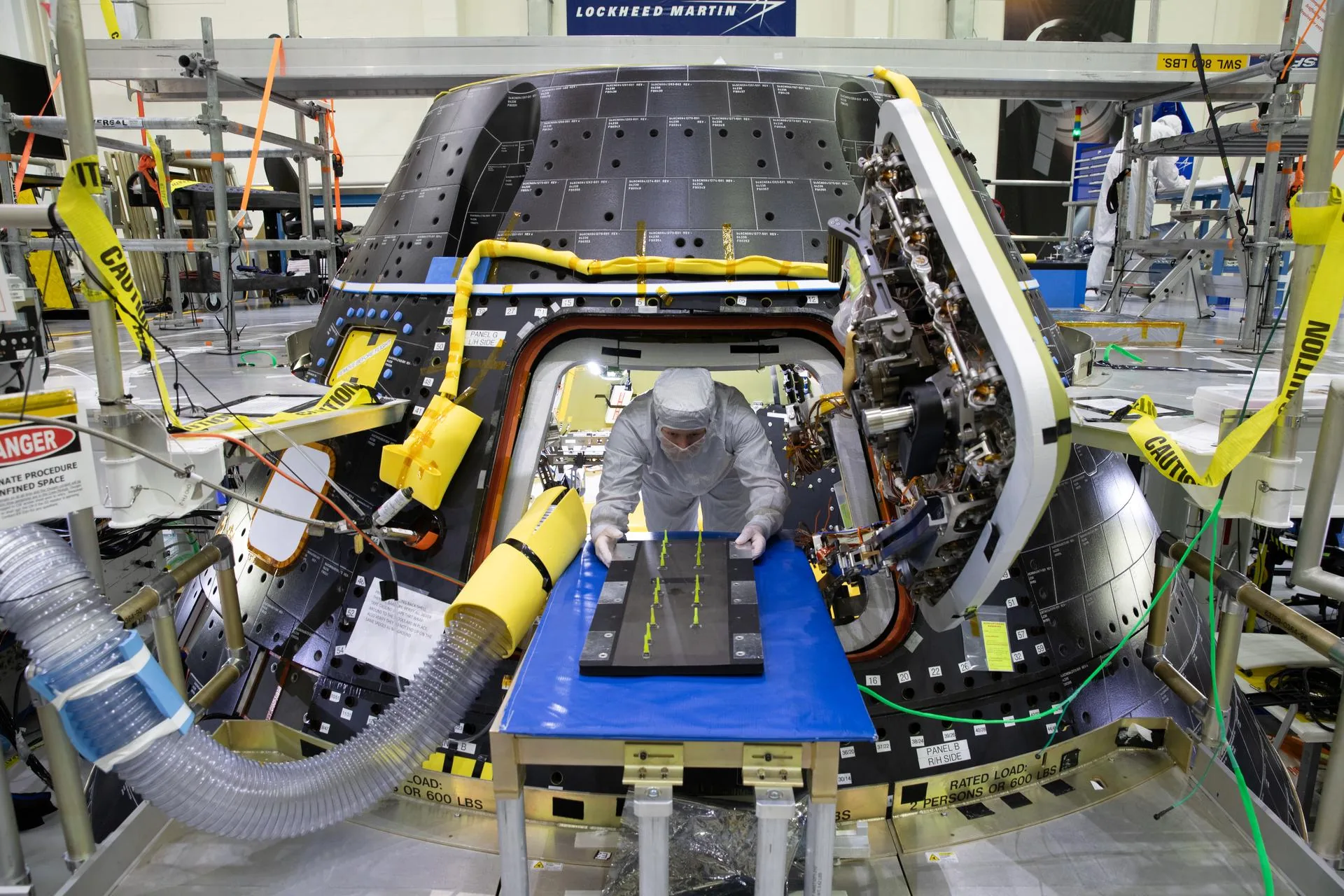
Every major 2024-2025 space mission: Europa Clipper, Polaris Dawn's private spacewalk, Chang'e 6 far-side samples, Ariane 6's debut, and what slipped to 2026.
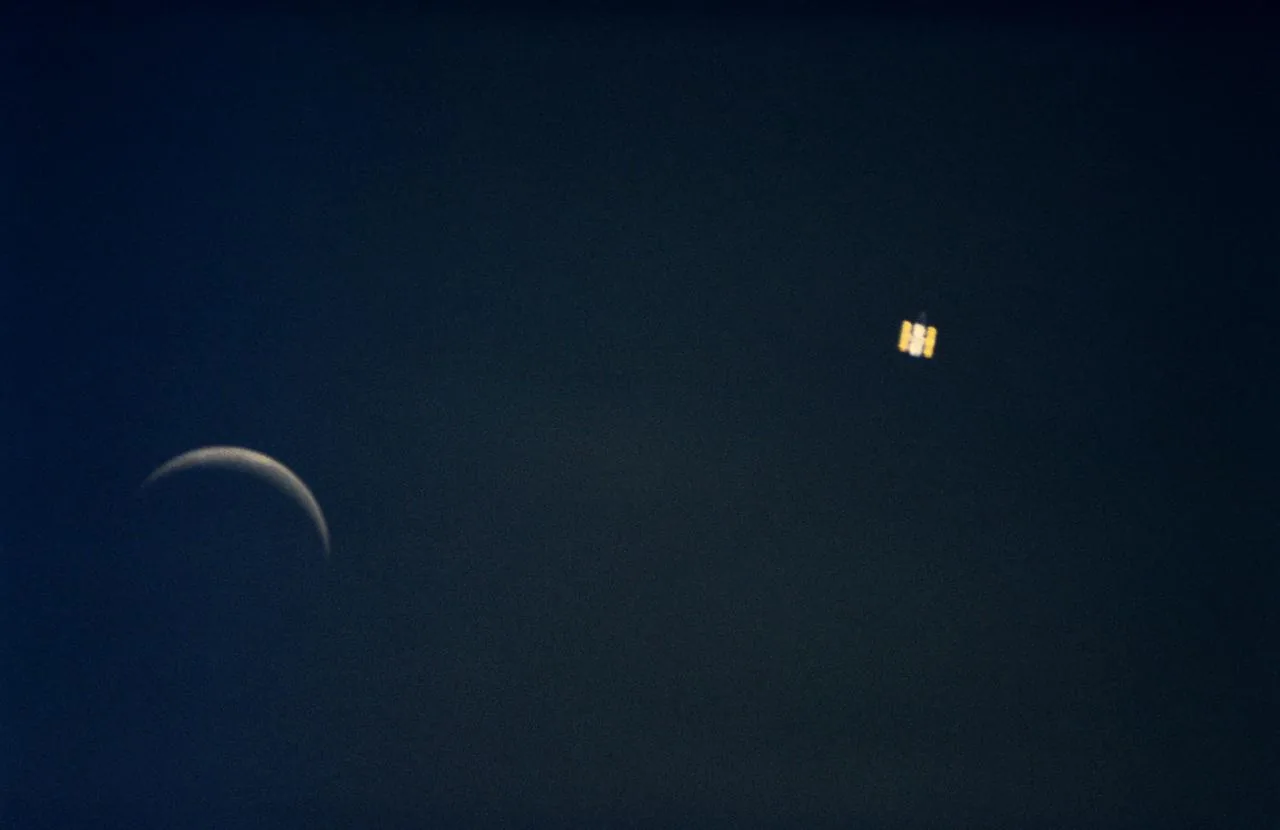
Hubble at 34, Kepler's 2,600 exoplanets, James Webb's deepest infrared views, plus Nancy Grace Roman and Euclid — the space telescopes that rewrote astronomy.
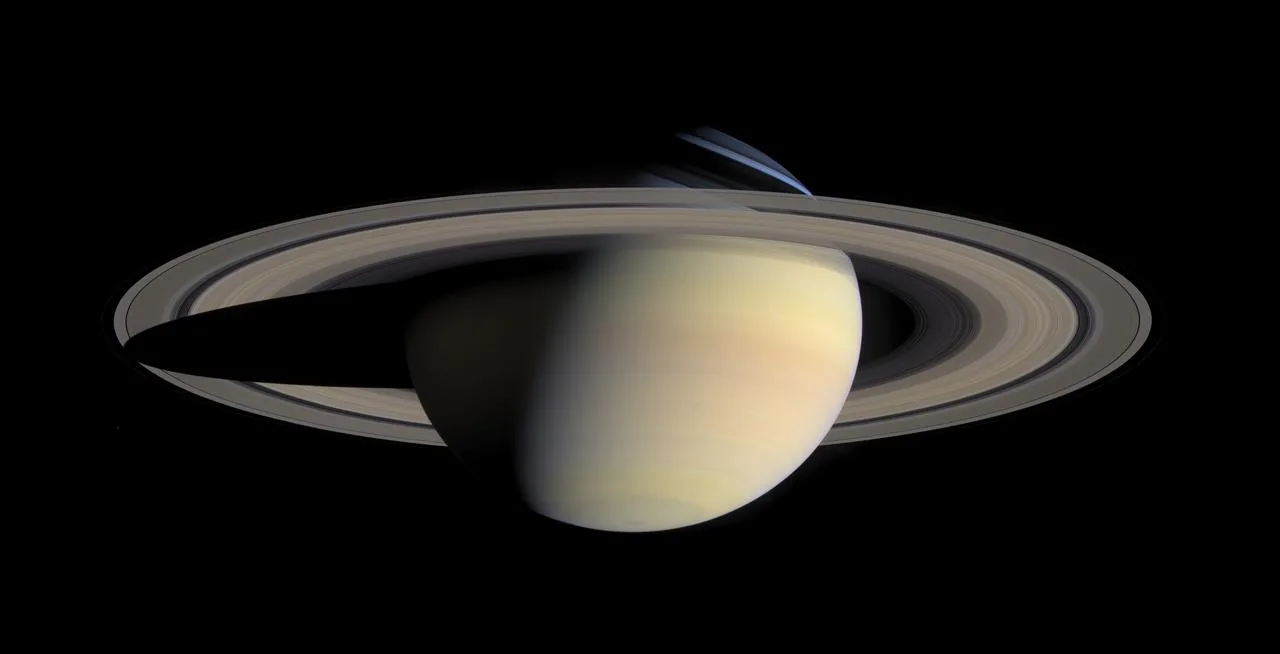
Are Saturn's rings 100 million or 4.5 billion years old? Cassini's 13 years of data, Enceladus plumes, Titan's methane lakes, and the biggest Saturn mysteries still open.
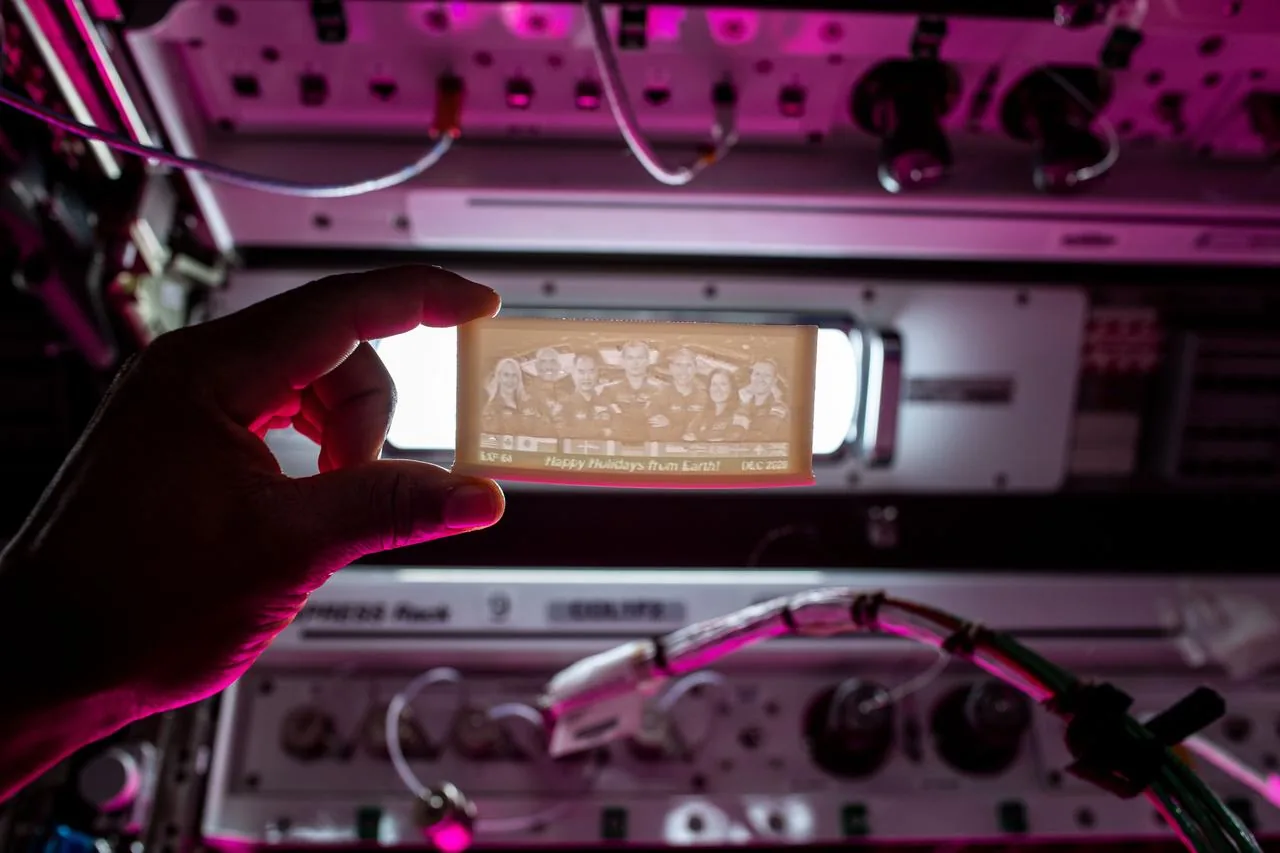
How 3D printing is slashing launch costs on the ISS, how Relativity Space prints entire rockets, and how ICON plans to build Moon bases from lunar
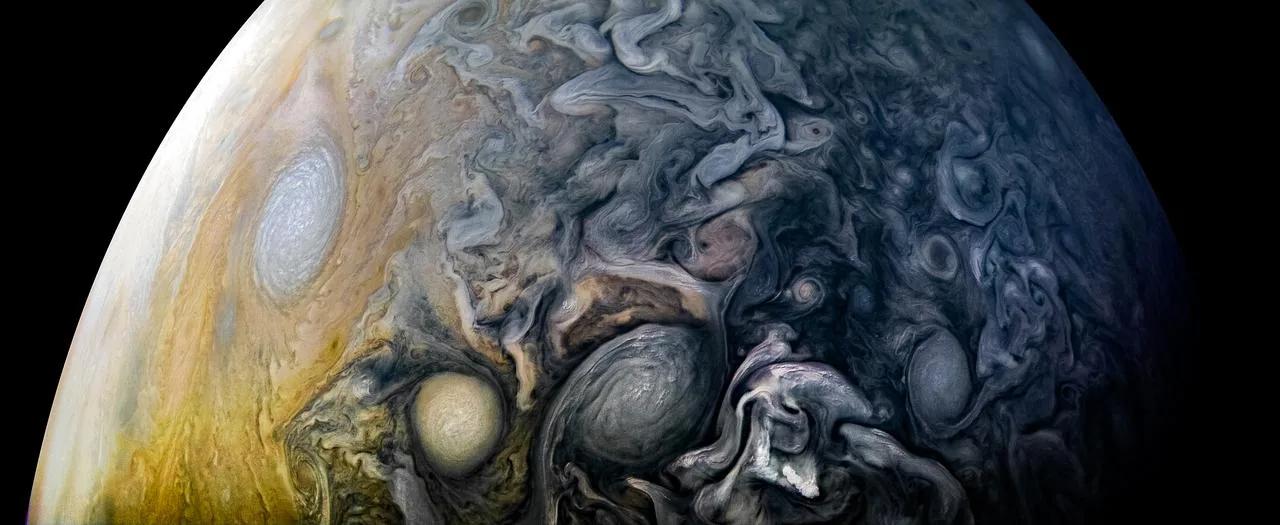
Jupiter by the numbers: the Great Red Spot, 95 moons, and the four Galilean worlds — Io's volcanoes, Europa's ocean, Ganymede's magnetic field, Callisto's craters.
Rocket Lab's Electron has flown 50+ missions and the company is now profitable. Neutron, Archimedes engines, HASTE hypersonics, and why Peter Beck's bet is paying off.
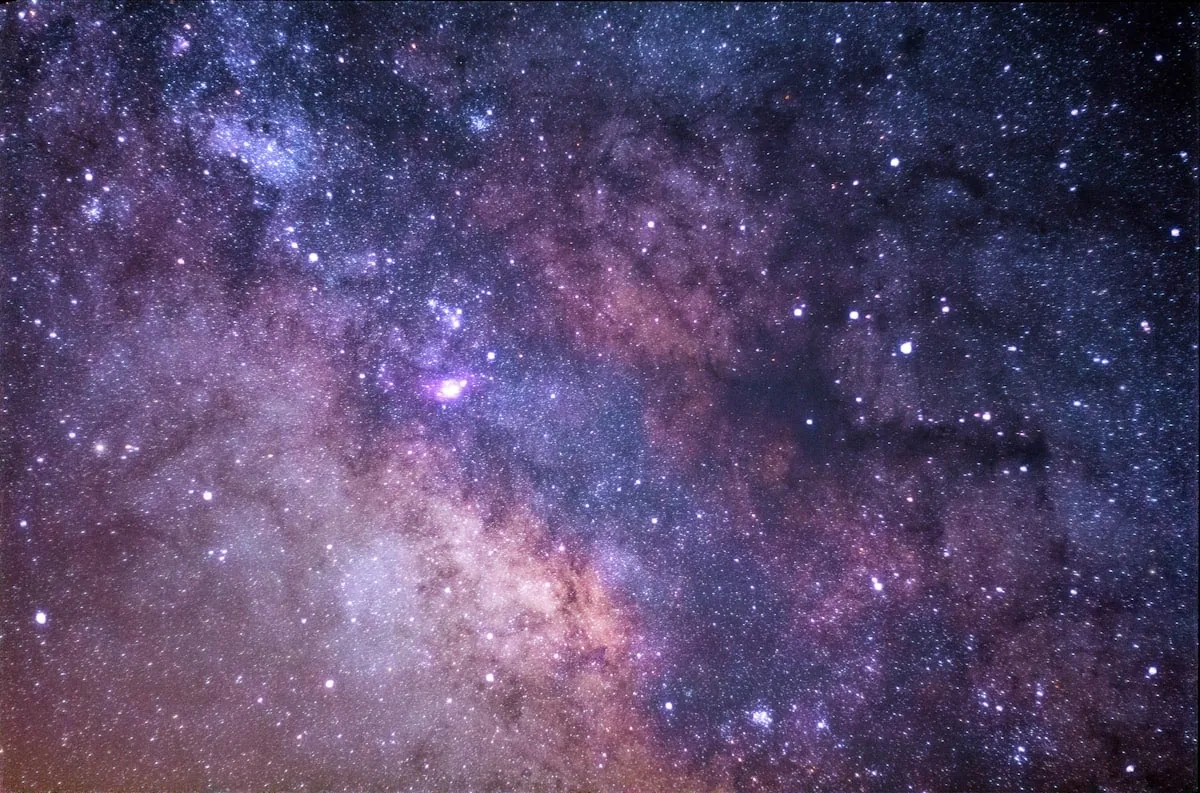
What Freeman Dyson actually proposed in 1960, why a solid shell is physically impossible, and how SETI hunts Dyson swarms — including the KIC 8462852
Venus gets more missions in the next decade than the last 30 years: NASA DAVINCI and VERITAS, ESA EnVision, Rocket Lab's private probe, and the phosphine life debate.
Mars Sample Return explained: how NASA and ESA plan to retrieve Perseverance's rock tubes, the $11B budget crisis, the 2024 architecture rethink, and the astrobiology stakes.
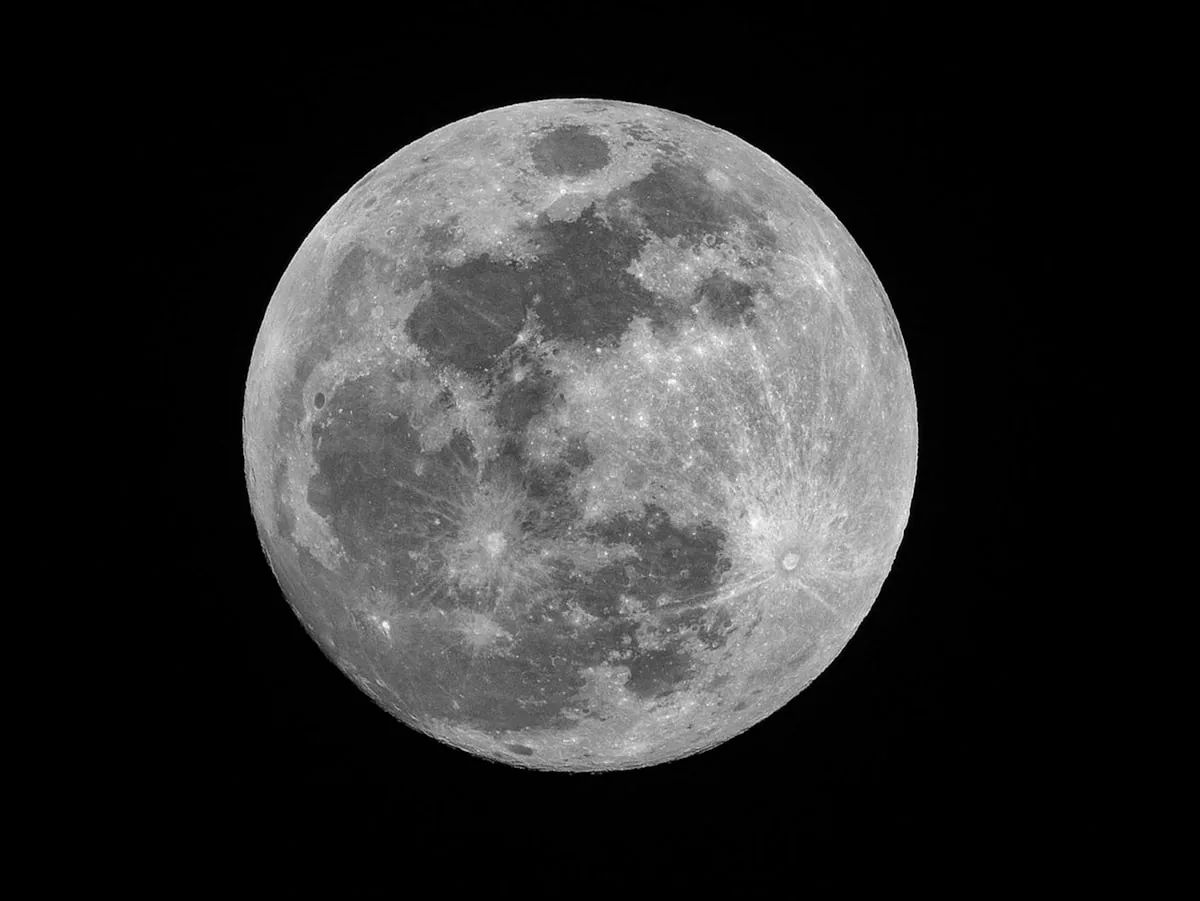
How ISRO made India the 4th nation on the Moon — and the first at the lunar south pole — for $75 million. Chandrayaan-3's Vikram lander, Pragyan rover, and what it discovered.
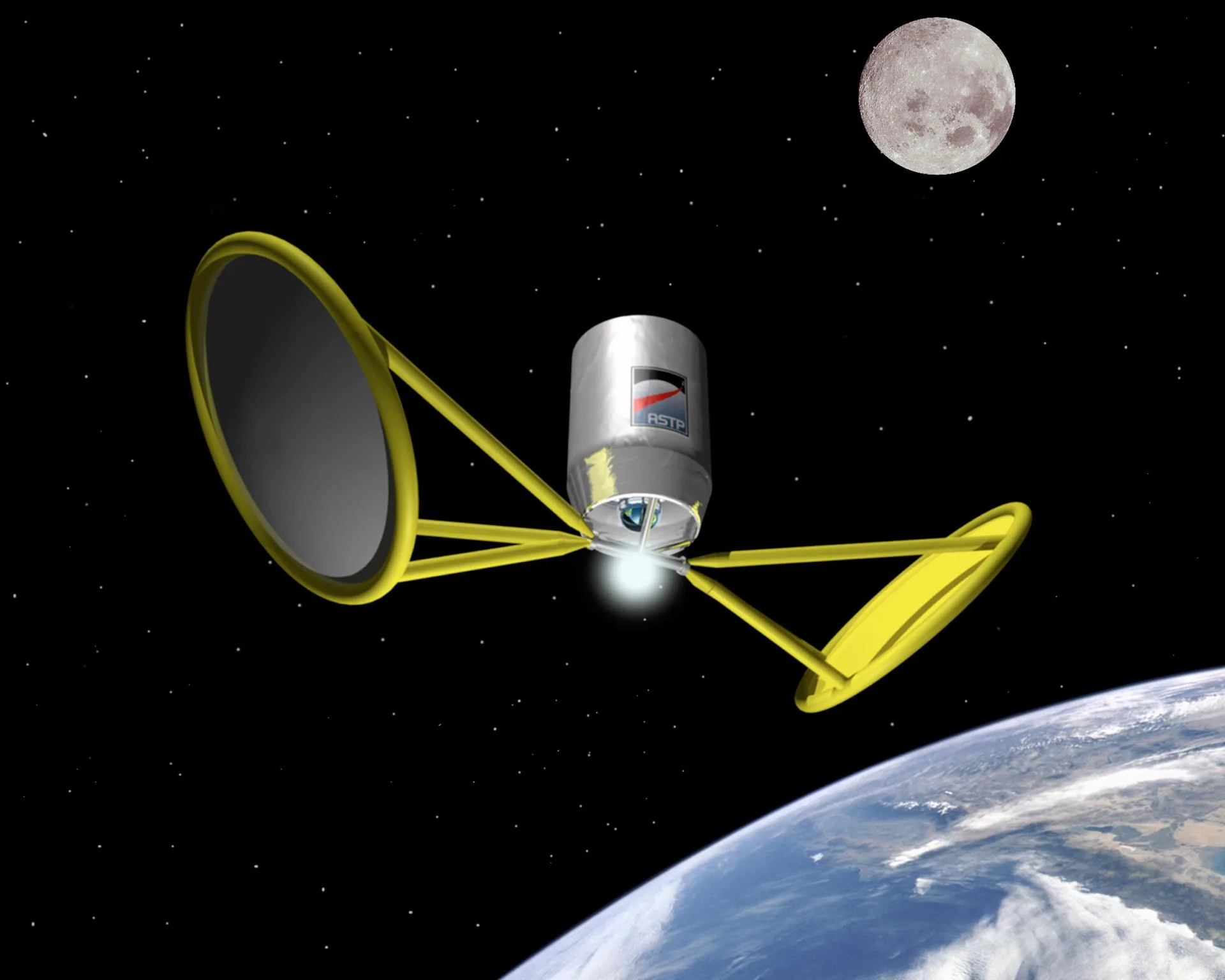
Space-based solar power beams 24/7 clean energy to Earth via microwaves. Caltech SSPD-1 proved it in orbit; ESA Solaris and JAXA aim for gigawatt stations
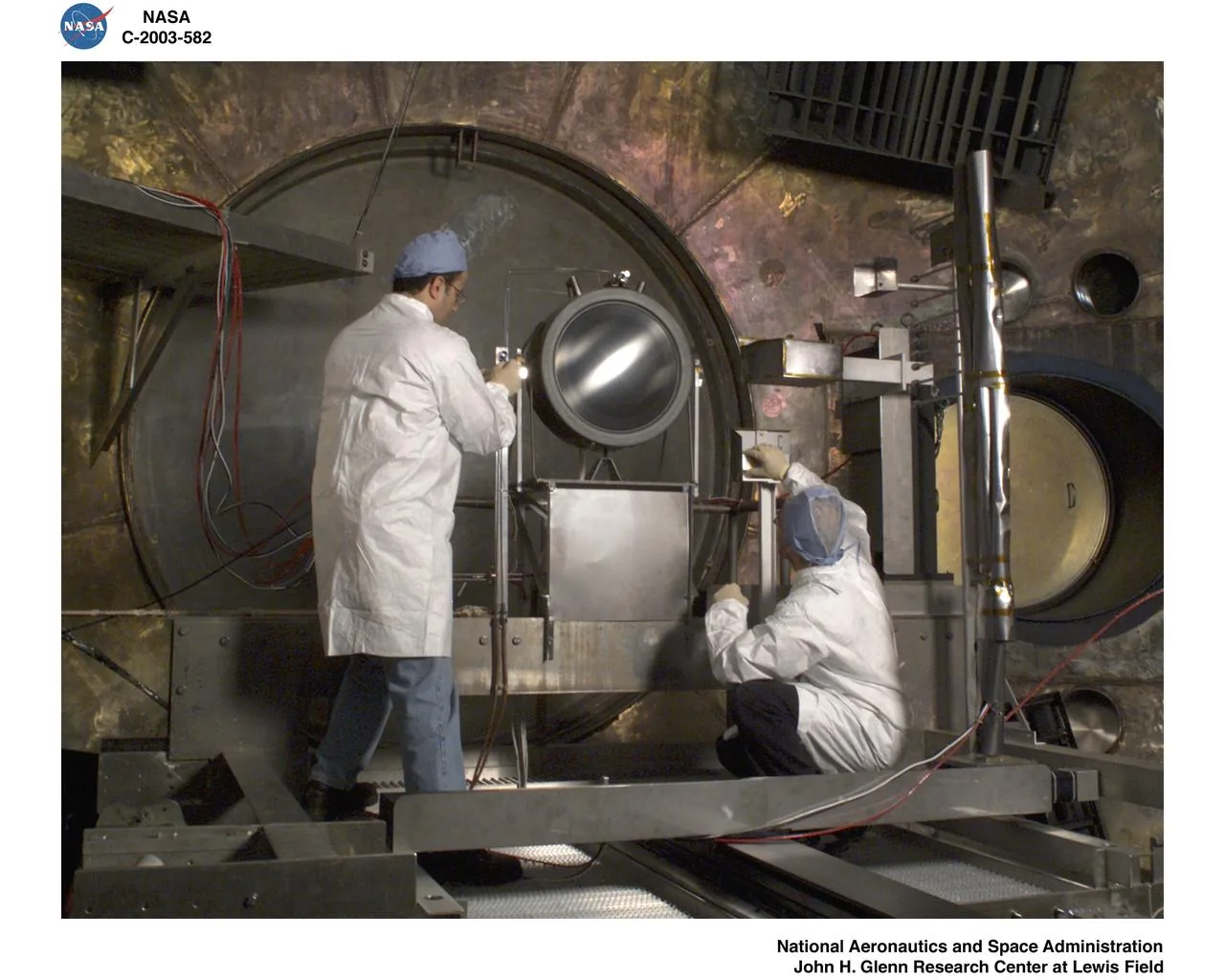
Ion engines produce the thrust of a sheet of paper but crossed billions of kilometers on Dawn, DART, and Psyche — how Hall-effect and VASIMR thrusters
Cassini-Huygens: 20 years, 293 Saturn orbits, Titan's methane lakes, Enceladus's ocean plumes, and the 2017 Grand Finale plunge that redefined planetary science.
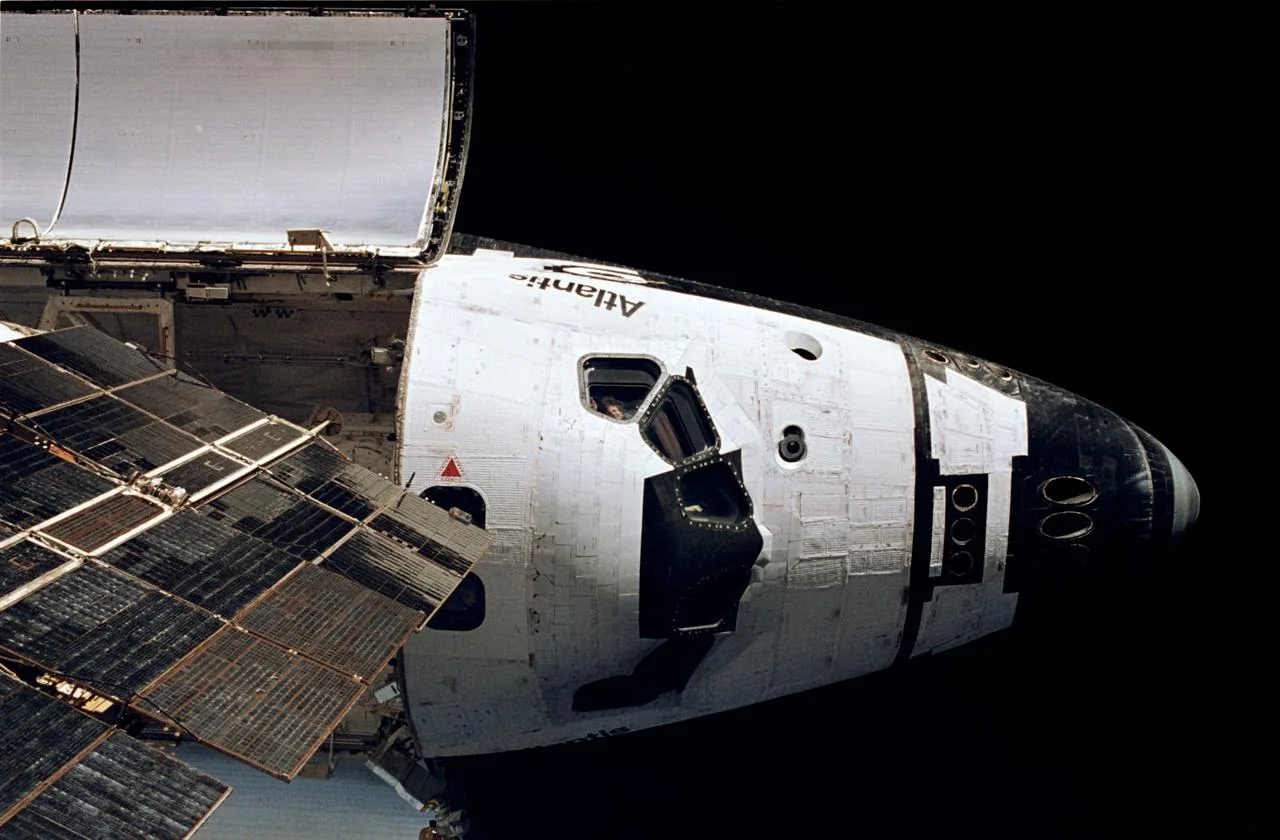
Mir's 15-year run: 104 visitors from 12 nations, the 1997 fire and collision, Shannon Lucid's marathon stay, and how the Soviet station proved humans could live in space.
Space elevators stretch 35,786 km to geostationary orbit: the physics works, but can carbon nanotubes? Inside JAXA and Obayashi's 2050 build plans.
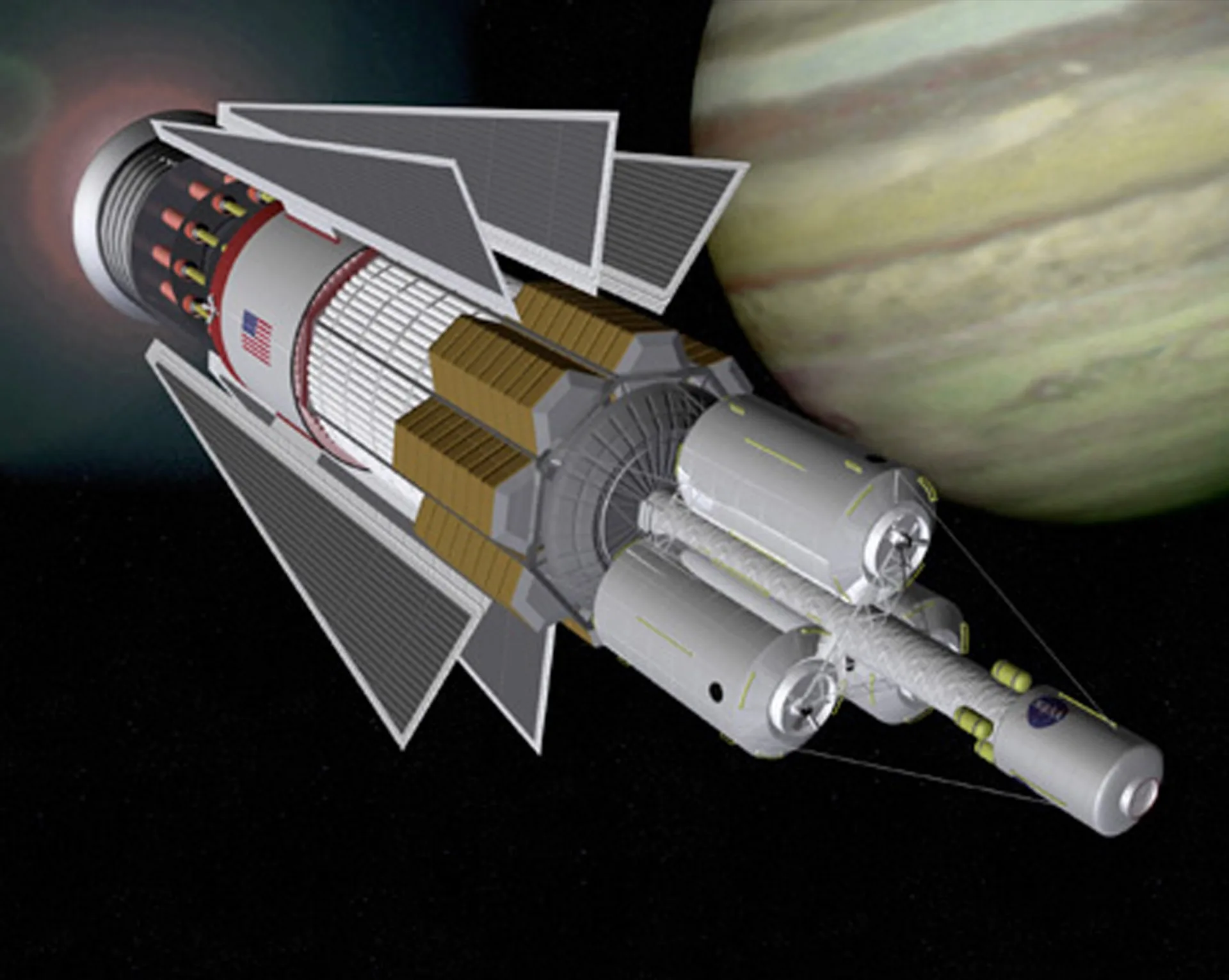
Nuclear propulsion could cut Mars transit from 9 months to 45 days. Inside NTR vs NEP physics, NASA-DARPA's DRACO demo, and why NERVA mattered for deep-space missions.
How SAR satellites, the International Disaster Charter, and Starlink reshape emergency response — from the 2023 Turkey earthquake to wildfire and flood
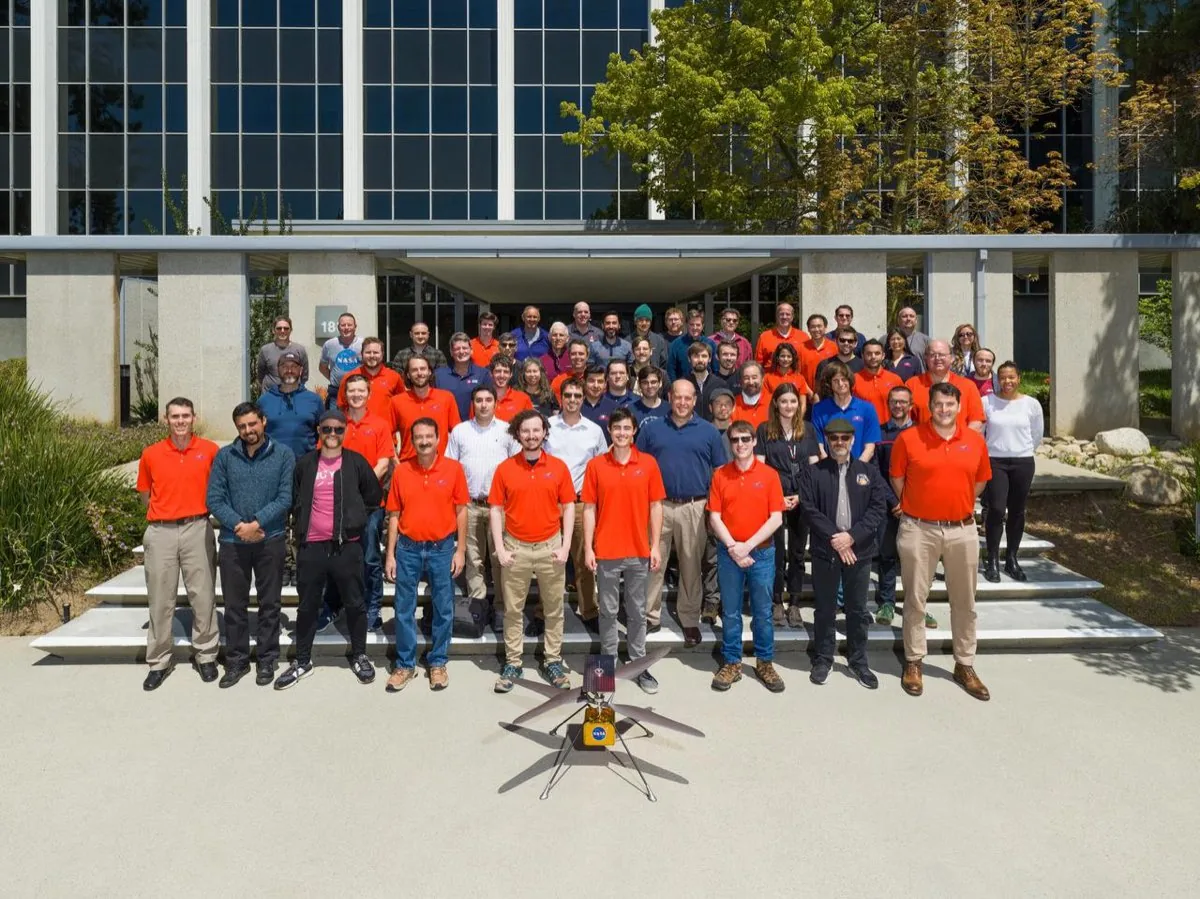
NASA's Ingenuity was designed for 5 flights on Mars. It flew 72 over three years in a 1% atmosphere — the Wright Brothers moment of the space age, built at JPL.
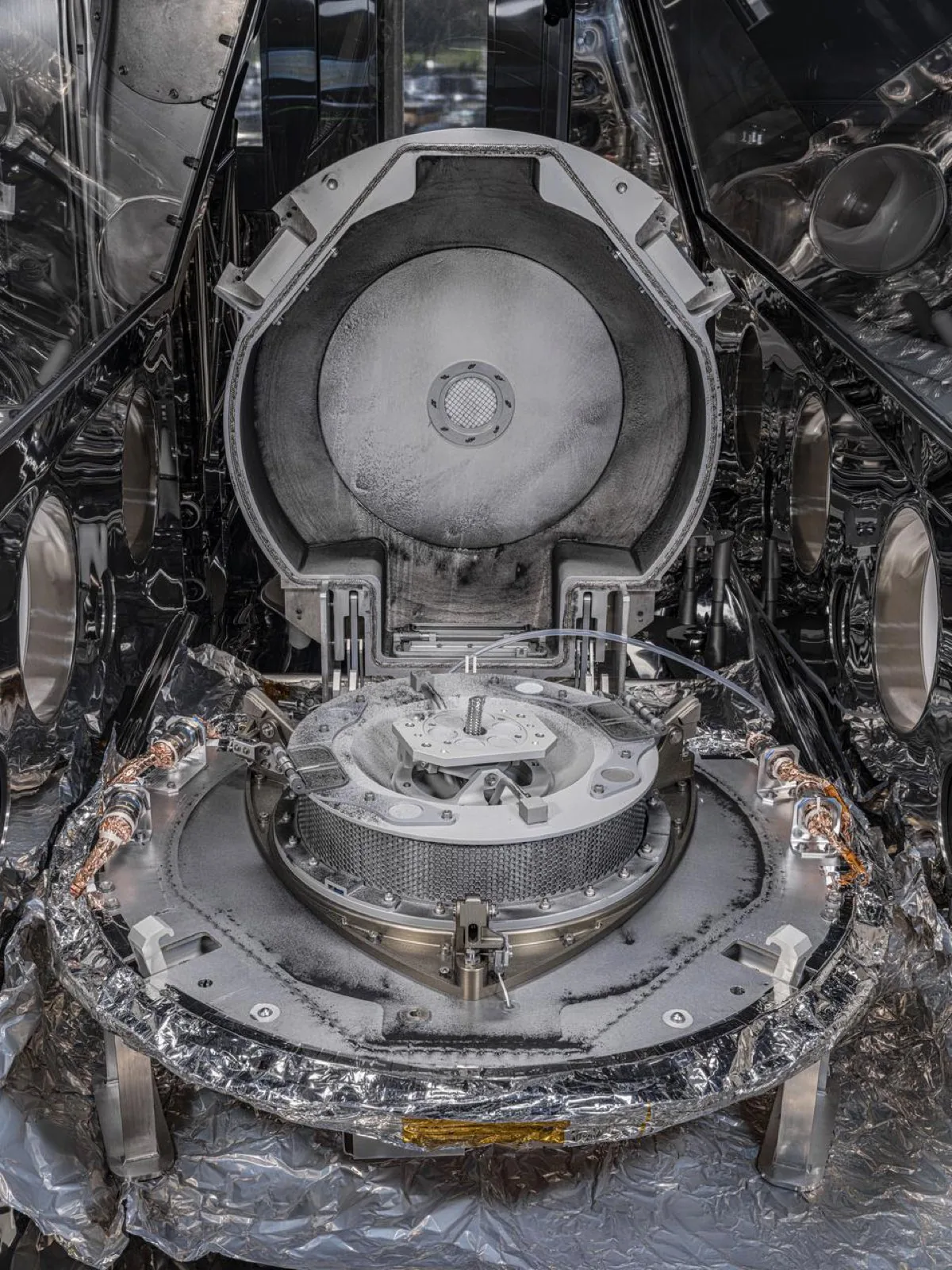
NASA's OSIRIS-REx returned 121.6 grams of asteroid Bennu to Earth in 2023. What scientists found inside — amino acids, water-bearing minerals, and solar system origins.
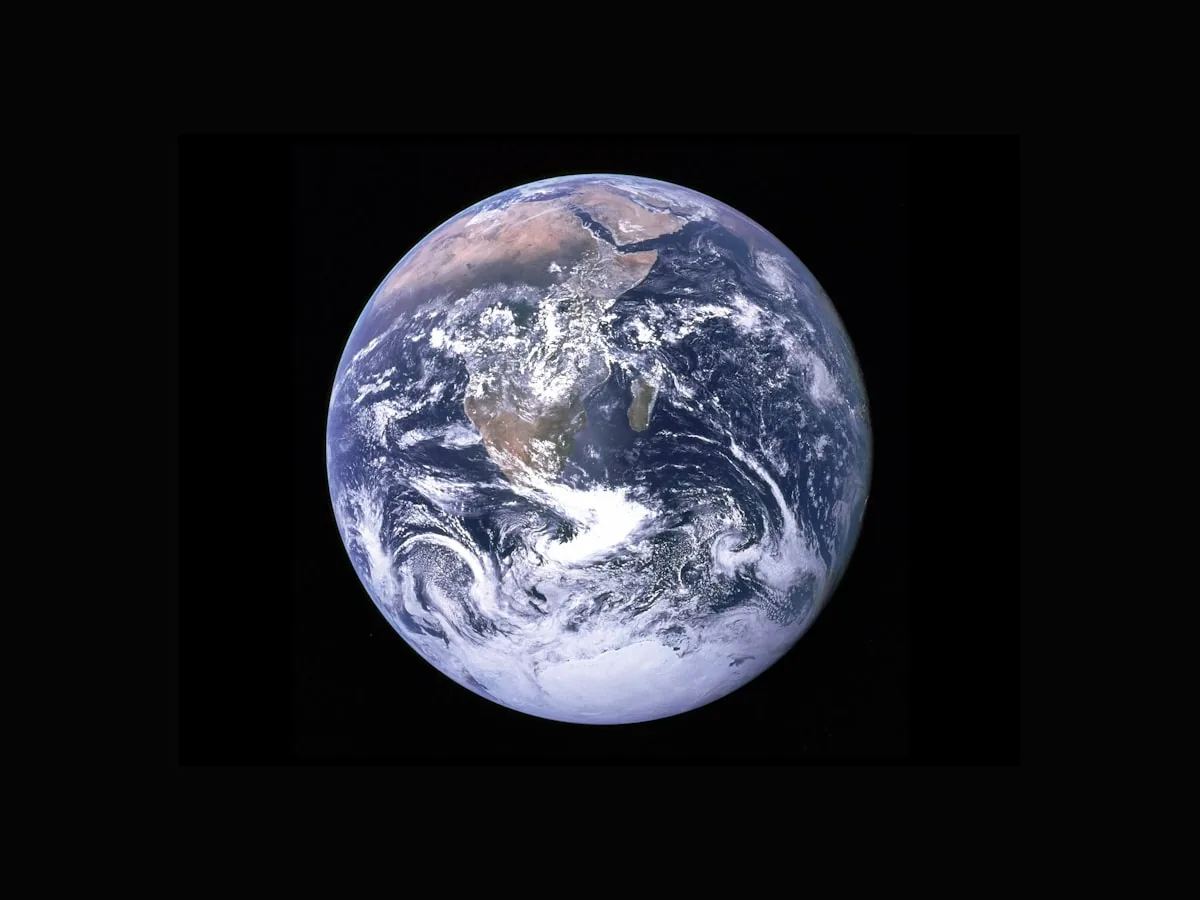
The UAE reached Mars orbit in 2021 with Hope; Saudi Arabia sent Rayyanah Barnawi to the ISS in 2023. How MBRSC and Vision 2030 built spacefaring nations
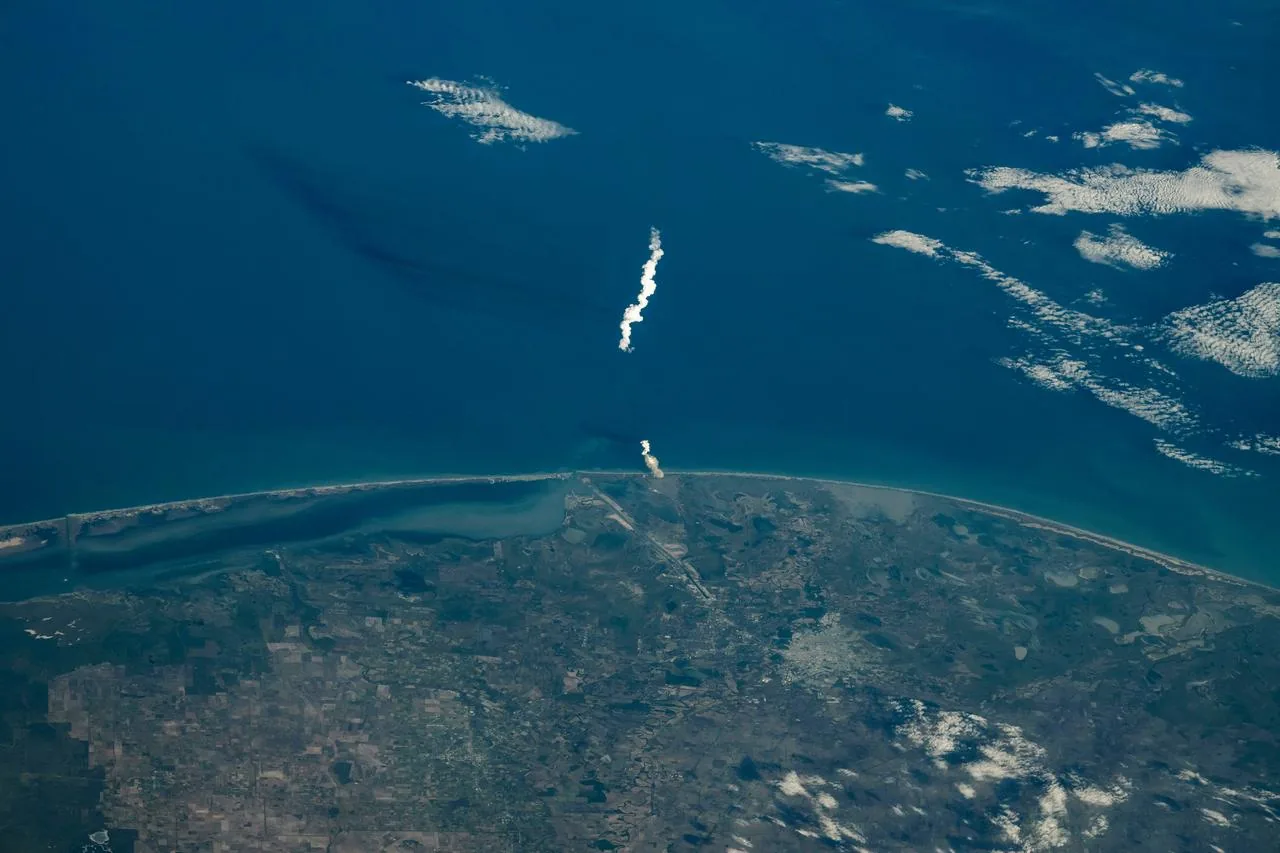
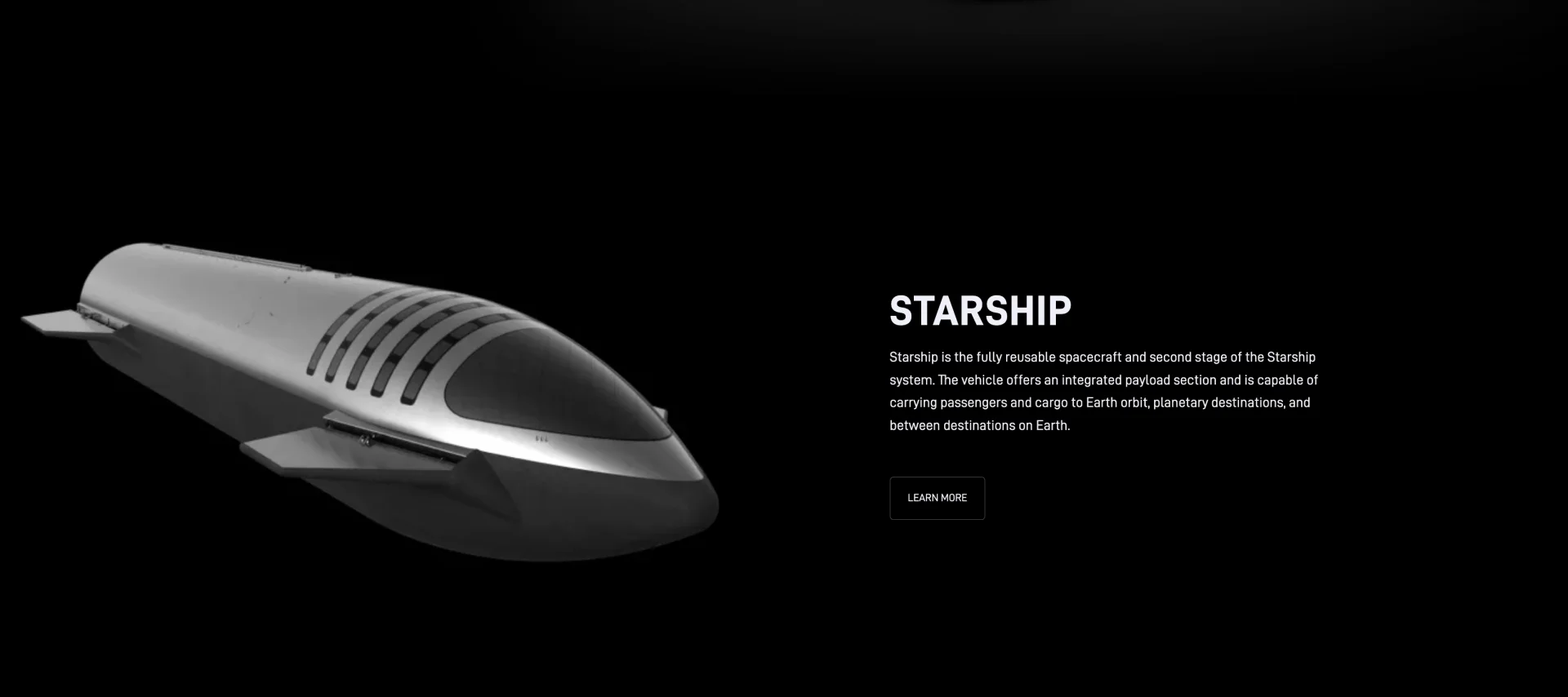
SpaceX Starship: 100+ tons to orbit, Raptor methane engines, orbital refueling and ISRU on Mars. The engineering of humanity's most ambitious interplanetary vehicle.
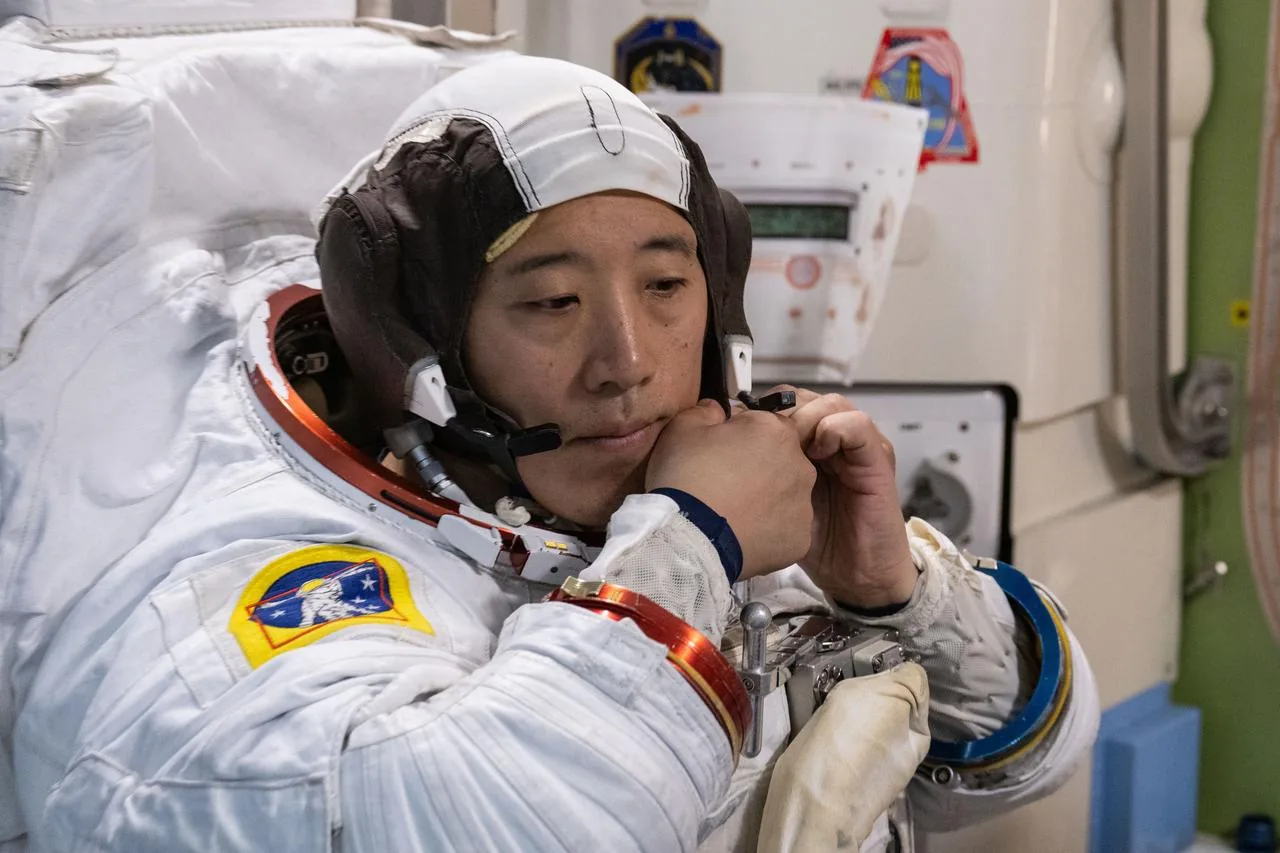
The ISS has hosted continuous human presence since November 2000 — a $150B Cold War handshake in orbit, retiring around 2030 after reshaping science and
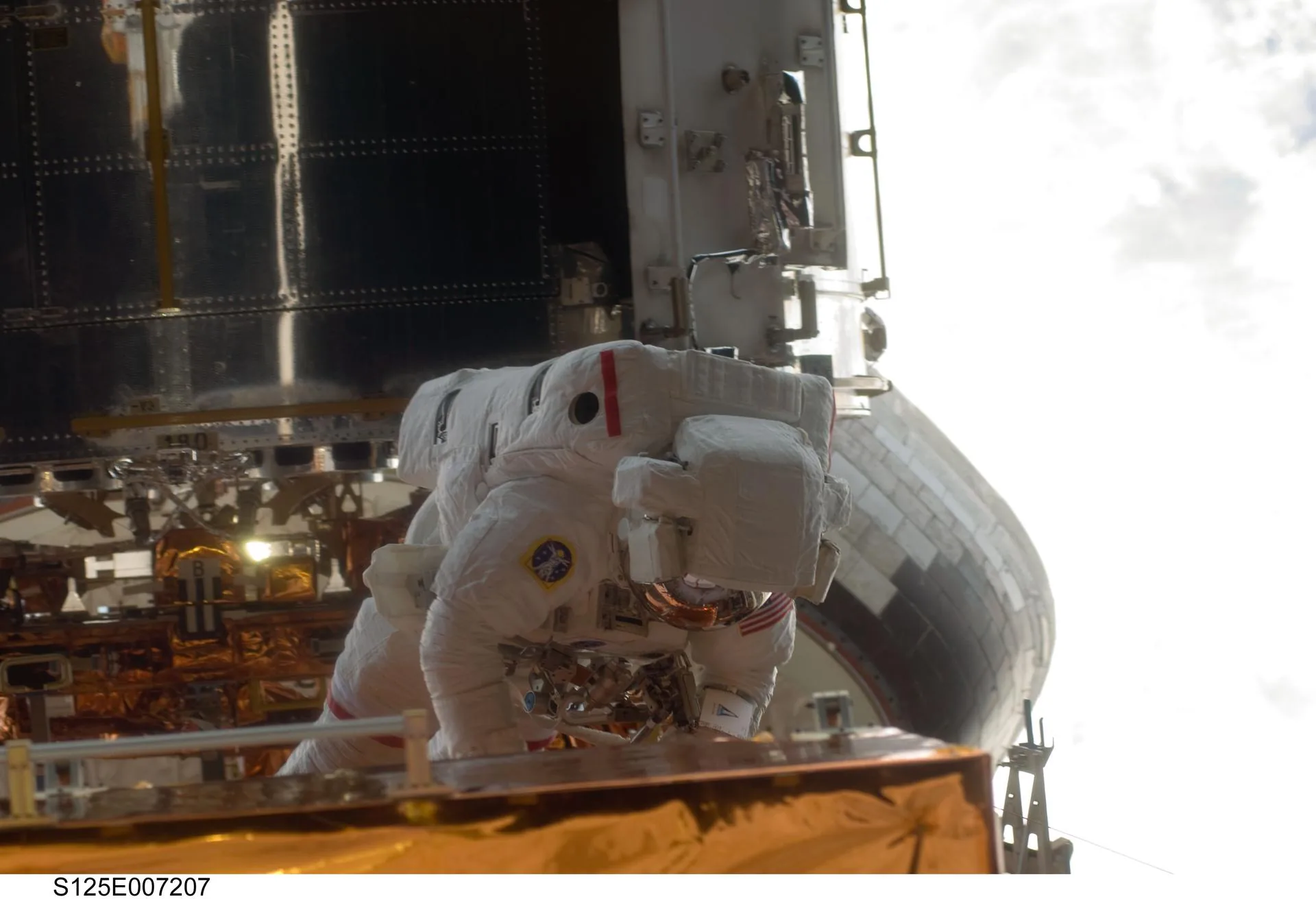
Hubble launched with a flawed mirror in 1990 — how STS-61's COSTAR fix and four more servicing missions turned a humiliation into the greatest telescope in history.
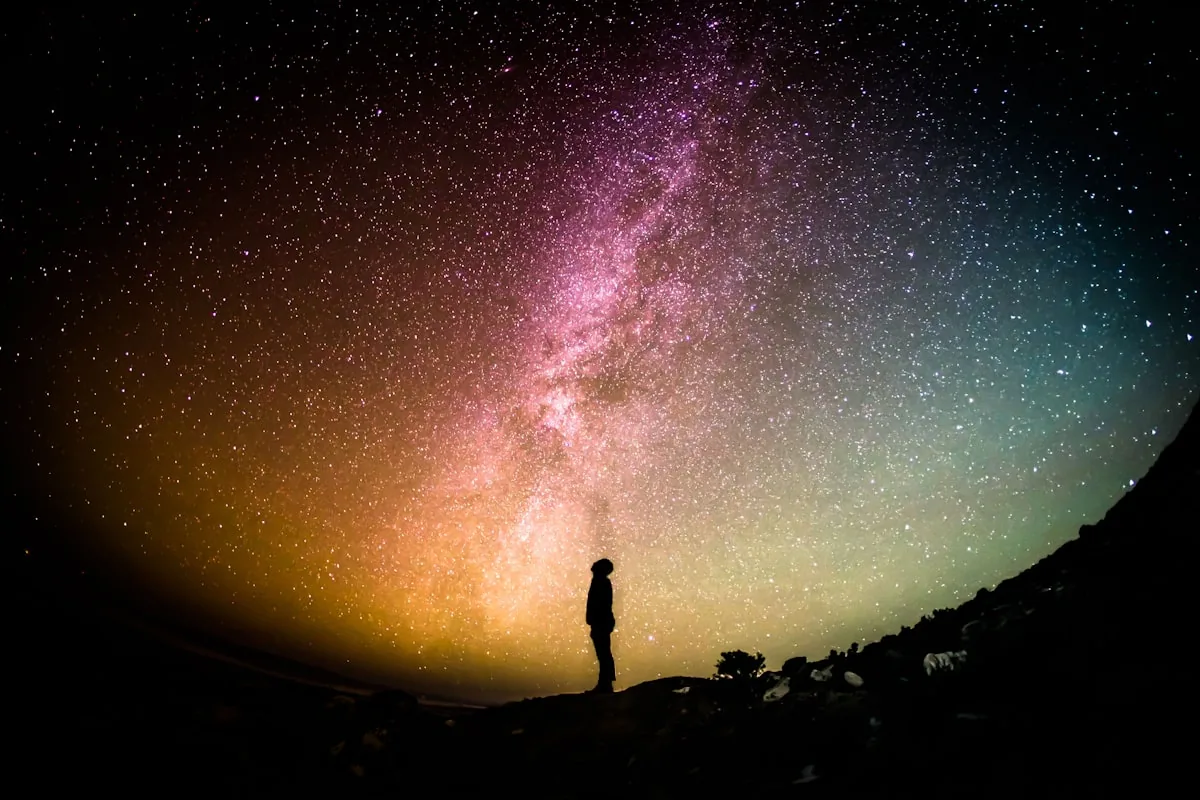
You don't need expensive equipment to start stargazing. This complete beginner's guide covers dark skies, naked-eye targets, binoculars, telescopes, and apps to get you started tonight.

Ariane 6 restored Europe's launch independence, JUICE is en route to Jupiter, and Euclid is mapping dark matter — inside ESA's most productive stretch since Apollo.
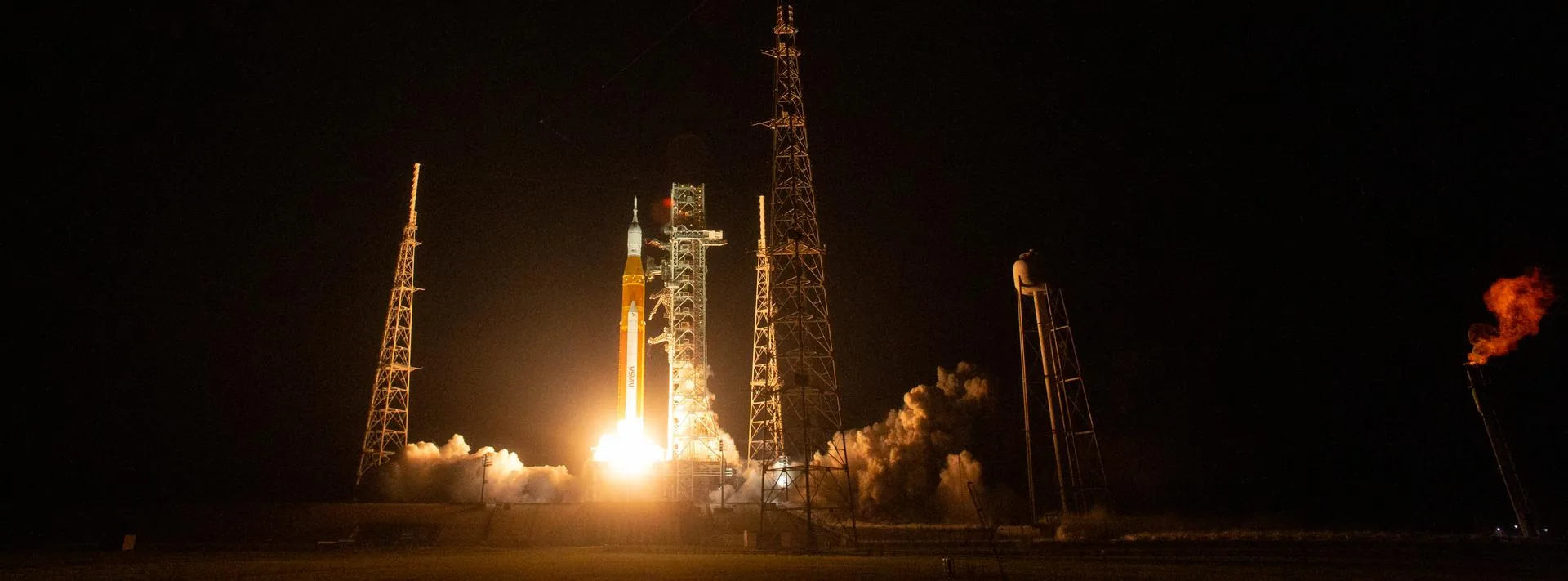
NASA is flying humans around the Moon. ISRO is preparing its first crewed orbit. Two missions, two budgets, two visions for humanity's future in space.
SpaceX has flown 675+ Falcon launches by mid-2026, flew Polaris Dawn, and is testing Starship. How reusable rockets and Starlink reshaped global
Rockets seem impossibly complex, but the core physics is elegant and understandable. This guide explains how rockets work, from Newton's third law to orbital mechanics, in plain language.
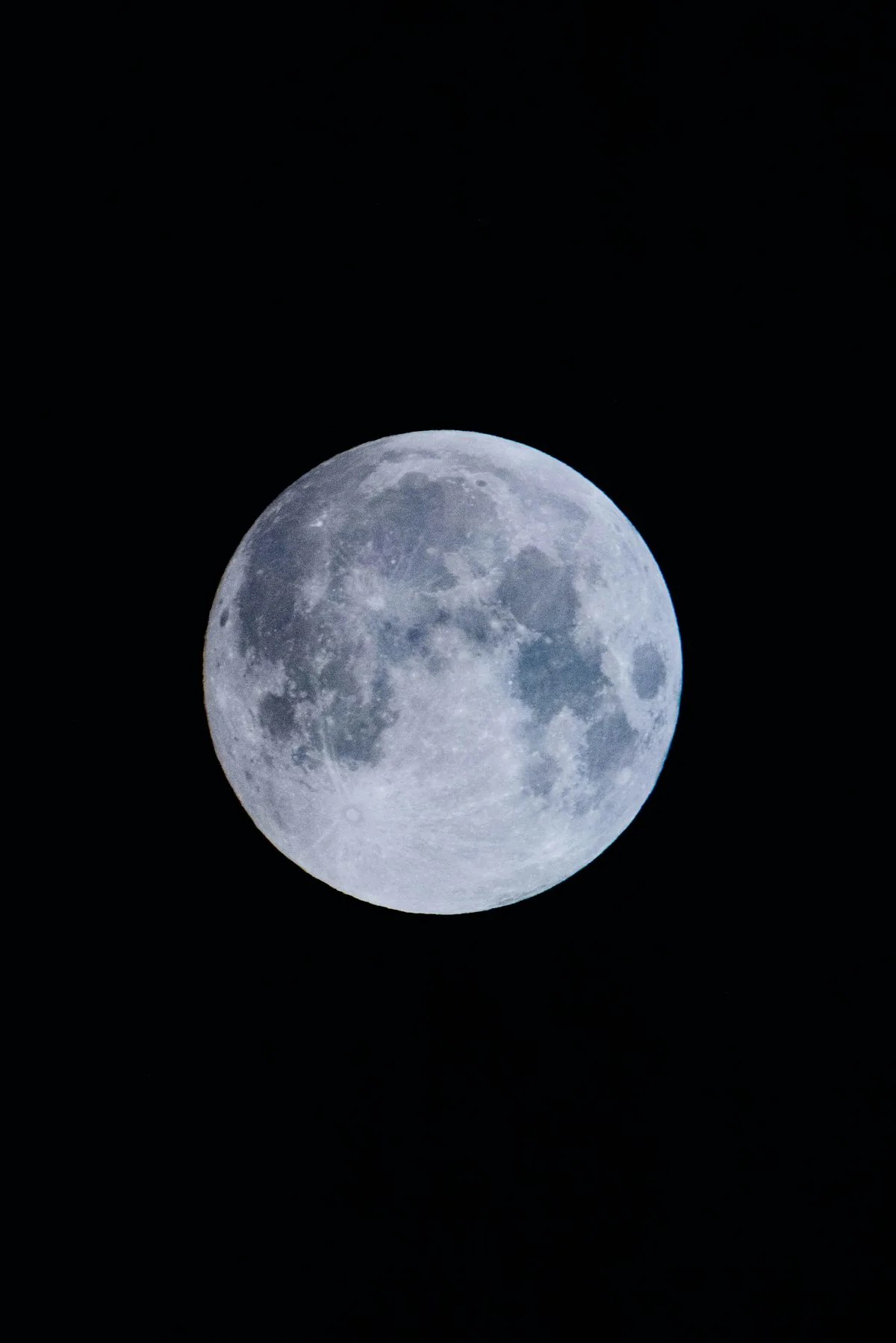
Japan's SLIM 'Moon Sniper' touched down 55 meters from its target in Shioli crater, then flipped. Inside the pinpoint landing tech and what went sideways.
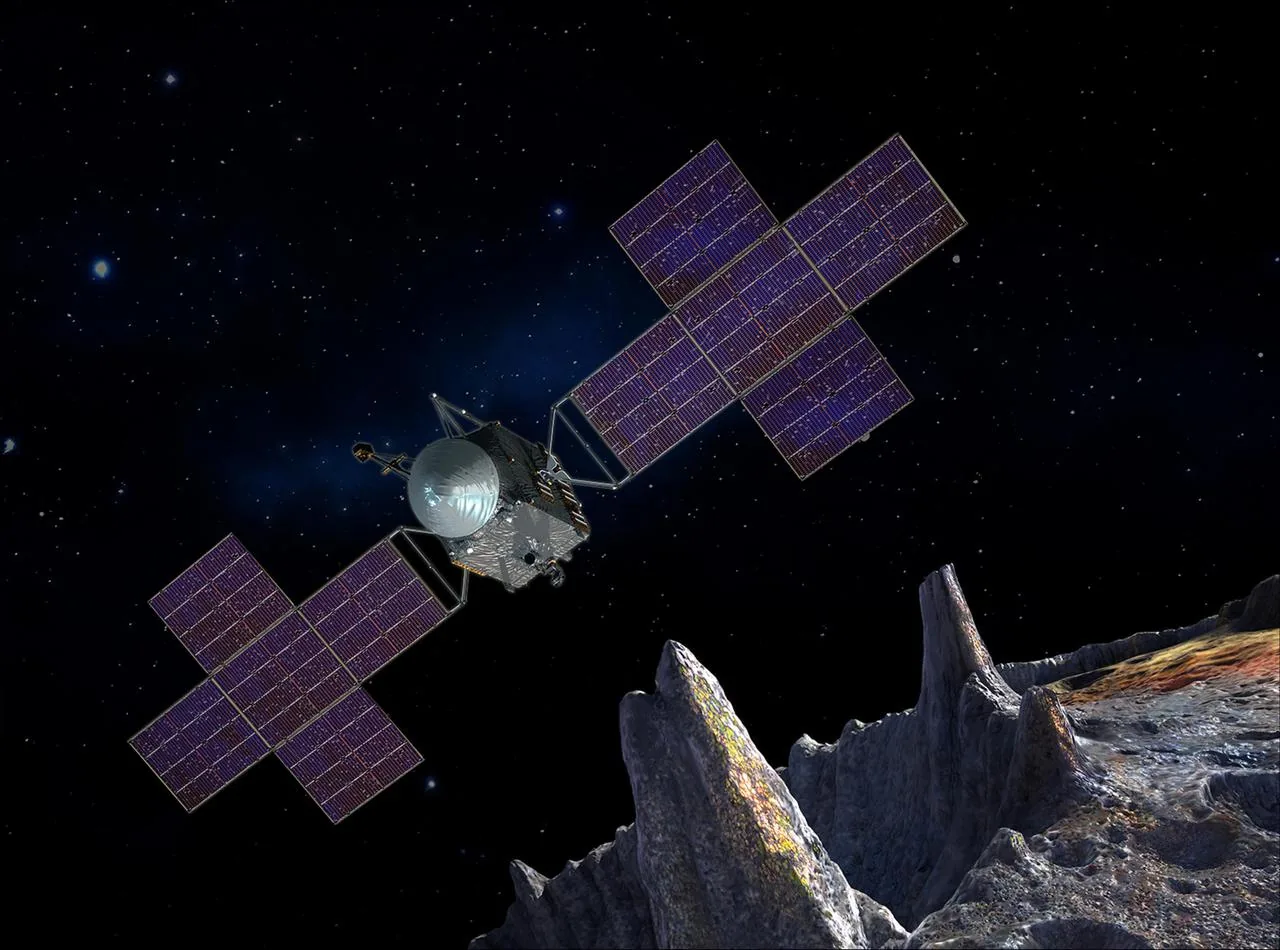
NASA's Psyche spacecraft launched in Oct 2023 for asteroid 16 Psyche — a metal world that may be a dead planet's core. Hall-effect thrusters, arrival in 2029, and the science.
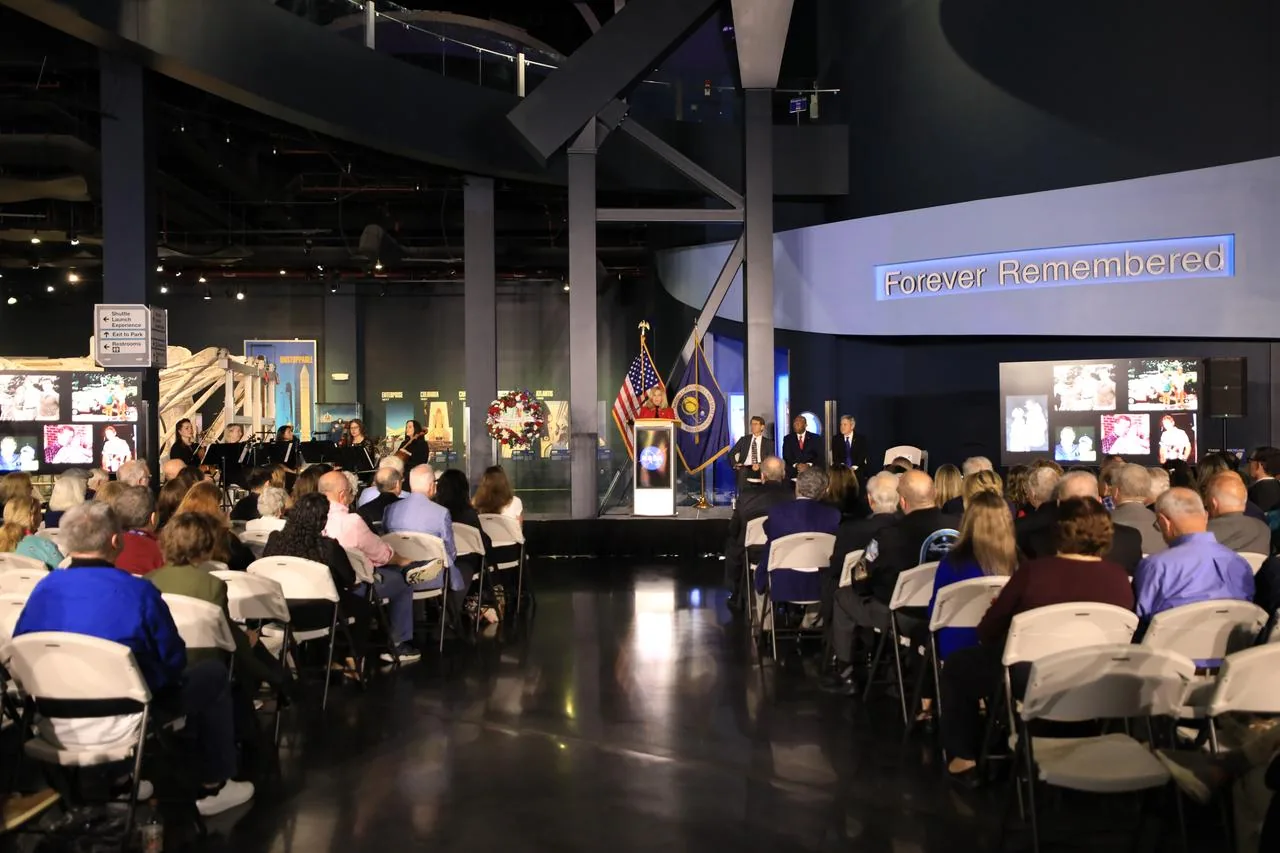
Challenger 1986 and Columbia 2003: what really caused the O-ring failure and foam strike, the 14 lives lost, and how the disasters rewired NASA's safety culture.
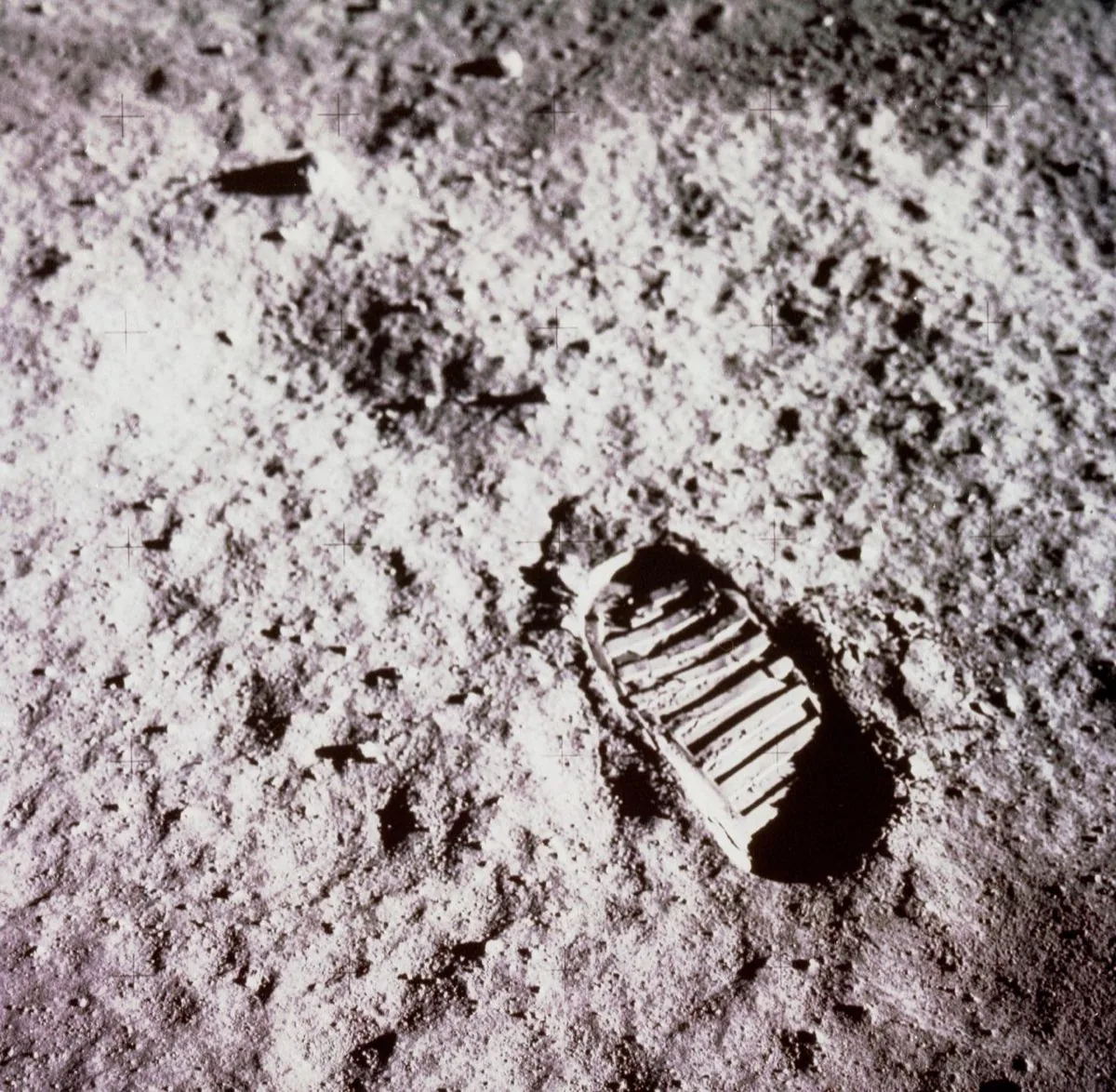
The complete story of Apollo 11: how Armstrong, Aldrin, and Collins pulled off humanity's first Moon landing on July 20, 1969, from liftoff to lunar dust.
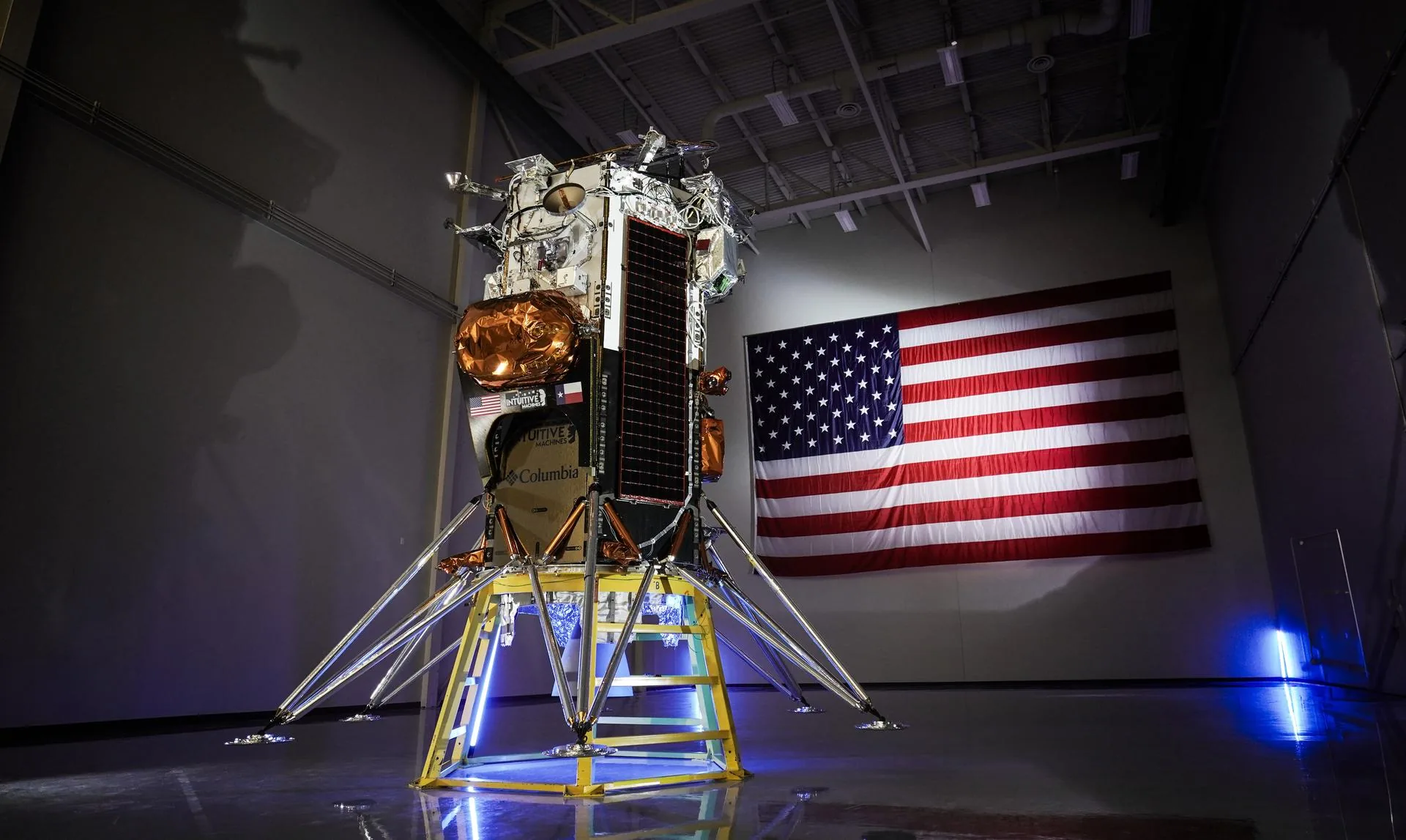
On February 22, 2024, Intuitive Machines' Odysseus landed near the Moon's south pole — ending a 51-year US lunar drought via NASA's CLPS commercial program.
The companies defining space in 2025: SpaceX, Blue Origin, Rocket Lab, Intuitive Machines, Axiom, Sierra Space, Relativity, Firefly, and Astrobotic's lunar landings.
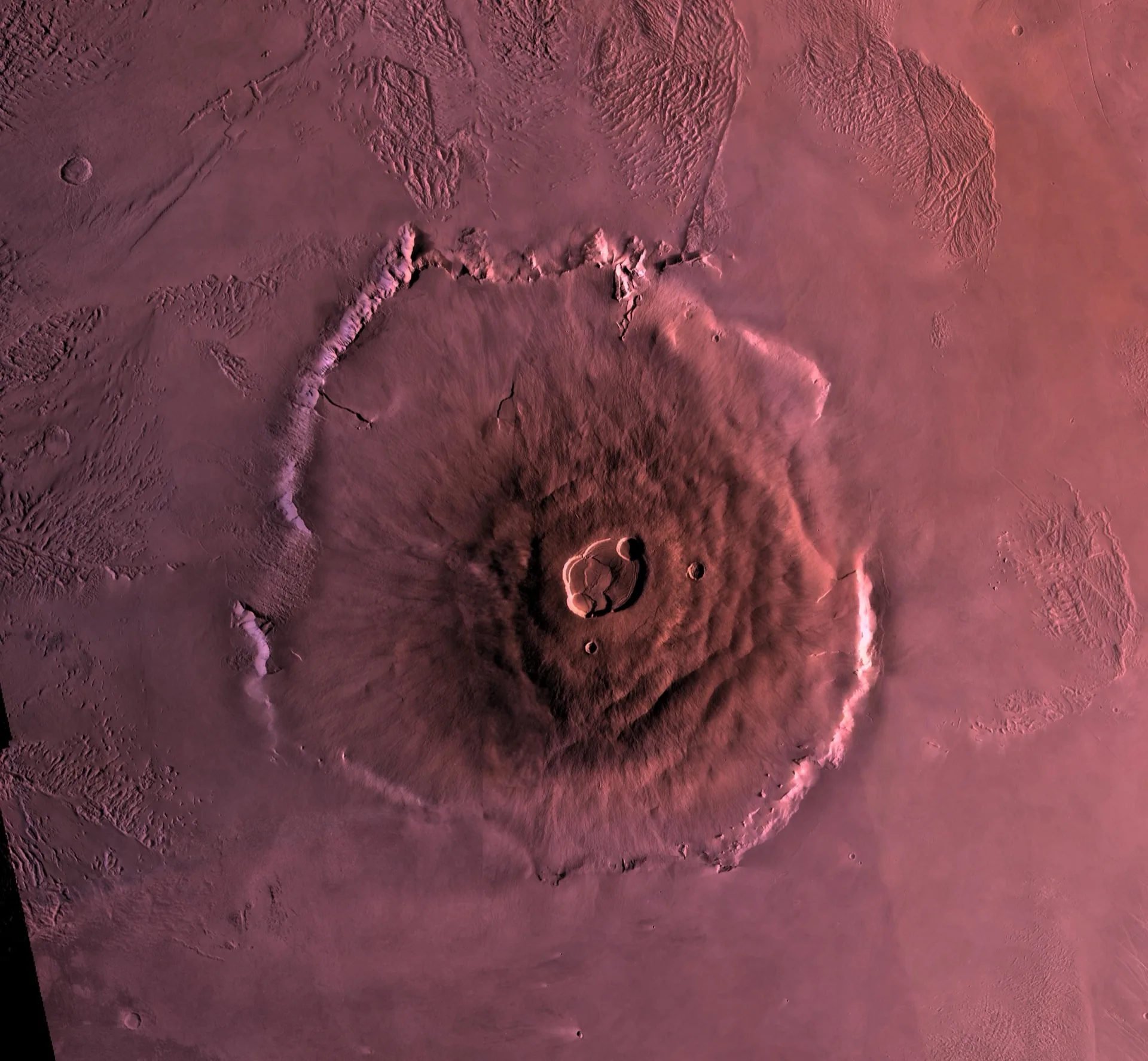
Mars geography tour: Olympus Mons (22 km tall), Valles Marineris (4,000 km long), Hellas Basin, and the polar ice caps recording millions of years of
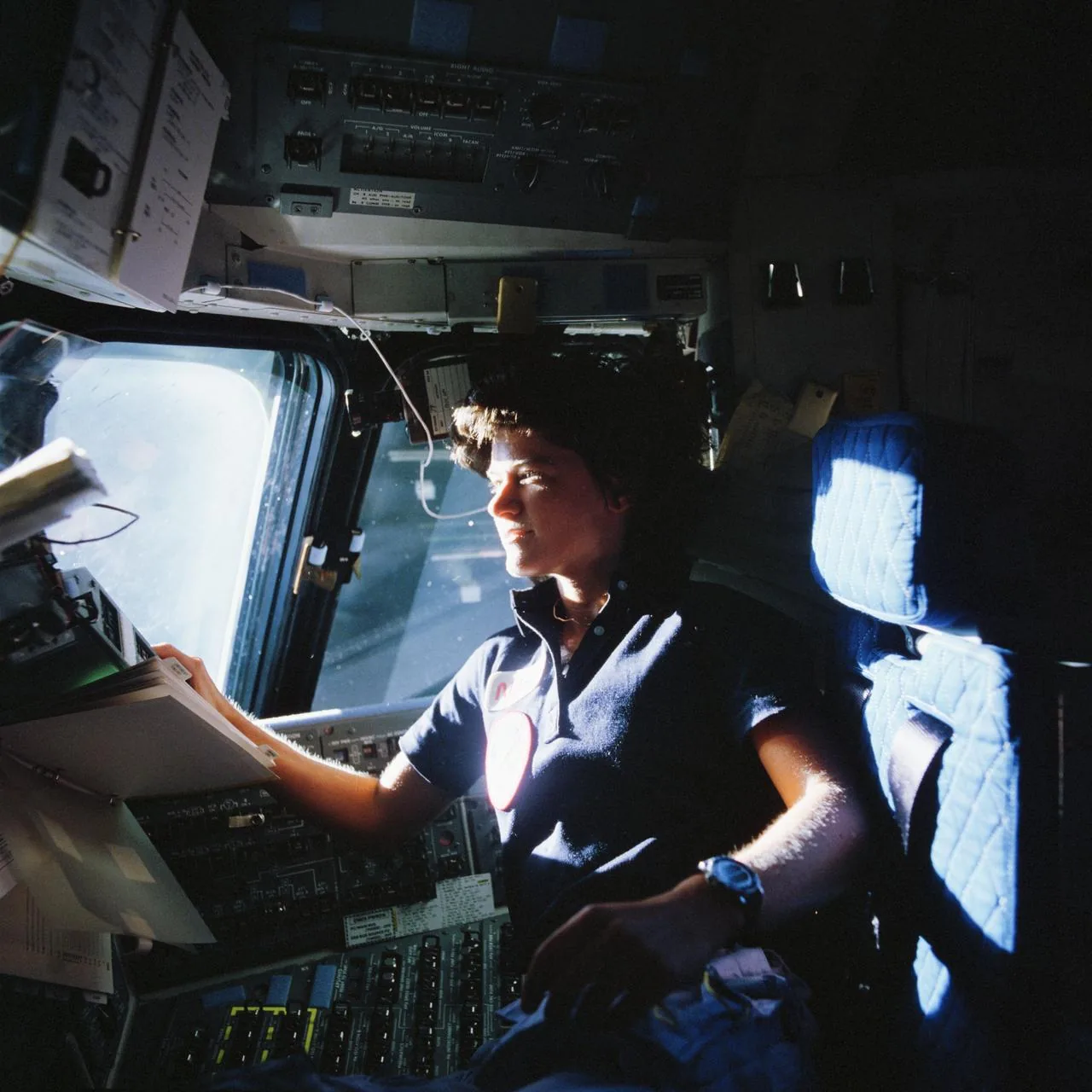
From Valentina Tereshkova's 1963 Vostok flight to Peggy Whitson's record 665 days and Christina Koch on Artemis II: the women astronauts reshaping human spaceflight.
Why planetary exploration matters: organics on Mars, amino acids in OSIRIS-REx's Bennu sample, lunar water ice, planetary defense, and the payoff for life on Earth.
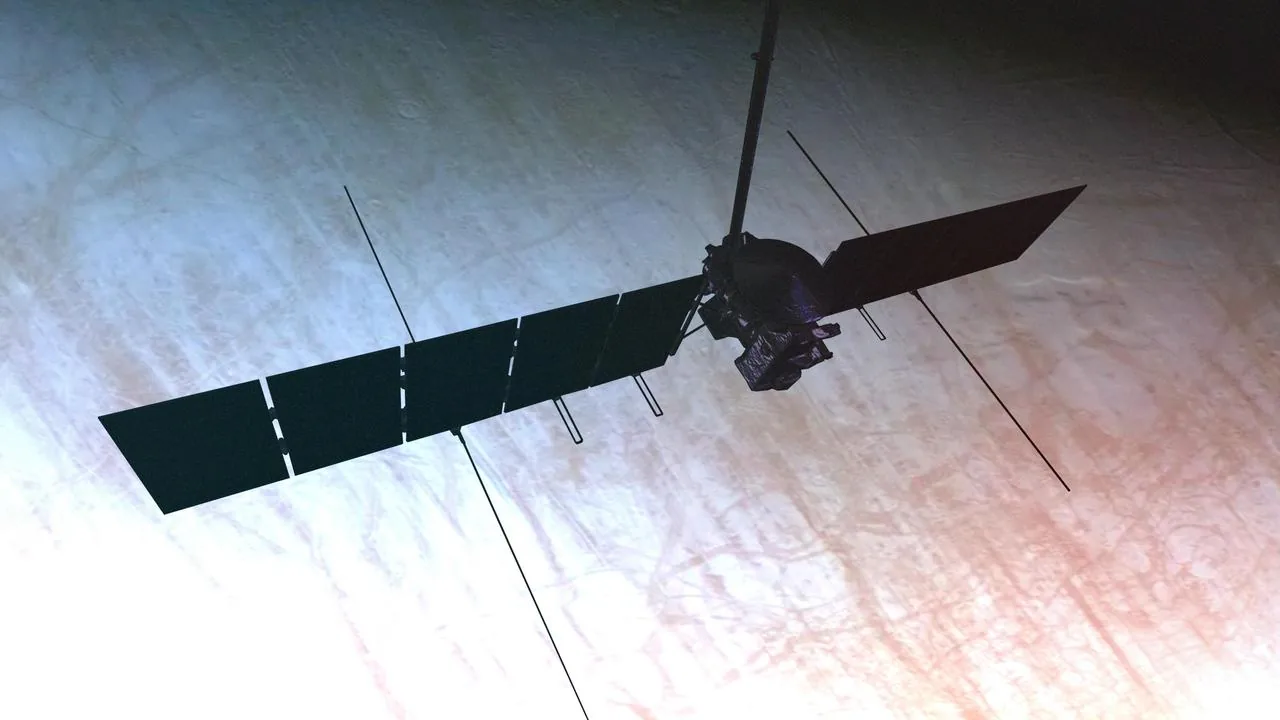
The search for extraterrestrial life in 2025: Perseverance's biosignatures on Mars, Europa Clipper's ocean hunt, Dragonfly at Titan, and Enceladus plume chemistry.
Every Moon soft-landing attempt from Luna 2 and Luna 9 to Chandrayaan-3, SLIM, Odysseus, Blue Ghost, and Chang'e 6 — the successes, the crashes, and the countries
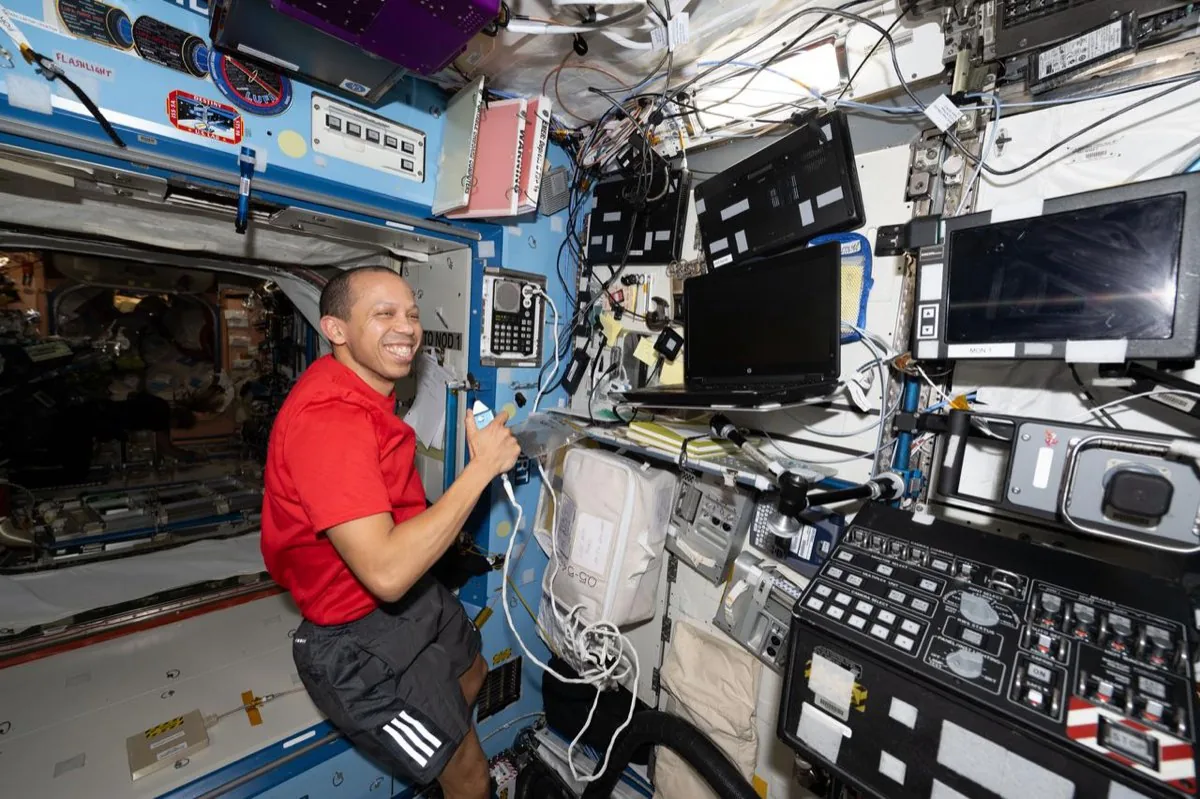
Microgravity causes 1% monthly bone loss, muscle atrophy, vision damage (SANS) and radiation exposure. What Scott Kelly's twin study revealed about a Mars mission.
NASA's Dragonfly launches in 2028 and arrives at Saturn's moon Titan in 2034 — a nuclear-powered drone hunting prebiotic chemistry across methane lakes and dune fields.
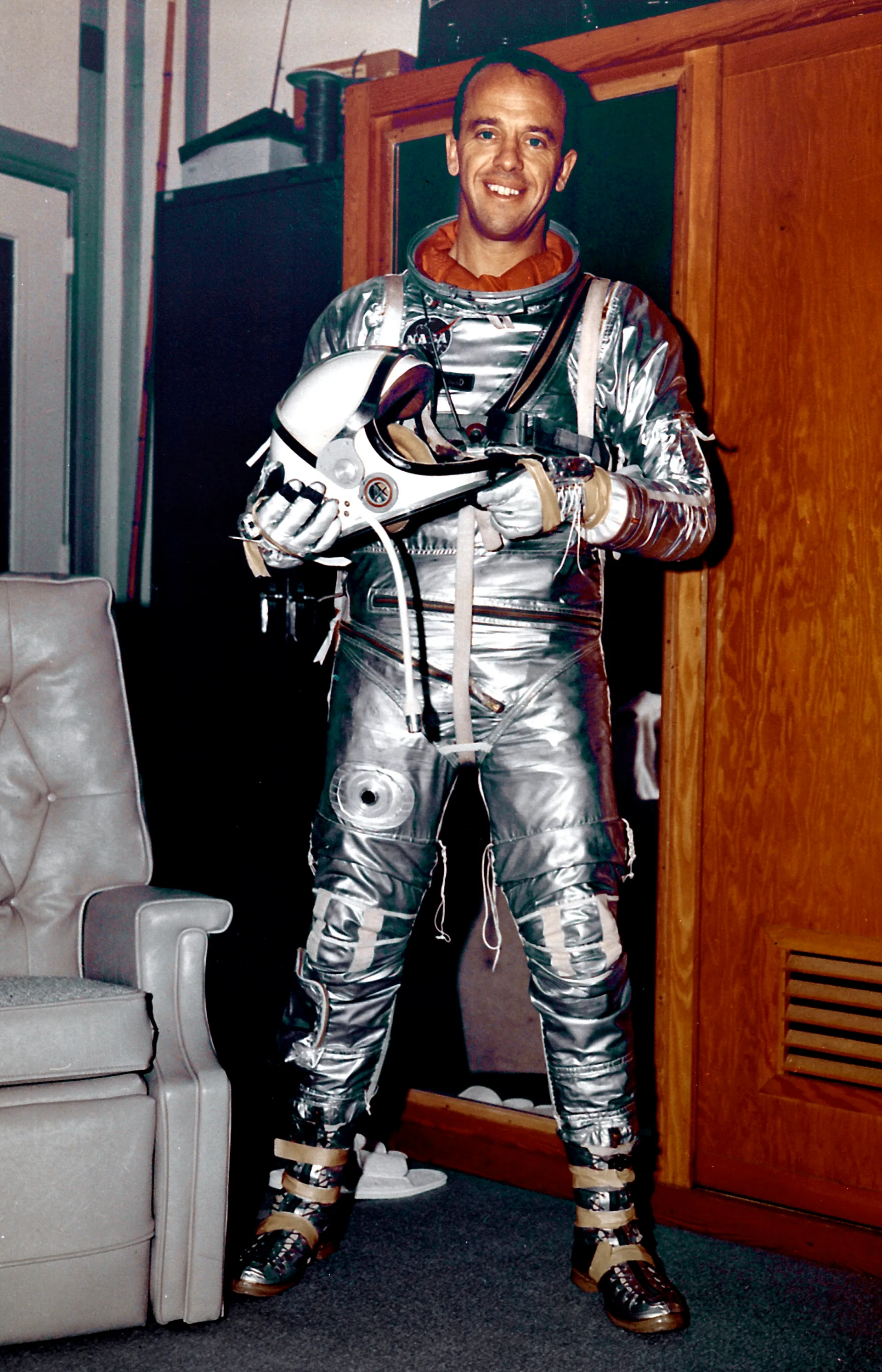
From Sputnik in 1957 to Apollo-Soyuz in 1975: how the US-Soviet Cold War rivalry compressed centuries of progress into 18 years and put 12 men on the Moon.
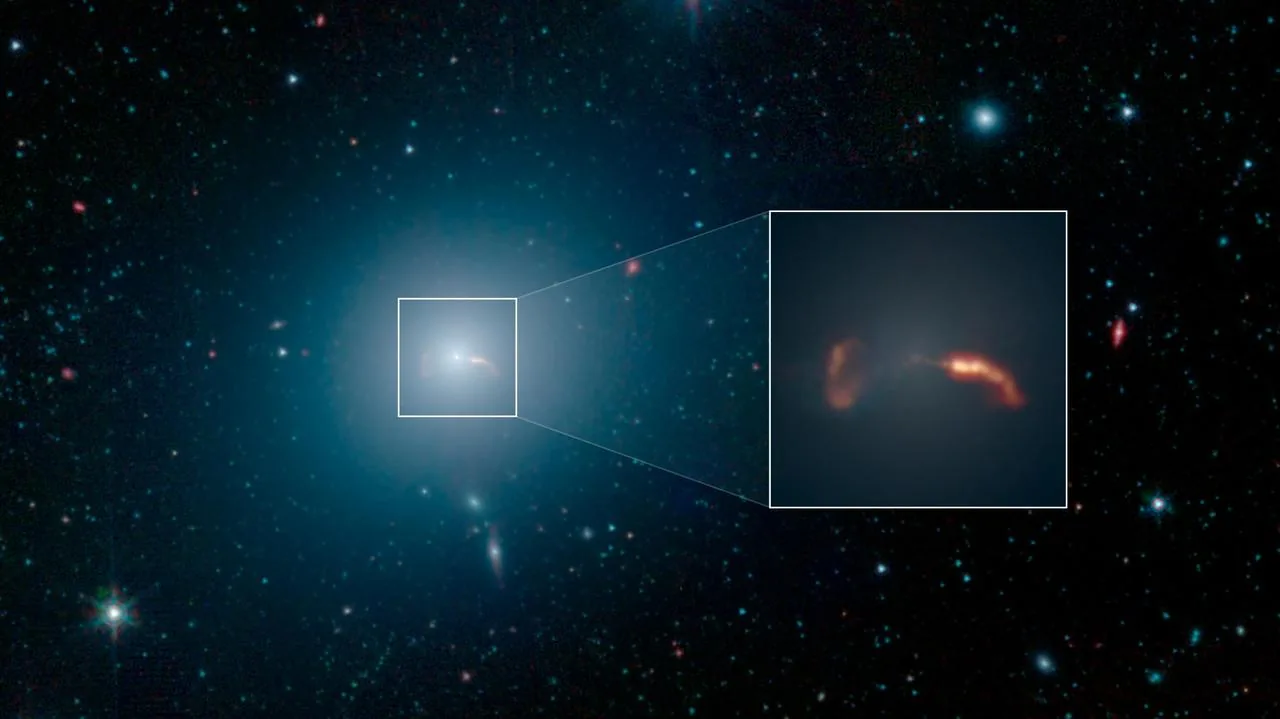
Dark matter and dark energy make up 95% of the universe, yet nobody has directly detected either. Here's the evidence, the leading theories, and what Euclid and DESI are finding.
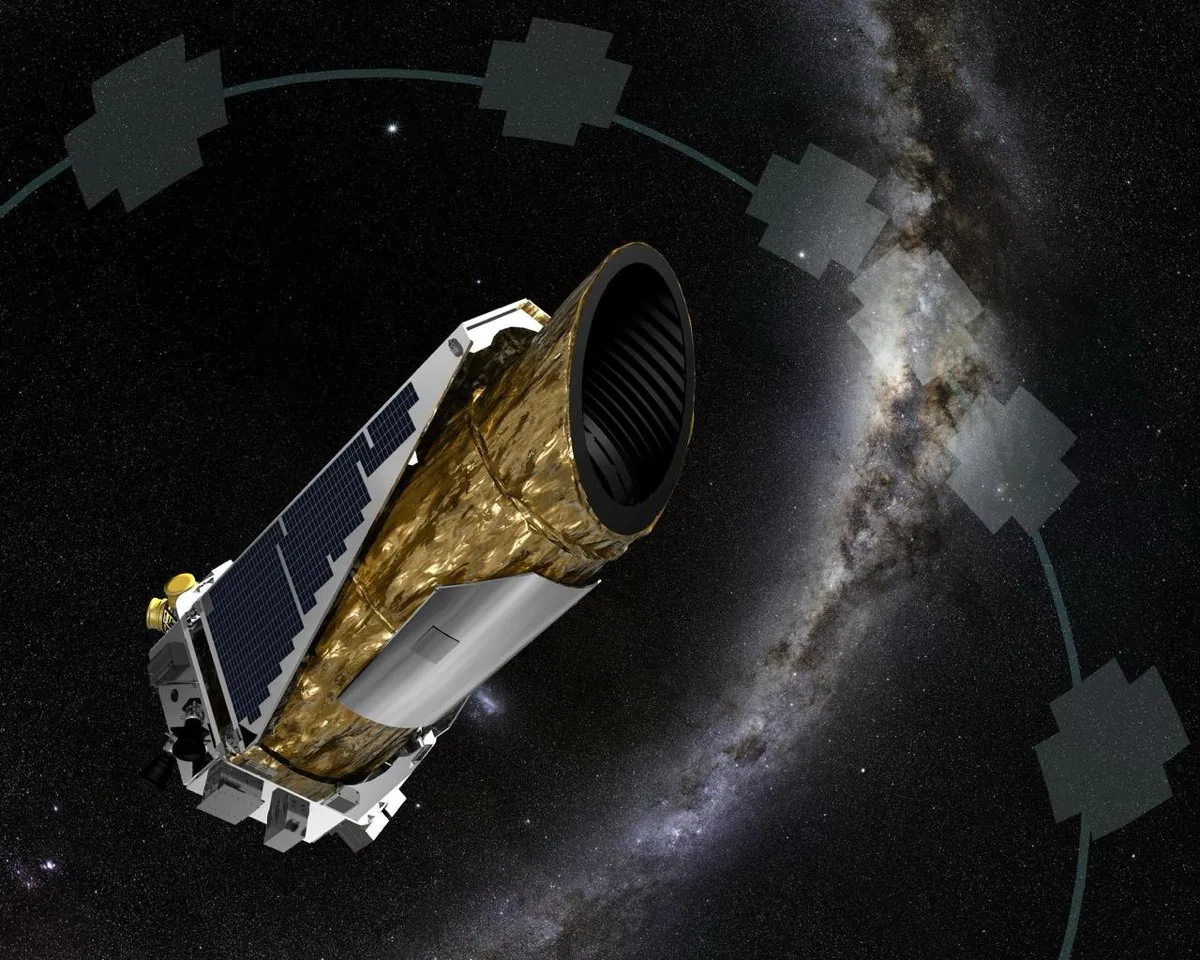
The closest potentially habitable worlds ranked: Proxima b, Ross 128b, Wolf 1061c, Tau Ceti e/f, Barnard's b — with ESI scores, distances, masses, and habitability verdicts.
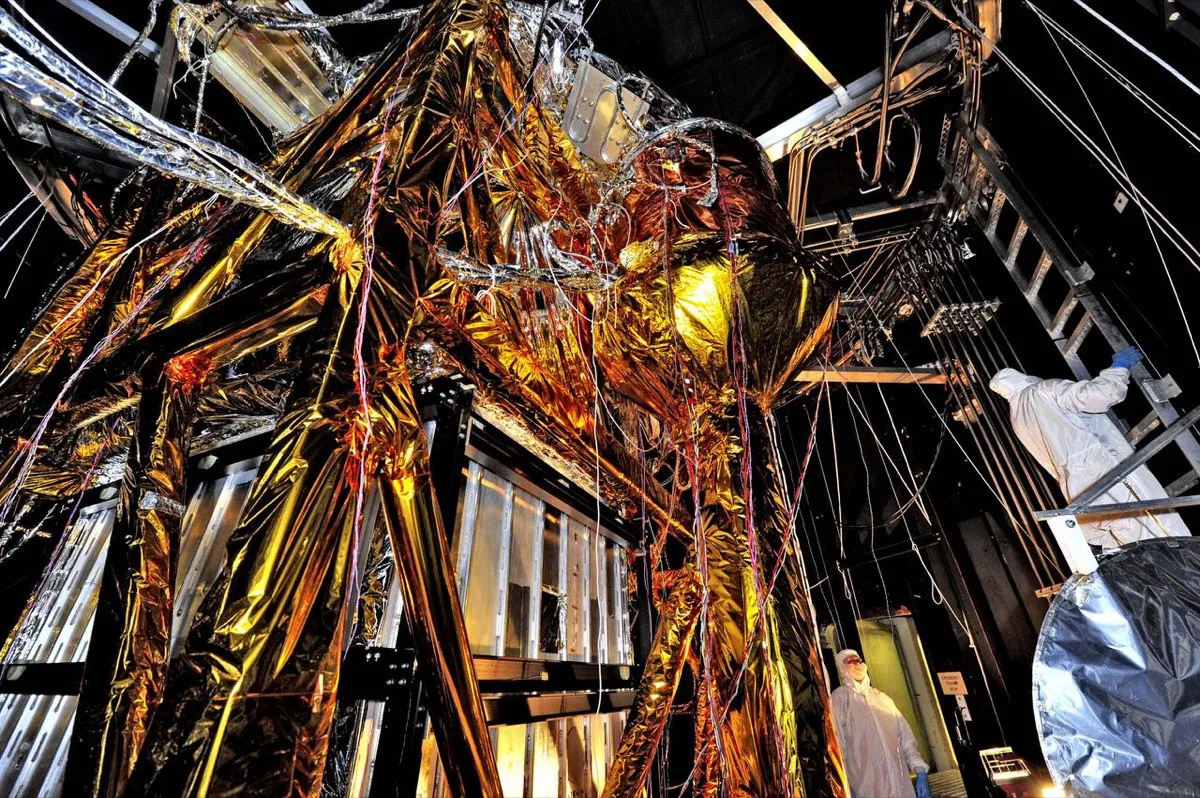
A 13.8-billion-year timeline of the universe: from inflation and the first atoms to JWST's cosmic dawn images, galaxy formation, and the origins of life on Earth.
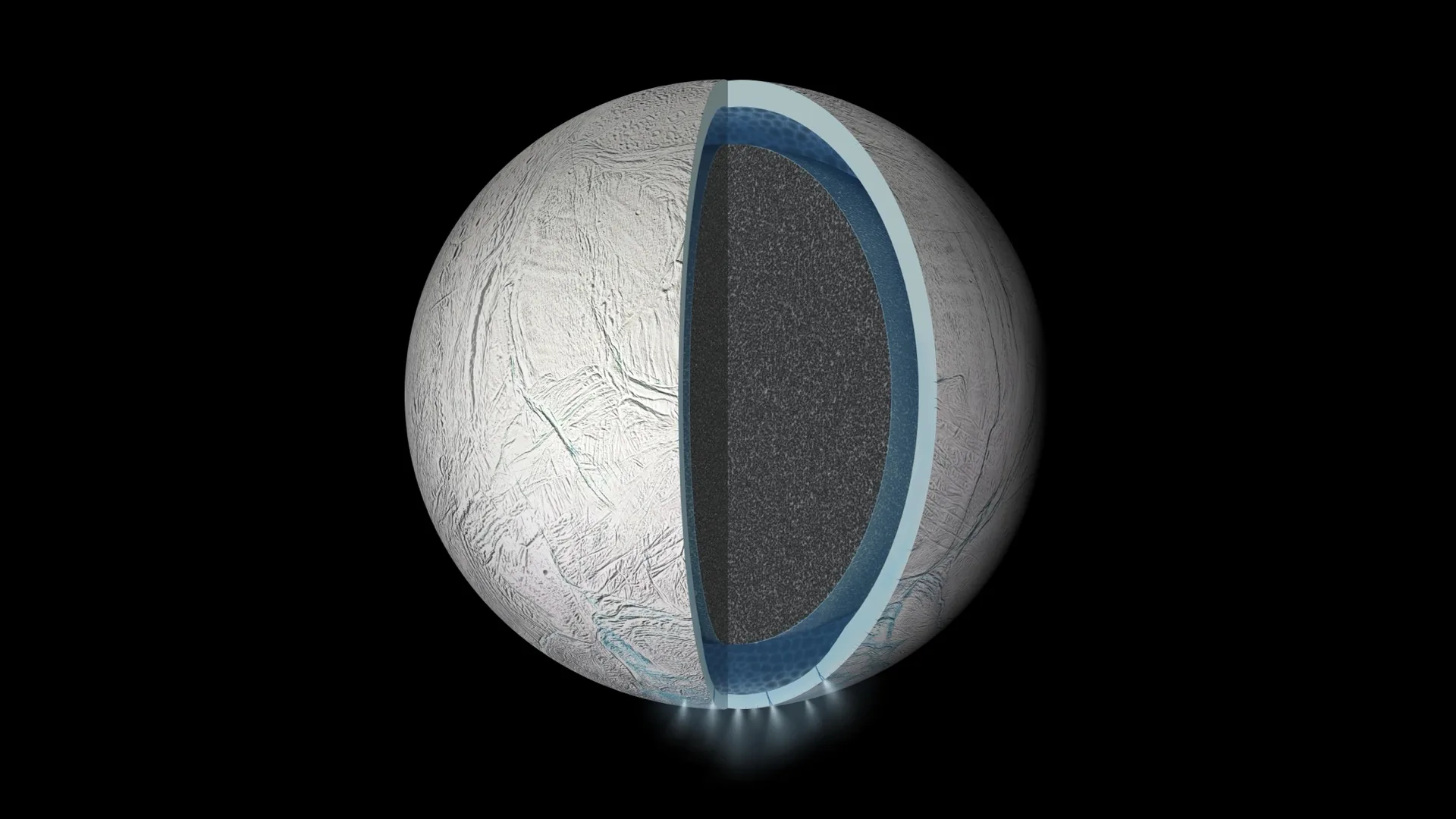
Cassini found geysers, hydrothermal vents, and phosphorus erupting from Enceladus — a 504-km moon with a global ocean that may be our best shot at alien
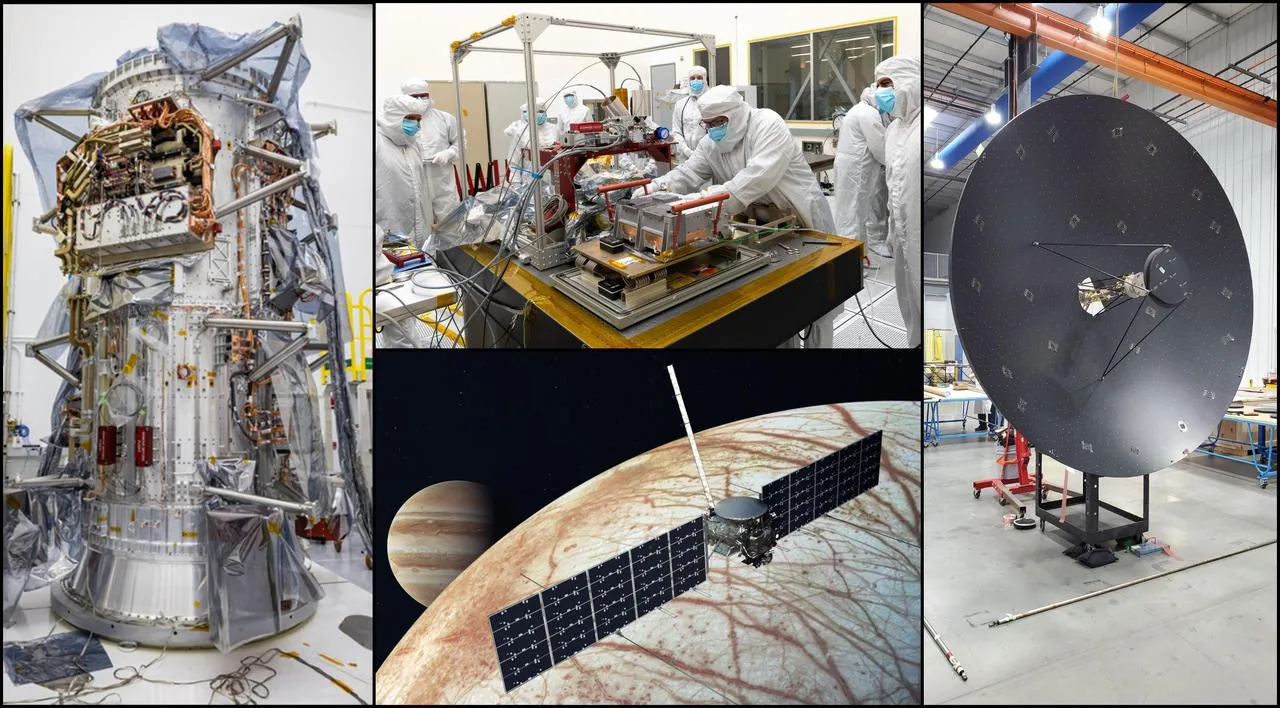
NASA's Europa Clipper launched October 2024 to probe Jupiter's icy moon — whose subsurface ocean holds twice Earth's water and may harbor the conditions for life.
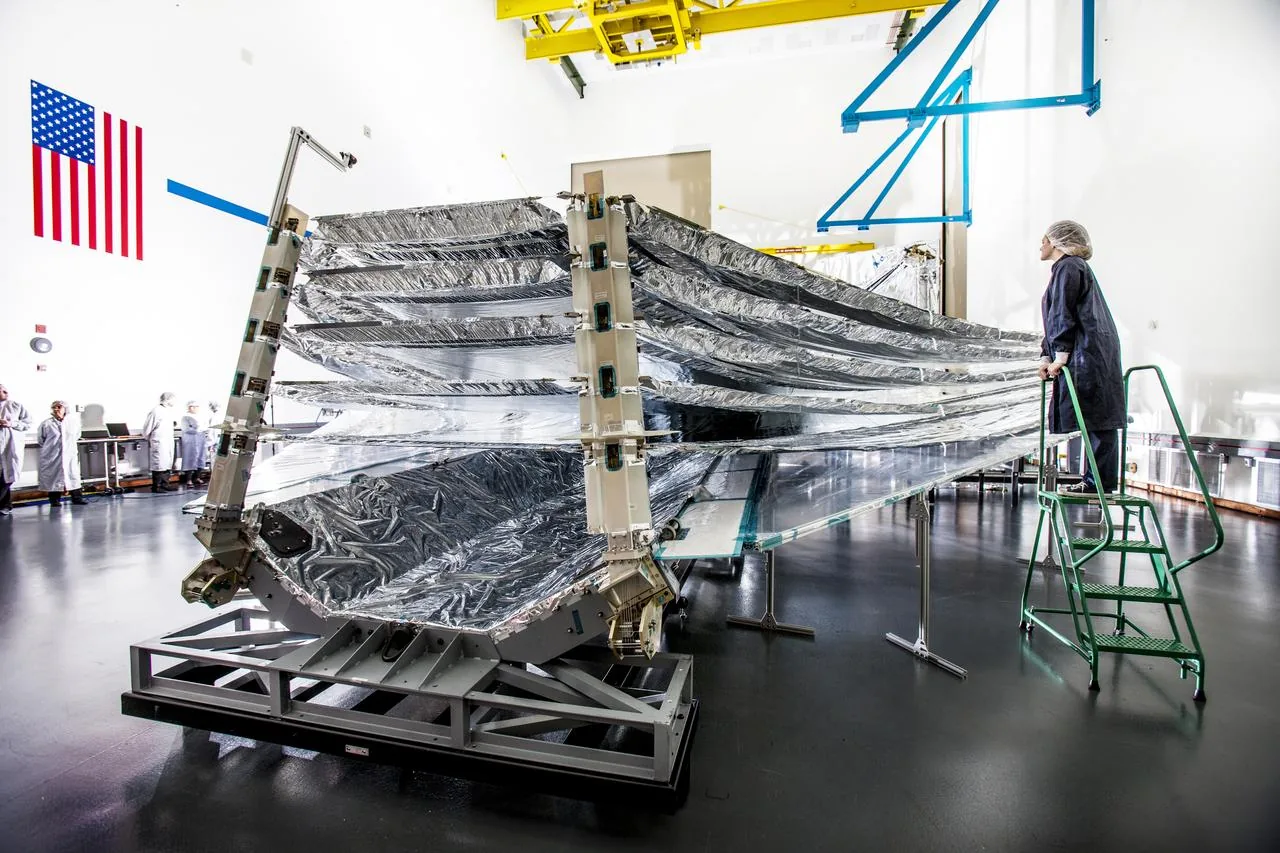
Top 10 exoplanets in 2026 ranked: LHS 1140b, TRAPPIST-1e, K2-18b, TOI-700e, Proxima b, 55 Cancri e and more — distance, type, key fact, and JWST findings.
Black holes explained: how stellar collapse makes them, what happens at the event horizon, Hawking radiation, LIGO gravitational waves, and the M87 and
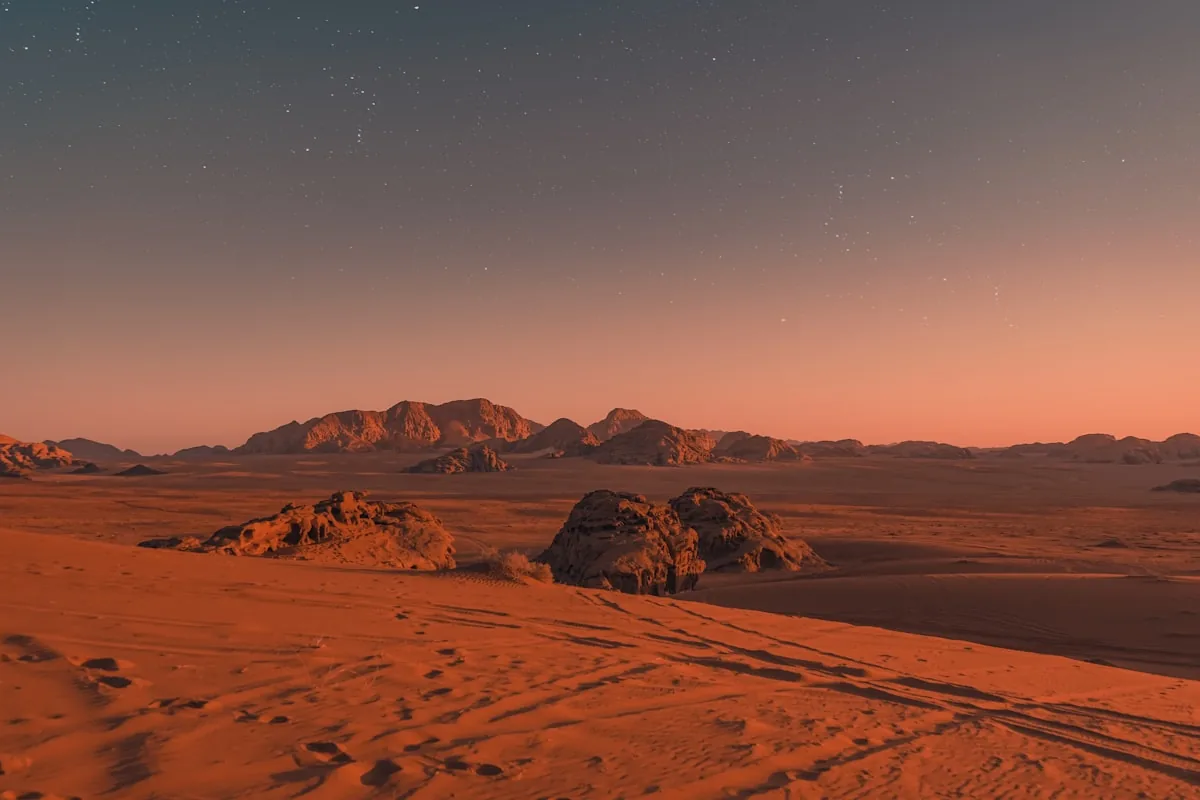
Mars once held an ocean; today ice lurks beneath Jezero Crater and the polar caps. What NASA and ESA missions reveal about ancient water, astrobiology,
On September 14, 2015, LIGO detected a ripple in spacetime from two merging black holes — opening a new window on the universe that Virgo, NANOGrav, and
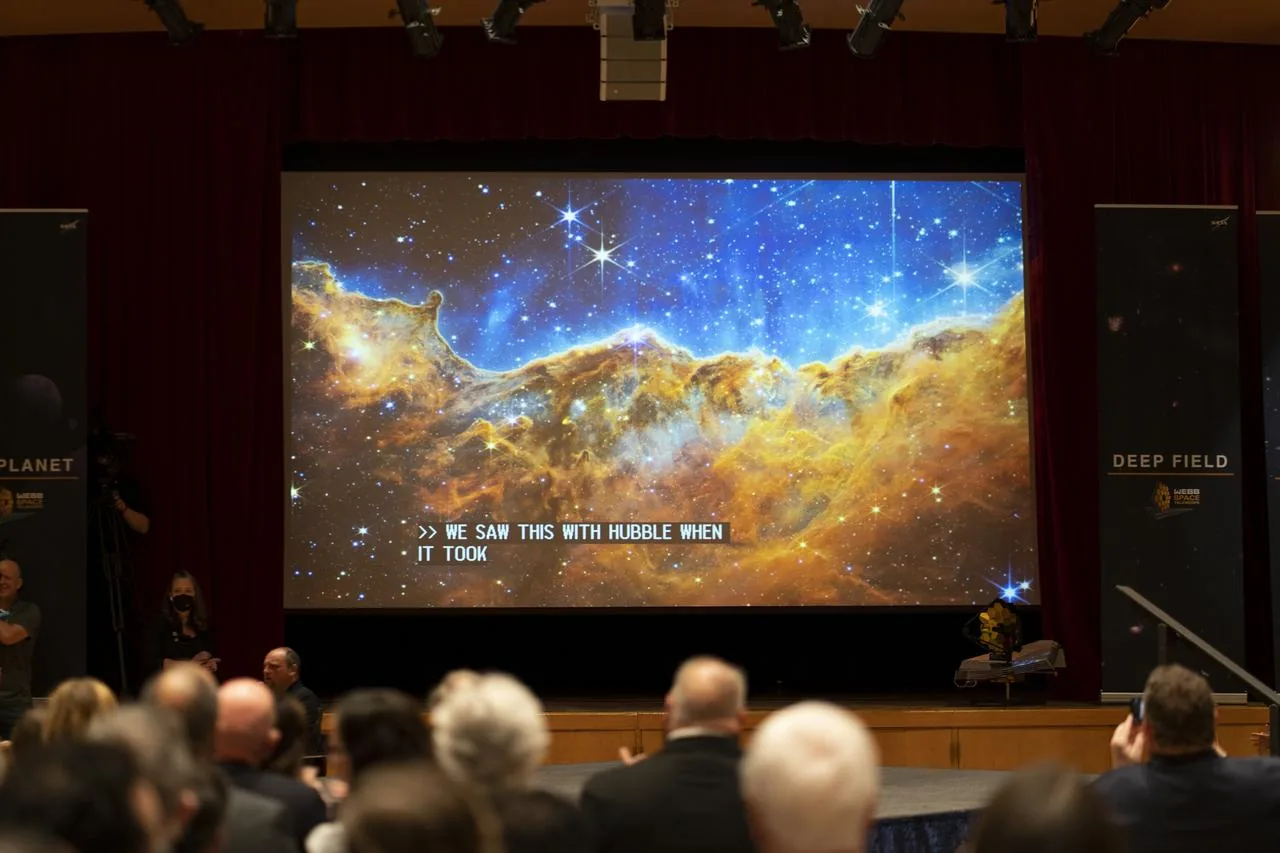
A 2026 beginner's stargazing guide: how to read the night sky, the brightest objects to see with the naked eye, the best constellations by season, and modern smart telescopes.
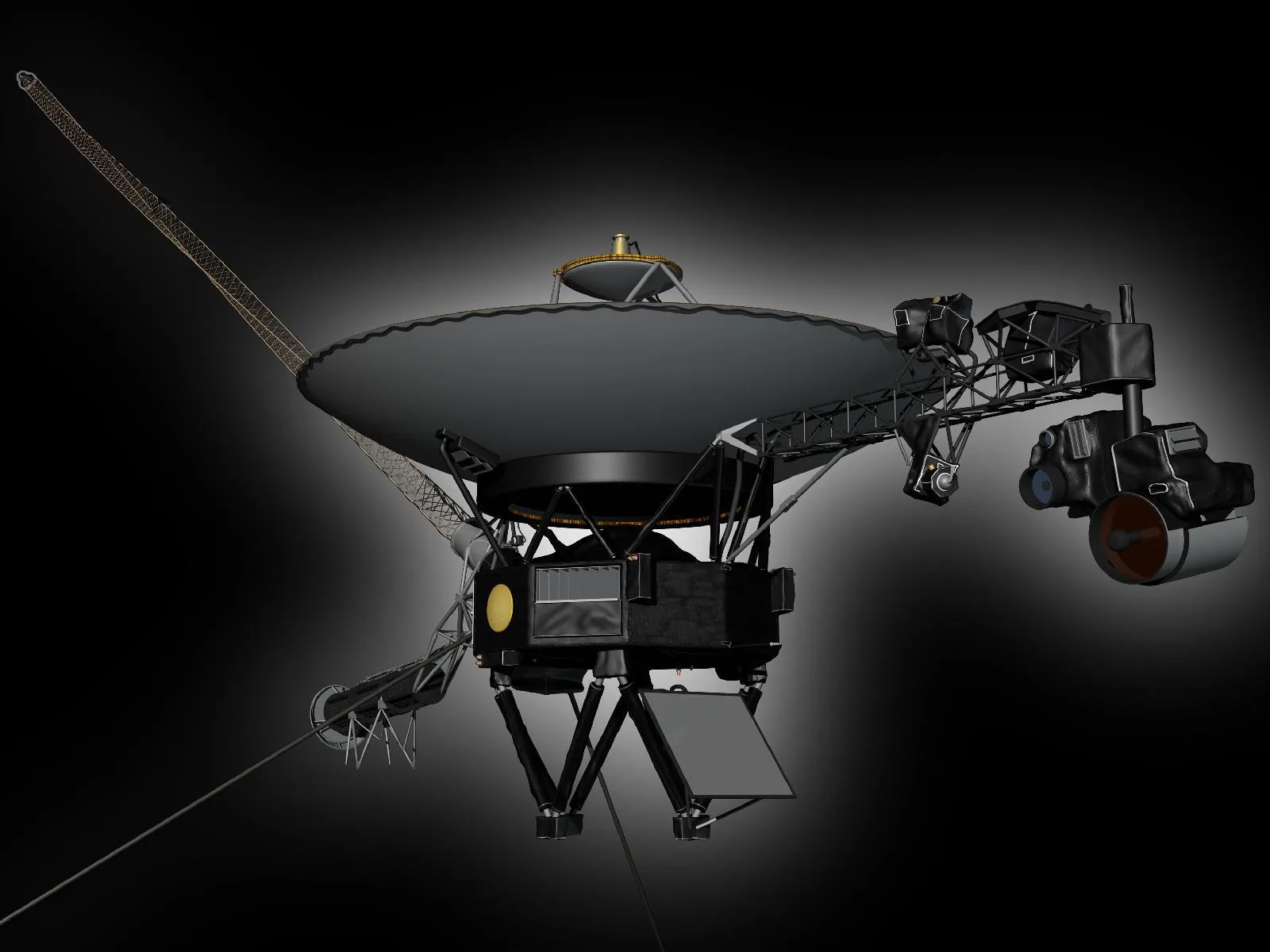
Reaching Proxima Centauri with today's fastest spacecraft would take 73,000 years — inside Breakthrough Starshot, light sails, nuclear propulsion, and generation ships.
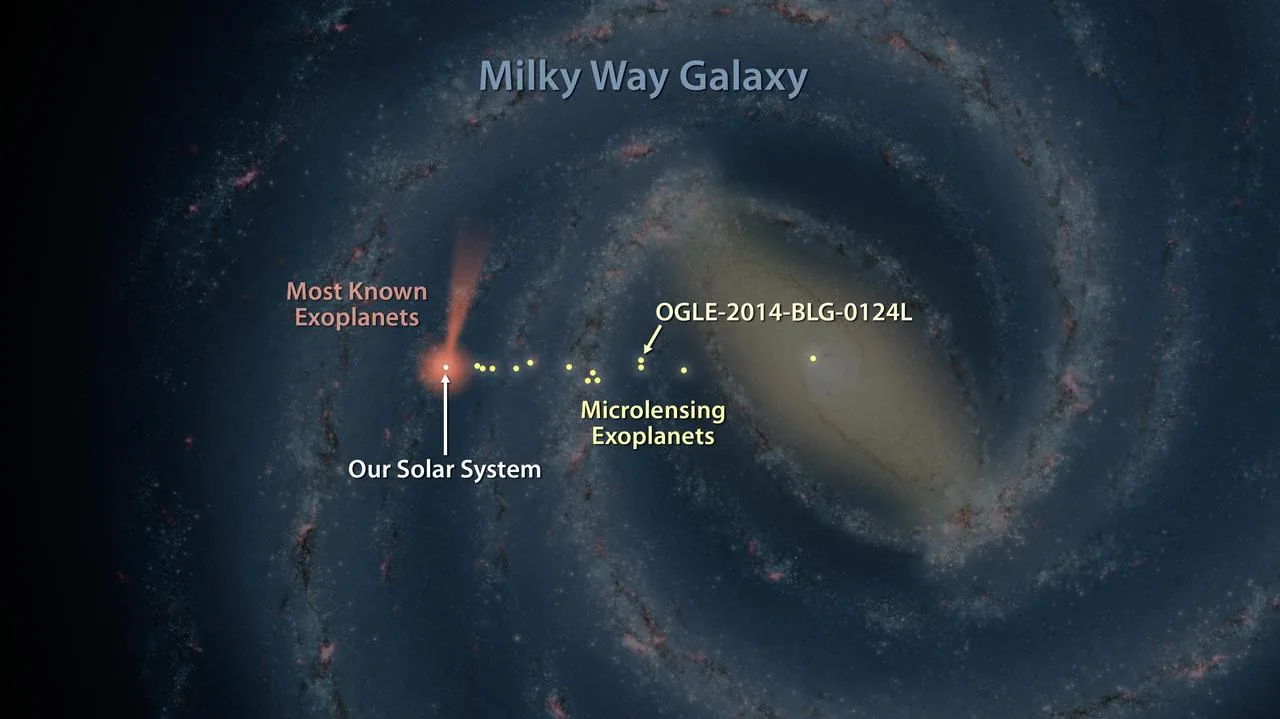
Astronomers have confirmed 5,700+ exoplanets since 1992 — how transit, radial velocity, direct imaging, microlensing, and astrometry each find worlds
Voyager 1 and 2 launched in 1977 with 1970s tech. 47 years later, they're in interstellar space and still sending data. How their RTGs, radios and heliopause crossing work.
K2-18b sits 124 light-years away and JWST found possible dimethyl sulfide — a molecule made mostly by life on Earth. Here's the biosignature debate in full.
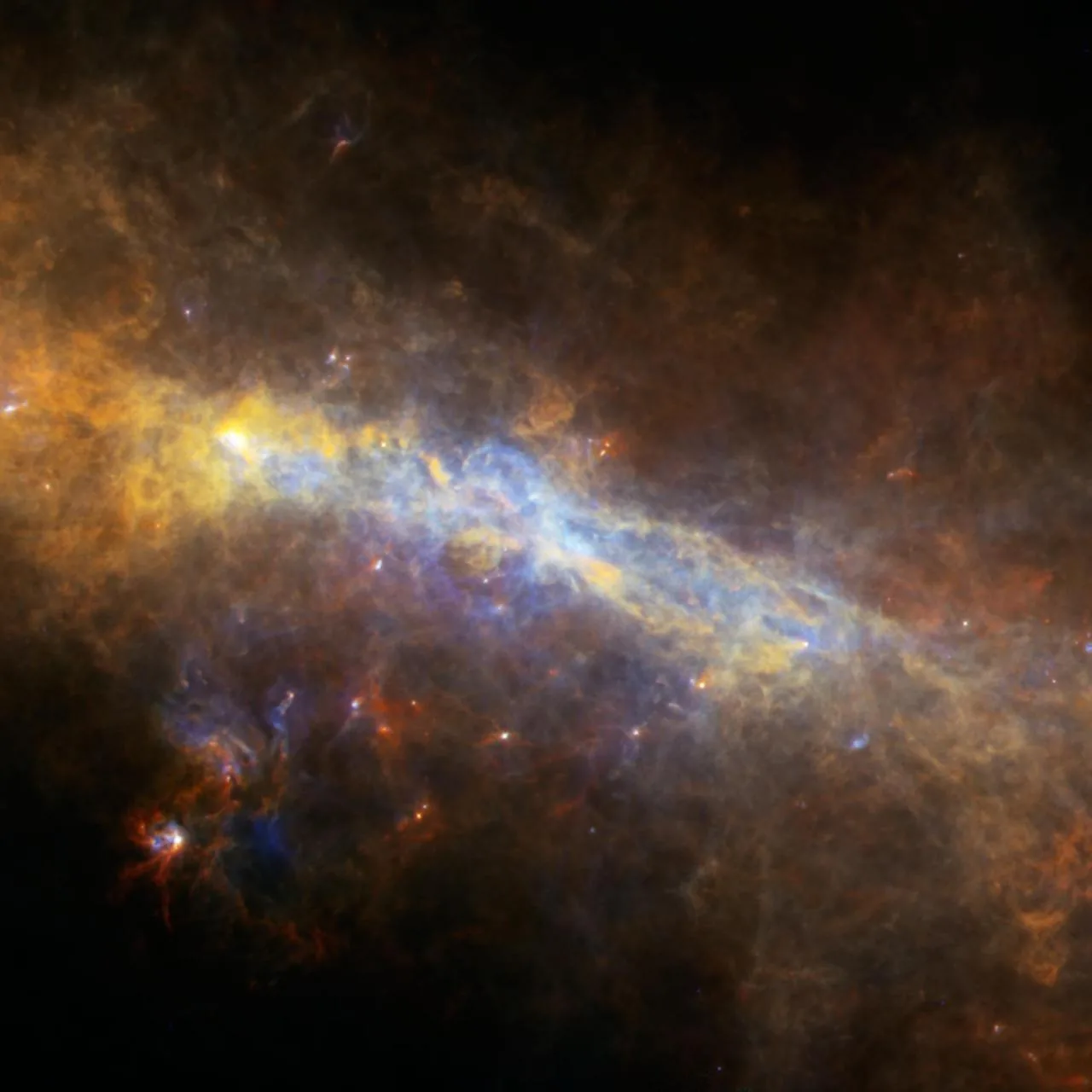
Our Milky Way: a 100,000-light-year barred spiral with up to 400 billion stars, the Sagittarius A* black hole, spiral arms, dark matter, and the Andromeda
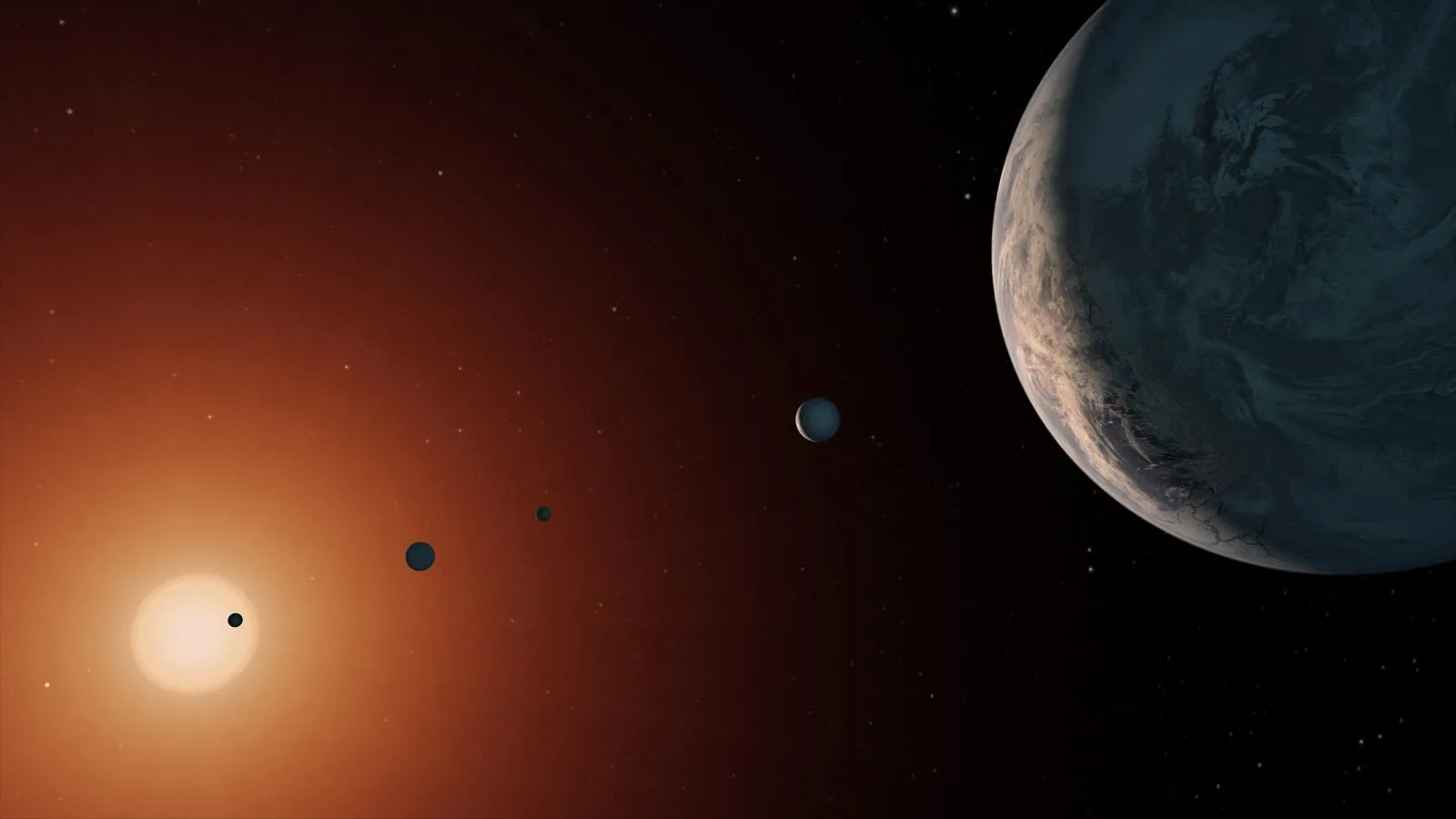
The Goldilocks zone is a dangerous oversimplification — why M-dwarf tidal locking, subsurface oceans, and atmospheric feedback reshape the real search for
How JWST actually works: 18 gold-coated mirrors, a tennis-court sunshield, 344 single points of failure, and the infrared tricks that revealed the early
GPS has generated $1.4 trillion in US economic value — here's how it works alongside Galileo, GLONASS, BeiDou, NavIC, and QZSS in 2026's six-system GNSS landscape.
TRAPPIST-1e is our best shot at finding a habitable world beyond Earth. Here's what the James Webb Space Telescope is learning about its atmosphere, temperature, and biosignatures.