All Astronauts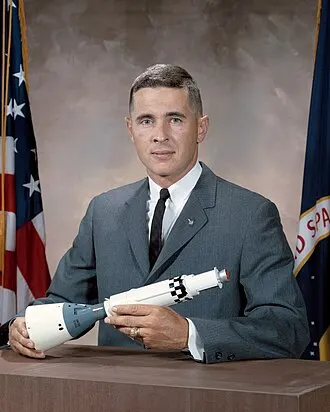 ROOKIEIn MemoriamNASA
ROOKIEIn MemoriamNASANASA·🇺🇸 United States·Born 1933
Bill Anders
Lunar Module Pilot of Apollo 8 who took the iconic Earthrise photograph, one of the most influential images ever made.
Hours in Space
1
Missions
0
EVAs
—
EVA Time
Inspirations
Chuck Yeager
Biography
Lunar Module Pilot of Apollo 8 who took the iconic Earthrise photograph, one of the most influential images ever made. He died in a plane crash in 2024.
Before NASAU.S. Air Force fighter pilot who flew nuclear-armed interceptors after graduating from the Naval Academy with a degree in electrical engineering, then earned a Master's in nuclear engineering in 1962 and managed nuclear reactor programs at the Air Force Weapons Laboratory before NASA selected him in 1963.
Life & career
William Alison 'Bill' Anders was born on October 17, 1933, in Hong Kong, where his father was serving with the U.S. Navy. He graduated from the U.S. Naval Academy in 1955 with a degree in electrical engineering, then took a commission in the U.S. Air Force, flying all-weather interceptors armed for nuclear defense. Drawn to the technical frontier, he earned a master's degree in nuclear engineering in 1962 and managed reactor shielding and radiation-effects programs at the Air Force Weapons Laboratory. In 1963 NASA selected him in its third astronaut group, and after serving as a backup crew member for Gemini 11, he was assigned to the mission that would define his life.
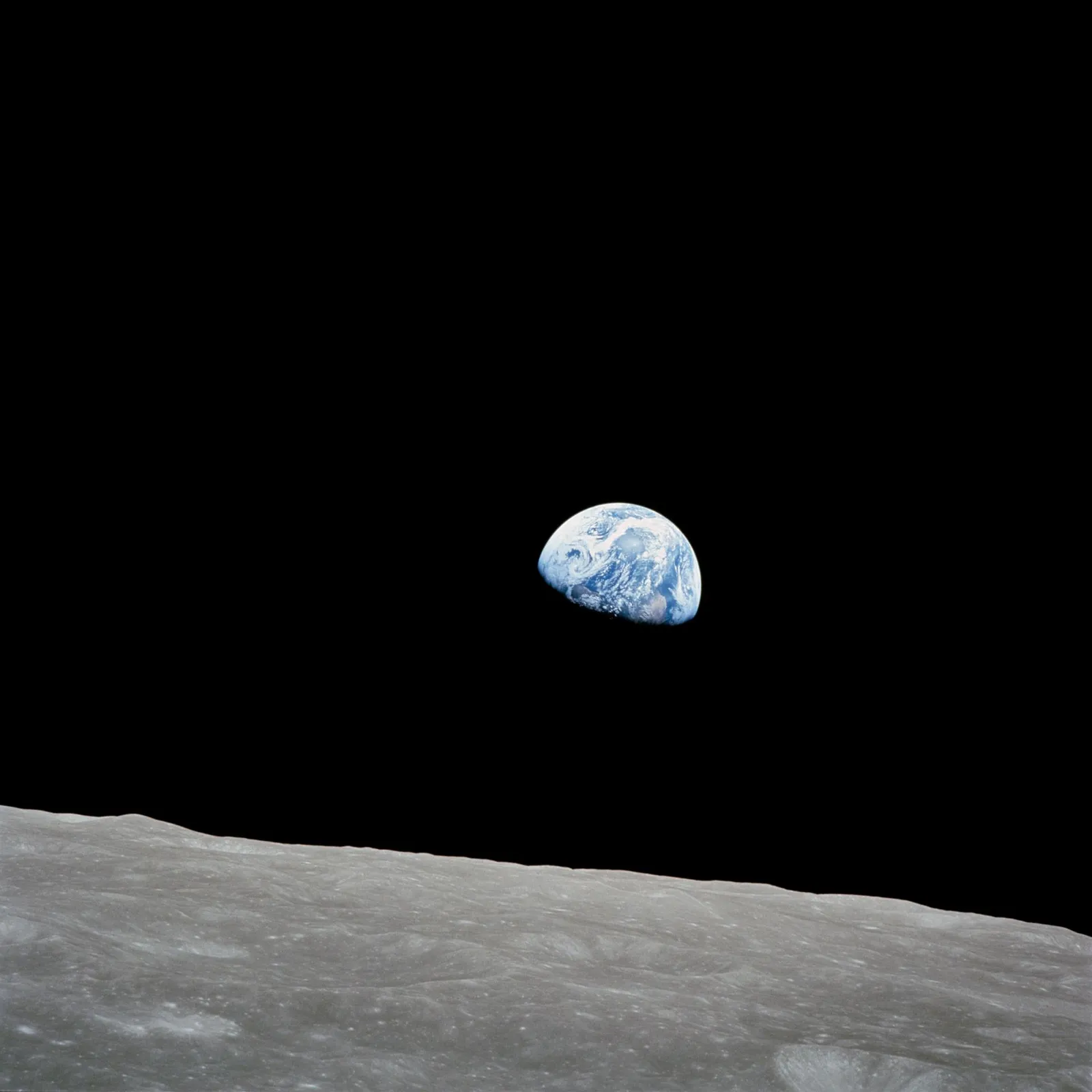
Anders flew a single spaceflight, but it was one of the most consequential in history. As Lunar Module Pilot of Apollo 8 — which launched December 21, 1968 — he joined commander Frank Borman and Jim Lovell on the first crewed voyage to the Moon, orbiting it ten times over Christmas of 1968. With no lunar module aboard on this flight, Anders's principal task was to document the Moon's surface, and he trained as the crew's photographer and systems engineer. On December 24, as the spacecraft rolled and the crew glimpsed Earth rising above the barren lunar horizon, Anders grabbed a camera loaded with color film and captured 'Earthrise' — a photograph later called one of the most influential environmental images ever taken, credited with helping galvanize the modern environmental movement and the first Earth Day in 1970.
After Apollo 8 Anders never flew in space again, instead applying his engineering and leadership gifts across public service and industry. He served as executive secretary of the National Aeronautics and Space Council, as a member of the Atomic Energy Commission, and as the first chairman of the Nuclear Regulatory Commission, then as U.S. Ambassador to Norway from 1976 to 1977. He moved into the private sector with General Electric and Textron before joining General Dynamics, where he became chairman and chief executive officer in 1991 and led a dramatic restructuring of the defense giant. A retired Air Force major general, he founded the Heritage Flight Museum and remained a passionate pilot of vintage aircraft. Bill Anders died on June 7, 2024, at the age of 90, when the World War II–era plane he was flying alone crashed into the water near the San Juan Islands in Washington State.
Mission Timeline
- Lunar Module Pilot
Apollo CSM / Saturn V
Apollo 8
Launch: Dec 21, 1968Landing: Dec 27, 1968Duration: 6 days- Took the iconic Earthrise photograph from lunar orbit
Don't just read it — fly it
Relive Bill's missions
Step into the missions Bill Anders flew — chapter by chapter, from ignition to splashdown.
Beyond the Mission
Hobbies & Interests
photographyflying vintage aircraftaviation museum curation
Languages
English
Fun fact
Anders took the famous 'Earthrise' photograph on Apollo 8 — widely considered one of the most influential environmental photographs ever taken — almost by accident, grabbing a camera and shooting through the window when he spotted Earth rising over the lunar horizon during a crew-roll maneuver.
More Astronauts
Other space travelers from NASA