Image: NASA / JPL-Caltech
Mars Sample Return
Mission Profile
| Launch date | TBD ~2030s |
|---|---|
| Launch vehicle | TBD (architecture under review) |
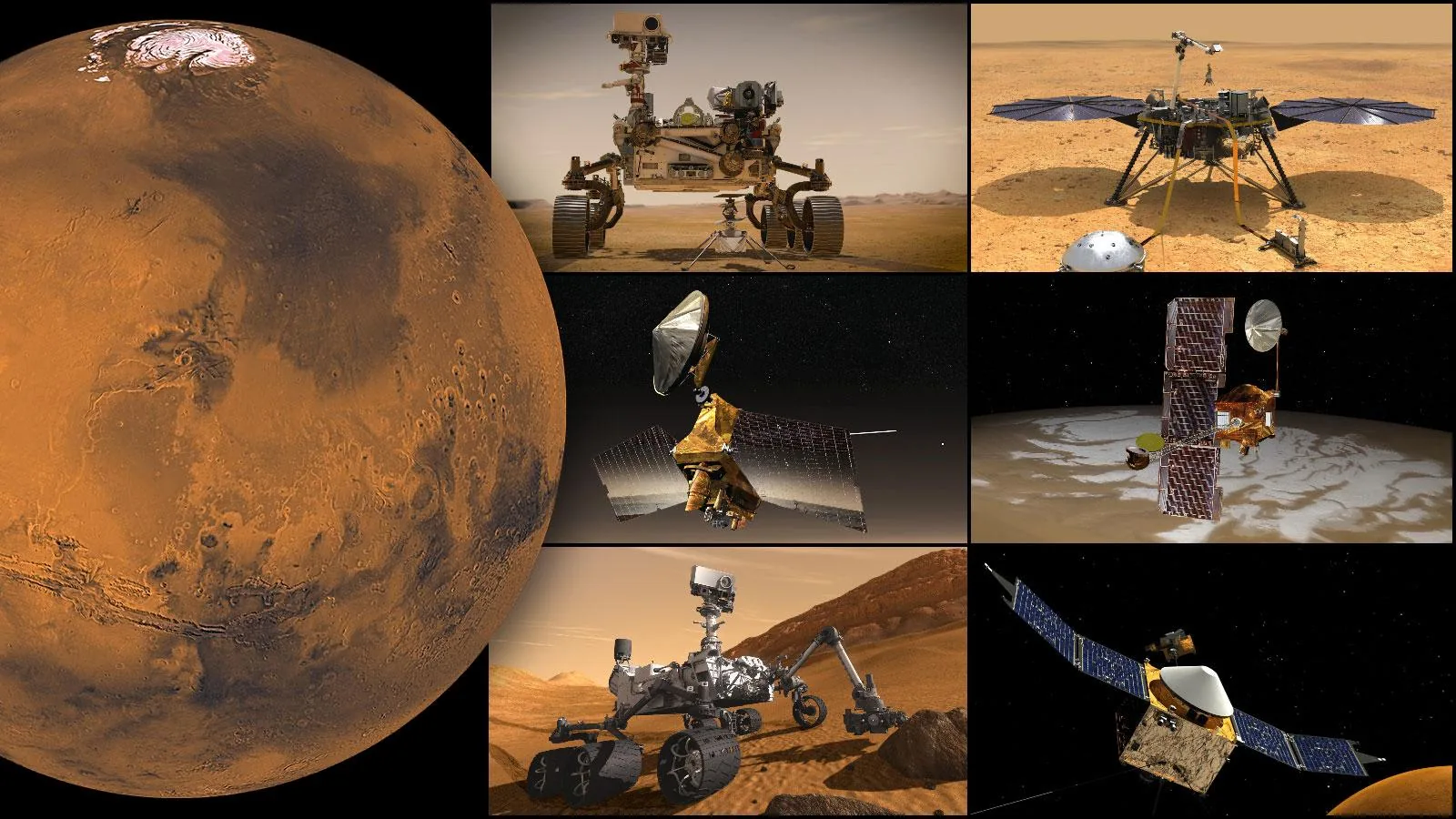
| Spacecraft | Sample Retrieval Lander + Mars Ascent Vehicle + ESA Earth Return Orbiter |
| Target | Mars |
| Type | Robotic |
| Cost | Estimated $8-11B prior to re-baseline; future-mission funding eliminated by Jan 2026 House minibus (~$110M redirected to 'Mars Future Missions') |
| Partners | NASA JPL, ESA, Lockheed Martin (MAV), Northrop Grumman (MAV solid motors) |
Prime Contractors
Companies that built, launched, or operate this mission. Tickers link to their investor profile.
- NASA JPL
- Lockheed Martin
- Airbus Defence & Space
- Northrop Grumman
Overview
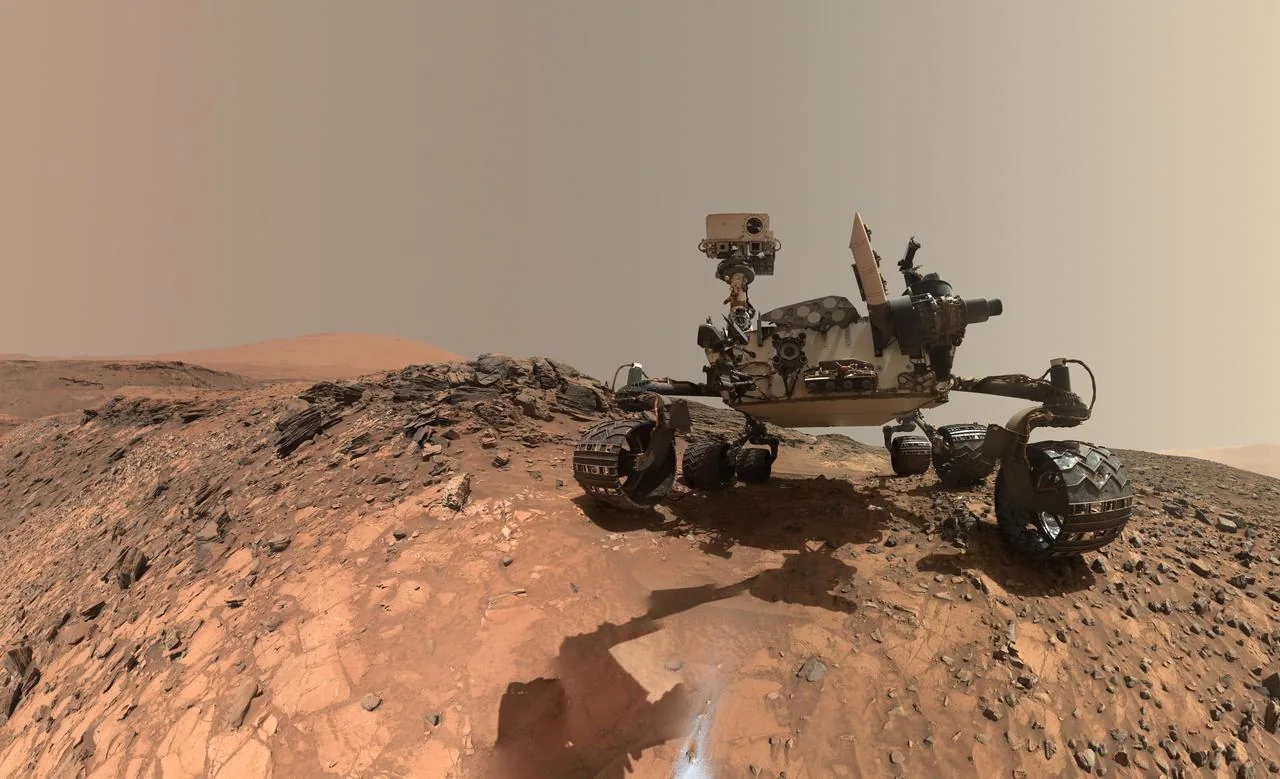
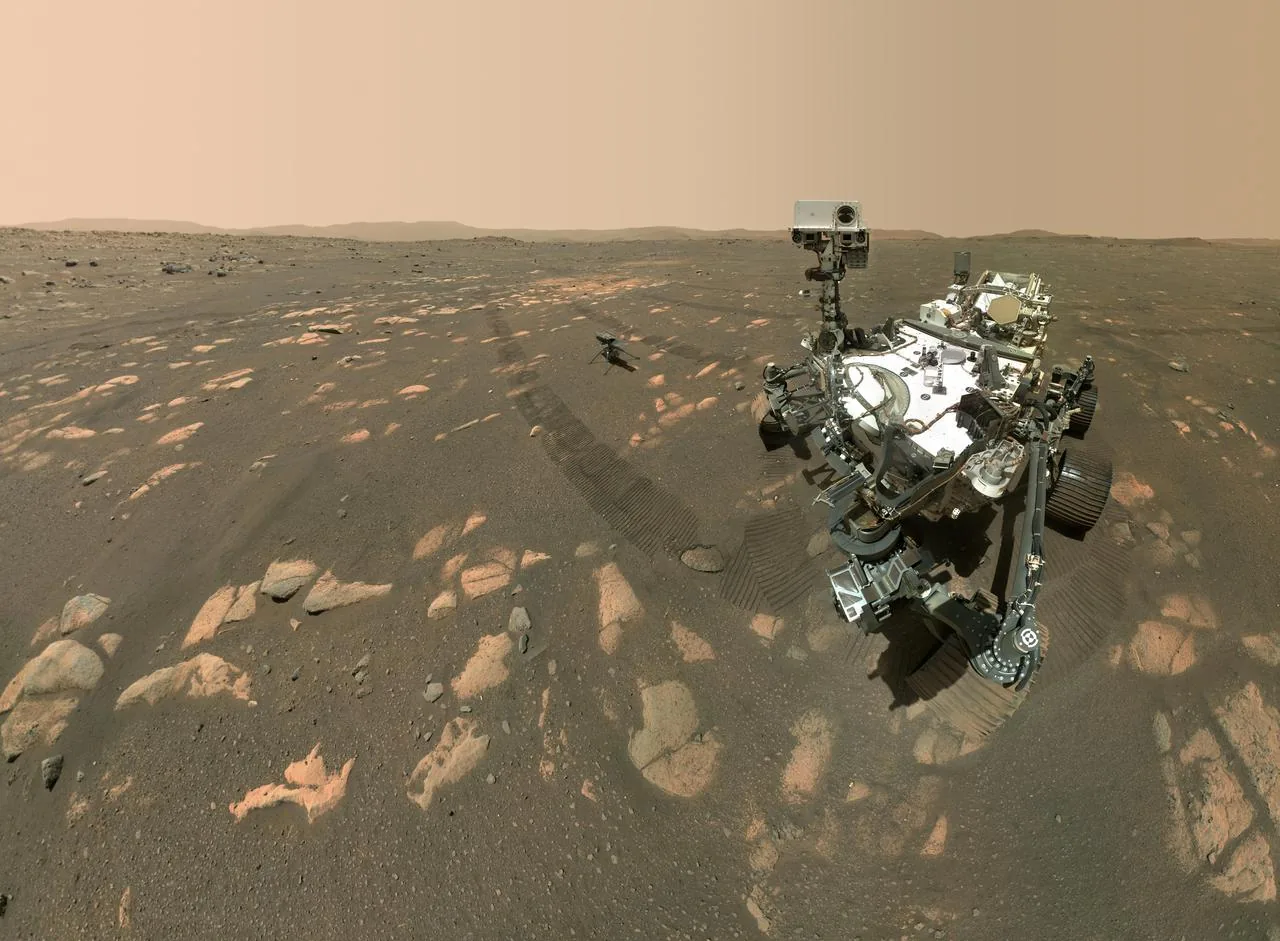
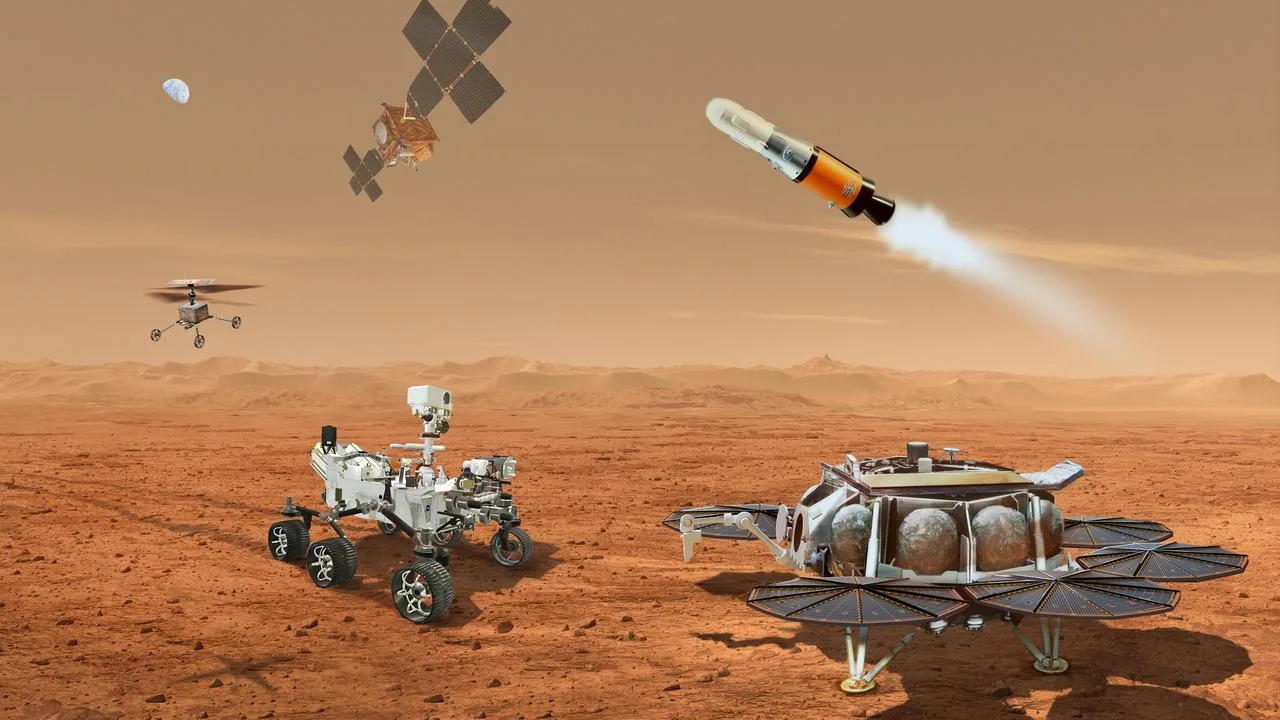
Mars Sample Return (MSR) is the joint NASA-ESA campaign designed to bring the rock cores Perseverance is collecting back to Earth for laboratory analysis — the first samples ever returned from another planet. The original architecture called for a NASA Sample Retrieval Lander to carry an ESA-built fetch rover to Jezero Crater, transfer Perseverance's sealed sample tubes into a Mars Ascent Vehicle (MAV), and launch them into Mars orbit, where ESA's Earth Return Orbiter would rendezvous, capture the orbiting sample container, and ferry it back to Earth for landing in Utah. After cost growth pushed the program above $11B and pushed return to the late 2030s, NASA in April 2024 announced an architecture overhaul, soliciting industry studies for cheaper alternatives. The campaign's future is now in serious doubt: a House minibus spending bill passed on 8 January 2026 eliminated nearly all funding for MSR — effectively cancelling the joint NASA-ESA campaign as previously scoped — while redirecting roughly $110M to a new 'Mars Future Missions' technology pool. ESA member states have separately moved to cancel the Earth Return Orbiter. As of mid-2026 there is no funded return architecture or schedule. Returned samples would be scientifically uncopyable: they would let Earth-based laboratories search for biosignatures with instruments orders of magnitude more sensitive than anything that can fly to Mars, and could rewrite our understanding of whether Mars ever hosted life.
Key Milestones
2020-07-30
Perseverance launches with sample-caching system
2022-09-01
First sample tube deposited at Three Forks depot
2023-09-21
MSR Independent Review Board cites $8-11B cost concerns
2024-04-15
NASA opens MSR architecture re-baseline study
2026-01-08
House minibus eliminates nearly all MSR funding — campaign effectively cancelled; ~$110M redirected to 'Mars Future Missions' tech pool