All Astronauts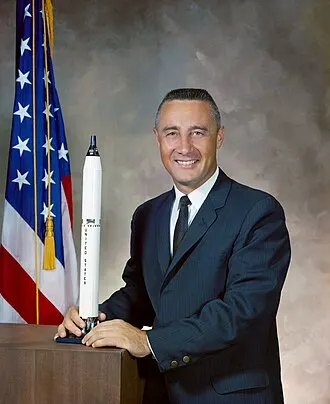 VETERANIn MemoriamNASA
VETERANIn MemoriamNASANASA·🇺🇸 United States·Born 1926
Gus Grissom
Second American in space and commander of the first crewed Gemini flight.
5h
Hours in Space
2
Missions
0
EVAs
—
EVA Time
Biography
Second American in space and commander of the first crewed Gemini flight. Died with Ed White and Roger Chaffee in the Apollo 1 fire during a launch-pad test in January 1967.
Before NASAU.S. Air Force test pilot who flew 100 combat missions in the F-86 Sabre during the Korean War, earned a mechanical engineering degree from Purdue University, and tested experimental aircraft at Edwards AFB before joining NASA's Mercury program in 1959.
Life & career
Virgil I. "Gus" Grissom was born in Mitchell, Indiana, in 1926 and became one of the most experienced and hard-driving pilots of America's first astronaut generation. He earned a degree in mechanical engineering from Purdue University and joined the U.S. Air Force, flying 100 combat missions in the F-86 Sabre during the Korean War. He went on to test experimental aircraft at Edwards Air Force Base, and in 1959 NASA named him one of the original Mercury Seven, the nation's first astronauts. The shortest of the seven but supremely capable as an engineer and aviator, Grissom quickly became a central figure in the young program.
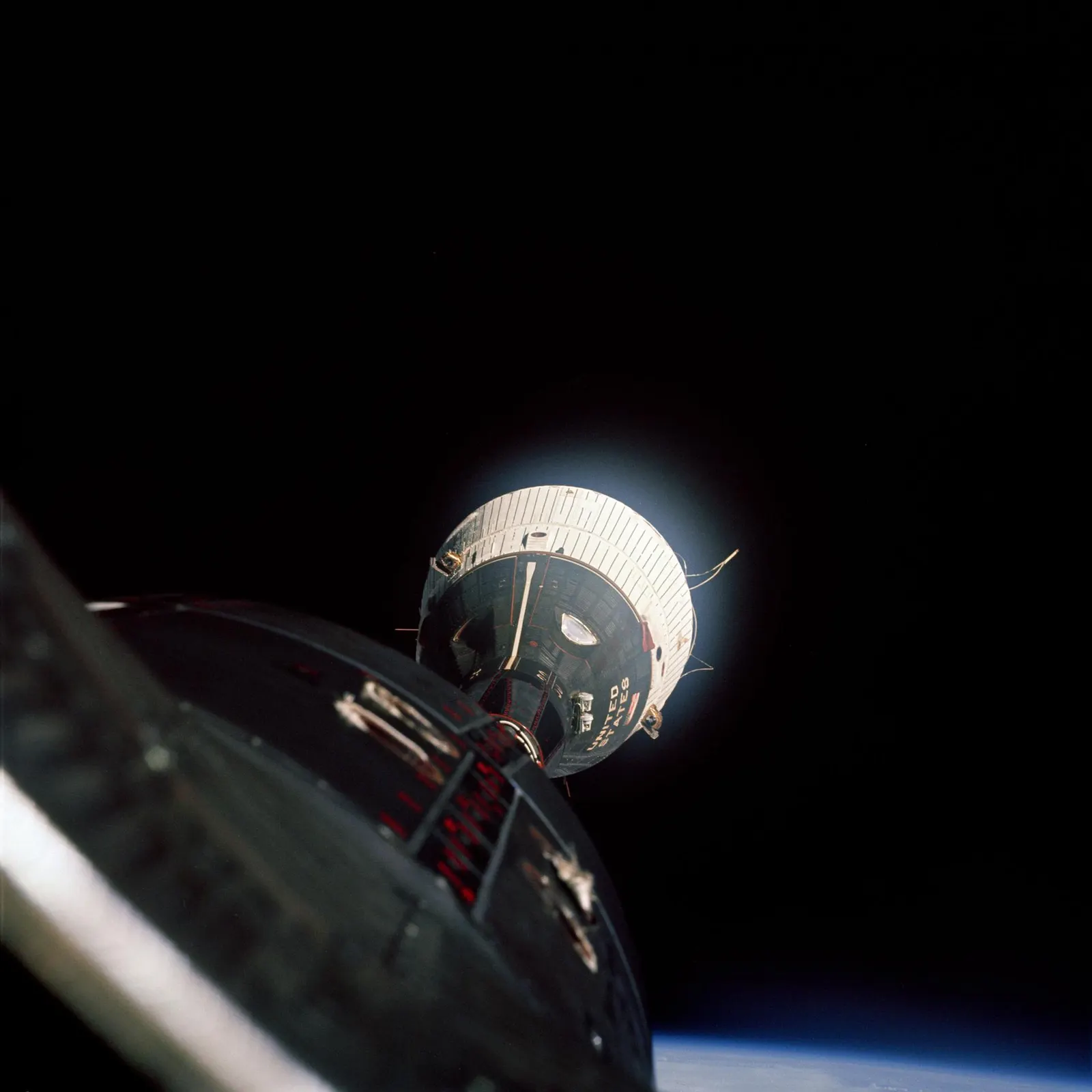
Grissom flew twice. On July 21, 1961, he became the second American in space aboard Mercury-Redstone 4, piloting the capsule he named Liberty Bell 7 on a suborbital flight. After splashdown the hatch unexpectedly blew, the capsule flooded, and it sank into the Atlantic while Grissom struggled in the water before being rescued; for decades he faced unfair suspicion of triggering the hatch, though later analysis pointed to a malfunction rather than pilot error. He answered his critics with defiant humor on his second flight: as commander of Gemini 3 in March 1965, the first crewed Gemini mission and the first American two-person flight, he named his spacecraft Molly Brown after the "Unsinkable Molly Brown" of Broadway. That flight also made Grissom the first NASA astronaut to fly in space twice.
Grissom was assigned to command the first crewed Apollo mission and was widely regarded as a leading candidate to be among the first to walk on the Moon. On January 27, 1967, during a launch-pad rehearsal for what became known as Apollo 1, a flash fire swept through the pure-oxygen cabin, killing Grissom along with Ed White, the first American to walk in space, and rookie Roger Chaffee. The tragedy forced a sweeping redesign of the Apollo spacecraft, including a faster-opening hatch and the removal of flammable materials, safety reforms that helped make the later Moon landings possible. Honored with his name on schools, memorials, and the Grissom Air Reserve Base, Gus Grissom is remembered both as a pioneering test pilot and as one of the astronauts whose sacrifice reshaped the pursuit of the Moon.
Mission Timeline
- Pilot
Mercury capsule Liberty Bell 7
Mercury-Redstone 4 (Liberty Bell 7)
Launch: Jul 21, 1961Landing: Jul 21, 1961Duration: 1 day- Second American suborbital spaceflight
- Commander
Gemini spacecraft Molly Brown
Gemini 3
Launch: Mar 23, 1965Landing: Mar 23, 1965Duration: 1 day- First crewed Gemini flight; first person to fly in space twice
Beyond the Mission
Hobbies & Interests
huntingfishingwater skiing
Languages
English
Fun fact
Grissom defiantly named his Gemini spacecraft Molly Brown — a tongue-in-cheek reference to the Broadway musical about the 'Unsinkable Molly Brown' — because his Mercury capsule Liberty Bell 7 had sunk after splashdown, a jab he knew NASA management would not appreciate.
More Astronauts
Other space travelers from NASA