Image: NASA
Gemini 3
Mission Profile
| Launch date | 1965-03-23 |
|---|---|
| Launch site | Cape Kennedy Air Force Station Launch Complex 19, Florida |
| Launch vehicle | Titan II GLV (s/n 62-12558) |
| Spacecraft | Gemini SC3 "Molly Brown" |
| Target | Low Earth Orbit |
| Type | Crewed |
| End date | 1965-03-23 |
| Recovery | USS Intrepid (CV-11), western Atlantic Ocean |
| Duration | 4 hours, 52 minutes, 31 seconds (3 orbits) |
| Partners | McDonnell Aircraft (Gemini spacecraft), Martin Company (Titan II GLV) |
Overview
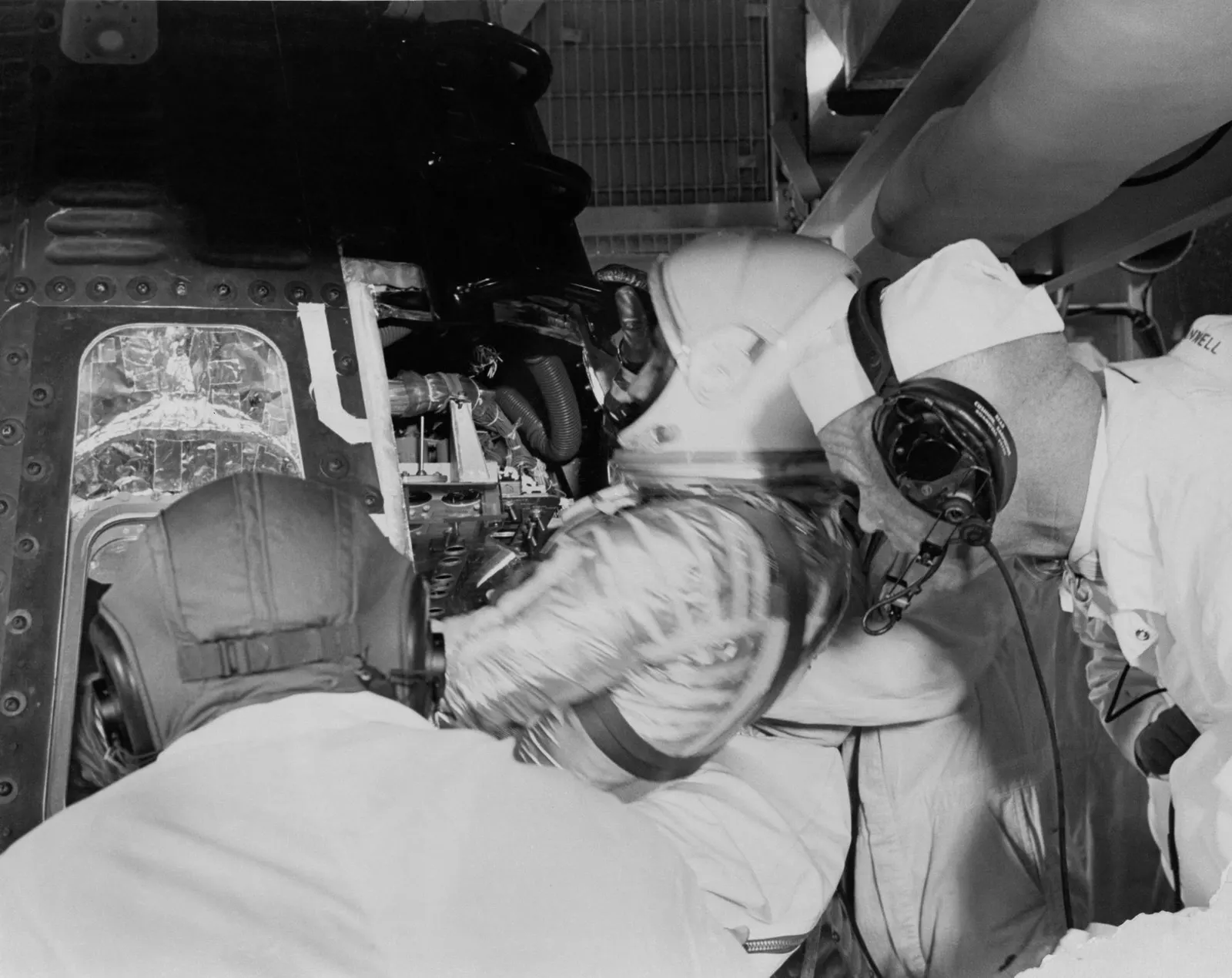
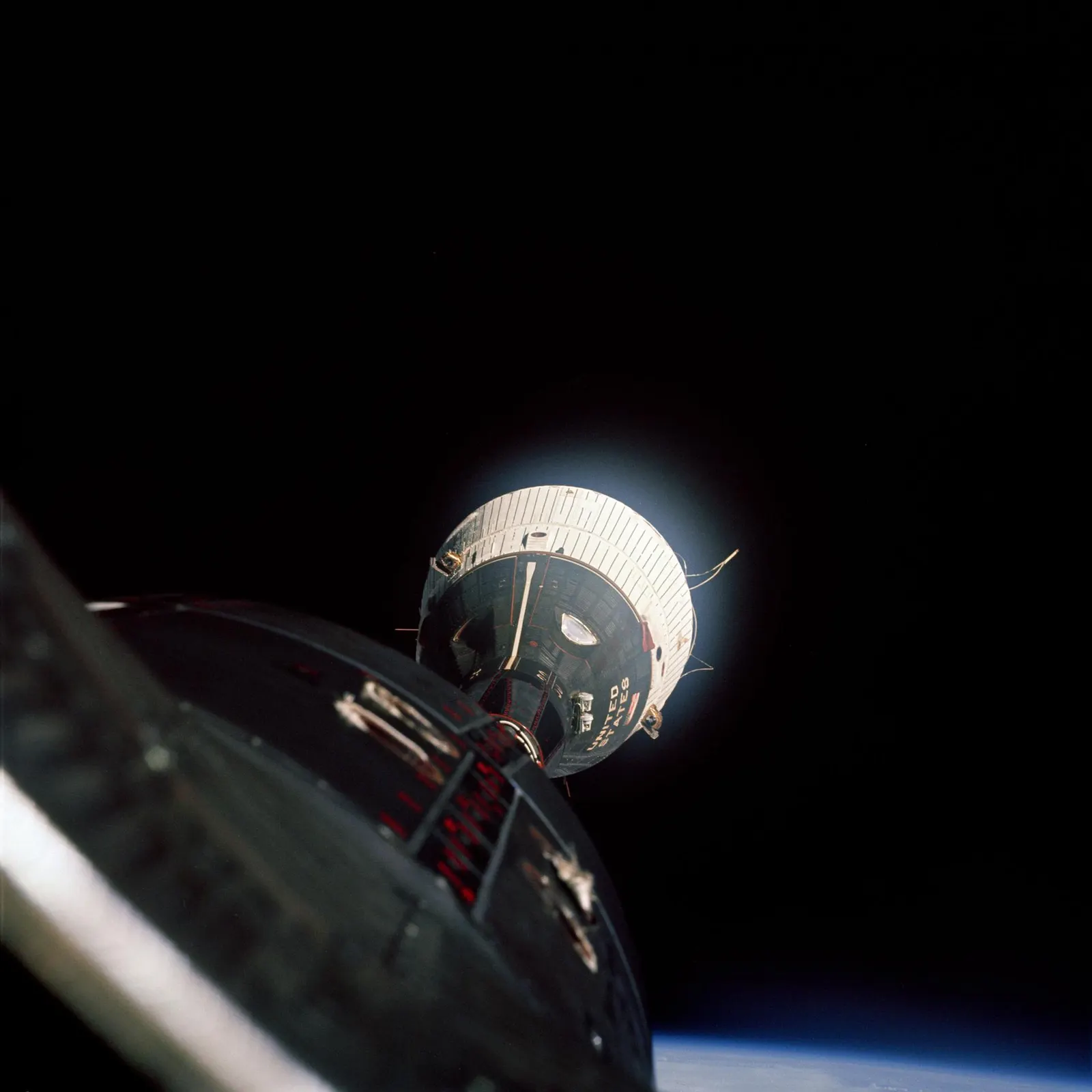
Gemini 3 opened the crewed phase of Project Gemini on March 23, 1965, sending Gus Grissom and John Young around the Earth three times in 4 hours, 52 minutes and 31 seconds — the first time two Americans flew into space together. Grissom, whose Mercury capsule Liberty Bell 7 had sunk after splashdown, named the spacecraft Molly Brown after the Broadway musical The Unsinkable Molly Brown. The flight's central achievement came about an hour and a half in, when a 75-second burn of the orbit attitude and maneuvering system reshaped the orbit from 122 × 175 km to nearly circular — the first time a crew had changed the size and shape of their orbit, a capability indispensable for lunar rendezvous. Two further burns followed: a 0.02-degree plane change and a perigee drop to 72 km that guaranteed reentry even if the retrorockets failed. Gemini's real lift proved far lower than wind-tunnel predictions, and Molly Brown splashed down 84 km short of its aim point; a sudden pitch from vertical to horizontal under the parachute cracked Grissom's acrylic faceplate. Young added levity by producing a smuggled corned beef sandwich in orbit. USS Intrepid recovered the crew, closing out the last American crewed flight controlled from Cape Kennedy before mission control moved to Houston.
Crew
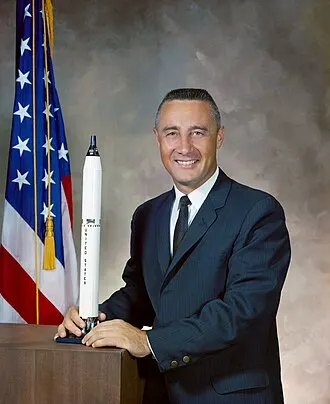
Gus Grissom
Command Pilot
Mercury Liberty Bell 7 veteran; became the first NASA astronaut to fly in space twice
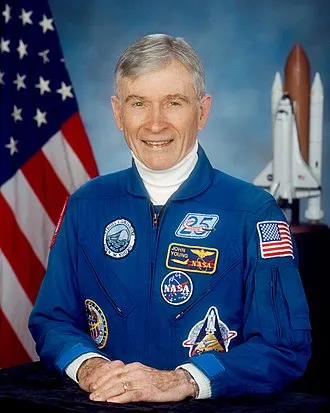
John Young
Pilot
First of six career spaceflights; later walked on the Moon on Apollo 16 and commanded the first Space Shuttle mission
Key Milestones
1965-03-23
Liftoff from Cape Kennedy Pad 19 at 14:24 UTC — the first crewed Gemini flight
1965-03-23
75-second OAMS burn makes Gemini 3 the first crewed spacecraft to change the size and shape of its orbit
1965-03-23
Plane-change burn and a perigee-lowering burn to 72 km complete the maneuvering test program
1965-03-23
Splashdown in the Atlantic at 19:16:31 UTC after three orbits, 84 km short of the target point
1965-03-23
Crew and capsule recovered by USS Intrepid
Key Achievements
First crewed flight of Project Gemini and the first American two-person spaceflight
First crewed spacecraft to maneuver in orbit, changing the size and shape of its orbital path
First crewed reentry to use spacecraft lift in an attempt to steer the touchdown point
Final crewed mission controlled from Cape Kennedy before flight control moved to Houston
Legacy & Significance
Gemini 3's brisk three-orbit shakedown turned spaceflight from ballistic riding into piloting. The ability to change orbits that Grissom and Young demonstrated underpins every rendezvous, docking and station mission flown since, and was the non-negotiable first step toward Apollo's lunar-orbit rendezvous architecture. The flight also marked a generational handover: Grissom became the first NASA astronaut to fly twice, while rookie John Young began a career that would span Gemini, two trips to the Moon and command of the first Space Shuttle mission — and the torch passed from Cape Kennedy's control room to the new Mission Control Center in Houston that has run every American crewed flight since.