All Astronauts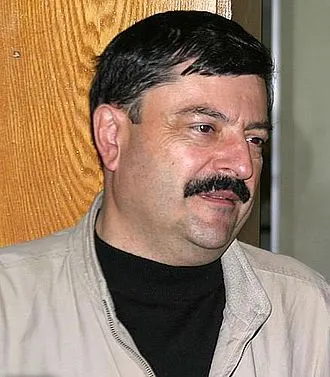 ELITERetiredROS
ELITERetiredROSRoscosmos·🇷🇺 Russia·Born 1951
Musa Manarov
Completed the first year-long spaceflight with Vladimir Titov aboard Mir in 1987-88, then returned for a second long expedition totaling 541 days in space.
Years in Space
2
Missions
7
EVAs
34h
EVA Time
Biography
Completed the first year-long spaceflight with Vladimir Titov aboard Mir in 1987-88, then returned for a second long expedition totaling 541 days in space.
Before NASAEngineer at the Korolev Design Bureau after graduating from the Moscow Aviation Institute in 1974, where he worked as a tester of space equipment and experiment analyst before serving as a flight controller at Soviet mission control.
Life & career
Musa Khiramanovich Manarov was born on 22 March 1951 in Baku, in what was then the Azerbaijan SSR, into a family of ethnic Lak heritage from the Caucasus. Drawn to engineering rather than piloting, he enrolled at the prestigious Moscow Aviation Institute and graduated in 1974. He then joined the orbit of the Soviet space program itself, working at the design bureau founded by Sergei Korolev, where he tested space hardware, analyzed experiments, and served as a flight controller at mission control before ever leaving the ground. That grounding in the machinery of spaceflight made him a natural candidate for the flight-engineer role, and on 1 December 1978 he was selected as a cosmonaut in the 1978 group, beginning nearly a decade of training and backup assignments before his own launch.
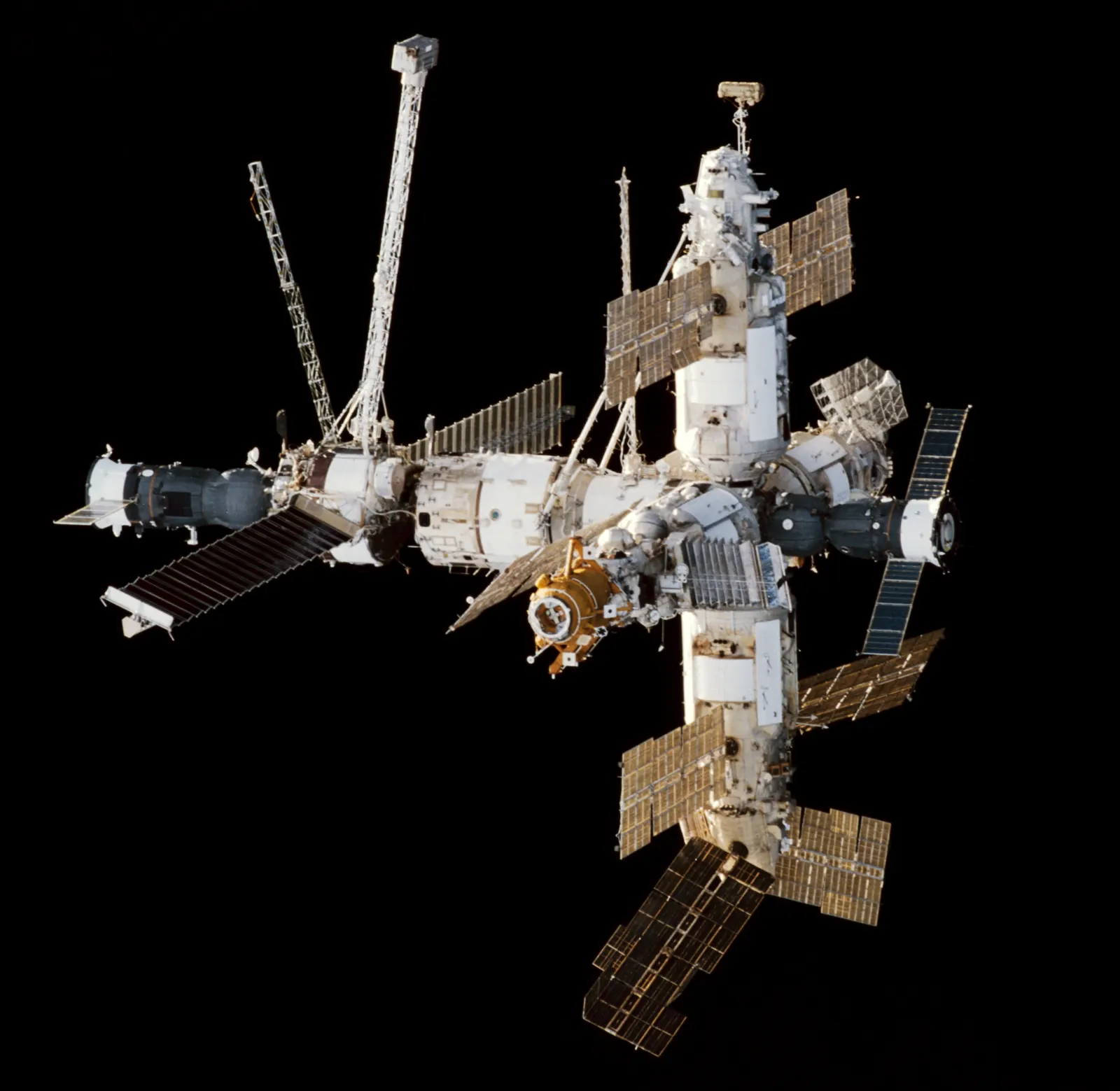
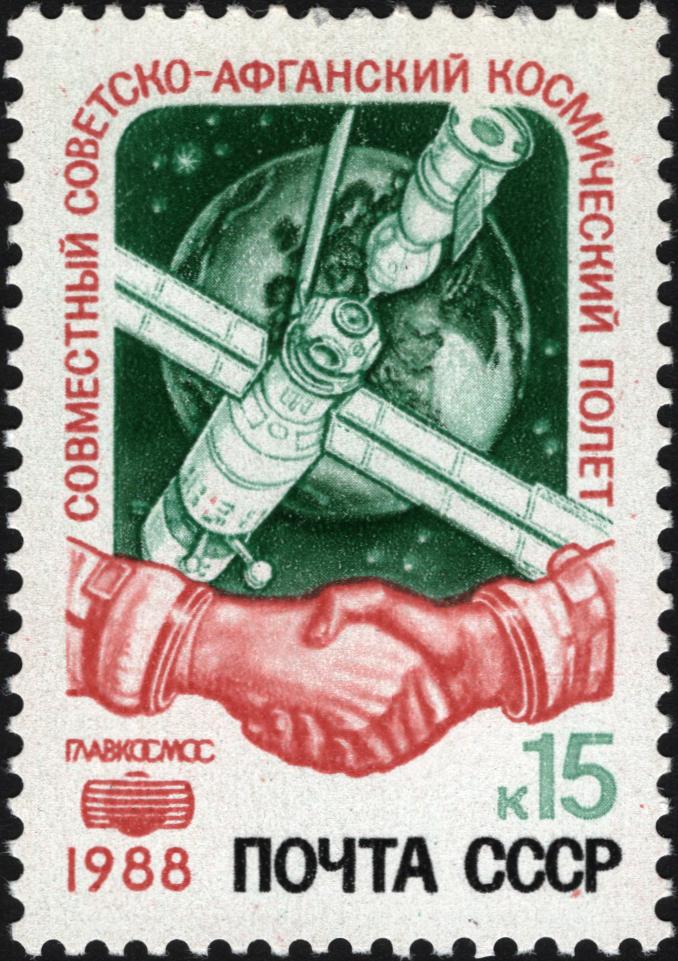
Manarov's first flight was one for the history books. On 21 December 1987 he lifted off aboard Soyuz TM-4 as flight engineer alongside commander Vladimir Titov, bound for the Mir space station and the third principal expedition (EO-3). The two men remained in orbit for just under 366 days — about 365 days, 22 hours, and 39 minutes — returning on 21 December 1988 aboard Soyuz TM-6, landing on the exact anniversary of their launch. In doing so, Manarov and Titov became the first human beings to spend an unbroken year in space, shattering the previous endurance record and gathering vital medical data on how the body copes with such long isolation. During the expedition Manarov carried out three spacewalks, working outside Mir for more than eight hours. He returned to orbit on 2 December 1990 aboard Soyuz TM-11 for the eighth main expedition (EO-8), launching together with commander Viktor Afanasyev and Japanese journalist Toyohiro Akiyama — one of the first paying space travelers, who returned to Earth after roughly a week. Over about 175 days Manarov performed four more EVAs maintaining the station's exterior before landing on 26 May 1991.
Across his two missions Manarov logged roughly 541 cumulative days in space — the world record at the time he came home in 1991 — with seven spacewalks and more than 34 hours of extravehicular work to his name. His year-long flight with Titov remains a landmark that helped lay the physiological groundwork for the multi-month expeditions later flown aboard Mir and the International Space Station. After retiring from the cosmonaut corps, Manarov moved into public life in the new Russian Federation, serving as a deputy in the State Duma during the fifth convocation from 2007 to 2011 with the United Russia faction and pursuing business interests. Now retired, he is remembered as a pioneer of human endurance in orbit, one half of the crew that proved people could live in space not for days or weeks, but for a full turn of the calendar.
Mission Timeline
- Flight Engineer
Soyuz TM-4 (return on Soyuz TM-6)
Mir EO-3
Launch: Dec 21, 1987Landing: Dec 21, 1988Duration: 366 days- First spaceflight to last a full year, with Vladimir Titov
- Flight Engineer
Soyuz TM-11 (return on Soyuz TM-11)
Mir EO-8
Launch: Dec 2, 1990Landing: May 26, 1991Duration: 175 days- Four spacewalks maintaining Mir's exterior
Beyond the Mission
Languages
Russian
Fun fact
Manarov and Vladimir Titov were the first humans to spend an entire year continuously in space, completing 365 days, 22 hours, and 39 minutes aboard Mir from December 1987 to December 1988 — a record achieved on the exact anniversary of their launch.
More Astronauts
Other space travelers from Roscosmos