Commercial LEO Destinations (CLD)
NASA's plan for the post-ISS era, the Commercial LEO Destinations program is a phased Space Act Agreement effort awarding $415.6M (Phase 1) to three commercial-station teams — Blue Origin's Orbital Reef, Voyager Space's Starlab, and Northrop Grumman's free-flyer (later restructured) — plus a parallel Axiom Space port-attached architecture [1][2]. Total private investment exceeds $1B, with NASA targeting at least one operational commercial station before ISS retirement in 2030 [3][4].
Funding & Contract Structure
Total committed: $415.6M total Phase 1 CLD awards (Dec 2021): Orbital Reef $130M (up to $172M), Starlab $160M (up to $217.5M), Northrop Grumman $125.6M (later restructured); plus Axiom NextSTEP-2 $140M [2][5]
Annual run-rate: CLD line within NASA Commercial LEO Development; FY2025 appropriations $228.4M, less than NASA's request — flagged by industry as a constraint on the program [7]
Procurement vehicle: OTA — Other Transaction Authority — flexible non-FAR agreement, fast, used for prototyping.
Congressional status: Bipartisan support for commercial-station transition but FY2024 / FY2025 appropriations have come in under NASA request, reflecting concerns about pace and provider viability [7]
GAO / CRS findings
| Date | Finding |
|---|---|
| GAO-23-105949 — NASA needs to better define the post-ISS LEO transition strategy; underfunding risks a gap in continuous human presence beyond 2030[8] | |
| NASA OIG IG-24-009 — CLD Phase 1 milestones slipping; risk that no commercial station will be crew-ready before ISS deorbit in 2030[6] | |
| Northrop Grumman restructures CLD role after Voyager partnership change; NASA amends contract — first major Phase 1 provider transition[9] |
Beneficiary Breakdown
| Contractor | Role | Share | Ticker |
|---|---|---|---|
| Blue Origin | prime | Orbital Reef Phase 1 prime ($130M base, $172M with extensions); leads habitat module design and architecture integration with Sierra Space and Boeing[2] | private |
| Sierra Space | prime | Orbital Reef partner — LIFE inflatable habitat module and Dream Chaser cargo logistics; lead role in expandable habitat technology[2] | private |
| Boeing | sub | Orbital Reef science/airlock module integration and engineering support; structurally similar role to ISS Node assembly heritage[2] | BA |
| Voyager Space / Starlab Space | prime | Starlab Phase 1 prime ($160M base, ~$217.5M with extensions); leads single-volume habitat architecture with Airbus, Hilton, MDA, Northrop[3] | private |
| Northrop Grumman | sub | Originally a separate Phase 1 prime ($125.6M); restructured into Starlab subcontractor role after 2024 amendment[9] | NOC |
| Axiom Space | prime | Operates the parallel NextSTEP-2 commercial-module-to-ISS attachment program ($140M); plans free-flyer transition after ISS retirement[5] | private |
Key Milestones
NASA awards NextSTEP-2 contracts (six companies) — beginning of commercial-station habitat ground-development era
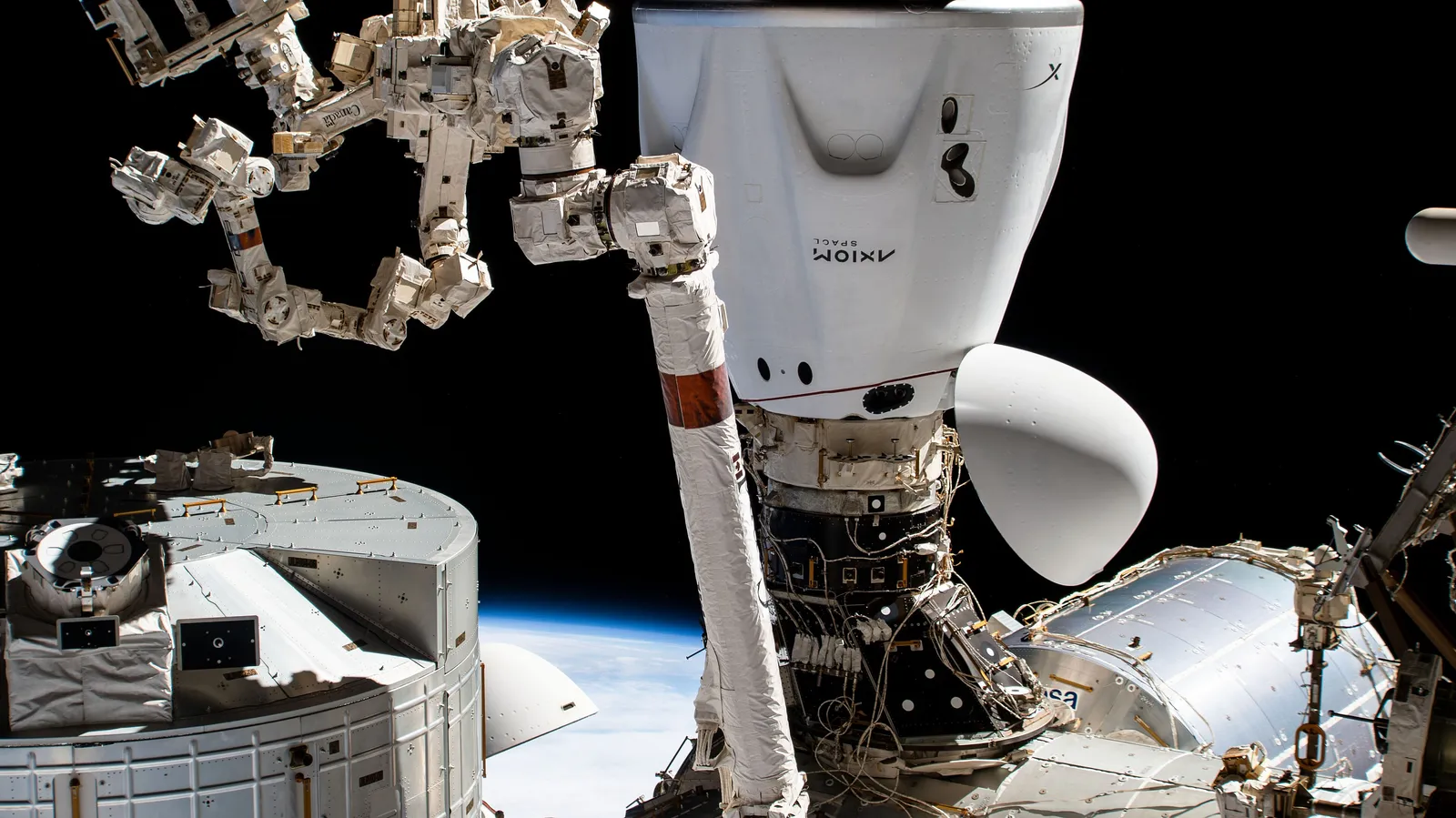
NASA selects Axiom Space ($140M) under NextSTEP-2 to attach commercial modules to ISS Node 2 — first major operational commercial-station contract
CLD Phase 1 awards: Orbital Reef ($130M), Starlab ($160M), Northrop Grumman ($125.6M) — $415.6M total Space Act Agreements
NASA exercises Phase 1 milestone options — Orbital Reef increases to $172M, Starlab to ~$217.5M
NASA OIG IG-24-009 — CLD Phase 1 milestones slipping; recommendations for stronger acquisition planning
Northrop Grumman restructures CLD role; pivots from Phase 1 prime to Starlab subcontractor following Voyager partnership shift
Targeted Axiom Hab One module attachment to ISS — first commercial-station building block on orbit
Expected CLD Phase 2 services solicitation issued by NASA; transition from development to services procurement
Targeted first crewed commercial station operational readiness — gates ISS retirement timing
Planned ISS retirement and controlled deorbit; transition to commercial-station services era
Catalysts
| Date | Event | Sentiment |
|---|---|---|
| NASA expected to release CLD Phase 2 services solicitation (~$1.3B services procurement); could narrow to one or two providers[4] | neutral | |
| Axiom Hab One module delivery and ISS attachment — first commercial-station building block in orbit[5] | bullish | |
| Starlab Critical Design Review and single-launch architecture demonstration; Starship-class launch contract validation[3] | neutral | |
| Orbital Reef and/or Starlab Phase 1 milestone completion; transition readiness for crewed operations[2] | bullish | |
| Planned ISS retirement and controlled deorbit; commercial-station services contracts become operational[10] | bullish |
Risk Register
Competitive Landscape
Investability Map
| Ticker | Exposure | Note |
|---|---|---|
| BA | medium | Boeing is an Orbital Reef partner and Starlab subcontractor; CLD exposure is modest in absolute terms but builds on its ISS Node/habitat heritage. |
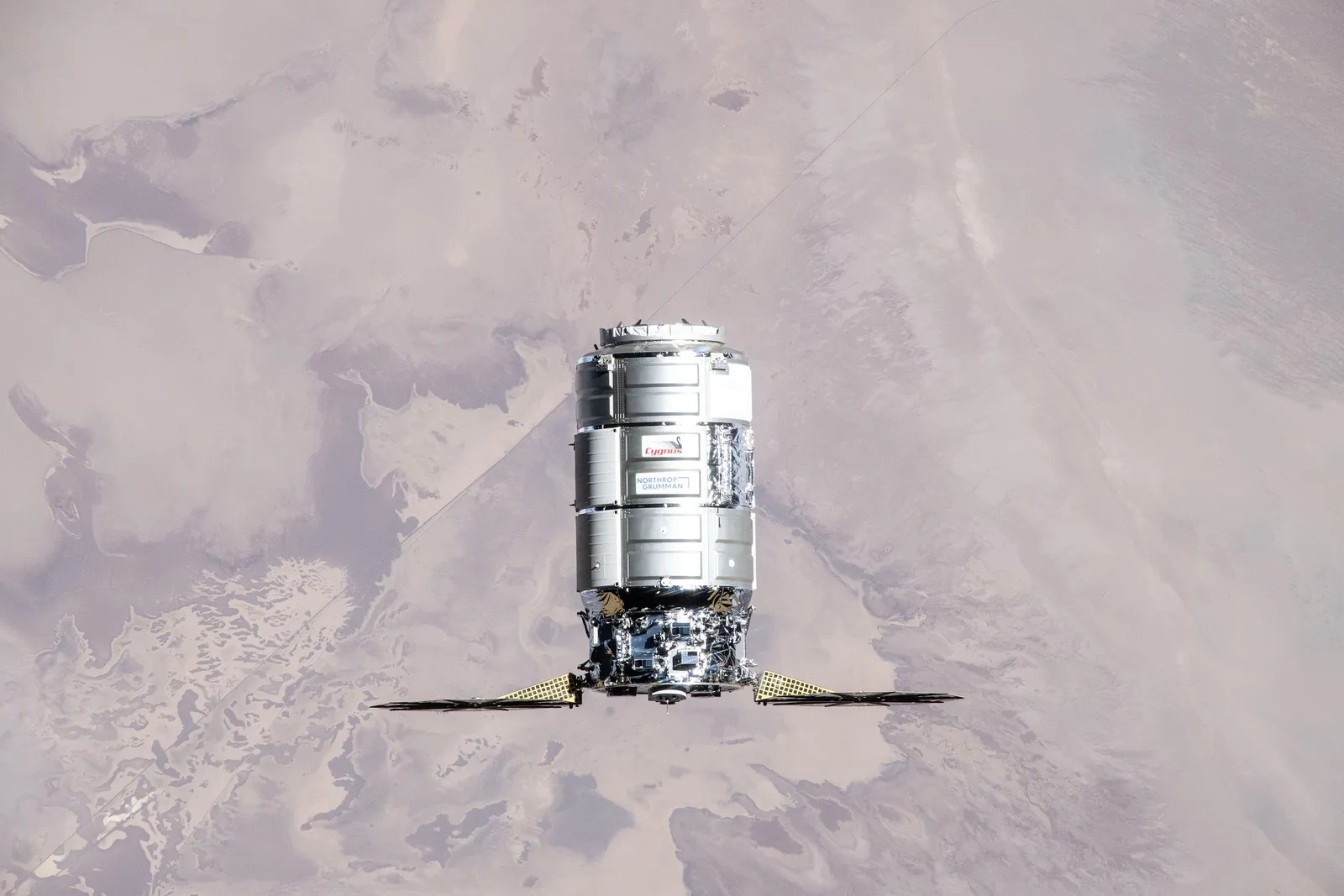
| NOC | low | Northrop Grumman restructured from a CLD Phase 1 prime into a Starlab subcontractor in 2024; remaining exposure is via Cygnus cargo and component supply. |
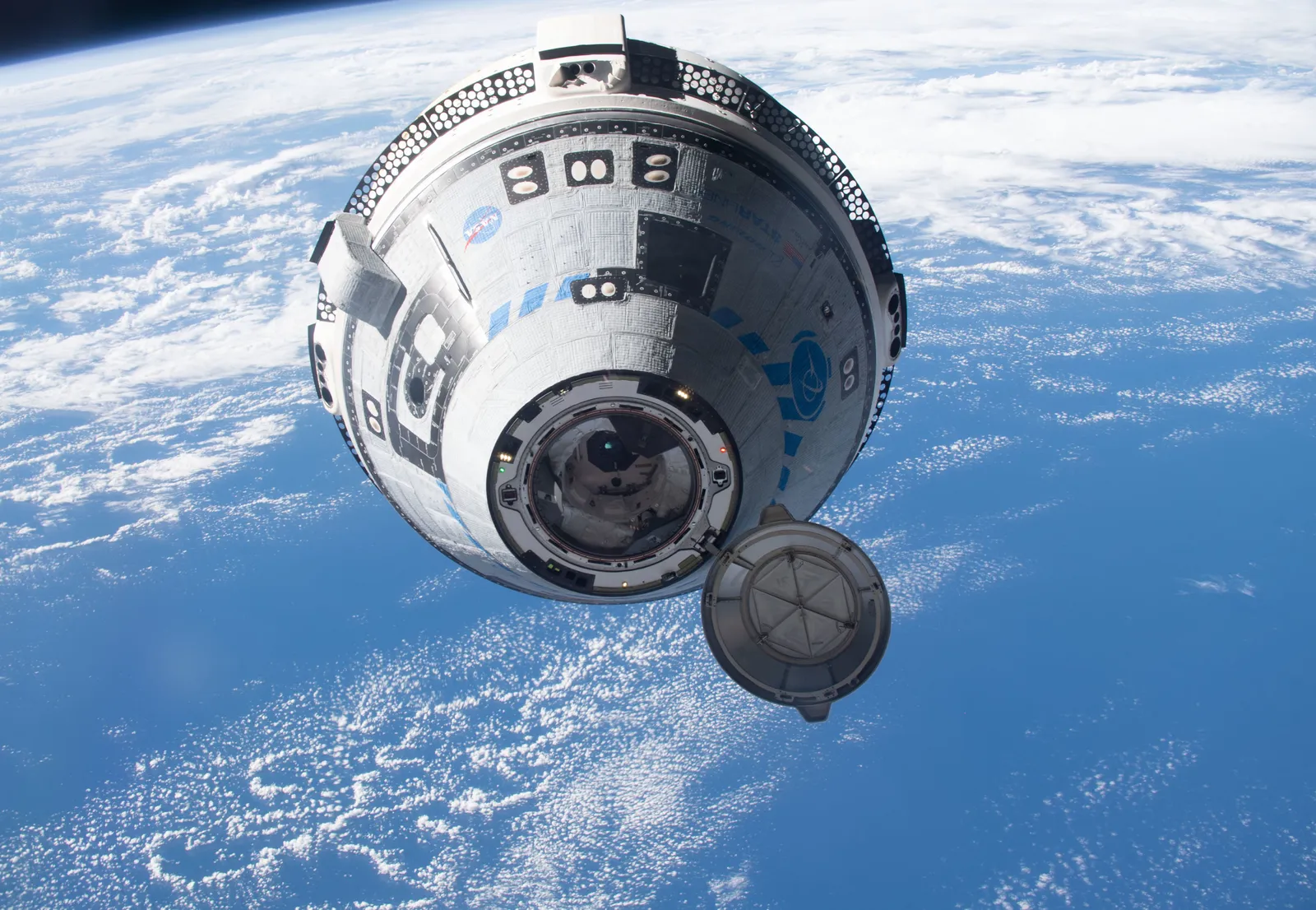
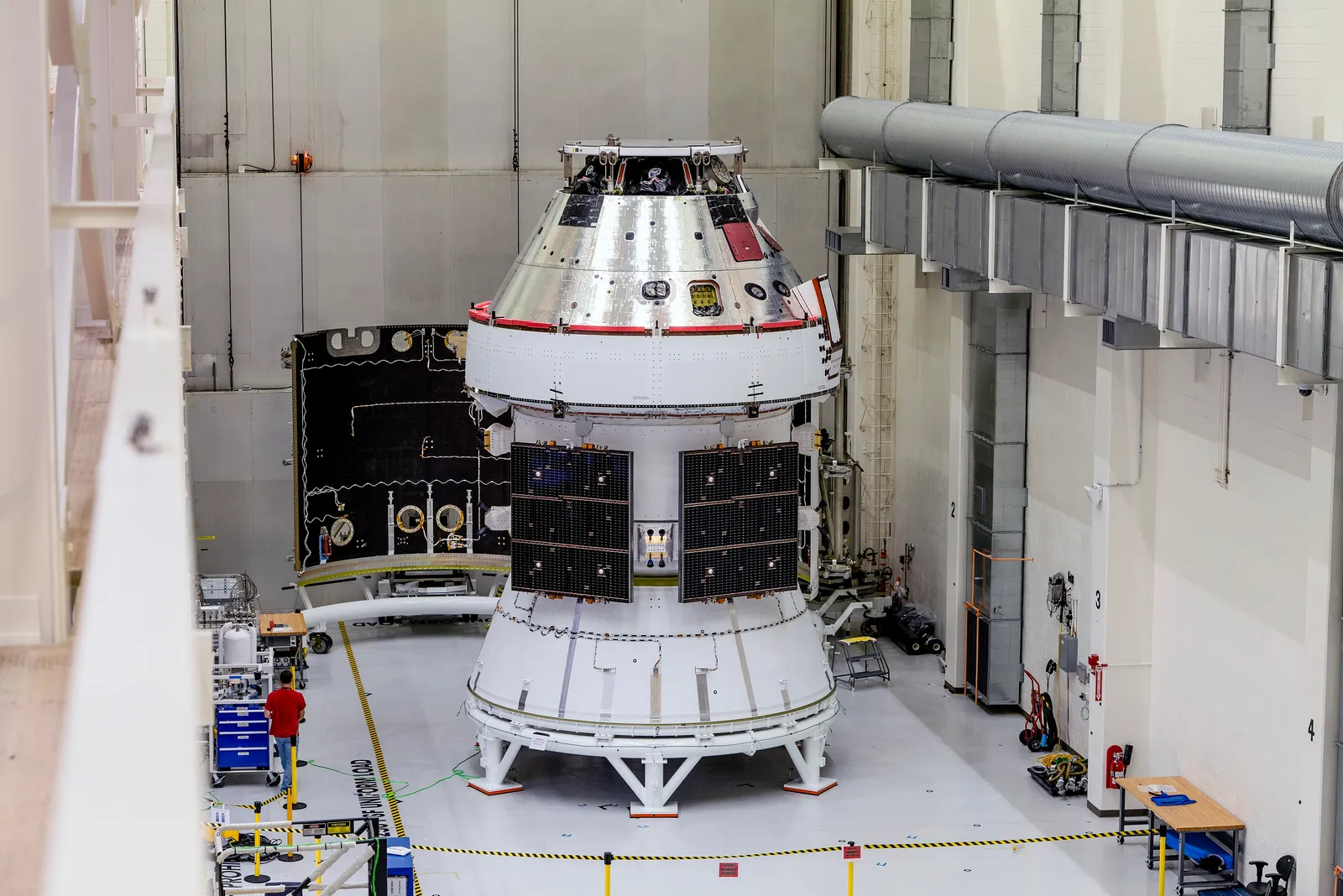
| LMT | low | Lockheed Martin is not a Phase 1 prime but holds Orion (crew transport to LEO stations is principally Crew Dragon and Starliner) and Starlab investment-stage relationships. |
| RKLB | low | Rocket Lab is not a direct CLD prime but provides spacecraft components and small-launch services to multiple commercial-station providers' supply chains. |
Not investment advice. Figures as-quoted from cited sources.
Sources
- [1] NASA — Commercial LEO Destinations program overview (Agency budget doc, accessed )
- [2] NASA — CLD Phase 1 award announcement (Dec 2, 2021); Orbital Reef, Starlab, Northrop Grumman selected ($415.6M total) (Agency budget doc, accessed )
- [3] NASA — Starlab Space (Voyager / Airbus) Phase 1 contract page (Agency budget doc, accessed )
- [4] NASA — CLD Phase 2 services procurement strategy outline (Agency budget doc, accessed )
- [5] NASA — Axiom Space NextSTEP-2 commercial module award ($140M; ISS Node 2 attachment, eventual free-flyer) (Agency budget doc, accessed )
- [6] NASA OIG IG-24-009 — NASA's Management of the Commercial Low Earth Orbit Development Program (Mar 2024) (GAO / CRS report, accessed )
- [7] NASA — Fiscal Year 2025 Budget Estimates and Congressional appropriations (CLD line) (Agency budget doc, accessed )
- [8] GAO-23-105949 — NASA: Improvements Needed in Strategy to Sustain Continuous Human Presence in Low Earth Orbit (GAO / CRS report, accessed )
- [9] NASA / Northrop Grumman — CLD Phase 1 amendment shifting Northrop role into Starlab subcontractor (2024) (Agency budget doc, accessed )
- [10] NASA — International Space Station Transition Plan (planned 2030 deorbit; CLD services takeover) (Agency budget doc, accessed )
- [11] Blue Origin — Orbital Reef program page (Official company site, accessed )
- [12] Sierra Space — LIFE habitat and Orbital Reef contribution (Official company site, accessed )
- [13] Starlab Space — joint Voyager-Airbus venture program page (Official company site, accessed )
- [14] Axiom Space — Axiom Station program page (Official company site, accessed )
- [15] SpaceNews — CLD Phase 1 funding and provider restructuring coverage (Northrop pivot, Voyager-Airbus merger) (Industry trade press, accessed )
- [16] Ars Technica — coverage of CLD Phase 2 strategy and ISS transition risk (Industry trade press, accessed )