All Astronauts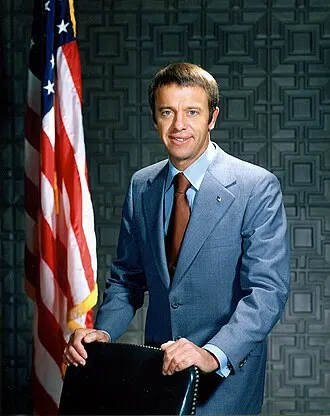 LEGENDIn MemoriamNASA
LEGENDIn MemoriamNASANASA·🇺🇸 United States·Born 1923
Alan Shepard
First American in space (May 5, 1961)
217h
Hours in Space
2
Missions
2
EVAs
10h
EVA Time
Dear Lord, please don't let me screw up.
It's a beautiful day. Have you ever seen a more beautiful day?
I must admit, maybe I am a piece of history after all.
Inspirations
Charles Lindbergh
What they aspire to
He hoped to walk on the Moon despite being grounded by Ménière's disease, a goal he achieved on Apollo 14.
Biography
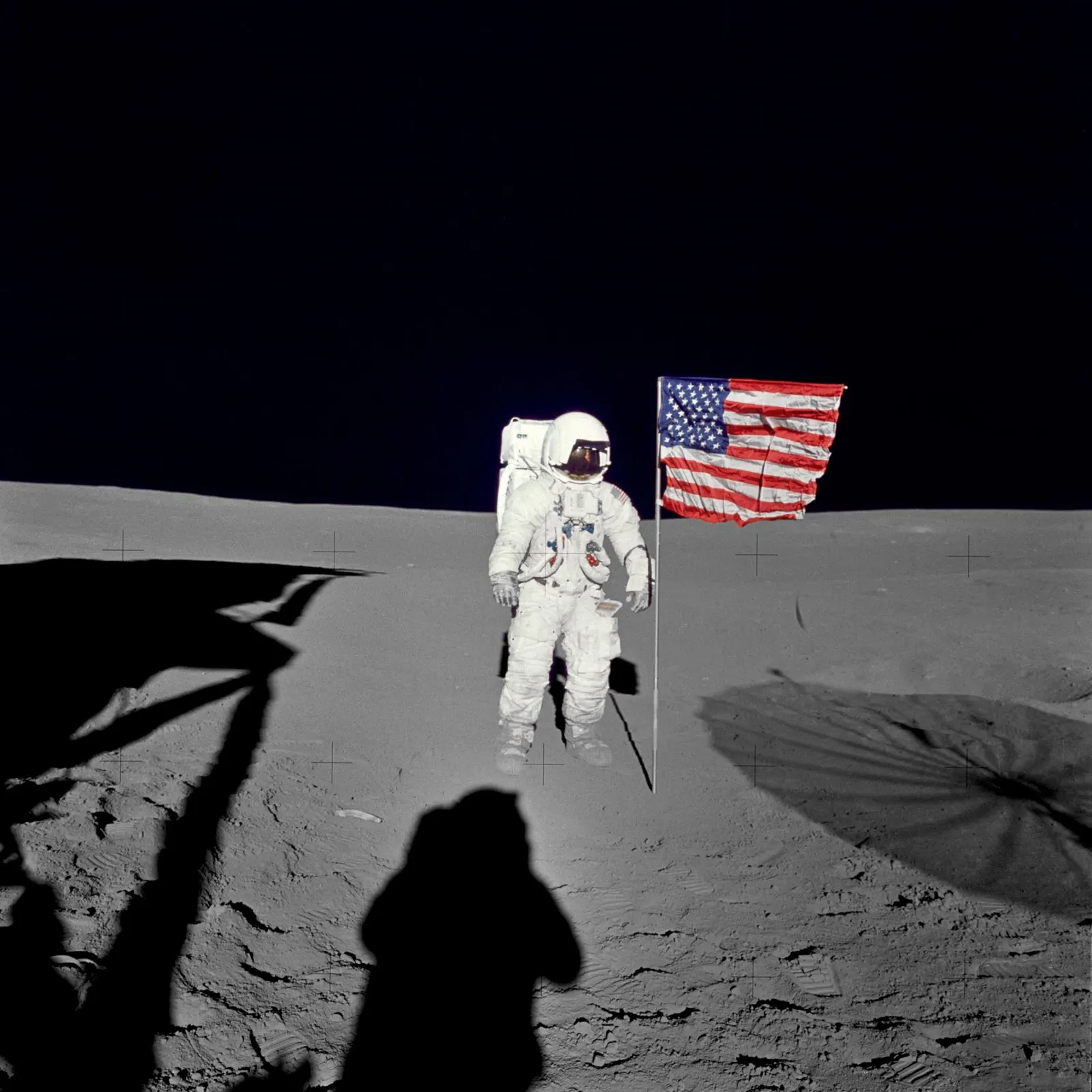
First American in space. Walked on the Moon during Apollo 14 and famously hit golf balls on the lunar surface.
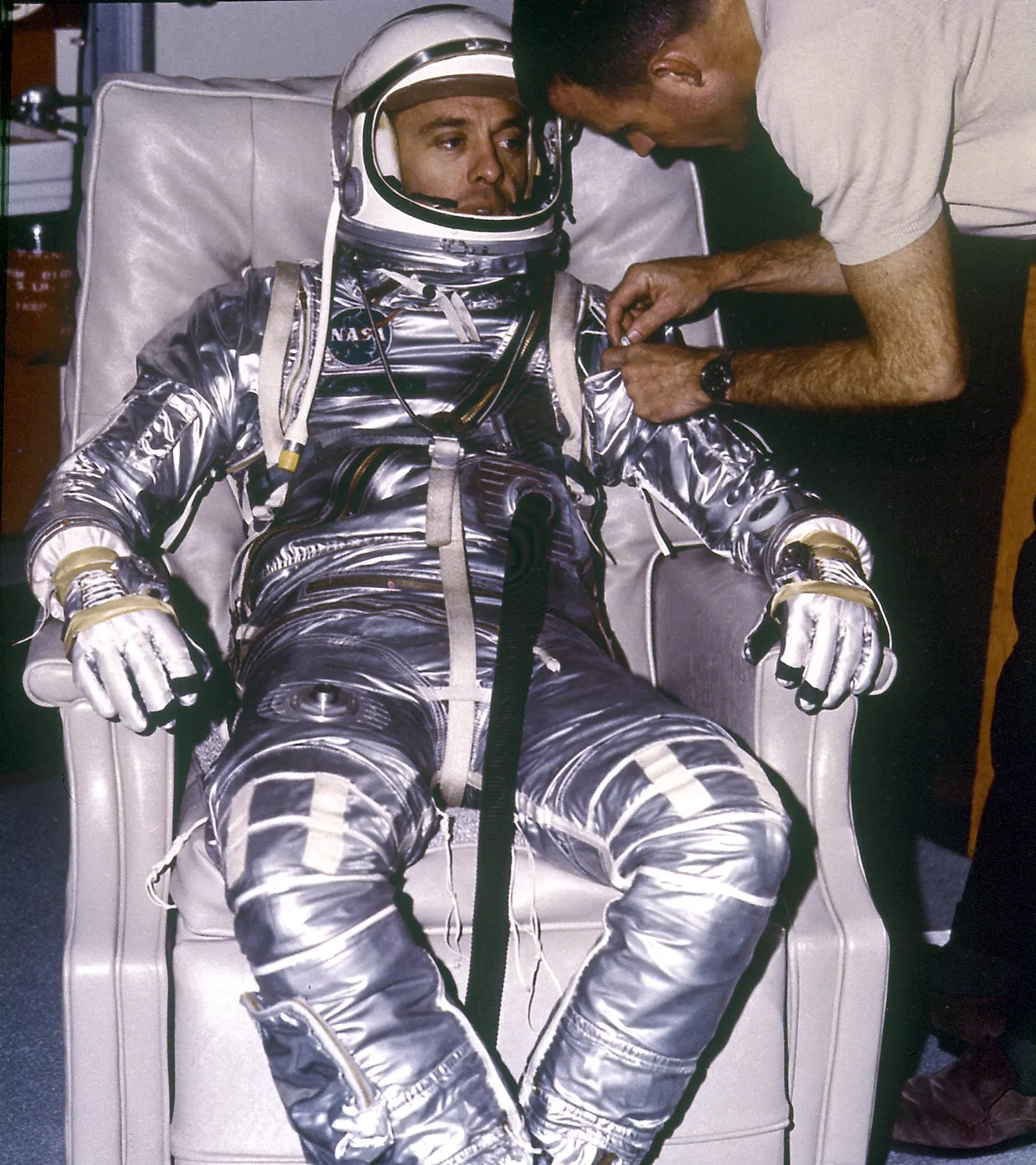
Before NASAU.S. Navy test pilot who flew F4U Corsairs and tested experimental aircraft at Patuxent River before joining the Mercury Seven in 1959.
Life & career
Alan Bartlett Shepard Jr. was born on 18 November 1923 in Derry, New Hampshire, into an old New England family. He earned a Bachelor of Science from the U.S. Naval Academy in 1944 and served aboard a destroyer in the closing months of the Second World War before earning his naval aviator wings. A gifted and famously competitive pilot, he graduated from the Naval Test Pilot School at Patuxent River and flew experimental aircraft, logging thousands of hours as a test pilot. In 1959 NASA selected him as one of the Mercury Seven, the original American astronauts, and from that group he was chosen to make the very first crewed flight.
On 5 May 1961, Shepard rode a Mercury-Redstone rocket into space aboard the capsule he named Freedom 7, becoming the first American in space. The flight was suborbital, lasting about fifteen minutes and reaching an altitude of roughly 187 kilometres before splashing down in the Atlantic — a shorter journey than Gagarin's orbital flight three weeks earlier, but a decisive demonstration that the United States could put a human in space and recover him. Shepard's career was then interrupted by Ménière's disease, an inner-ear disorder that grounded him in the mid-1960s and threatened to end his flying days. Surgery corrected the condition, and he returned to flight status to command Apollo 14 in 1971. Launching on 31 January and returning to Earth on 9 February, the mission set down in the Fra Mauro highlands, and Shepard, at 47, became the fifth person to walk on the Moon and the only one of the Mercury Seven to do so. During the second of his two moonwalks he improvised a golf club from a sample-collection tool and hit two golf balls across the lunar surface, a moment that became one of the most famous of the Apollo era.
Across his two flights Shepard logged nearly 217 hours in space and about nine hours of lunar surface activity. He was awarded the Congressional Space Medal of Honor and served as Chief of the Astronaut Office at NASA, mentoring the astronauts who followed. After retiring he became a successful businessman in banking and real estate, and he helped found the Mercury Seven Foundation (later the Astronaut Scholarship Foundation) to fund science and engineering students. In 1994 he co-authored the memoir "Moon Shot," a firsthand account of America's race to the Moon. Shepard died of leukemia on 21 July 1998 at the age of 74; his wife of more than five decades, Louise, died just weeks later. He is remembered as the steely, driven pilot who opened America's human spaceflight program and, a decade later, planted his own bootprints on another world.
Records & Firsts
Notable accomplishments by Alan Shepard
- First American in space (May 5, 1961)
- Fifth person to walk on the Moon (Apollo 14)
- Only Mercury Seven astronaut to walk on the Moon
Mission Timeline
- Pilot
Mercury capsule
Mercury-Redstone 3 (Freedom 7)
Launch: May 5, 1961Landing: May 5, 1961Duration: 1 day- First American in space
- Suborbital flight
- Commander
Apollo CSM/LM
Apollo 14
Launch: Jan 31, 1971Landing: Feb 9, 1971Duration: 9 days- Walked on the Moon
- Hit two golf balls on the lunar surface
Beyond the Mission
Hobbies & Interests
golfsailingice skating
Causes They Champion
Mercury Seven Foundation scholarships for science students
Languages
English
Awards & Honors
- Congressional Space Medal of Honor
- NASA Distinguished Service Medal
- Navy Distinguished Service Medal
- Langley Gold Medal
Authored
- Moon Shot: The Inside Story of America's Race to the Moon(1994)· Turner Publishing
Fun fact
He hit two golf balls on the lunar surface during Apollo 14 using a makeshift six-iron head attached to a sample collection tool.
Learn More
More Astronauts
Other space travelers from NASA