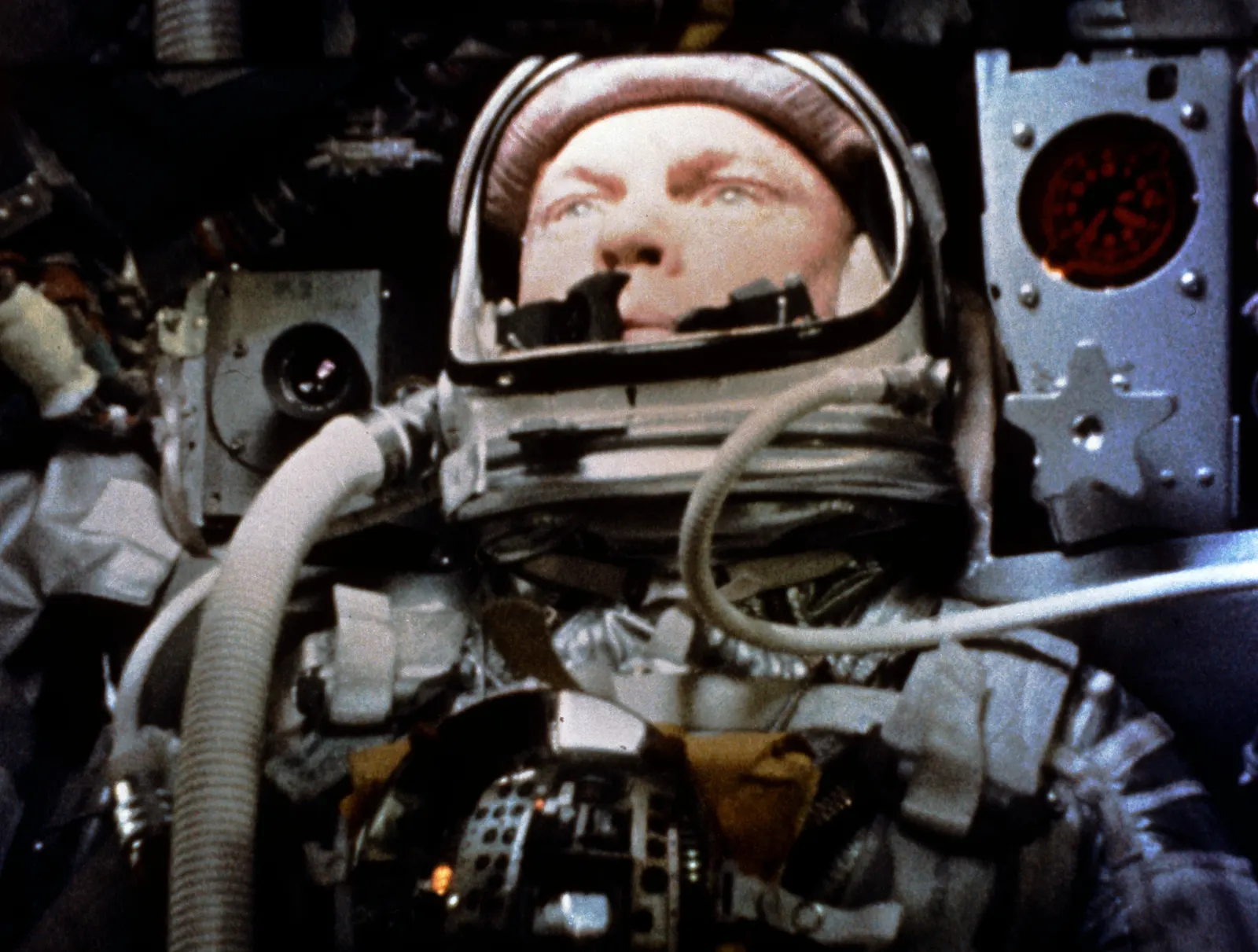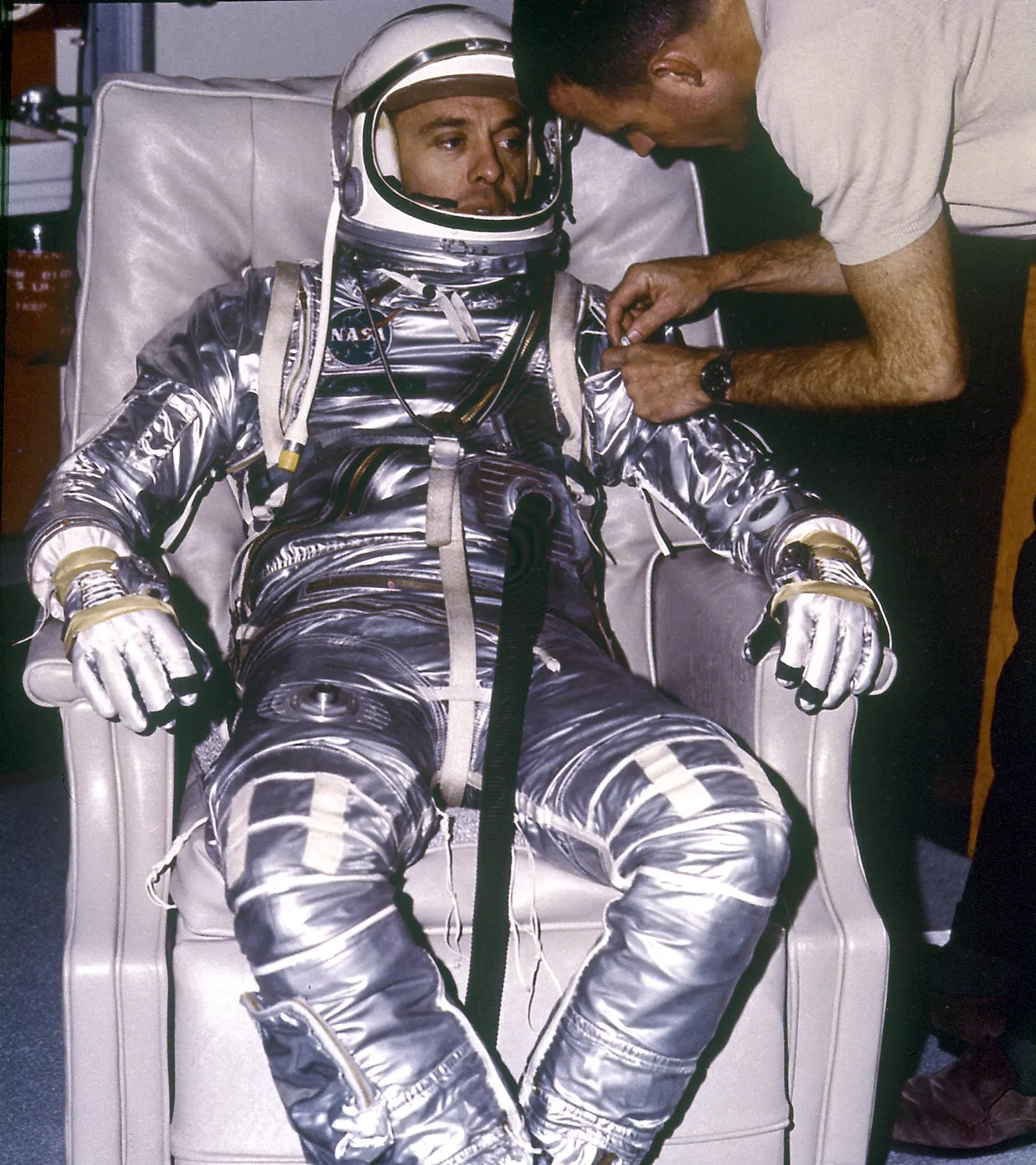
Image: NASA
Mercury-Redstone 3 (Freedom 7)
Mission Profile
| Launch date | 1961-05-05 |
|---|---|
| Launch site | Cape Canaveral Air Force Station Launch Complex 5 (LC-5), Florida |
| Launch vehicle | Mercury-Redstone Launch Vehicle (MR-7) |
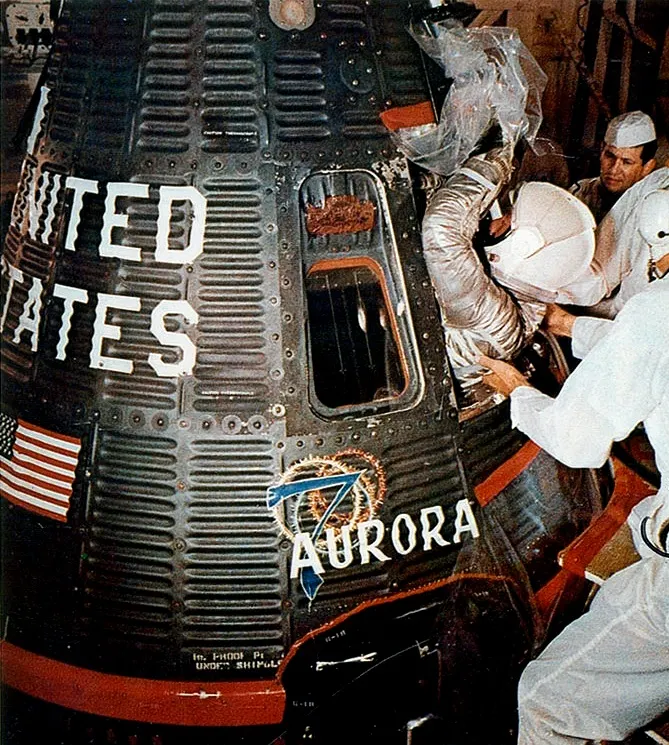
| Spacecraft | Mercury capsule No. 7 (Freedom 7) |
| Target | Low Earth Orbit |
| Type | Crewed |
| End date | 1961-05-05 |
| Recovery | USS Lake Champlain (CVS-39), Atlantic Ocean |
| Mass | 1,832 kg (4,040 lb) at launch |
| Duration | 15 minutes, 28 seconds |
Overview
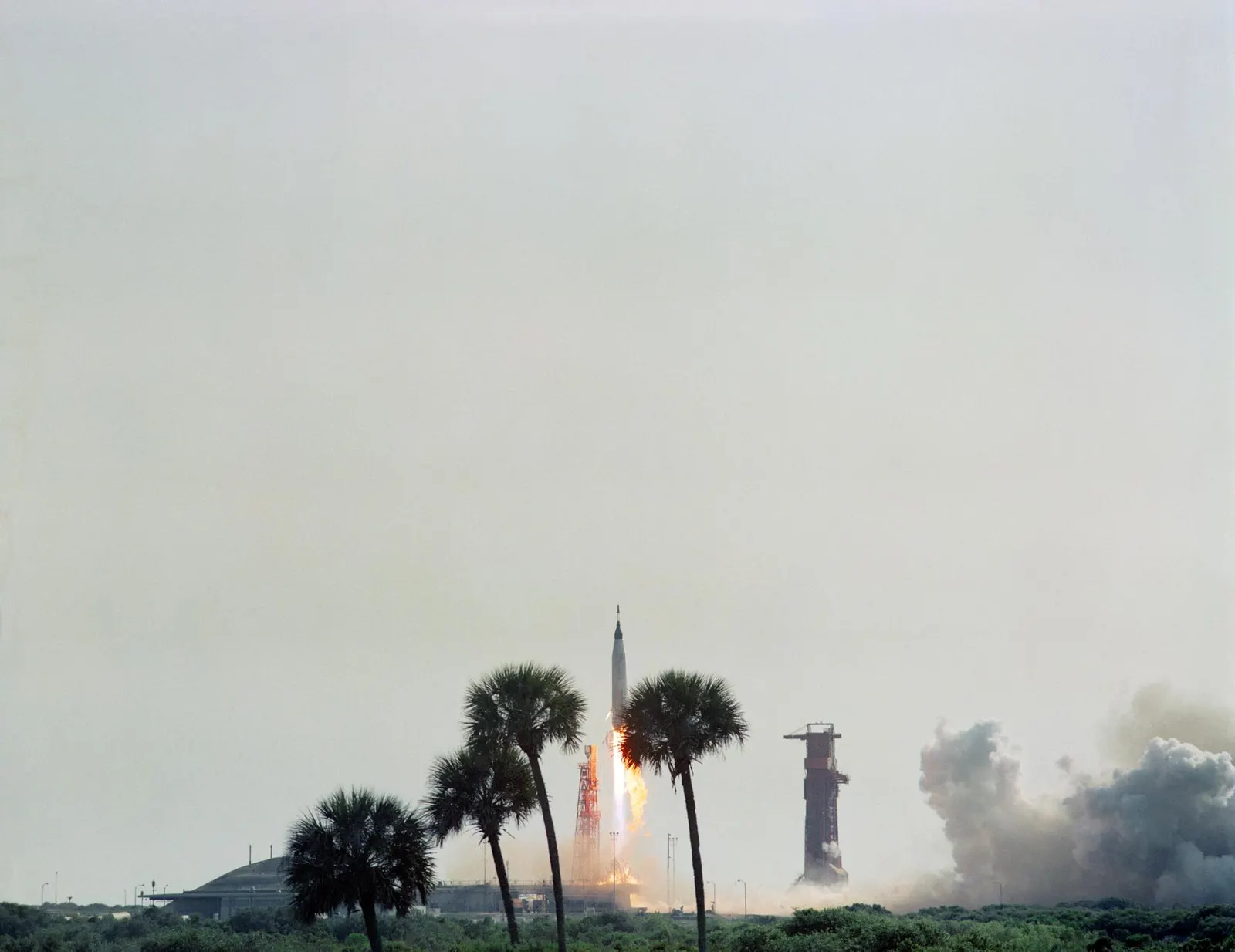
Twenty-three days after Yuri Gagarin orbited the Earth, Alan Shepard answered for the United States. At 9:34 a.m. EST on May 5, 1961, after holds for weather and a balky power inverter had kept him strapped in for over four hours, Shepard's Redstone booster lifted Freedom 7 off Launch Complex 5 at Cape Canaveral. The flight was suborbital and brief — 15 minutes and 28 seconds from liftoff to splashdown — but it carried the first American into space. Freedom 7 arced to an apogee of 116.5 statute miles (187.5 km) and covered 303 statute miles downrange at a peak velocity of 5,134 mph. Unlike Gagarin, who rode an automated spacecraft, Shepard took manual control of Freedom 7's attitude in all three axes, becoming the first person to actively pilot a vehicle in space. He endured up to 11 g during reentry before the capsule splashed down in the Atlantic, where a helicopter delivered astronaut and spacecraft to the carrier USS Lake Champlain within minutes. Broadcast live to an anxious nation, the flight restored American confidence after a string of Soviet firsts — and twenty days later, President Kennedy stood before Congress and committed the United States to landing a man on the Moon.
Crew
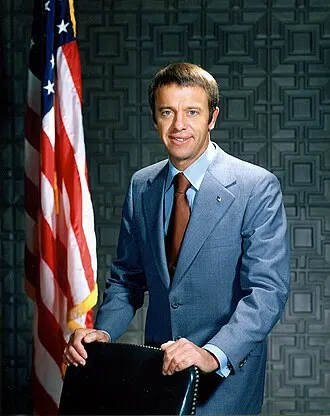
Alan Shepard
Pilot
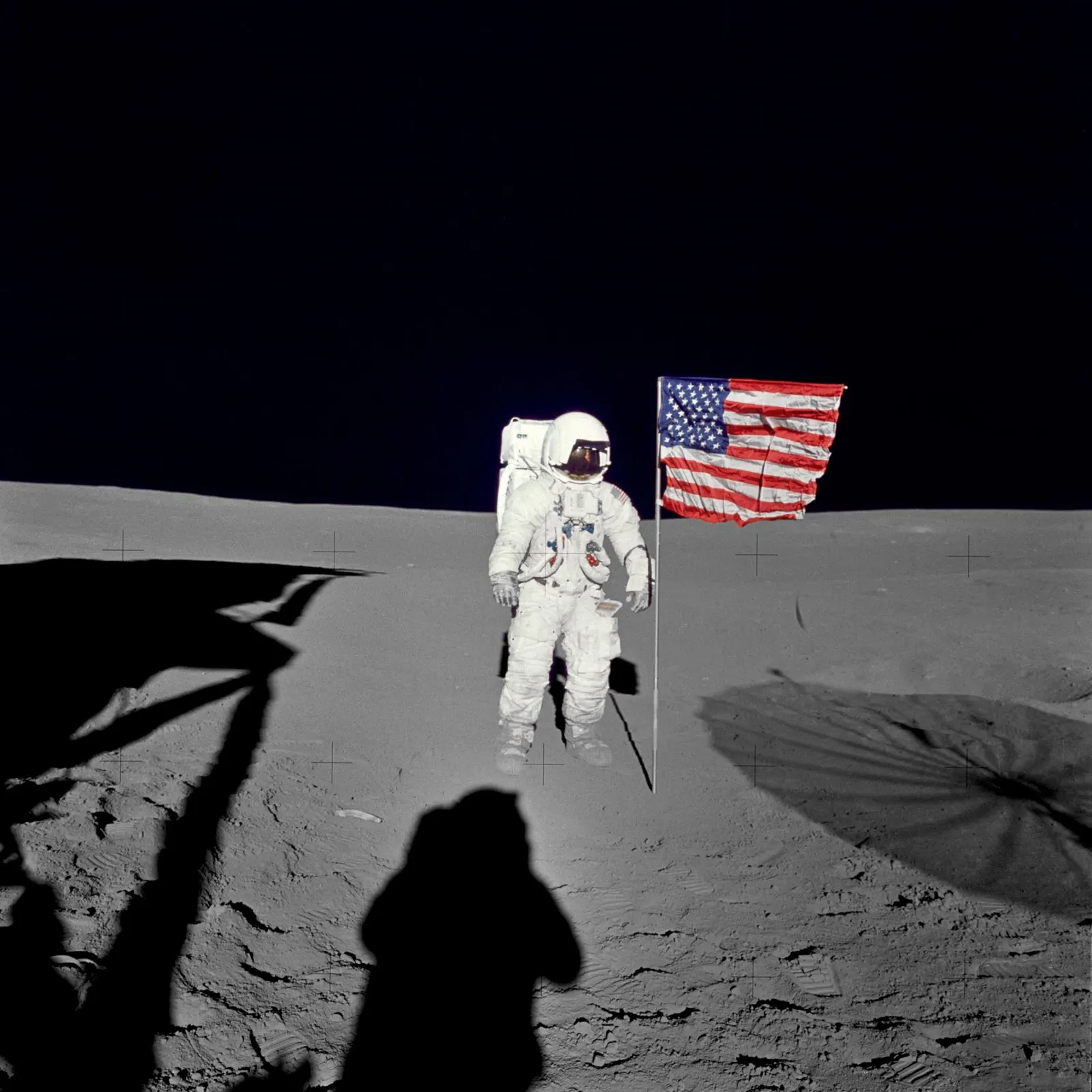
First American in space; one of the Mercury Seven. Later commanded Apollo 14 and walked on the Moon in 1971.
Key Milestones
1961-05-05
Liftoff from Cape Canaveral LC-5 at 9:34 a.m. EST (14:34:13 UTC) atop Redstone MR-7
1961-05-05
Shepard takes manual attitude control in pitch, yaw, and roll — the first human to pilot a spacecraft
1961-05-05
Freedom 7 reaches apogee of 116.5 statute miles (187.5 km)
1961-05-05
Reentry subjects Shepard to a peak of 11 g
1961-05-05
Splashdown in the Atlantic 303 miles downrange at 14:49 UTC; helicopter recovery to USS Lake Champlain
Key Achievements
Carried the first American, Alan Shepard, into space
First spaceflight in which the pilot manually controlled the spacecraft's attitude
Validated the Mercury capsule, life-support, and ocean-recovery systems with a crew aboard
Demonstrated human performance under launch and reentry loads up to 11 g
Set the stage for President Kennedy's May 25, 1961 commitment to a lunar landing
Legacy & Significance
Freedom 7 transformed the American space program from a string of frustrations into a national crusade. Though it lasted barely a quarter of an hour and never reached orbit, the flight proved that an astronaut could function as a pilot rather than a passenger — a philosophy that shaped every American spacecraft that followed. Its success gave President Kennedy the confidence, less than three weeks later, to commit the nation to landing on the Moon before the decade was out, making Shepard's fifteen minutes arguably the most consequential quarter-hour in NASA history.