All Astronauts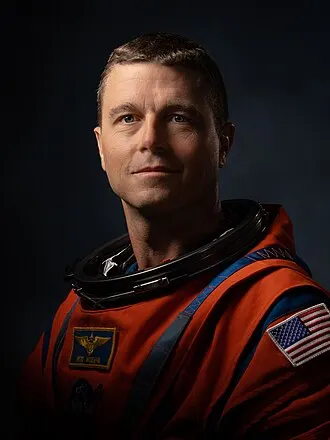 LEGENDActiveNASA
LEGENDActiveNASANASA·🇺🇸 United States·Born 1975
Reid Wiseman
First commander of a lunar mission since Gene Cernan on Apollo 17 (1972)
184d
Days in Space
2
Missions
2
EVAs
13h
EVA Time
Only one chance in this lifetime.
Inspirations
What they aspire to
To help return humanity to the Moon and lay the groundwork for the first crewed mission to Mars.
Biography
Commander of Artemis II, the first crewed lunar mission since Apollo 17. Veteran of ISS Expedition 40/41 and U.S. Navy test pilot.
Before NASAU.S. Navy fighter pilot and test pilot who flew F/A-18 Super Hornets from the USS Theodore Roosevelt before joining NASA in 2009.
Life & career
Gregory Reid Wiseman was born on 11 November 1975 in Baltimore, Maryland. He earned a Bachelor of Science in computer and systems engineering from Rensselaer Polytechnic Institute in 1997 and was commissioned as a U.S. Navy officer, earning his wings as a naval aviator in 1999. Wiseman flew the F/A-18 Hornet and Super Hornet operationally, deploying aboard aircraft carriers including the USS Theodore Roosevelt, and later graduated from and served as a test pilot at Naval Air Station Patuxent River, adding a Master of Science in systems engineering from Johns Hopkins University in 2006. NASA selected him for its astronaut class of 2009, drawing on the elite test-pilot pedigree that has long fed the corps.
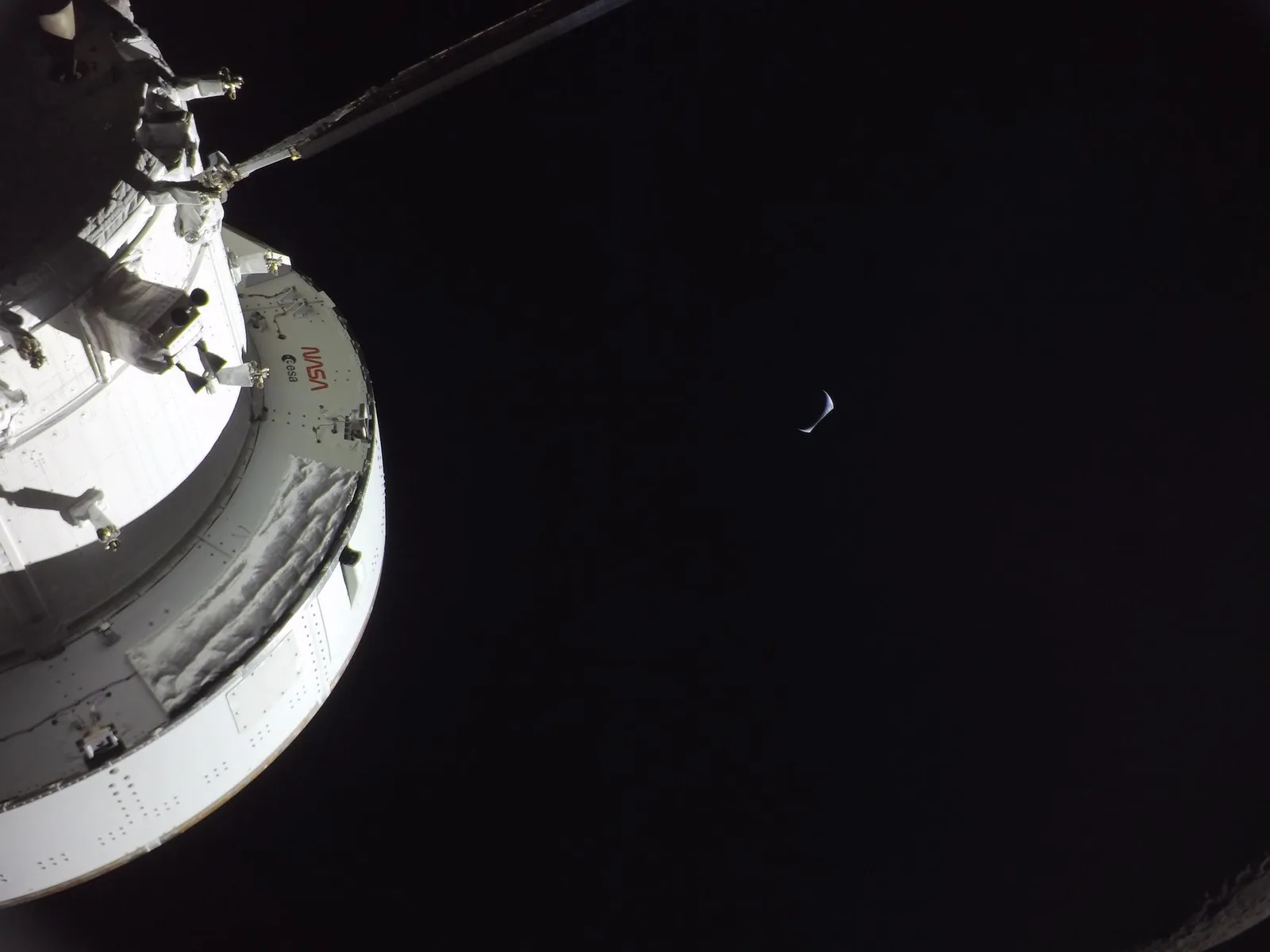
Wiseman has flown twice. His first mission was ISS Expedition 40/41, launching on Soyuz TMA-13M on 28 May 2014 for a 166-day stay as a flight engineer; during that increment he conducted two spacewalks totaling roughly 13 hours and became one of the first astronauts to share the everyday texture of orbital life with the public through short Vine videos, offering six-second glimpses of life in space. After his return in November 2014, he rose through the leadership of the Astronaut Office, serving as its chief from 2020 to 2022. His second flight is his most historic: as commander of Artemis II, launched in April 2026, he led the first crewed lunar mission since Apollo 17 in 1972. Over roughly ten days, the Orion spacecraft and its four-person crew looped around the Moon and back, and Wiseman became the first commander of a lunar mission since Gene Cernan. During the flight the Artemis II crew broke Apollo 13's 1970 mark for the farthest distance humans have ever traveled from Earth, reaching about 252,700 miles.
Wiseman's significance rests on that bridge between eras—commanding the flight that reopened human deep-space travel after a half-century pause and helping validate the Orion crew vehicle for the missions meant to return astronauts to the lunar surface. A decorated officer whose honors include the Defense Superior Service Medal and the NASA Spaceflight Medal, he is an active NASA astronaut and a visible advocate for STEM education and for military and veteran families, drawing on his own path from a Maryland childhood to lunar command. Sharing a cell-phone video of "Earthset" during the flyby, he called it "only one chance in this lifetime," and his command of Artemis II now anchors NASA's roadmap toward a sustained human return to the Moon and, eventually, Mars.
Records & Firsts
Notable accomplishments by Reid Wiseman
- First commander of a lunar mission since Gene Cernan on Apollo 17 (1972)
- Among the humans who traveled farthest from Earth (Artemis II, 2026)
Mission Timeline
- Flight Engineer
Soyuz TMA-13M
Expedition 40/41
Launch: May 28, 2014Landing: Nov 10, 2014Duration: 166 days- Two EVAs totaling ~13 hours
- Commander
Orion / SLS
Artemis II
Launch: Apr 1, 2026Landing: Apr 11, 2026Duration: 10 days- First crewed lunar mission since Apollo 17 (1972)
- First lunar mission commander since Gene Cernan
Don't just read it — fly it
Relive Reid's missions
Step into the missions Reid Wiseman flew — chapter by chapter, from ignition to splashdown.
Beyond the Mission
Hobbies & Interests
runningfishingspending time with his daughters
Causes They Champion
STEM education outreachVeteran and military family support
Languages
EnglishRussian
Awards & Honors
- Defense Superior Service Medal
- NASA Spaceflight Medal
- Navy Strike/Flight Air Medal
Fun fact
During his ISS Expedition 40/41 stay he became one of the first astronauts to consistently share Vine videos from orbit, giving the public six-second glimpses of life in space.
Learn More
More Astronauts
Other space travelers from NASA
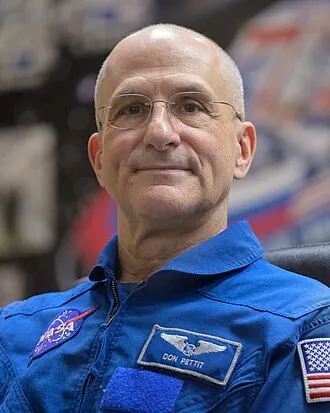
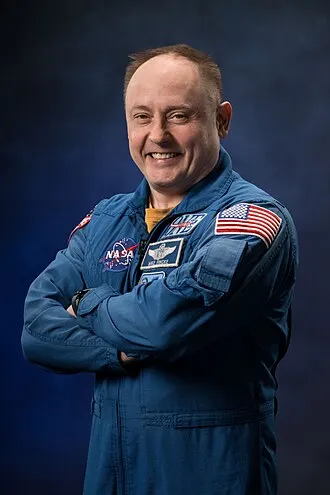
Continue your journey
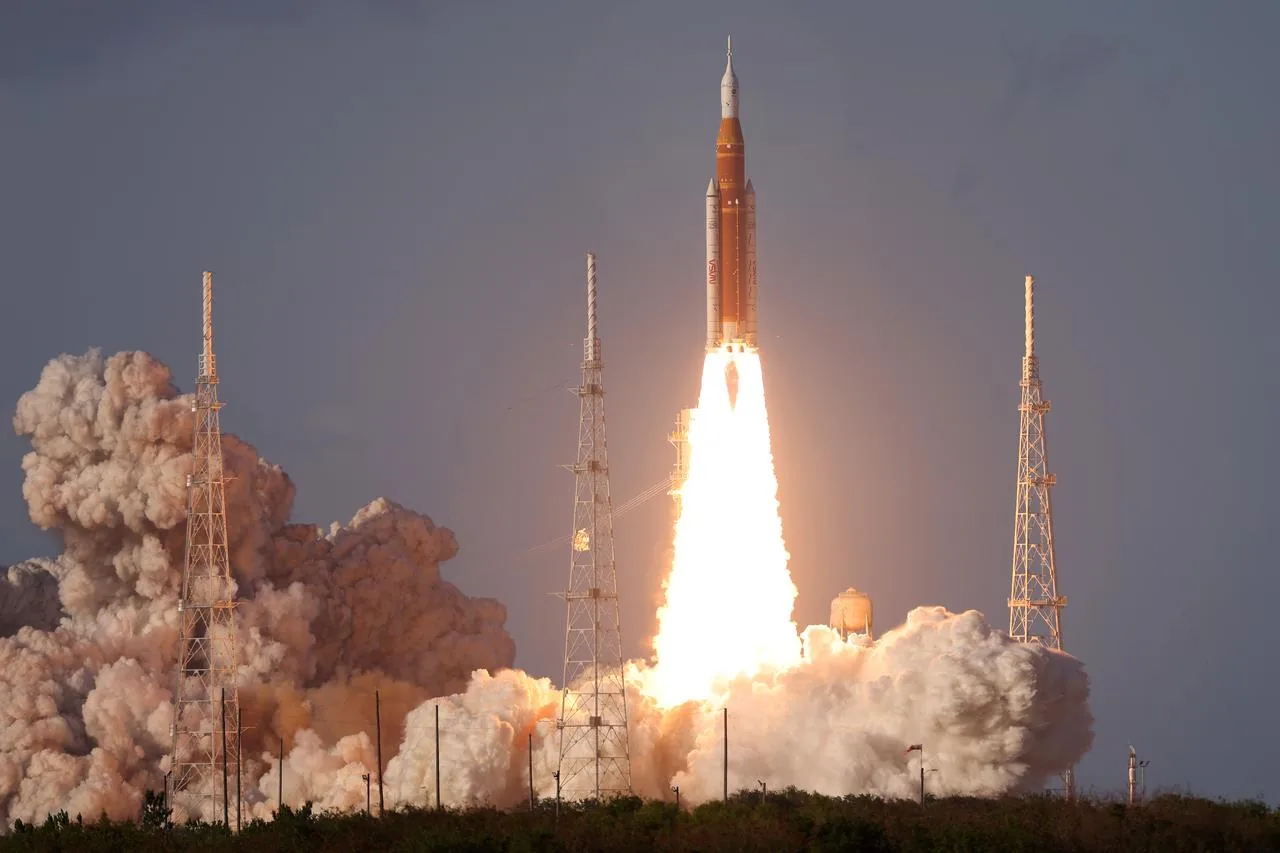
Connected crew
Moment
Artemis II — first crewed lunar flight since 1972
Connected crew

Connected crew
Moment
Artemis II sets new farthest-from-Earth crewed-flight record
Connected crew
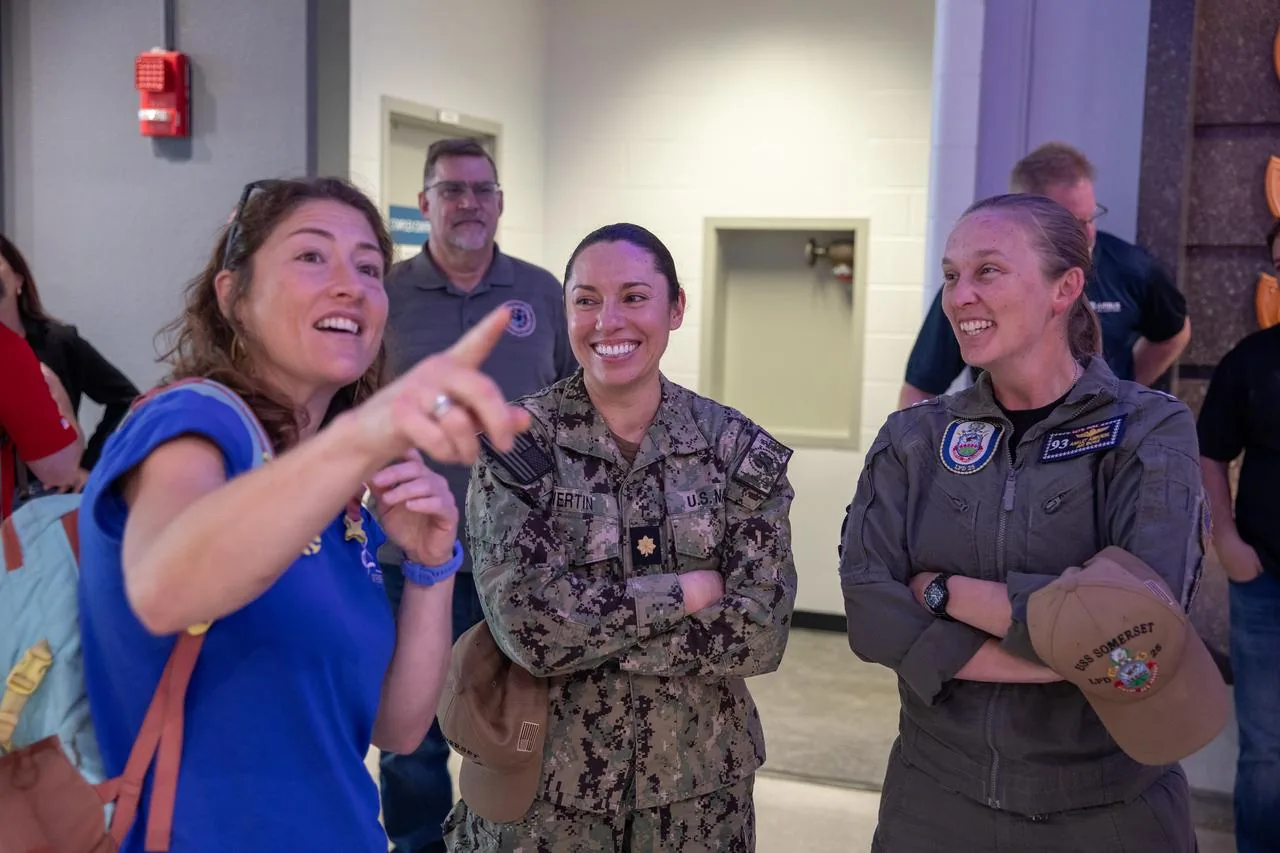
One of their missions
Mission
Artemis II
One of their missions
One of their missions
Mission
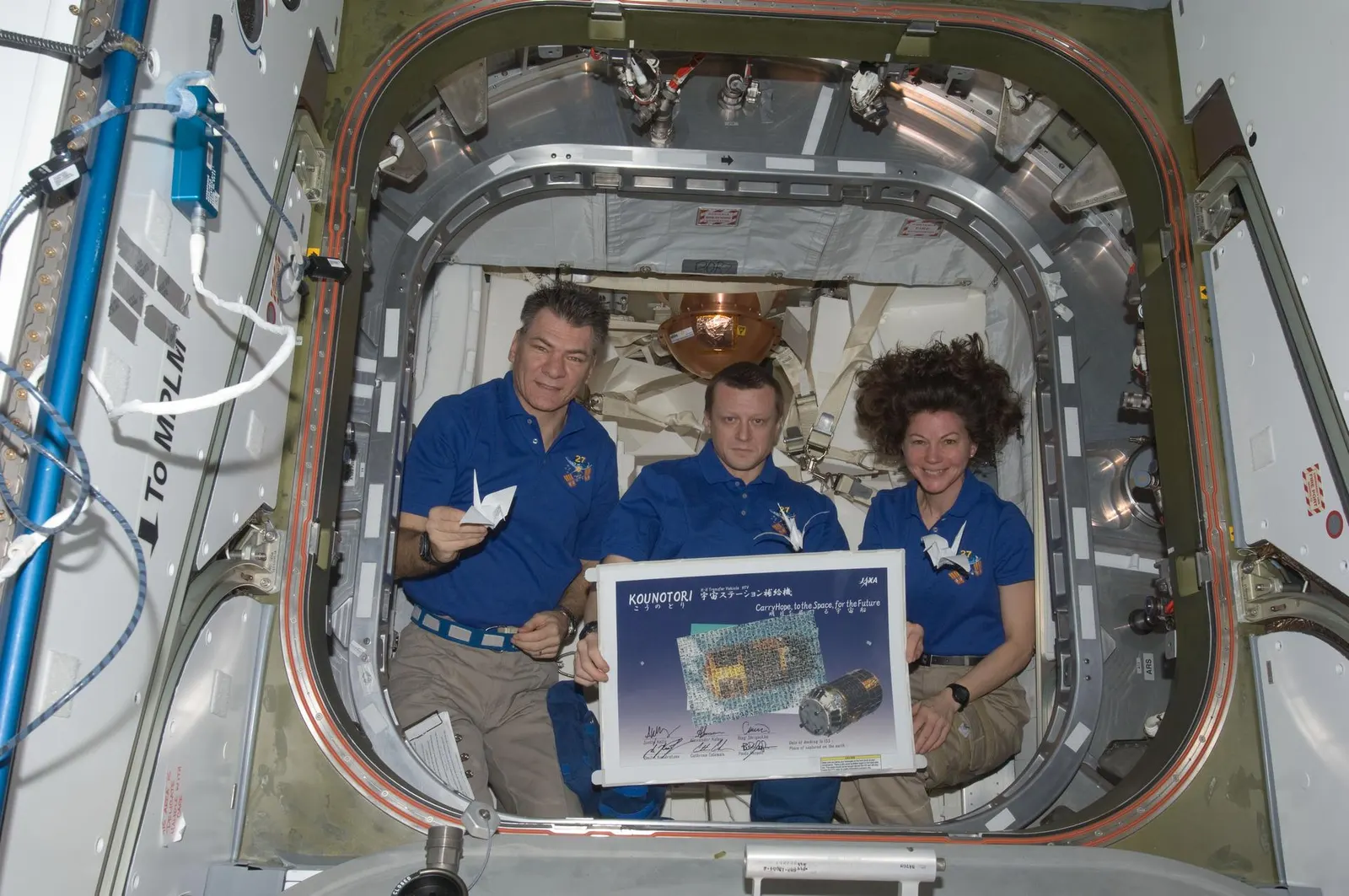
ISS Expedition 40/41
One of their missions
The full story
Story
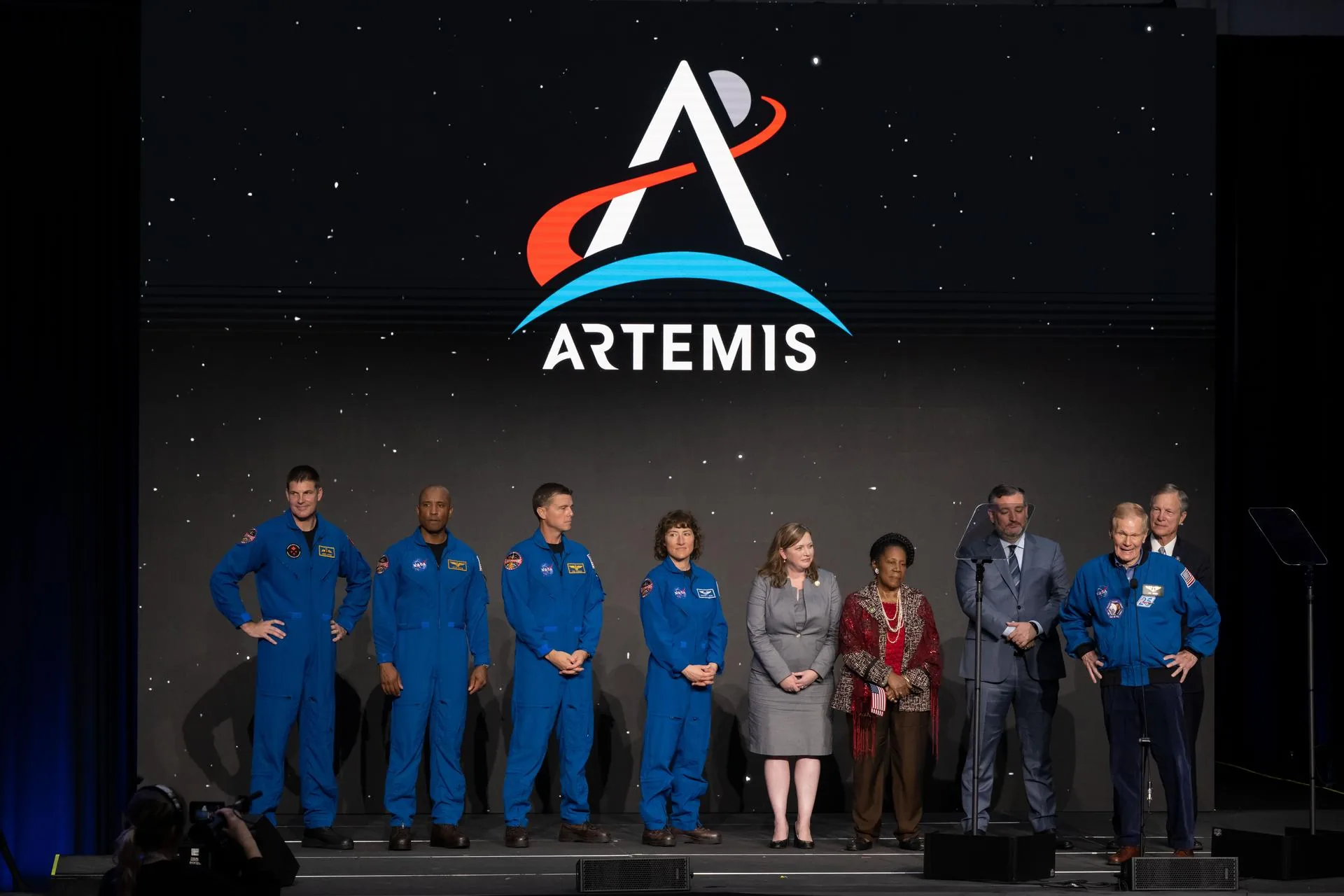
Artemis II: The First Crewed Moon Mission in 50 Years
The full story
The full story
Story
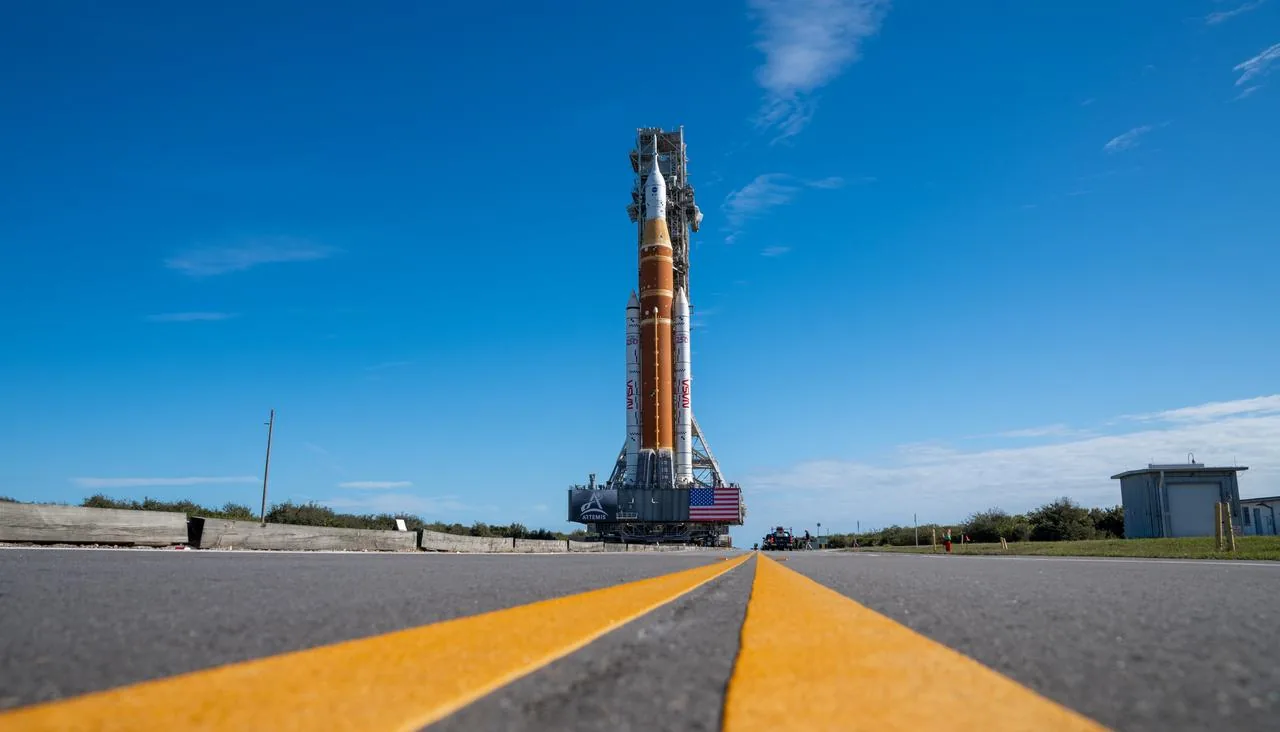
Artemis II Launch Day: Countdown to Humanity's Return to the Moon
The full story