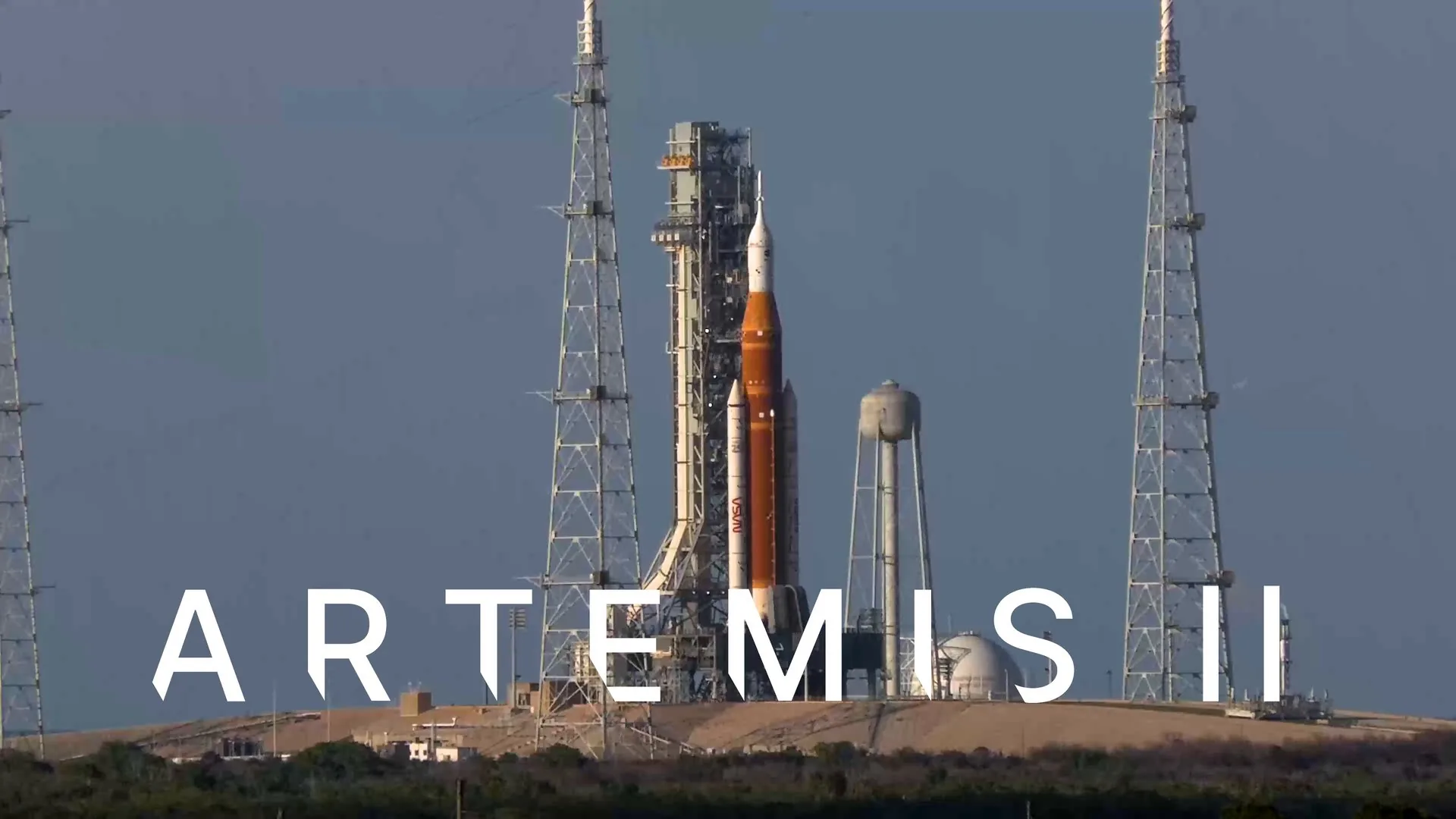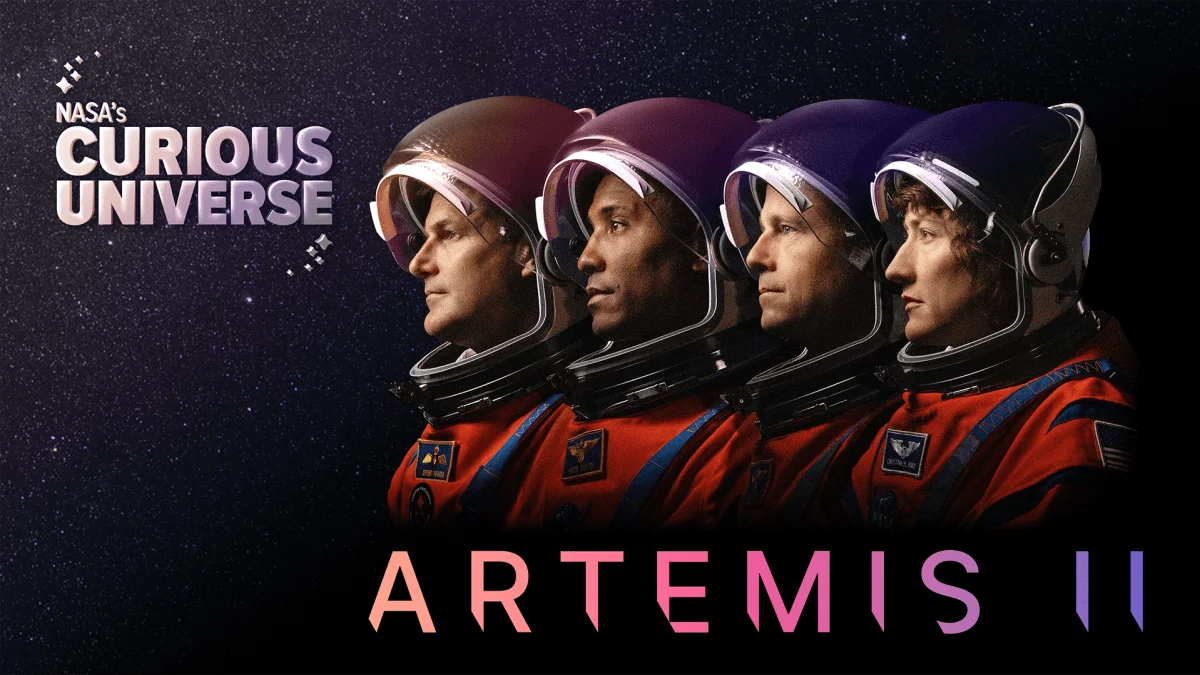
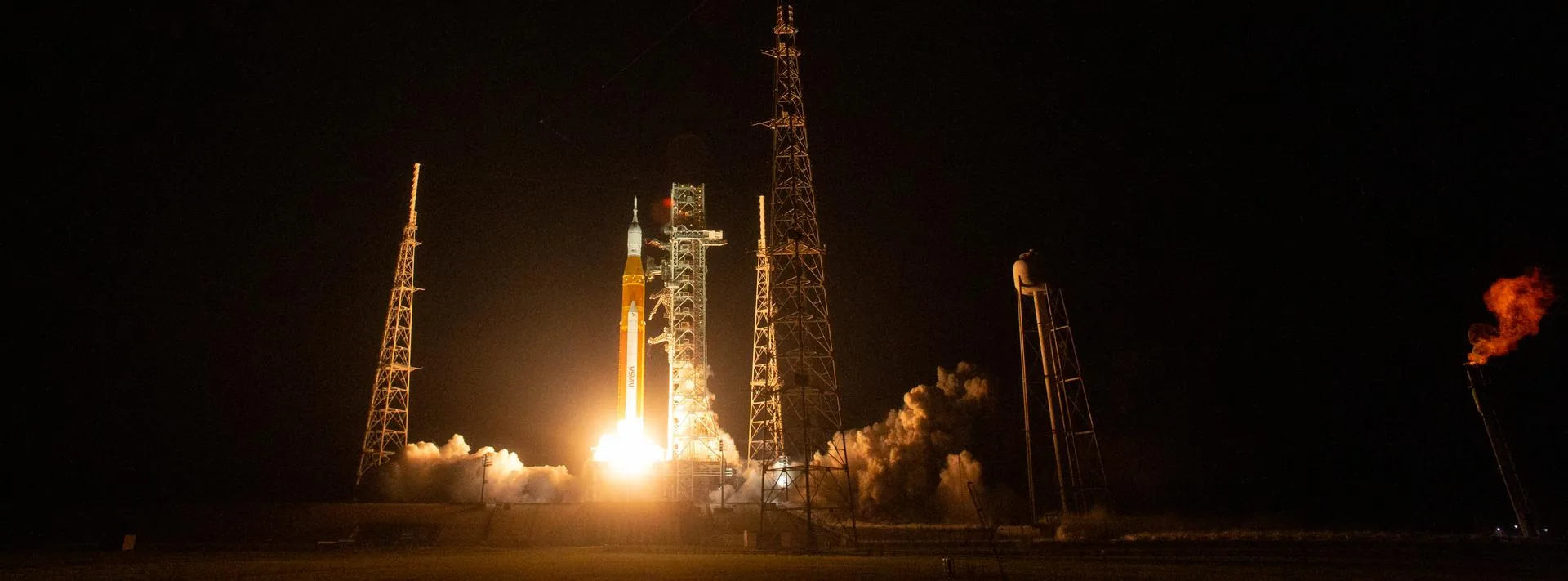
In late 2025, four astronauts climbed into the Orion spacecraft atop the most powerful rocket ever flown, lit 8.8 million pounds of thrust, and began a journey no human had made since 1972. Artemis II is not just another mission — it is the moment humanity returned to deep space, flying farther from Earth than any crewed vehicle in over half a century. Here is everything you need to know about the mission, the crew, the spacecraft, and what it means for the future of lunar exploration.
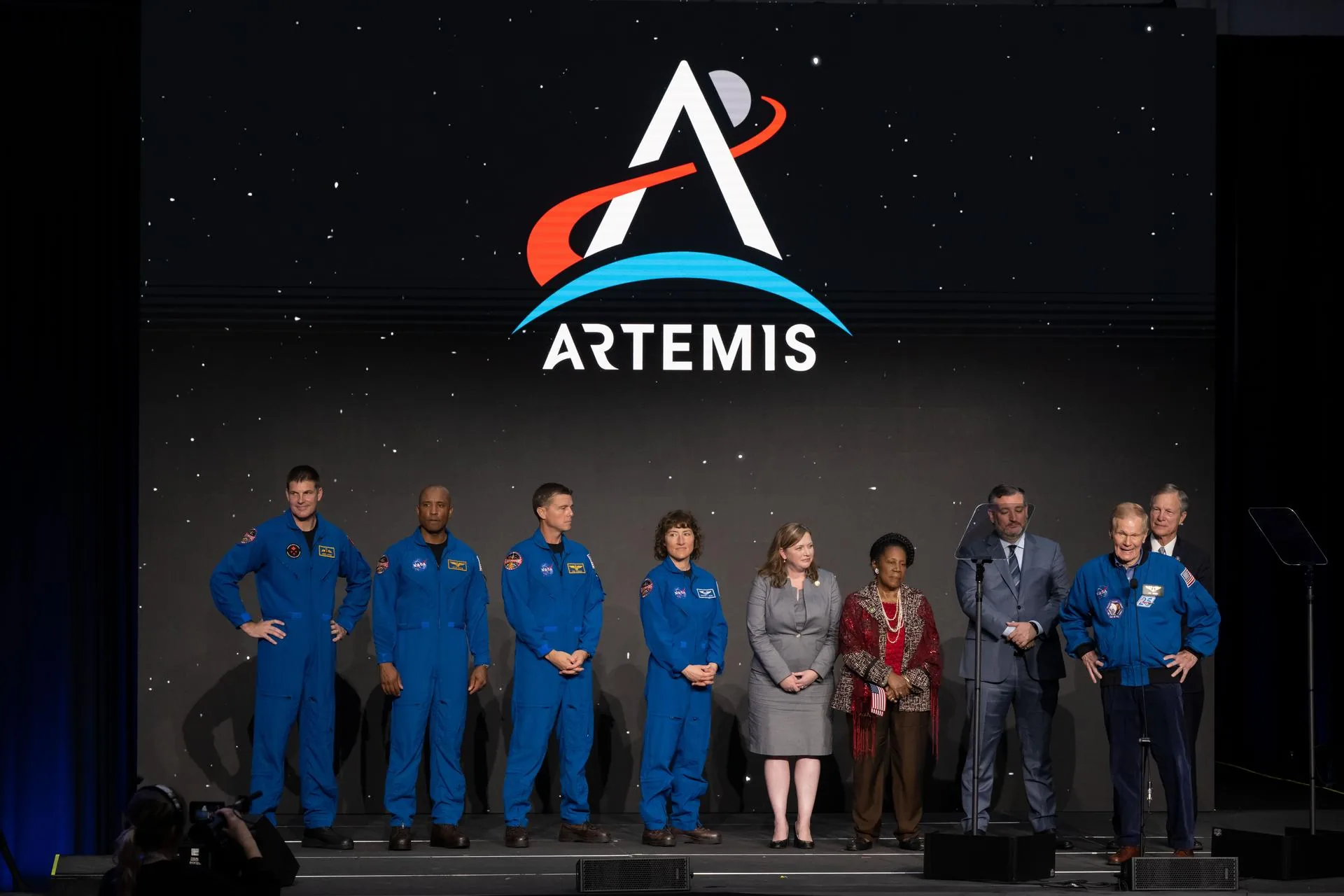
The Mission: A 10-Day Lunar Flyby
Artemis II is a lunar flyby mission — the crew will travel approximately 400,000 kilometers to the Moon, loop around its far side, and return to Earth. Unlike Apollo missions that entered lunar orbit, Artemis II follows a free-return trajectory: a figure-eight path that uses the Moon's gravity to sling the spacecraft back toward Earth. This trajectory is both a test of the spacecraft's deep-space systems and a deliberate safety measure — if critical systems fail, the crew is already on a path home.
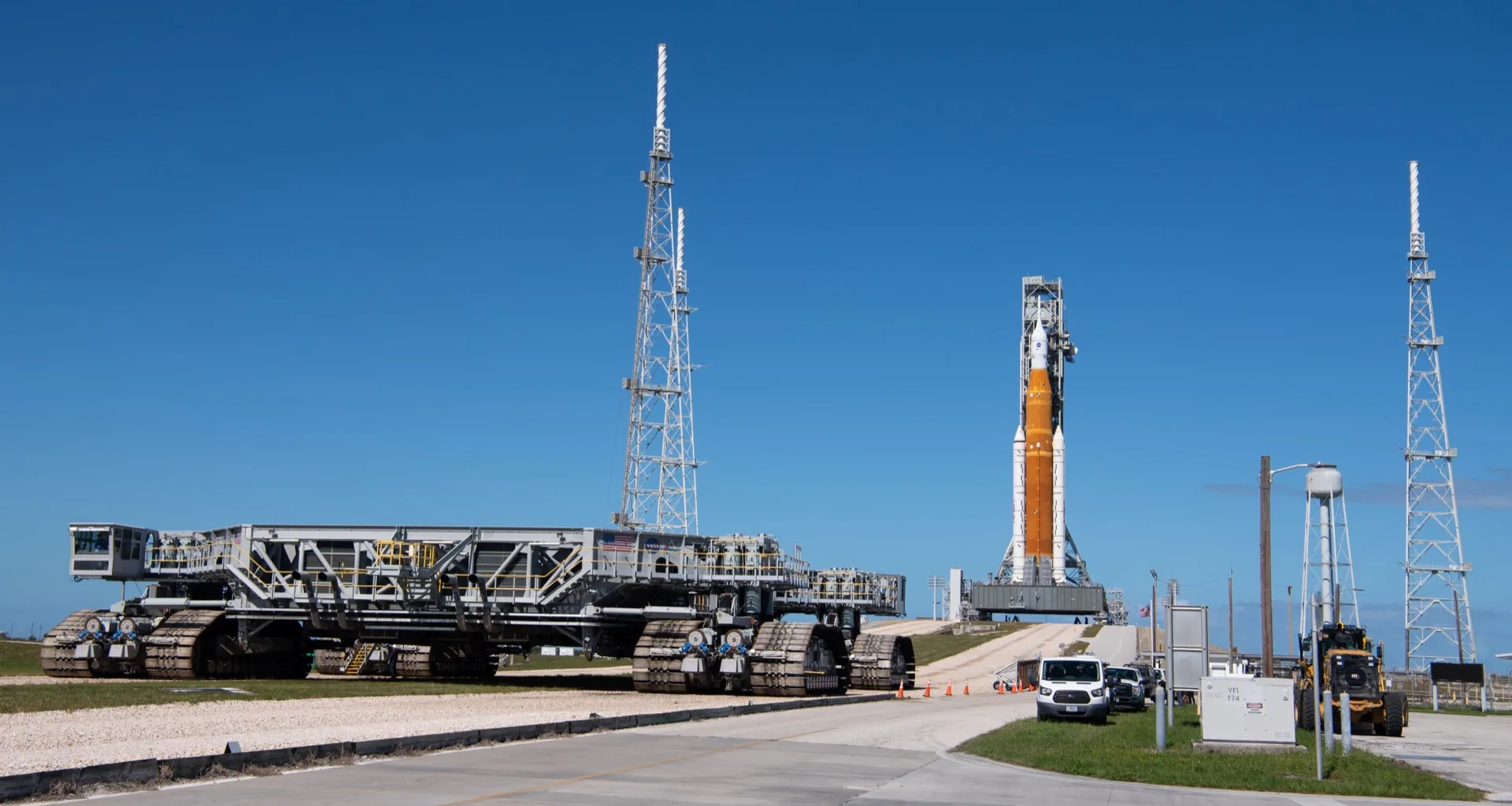
The mission profile spans roughly 10 days from launch to splashdown in the Pacific Ocean. After launch from Kennedy Space Center's Launch Complex 39B aboard the Space Launch System (SLS) rocket, the crew will spend approximately two days in Earth orbit checking out Orion's systems. They will then perform a trans-lunar injection burn, sending them on a four-day coast to the Moon. The spacecraft will pass approximately 8,900 kilometers above the lunar far side — giving the crew a view no humans have seen since the Apollo 17 crew in December 1972.
During the far-side flyby, the crew will lose communication with Earth for approximately 20 minutes as the Moon blocks all radio signals. For that window, the four astronauts will be the most isolated humans in history.
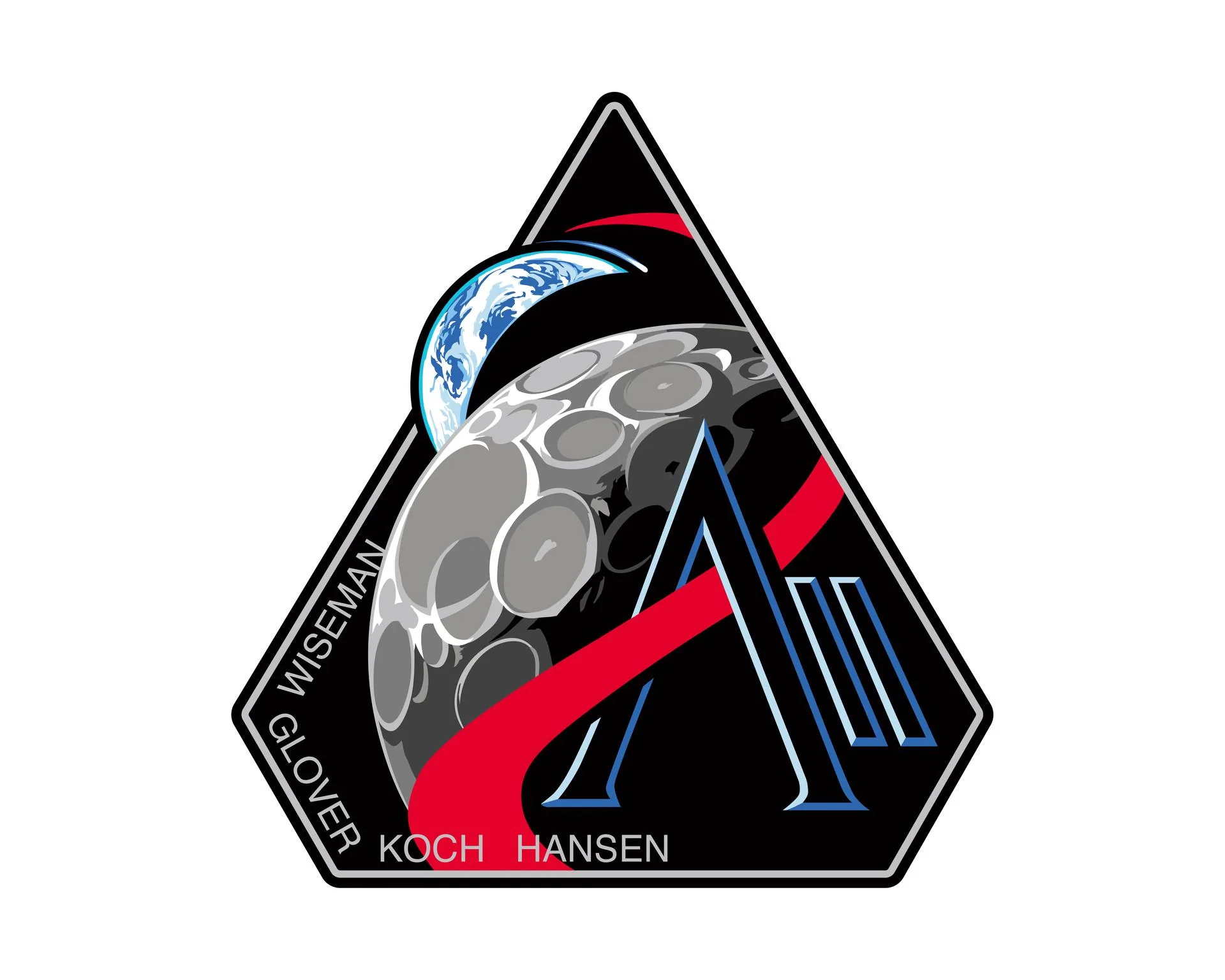
The Crew: Four Astronauts Making History
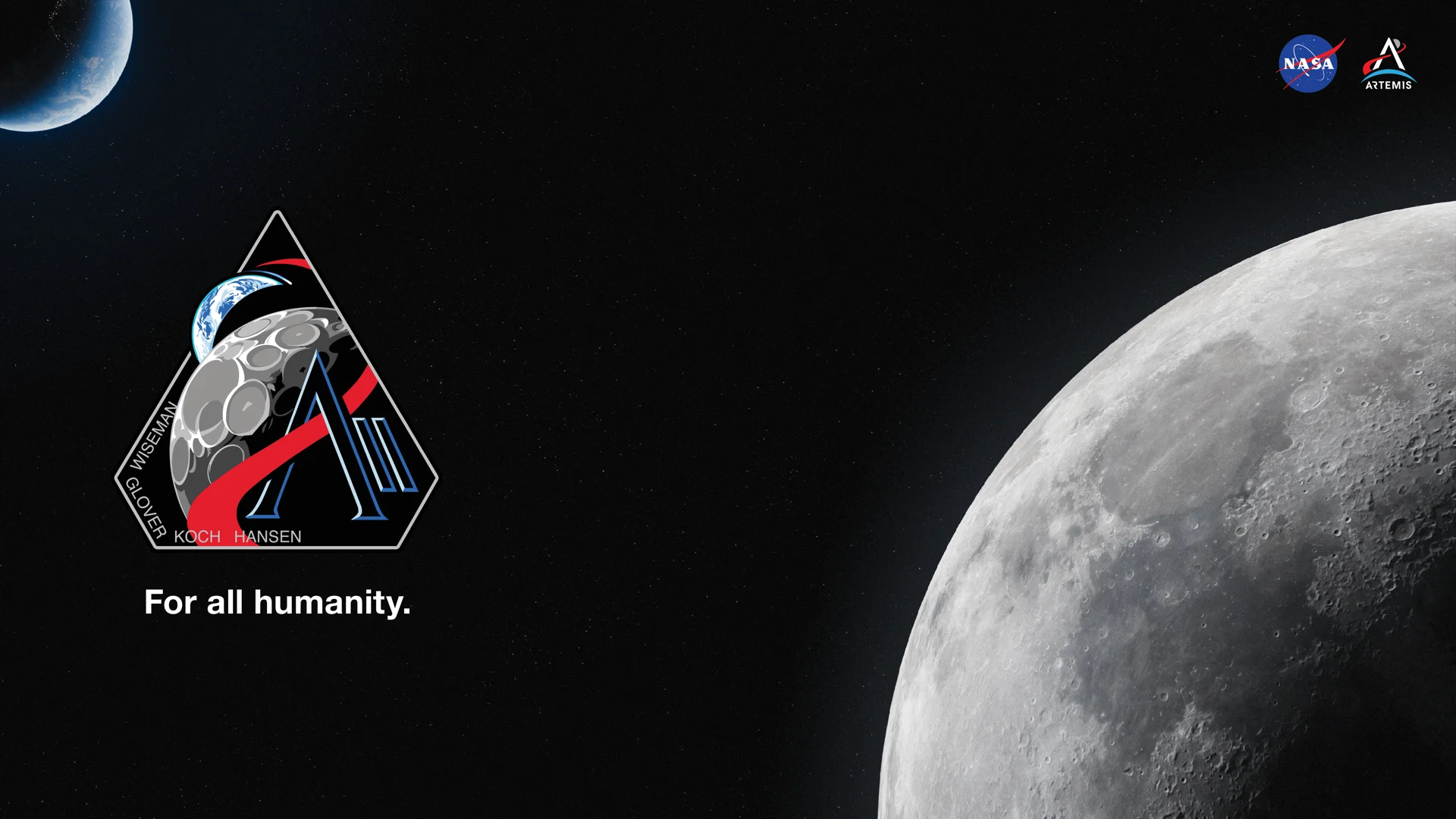
Artemis II carries a crew of four, each bringing a unique background to the mission:
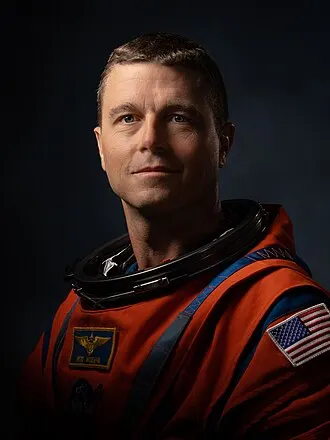
Reid Wiseman (Commander) — A U.S. Navy test pilot and veteran of a 165-day stay aboard the International Space Station during Expedition 41 in 2014. Wiseman served as Chief of the Astronaut Office before being named Artemis II commander. He is responsible for overall mission execution and will be the senior decision-maker in the spacecraft.
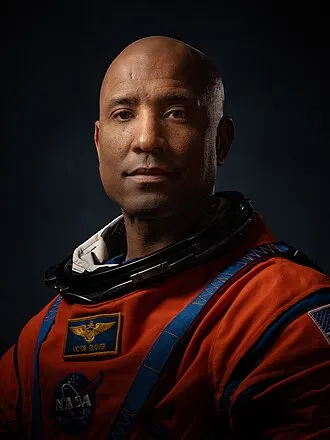
Victor Glover (Pilot) — A U.S. Navy test pilot who served as pilot for SpaceX Crew-1, the first operational Crew Dragon mission to the ISS. Glover spent 167 days aboard the station and conducted four spacewalks. He will become the first Black astronaut to fly beyond low Earth orbit.
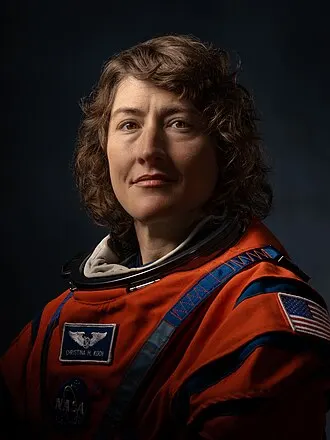
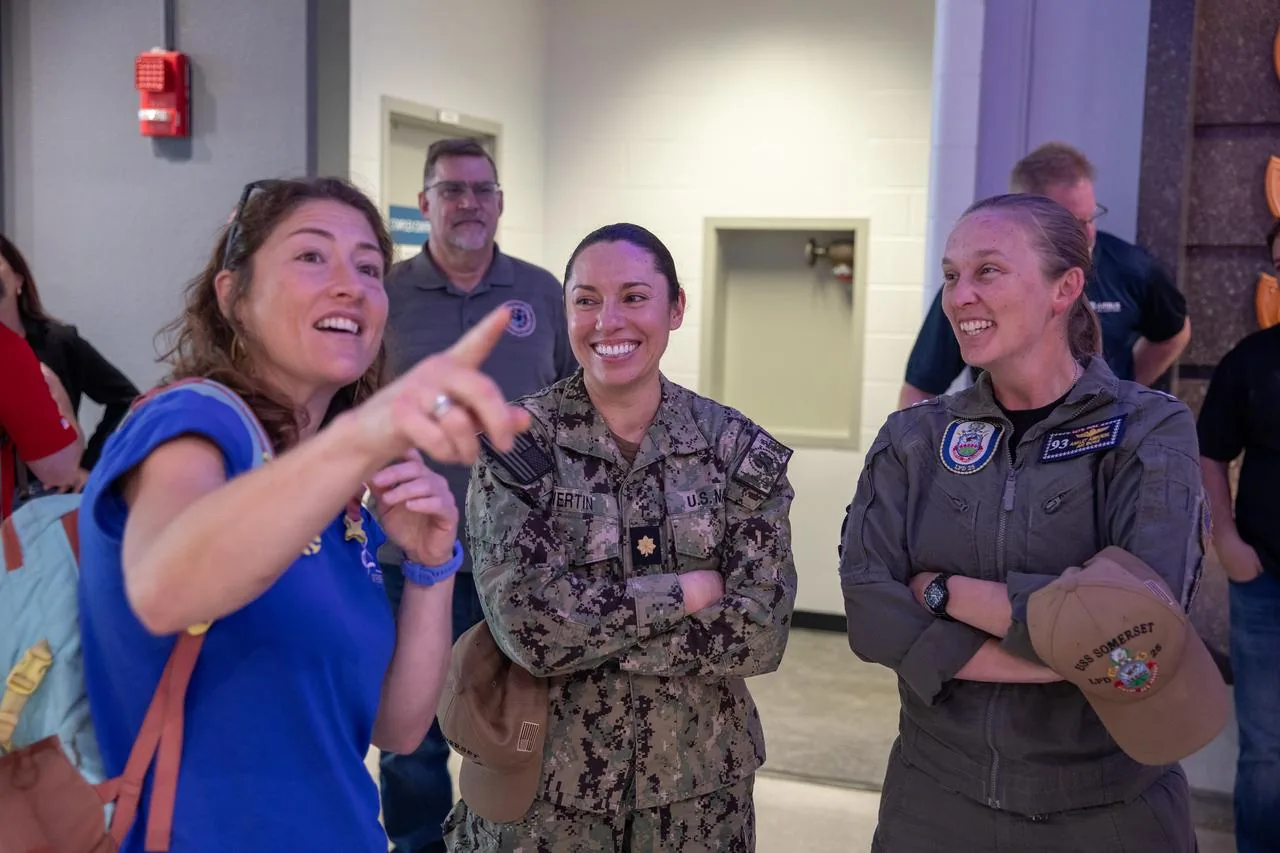
Christina Koch (Mission Specialist) — Koch holds the record for the longest single spaceflight by a woman at 328 consecutive days aboard the ISS during Expedition 59/60/61. She also participated in the first all-female spacewalk alongside Jessica Meir. Koch brings extensive experience in space systems operations and will be the first woman to fly beyond low Earth orbit.
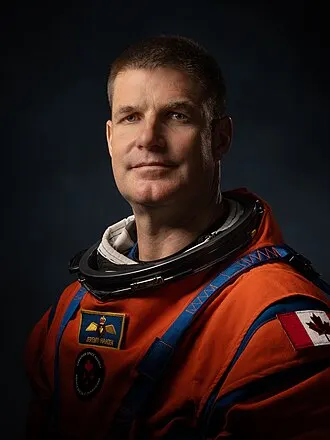
Jeremy Hansen (Mission Specialist) — A Canadian Space Agency astronaut and former CF-18 fighter pilot. Hansen will become the first Canadian and first non-American to fly a lunar mission. His selection reflects Canada's contribution to the Artemis program, including the Canadarm3 robotic system being built for the Lunar Gateway.
The Spacecraft: Orion and the SLS Rocket
The Orion crew module is the most advanced crewed spacecraft ever built. Unlike the Apollo capsule that could support three astronauts for roughly two weeks, Orion is designed for four crew members and missions lasting up to 21 days. Its heat shield — the largest ever constructed at 5 meters in diameter — must withstand re-entry temperatures of approximately 2,760°C (5,000°F) as the spacecraft hits Earth's atmosphere at 40,000 kilometers per hour, roughly 30% faster than a return from the ISS.
Orion's life support system recycles air and manages carbon dioxide levels for the crew, while its service module — built by the European Space Agency — provides propulsion, power via four solar array wings, and thermal regulation. This ESA contribution marks a significant transatlantic partnership: American astronauts riding an American capsule powered by a European engine.
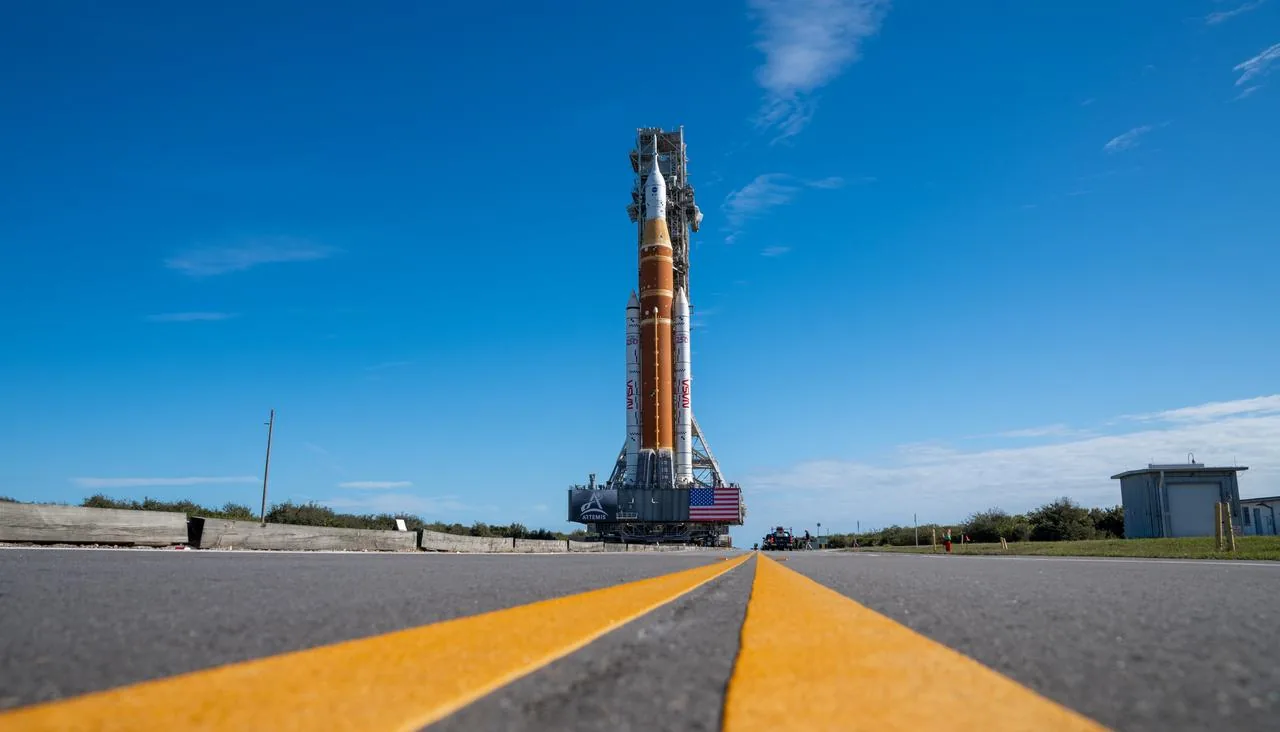
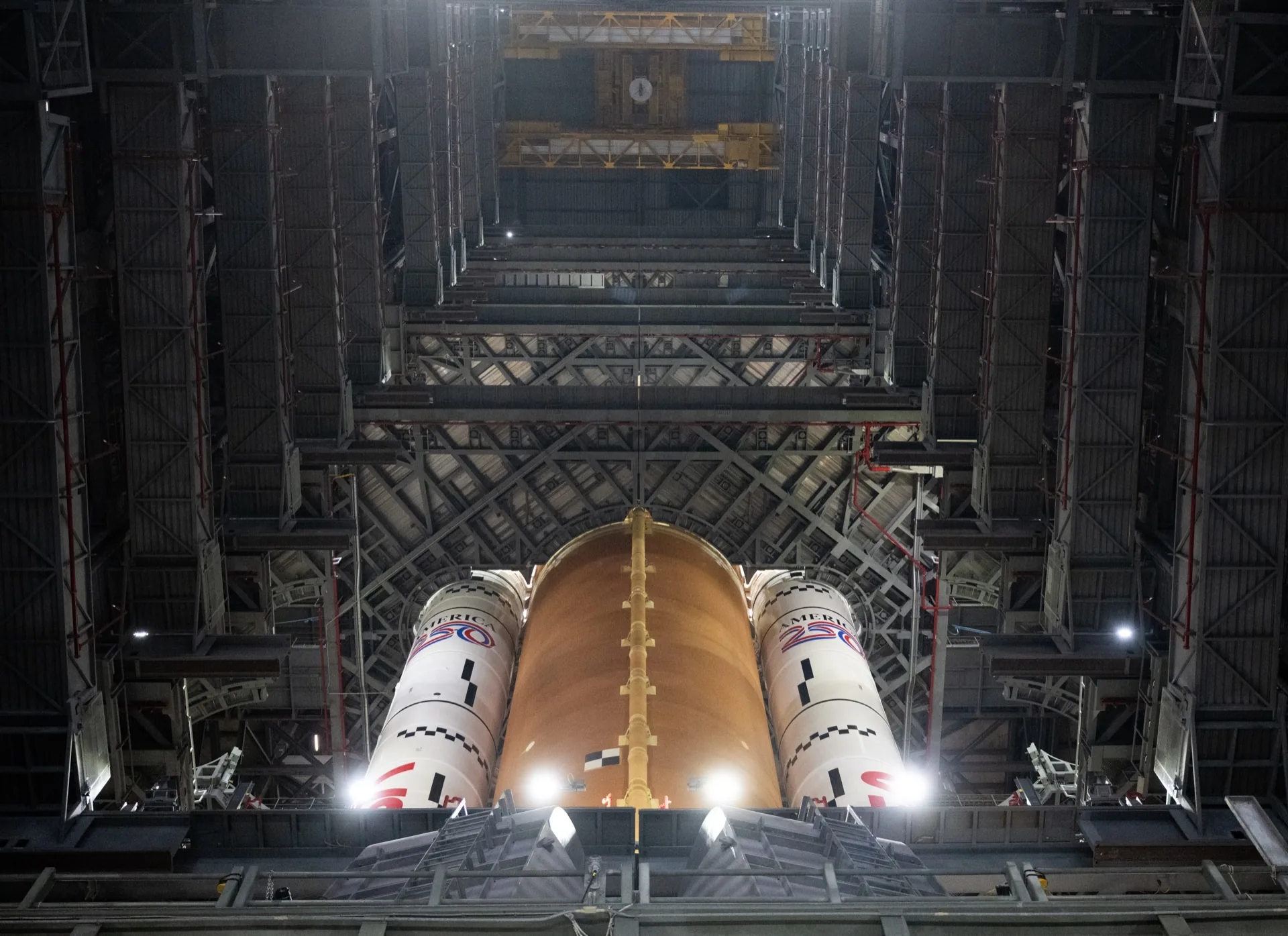
The Space Launch System generates 8.8 million pounds of thrust at liftoff — 15% more than the Saturn V that carried Apollo astronauts to the Moon. The core stage is powered by four RS-25 engines (upgraded Space Shuttle main engines), supplemented by two five-segment solid rocket boosters. The SLS stands 98 meters tall and can place over 27 metric tons on a trans-lunar injection trajectory.
The Artemis I uncrewed test flight in 2022 validated the SLS and Orion through a 25.5-day mission that sent the capsule 434,000 kilometers from Earth — the farthest any spacecraft designed for humans has ever traveled. Artemis II builds on that success with a crew aboard.
Preparing the Crew: From Iceland to the Ocean
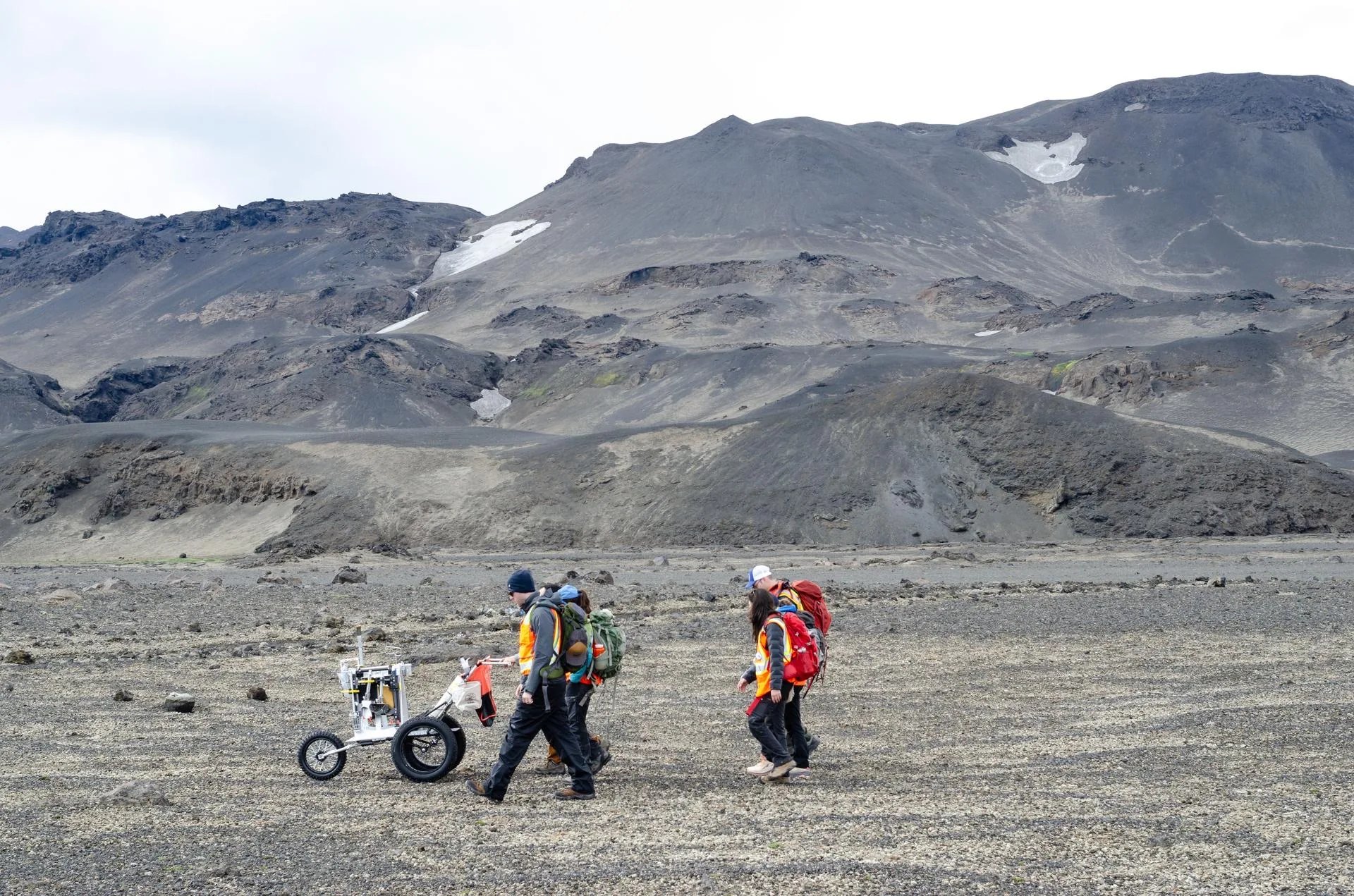
Training for Artemis II has been among the most rigorous astronaut preparation programs in NASA history. The crew has trained in geology field exercises in Iceland (whose volcanic terrain resembles the lunar surface), underwater spacewalk simulations at the Neutral Buoyancy Laboratory in Houston, emergency abort scenarios, and weeks of integrated simulations with mission control teams at Johnson Space Center.
One critical training focus has been manual navigation. Unlike ISS missions where ground controllers can take over most systems, the Artemis II crew must be able to navigate home from the Moon independently if communications are lost. They have practiced celestial navigation — using star sightings through Orion's windows to determine their position, a technique not used operationally since the Apollo program.
The crew has also trained extensively for ocean recovery. Orion will splash down in the Pacific Ocean under three massive parachutes (each 35 meters in diameter), and the crew must be prepared for rough seas, high winds, and potential delays in recovery ship arrival.
Why Artemis II Matters: Beyond the Flyby
Artemis II serves as the critical bridge between Artemis I's uncrewed test and Artemis III's planned crewed lunar landing. Every system that will eventually support astronauts on the lunar surface must first prove itself with a crew in deep space. The mission will validate:
- Life support systems operating in deep space for the first time with crew aboard
- Communication systems at lunar distance, including the Deep Space Network's ability to maintain contact
- Navigation and guidance performance during trans-lunar injection, free-return trajectory, and high-speed re-entry
- Radiation protection — Orion carries radiation sensors and a vest (AstroRad) designed to shield crew from solar particle events
- Crew interfaces — displays, controls, and procedures that astronauts will use during the far more complex Artemis III landing mission
Beyond the technical validation, Artemis II carries enormous symbolic weight. The crew's diversity — including the first woman and first Black astronaut to fly beyond low Earth orbit, and the first Canadian on a lunar mission — signals that humanity's return to the Moon is more inclusive than the Apollo era. When Victor Glover sees Earth recede to the size of his thumbnail, it will be a moment of representation that resonates far beyond the aerospace community.
What Comes Next: From Flyby to Landing
Artemis II opens the door to Artemis III, which aims to land astronauts near the Moon's south pole — a region never visited by humans. The south pole is scientifically valuable because permanently shadowed craters there harbor water ice that could be converted to drinking water, breathable oxygen, and rocket fuel. Establishing the ability to use these resources is central to NASA's long-term plan for a sustained lunar presence.
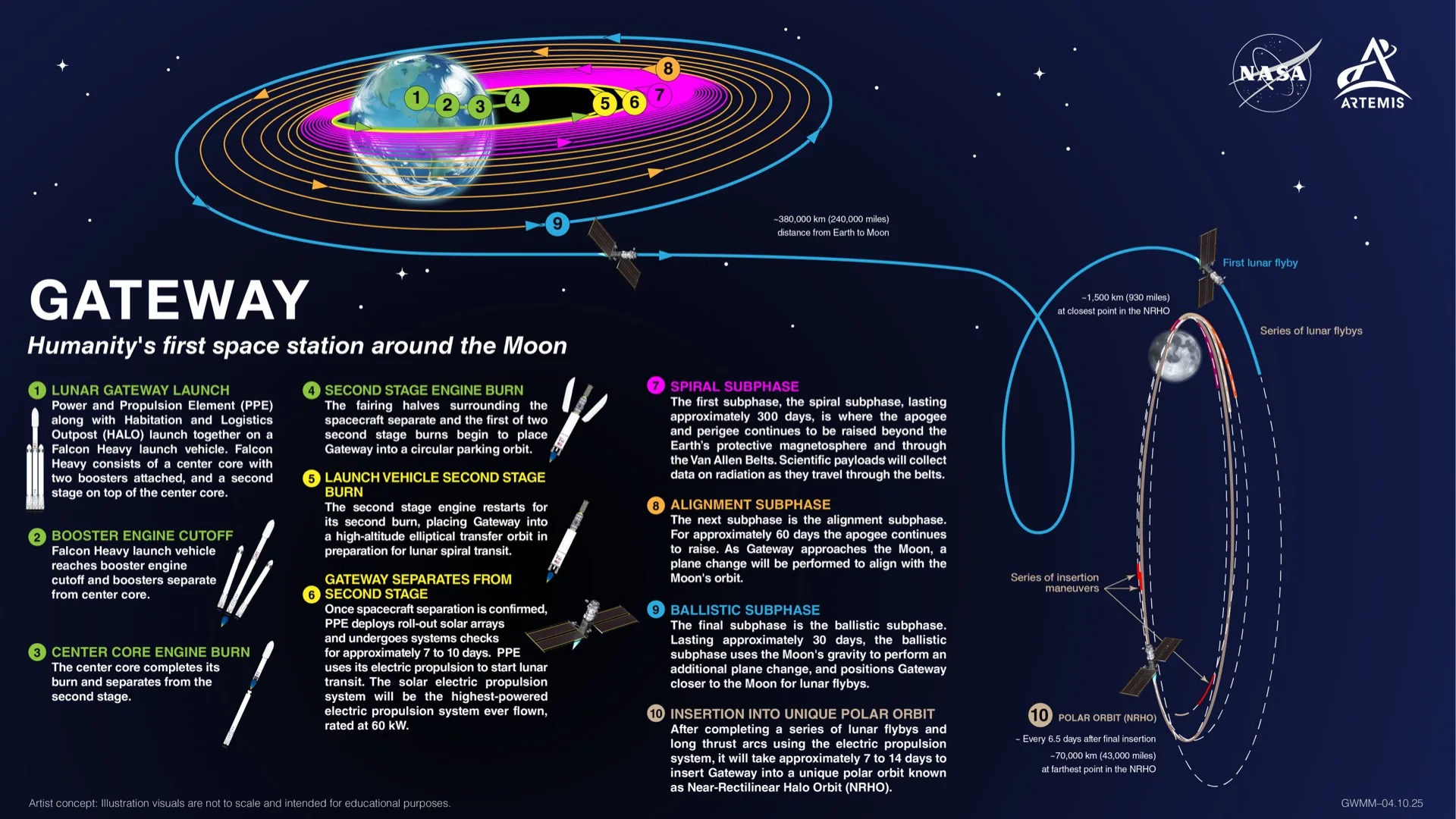
Beyond Artemis III, NASA plans to build the Lunar Gateway — a small space station in lunar orbit that will serve as a staging point for surface missions. Canada's Canadarm3 robotic system will be a key component of the Gateway, and Jeremy Hansen's participation in Artemis II is a direct reflection of this partnership.
The Artemis program's long-term objective is bold: establish a sustainable human presence on and around the Moon by the late 2020s, then use the technologies and experience gained to prepare for crewed missions to Mars in the 2030s and 2040s. Artemis II is the first step with humans aboard — the moment when the Artemis program moves from hardware testing to crewed exploration.
For the four astronauts strapped into Orion, the view of Earth shrinking behind them will be both humbling and historic. Fifty years after Eugene Cernan left the last bootprint on the Moon, humans are heading back. And this time, the plan is to stay.