Image: ESA
BepiColombo
Mission Profile
| Launch date | 2018-10-20 |
|---|---|
| Launch vehicle | Ariane 5 ECA |
| Spacecraft | Mercury Planetary Orbiter (MPO) + Mercury Magnetospheric Orbiter (Mio) |
| Target | Mercury |
| Type | Robotic |
| Cost | €1.65B (ESA) + ~¥38B (JAXA) |
| Mass | 4,100 kg at launch (MPO ~1,150 kg, Mio ~285 kg, MTM ~1,100 kg) |
| Duration | ~7-year cruise + 1-year primary science mission (extension to 2 years planned) |
| Partners | Airbus Defence and Space (MPO prime), JAXA (Mio prime), ESA |
| Instruments | BELA (laser altimeter), ISA (accelerometer), MERMAG (magnetometer), MERTIS (thermal IR), MIXS (X-ray spectrometer), MORE (radio science), PHEBUS (UV), SERENA (particles), SIMBIO-SYS (cameras), Mio plasma/wave instruments |
Prime Contractors
Companies that built, launched, or operate this mission. Tickers link to their investor profile.
- Airbus Defence & Space
- Mitsubishi Electric
- Arianespace
- Leonardo
Overview
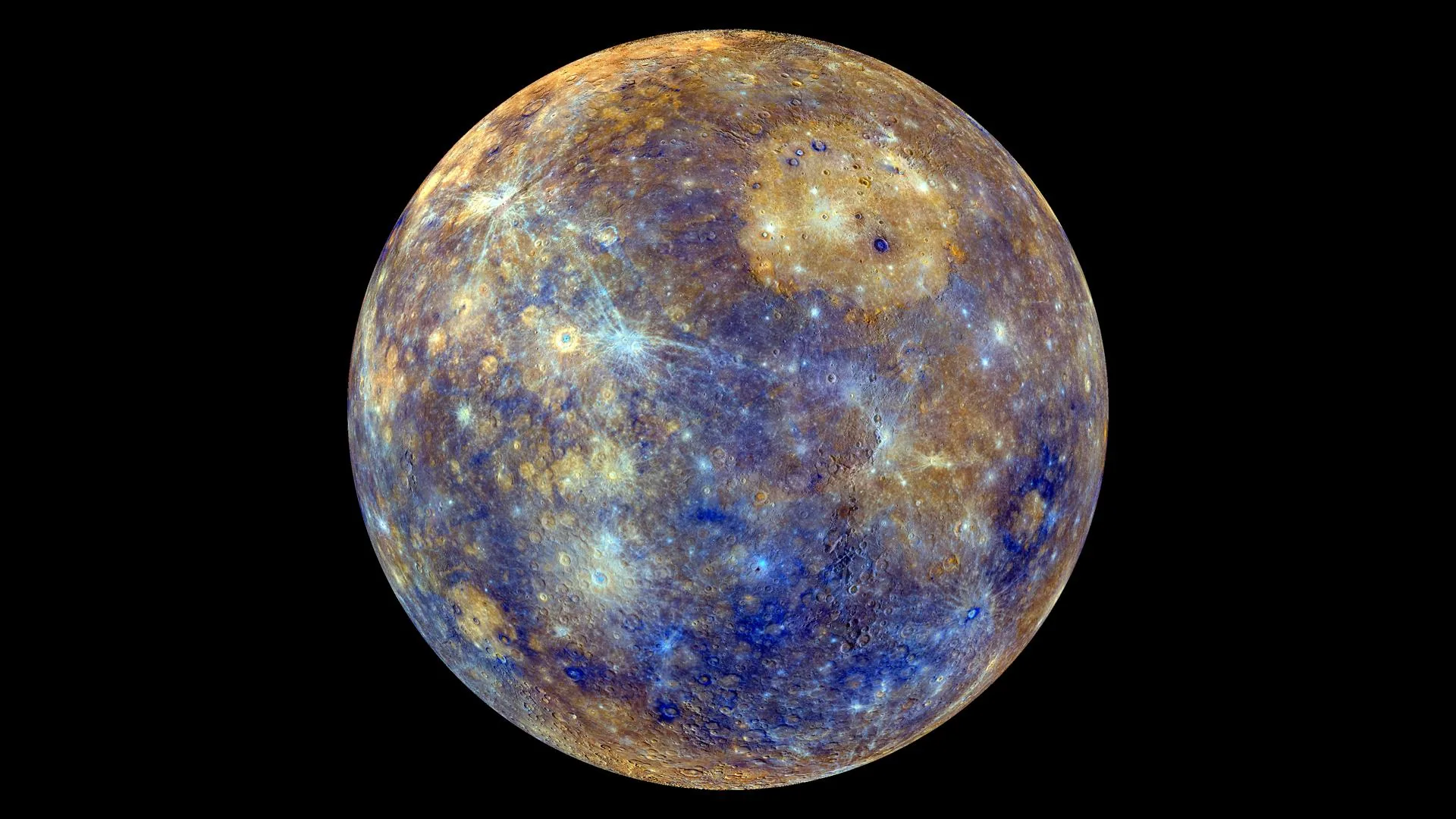
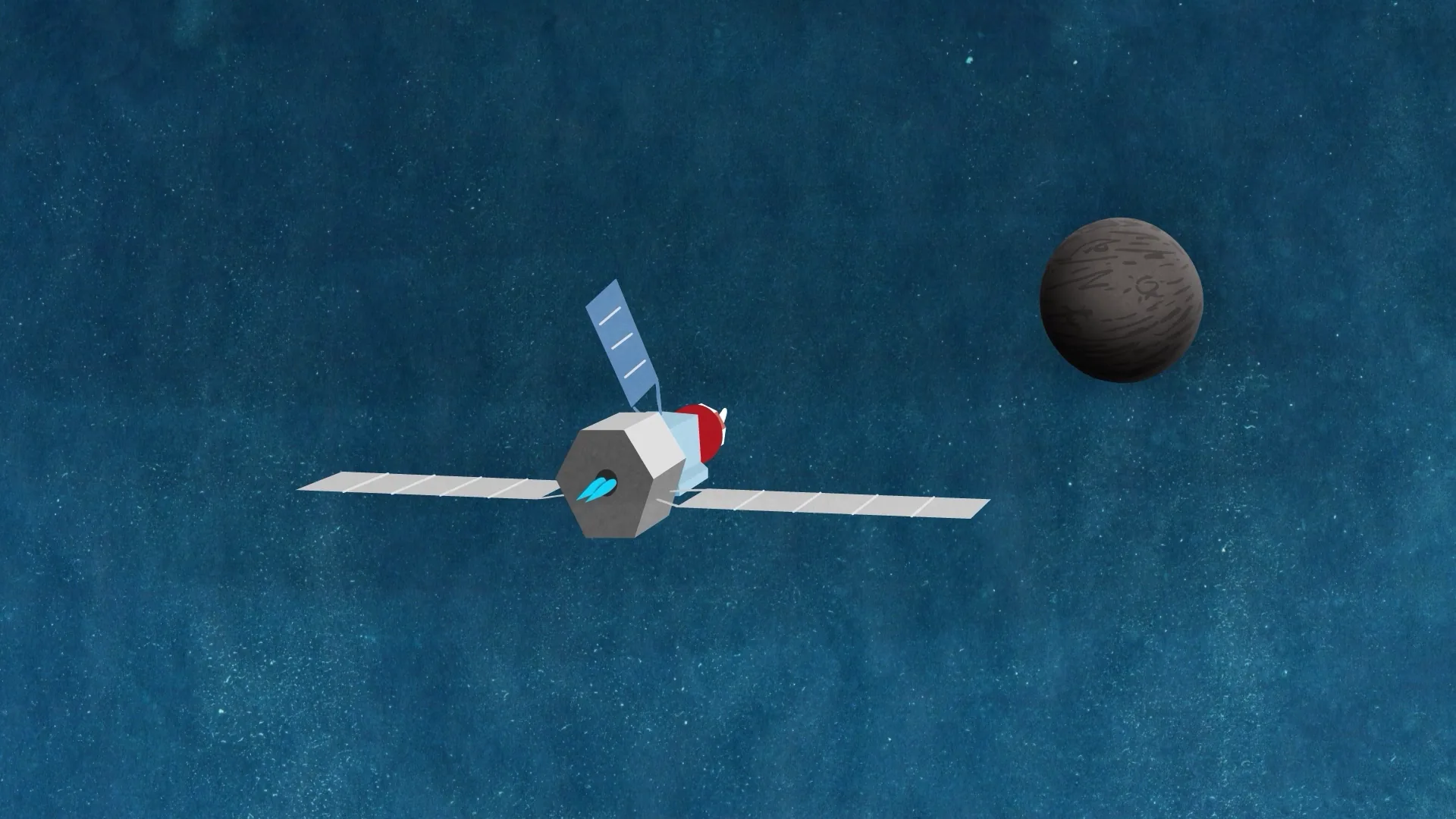
BepiColombo is a joint ESA-JAXA mission to Mercury comprising two scientific orbiters launched together: ESA's Mercury Planetary Orbiter (MPO), which will study the surface and interior, and JAXA's Mercury Magnetospheric Orbiter (Mio), which will probe the planet's magnetosphere. The two are stacked together for cruise atop the Mercury Transfer Module, an ESA-built solar-electric propulsion bus that uses repeated planetary flybys plus continuous low-thrust ion engine burns to brake the stack against the Sun's enormous gravitational pull. The cruise plan called for one Earth flyby, two Venus flybys, and six Mercury flybys before Mercury Orbit Insertion. BepiColombo completed the last of its six Mercury flybys in January 2025, passing just 295 km above the surface, and is on track for orbit insertion on 21 November 2026, with the two orbiters then separating to begin their dedicated science campaigns. BepiColombo is only the third spacecraft to visit Mercury after NASA's Mariner 10 (1974-75 flybys) and MESSENGER (2011-15 orbiter), and is the first to put two satellites in orbit around the innermost planet simultaneously. Its instrument suite is designed to test general relativity at the Sun's edge, map Mercury's exotic exosphere and magnetic field, and resolve the planet's mysterious water-ice deposits in permanently shadowed polar craters.
Key Milestones
2018-10-20
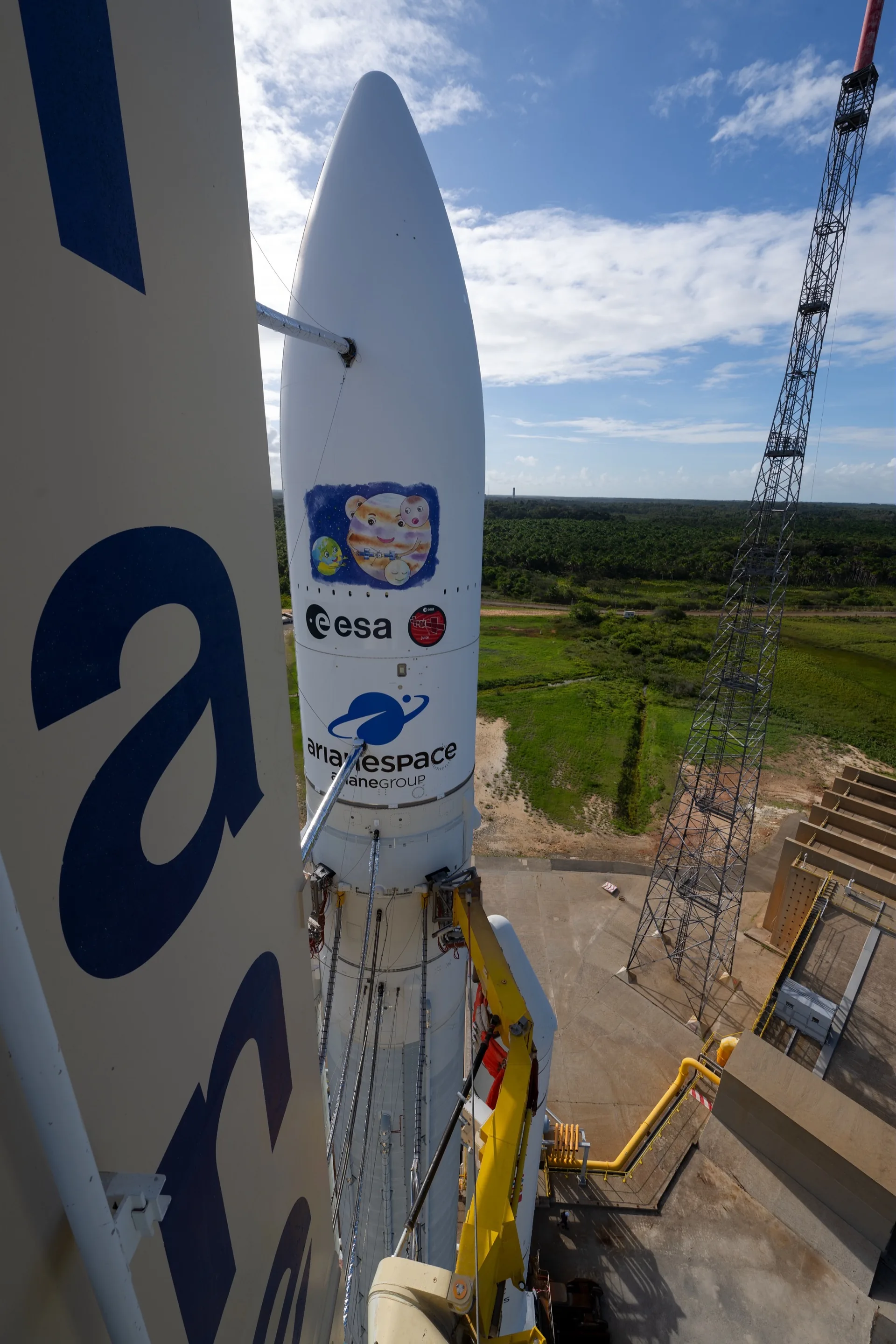
Launch on Ariane 5 from Kourou
2020-04-10
Earth gravity-assist flyby
2021-10-01
First Mercury flyby
2024-09-04
Fourth Mercury flyby
2025-01-08
Sixth and final Mercury flyby (295 km)
2026-11-21
Targeted Mercury Orbit Insertion