Image: NASA/GCTC/Andrey Shelepin
Soyuz MS-17
Mission Profile
| Launch date | 2020-10-14 |
|---|---|
| Launch site | Baikonur Cosmodrome, Site 31/6 |
| Launch vehicle | Soyuz-2.1a |
| Spacecraft | Soyuz MS-17 (No. 747) |
| Target | Low Earth Orbit |
| Type | Crewed |
| End date | 2021-04-17 |
| Duration | 184 days 23 hours 10 minutes |
| Partners | Roscosmos, NASA |
Overview
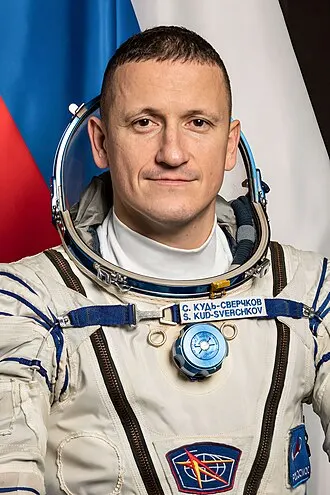
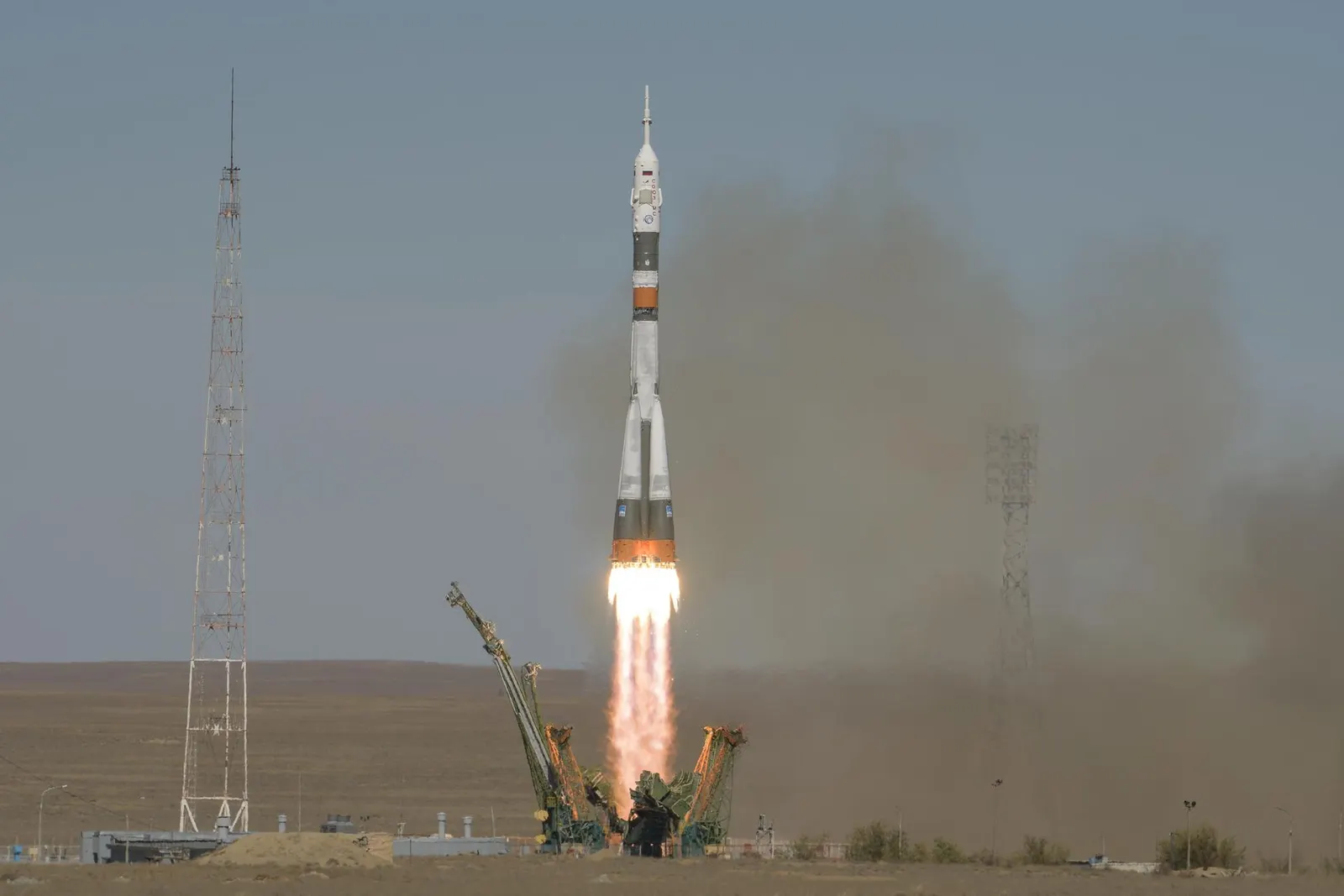
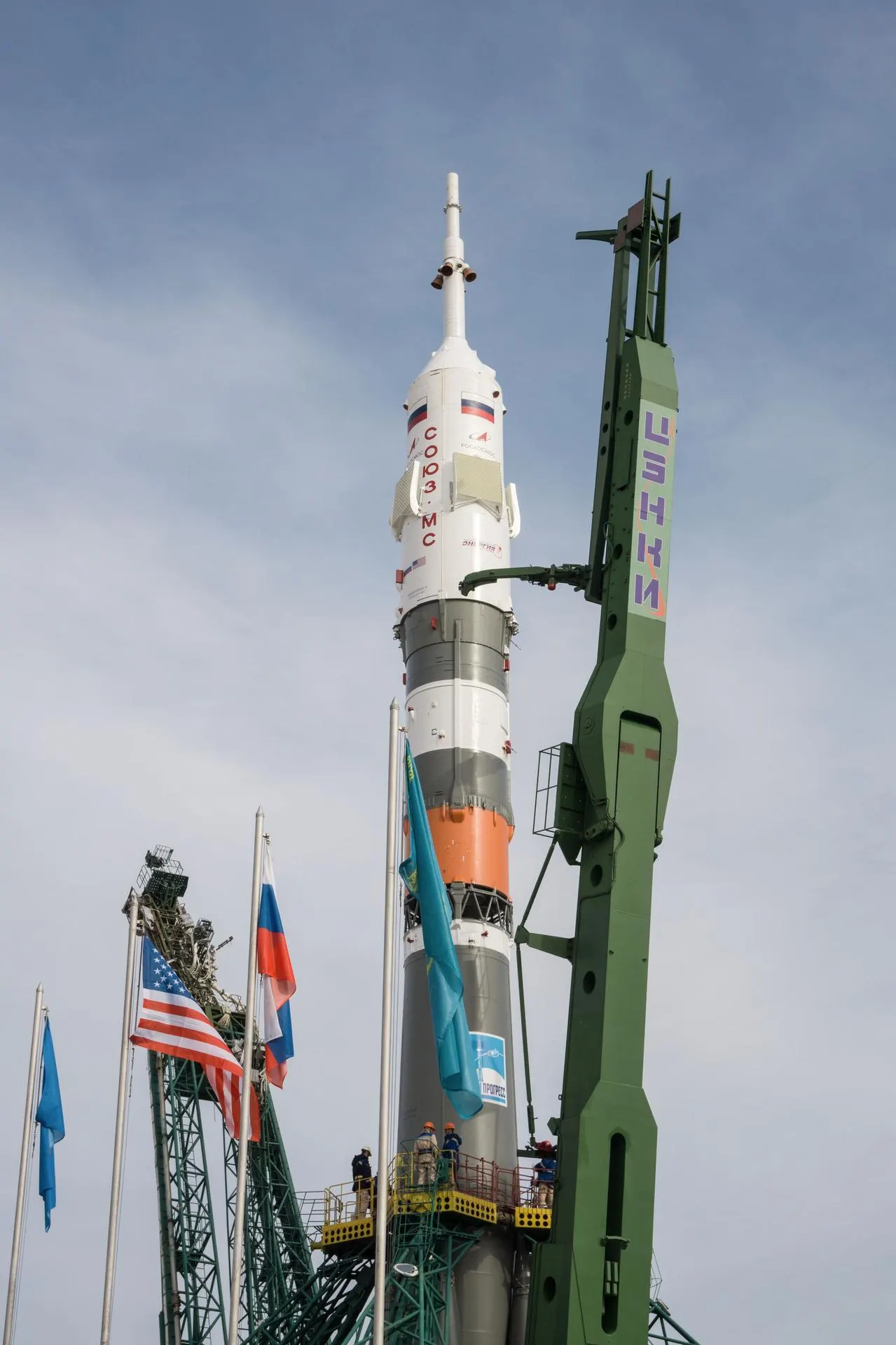
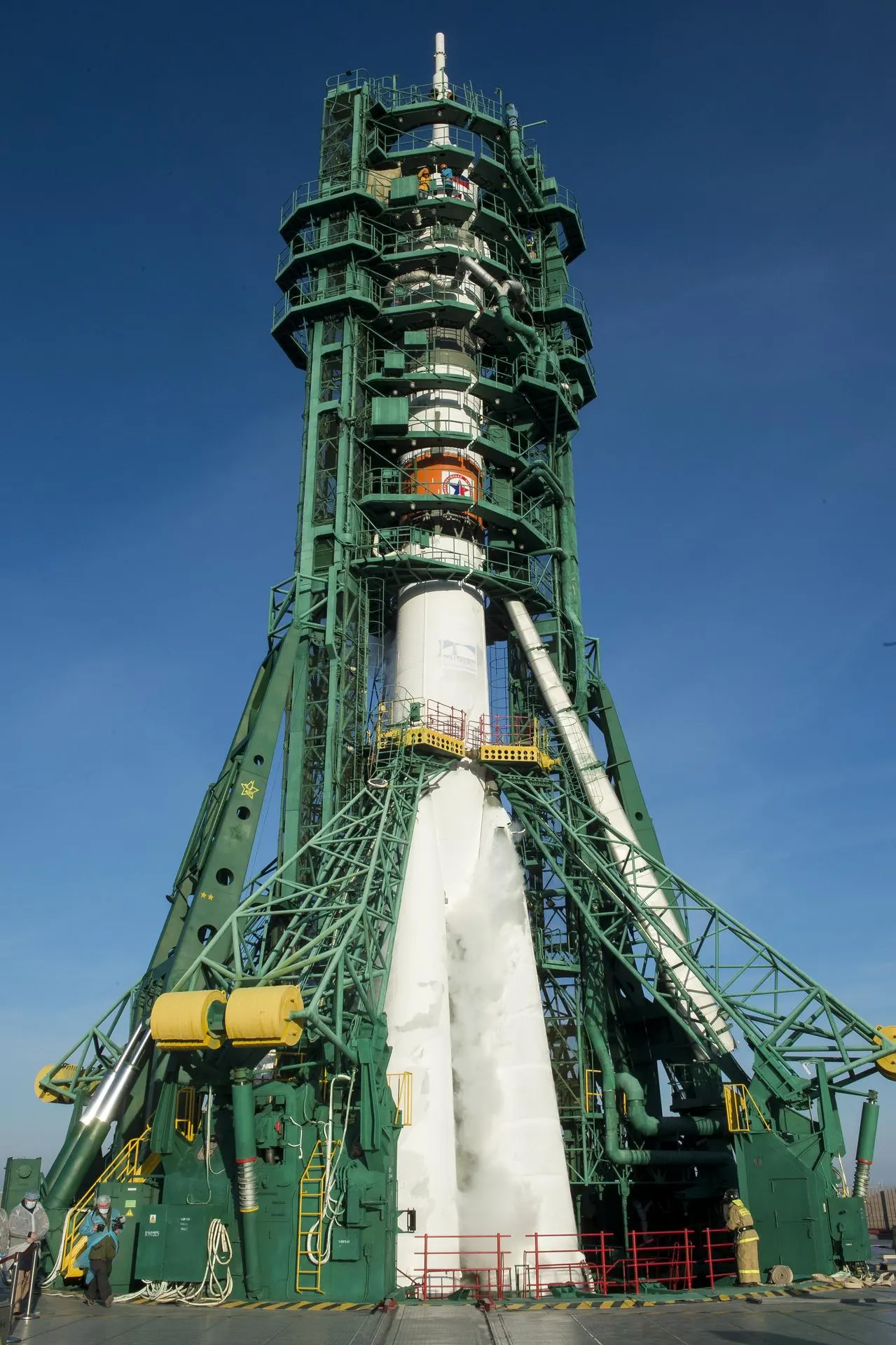
Soyuz MS-17 made history on 14 October 2020 by flying the first-ever two-orbit, ultrafast rendezvous to the International Space Station, reaching the outpost in just about three hours and three minutes after launch. The mission delivered the Expedition 63/64 crew, including the orbital debut of Roscosmos flight engineer Sergey Kud-Sverchkov, who paired with veteran commander Sergey Ryzhikov and NASA's Kate Rubins. During the increment Kud-Sverchkov performed his first spacewalk, helping prepare the Russian segment for the arrival of the Nauka module. Launching from Baikonur's Site 31, the crew spent nearly 185 days aloft, conducting biology, physics and station-maintenance work before undocking and landing on the Kazakh steppe on 17 April 2021, validating the rapid-rendezvous profile later reused on subsequent flights.
Crew
Sergey Ryzhikov
Commander (Roscosmos)
Second spaceflight; commanded Expedition 64
Sergey Kud-Sverchkov
Flight Engineer (Roscosmos)
First spaceflight; performed his first EVA during the increment
Kathleen Rubins
Flight Engineer (NASA)
Second spaceflight; conducted spacewalks and cast a U.S. vote from orbit
Key Milestones
2020-10-14
Launch from Baikonur Site 31/6 at 05:45 UTC aboard Soyuz-2.1a
2020-10-14
First two-orbit ultrafast rendezvous; docking ~3 hours after launch
2020-11-18
Kud-Sverchkov and Ryzhikov conduct a Russian-segment spacewalk
2021-04-17
Undocking and landing in Kazakhstan after nearly 185 days
Key Achievements
First two-orbit, ~3-hour ultrafast rendezvous to the ISS
Orbital debut of cosmonaut Sergey Kud-Sverchkov
Completed a 185-day Expedition 63/64 increment