Image: NASA/Bill Ingalls
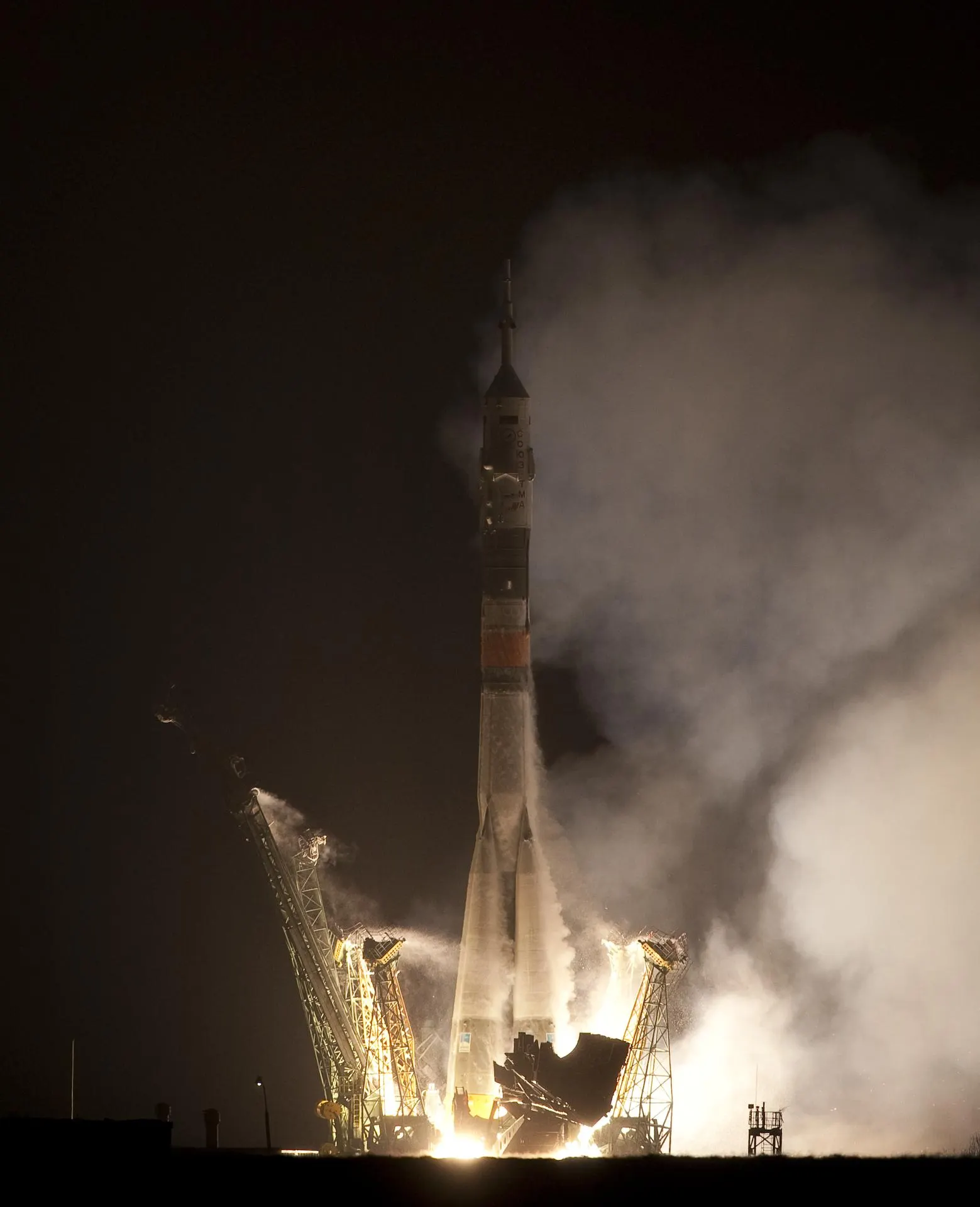
Soyuz TMA-4
Mission Profile
| Launch date | 2004-04-19 |
|---|---|
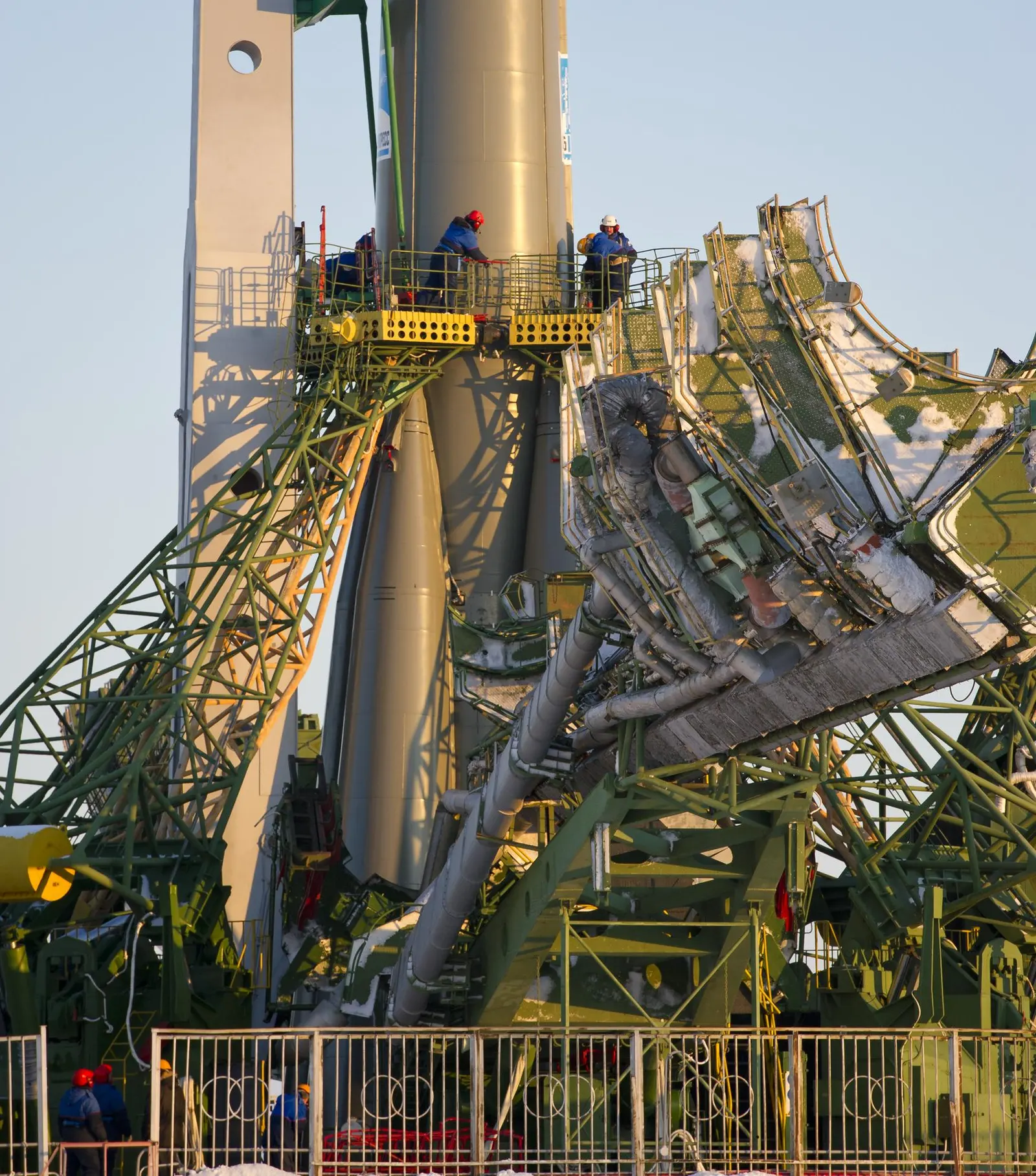
| Launch site | Baikonur Cosmodrome, Site 1/5 |
| Launch vehicle | Soyuz-FG |
| Spacecraft | Soyuz TMA (11F732 No. 214) |
| Target | Low Earth Orbit |
| Type | Crewed |
| End date | 2004-10-24 |
| Duration | 187 days 21 hours 16 minutes (spacecraft); Kuipers flew ~11 days |
| Partners | Roscosmos, NASA, ESA |
Overview
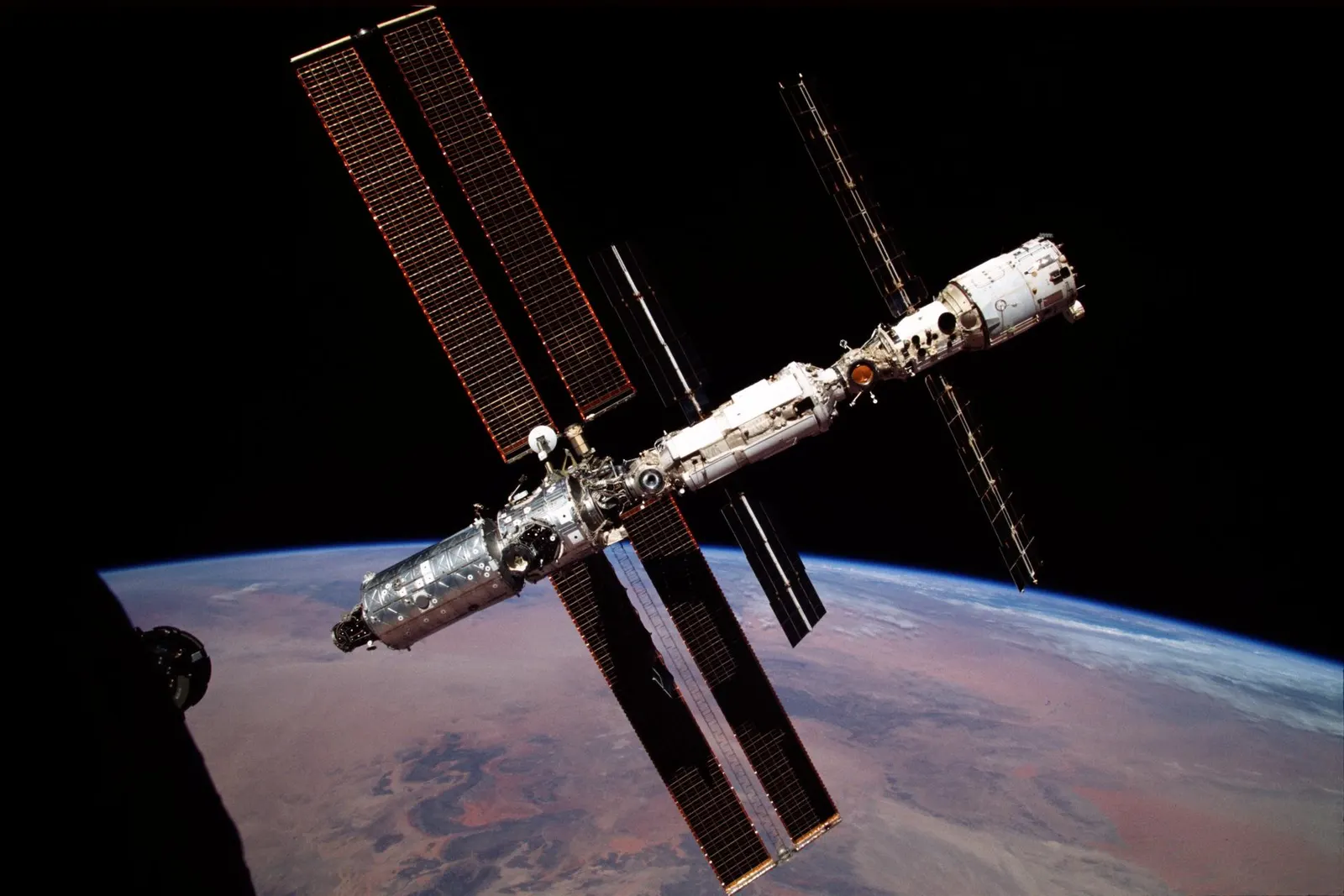
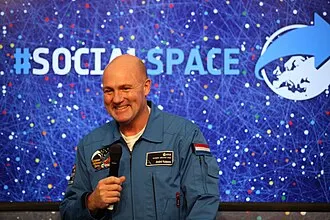
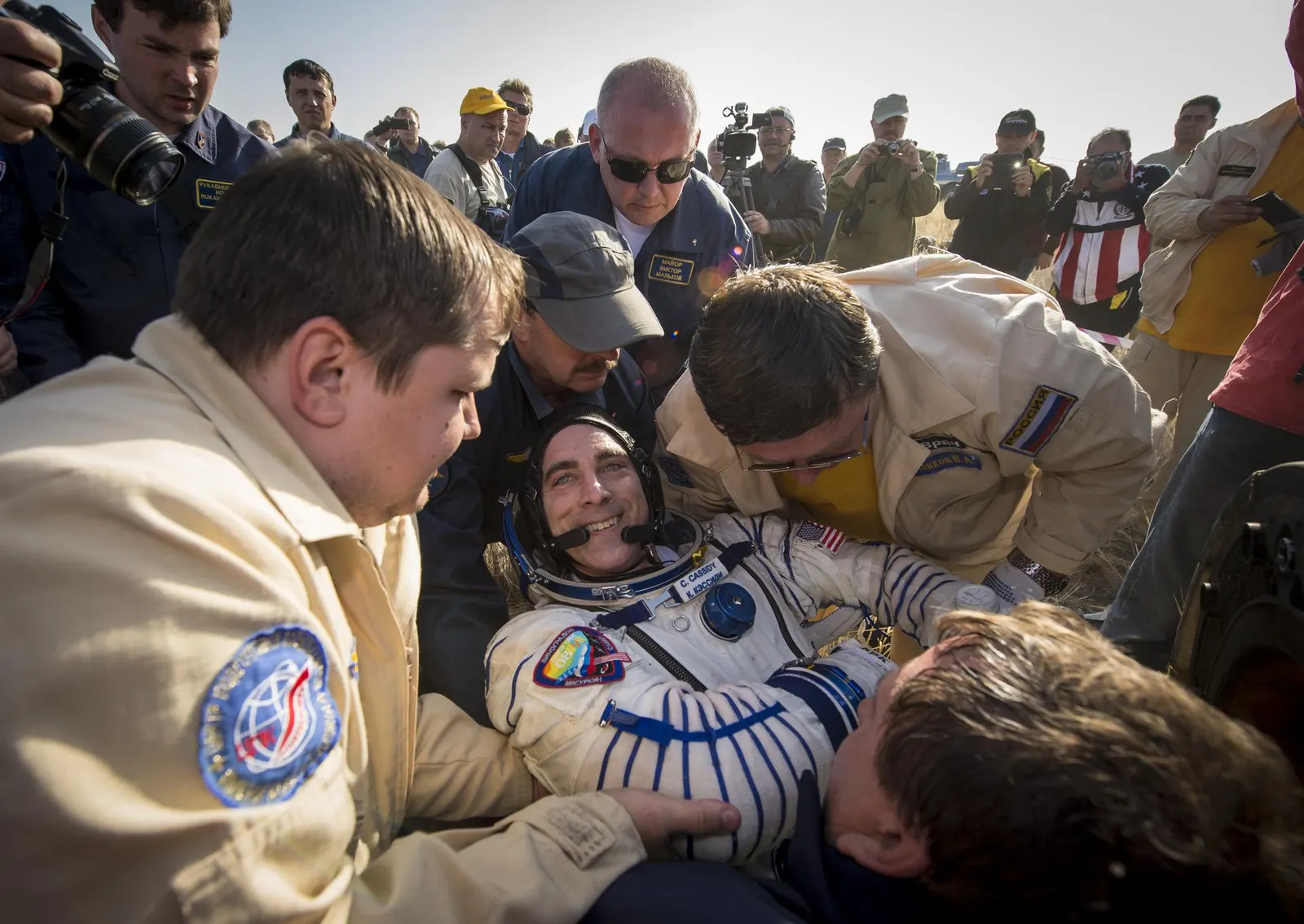
Soyuz TMA-4 launched on 19 April 2004 carrying Expedition 9 commander Gennady Padalka and NASA flight engineer Michael Fincke, together with Dutch ESA astronaut André Kuipers on his first spaceflight. Kuipers flew the 11-day 'DELTA' mission — a dense programme of around 25 biology, physiology and physics experiments developed largely in the Netherlands — spending nine days aboard the ISS before returning to Earth with the Expedition 8 crew aboard Soyuz TMA-3. Padalka and Fincke remained on the station as its half-year resident crew during a lean post-Columbia period when the Soyuz was the only crewed link to orbit. They returned in October 2004 aboard TMA-4 alongside visiting Russian cosmonaut Yuri Shargin, landing on the Kazakh steppe.
Crew
Gennady Padalka
Commander
Russia, Roscosmos; Expedition 9 commander
Mike Barratt
Flight Engineer
Listed roster name; the actual TMA-4 flight engineer was Michael Fincke (USA, NASA), Expedition 9
André Kuipers
Flight Engineer (visiting, DELTA mission)
Netherlands, ESA; first spaceflight; returned aboard Soyuz TMA-3
Key Milestones
2004-04-19
Launch from Baikonur with Padalka, Fincke and Kuipers
2004-04-21
Docking to the International Space Station
2004-04-30
André Kuipers returns to Earth aboard Soyuz TMA-3 after the DELTA mission
2004-10-24
Padalka, Fincke and Yuri Shargin land aboard TMA-4
Key Achievements
Flew Dutch ESA astronaut André Kuipers' first mission, the DELTA research flight
Delivered the Expedition 9 crew during the post-Columbia Soyuz-only era
Conducted roughly 25 European microgravity experiments in nine days aboard the ISS