Image: NASA
SpaceX Crew-2
Mission Profile
| Launch date | 2021-04-23 |
|---|---|
| Launch site | Launch Complex 39A, Kennedy Space Center, Florida |
| Launch vehicle | Falcon 9 Block 5 (B1061.2) |
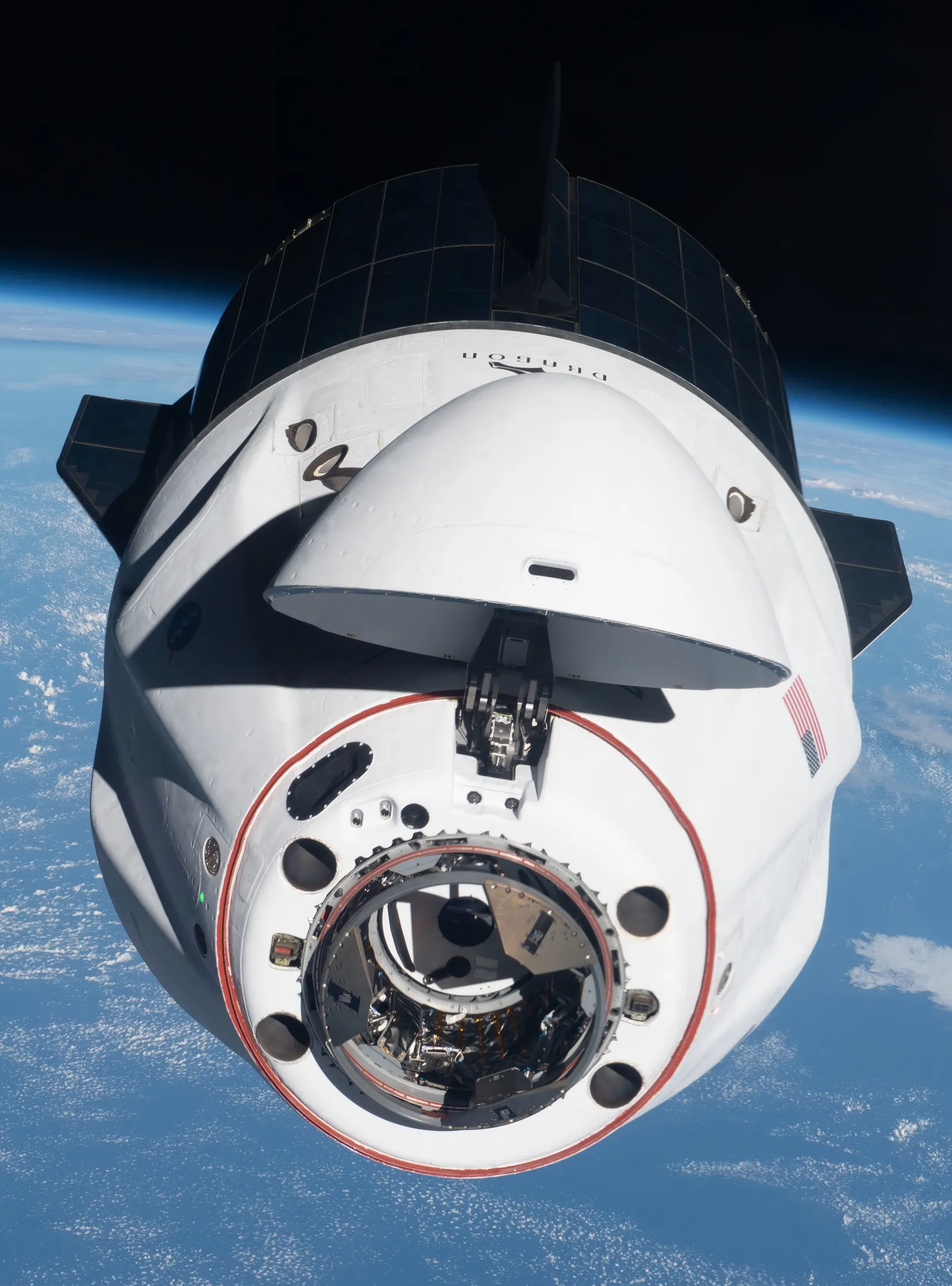
| Spacecraft | Crew Dragon Endeavour (C206.2) |
| Target | Low Earth Orbit |
| Type | Crewed |
| End date | 2021-11-09 |
| Recovery | GO Navigator, Gulf of Mexico near Pensacola, Florida |
| Duration | 199 days, 17 hours, 44 minutes |
| Partners | NASA, SpaceX, JAXA, ESA |
Overview
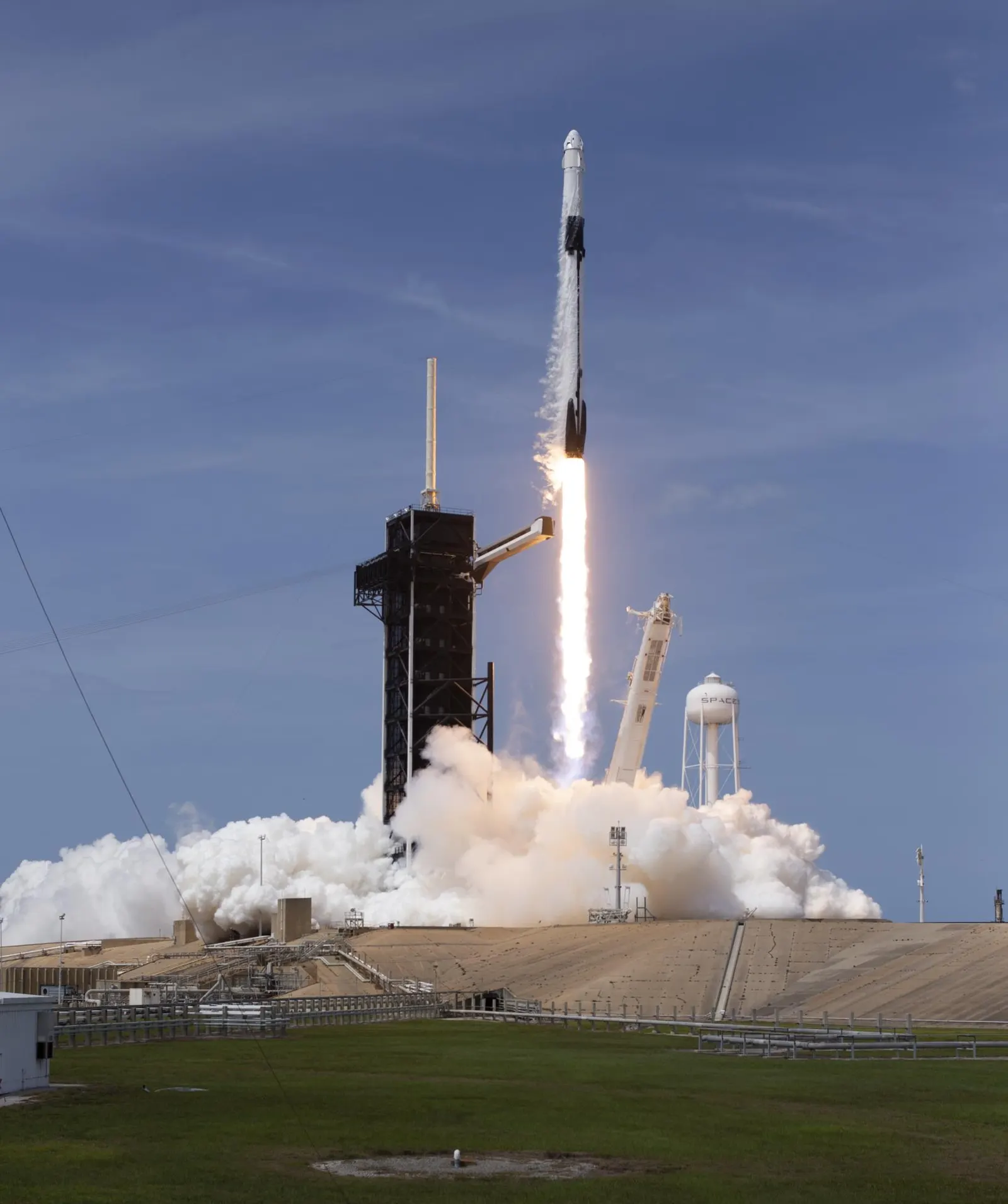
Crew-2 was the flight that made reuse routine in human spaceflight: both the Falcon 9 booster (B1061, from Crew-1) and the capsule Endeavour (from Demo-2) had flown astronauts before. Launching 23 April 2021 at 09:49 UTC from LC-39A, the mission carried NASA's Shane Kimbrough and Megan McArthur — who flew in the very seat her husband Bob Behnken had occupied on Demo-2 — with JAXA's Akihiko Hoshide and ESA's Thomas Pesquet, the first European to ride a Crew Dragon. Endeavour docked at 09:08 UTC the next day, briefly bringing the station's population to eleven. Across Expedition 65, Kimbrough and Pesquet led a series of demanding spacewalks to install the first iROSA roll-out solar arrays, beginning the station's power-system modernization. Hoshide and then Pesquet each commanded the ISS, Pesquet becoming the first French commander in the station's history. On departure on 8 November 2021, Endeavour performed a full photographic fly-around of the complex — the first such survey since the Shuttle era — before splashing down off Pensacola on 9 November at 03:33 UTC. At 199 days, Crew-2 set a new endurance record for a U.S. crewed spacecraft, eclipsing the mark Crew-1 had set just months earlier.
Crew
Shane Kimbrough
Commander
NASA; third spaceflight; led the first iROSA solar array installation EVAs
Megan McArthur
Pilot
NASA; second spaceflight; flew Endeavour in the same seat her husband Bob Behnken occupied on Demo-2
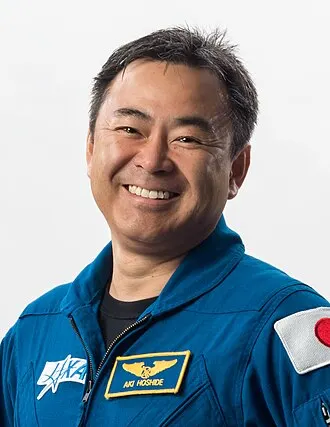
Akihiko Hoshide
Mission Specialist
JAXA; third spaceflight; commanded Expedition 65, the second Japanese ISS commander
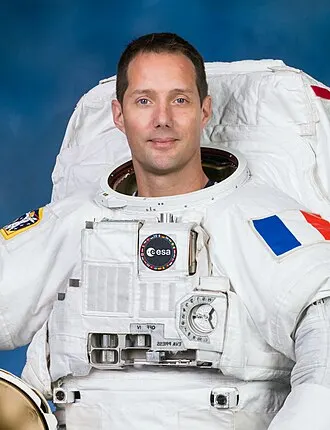
Thomas Pesquet
Mission Specialist
ESA (Alpha mission); first ESA astronaut to fly on Crew Dragon and first French commander of the ISS
Key Milestones
2021-04-23
Liftoff at 09:49 UTC — first crewed launch to reuse both a flight-proven Falcon 9 booster and a flight-proven Dragon capsule
2021-04-24
Endeavour docks to the ISS at 09:08 UTC, temporarily raising the station's crew to eleven
2021-06-20
First iROSA roll-out solar array deployed following EVAs by Kimbrough and Pesquet
2021-10-04
Thomas Pesquet assumes command of Expedition 65 — the first French commander of the ISS
2021-11-08
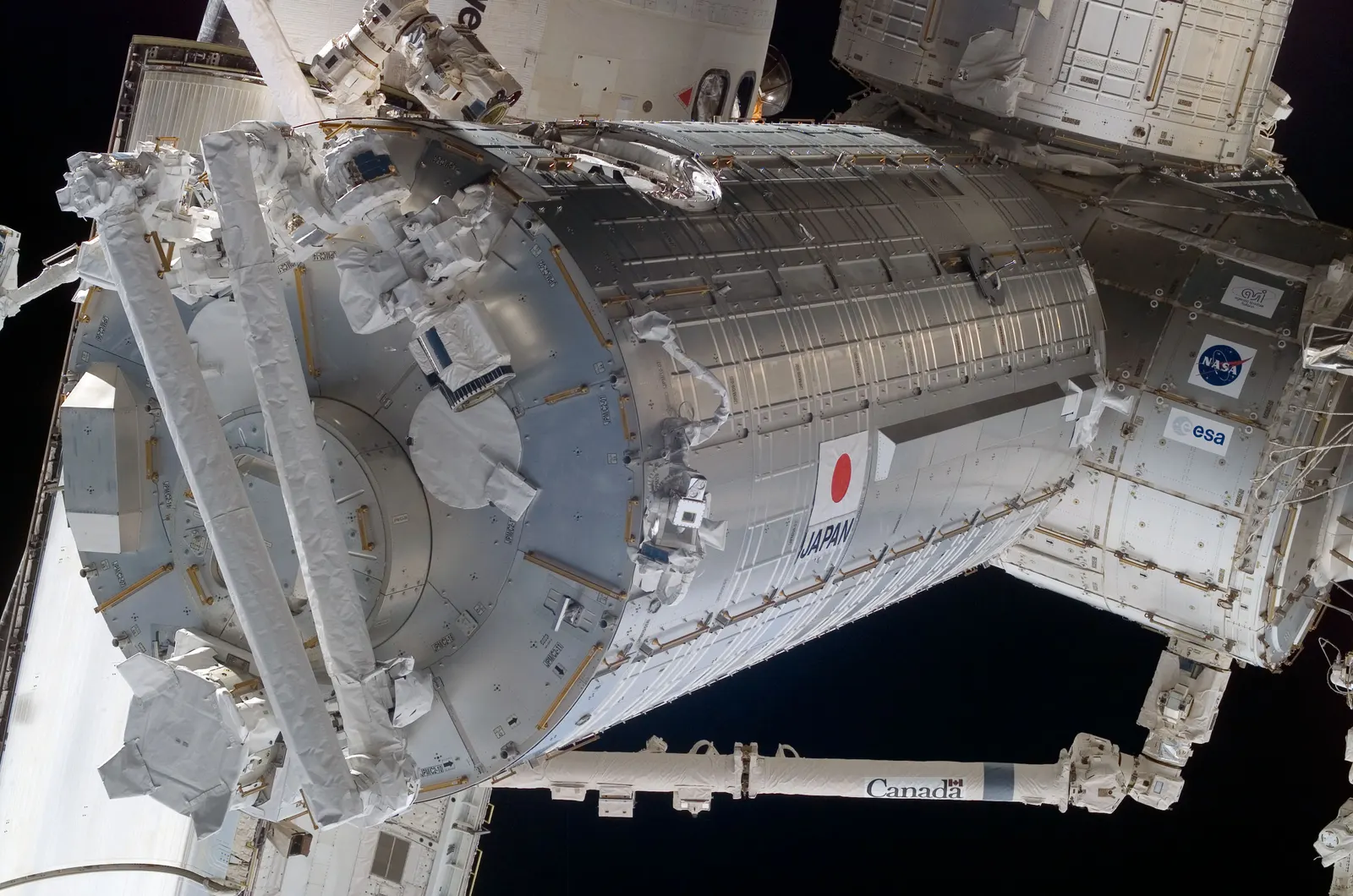
Endeavour undocks and performs a full fly-around photographic survey of the ISS, the first since the Space Shuttle era
2021-11-09
Splashdown at 03:33 UTC near Pensacola after a then-record 199 days for a U.S. crewed spacecraft
Key Achievements
First crewed mission flown on both a reused Falcon 9 booster and a reused Dragon capsule
Set a then-record 199-day flight for a U.S. crewed spacecraft
Installed and deployed the first iROSA roll-out solar arrays, beginning the ISS power upgrade
Thomas Pesquet became the first French commander of the International Space Station
First full crewed fly-around survey of the ISS since the Space Shuttle era
Legacy & Significance
Crew-2 normalized the reuse of crewed space hardware, a milestone as economically consequential as Demo-2 was symbolically. Flying veterans of four different agencies' programs on previously flown hardware, it demonstrated the cost model on which commercial human spaceflight depends. Its iROSA installation spacewalks began the power-system renewal that extends the ISS toward 2030, and its dual ISS commands by Hoshide and Pesquet underscored the deepening internationalization of Commercial Crew. The departure fly-around produced some of the most complete external imagery of the station ever captured.