Image: NASA
STS-124
Mission Profile
| Launch date | 2008-05-31 |
|---|---|
| Launch site | Launch Complex 39A, Kennedy Space Center, Florida |
| Launch vehicle | Space Shuttle |
| Spacecraft | Space Shuttle Discovery (OV-103) |
| Target | Low Earth Orbit |
| Type | Crewed |
| End date | 2008-06-14 |
| Duration | 13 days, 18 hours, 13 minutes |
| Partners | JAXA |
Overview
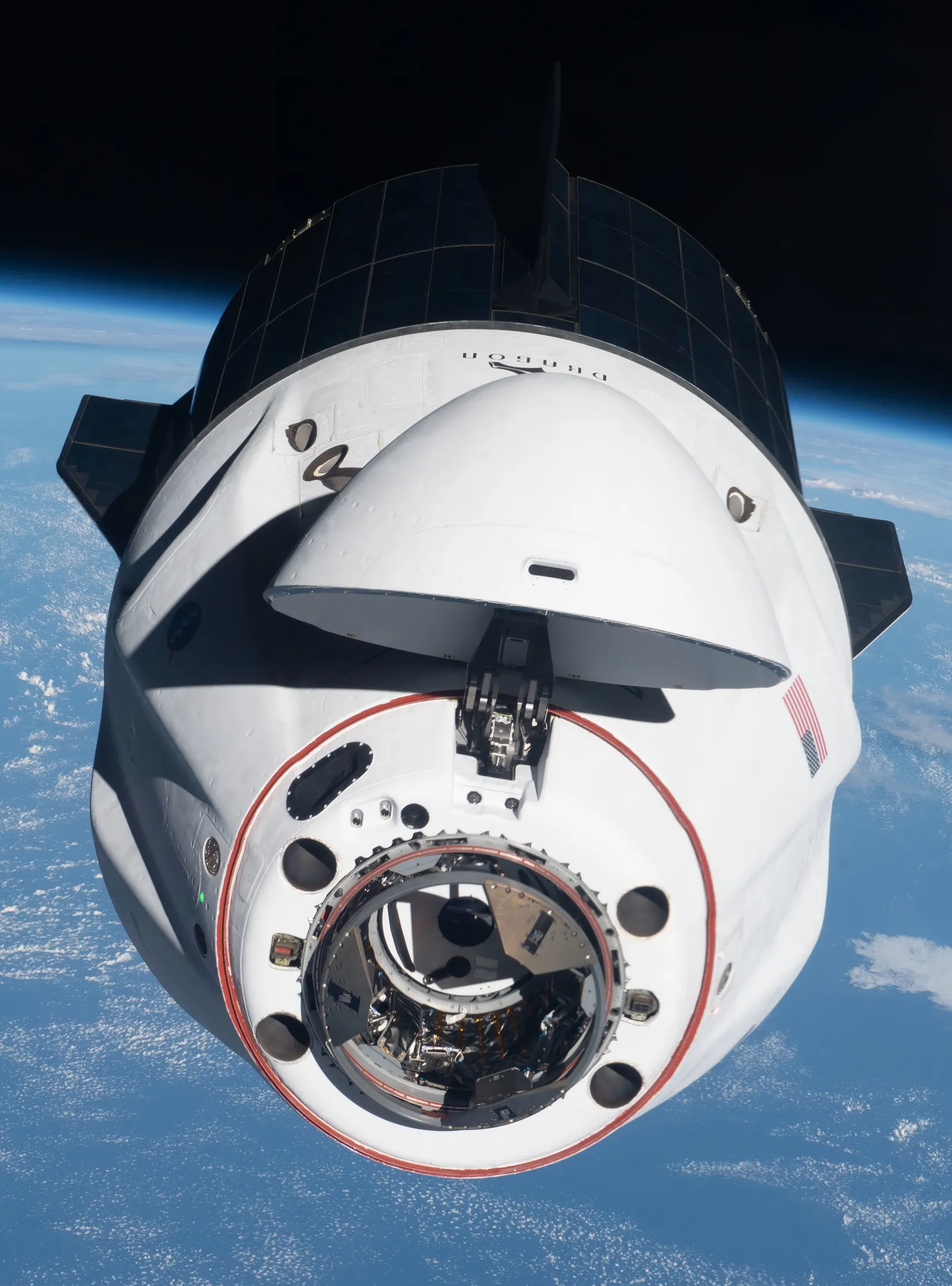
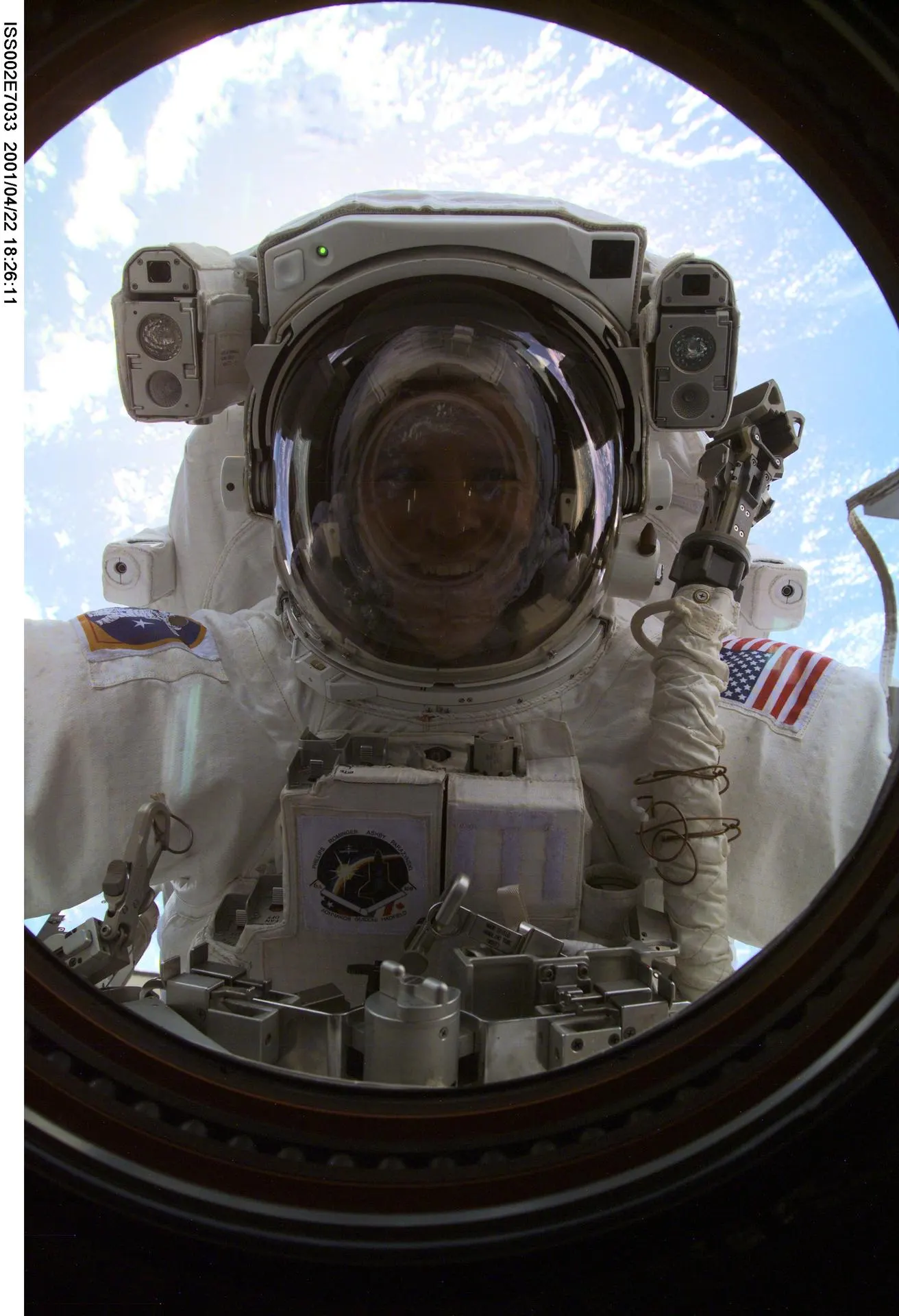
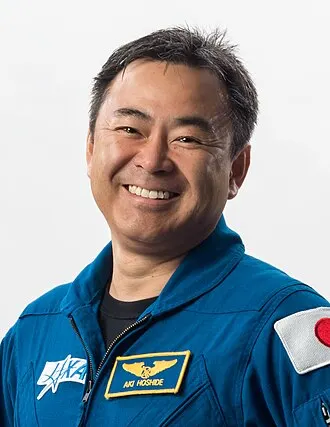
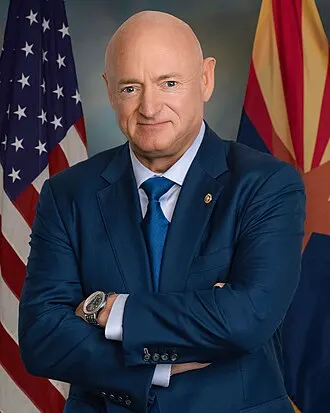
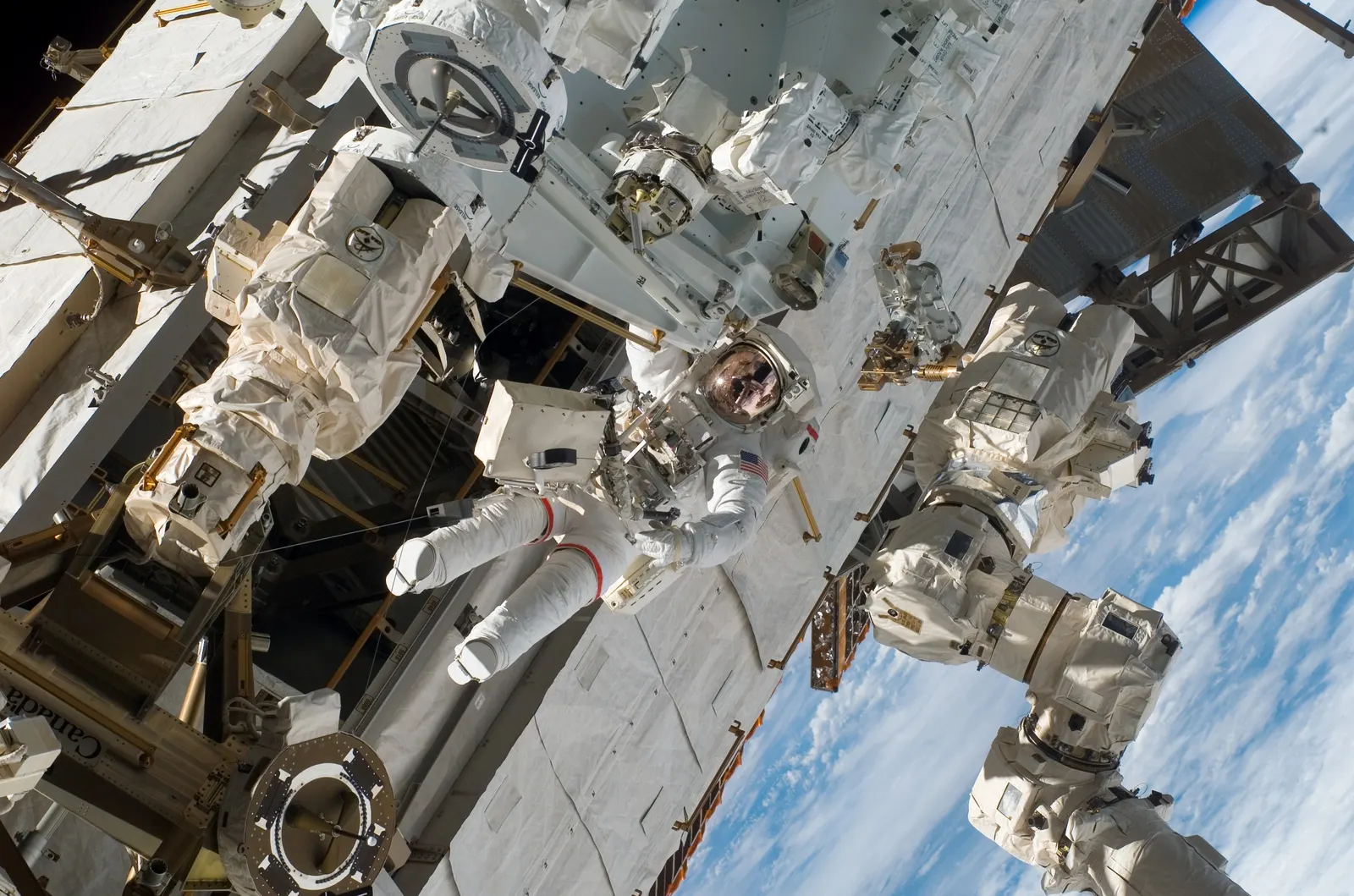
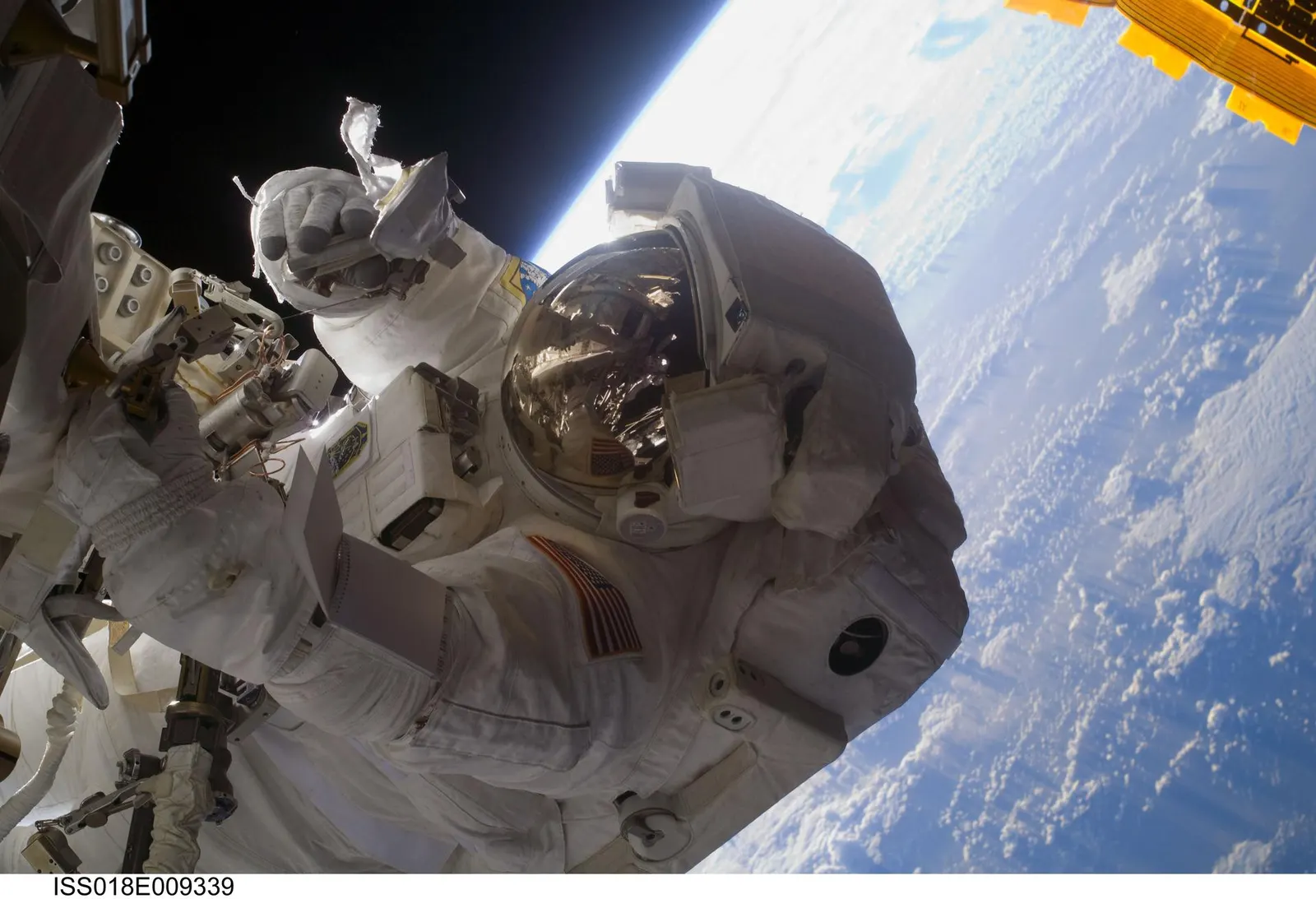
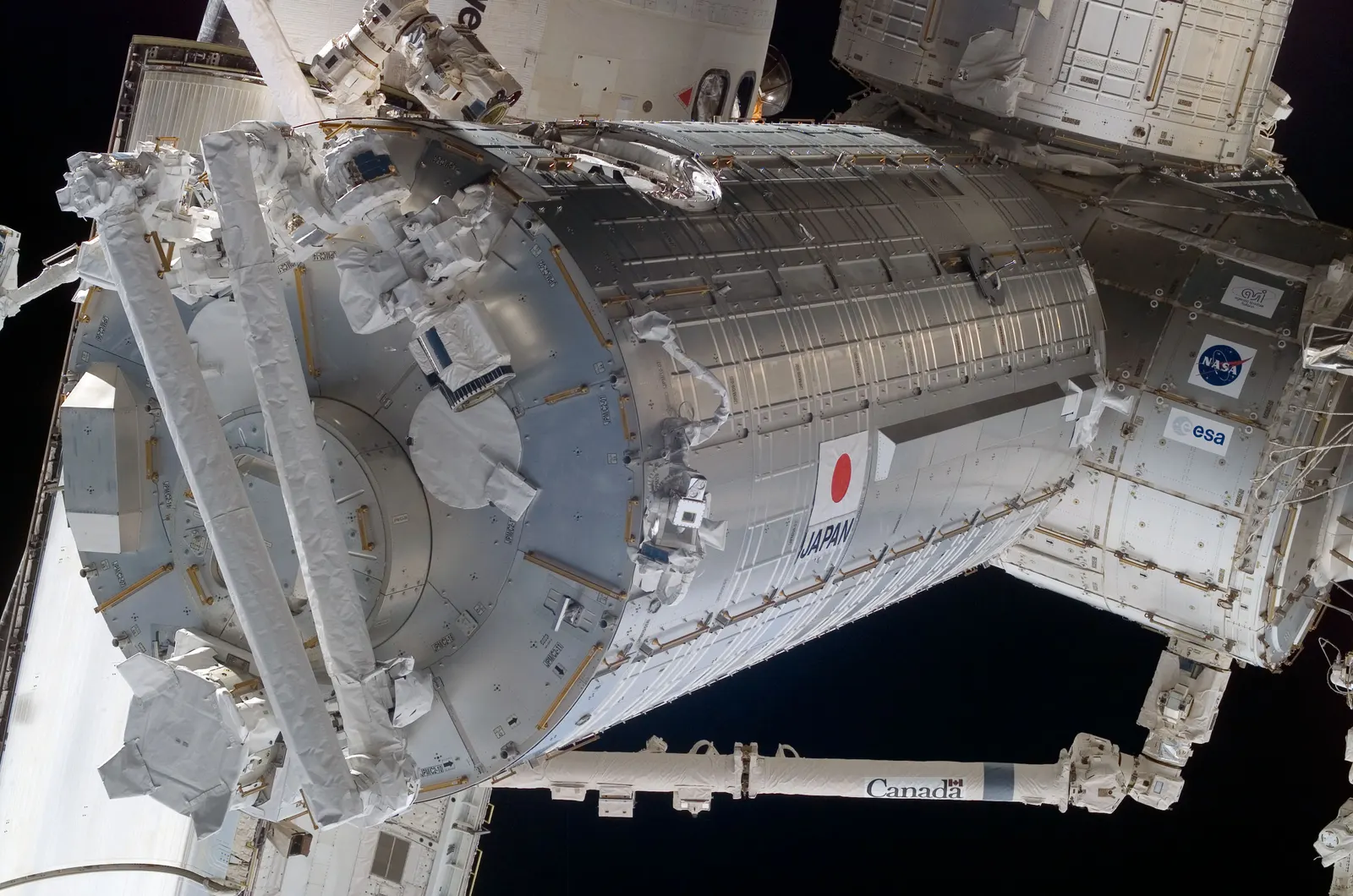
Discovery thundered off pad 39A at 5:02 p.m. EDT on 31 May 2008 carrying the heart of Japan's space laboratory: the Kibo Pressurized Module, the largest single module ever attached to the International Space Station, along with its sophisticated robotic arm, the Japanese Remote Manipulator System. Commanded by Mark Kelly with JAXA astronaut Akihiko Hoshide — on the first flight of a career that would later span Soyuz and SpaceX Crew Dragon missions — the crew docked on 2 June and berthed the bus-sized laboratory to the Harmony node the next day. Michael Fossum and Ronald Garan conducted three spacewalks totaling more than twenty hours, readying the module, deploying its arm, and replacing a depleted nitrogen tank. On 6 June the logistics module delivered by STS-123 was relocated to its permanent perch atop Kibo, completing the two-step Japanese assembly sequence. The mission was also a crew-rotation flight: Greg Chamitoff stayed aboard as an Expedition 17 flight engineer while Garrett Reisman returned home after roughly three months in orbit. Discovery landed at Kennedy Space Center at 11:15 a.m. EDT on 14 June 2008 after 13 days and 18 hours, leaving the station with a functioning Japanese laboratory and Japan with a permanent foothold in human spaceflight.
Crew
Mark Kelly
Commander
Third spaceflight, first command; later commanded STS-134
Kenneth T. Ham
Pilot
First spaceflight
Karen L. Nyberg
Mission Specialist
First spaceflight; operated station and shuttle robotic arms
Ronald J. Garan Jr.
Mission Specialist
First spaceflight; performed all three EVAs
Michael E. Fossum
Mission Specialist
Led all three spacewalks
Akihiko Hoshide
Mission Specialist (JAXA)
First spaceflight; helped activate Japan's Kibo laboratory
Gregory E. Chamitoff
Mission Specialist (up)
Remained aboard as Expedition 17 flight engineer
Garrett E. Reisman
Mission Specialist (down)
Returned to Earth after about three months on the ISS
Key Milestones
2008-05-31
Discovery launches from pad 39A at 5:02 p.m. EDT with the Kibo Pressurized Module
2008-06-02
Docks with the International Space Station
2008-06-03
Kibo Pressurized Module — the station's largest — berthed to Harmony; first EVA by Fossum and Garan
2008-06-05
Second EVA prepares Kibo's Japanese robotic arm for activation
2008-06-06
Kibo logistics module relocated to its permanent berth atop the new laboratory
2008-06-14
Discovery lands at Kennedy Space Center at 11:15 a.m. EDT
Key Achievements
Delivered and installed the Kibo Pressurized Module, the largest single module on the International Space Station
Delivered the Japanese Remote Manipulator System, Kibo's dedicated robotic arm
Completed three spacewalks totaling more than 20 hours to outfit and activate the new laboratory
Flew JAXA astronaut Akihiko Hoshide on his first mission and rotated ISS crew members Chamitoff and Reisman
Legacy & Significance
STS-124 gave Japan a permanent, working laboratory in orbit. Kibo — 'Hope' — became the ISS's largest module and a unique science platform, with its own airlock, exposed experiment terrace and robotic arm enabling research and small-satellite deployments no other module could host. The flight cemented JAXA's standing as a full partner in human spaceflight and launched Akihiko Hoshide toward a career commanding the ISS itself. For Mark Kelly it was a successful first command, rehearsing the leadership he would bring to Endeavour's final voyage on STS-134 three years later.