Image: NASA
STS-114
Mission Profile
| Launch date | 2005-07-26 |
|---|---|
| Launch site | Launch Complex 39B, Kennedy Space Center, Florida |
| Launch vehicle | Space Shuttle |
| Spacecraft | Space Shuttle Discovery (OV-103) |
| Target | Low Earth Orbit |
| Type | Crewed |
| End date | 2005-08-09 |
| Duration | 13 days, 21 hours, 32 minutes |
| Partners | JAXA |
Overview
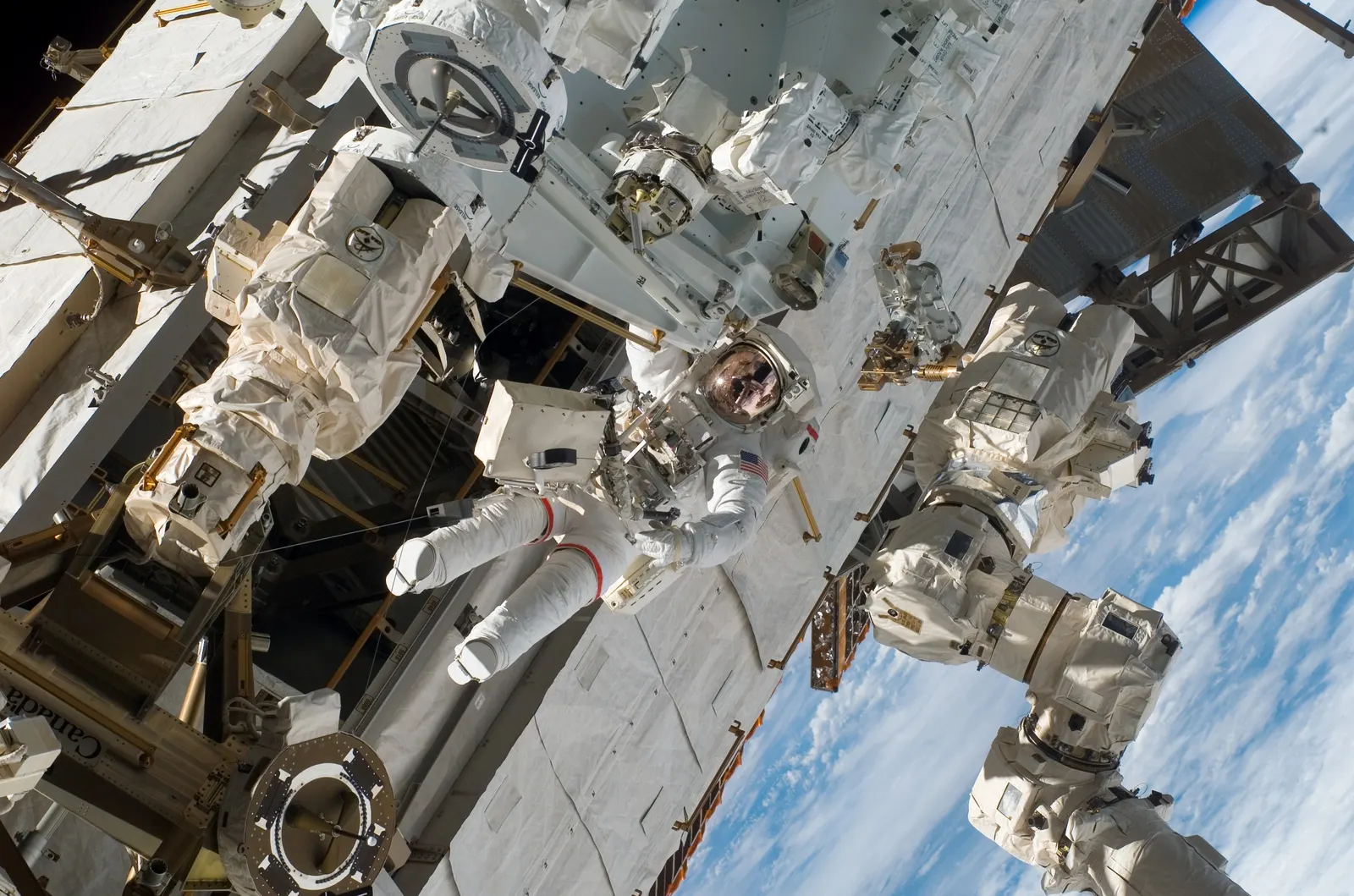
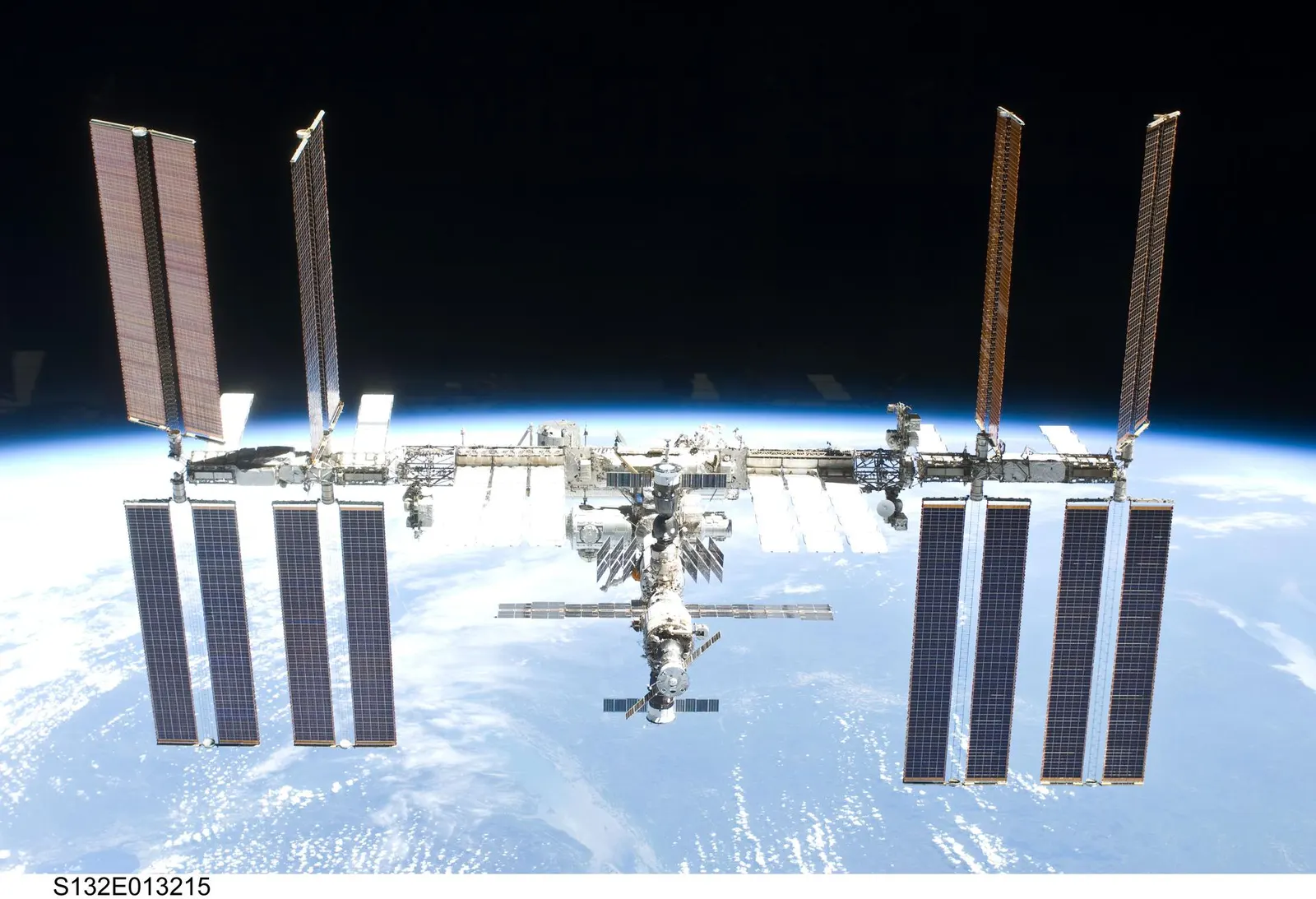
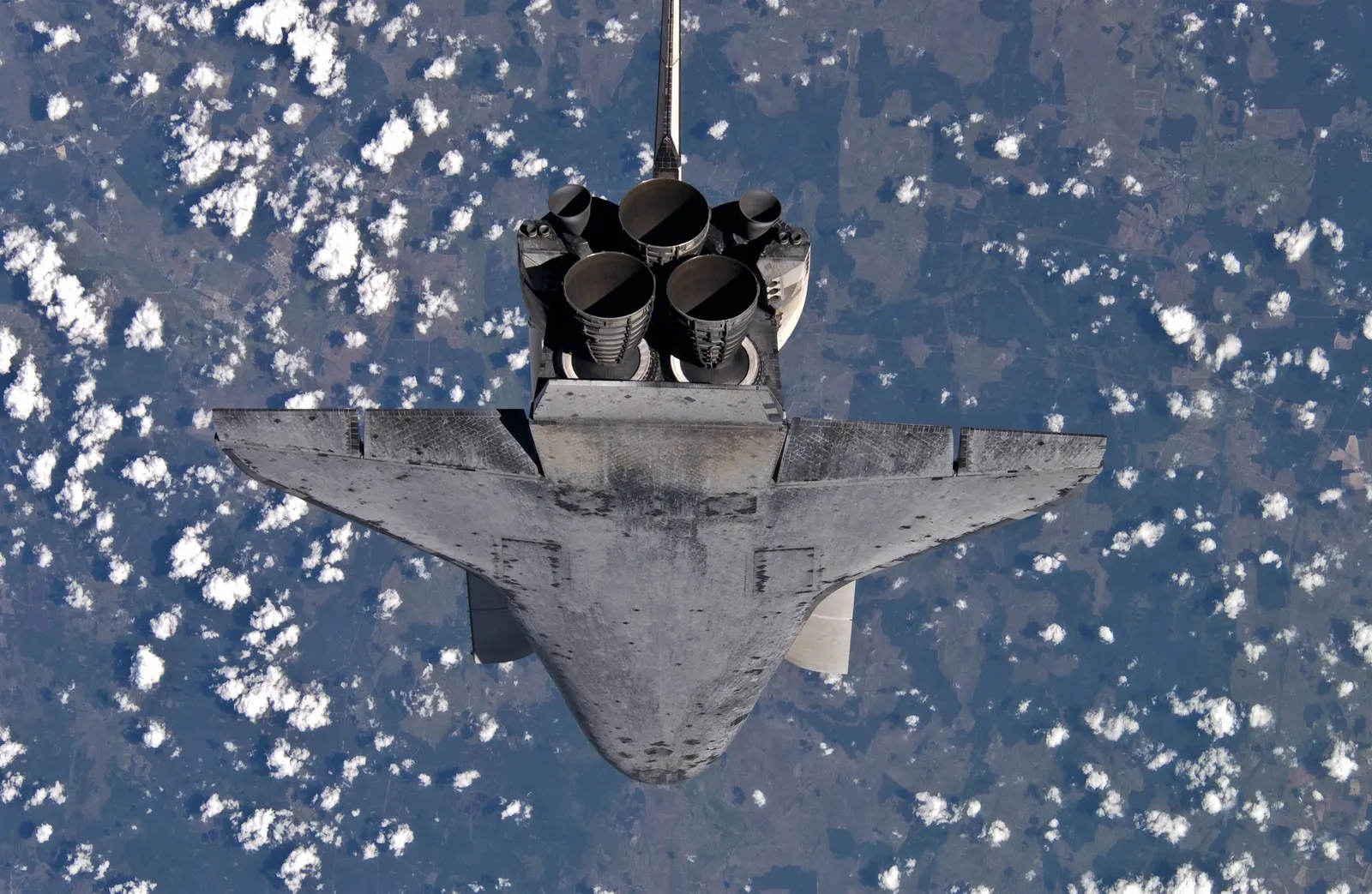
Two and a half years after the Columbia accident, Discovery carried the Space Shuttle program back into orbit. Commander Eileen Collins — the first woman ever to command a shuttle — led the Return to Flight test mission, launched at 10:39 a.m. EDT on 26 July 2005 with more than a hundred cameras scrutinizing the redesigned external tank. Approaching the International Space Station on 28 July, Collins flew the first-ever Rendezvous Pitch Maneuver, a slow backflip beneath the outpost that let the Expedition 11 crew photograph every tile of Discovery's heat shield — a safeguard born directly of the CAIB recommendations and repeated on every shuttle flight thereafter. JAXA's Soichi Noguchi and Stephen Robinson performed three spacewalks: demonstrating orbital tile-repair techniques, replacing the station's failed Control Moment Gyroscope-1, and — in a program first — riding the station's robotic arm beneath the orbiter so Robinson could pluck two protruding gap fillers from the belly, the first in-flight repair of a shuttle's thermal protection system. The mission also delivered supplies in the Raffaello logistics module. Because cameras still caught foam shedding from the tank during ascent, the fleet stood down again until STS-121 in July 2006. Weather in Florida diverted Discovery to Edwards Air Force Base, where it landed on 9 August 2005.
Crew
Eileen M. Collins
Commander
First woman to command a Space Shuttle; flew the first Rendezvous Pitch Maneuver
James M. Kelly
Pilot
Second spaceflight
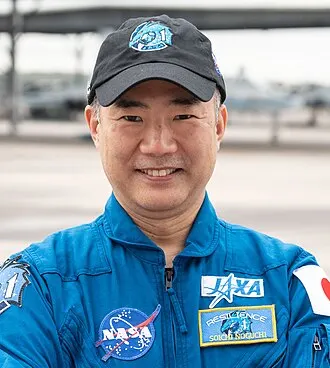
Soichi Noguchi
Mission Specialist (JAXA)
First spaceflight; performed all three EVAs, later flew Soyuz and SpaceX Crew-1
Stephen K. Robinson
Mission Specialist
Performed the first in-flight repair of a shuttle heat shield
Andrew S. W. Thomas
Mission Specialist
Veteran of a long-duration Mir expedition
Wendy B. Lawrence
Mission Specialist
Operated the robotic arm for logistics transfers
Charles J. Camarda
Mission Specialist
First spaceflight
Key Milestones
2005-07-26
Discovery launches from pad 39B at 10:39 a.m. EDT — the first shuttle flight since the Columbia accident
2005-07-28
Collins flies the first Rendezvous Pitch Maneuver for heat-shield photography, then docks with the ISS
2005-07-30
EVA 1: Noguchi and Robinson demonstrate thermal-tile repair techniques in orbit
2005-08-01
EVA 2: spacewalkers replace the station's failed Control Moment Gyroscope-1
2005-08-03
EVA 3: Robinson rides the robotic arm beneath Discovery and removes two protruding gap fillers — the first in-flight shuttle heat-shield repair
2005-08-09
Discovery lands on Runway 22 at Edwards Air Force Base, California, at 5:11 a.m. PDT
Key Achievements
Returned the Space Shuttle fleet to flight after the Columbia accident, validating post-CAIB safety reforms
Performed the first Rendezvous Pitch Maneuver, establishing routine photographic heat-shield inspection for all later shuttle flights
Completed the first in-flight repair of a shuttle thermal protection system when Robinson removed protruding gap fillers
Replaced the ISS's failed Control Moment Gyroscope-1, restoring full attitude-control redundancy
Carried JAXA astronaut Soichi Noguchi on his first flight, performing three spacewalks
Legacy & Significance
STS-114 rebuilt NASA's confidence — and the public's — that the shuttle could fly again responsibly after Columbia. Its core innovations, the Rendezvous Pitch Maneuver and orbital boom sensor inspections, became permanent fixtures of every subsequent mission and turned heat-shield health from an unknowable risk into a managed one. The flight also showed the limits of the redesign when foam again shed from the tank, grounding the fleet for another year and reinforcing the CAIB's view that the shuttle should retire once the ISS was complete. For Soichi Noguchi, the mission began one of the most varied careers in spaceflight history, spanning the shuttle, Soyuz, and SpaceX's Crew Dragon.