Image: NASA
STS-129
Mission Profile
| Launch date | 2009-11-16 |
|---|---|
| Launch site | Launch Complex 39A, Kennedy Space Center, Florida |
| Launch vehicle | Space Shuttle |
| Spacecraft | Space Shuttle Atlantis (OV-104) |
| Target | Low Earth Orbit |
| Type | Crewed |
| End date | 2009-11-27 |
| Duration | 10 days, 19 hours, 16 minutes |
Overview
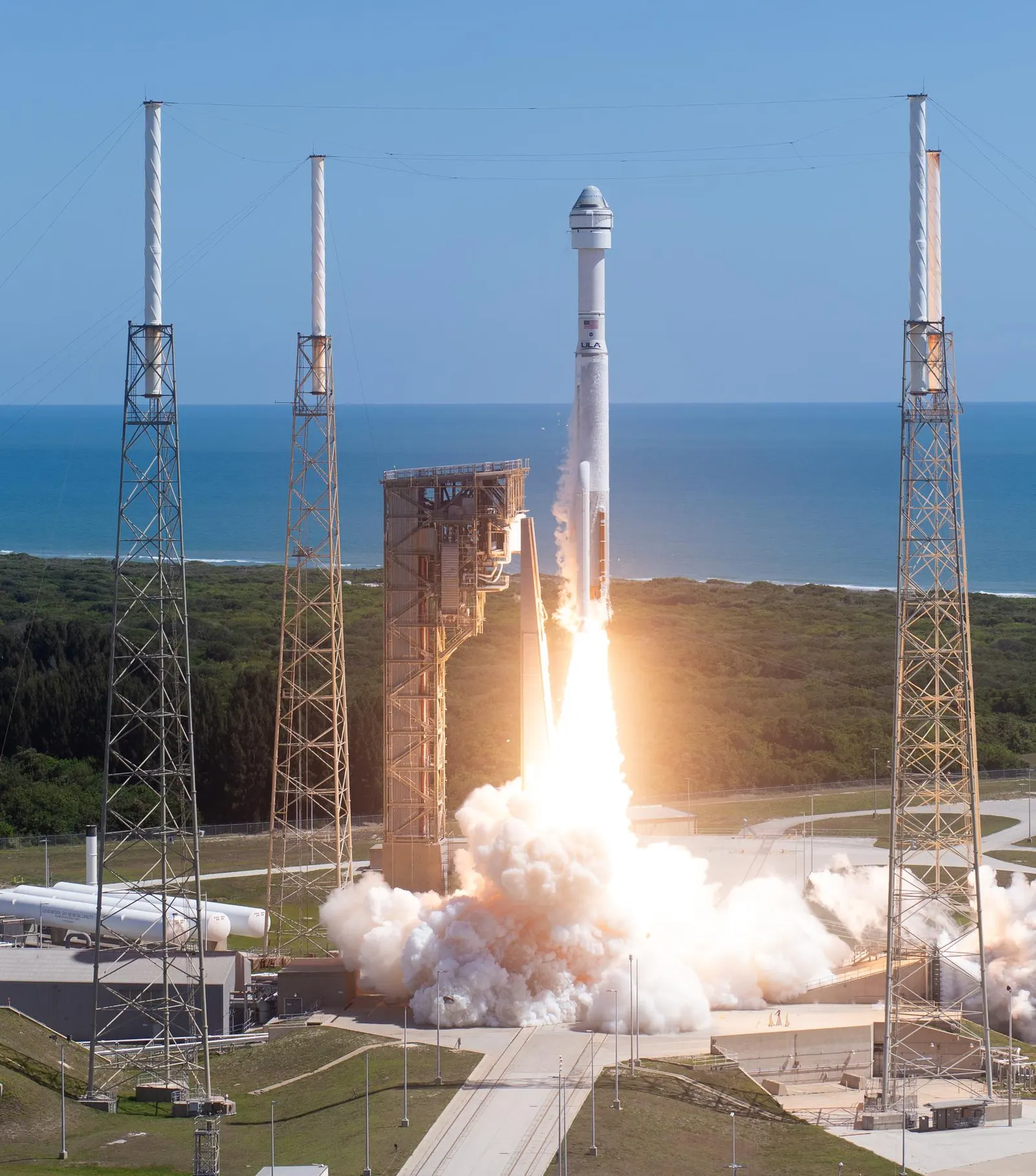
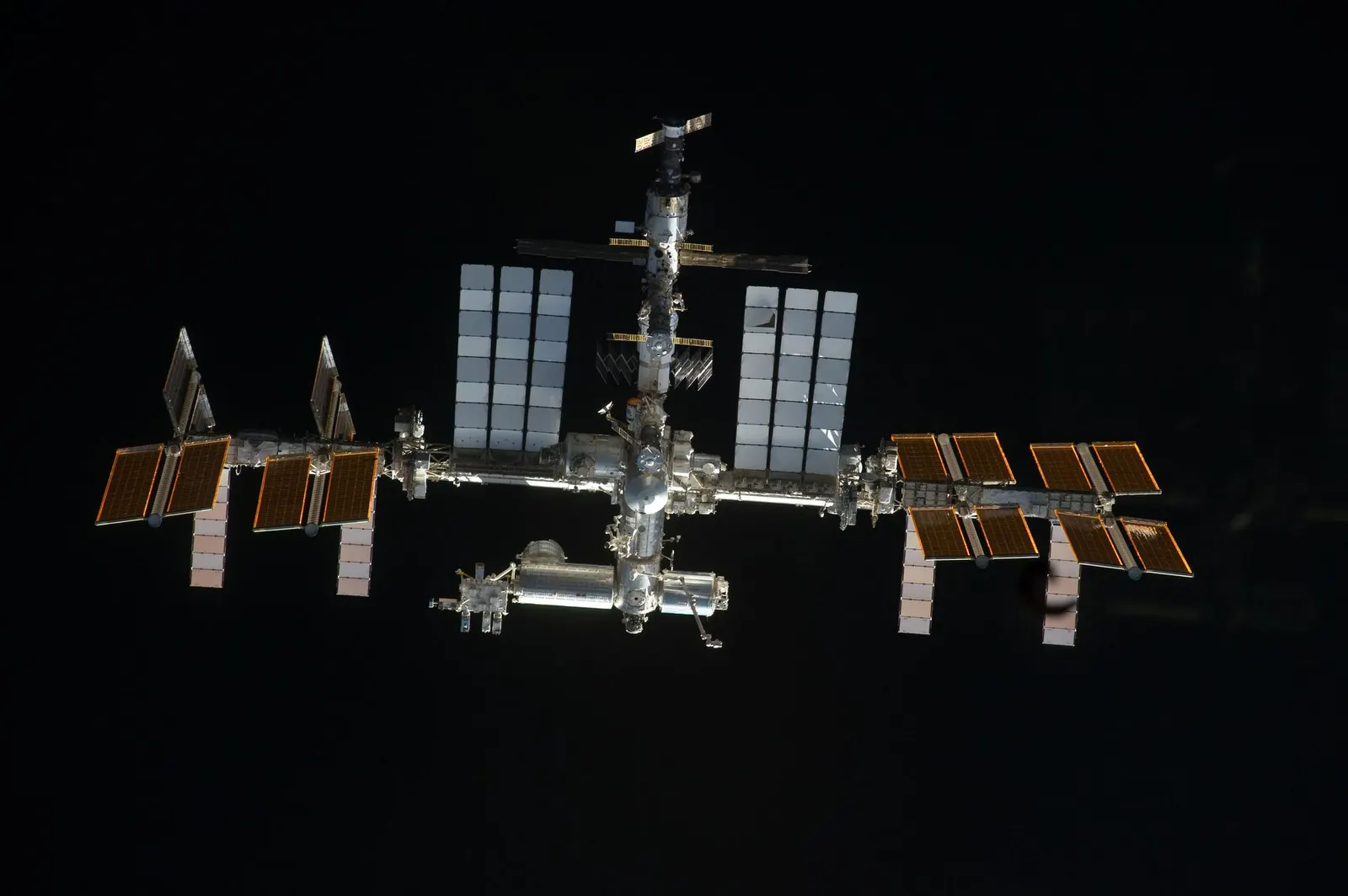
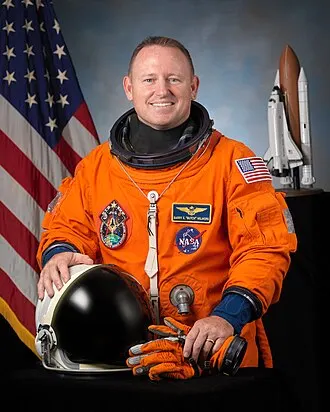
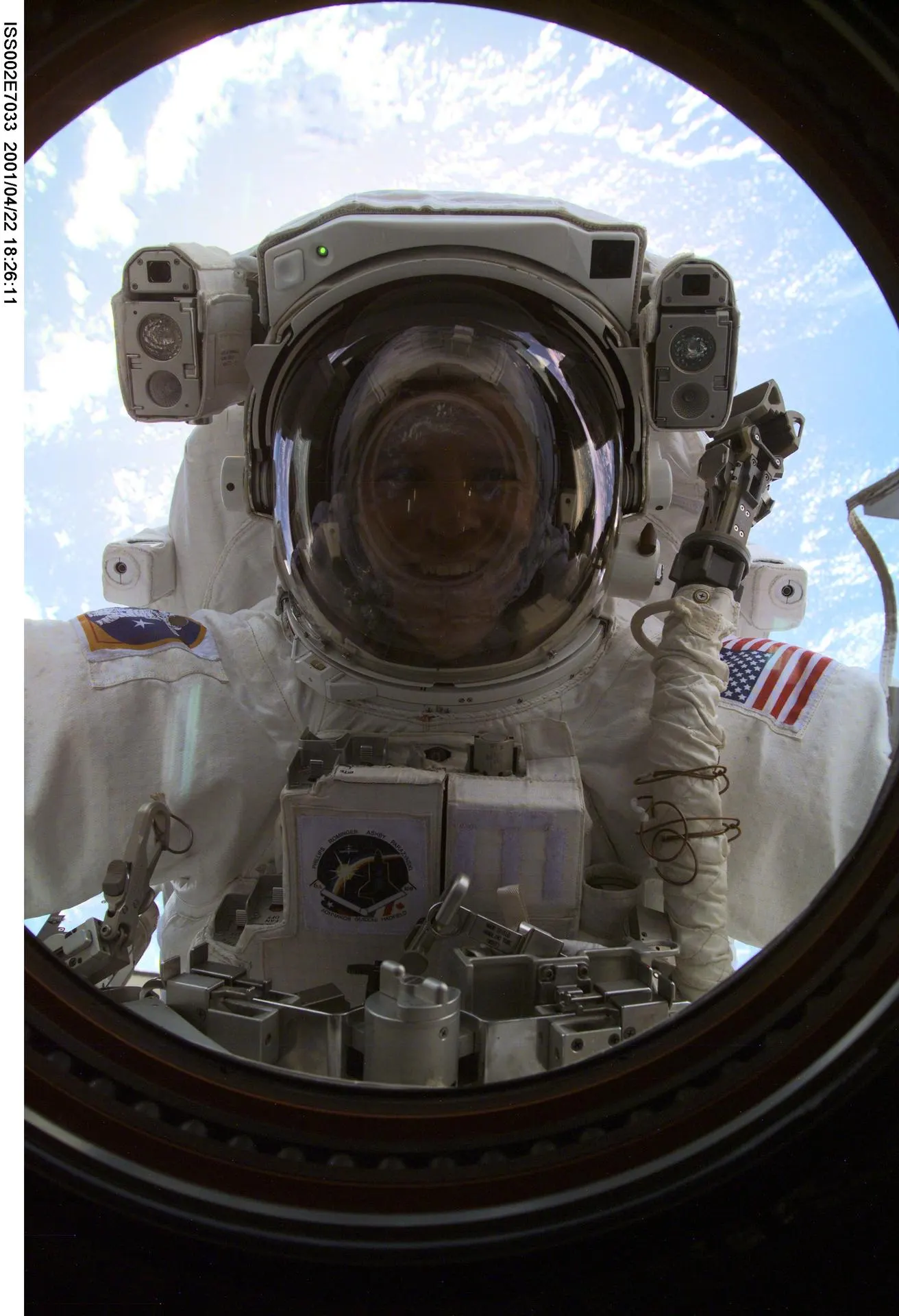
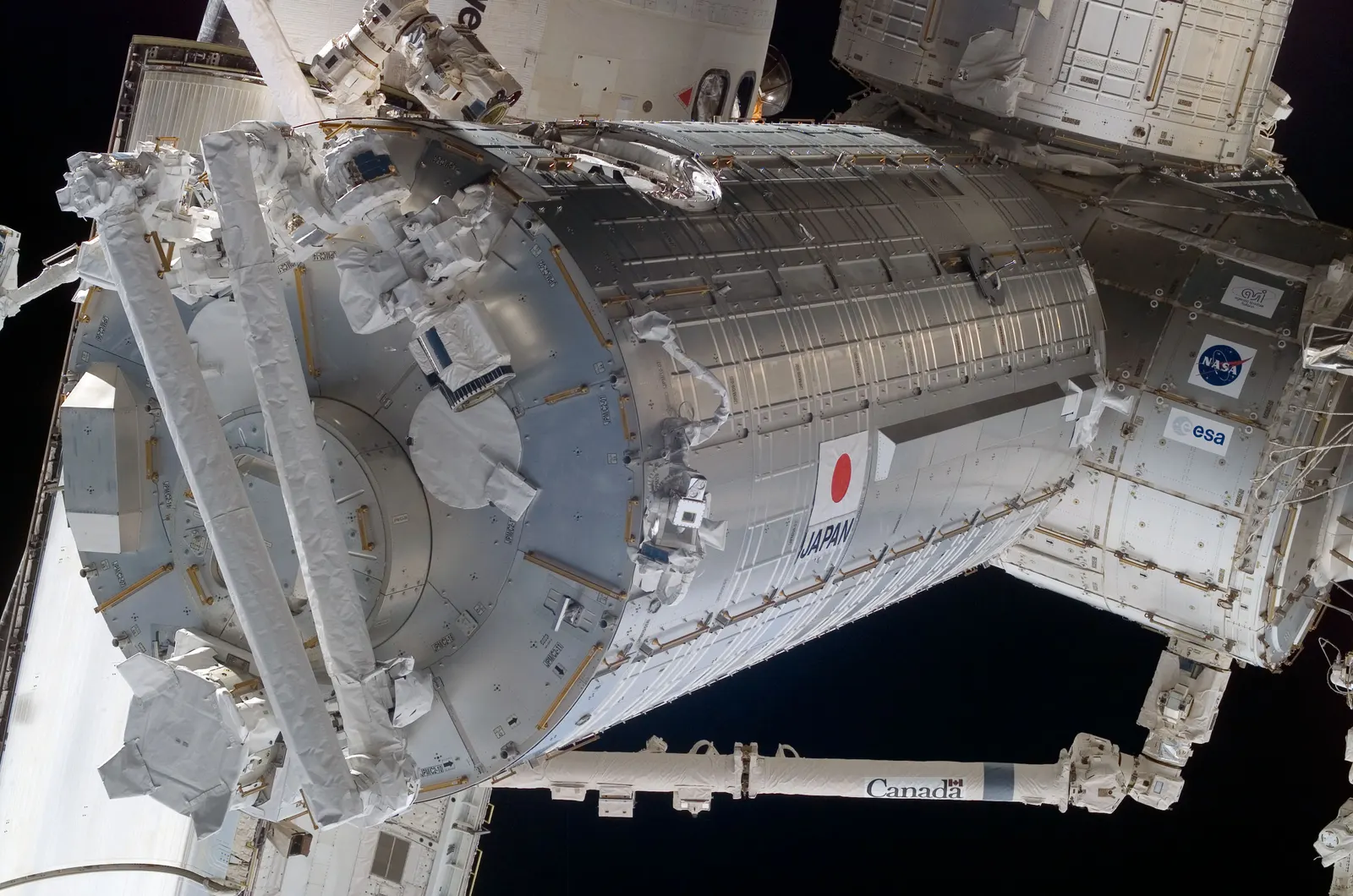
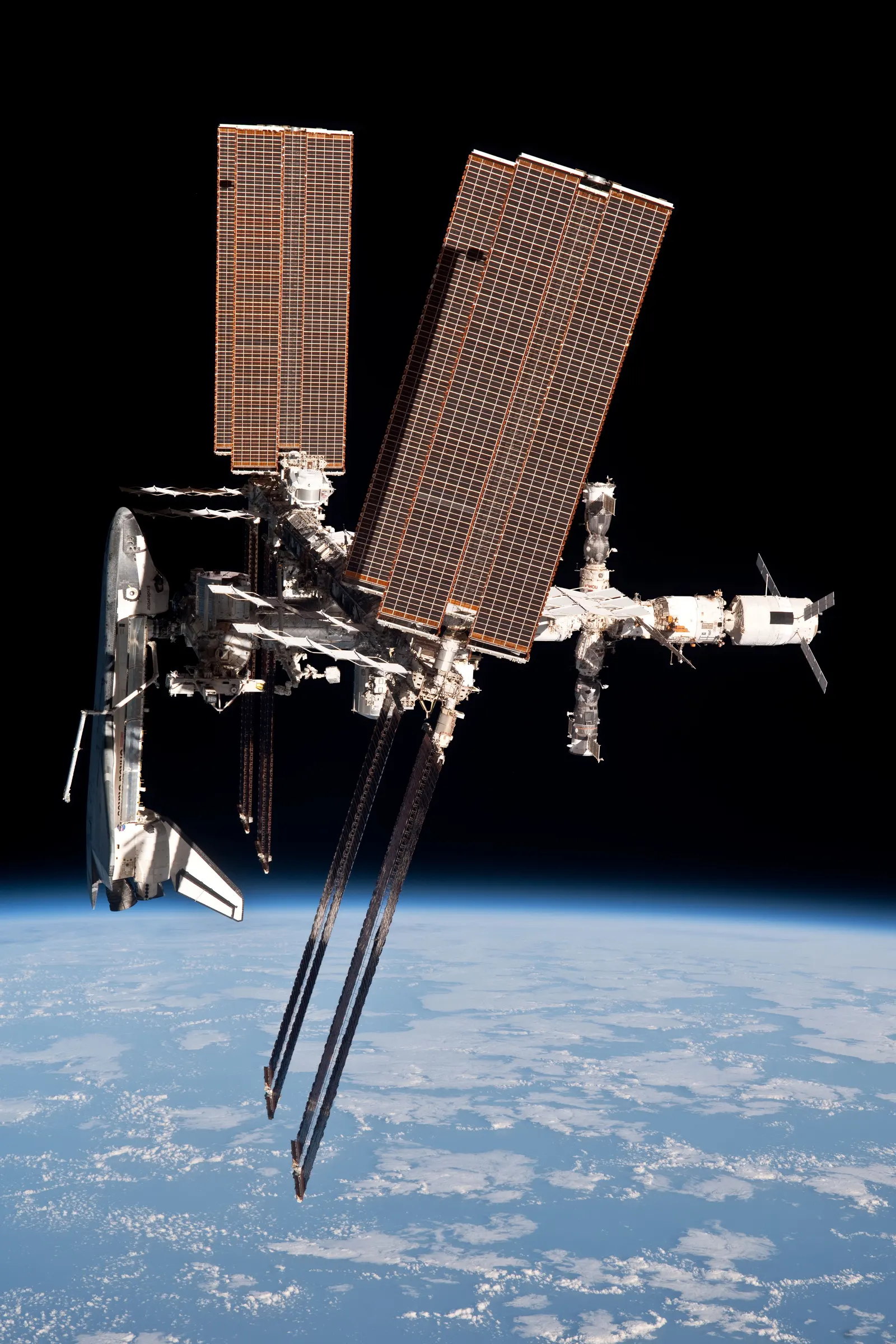
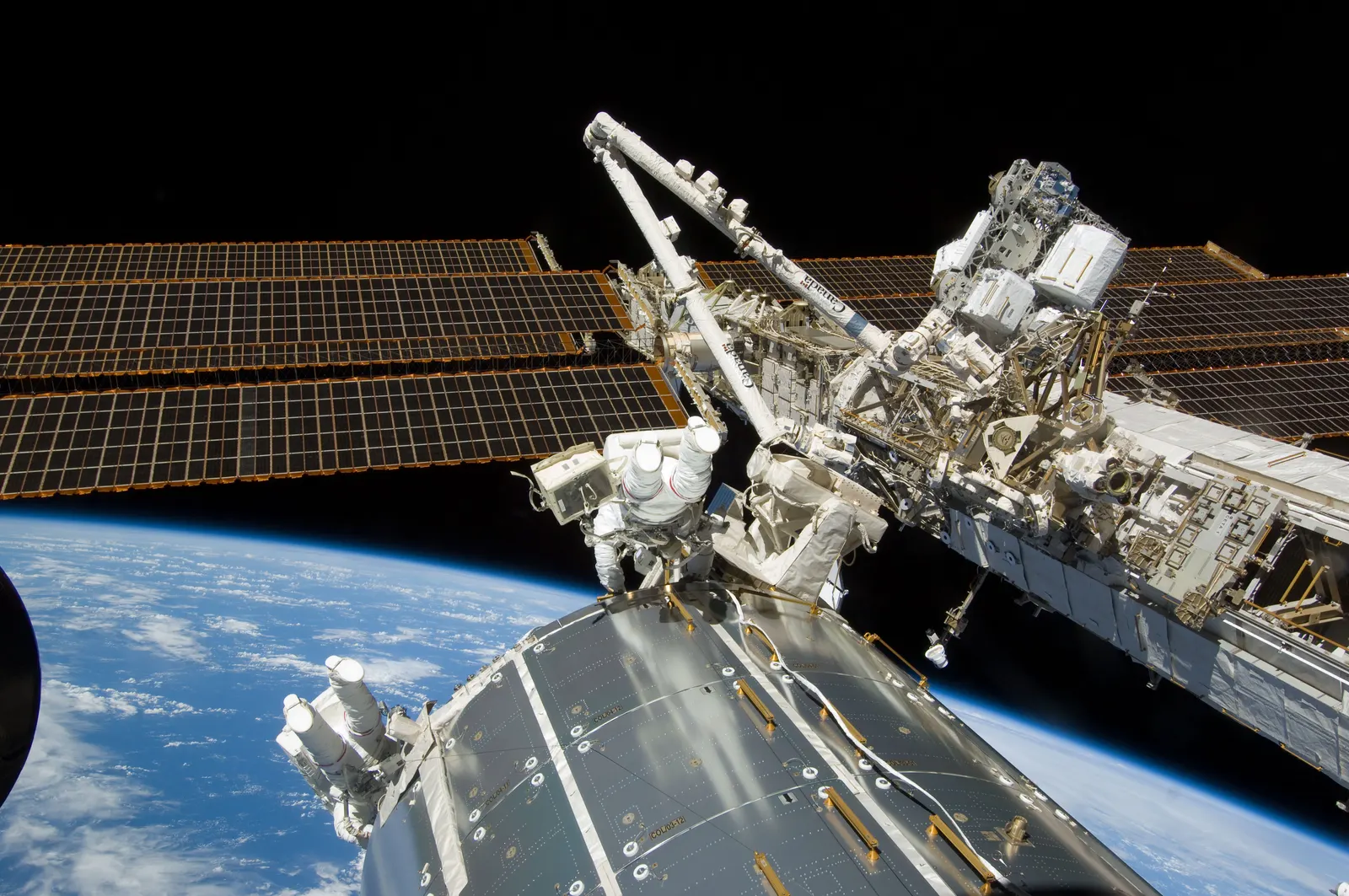
With the shuttle's retirement on the horizon, STS-129 was a stockpiling run: Atlantis launched from pad 39A at 2:28 p.m. EST on 16 November 2009 hauling two ExPRESS Logistics Carriers loaded with roughly 30,000 pounds of spare hardware — gyroscopes, tanks, pump modules and robotic-arm parts the International Space Station would need in the decade after the shuttle's cargo capacity disappeared. Commander Charles Hobaugh's crew included pilot Barry 'Butch' Wilmore on his first spaceflight, a quarter century before his name became synonymous with Boeing's Starliner Crew Flight Test. After docking on 18 November, the crew mounted ELC-1 and ELC-2 on the station's truss and conducted three spacewalks — by Michael Foreman, Robert Satcher and Randolph Bresnik — to install antennas, handrails and experiment platforms. Bresnik received word mid-mission of the birth of his daughter back on Earth. Atlantis also brought home Nicole Stott, who had spent 91 days aboard as an Expedition 20/21 flight engineer — the final time a space shuttle ever rotated a station crew member. Landing came at 9:44 a.m. EST on 27 November 2009 at Kennedy Space Center, after 10 days and 19 hours that quietly future-proofed the ISS.
Crew
Charles O. Hobaugh
Commander
Third spaceflight
Barry 'Butch' Wilmore
Pilot
First spaceflight; later commanded Boeing's Starliner Crew Flight Test
Leland D. Melvin
Mission Specialist
Second and final spaceflight
Randolph J. Bresnik
Mission Specialist
Performed two EVAs; his daughter was born during the mission
Michael Foreman
Mission Specialist
Performed two EVAs on his second flight
Robert L. Satcher Jr.
Mission Specialist
First orthopedic surgeon in space; performed two EVAs
Nicole P. Stott
Mission Specialist (down)
Returned after 91 days as an Expedition 20/21 flight engineer — the last shuttle-based ISS crew rotation
Key Milestones
2009-11-16
Atlantis launches from pad 39A at 2:28 p.m. EST with two ExPRESS Logistics Carriers
2009-11-18
Docks with the ISS; ELC-1 is hoisted onto the station's truss the same day
2009-11-19
EVA 1: Foreman and Satcher install a spare antenna and lubricate robotic systems
2009-11-21
EVA 2: Foreman and Bresnik mount antennas and a payload attachment bracket
2009-11-23
EVA 3: Satcher and Bresnik complete external outfitting work
2009-11-27
Atlantis lands at Kennedy Space Center at 9:44 a.m. EST, returning Nicole Stott from the ISS
Key Achievements
Delivered ExPRESS Logistics Carriers 1 and 2 with roughly 30,000 pounds of spare parts, provisioning the ISS for the post-shuttle era
Completed three spacewalks to install antennas, experiment platforms and external hardware
Returned Nicole Stott to Earth — the final ISS crew rotation ever performed by a space shuttle
Launched Barry 'Butch' Wilmore on his first spaceflight, beginning a career that spanned shuttle, Soyuz and Starliner
Legacy & Significance
STS-129 rarely makes highlight reels, but the station flying today depends on it: the spare gyroscopes, tanks and pump modules carried on its two logistics carriers were precisely the class of bulky hardware nothing else in the world could lift once the shuttle retired, and several have since been swapped in during contingency spacewalks. The flight also closed an era as the last shuttle to ferry a station crew member home, handing that role to Soyuz for the next decade. And in pilot Butch Wilmore it introduced an astronaut whose adaptability would be tested fifteen years later, when his Starliner test flight turned into an unplanned long-duration ISS expedition.