Image: NASA
STS-72
Mission Profile
| Launch date | 1996-01-11 |
|---|---|
| Launch site | Kennedy Space Center, Launch Complex 39B, Florida |
| Launch vehicle | Space Shuttle |
| Spacecraft | Space Shuttle Endeavour (OV-105) |
| Target | Low Earth Orbit |
| Type | Crewed |
| End date | 1996-01-20 |
| Recovery | Runway landing — Kennedy Space Center Shuttle Landing Facility, Runway 15, Florida |
| Duration | 8 days, 22 hours, 1 minute, 47 seconds |
| Partners | NASDA (Japan), ISAS (Japan) |
Overview
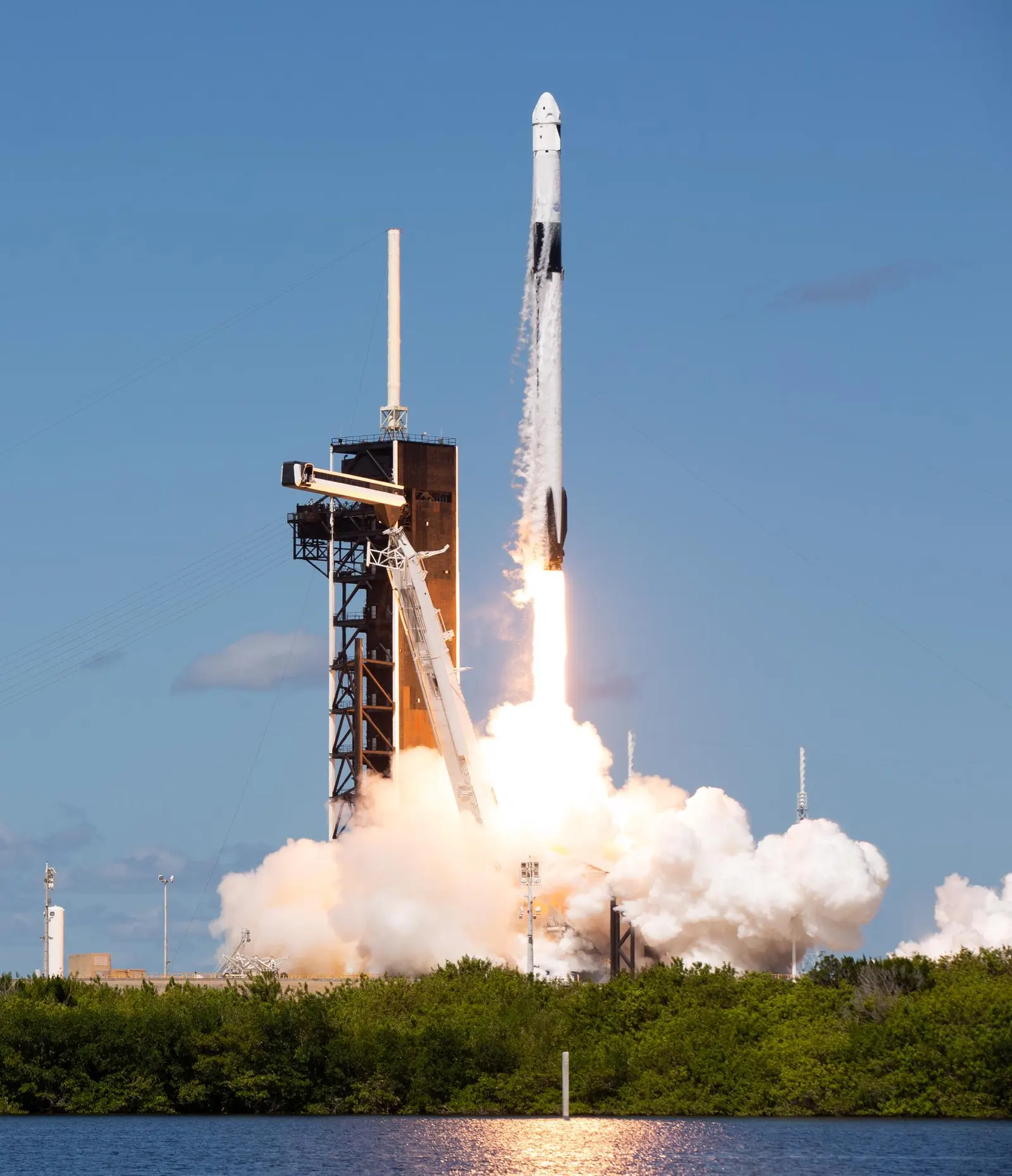
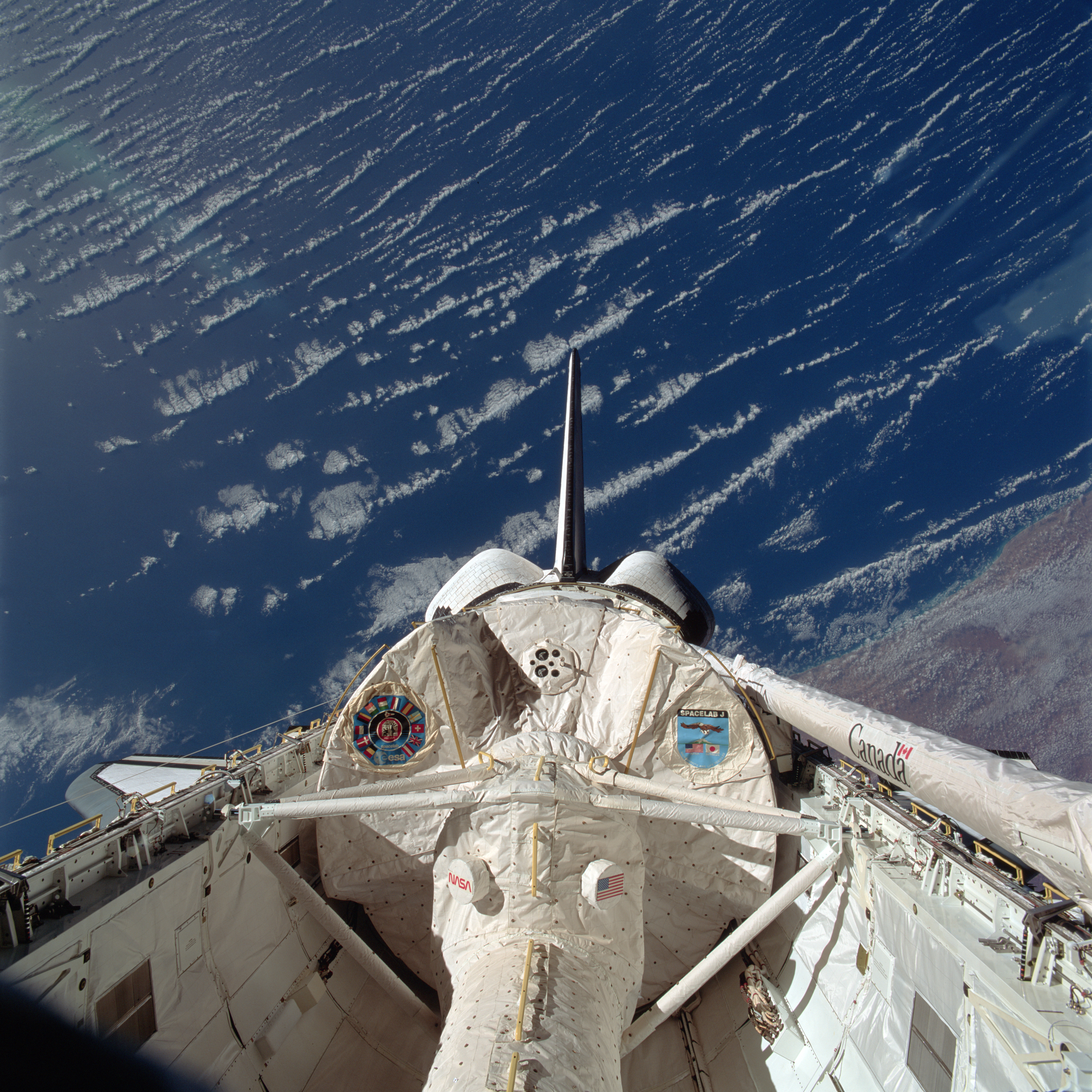
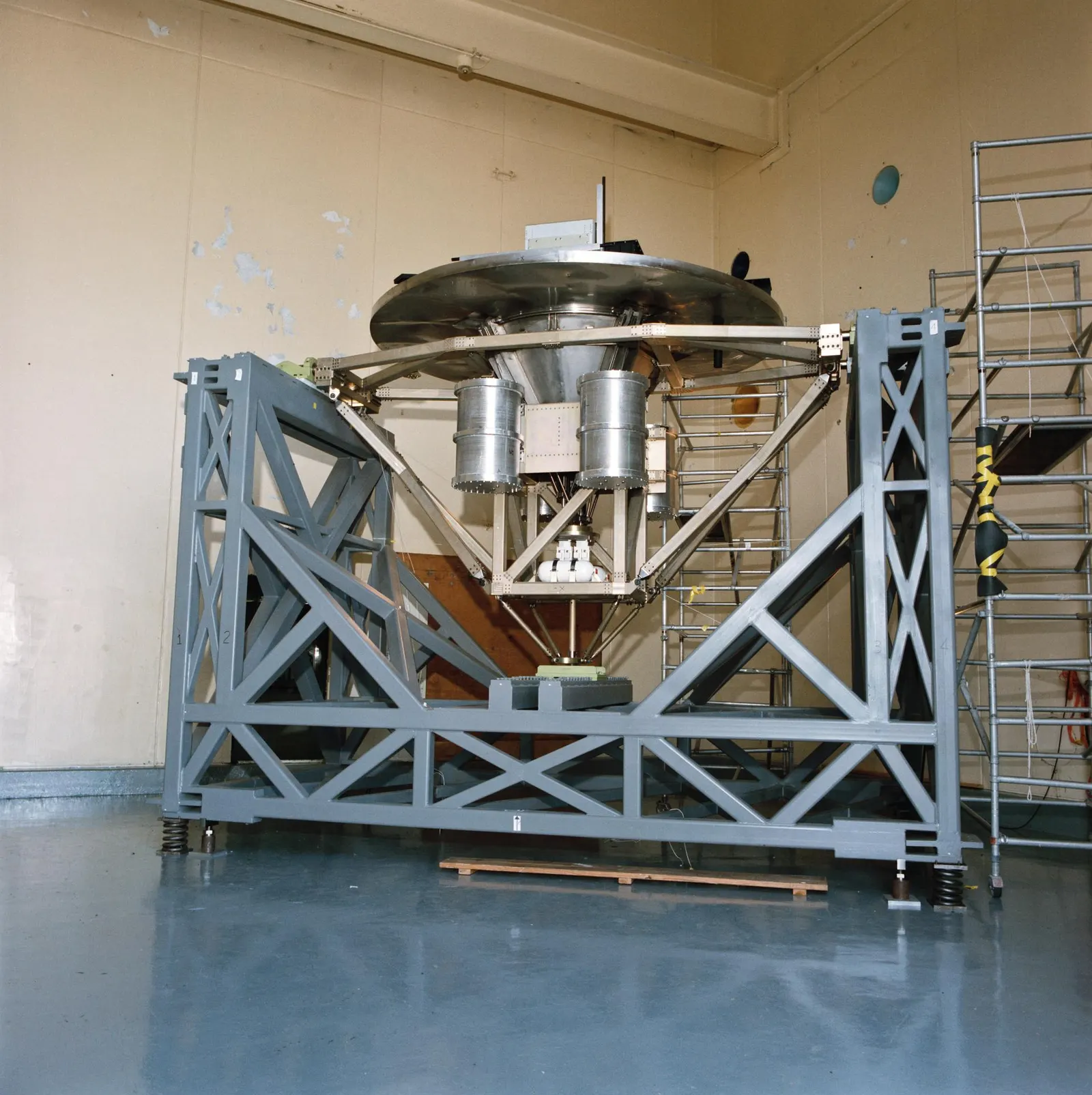
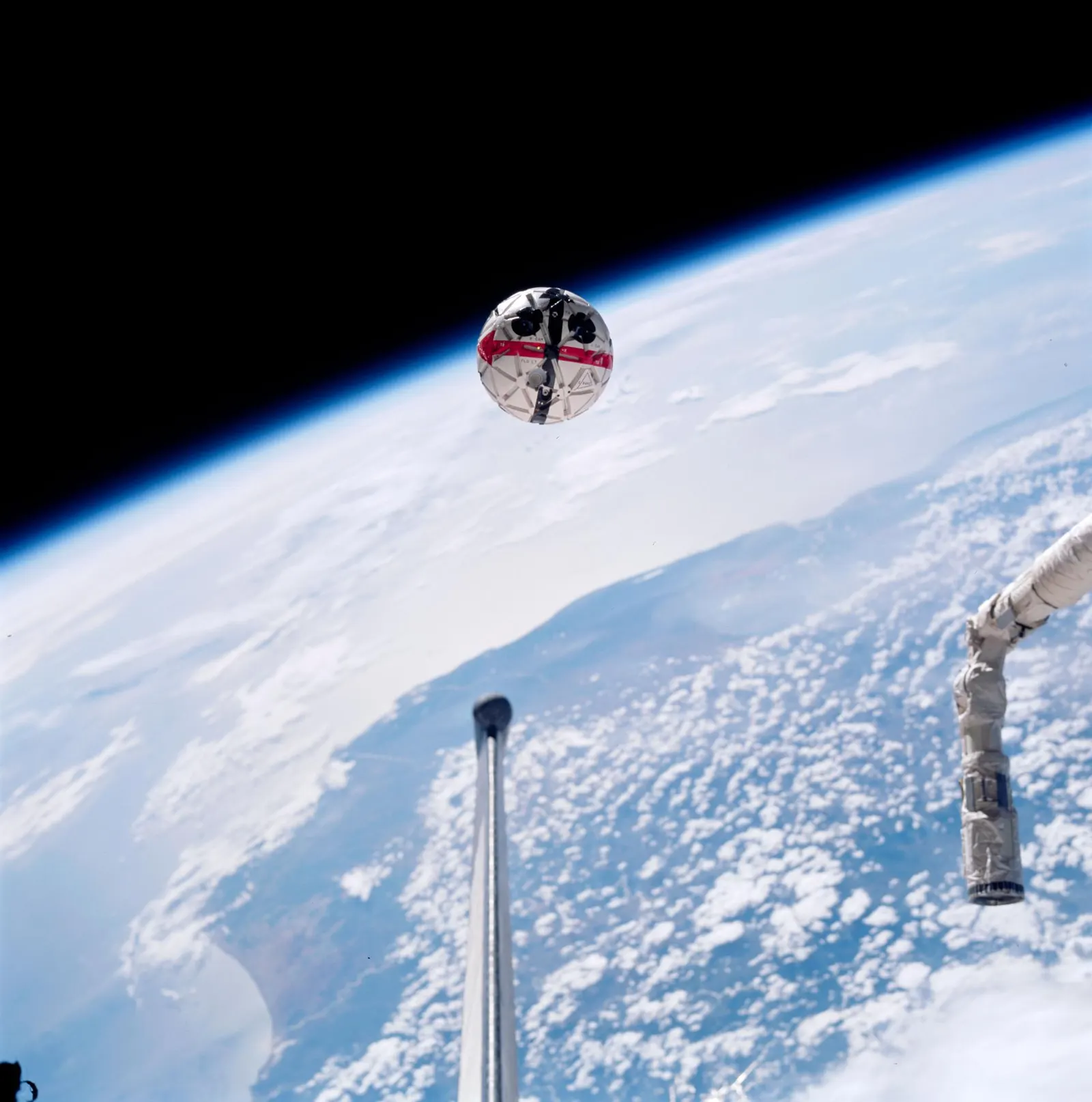
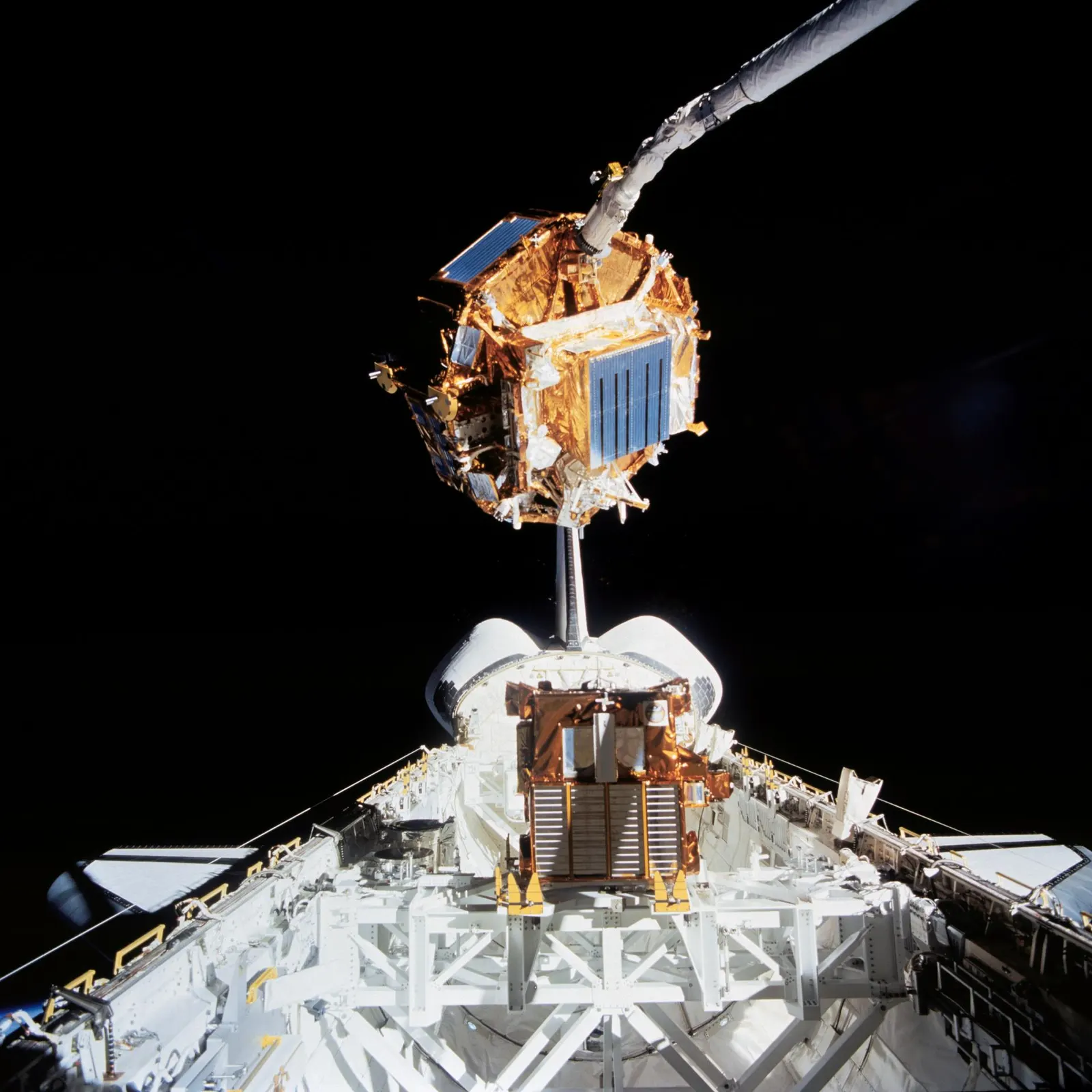
Endeavour rose from Pad 39B in the pre-dawn darkness of January 11, 1996 on a retrieval mission: Japan's Space Flyer Unit, a microgravity science free-flyer launched on an H-II rocket in March 1995, was waiting in orbit for a ride home. On January 13, Koichi Wakata — the first Japanese astronaut to fly as a NASA mission specialist — operated the robot arm to capture the SFU after ten months of free flight; its two solar arrays, which failed to confirm a safe latch when retracted, had to be jettisoned before the grapple. The next day the crew deployed NASA's OAST-Flyer, a Spartan-based free-flyer carrying four technology experiments, and retrieved it after roughly 50 hours of autonomous flight. Two spacewalks rehearsed the construction work awaiting astronauts on the International Space Station: Leroy Chiao and Daniel Barry spent 6 hours 9 minutes outside on January 15 testing a portable work platform and cable rigging, and Chiao returned with Winston Scott on January 17 for 6 hours 54 minutes, evaluating tools and thermal conditions in the extreme cold of orbital night. Between shifts, Barry and Wakata played the first game of Go in space. Endeavour landed at Kennedy on January 20 after 8 days, 22 hours.
Crew
Brian Duffy
Commander
Third of four Shuttle flights
Brent Jett
Pilot
First flight; later commanded STS-115
Leroy Chiao
Mission Specialist
Performed both EVAs; later commanded ISS Expedition 10
Daniel Barry
Mission Specialist
EVA-1 spacewalker; played the first game of Go in space with Wakata
Winston Scott
Mission Specialist
EVA-2 spacewalker; flew again on STS-87
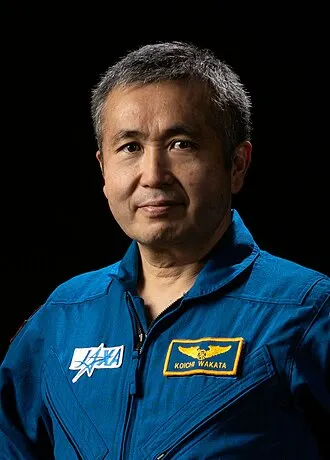
Koichi Wakata
Mission Specialist
First Japanese astronaut to serve as a NASA mission specialist; operated the arm for the Space Flyer Unit capture
Key Milestones
1996-01-11
Endeavour launches from LC-39B with Koichi Wakata, the first Japanese mission specialist
1996-01-13
Wakata grapples Japan's Space Flyer Unit with the robot arm, retrieving it after ten months in orbit
1996-01-14
OAST-Flyer free-flyer deployed; retrieved two days later after about 50 hours of autonomous flight
1996-01-15
EVA-1: Chiao and Barry spend 6 hours 9 minutes testing ISS assembly hardware
1996-01-17
EVA-2: Chiao and Scott log 6 hours 54 minutes evaluating tools and EVA thermal conditions
1996-01-20
Endeavour lands at Kennedy Space Center Runway 15 after 8 days, 22 hours
Key Achievements
Retrieved Japan's Space Flyer Unit after ten months of free flight
Koichi Wakata flew as the first Japanese NASA mission specialist
Two spacewalks totaling over 13 hours rehearsed International Space Station assembly techniques
Deployed and retrieved the OAST-Flyer technology free-flyer after about 50 hours of autonomous flight
Legacy & Significance
STS-72 was a dress rehearsal for the ISS era on two fronts. Its spacewalks validated the work platforms, rigging and cold-soak endurance data that station assembly crews would depend on three years later, and its rendezvous-and-capture choreography sharpened the techniques behind dozens of subsequent grapples. It also launched one of spaceflight's great careers: Koichi Wakata went from first Japanese mission specialist here to five missions across the Shuttle, Soyuz and SpaceX Crew Dragon eras, including command of the International Space Station — a living through-line from STS-72 to the present partnership between NASA and Japan.