Image: NASA
STS-60
Mission Profile
| Launch date | 1994-02-03 |
|---|---|
| Launch site | Kennedy Space Center, Launch Complex 39A, Florida |
| Launch vehicle | Space Shuttle |
| Spacecraft | Space Shuttle Discovery (OV-103) |
| Target | Low Earth Orbit |
| Type | Crewed |
| End date | 1994-02-11 |
| Recovery | Runway landing — Kennedy Space Center Shuttle Landing Facility, Runway 15, Florida |
| Duration | 8 days, 7 hours, 9 minutes, 22 seconds |
| Partners | Russian Space Agency (RSA) |
Overview
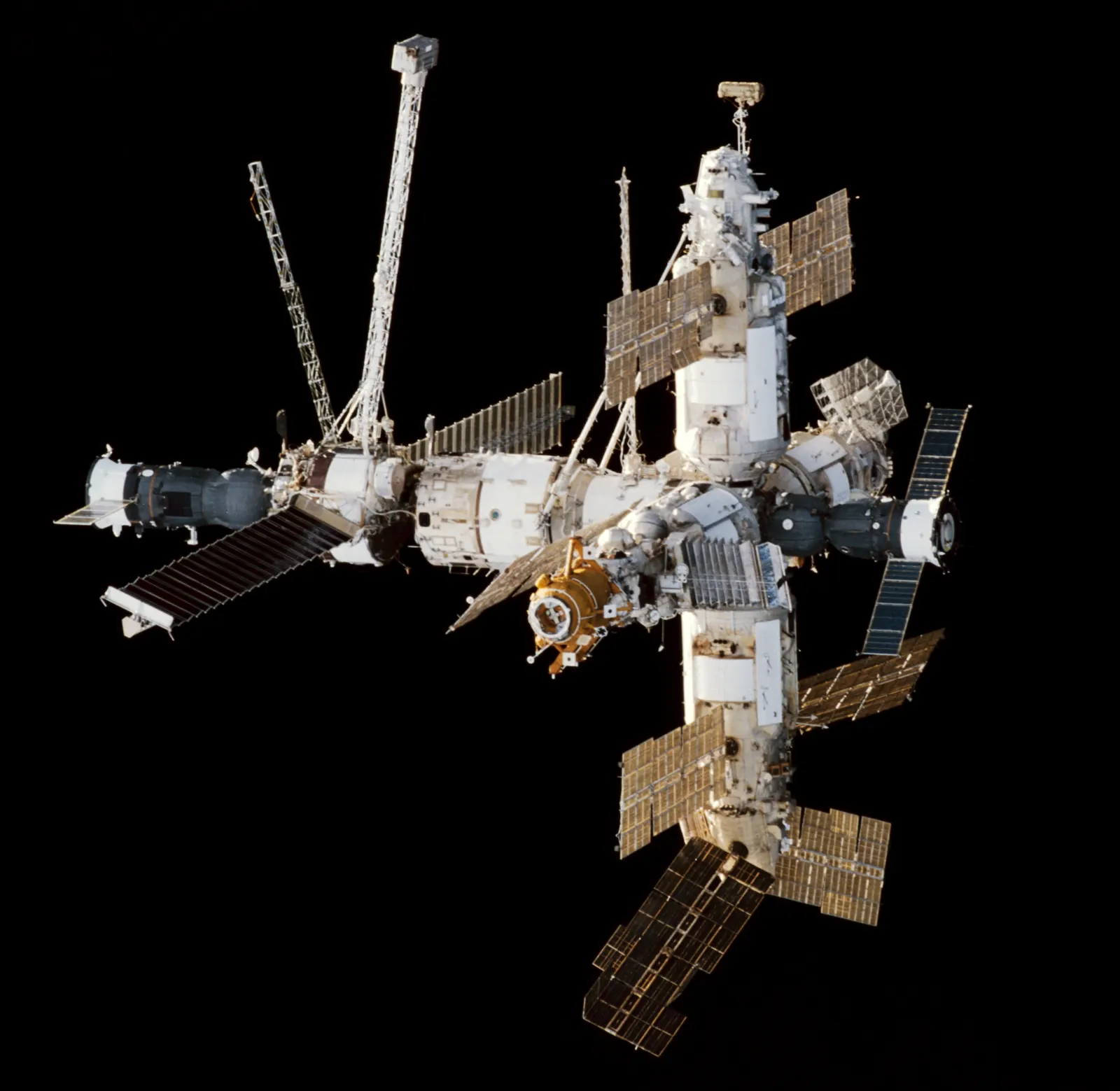
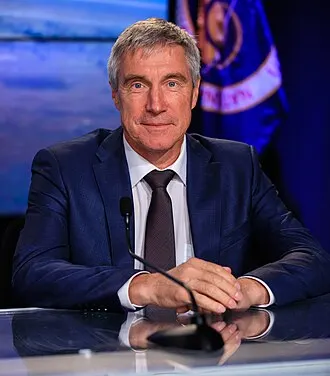
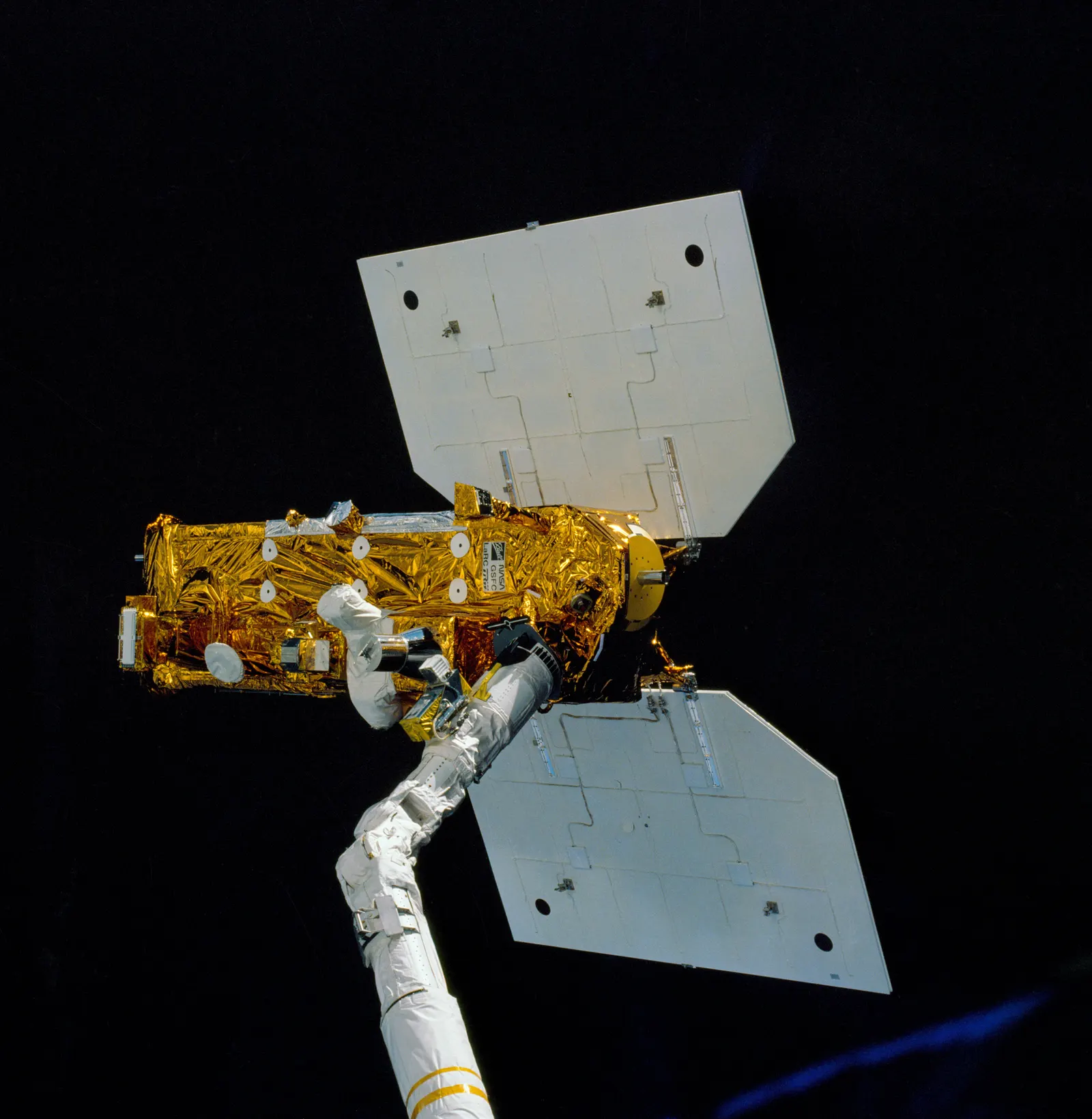
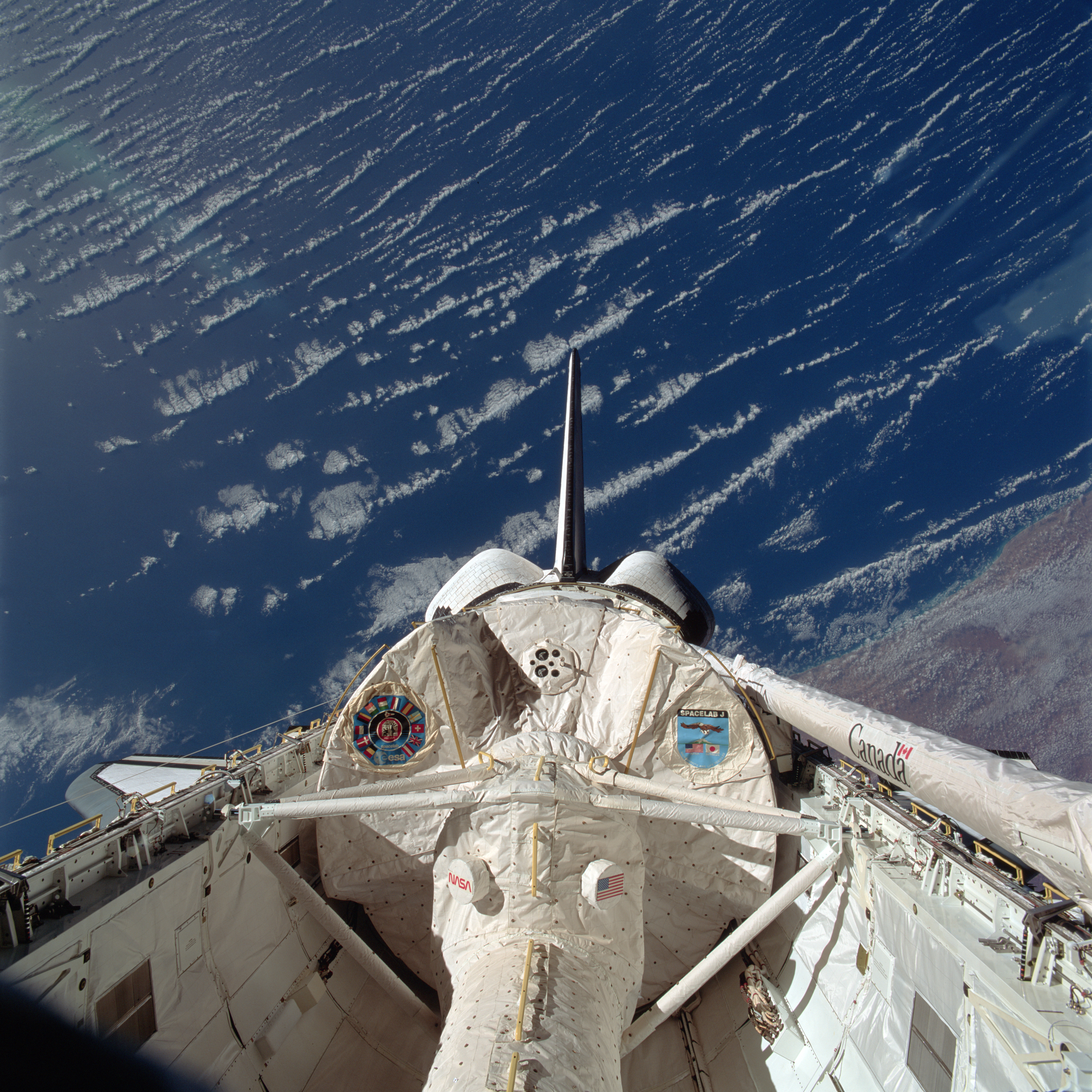
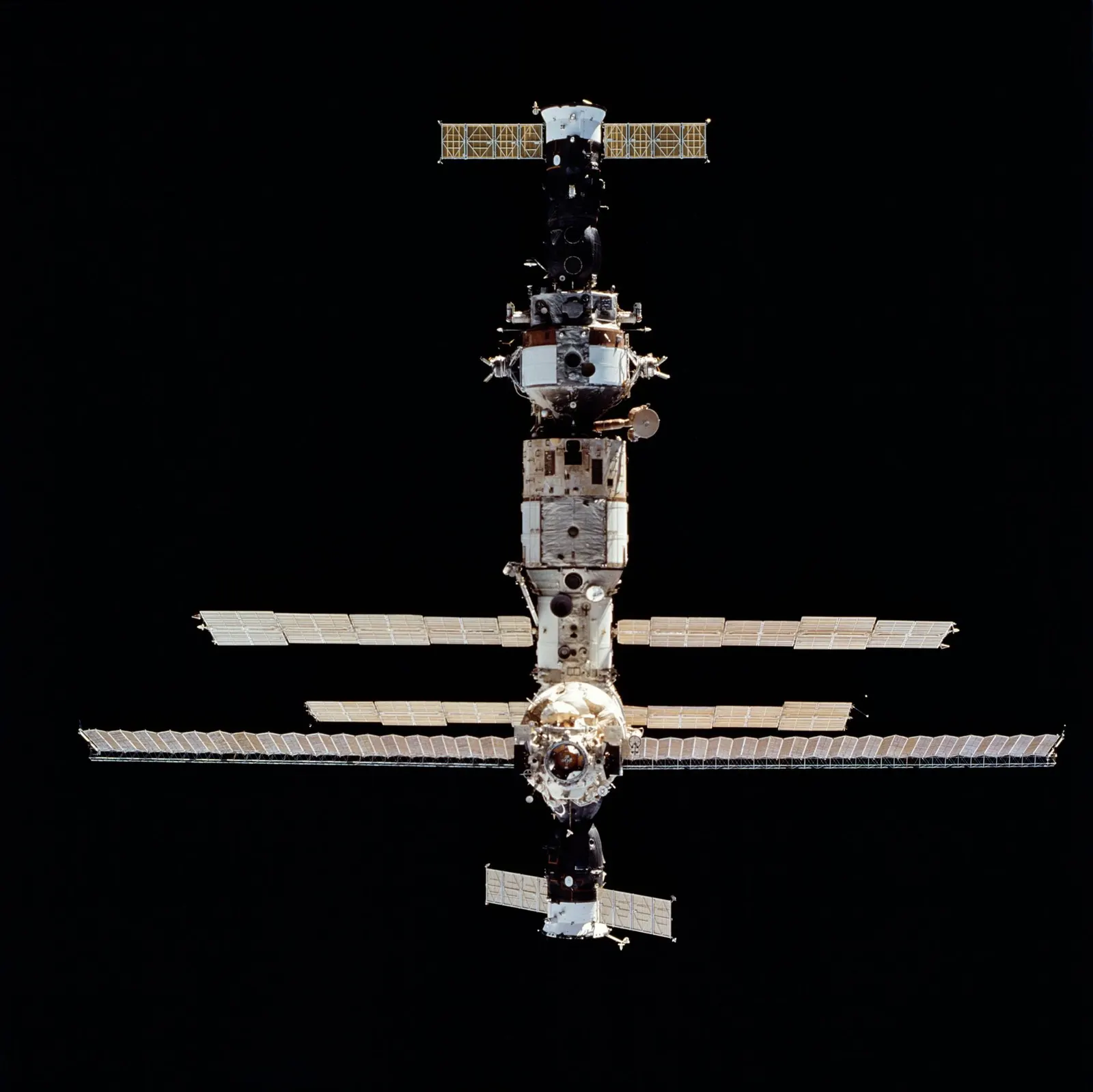
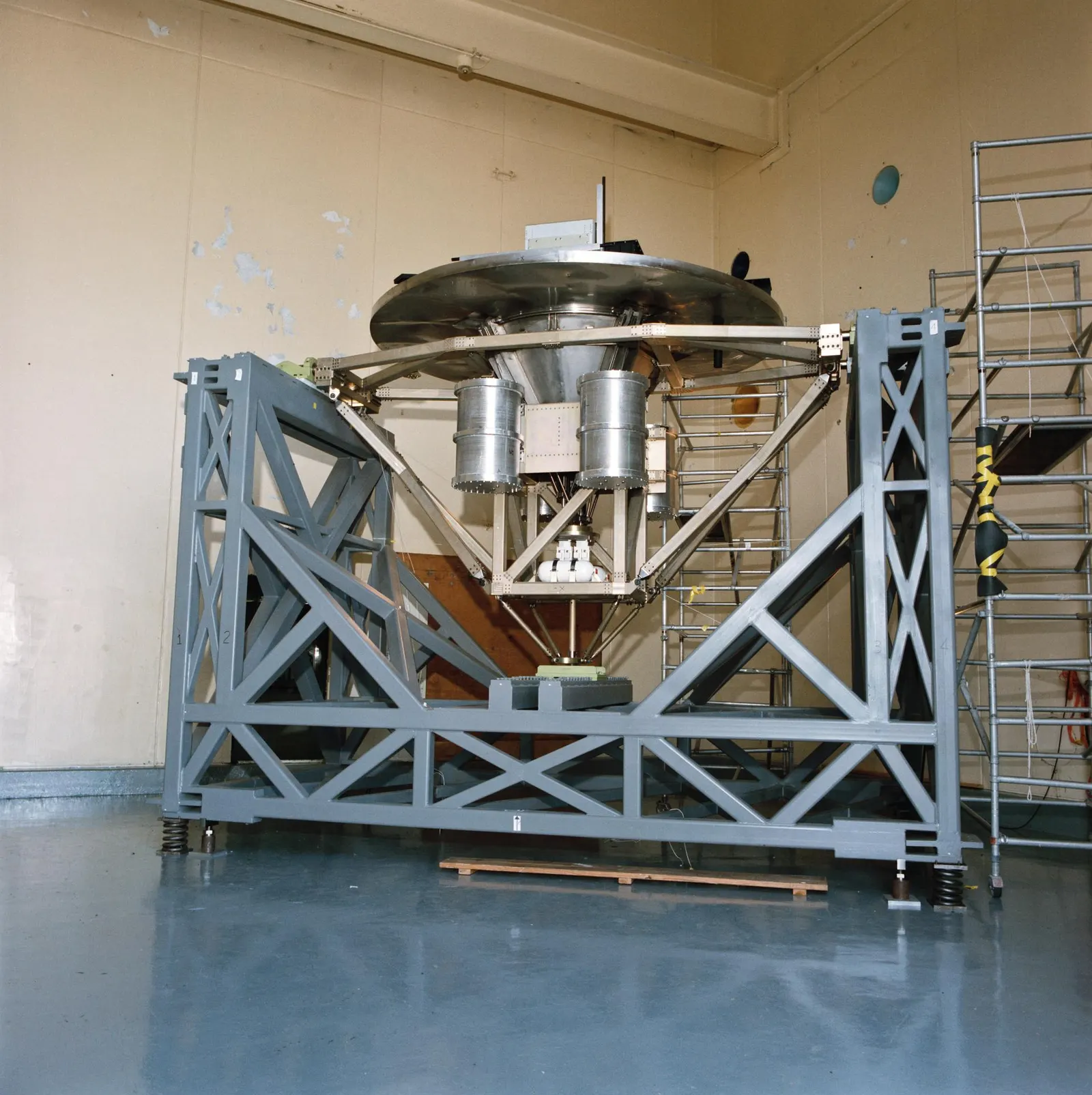
Barely two years after the Soviet Union dissolved, Discovery's STS-60 opened the U.S.–Russian Shuttle–Mir program and carried Sergei Krikalev — a veteran of two long Mir expeditions — as the first Russian cosmonaut to fly aboard an American spacecraft. Commanded by Charles Bolden, who would later serve as NASA Administrator, the six-person crew launched from Pad 39A on February 3, 1994. In the payload bay rode the SPACEHAB-2 pressurized module, packed with twelve experiments in materials science, life sciences and cosmic dust collection, and the Wake Shield Facility, a 12-foot stainless-steel disk designed to fly free and grow ultra-pure semiconductor films in the near-perfect vacuum trailing in its wake. Radio interference, sun glare on status displays and attitude-control trouble forced controllers to wave off the free-flight deployment on consecutive days, so the crew instead grew thin films with the disk perched on the end of the robot arm before berthing it back in the bay. Krikalev conducted the first joint NASA–Russian Space Agency in-flight medical and radiological investigations, and the crew linked up live with the cosmonauts orbiting aboard Mir. Discovery landed at Kennedy on February 11 after 8 days and 7 hours — a quiet flight whose symbolism, two Cold War space programs flying as one crew, reshaped the next three decades of spaceflight.
Crew
Charles Bolden
Commander
Fourth and final spaceflight; NASA Administrator 2009–2017
Kenneth Reightler
Pilot
N. Jan Davis
Mission Specialist
Second flight, after STS-47
Ronald Sega
Mission Specialist
Worked the Wake Shield Facility operations
Franklin Chang-Díaz
Mission Specialist
Costa Rica-born astronaut who went on to tie the record of seven spaceflights
Sergei Krikalev
Mission Specialist
Russian Space Agency cosmonaut; first Russian to fly on a U.S. spacecraft; later flew on the ISS's first expedition
Key Milestones
1994-02-03
Launch from LC-39A — first flight of the Shuttle–Mir program; Sergei Krikalev becomes the first Russian cosmonaut on a U.S. spacecraft
1994-02-05
First Wake Shield Facility free-flight deployment attempt waved off due to radio interference and unreadable status indicators
1994-02-06
Second deployment attempt waved off over attitude-control concerns; WSF-1 grows semiconductor thin films suspended on the robot arm instead
1994-02-08
Wake Shield Facility berthed back in the cargo bay; SPACEHAB-2 science operations continue, including joint NASA–RSA medical investigations
1994-02-11
Discovery lands at Kennedy Space Center Runway 15 after 8 days, 7 hours, 9 minutes
Key Achievements
Sergei Krikalev became the first Russian cosmonaut to fly aboard a U.S. spacecraft
Inaugurated the U.S.–Russian Shuttle–Mir program, Phase 1 of the ISS partnership
Grew semiconductor thin films with the Wake Shield Facility operating on the robot arm
Completed twelve SPACEHAB-2 experiments and the first joint NASA–RSA in-flight medical investigations
Legacy & Significance
STS-60 was the handshake of Apollo-Soyuz made permanent. Flying a Russian cosmonaut on an American orbiter nineteen years after the 1975 docking turned two rival programs into partners, beginning the Shuttle–Mir flights that taught NASA long-duration operations and taught both nations to work as one mission control. That partnership became the structural backbone of the International Space Station, where Krikalev himself flew on the first expedition in 2000. STS-60 is the moment the post-Cold-War space order — cooperative, interdependent, continuously crewed — visibly began.