Image: NASA / JPL-Caltech
Voyager 2
Mission Profile
| Launch date | 1977-08-20 |
|---|---|
| Launch vehicle | Titan IIIE / Centaur |
| Spacecraft | Voyager 2 |
| Target | Interstellar |
| Type | Robotic |
| Mass | 722 kg |
| Duration | 48+ years and counting |
| Partners | NASA JPL, Caltech |
| Instruments | PWS, CRS, MAG, LECP, PLS (deactivated 2025 to conserve power), ISS, UVS, IRIS (deactivated) |
Prime Contractors
Companies that built, launched, or operate this mission. Tickers link to their investor profile.
- NASA JPL
- Lockheed Martin (heritage Martin Marietta)
- General Dynamics (heritage)
Overview
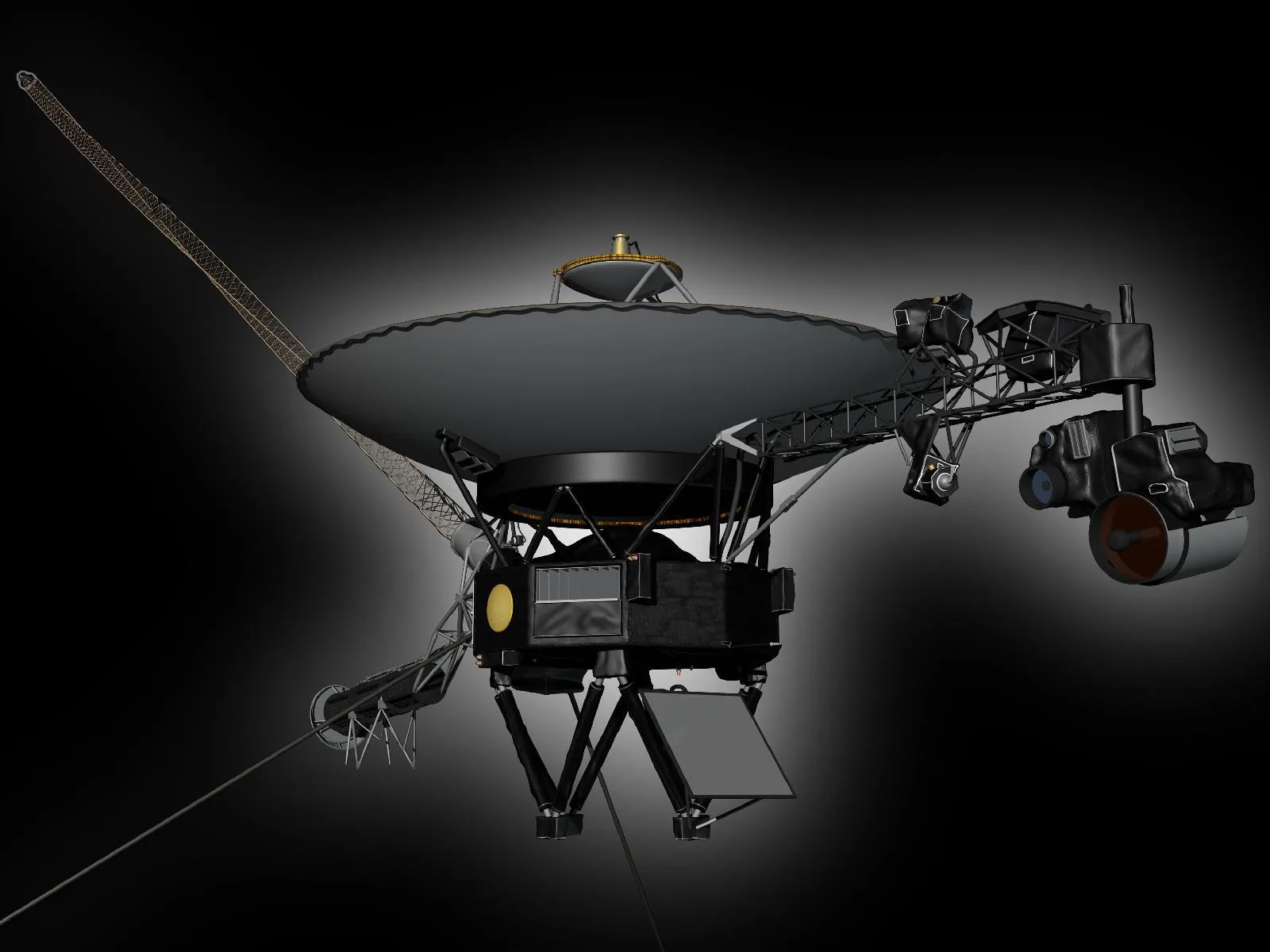
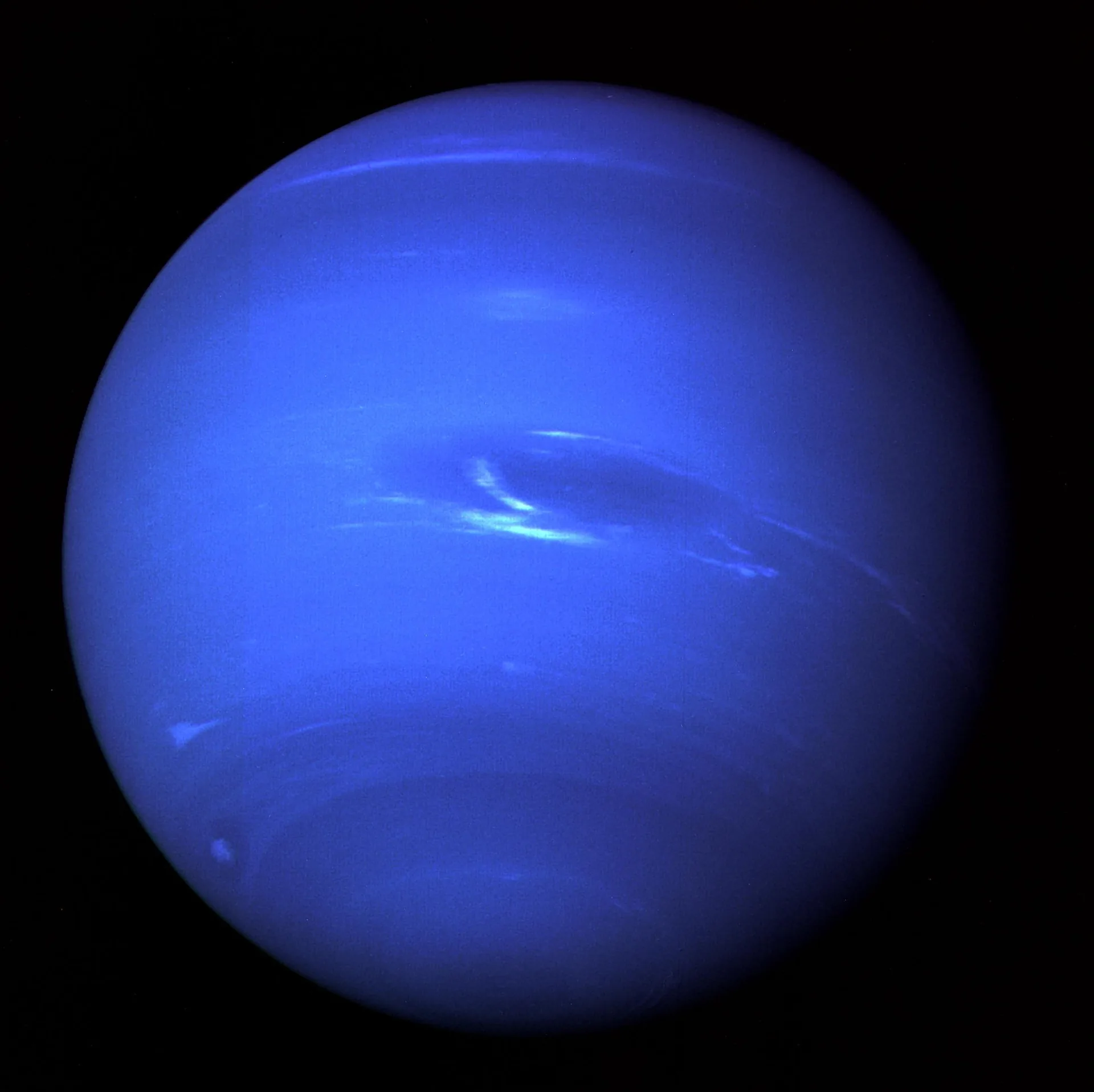
Voyager 2 is the only spacecraft ever to fly by all four of the Solar System's giant planets — Jupiter (1979), Saturn (1981), Uranus (1986), and Neptune (1989) — and the second to enter interstellar space. Launched 16 days before Voyager 1 on 20 August 1977, Voyager 2 took a slower, more circuitous path that took advantage of the rare planetary alignment to extend the original Jupiter-Saturn mission to all four outer worlds. Its 1986 Uranus flyby remains the only close visit any spacecraft has made to that planet, and likewise its 1989 Neptune flyby is humanity's only direct look at Neptune and its largest moon Triton — discoveries from those encounters still inform planning for future Uranus or Neptune flagship missions. Voyager 2 crossed the heliopause on 5 November 2018, making it the second spacecraft in interstellar space; because it left the heliosphere on a different vector than Voyager 1, scientists have been able to compare two completely different angles of departure. As of 2026 Voyager 2 is approximately 144 AU (~21.6 billion km) from the Sun — receding at about 3.3 AU per year — and continues to return plasma data via NASA's Deep Space Network. Like its twin, Voyager 2 carries a Golden Record with greetings from Earth.
Key Milestones
1977-08-20
Launch on Titan IIIE-Centaur from Cape Canaveral
1979-07-09
Jupiter closest approach
1981-08-26
Saturn closest approach
1986-01-24
Uranus flyby (only spacecraft to visit Uranus)
1989-08-25
Neptune flyby (only spacecraft to visit Neptune)
2018-11-05
Crosses heliopause into interstellar space