Full mission transcript
Every chapter of Apollo 11, in sequence.
T+00:00:00
Launch
July 16, 1969 · 13:32 UTC
At 9:32 a.m. EDT on July 16, 1969, the five F-1 engines of the Saturn V ignited at Kennedy Space Center's Launch Complex 39A, producing some 7.6 million pounds of thrust. Neil Armstrong, Buzz Aldrin, and Michael Collins rode the most powerful machine ever flown.
An estimated one million spectators lined the Florida coast. Twelve minutes later, Apollo 11 was in Earth orbit.
T+02:44:16
Leaving Earth
July 16, 1969 · 16:16 UTC
After one and a half orbits checking every system, the S-IVB third stage reignited for the translunar injection burn — nearly six minutes that accelerated Apollo 11 to roughly 10.8 km/s and set it on a course for the Moon.
Shortly after, Collins performed the transposition and docking maneuver, extracting the lunar module Eagle from its adapter atop the spent stage.
T+24:00:00
The Quiet Crossing
July 17, 1969 · 13:32 UTC
For three days the spacecraft coasted across 380,000 kilometers of void, slowly rotating in 'barbecue roll' to even out the Sun's heat. The Earth shrank to a blue marble behind them.
The crew made television broadcasts to a watching world and performed a single mid-course correction — their aim was that good.
T+75:49:50
Arrival at the Moon
July 19, 1969 · 17:21 UTC
Behind the Moon, out of contact with Earth, the service module engine burned for six minutes to slow the spacecraft into lunar orbit. The crew became the third group of humans to see the far side with their own eyes.
Below them, the Sea of Tranquility waited.
T+102:33:05
The Eagle Has Landed
July 20, 1969 · 20:05 UTC
Eagle separated from Columbia and began its powered descent. Program alarms — 1202, 1201 — flashed as the computer overloaded; mission control called 'go.' Armstrong took semi-manual control, flying past a boulder field with fuel running low.
At 4:17 p.m. EDT on July 20, the contact light lit. 'Houston, Tranquility Base here. The Eagle has landed.'
Air-to-ground · NASA transcript - T+102:38:26 Armstrong: Program Alarm.
- T+102:38:30 Armstrong: It's a 1202.
- T+102:38:53 Duke (CAPCOM): Roger. We got you... We're Go on that alarm.
- T+102:42:08 Duke (CAPCOM): Eagle, Houston. You're Go for landing. Over.
- T+102:42:19 Aldrin: Program Alarm. 1201.
- T+102:42:25 Duke (CAPCOM): Roger. 1201 alarm. We're Go. Same type. We're Go.
- T+102:43:26 Aldrin: Okay, 400 feet, down at 9. 58 forward.
- T+102:43:46 Aldrin: 300 feet, down 3 1/2.
- T+102:44:24 Aldrin: 200 feet, 4 1/2 down.
- T+102:44:45 Aldrin: 100 feet, 3 1/2 down, 9 forward.
- T+102:44:54 Aldrin: Okay. 75 feet. And it's looking good. Down a half, 6 forward.
- T+102:45:02 Duke (CAPCOM): 60 seconds.
- T+102:45:08 Aldrin: 60 feet, down 2 1/2. 2 forward. 2 forward. That's good.
- T+102:45:17 Aldrin: 40 feet, down 2 1/2. Picking up some dust.
- T+102:45:21 Aldrin: 30 feet, 2 1/2 down.
- T+102:45:25 Aldrin: 4 forward. 4 forward. Drifting to the right a little. 20 feet, down a half.
- T+102:45:31 Duke (CAPCOM): 30 seconds.
- T+102:45:40 Aldrin: Contact Light.
- T+102:45:43 Armstrong: Shutdown.
- T+102:45:44 Aldrin: Okay. Engine Stop.
- T+102:45:58 Armstrong: Houston, Tranquility Base here. The Eagle has landed.
- T+102:46:06 Duke (CAPCOM): Roger, Twan... Tranquility. We copy you on the ground. You got a bunch of guys about to turn blue. We're breathing again. Thanks a lot.
T+109:23:38
One Small Step
July 21, 1969 · 02:55 UTC
Six and a half hours after landing, Armstrong descended the ladder and stepped onto the surface — watched live by an estimated 600 million people, the largest television audience in history to that point.
Aldrin followed nineteen minutes later, describing the scene as 'magnificent desolation.' In 2 hours 31 minutes outside, they raised the flag, deployed experiments, and collected 21.5 kg of lunar samples.
Air-to-ground · NASA transcript - T+109:23:38 Armstrong: I'm at the foot of the ladder. The LM footpads are only depressed in the surface about 1 or 2 inches... the surface appears to be very, very fine grained, as you get close to it. It's almost like a powder.
- T+109:24:12 Armstrong: Okay. I'm going to step off the LM now.
- T+109:24:23 Armstrong: That's one small step for (a) man; one giant leap for mankind.
- T+109:43:18 Armstrong: Isn't that something! Magnificent sight out here.
- T+109:43:24 Aldrin: Magnificent desolation.
T+124:22:00
Leaving the Moon
July 21, 1969 · 17:54 UTC
Eagle's ascent stage lifted off from the Moon — the first launch from another world — leaving the descent stage as a monument at Tranquility Base.
Hours later, Armstrong and Aldrin docked with Columbia, where Collins had kept solitary watch through 30 lunar orbits. Eagle was jettisoned, and the service module engine fired for the trip home.
T+195:18:35
Home
July 24, 1969 · 16:50 UTC
Columbia hit the atmosphere at nearly 11 km/s and splashed down in the Pacific, 1,440 km southwest of Hawaii, where the USS Hornet was waiting. President Kennedy's goal — set eight years earlier — was met with five months to spare.
The crew spent 21 days in quarantine, then toured a changed world. Five more crews would follow them to the lunar surface.
Sources: NASA Apollo 11 Mission Overview · NASA History — Apollo 11 Timeline
The people who flew it
Meet the Apollo 11 crew
The people who lived these seconds. Open a profile to read who they were.
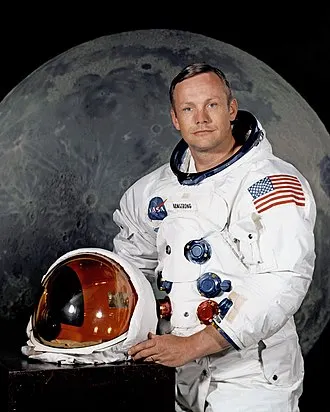
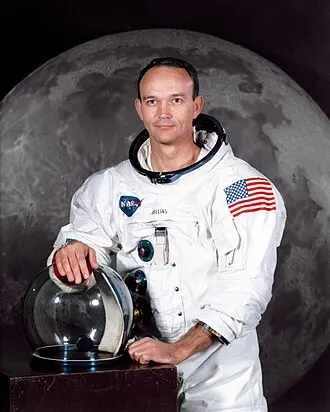
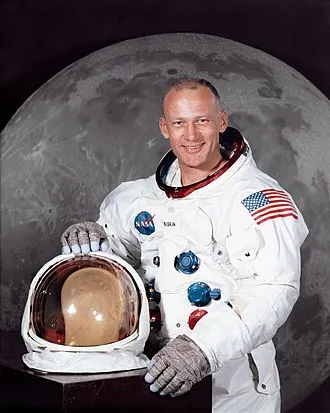
Answers come only from the Apollo 11 mission record above.
Test yourselfMission debrief: 5 questions — ace it (80%+) to earn the Debrief Ace badge
Mission debrief1 of 5
Who stayed in lunar orbit aboard Columbia while Armstrong and Aldrin landed?
Myths to bust
“Armstrong flubbed his famous line — he just said 'one small step for man.'”
Armstrong intended and maintained he said 'one small step for a man,' which is what makes the sentence logical (one man's step, all humanity's leap). The 'a' is difficult to hear on the recording, and analyses of the audio still disagree.
“The flag waving in the photos proves there's air — or a hoax — on the Moon.”
The flag hung from a horizontal rod along its top edge so it would stay spread in airless vacuum. It swung when the astronauts twisted the pole into the soil, and with no air to damp the motion, it kept rippling — no breeze required.
Words that matter
- Saturn V
- — The 111-meter rocket that launched Apollo 11 — still among the most powerful machines ever flown, with about 7.6 million pounds of liftoff thrust.
- translunar injection
- — The engine burn that pushed Apollo 11 out of Earth orbit and onto a path to the Moon.
- Lunar Module (Eagle)
- — The spindly two-person lander that carried Armstrong and Aldrin down to the lunar surface and back up to orbit.
- Command Module (Columbia)
- — The cone-shaped mothership where Michael Collins waited in lunar orbit — the only part of the stack that returned to Earth.
- 1202 alarm
- — A computer warning during the descent meaning the guidance computer was overloaded — Mission Control judged it safe to keep going.
- Sea of Tranquility
- — The flat lunar plain (Mare Tranquillitatis) where Eagle landed — a 'sea' of ancient lava, not water.
Teach with thisReady-made lesson: Apollo 11: One Small Step 40 minAges 5–10 · Ages 11–14 · Ages 14–18
Launch in Classroom Mode Printable worksheetSpaceflight history · Free, no sign-up · NGSS MS-PS2-4, HS-ETS1-3
Students will be able to
- Sequence the major events of Apollo 11 from launch on July 16 to splashdown on July 24, 1969
- Explain the roles of the three astronauts and the two spacecraft — why Collins stayed in Columbia while Armstrong and Aldrin flew Eagle to the surface
- Analyze the final descent as decision-making under pressure: the 1202 program alarms, the boulder field, and the 30-second fuel callout
- Evaluate what the first Moon landing proved — and what it cost in people, time, and national effort
Where to pause & what to say
1.Riding the Saturn V— at “Launch”
It's 9:32 a.m. on July 16, 1969, at Kennedy Space Center. Five F-1 engines light at once, producing about 7.6 million pounds of thrust — the most powerful machine humans had ever flown, and an estimated one million people lined the Florida coast to watch it go. Ask the class to find the astronauts in this picture. They can't: Armstrong, Aldrin, and Collins are three tiny passengers at the very top of a 36-story rocket that is almost entirely fuel. Twelve minutes after this moment, they're in orbit.
- The Saturn V was mostly fuel tanks. Why does it take that much rocket to send three people to the Moon?
- A million people drove to Florida to watch two minutes of flight. What would you cross the country to see happen once?
2.The descent — alarms and 30 seconds of fuel— at “The Eagle Has Landed”
This is the most dangerous twelve minutes of the mission. On the way down, the computer flashes 1202 and 1201 alarms — it's overloaded — and a 26-year-old engineer in Mission Control has seconds to call 'go.' Then Armstrong sees the computer steering them into a boulder field, takes semi-manual control, and flies past it looking for smooth ground while Houston radios the fuel callouts: sixty seconds... thirty seconds. Let the class hear the landing call before you talk: 'Houston, Tranquility Base here. The Eagle has landed.' Even the flight controllers had to be reminded to breathe.
- Mission Control had seconds to decide whether the 1202 alarm meant 'abort' or 'continue.' What would you need to know in advance to make that call that fast?
- Was Armstrong taking manual control a backup plan working — or a plan failing? Defend your answer.
3.The first footprint— at “One Small Step”
Six and a half hours after landing, Armstrong backs down the ladder and puts a boot into the dust — watched live by an estimated 600 million people, the largest television audience in history to that point. His line: 'That's one small step for man, one giant leap for mankind' — he intended 'for a man,' and people still debate what the tape recorded. Aldrin follows nineteen minutes later and calls the view 'magnificent desolation.' In two and a half hours outside they raise the flag, set up experiments, and box 21.5 kilograms of Moon rock. Those samples are still being studied today.
- Why does one missing word — 'a' — matter so much to what the sentence means?
- If you had two and a half hours on the Moon, how would you split the time between ceremony, science, and just looking?
4.Splashdown and a promise kept— at “Home”
July 24, 1969: Columbia slams into the atmosphere at nearly 11 kilometers per second and splashes down in the Pacific, where the USS Hornet is waiting. President Kennedy had promised in 1961 to land a man on the Moon and return him safely to Earth before the decade was out — Apollo 11 made the deadline with five months to spare. Point out the ending nobody expects: the crew spent 21 days in quarantine, in case they'd brought back lunar germs. Ask the class which half of Kennedy's promise was harder — landing, or 'returning him safely'?
- Kennedy's goal was set eight years before this splashdown. What makes a goal like that succeed when most long deadlines slip?
- Was three weeks of quarantine a reasonable precaution or an overreaction? What would you have done with the unknowns of 1969?
Hands-on activity
Weigh yourself on the Moon
The Moon's surface gravity is about one-sixth of Earth's — it's why Armstrong and Aldrin bounce in the footage. Have each student enter their weight in the planet-weight tool and read off their Moon weight, then discuss: your mass didn't change, so what did? Connect it to the astronauts moving in bulky suits that felt light on the Moon.
Wrap-up discussion
- Michael Collins never walked on the Moon — he kept Columbia running alone through 30 lunar orbits. Argue whether his role was more or less demanding than Armstrong's and Aldrin's.
- Apollo 11 was watched by roughly 600 million people. What event today could unite an audience like that — and why is it hard to name one?
- The mission spent about 21 and a half hours on the lunar surface after an eight-day round trip. Was that trade worth it? What made it worth it?
Continue your journey
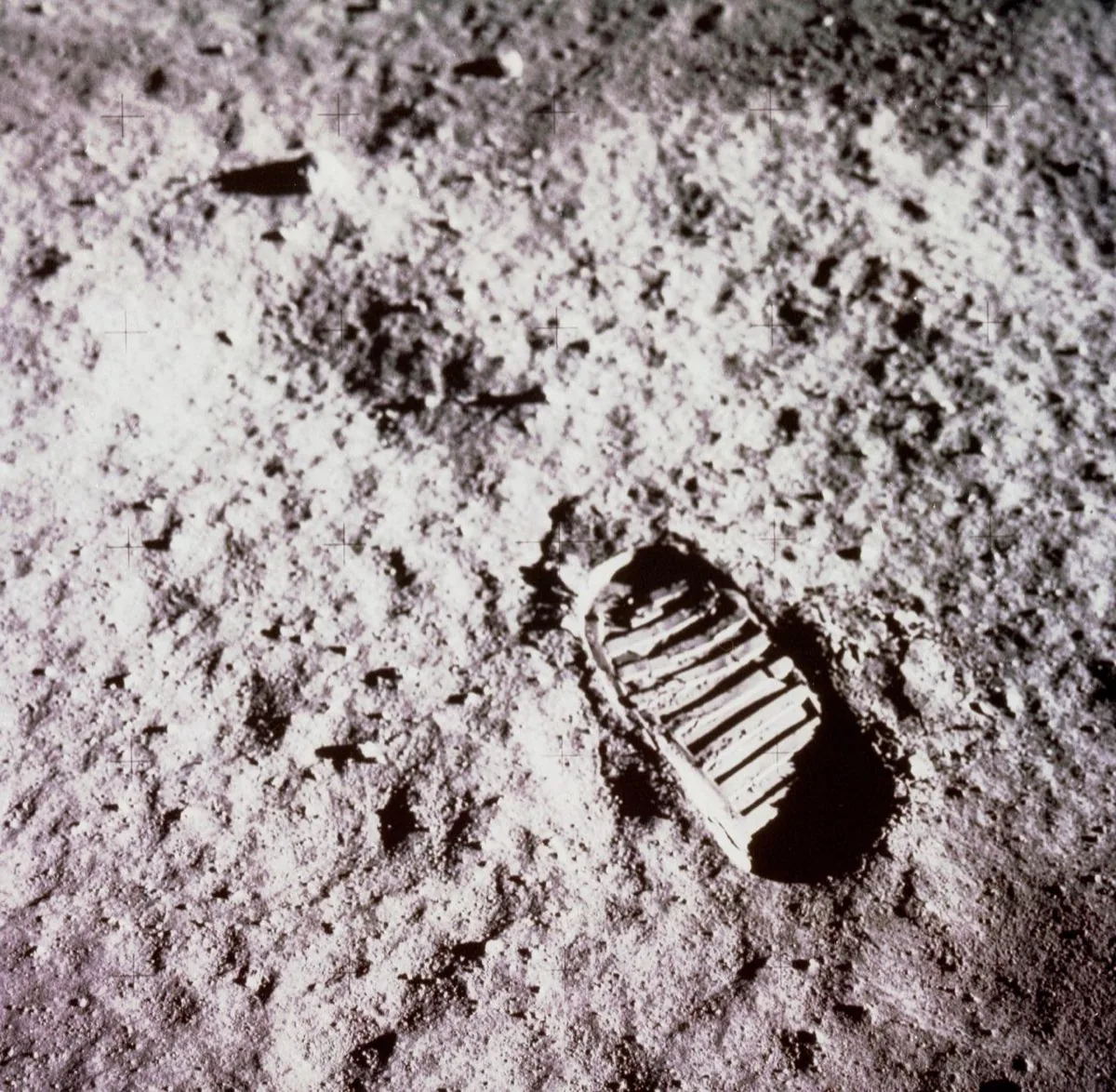
The moment in history
Moment
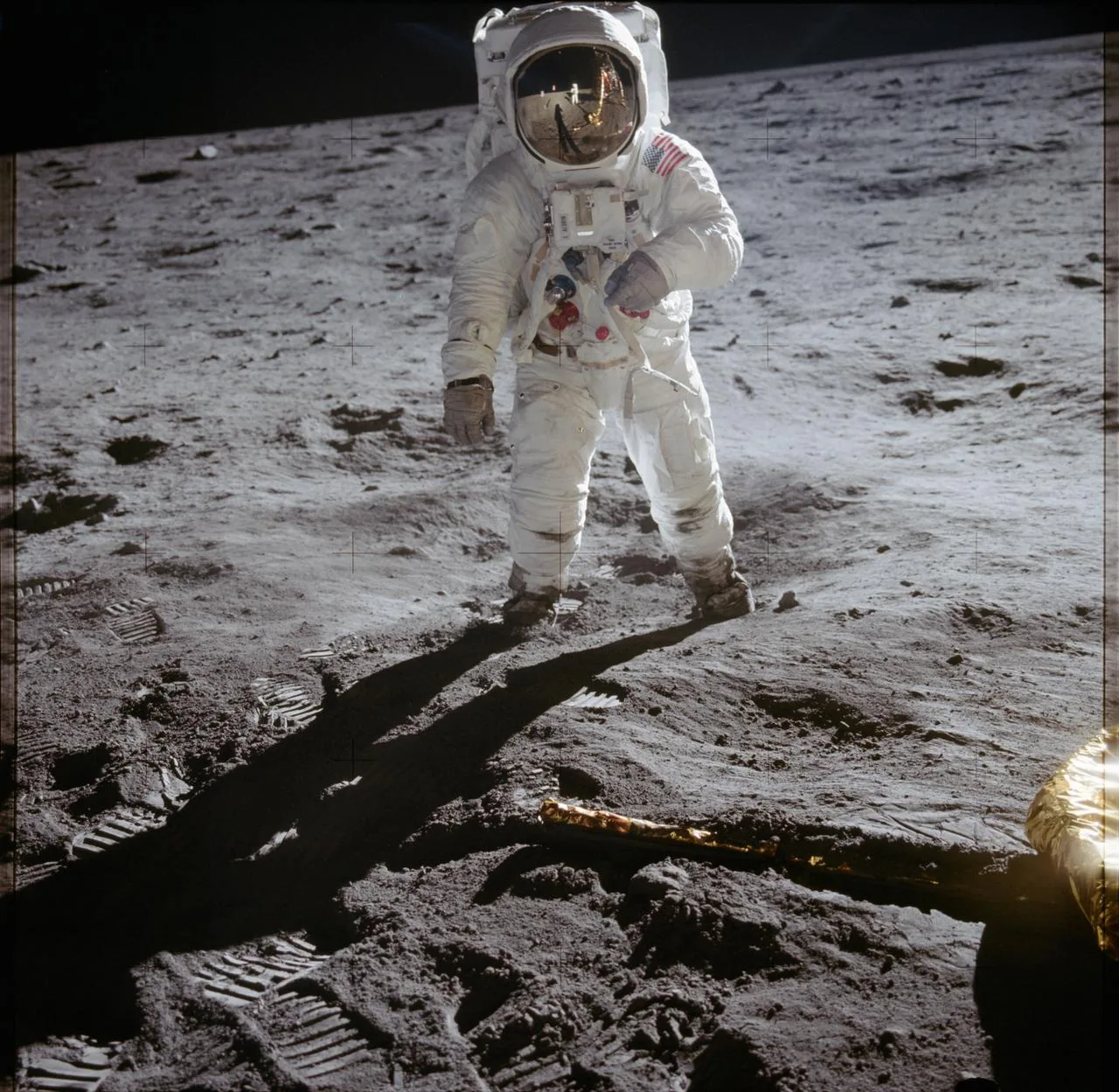
Apollo 11 — Armstrong and Aldrin walk on the Moon
The moment in history
The mission file
Mission
Apollo 11
The mission file
Build it yourself
Build it
Lunar Descent Facility — build the Lunar Landers
Build it yourself
Experience it
World
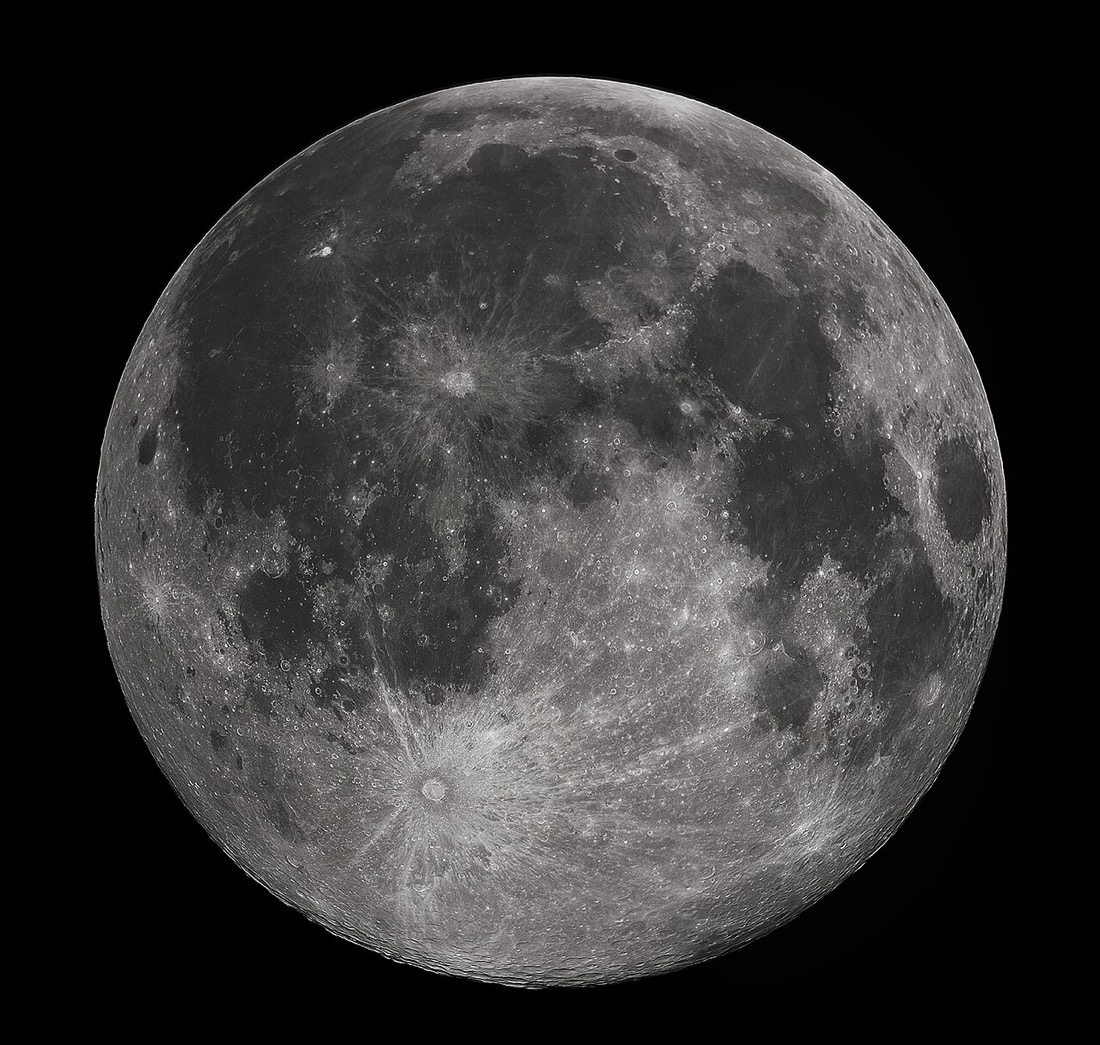
The Moon
Experience it
Build it yourself
Build it
The Moon Fleet — every craft that got there
Build it yourself
From the same era
Experience
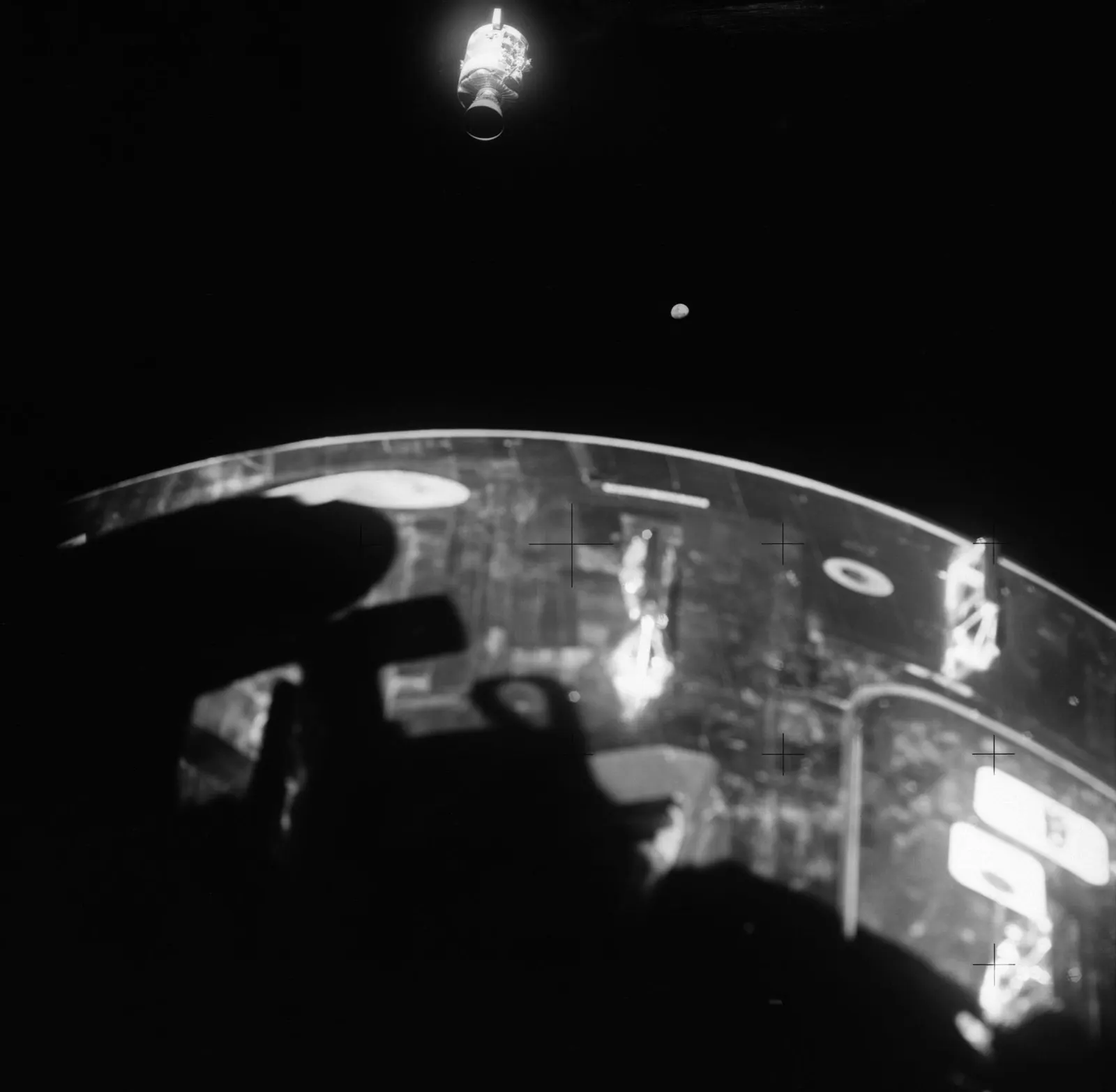
Apollo 13
From the same era