November 20, 1998Baikonur CosmodromeRoscosmos / NASA
The first piece of the International Space Station reaches orbit.
Scroll to begin
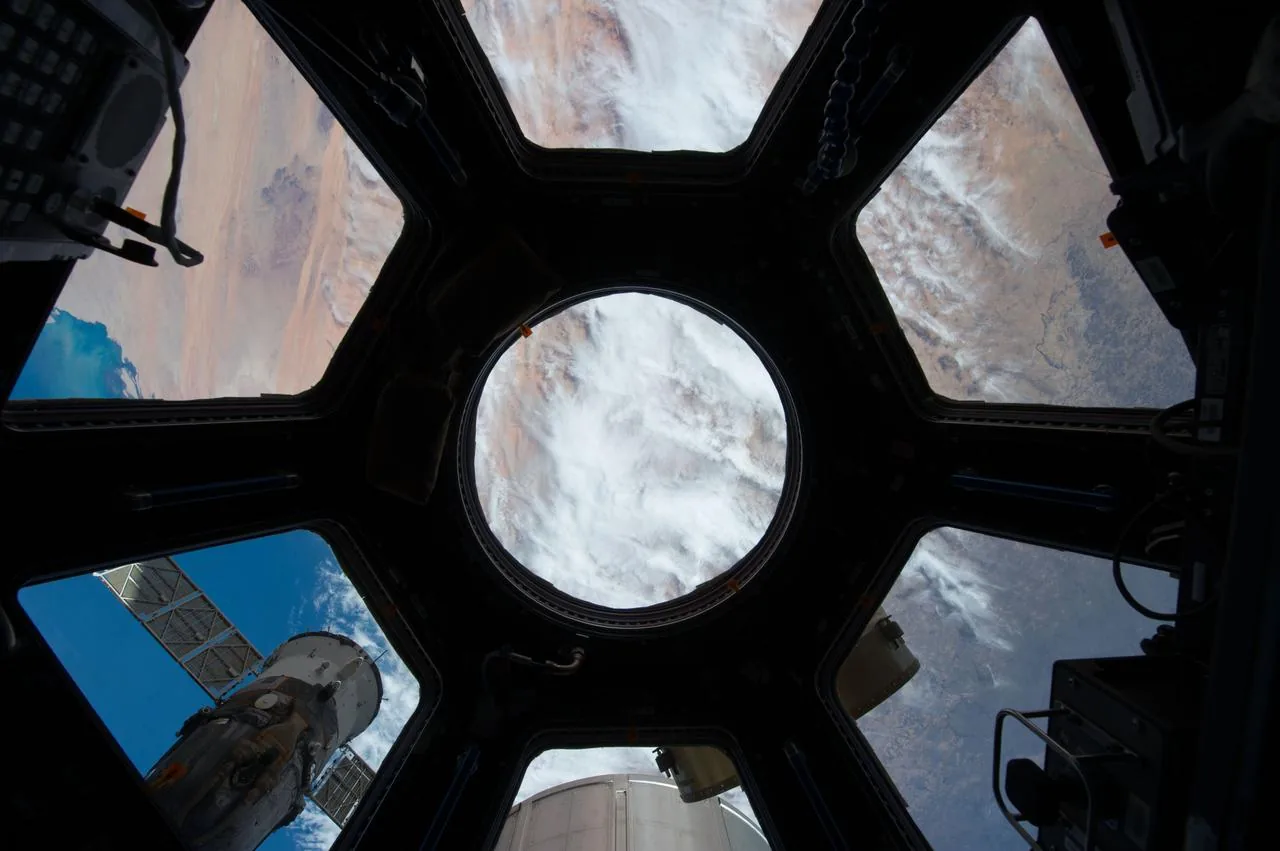
NASA (STS-132 crew), via Wikimedia Commons
The world that day
5.9 billion
People on Earth
2
Nations to launch a human
12
Humans to walk on the Moon
3
Known worlds beyond the Sun
01 / 04
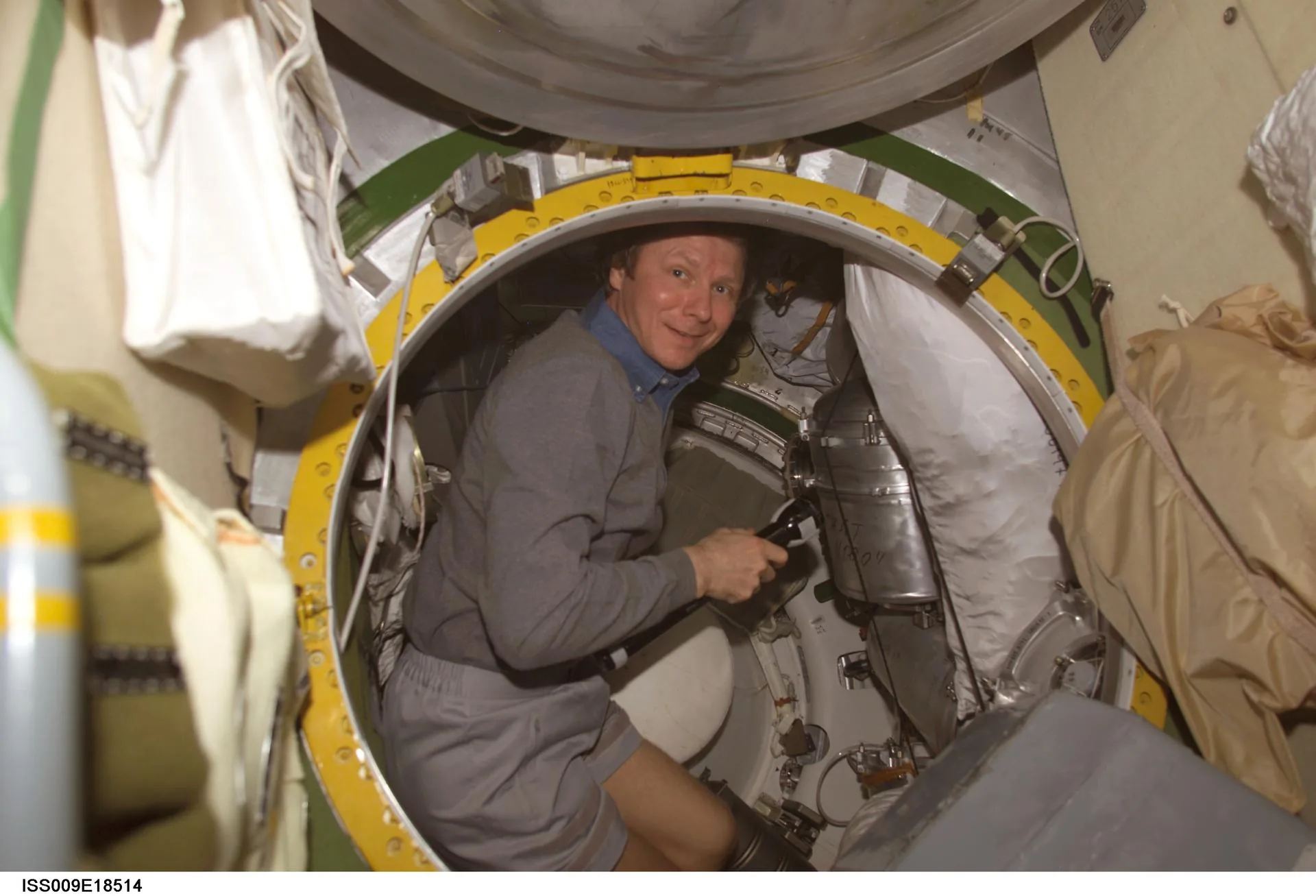
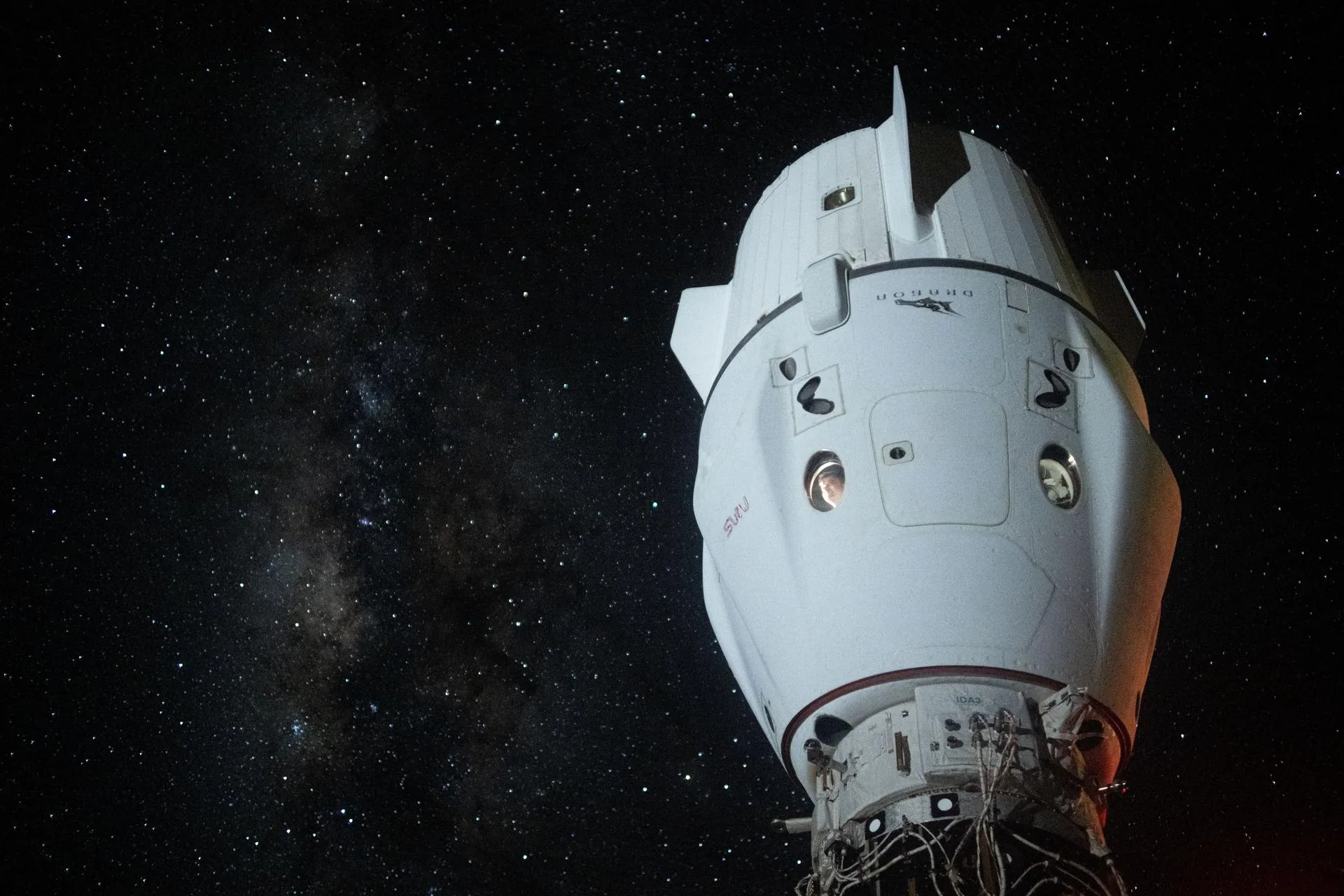
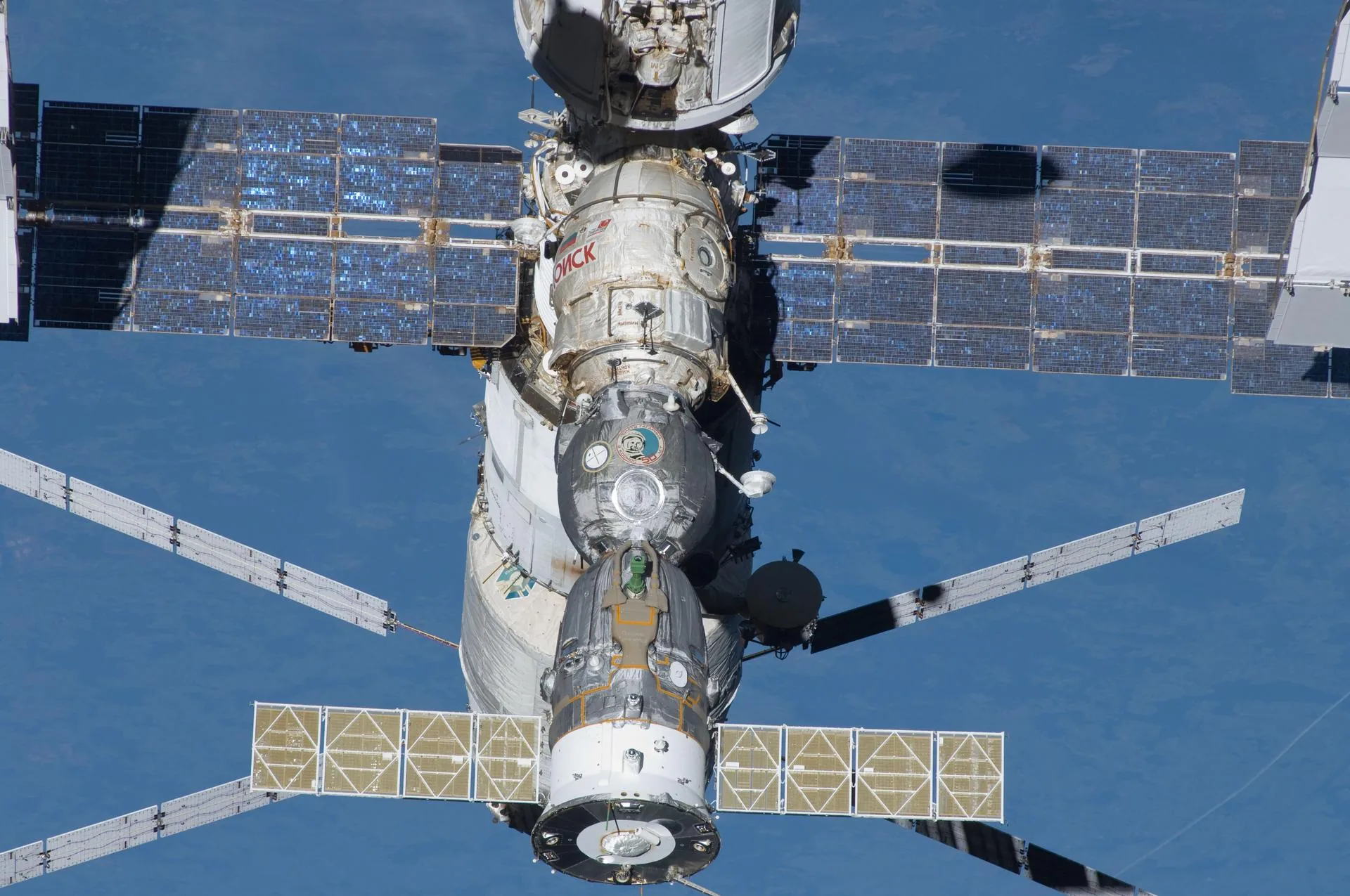
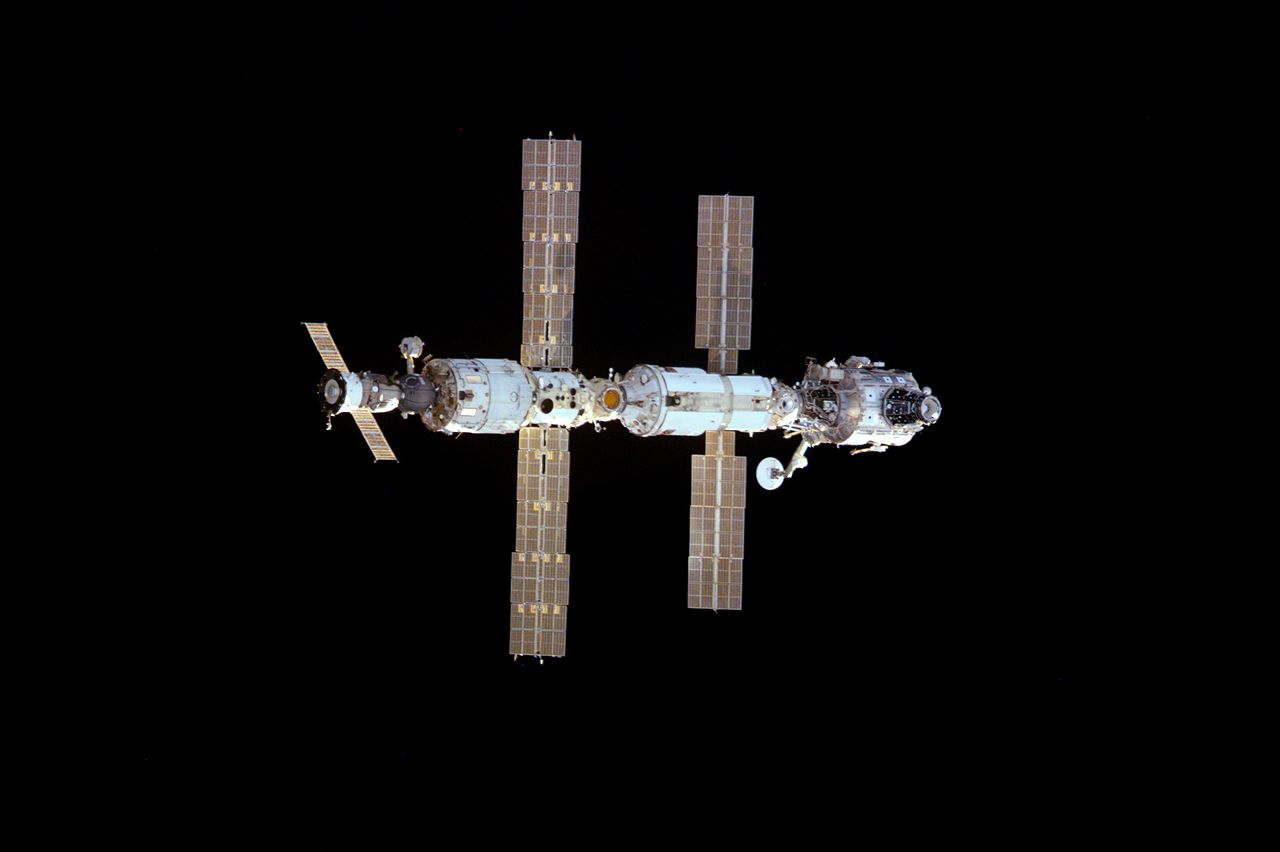
On 20 November 1998, a Russian Proton-K rocket launched the Zarya (meaning 'dawn') Functional Cargo Block from Baikonur Cosmodrome. Zarya was the first module of the International Space Station — a 19,323-kilogram cylinder built in Russia by the Khrunichev centre, but funded entirely by the United States under a post-Cold-War cooperation agreement.
02 / 04
Two weeks later, Space Shuttle Endeavour launched carrying the Unity connecting node. Astronauts performed three spacewalks over five days to connect the two modules, establishing the initial seed of what would grow into the largest structure humanity has ever assembled in space.
03 / 04
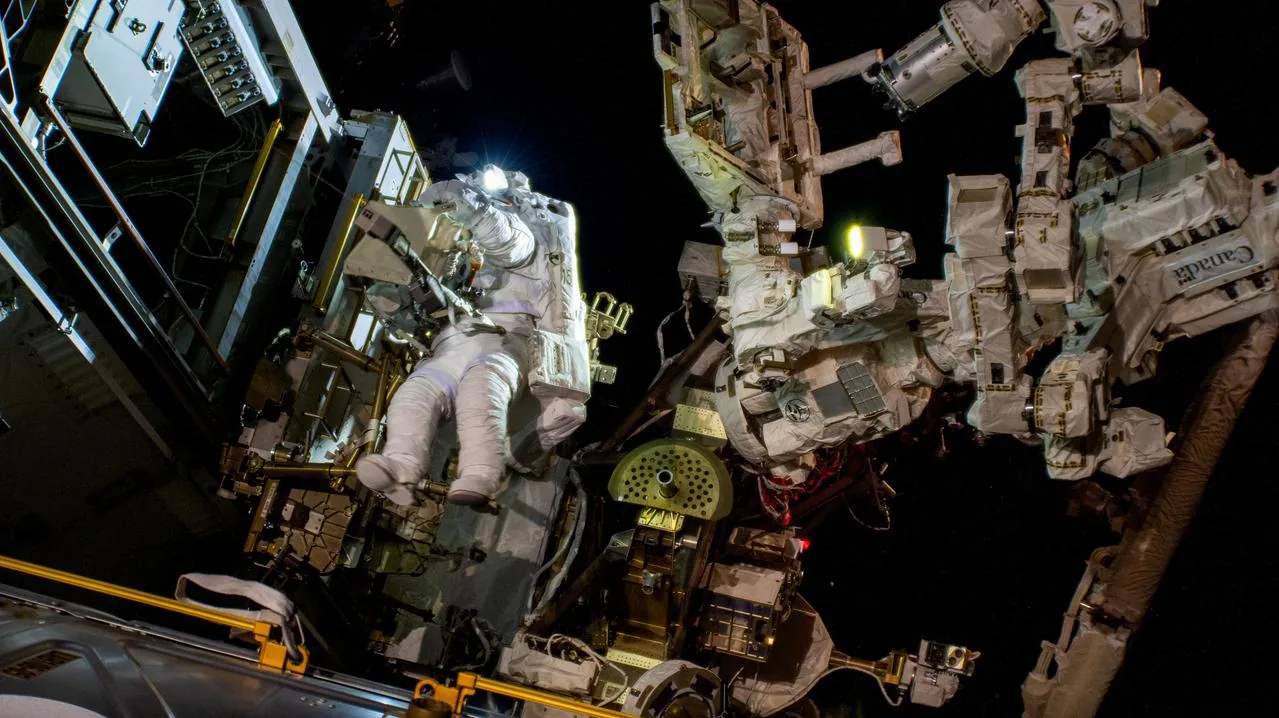
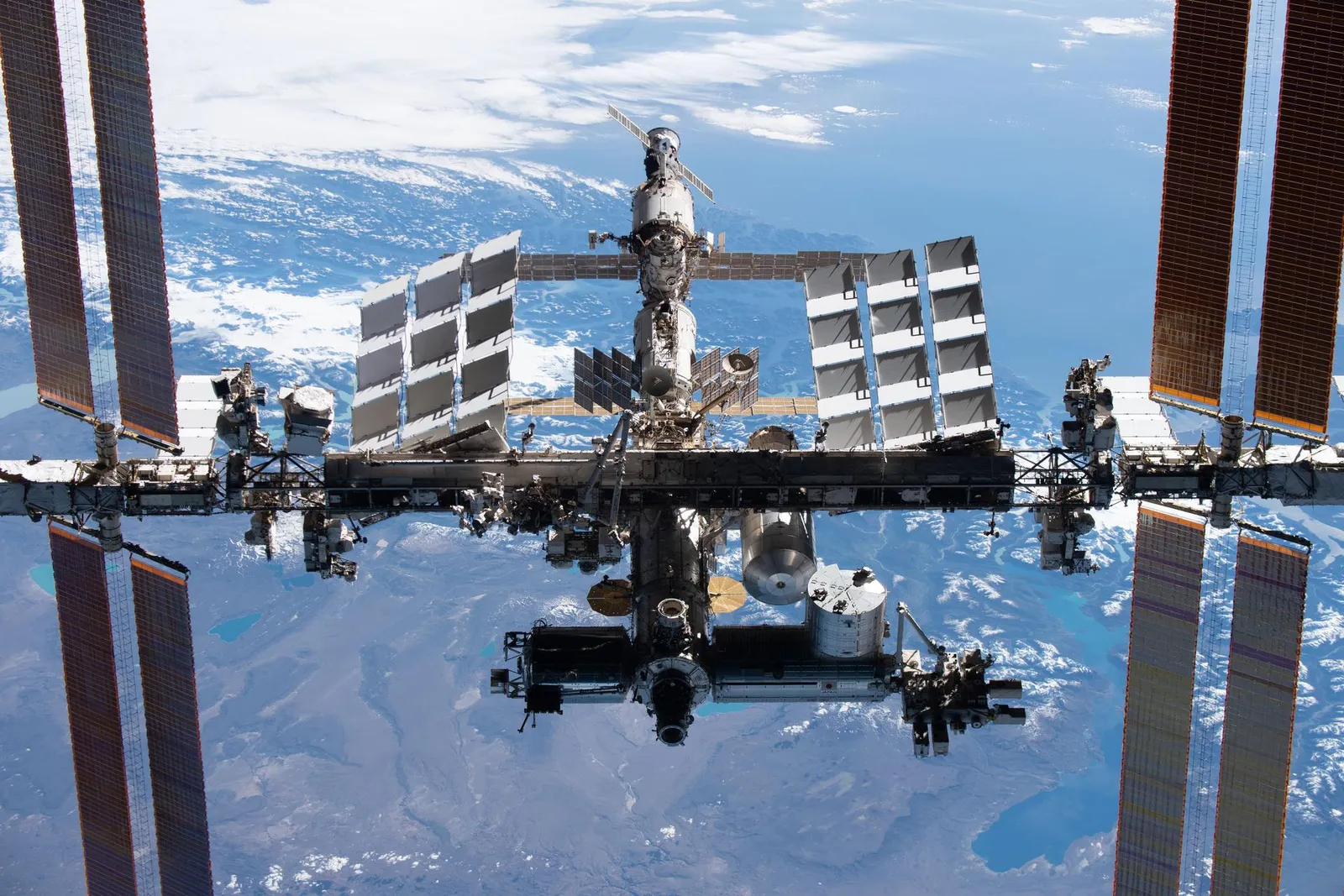
The ISS expanded module by module over the following 13 years, ultimately comprising 16 pressurised modules with a total mass of approximately 420,000 kilograms — the volume of a six-bedroom house, built by 15 nations at a cost estimated at $150 billion. Construction required 37 Space Shuttle assembly flights and 5 Russian launches (42 in total), and more than 1,500 hours of spacewalks.
04 / 04
The station has been continuously inhabited since 2 November 2000, hosting more than 270 people from 21 nations through its first 25 years of crewed occupation. It completes 15.5 orbits per day at roughly 408 km altitude, travelling at 7.66 km/s.
“
The International Space Station is the most complex scientific and technological endeavour ever undertaken by the human race.
NASA Office of Inspector General · 2018 Report on ISS
By the numbers
Zarya launch
20 Nov 1998
Module mass
19,323 kg
Continuous habitation
Since 2 Nov 2000
Total station mass
~420,000 kg
Pressurised modules
16
Altitude
~408 km
Why it mattered
The ISS is the most expensive and complex structure ever built by humanity — and the most durable symbol of international cooperation in history. It has served as humanity's continuous off-world home for over 25 years, advancing science in microgravity biology, physics, and medicine.
▸Zarya was built in Russia but paid for entirely by the United States at a cost of about $220 million — a post-Cold-War cooperation milestone
▸The ISS spans 109 metres end-to-end — roughly the length of an American football field — making it visible to the naked eye from Earth
▸Construction required 37 Space Shuttle assembly flights and 5 Russian launches (42 in total), and more than 1,500 hours of spacewalks over 13 years
▸Over 270 people from 20 nations have lived aboard the ISS; it has been continuously inhabited since 2 November 2000
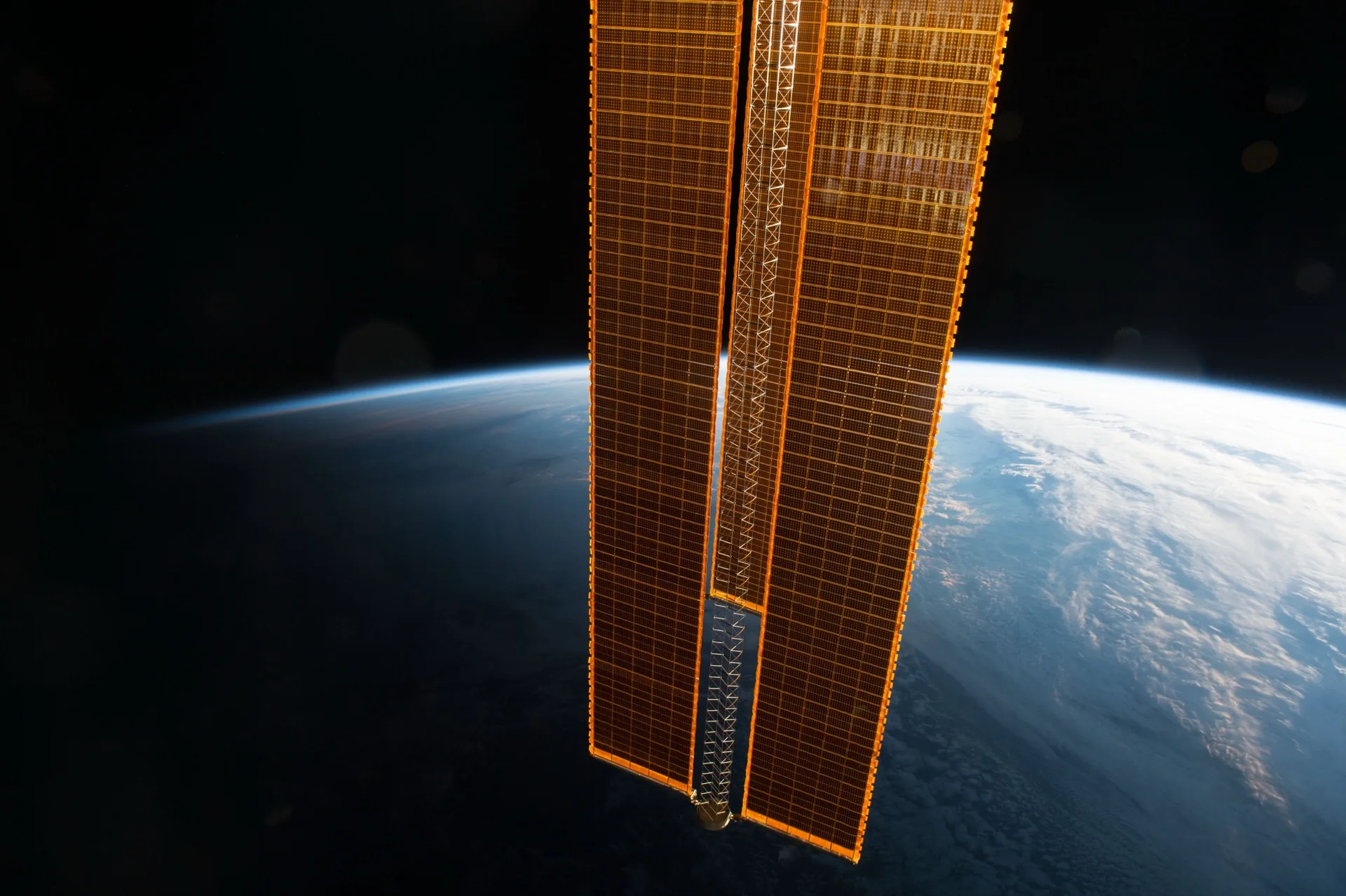
▸The station generates about 84 kilowatts of electricity from eight solar array wings — enough to power 40 average homes