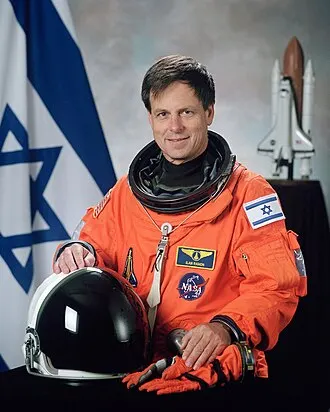
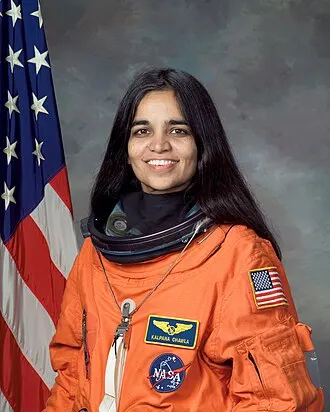
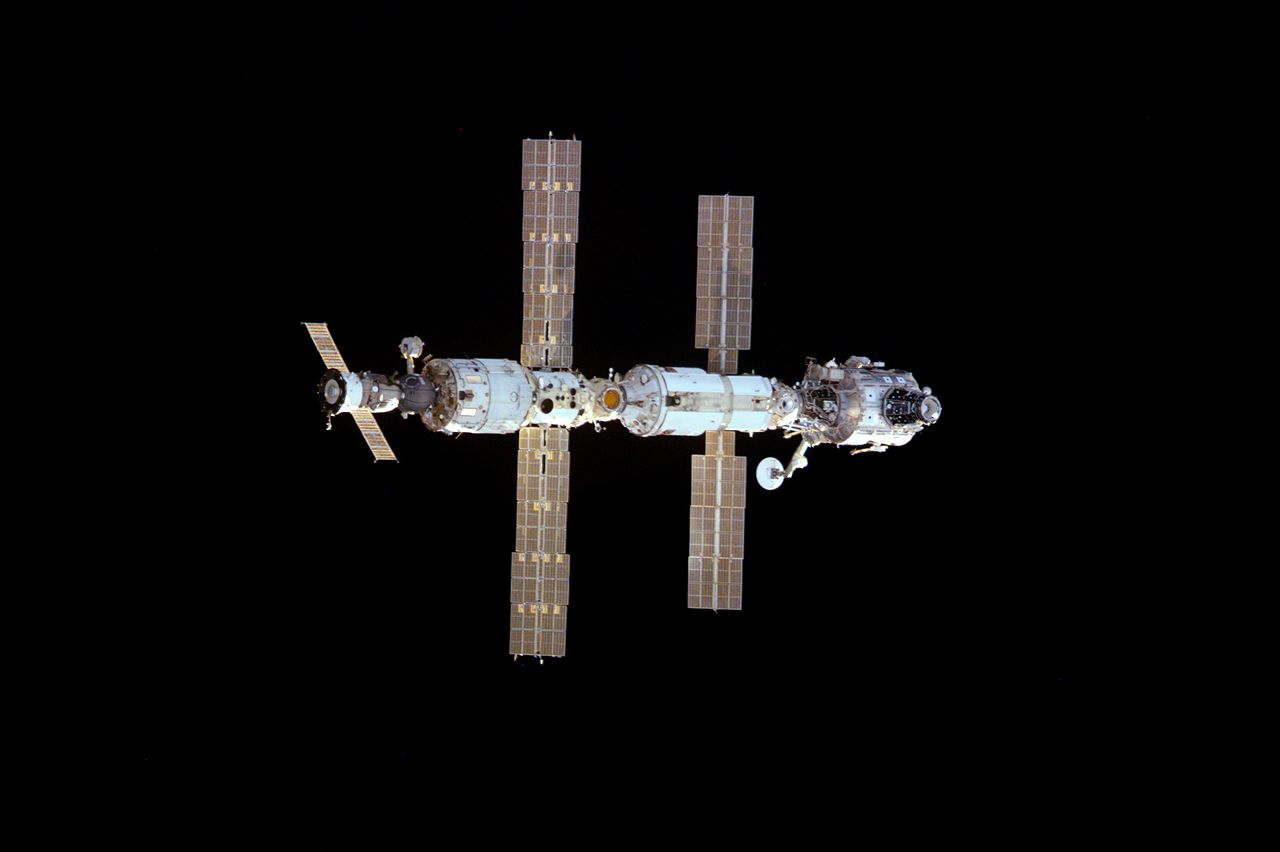
Space Shuttle Columbia launched on mission STS-107 on 16 January 2003 for a 16-day science mission. During ascent, a piece of insulating foam the size of a briefcase broke from the external tank and struck the leading edge of the left wing at roughly 870 km/h, punching a 15–25 cm hole in the reinforced carbon-carbon thermal protection panels.
02 / 04
NASA engineers raised concerns about the foam strike during the mission and formally requested satellite imaging of the damage. Their requests were denied by programme management, who concluded that even if significant damage existed, there was nothing that could be done. The crew was never informed of the concern.
03 / 04
On 1 February 2003, Columbia re-entered the atmosphere over the Pacific. Superheated plasma — reaching 1,650 °C — began penetrating the breach in the left wing. At 08:59 EST, as Columbia flew over California at Mach 18.3, the vehicle began to break apart. The disintegrating orbiter appeared as multiple bright streaks across the predawn sky, visible from California to Texas. All seven crew members perished.
04 / 04
The Columbia Accident Investigation Board found that NASA had again allowed the 'broken safety culture' that caused Challenger to reassert itself — prioritising schedule over safety, and silencing dissenting engineers. The Shuttle programme flew 28 more missions with enhanced foam inspection requirements before retiring in 2011.
“
In the days ahead, we will also have to make some difficult decisions about the space program. But the crew of the shuttle Columbia did not return safely to Earth. Yet we can pray they are safely home.
President George W. Bush · Address to the Nation, 1 February 2003
By the numbers
Launch date
16 Jan 2003
Mission duration
15 days 22 hr
Breakup altitude
~61 km
Speed at breakup
Mach 18.3
Cause
Foam strike on wing leading edge
Re-entry time
08:59 EST, 1 Feb 2003
Why it mattered
The Columbia disaster accelerated the Shuttle's retirement and established the NASA Engineering Safety Center. It proved that an organisation's culture — not just its technology — determines whether humans return from space, and its lessons now shape safety culture at aviation, nuclear, and medical institutions worldwide.
▸A briefcase-sized foam piece struck the left wing at roughly 870 km/h during ascent — creating a breach of 15–25 cm in the thermal protection panels
▸Three NASA engineers formally requested satellite imagery of the damage during the mission; their requests were denied by programme management
▸The debris field stretched from eastern California through Texas to Louisiana — search teams recovered approximately 84,000 pieces over eight months
▸The crew cabin survived the initial vehicle breakup; data recorders showed crew members were alive briefly after the orbiter broke apart
▸The Columbia Accident Investigation Board found the same 'broken safety culture' that caused Challenger had reasserted itself 17 years later