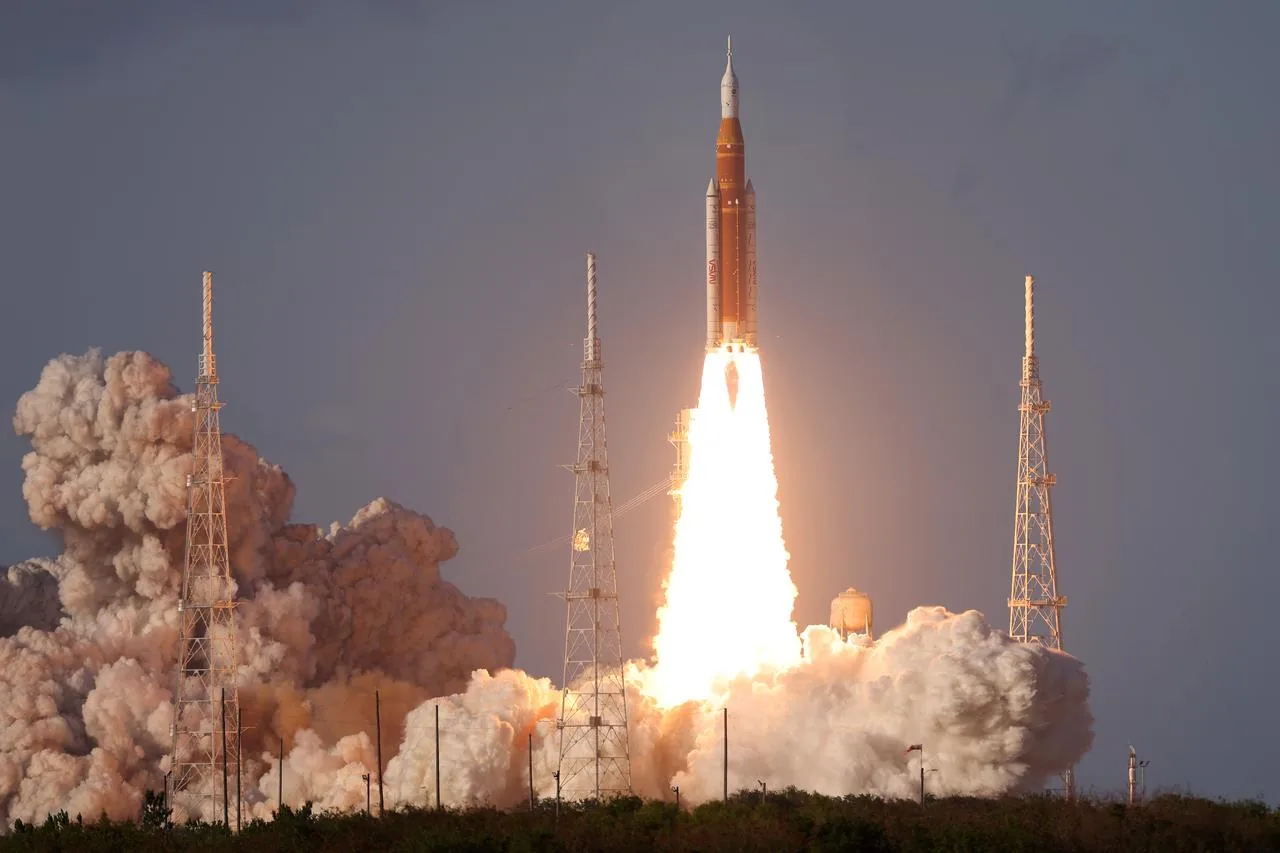
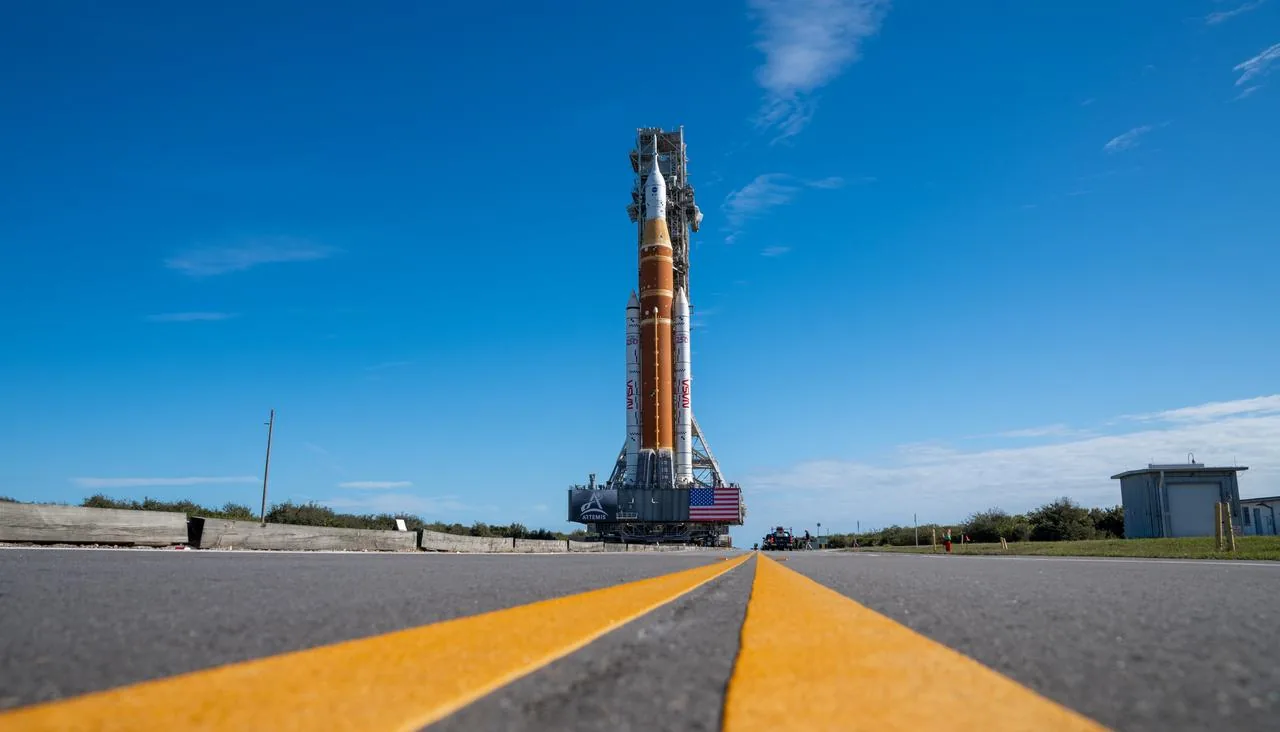
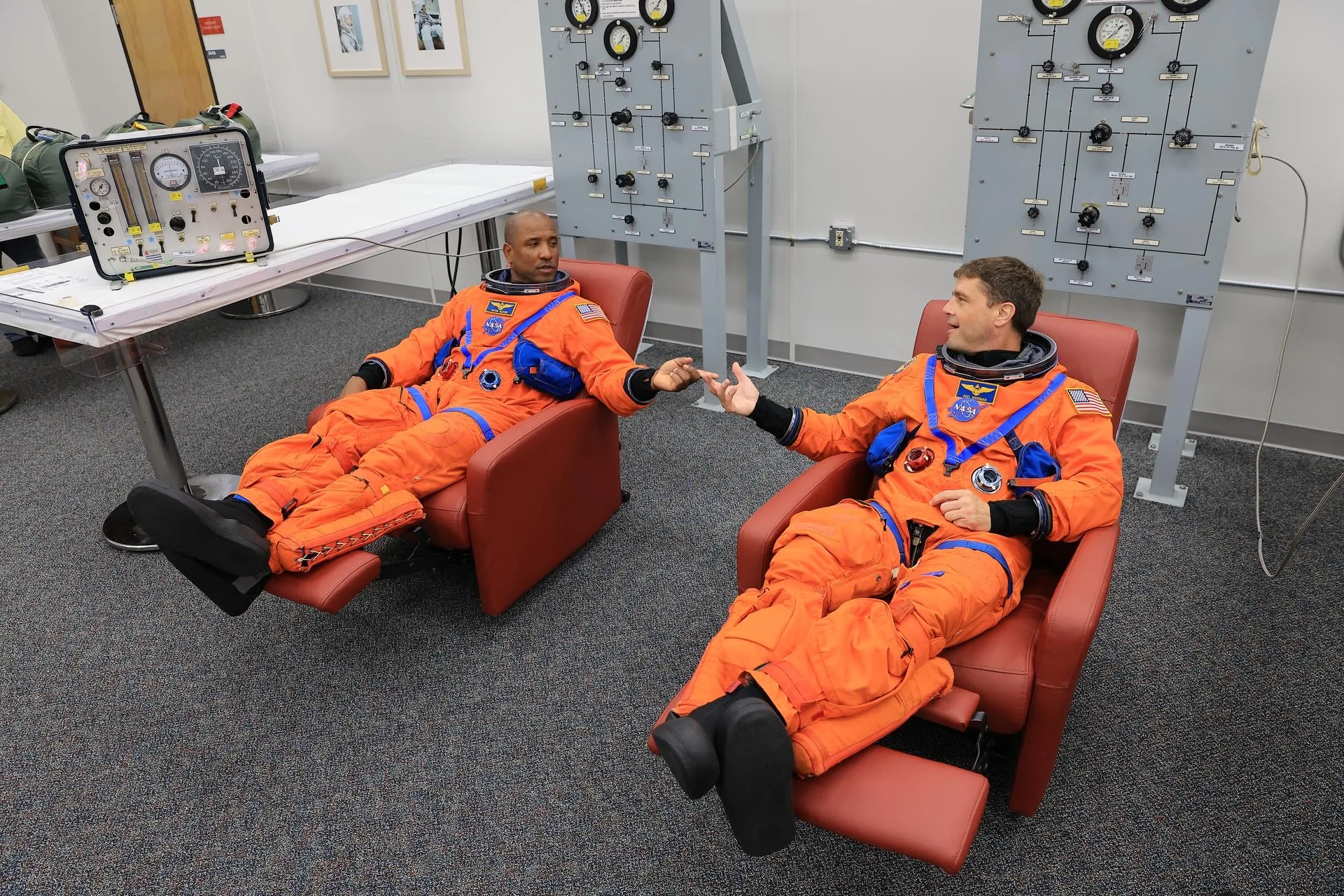
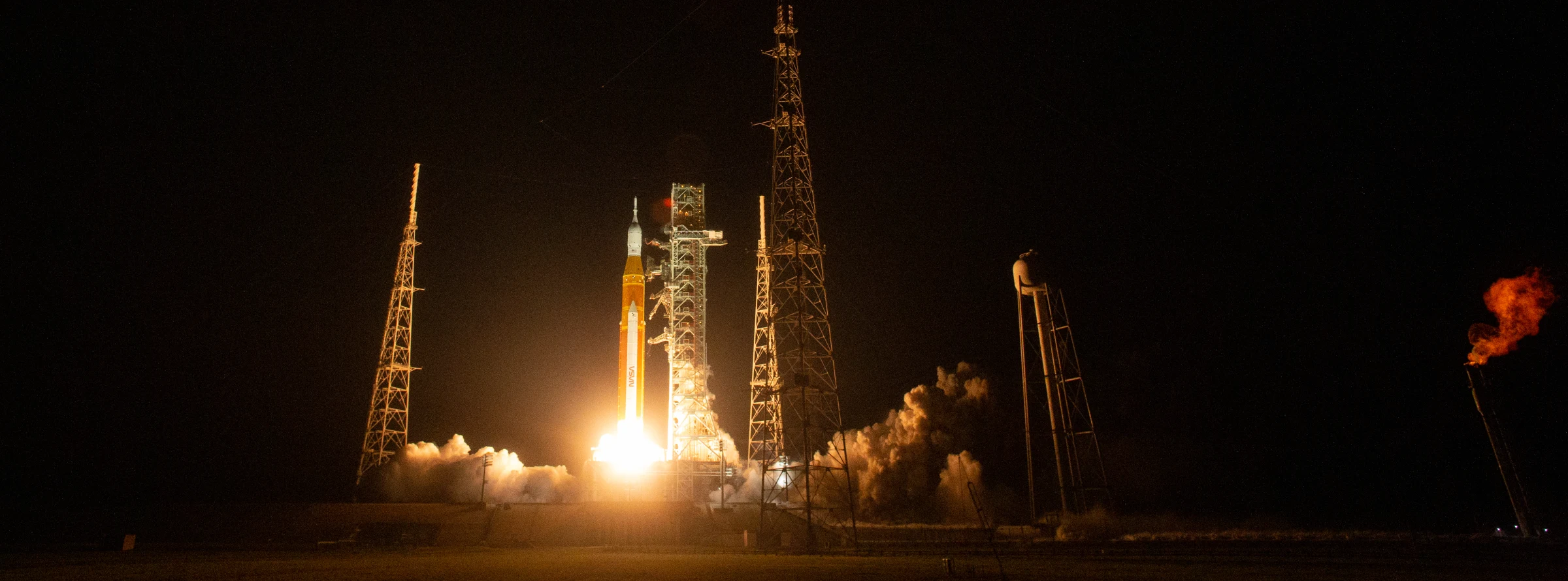
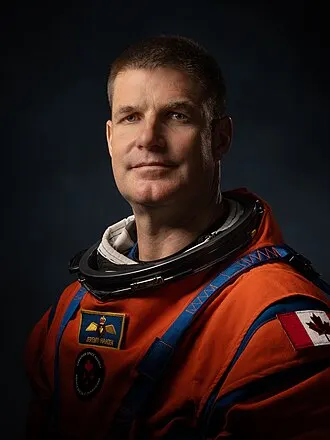
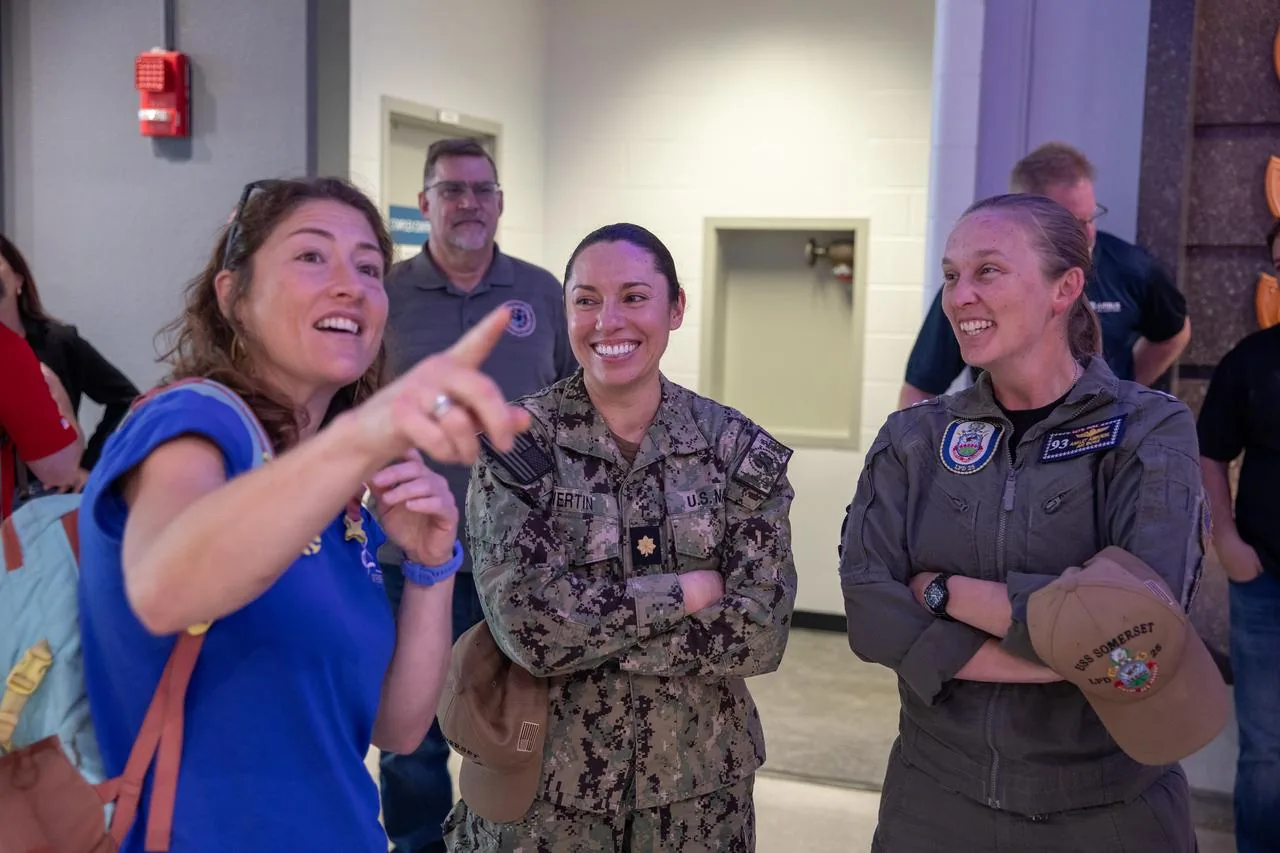
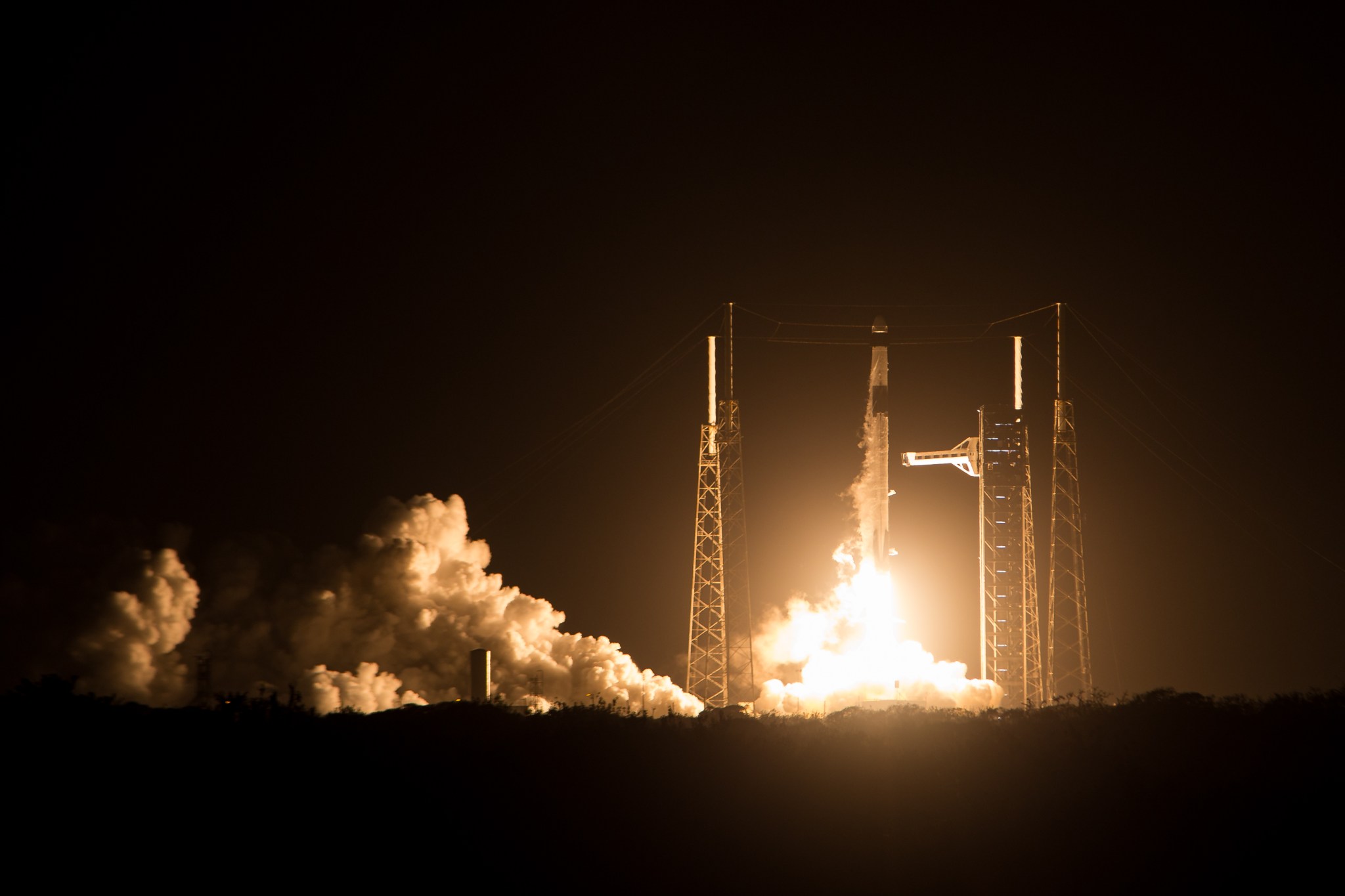
On 1 April 2026, NASA's Space Launch System Block 1 rocket lifted off from Kennedy Space Center Launch Complex 39B carrying four astronauts aboard the Orion spacecraft: Commander Reid Wiseman, Pilot Victor Glover, Mission Specialist 1 Christina Koch (the first woman on a deep-space mission), and Mission Specialist 2 Jeremy Hansen of the Canadian Space Agency — the first non-American astronaut on a deep-space mission.
02 / 04
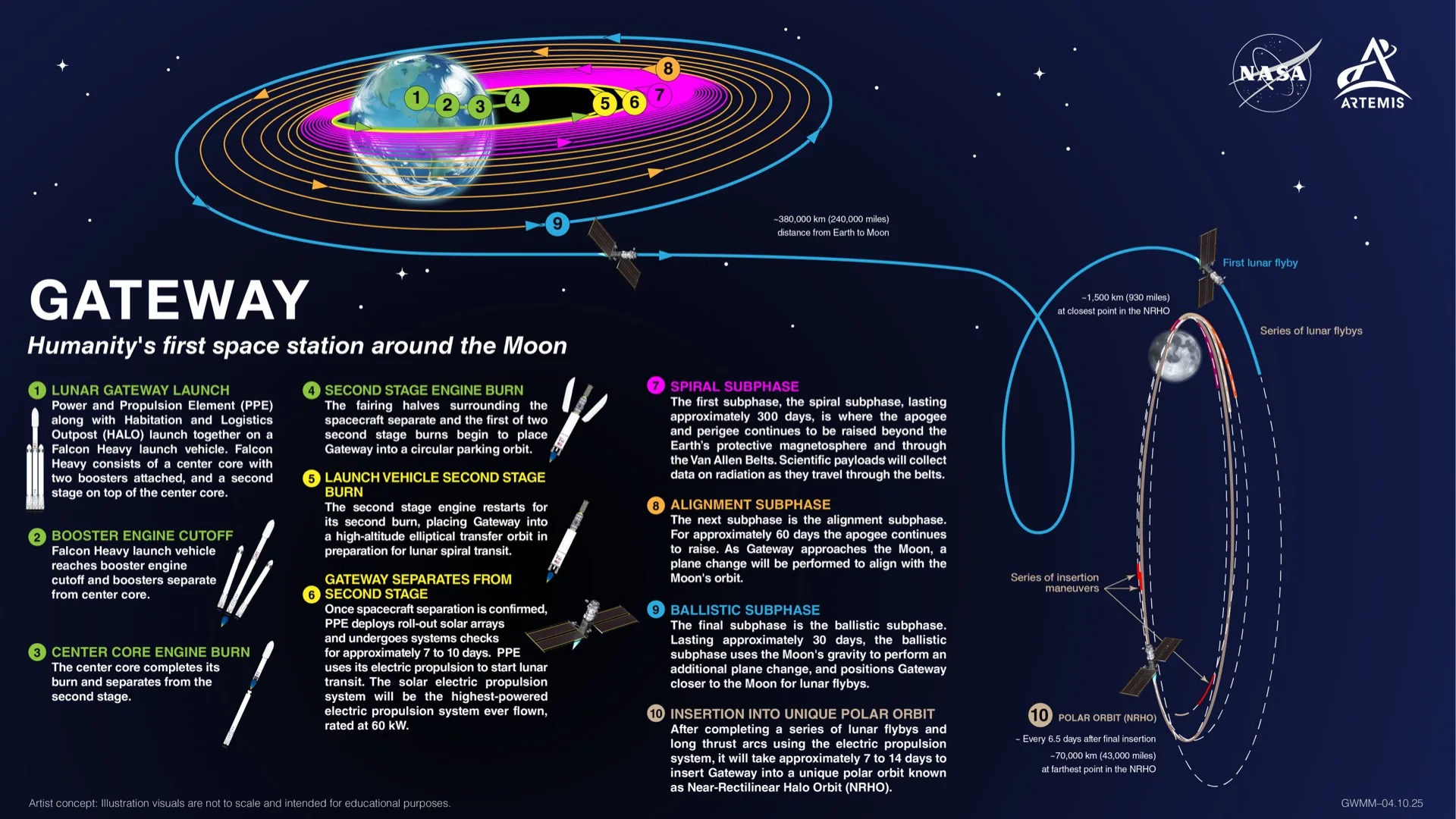
Artemis II flew a free-return circumlunar trajectory, looping around the Moon without entering lunar orbit and relying on the Moon's gravity to slingshot the crew back toward Earth. The mission's primary purpose was to validate Orion's life support, navigation, communication, and re-entry systems with humans aboard in the deep-space radiation environment.
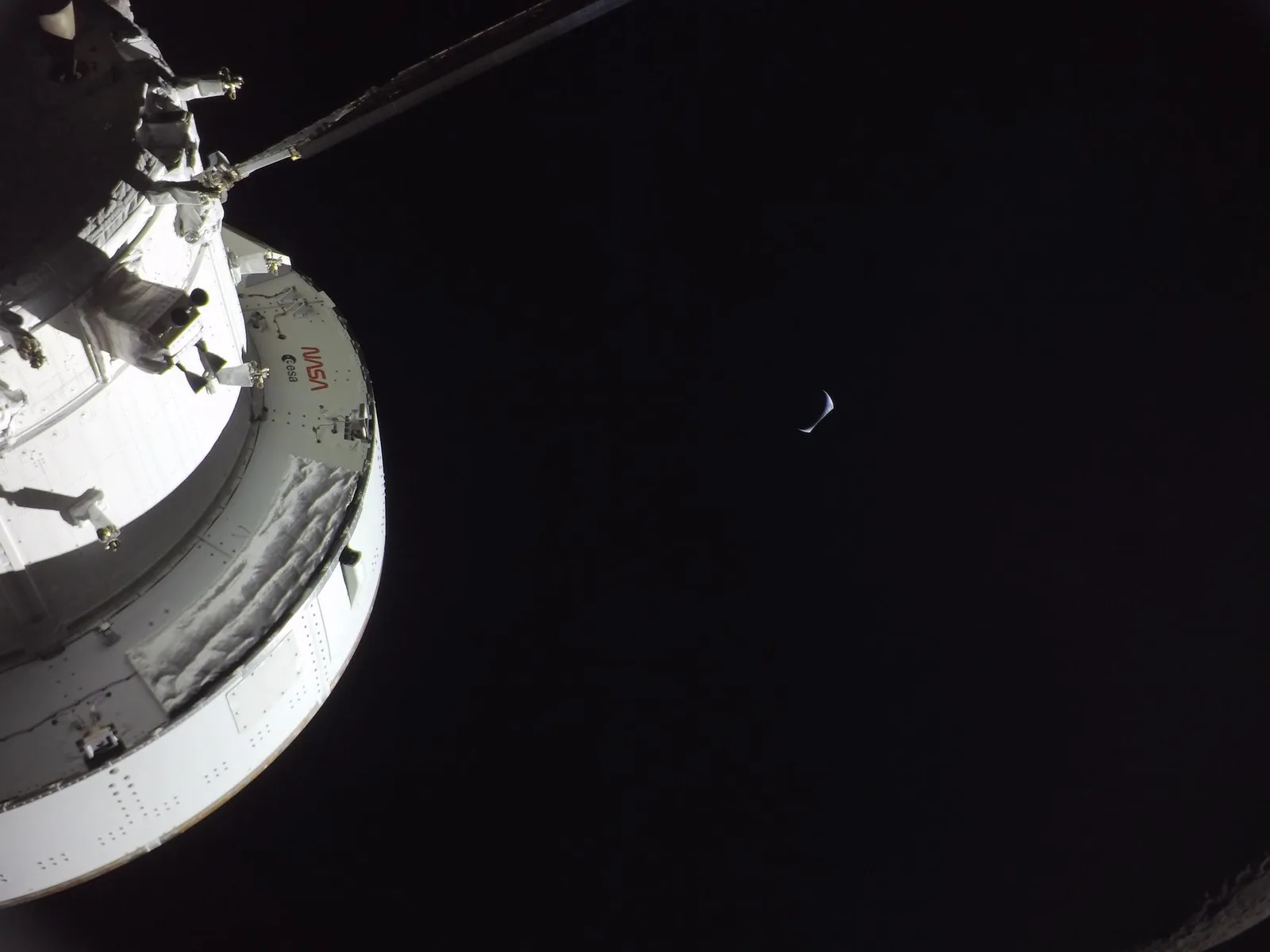
03 / 04
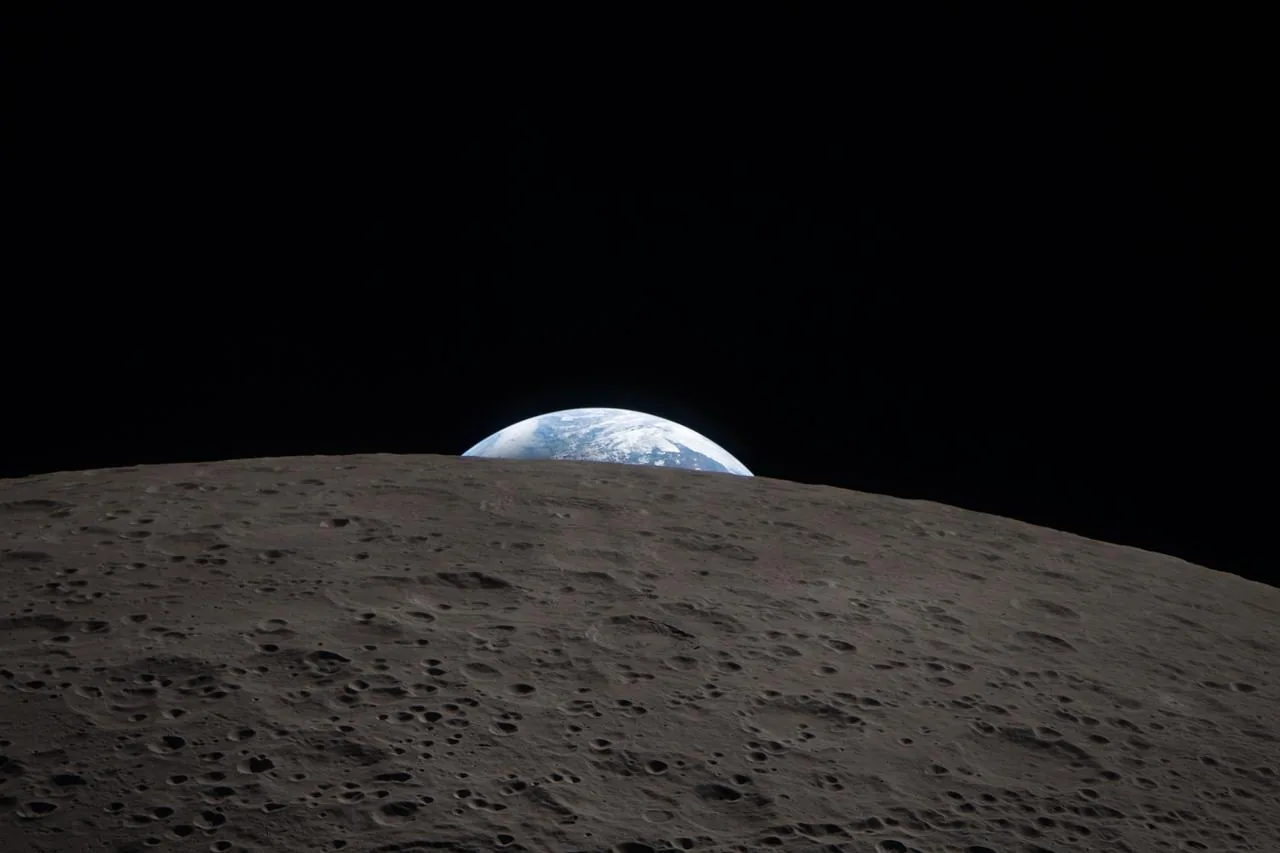
On 6 April, five days into the flight, Orion surpassed the 400,171-kilometre distance record set by Apollo 13 in April 1970, marking the first time any human had been that far from Earth in 56 years. The crew photographed Earth from a vantage point beyond the Moon before beginning their return.
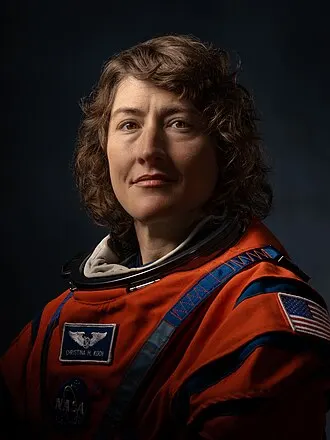
04 / 04
Orion splashed down in the Pacific on 10 April 2026. The mission validated the Orion/SLS stack for Artemis III, which will attempt the first crewed Moon landing since Apollo 17 in December 1972.
“
We are going back to the Moon — not as a one-time achievement, but to stay. And from there, on to Mars.
Bill Nelson · NASA Administrator, Artemis II launch day
By the numbers
Launch date
1 Apr 2026
Mission duration
~10 days
Max distance from Earth
400,171+ km
Splashdown
10 Apr 2026
Launch vehicle
SLS Block 1, LC-39B
Last lunar mission before
Apollo 17, Dec 1972
Why it mattered
Artemis II returned humans to cislunar space for the first time since Apollo 17 in 1972 — and for the first time, the crew included a woman and a Canadian. It validated Orion's deep-space life support, navigation, and re-entry systems for the crewed lunar landing attempt on Artemis III.
▸Christina Koch became the first woman and Victor Glover the first Black astronaut to travel beyond Low Earth Orbit
▸Jeremy Hansen became the first Canadian in deep space — 64 years after Canada joined NASA's human spaceflight partner nations
▸Orion surpassed the 400,171 km distance record set by Apollo 13 in April 1970 — the first humans to reach that distance in 56 years
▸The SLS Block 1 is the most powerful operational rocket since Saturn V — producing 8.8 million pounds of thrust at liftoff
▸Artemis II was a free-return trajectory: no lunar orbit insertion — the Moon's gravity slung the crew home naturally, requiring no engine burn if systems failed