Artemis II sets new farthest-from-Earth crewed-flight record
April 6, 2026NASA / CSA
Scroll to begin
NASA
The world that day
8.1 billion
People on Earth
3
Nations to launch a human
12
Humans to walk on the Moon
5,500
Known worlds beyond the Sun
01 / 04
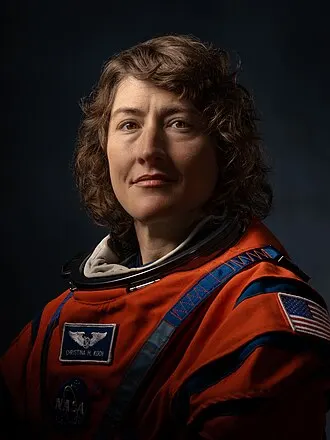
Five days out from Earth, on 6 April 2026, four people looked back at a planet small enough to hide behind a thumb. Aboard the Orion spacecraft they had named Integrity, Reid Wiseman, Victor Glover, Christina Koch, and Jeremy Hansen were closing on the Moon when their distance ticked past 400,171 kilometers, a number that had stood at the edge of human experience since April 1970. Apollo 13's crew had set that record by accident, flung around the Moon in a crippled ship. Artemis II passed it on purpose, in perfect health.
02 / 04
Hansen marked the moment on the air-to-ground loop, honoring the crews who came before. Orion ultimately reached about 406,770 kilometers from Earth, roughly 252,756 miles, farther than any humans have ever traveled. The free-return trajectory carried the crew about 4,067 miles from the lunar surface as they rounded the far side, and along the way the Moon slid in front of the Sun, treating the four to a solar eclipse visible to no one else alive. They were the first people beyond low Earth orbit since Apollo 17 in December 1972.
03 / 04
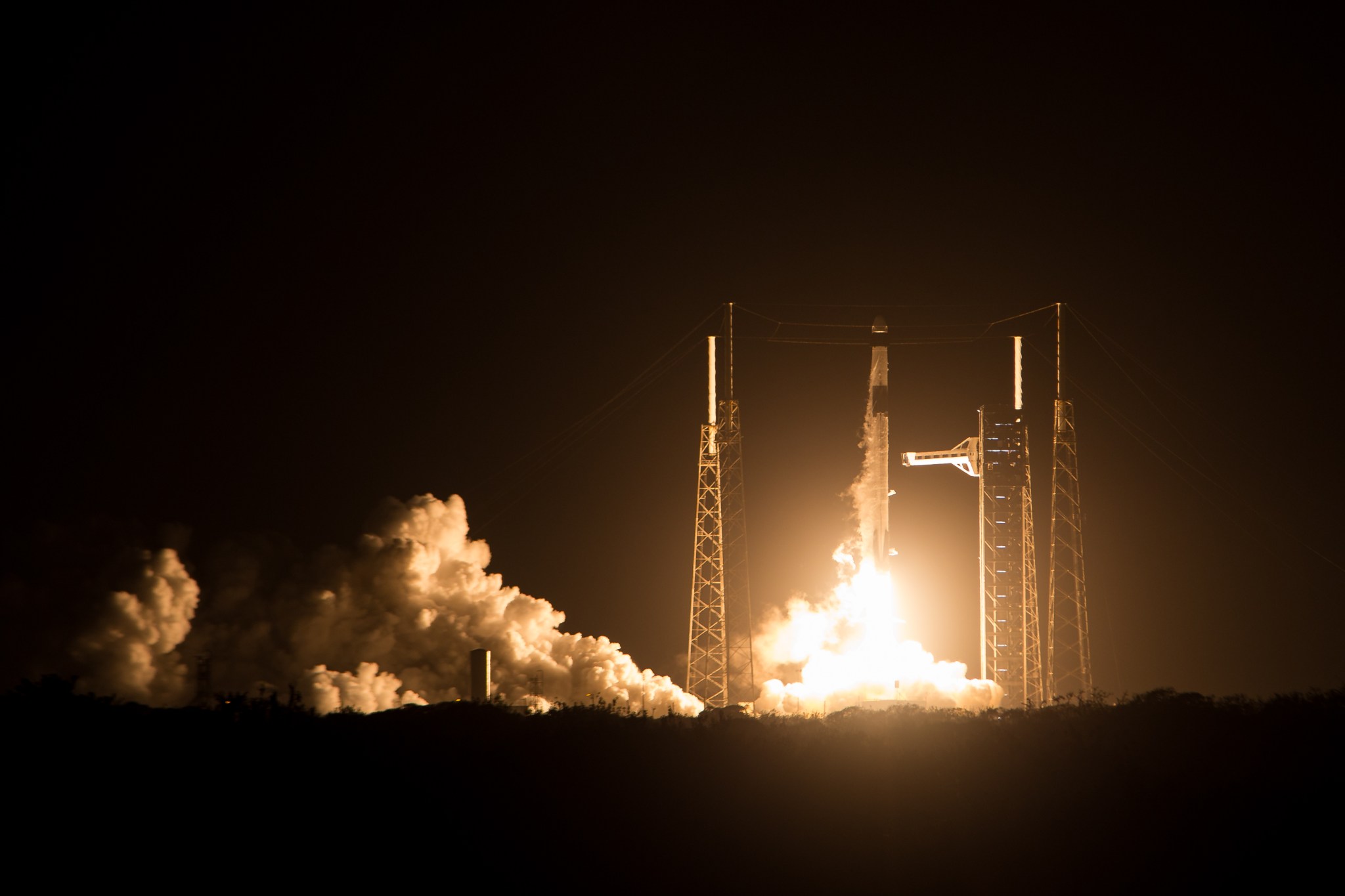
The crew itself rewrote the demographics of deep space. Koch became the first woman to fly a lunar mission, Glover the first Black astronaut, and Hansen, a Canadian, the first person from outside the United States. On 10 April, nine days, one hour, and 32 minutes after leaving Kennedy Space Center, Integrity splashed down in the Pacific southwest of San Diego at 8:07 p.m. Eastern, where the crew was hoisted into helicopters and flown to the deck of USS John P. Murtha.
04 / 04
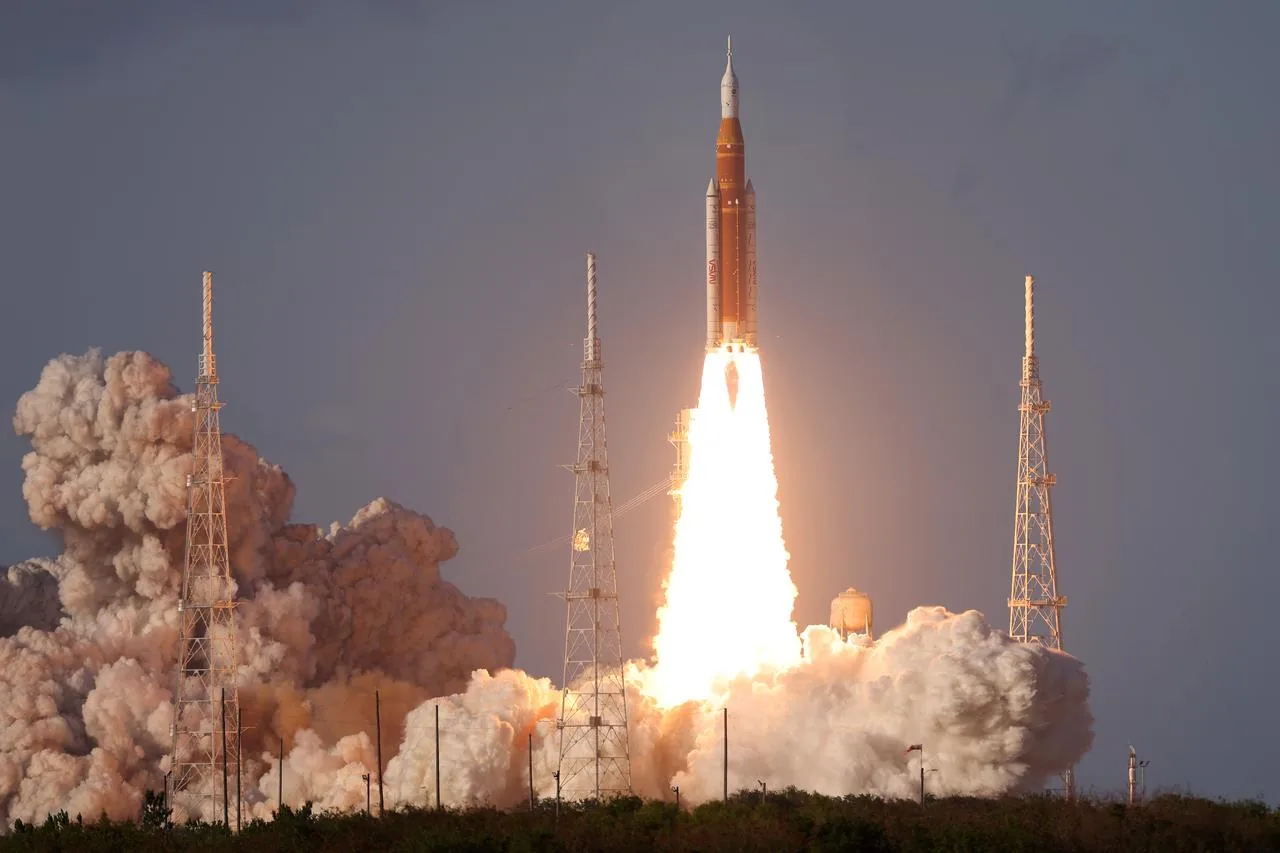
It was the first time the U.S. Navy had recovered a NASA crew since the Apollo-Soyuz flight of 1975, and Mission Control called the arrival a perfect bullseye. Artemis II had flown the Space Launch System and Orion with people aboard for the first time and brought them home safely, clearing the route to an Artemis III landing and proving that lunar flight is no longer heritage but current capability.
“
From the cabin of Integrity here, as we surpass the furthest distance humans have ever traveled from planet Earth, we do so in honoring the extraordinary efforts and feats of our predecessors in human space exploration.
Jeremy Hansen · CSA astronaut, Artemis II mission specialist
By the numbers
Record surpassed
6 Apr 2026 (flight day 6)
Previous record
400,171 km — Apollo 13, Apr 1970
Maximum distance
≈406,770 km (252,756 mi)
Launch
1 Apr 2026, Kennedy Space Center
Splashdown
10 Apr 2026, Pacific Ocean off San Diego
Mission duration
9 days 1 h 32 min
Why it mattered
Artemis II returned humans to the Moon's neighborhood after more than half a century and moved the species' high-water mark for the first time since 1970. It qualified SLS and Orion with a crew aboard, validated life support and lunar-velocity reentry for Artemis III, and set its record with a crew whose composition widened who deep space belongs to. The 53-year gap between Apollo 17 and a crewed lunar flight was finally closed, transforming lunar exploration from inherited memory into demonstrated, current capability.
▸The crew named their Orion capsule Integrity, and Hansen invoked the name as they crossed the record line.
▸Apollo 13 set the old record by accident in a crippled spacecraft; Artemis II broke it deliberately while flying a similar free-return path around the Moon.
▸Rounding the far side about 4,067 miles from the lunar surface, the crew watched the Moon cross in front of the Sun, a solar eclipse only they could see.
▸Koch, Glover, and Hansen became respectively the first woman, the first Black astronaut, and the first non-American to fly a lunar-distance mission.
▸The U.S. Navy's recovery of Orion by USS John P. Murtha was its first retrieval of a NASA crew since the Apollo-Soyuz Test Project in 1975.