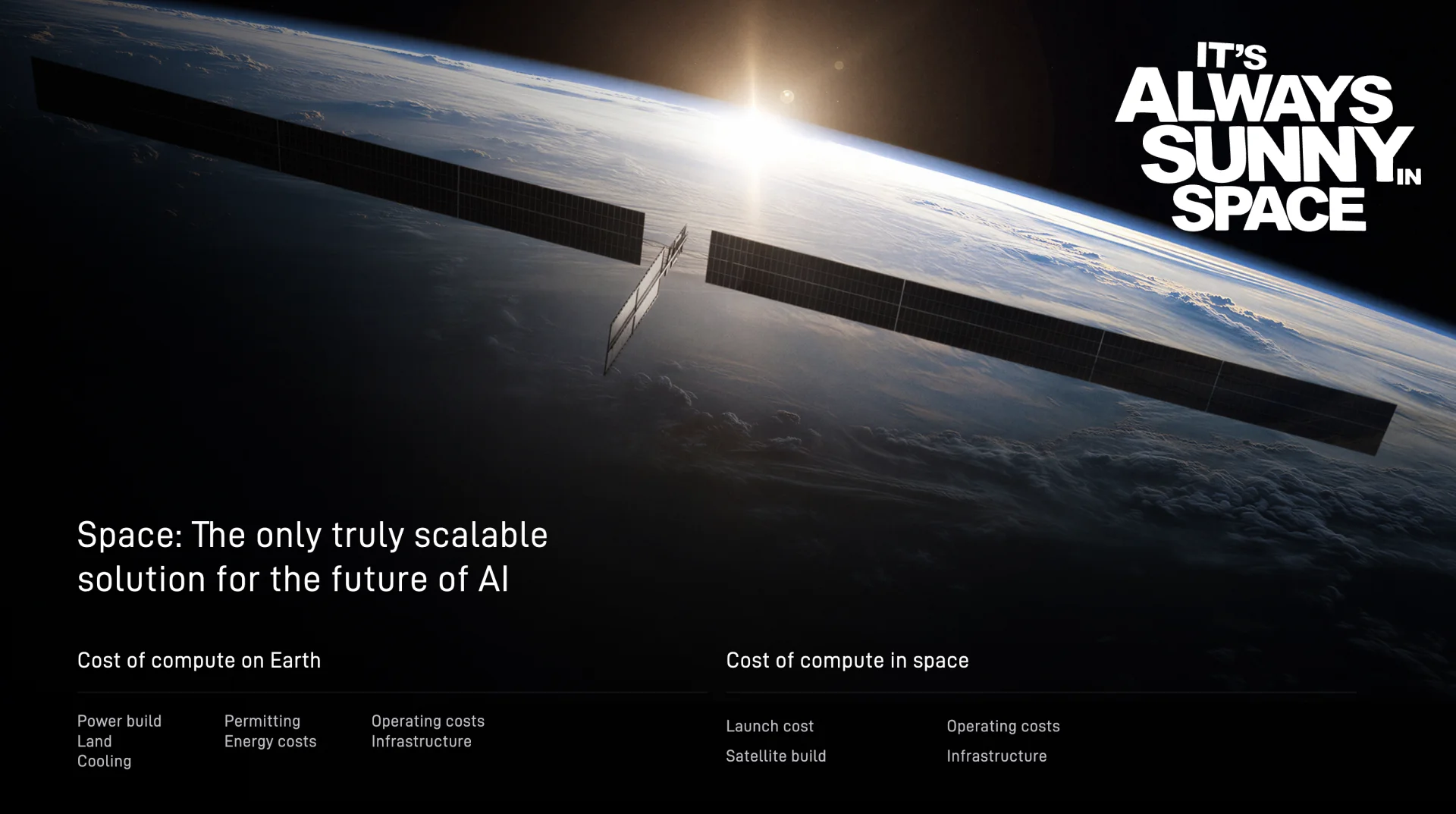
For decades, satellite internet meant one thing: a dish on your roof pointing at a geostationary satellite 36,000 kilometers away, suffering through 600-millisecond ping times and data caps that made streaming a fantasy. It worked -- barely -- for people in remote areas with no other option, but it was nobody's first choice. The latency alone made video calls painful and online gaming impossible.
That era is over. A new generation of satellite internet is being built in low Earth orbit, just a few hundred kilometers above our heads, and it is changing the rules entirely. Welcome to the age of mega-constellations.
How LEO Internet Works
The fundamental advantage of low Earth orbit (LEO) satellite internet is simple: proximity. A satellite at 550 kilometers altitude is roughly 65 times closer than a geostationary satellite. Since radio signals travel at the speed of light, the round-trip latency drops from 600 milliseconds to roughly 20 to 40 milliseconds -- comparable to terrestrial broadband. That single change transforms satellite internet from a last resort into a competitive service.
But there is a catch. A geostationary satellite hovers over a fixed point on Earth, providing continuous coverage to a wide area. A LEO satellite races across the sky in about 90 minutes, visible from any given ground location for only a few minutes per pass. To provide continuous coverage, you need many satellites -- hundreds or thousands -- arranged in orbital shells so that at least one satellite is always visible from every point on Earth.
This is what a mega-constellation is: a coordinated fleet of satellites, working together as a system, handing off connections from one satellite to the next as they pass overhead. The ground terminal (the user's dish) tracks multiple satellites simultaneously and switches between them seamlessly. It is a massive orchestration challenge in both hardware and software, and the companies building these constellations have had to solve engineering problems that did not exist a decade ago.
Mega-Constellations Compared (Q1 2026)

| Constellation | Operator | Country | Satellites Launched | Operational | Target Size | Altitude | Status | Service Type |
|---|---|---|---|---|---|---|---|---|
| Starlink | SpaceX | USA | ~7,500 | ~7,000+ | 12,000 (auth) → 42,000 (planned) | 540–570 km | Operational, dominant | Consumer broadband + direct-to-cell |
| Eutelsat OneWeb | Eutelsat Group | UK / France | 634 | ~600 | 648 (Gen 1) → 6,372 (Gen 2 planned) | ~1,200 km | Operational, Gen 1 complete | Enterprise / government / maritime |
| Project Kuiper | Amazon | USA | ~150–200 | Ramping | 3,236 | 590–630 km | Early deployment | Consumer + AWS-integrated |
| Guowang (国网) | China SatNet | China | ~60–100 | Limited | 12,992 | 500–1,145 km (3 shells) | Early deployment | State-aligned broadband |
| Qianfan (千帆) / Thousand Sails | SSST / Spacesail | China | ~100–130 | Limited | 14,000 | ~1,160 km | Early deployment | Consumer + export markets |
| AST SpaceMobile | AST SpaceMobile | USA | 5 BlueBird + BW3 | Limited | ~243 (BlueBird) | ~700 km | Test / early ops | Direct-to-cell only |
Numbers are approximate Q1 2026 figures and change weekly. Verify current count via Jonathan McDowell's satellite catalogue or operator filings. "Auth" = authorized by FCC/regulator; "planned" = in regulatory filings but not yet authorized.
Starlink: 7,000+ Operational Satellites
SpaceX's Starlink is the dominant player, and it is not particularly close. As of Q1 2026, SpaceX has launched roughly 7,500 Starlink satellites, with over 7,000 operational and providing service. The constellation operates primarily at 540–570 kilometers altitude in multiple orbital planes, providing coverage across most of the populated world.
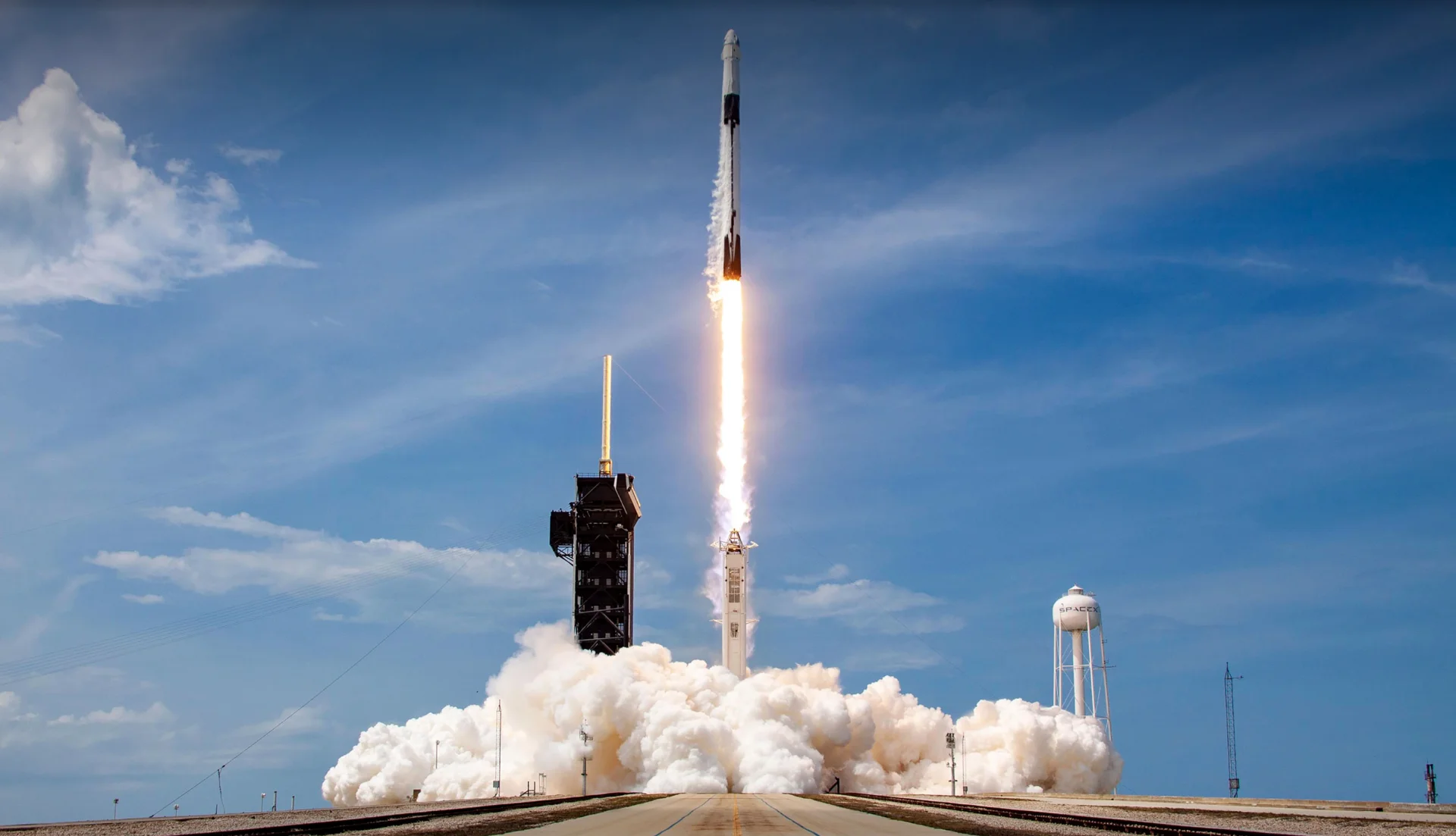
The numbers are almost absurd. SpaceX launches 20 to 60 Starlink satellites at a time on Falcon 9 rockets, sometimes multiple times per week. The company has authorization from the FCC for up to 12,000 satellites in its initial constellation, with applications pending for up to 30,000 additional satellites in a second-generation system. The newer V2 Mini satellites are larger and more capable than the originals, with higher throughput and improved inter-satellite laser links that allow data to be routed from satellite to satellite without touching the ground.
Starlink service is available in more than 110 countries by 2026, with download speeds typically ranging from 50 to 250 Mbps and latency around 20 to 40 milliseconds. For users in rural areas, maritime vessels, and aviation, the service has been genuinely transformative. The system also proved its strategic value during the conflict in Ukraine, providing critical communications when terrestrial infrastructure was damaged or destroyed. Direct-to-cell text messaging began rolling out with T-Mobile in 2024 and expanded to voice and data in 2025–2026.
The business model is ambitious: SpaceX aims to use Starlink revenue to fund its broader ambitions, including Starship development and Mars colonization. Early estimates suggested the constellation could generate $30 billion or more in annual revenue at scale, though the actual figures depend on subscriber growth and average revenue per user.
OneWeb and the Eutelsat Merger
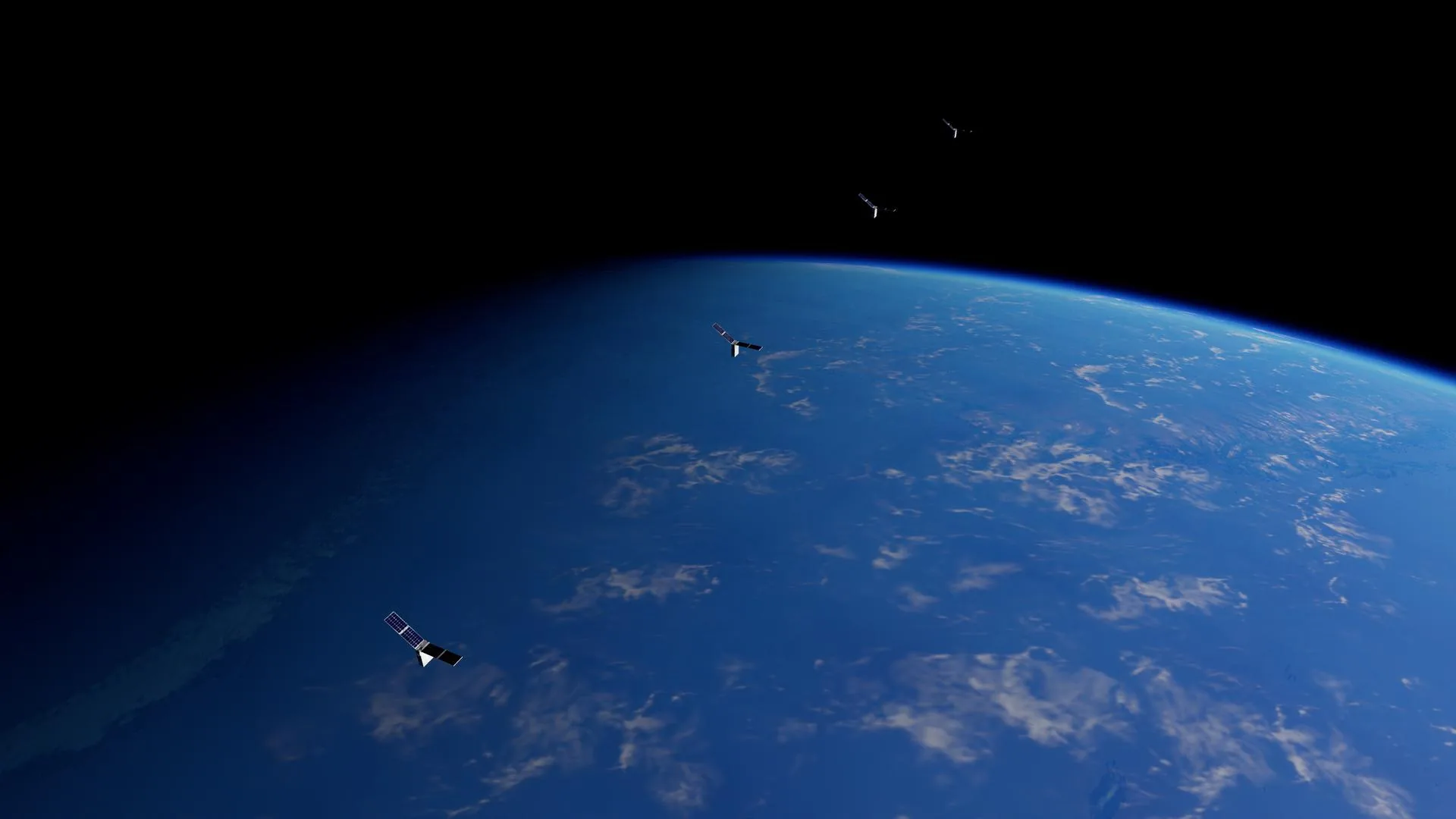
OneWeb had a rougher road to orbit. The company launched its first satellites in 2019, went through bankruptcy in 2020 (a casualty of the pandemic and funding challenges), was rescued by the UK government and Bharti Global, and then merged with Eutelsat in 2023 to form Eutelsat OneWeb.
The OneWeb constellation operates at approximately 1,200 kilometers altitude -- higher than Starlink -- with about 634 satellites completing the initial constellation. The service targets enterprise, government, and maritime customers rather than individual consumers, positioning itself in a different market segment than Starlink.
The Eutelsat merger was strategically significant. Eutelsat brought decades of geostationary satellite expertise, existing customer relationships, and a complementary service portfolio. The combined company can offer both LEO and GEO services, allowing customers to choose the best option for their needs or use both in a hybrid architecture. The higher orbit of OneWeb means slightly higher latency than Starlink (around 30 to 70 milliseconds) but also means fewer satellites are needed for global coverage.
Amazon Kuiper: The Giant Enters the Ring
Amazon's Project Kuiper is the most well-funded new entrant, backed by a company with $83 billion in committed investment and an existing global infrastructure in AWS data centers, ground stations, and logistics. Kuiper plans a constellation of 3,236 satellites at altitudes between 590 and 630 kilometers.
Kuiper launched its first prototype satellites, KuiperSat-1 and KuiperSat-2, in late 2023, and the operational deployment is ramping up with launches beginning on ULA's Atlas V and transitioning to the new Vulcan Centaur rocket, as well as Arianespace's Ariane 6 and Blue Origin's New Glenn. Amazon secured the largest commercial launch procurement in history to deploy the constellation.
Amazon's competitive advantage is integration. Kuiper is designed to work seamlessly with AWS cloud services, and Amazon's vision includes connecting underserved communities, providing backhaul for wireless carriers, and enabling IoT applications at global scale. The company's existing ground station network (AWS Ground Station) gives it a head start on the terrestrial infrastructure that LEO constellations need.
The FCC requires Amazon to deploy at least half of its constellation by mid-2026, creating significant schedule pressure. As of Q1 2026, Amazon has deployed roughly 150–200 production satellites and is ramping launches across Atlas V, Vulcan Centaur, Ariane 6, New Glenn, and Falcon 9 (yes — Amazon contracted competitor SpaceX for capacity it could not get elsewhere). Hitting the 1,618-satellite half-deployment milestone by July 2026 would require a launch cadence Amazon has not yet demonstrated; an FCC waiver application is widely expected.
The China Constellations: Guowang and Qianfan
China is no longer a spectator in the mega-constellation race. Two state-aligned constellations have begun deployment in the past 18 months and together target over 26,000 satellites — more than every Western constellation combined.
Guowang (国网 — "national network"), operated by China SatNet, is the strategic constellation. First launches began in late 2024 from the Wenchang and Taiyuan spaceports on Long March 5B, 8A, and the new Long March 12 vehicles. As of Q1 2026 the constellation has roughly 60–100 satellites in orbit across three planned orbital shells (500 km, 1,145 km, and an intermediate layer). The full constellation targets 12,992 satellites and is closely tied to China's broader policy goals around digital sovereignty and overseas influence in the Belt and Road regions.
Qianfan (千帆 — "Thousand Sails"), operated by Shanghai Spacecom Satellite Technology (SSST, also known as Spacesail), began launches in August 2024 with 18 satellites per Long March 6A flight. By Q1 2026 the constellation has roughly 100–130 satellites and targets 14,000 in total. Qianfan is being positioned more directly as a Starlink competitor in export markets, with service agreements signed in Brazil, Thailand, Malaysia, and several African nations.
Both Chinese constellations face the same engineering challenges Starlink solved years ago — inter-satellite laser links, mass-produced flat-panel satellites, electric propulsion for orbit-raising — and are still building the launch cadence needed to keep pace with retirements and reach operational scale. They are not yet competitive on coverage or service quality but represent a strategic and geopolitical reality that will define the LEO market through the late 2020s.
The Impact on Astronomy
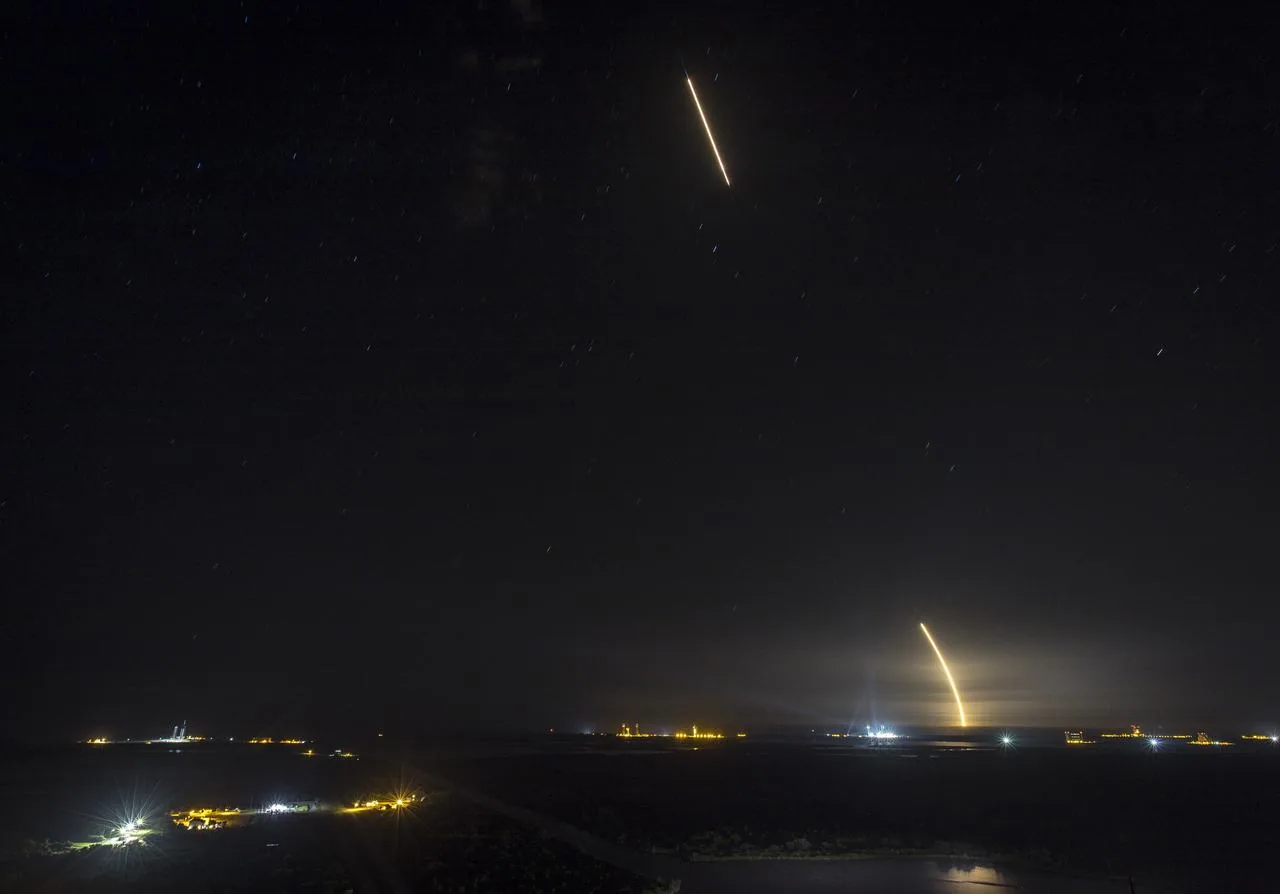
Mega-constellations have a dark side -- literally. Astronomers raised alarms almost immediately after the first Starlink satellites were launched, as the bright streaks of sunlight reflecting off the satellites marred long-exposure images from ground-based telescopes. For optical astronomy, particularly wide-field surveys like the Vera C. Rubin Observatory's Legacy Survey of Space and Time (LSST), thousands of bright satellites crossing the sky pose a serious data contamination problem.
SpaceX has made efforts to reduce satellite brightness, including the VisorSat design (which added a sunshade) and the DarkSat experiment (which tested a darkened surface coating). The V2 Mini satellites incorporate lessons learned, and SpaceX has engaged with the astronomical community through the Satellite Constellations (SATCON) workshops. But the problem is fundamental: more satellites means more interference, and no coating or sunshade can eliminate reflections entirely.
Radio astronomy faces its own challenges. The satellites transmit in frequency bands that can produce interference for radio telescopes, and the sheer number of transmitters in orbit increases the radio frequency environment's noise floor. International coordination through bodies like the International Telecommunication Union (ITU) is critical, but the regulatory frameworks were designed for an era of far fewer satellites.
The tension between connectivity and astronomy is real and will not be easily resolved. Both are valuable -- billions of people need affordable internet access, and understanding the universe is a fundamental human endeavor. Finding a balance requires ongoing dialogue, technical innovation, and regulatory frameworks that protect both interests.
Direct-to-Cell: The Next Frontier
Perhaps the most exciting development in the mega-constellation space is direct-to-cell technology -- the ability for a satellite to communicate directly with an unmodified smartphone. SpaceX partnered with T-Mobile to develop this capability for Starlink, with the goal of eliminating dead zones entirely. The idea is that when your phone cannot reach a cell tower, it seamlessly connects to a Starlink satellite overhead.
The initial service offers text messaging, with voice and data to follow. The technical challenges are significant -- the satellite must act as a cell tower in the sky, using the same LTE or 5G protocols that terrestrial networks use, but over a link that is hundreds of kilometers long and changing rapidly. Beam-forming antennas, sophisticated signal processing, and coordination with terrestrial networks are all required.
AST SpaceMobile is pursuing the same vision with its own constellation, having launched its BlueWalker 3 test satellite and demonstrating direct-to-cell calls. The company's approach uses very large satellite antennas (BlueWalker 3's array is 64 square meters) to close the link budget with standard smartphone transmit power.
If direct-to-cell works at scale, the implications are profound. Emergency communications in disaster zones, connectivity for hikers and travelers in remote areas, and service for the billions of people worldwide who live outside terrestrial cell coverage -- all become possible without any new hardware in the user's pocket.
The Crowded Sky Ahead
Mega-constellations are reshaping not just the telecommunications industry but the entire space sector. They drive launch demand, push satellite manufacturing to factory-scale production, create new regulatory challenges, and force us to confront questions about the sustainability of the orbital environment.
The sky is getting crowded. Managing that crowding -- ensuring safe operations, protecting astronomy, preventing debris accumulation, and providing equitable access to the orbital resource -- is the defining challenge of the satellite industry for the next decade. The technology is extraordinary. The governance needs to catch up.