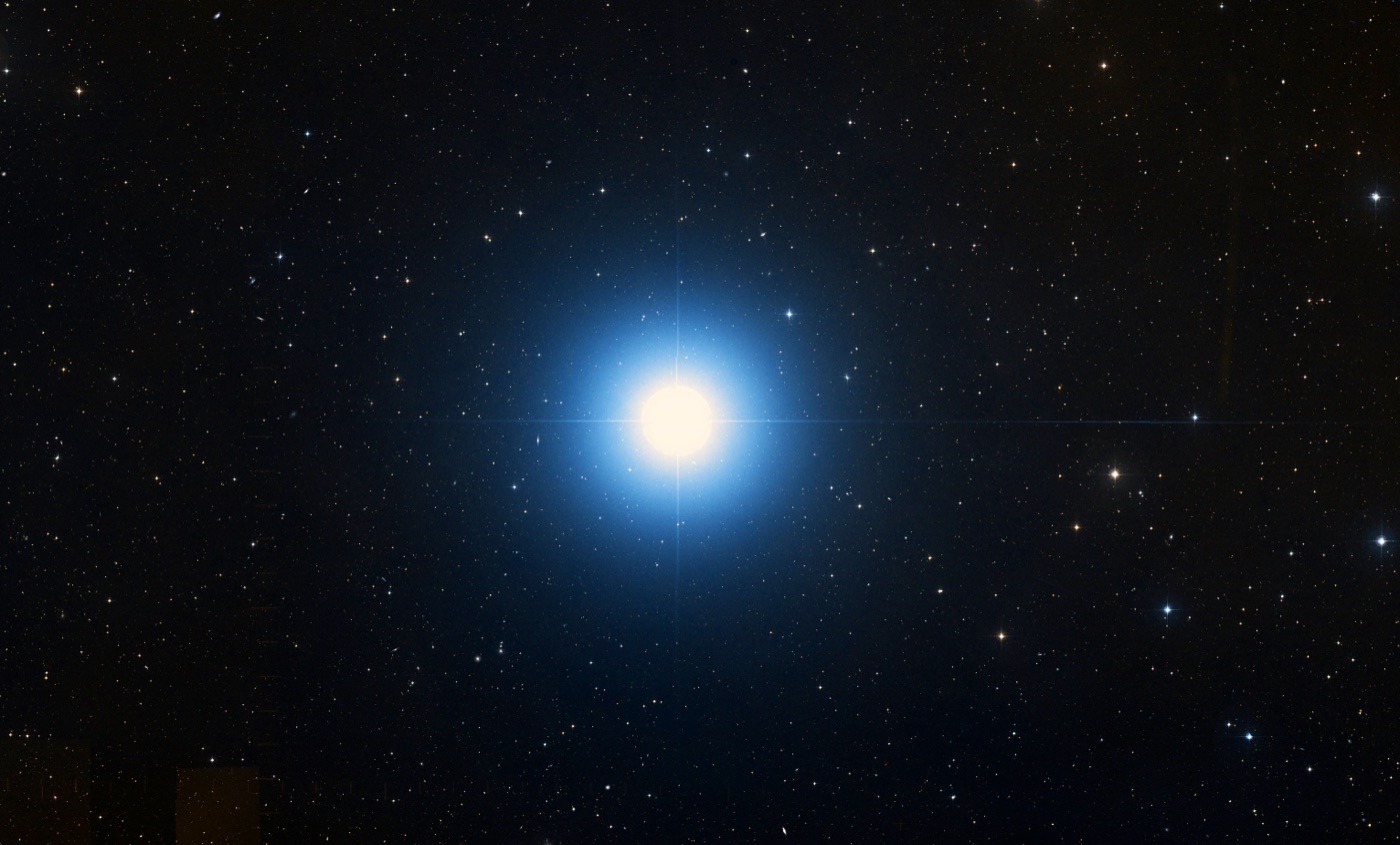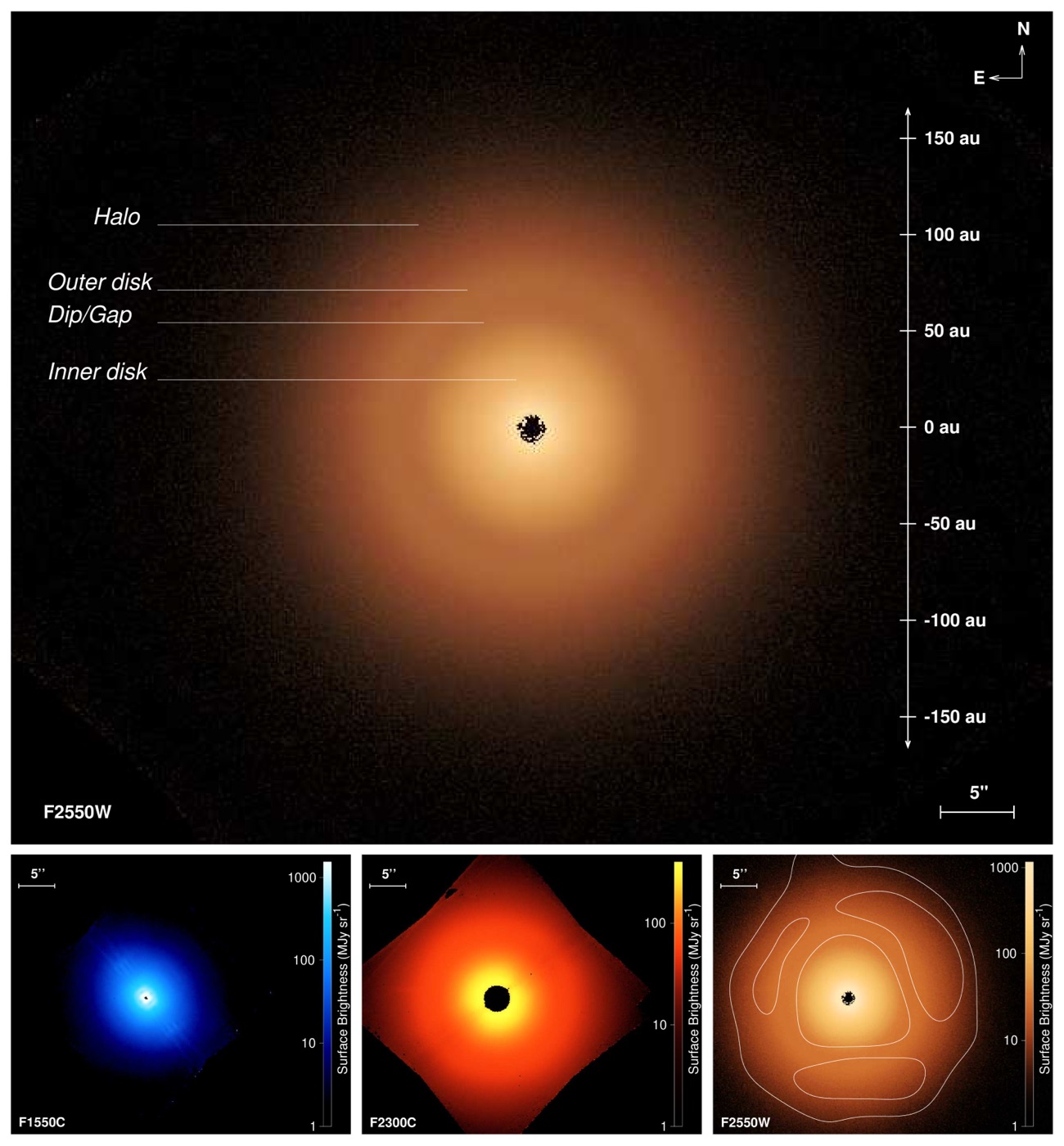
Beginner stargazing in 2026 starts with three things: a free planetarium app (Stellarium or SkySafari), a Bortle Class 4-or-darker site within driving distance, and patience for 20 minutes of dark adaptation. From any backyard you can identify the four brightest planets (Venus, Mars, Jupiter, Saturn), the Moon's major maria, the Andromeda Galaxy (M31), the Orion Nebula (M42), and roughly 20 named constellations with no equipment at all. This 2026 guide covers the brightest naked-eye objects month by month, the constellations to learn first, the eclipses and meteor showers ahead, and how sub-$500 smart telescopes (ZWO Seestar, Vaonis Vespera) have changed the entry path into the hobby.
Best Naked-Eye Sky Objects (Quick Reference)
These are the targets every beginner should be able to identify in a single year:
| Object | Type | Best Months (N. Hemisphere) | Visibility | Distance | Equipment Needed |
|---|---|---|---|---|---|
| The Moon | Natural satellite | Year-round | Naked eye | 384,400 km | Eyes; binoculars reveal craters |
| Venus | Planet | Twilight, year-round | Brilliant | 38–261 M km | Eyes (3rd brightest sky object) |
| Jupiter | Planet | Varies (opposition late Sep 2026) | Bright | ~600–900 M km | Eyes; binoculars show Galilean moons |
| Saturn | Planet | Opposition Sep 4, 2026 | Modest | ~1.3 B km | Small telescope (25× +) for rings |
| Mars | Planet | Opposition cycle (next Jan 2027) | Reddish | ~55–400 M km | Eyes; telescope for surface detail |
| Orion Nebula (M42) | Emission nebula | Nov–Mar | Naked eye (fuzzy) | 1,344 ly | Eyes; binoculars dramatic |
| Pleiades (M45) | Open cluster | Oct–Apr | Naked eye | 444 ly | Eyes; binoculars best |
| Andromeda Galaxy (M31) | Spiral galaxy | Aug–Feb | Naked eye (faint) | 2.5 M ly | Dark sky + binoculars |
| Milky Way core | Galactic center | Jun–Aug (S. summer) | Bortle ≤ 4 | — | Dark sky; eyes |
| ISS | Space station | Year-round | Brighter than Venus at peak | 400 km | Eyes (use Heavens-Above) |
ly = light-years. M = million; B = billion. Opposition = when a planet is opposite the Sun in our sky and at its closest, brightest, biggest.
Constellations by Season (Northern Hemisphere)
| Season | Marquee Constellations | Don't-Miss Stars |
|---|---|---|
| Spring (Mar–May) | Leo, Virgo, Boötes, Ursa Major | Arcturus (orange), Spica (blue) |
| Summer (Jun–Aug) | Cygnus, Lyra, Aquila, Scorpius, Sagittarius | Vega, Deneb, Altair (Summer Triangle); Antares |
| Autumn (Sep–Nov) | Pegasus, Andromeda, Cassiopeia, Perseus | Andromeda Galaxy easy from Bortle 5 |
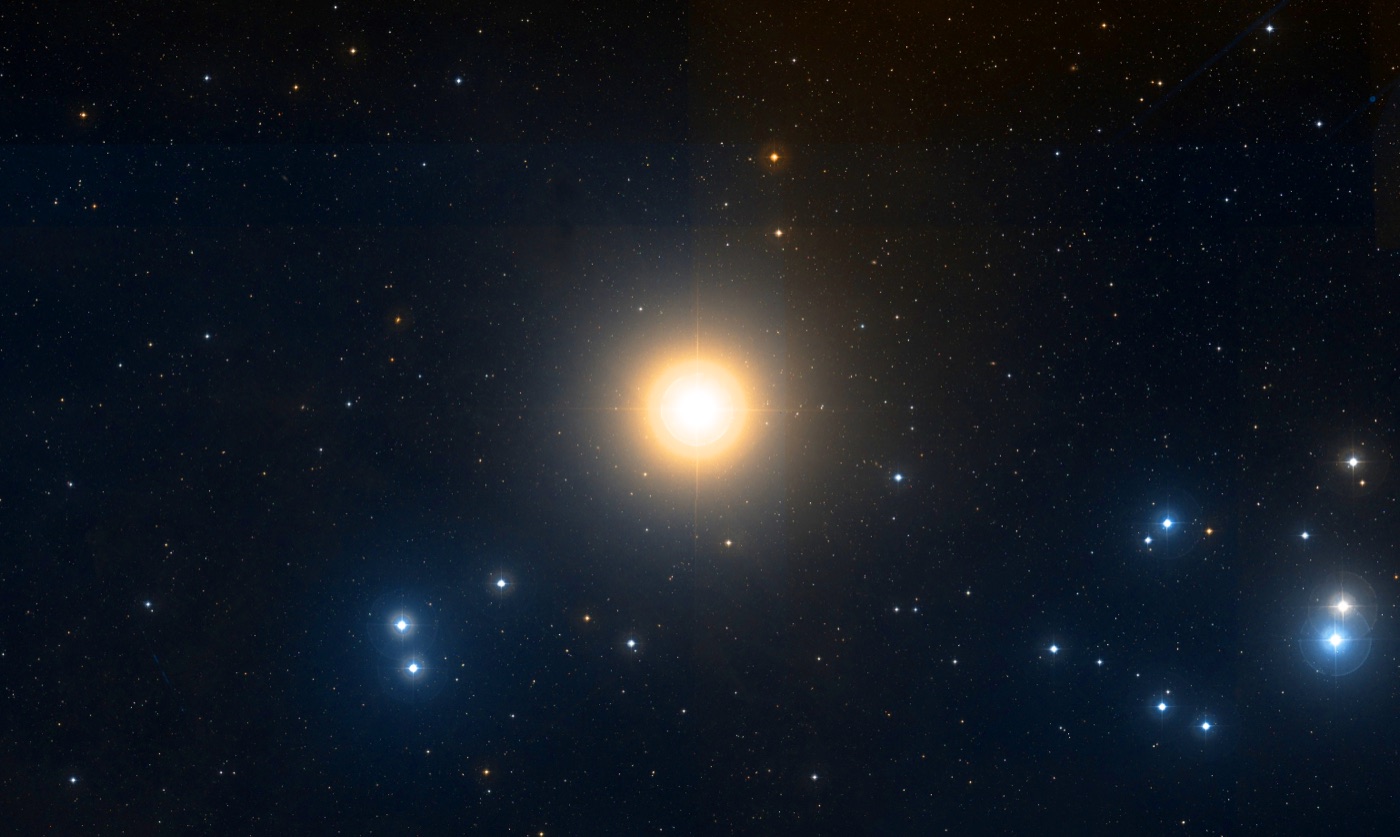
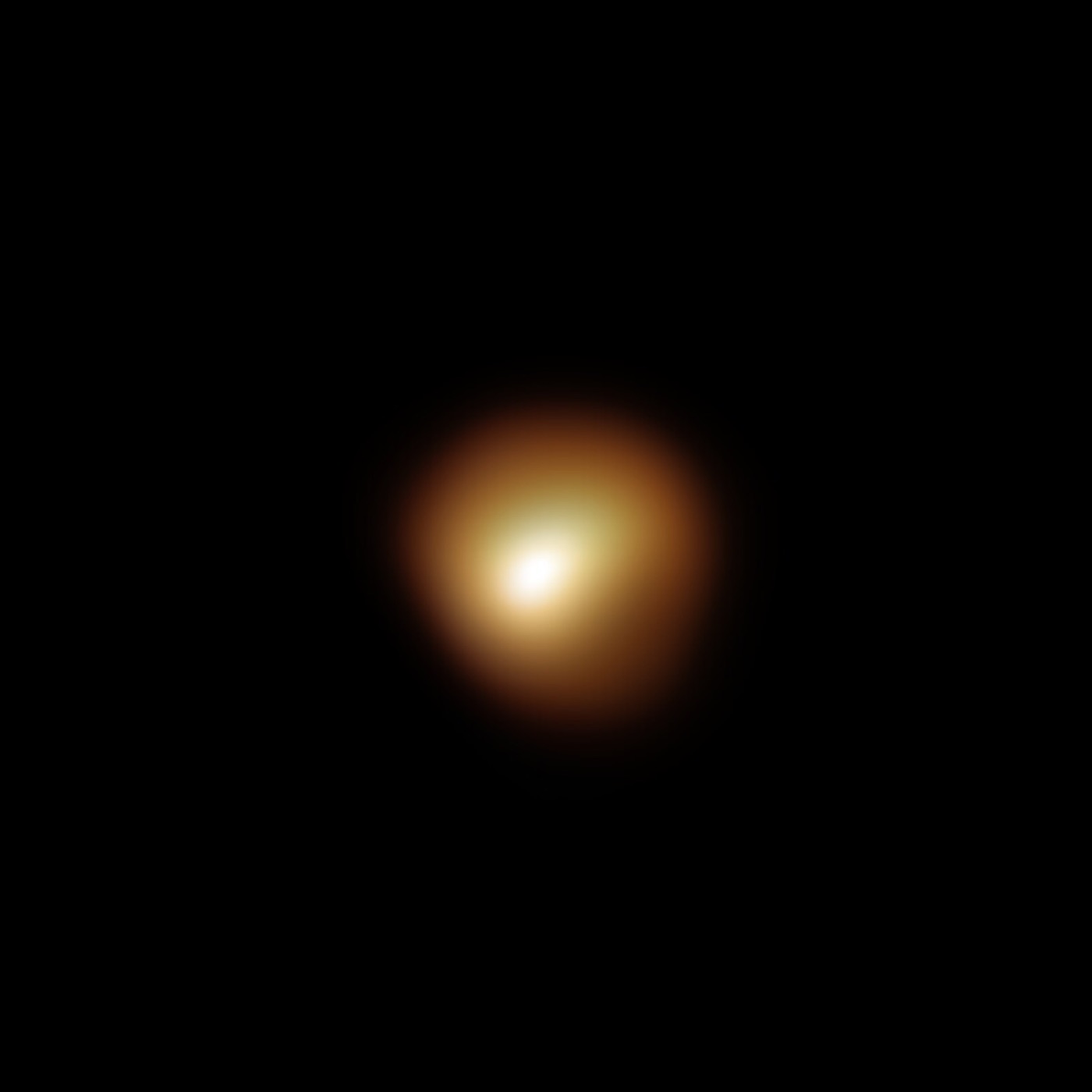
| Winter (Dec–Feb) | Orion, Taurus, Gemini, Canis Major | Sirius (brightest), Betelgeuse, Rigel, Aldebaran, Capella |
The Basics: What You Are Actually Looking At
Before we grab a telescope, let us build a quick foundation. Astronomy is the scientific study of everything beyond Earth's atmosphere: stars, planets, moons, asteroids, comets, nebulae, galaxies, and the large-scale structure of the universe itself.
Here are a few concepts that will immediately make the sky more meaningful:
- Stars are massive balls of hydrogen and helium undergoing nuclear fusion. Our Sun is a fairly ordinary yellow dwarf star. The brightest star in the night sky, Sirius, is about 8.6 light-years away and roughly 25 times more luminous than the Sun.
- Planets in our solar system are visible to the naked eye -- Mercury, Venus, Mars, Jupiter, and Saturn were all known to ancient civilizations. They appear as bright, steady points that wander among the stars over weeks and months (the word "planet" comes from the Greek for "wanderer").
- A light-year is the distance light travels in one year: about 9.46 trillion kilometers or 5.88 trillion miles. When you look at a star 100 light-years away, you are seeing it as it appeared 100 years ago. Every time you stargaze, you are literally looking back in time.
- Galaxies are vast collections of stars, gas, and dust bound by gravity. Our Milky Way contains an estimated 100 to 400 billion stars. The nearest large galaxy, Andromeda (M31), is about 2.5 million light-years away and is visible to the naked eye as a faint fuzzy patch on dark nights.
Constellations: Your Road Map to the Sky

Constellations are patterns of stars that cultures around the world have named and told stories about for thousands of years. The International Astronomical Union recognizes 88 official constellations that together tile the entire sky.
You do not need to memorize all 88. Start with a handful of easily recognizable ones:
- Orion (visible in Northern Hemisphere winter) is probably the most recognizable constellation in the sky. Look for three bright stars in a row forming his belt. The reddish star Betelgeuse marks his shoulder, and blue-white Rigel marks his foot. The fuzzy patch below his belt is the Orion Nebula (M42), a stellar nursery 1,344 light-years away where new stars are being born right now.
- Ursa Major contains the Big Dipper asterism, seven bright stars that form a ladle shape. The two stars at the front edge of the "bowl" point directly to Polaris, the North Star.
- Scorpius (visible in summer from Northern Hemisphere latitudes) features the brilliant red supergiant Antares at its heart. Its curving tail is unmistakable.
- The Southern Cross (Crux), visible from southern latitudes, has guided navigators for centuries and appears on several national flags.
Learning constellations is like learning the neighborhoods of a city. Once you know them, you can find anything.
Modern Stargazing Tools: Apps That Changed Everything
When I started stargazing, I had a paper star chart and a red flashlight. Today's beginners have tools that would have seemed like science fiction a generation ago.
Stellarium is a free, open-source planetarium app available for desktop and mobile. Point your phone at the sky, and it overlays constellation lines, star names, planet positions, and deep-sky objects in real time. It is stunningly accurate and endlessly useful.
Sky Tonight by Star Walk is another excellent mobile app with a clean interface, a calendar of upcoming astronomical events, and augmented reality sky identification. It is particularly beginner-friendly.
SkySafari offers more advanced features for intermediate users, including telescope control, detailed object databases, and observation planning tools.
These apps have genuinely lowered the barrier to entry. You can go from zero knowledge to confidently identifying planets and constellations in a single evening.
Smart Telescopes: A Revolution in Backyard Astronomy
The biggest revolution in amateur astronomy over the past few years has been the rise of smart telescopes. These are digitally enhanced instruments that use GPS, plate-solving algorithms, and stacking cameras to automatically locate and image deep-sky objects.
Unistellar's eQuinox and eVscope line can find and track thousands of objects automatically. You control them from your smartphone, and the built-in camera stacks exposures in real time, revealing galaxies, nebulae, and star clusters that would be invisible through a traditional telescope of the same aperture. I have seen people gasp when their Unistellar shows them the Whirlpool Galaxy from a suburban backyard.
Vaonis makes the Vespera and Stellina, beautifully designed smart telescopes that produce stunning astrophotography with virtually no learning curve. Set it up, connect your phone, pick a target, and the telescope does the rest.
ZWO's Seestar S50 has been a breakout hit since its release, offering smart telescope capabilities at a remarkably affordable price point under $500. It has brought deep-sky imaging to people who never imagined they could afford it.
For traditionalists, a good 8-inch Dobsonian reflector (around $400-600) remains one of the best values in astronomy. It will show you Saturn's rings, Jupiter's cloud bands and four Galilean moons, lunar craters in breathtaking detail, and dozens of deep-sky objects. There is something irreplaceable about photons from a distant galaxy hitting your actual retina.
Upcoming Eclipses and Events: 2026-2028
Mark your calendars. The next 30 months have some genuinely once-in-a-lifetime celestial events in store:
- August 12, 2026: A total solar eclipse with a path of totality crossing Iceland, northern Spain, and Russia. This is happening in three months. If you can get to any of those locations, do it. A total solar eclipse is, without exaggeration, the most awe-inspiring natural phenomenon I have ever experienced.
- August 12-13, 2026: The Perseid meteor shower peaks the same night as the eclipse — and 2026 is a new Moon year for the Perseids. Once-per-decade dark-sky conditions will let you see the full 100 meteors-per-hour rate.
- December 13-14, 2026: Geminids peak with favorable Moon — the year's two best meteor showers both deliver in 2026.
- February 6, 2027: Annular solar eclipse over South America and southern Africa.
- August 2, 2027: Total solar eclipse — 6 minutes 23 seconds of totality, the longest land-totality eclipse from 1991 until 2114. Path crosses Spain, North Africa, Egypt (Luxor), Saudi Arabia, and Yemen.
- April 13, 2029: Asteroid Apophis passes within ~32,000 km of Earth — closer than geostationary satellites, visible to the naked eye in Europe and Africa.
Best Objects to Spot as a Beginner
Here is my personal list of the most rewarding targets for someone just starting out:
- The Moon: Start here. Even cheap binoculars reveal craters, mountain ranges, and the dark maria (ancient lava plains). The best views come along the terminator, the line between light and shadow, where craters cast long dramatic shadows.
- Jupiter: Visible as one of the brightest objects in the sky. Even a small telescope shows its four Galilean moons (Io, Europa, Ganymede, Callisto) and cloud bands.
- Saturn: The rings are visible in any telescope at 25x magnification or higher. Seeing Saturn's rings for the first time is a life-changing moment for many people. Note: Saturn's rings are currently nearly edge-on as seen from Earth and will be at their thinnest in 2025 before opening up again.
- The Orion Nebula (M42): A glowing cloud of gas where stars are forming, visible to the naked eye as the fuzzy middle "star" in Orion's sword.
- The Pleiades (M45): A stunning open star cluster in Taurus, easily visible to the naked eye as a small dipper-shaped group of blue-white stars.
- The Andromeda Galaxy (M31): The most distant object visible to the naked eye. Through binoculars, its elongated glow becomes apparent. Through a smart telescope, its spiral structure emerges.
Astrophotography with Your Smartphone
You do not need a $3,000 camera to photograph the night sky. Modern smartphones, with their large sensors and computational photography, are surprisingly capable.
For the Moon and planets: Hold your phone up to the eyepiece of a telescope (a technique called afocal photography) or use a smartphone adapter mount ($15-30) for stability. The results can be remarkably sharp. Night mode on recent iPhones and Pixel phones also captures impressive wide-field shots of the Milky Way.
For star trails and wide fields: Use a phone tripod, set a 15-30 second exposure using your camera's pro/manual mode or a dedicated app like NightCap (iOS) or DeepSkyCamera (Android), and you can capture the Milky Way from a reasonably dark site.
For deep-sky objects: Pair your phone with a smart telescope, and the telescope's stacking technology does the heavy lifting. The images people are producing with Seestar S50s and Unistellars connected to their phones rival what required thousands of dollars in equipment a decade ago.
Getting Started: Your First Night Out
Here is my advice for your very first stargazing session:
- Check the weather and Moon phase. Clear skies and a new Moon (or crescent Moon that sets early) are ideal.
- Find a reasonably dark location. Use lightpollutionmap.info to find darker skies near you. Even getting 20-30 minutes outside a city helps enormously.
- Give your eyes 20-30 minutes to adapt. Avoid looking at your phone screen (or use a red filter app). Your pupils will dilate, and the sky will come alive with stars you could not see at first.
- Start with the free Stellarium app and just explore. Point it at bright stars and learn their names. Find a constellation or two.
- Bring a friend. Astronomy is better shared.
The universe has been putting on a show for 13.8 billion years. All you have to do is look up. And once you start, I promise, you will never see the night sky the same way again.