All Astronauts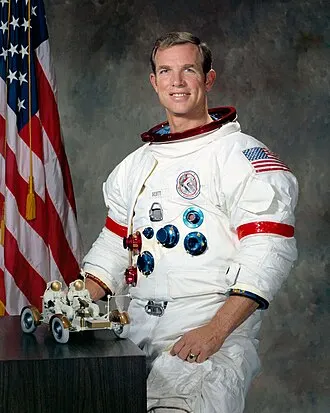 VETERANRetiredNASA
VETERANRetiredNASANASA·🇺🇸 United States·Born 1932
David Scott
Seventh person to walk on the Moon and commander of Apollo 15, the first mission to drive the Lunar Roving Vehicle.
Hours in Space
3
Missions
5
EVAs
20h
EVA Time
Biography
Seventh person to walk on the Moon and commander of Apollo 15, the first mission to drive the Lunar Roving Vehicle.
Before NASAU.S. Air Force fighter pilot and test pilot who flew combat aircraft in Europe, earned advanced degrees in aeronautics from MIT, and graduated from the Aerospace Research Pilot School before joining NASA in 1963.
Life & career
David Randolph Scott was born on June 6, 1932, in San Antonio, Texas, the son of an Air Force officer. He graduated from the U.S. Military Academy at West Point and chose a commission in the Air Force, serving as a fighter pilot in Europe before pursuing advanced study at the Massachusetts Institute of Technology, where he earned degrees in aeronautics and astronautics. He then completed both the Experimental Flight Test Pilot School and the Aerospace Research Pilot School at Edwards Air Force Base—an elite path that prepared test pilots for spaceflight. NASA selected him in 1963 as part of its third astronaut group, and over the next eight years he would fly three missions spanning the Gemini and Apollo programs.
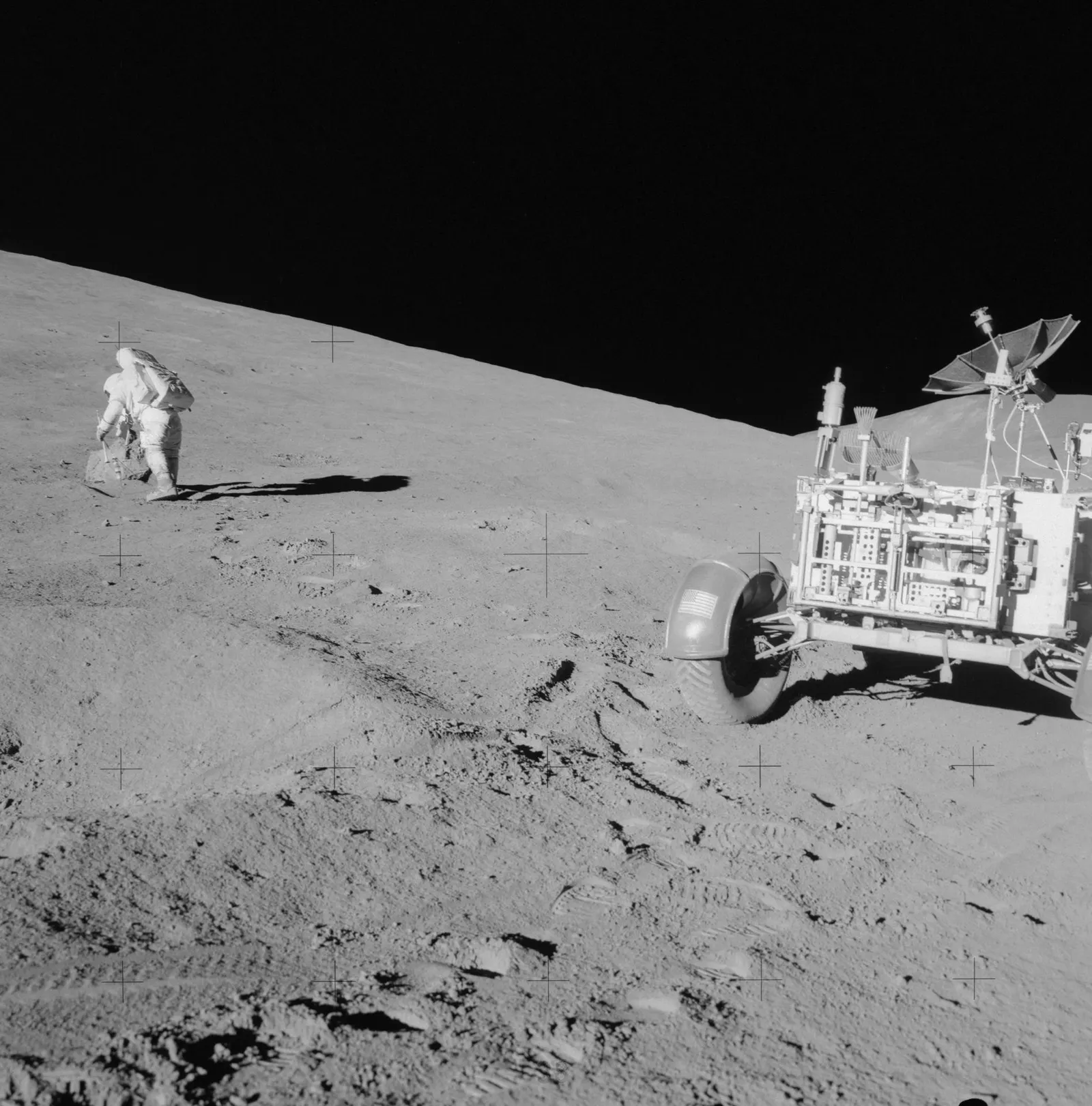
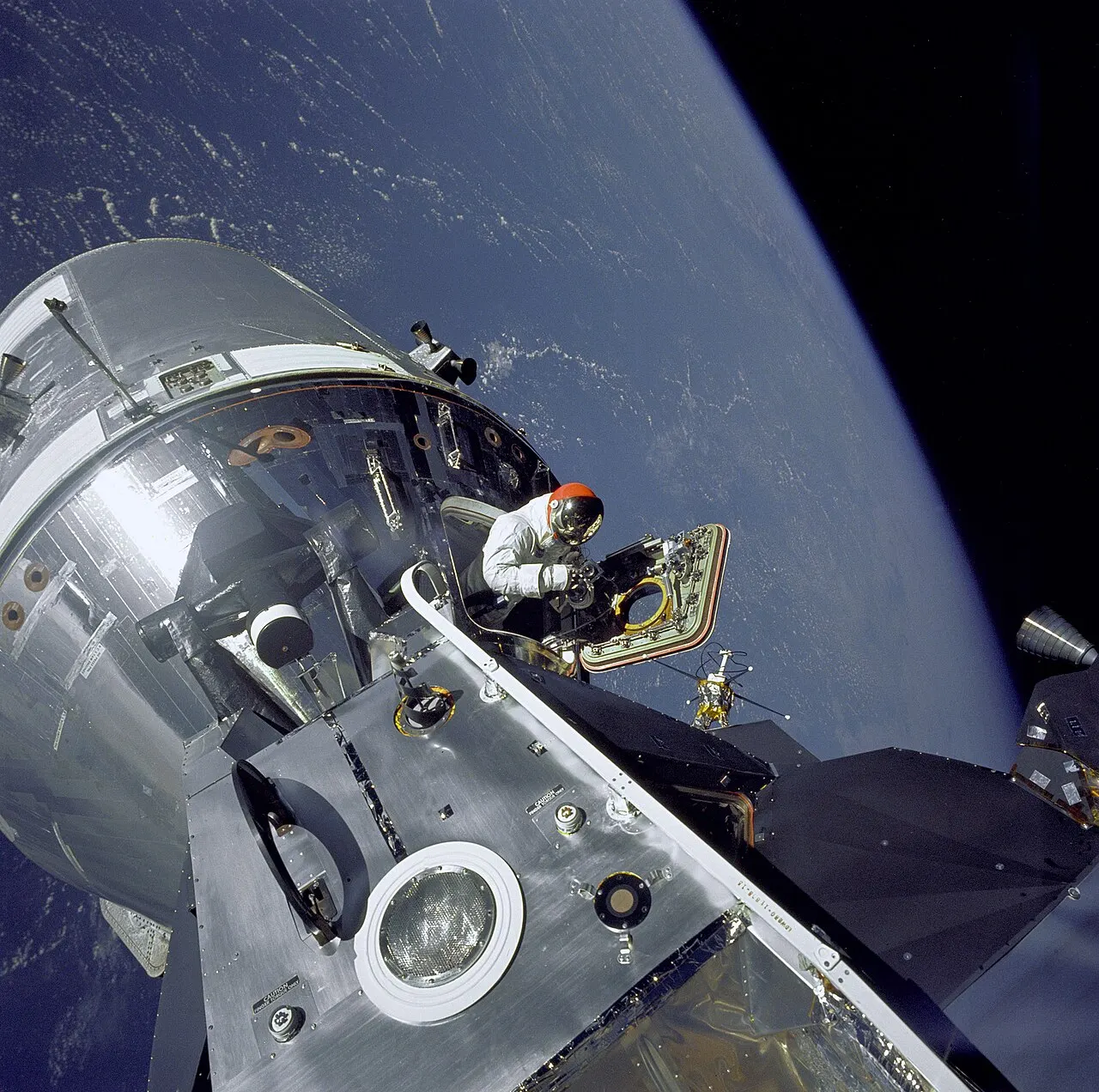
Scott's first flight, Gemini 8 in March 1966, made history twice over. Flying with Neil Armstrong, he took part in the first-ever docking of two spacecraft in orbit—and then survived a genuine emergency when a stuck thruster sent the docked vehicles into a violent, accelerating spin. Armstrong's decision to undock and use the reentry control system to regain control forced an early landing but saved the crew, a crisis-management triumph that validated both men. Three years later, on Apollo 9 in March 1969, Scott served as command module pilot for the first crewed Earth-orbit test of the complete Apollo stack, flying 'Gumdrop' while McDivitt and Schweickart checked out the Lunar Module. His crowning mission was Apollo 15 in July 1971, which he commanded. Landing near Hadley Rille in the shadow of the lunar Apennine mountains, Scott and James Irwin became the first crew to drive the Lunar Roving Vehicle, ranging miles across the surface, gathering some 170 pounds of samples, and deploying an extensive science station. Scott, the seventh person to walk on the Moon, famously performed a televised demonstration of Galileo's principle—dropping a hammer and a feather that fell together in the airless environment.
Scott logged 546 hours in space and, on Apollo 15, moonwalks and a deep-space EVA totaling about 20 hours. After his flying career he became director of what is now NASA's Armstrong Flight Research Center in California before retiring from the agency in 1977. In his later years he worked as an aerospace consultant and technical adviser, lending authenticity to films and television about spaceflight, and co-authored 'Two Sides of the Moon' with his one-time Cold War counterpart, cosmonaut Alexei Leonov—a joint memoir of the Space Race told from both sides. As of today he is one of the few surviving Moon walkers and, notably, the only living commander of a mission that landed on the Moon, a living link to humanity's first journeys to another world.
Mission Timeline
- Pilot
Gemini spacecraft
Gemini 8
Launch: Mar 16, 1966Landing: Mar 17, 1966Duration: 1 day- First space docking, followed by a survived emergency spin
- Command Module Pilot
Apollo CSM Gumdrop
Apollo 9
Launch: Mar 3, 1969Landing: Mar 13, 1969Duration: 10 days- Earth-orbit test of the full Apollo lunar stack
- Commander
Apollo CSM Endeavour / LM Falcon
Apollo 15
Launch: Jul 26, 1971Landing: Aug 7, 1971Duration: 12 days- First mission to drive the Lunar Roving Vehicle, at Hadley Rille
Beyond the Mission
Hobbies & Interests
swimminghandballskiingphotography
Languages
English
Fun fact
Scott brought unauthorized Bulova watches to the lunar surface on Apollo 15; one of those timepieces later sold at auction in 2015 for $1.625 million.
More Astronauts
Other space travelers from NASA