All Astronauts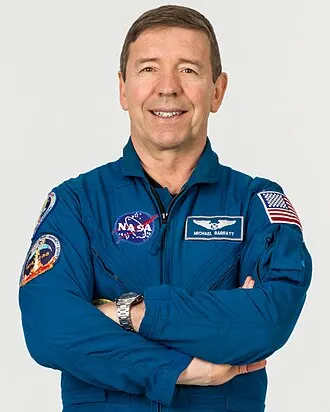 ELITEActiveNASA
ELITEActiveNASANASA·🇺🇸 United States·Born 1959
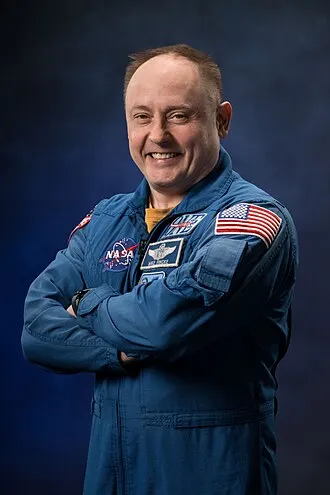
Mike Barratt
Performed first ultrasound diagnosis aboard the ISS
Years in Space
3
Missions
2
EVAs
12h
EVA Time
What they aspire to
He hopes to apply his expertise in space medicine to enable long-duration human missions to the Moon and Mars.
Biography
Physician and aerospace medicine specialist who has flown three long-duration missions. One of NASA's most experienced flight surgeons turned astronaut.
Before NASAAerospace medicine physician who served as a NASA flight surgeon supporting Shuttle and ISS crews and helped develop the medical systems for the International Space Station before being selected as an astronaut in 2000.
Life & career
Michael Reed Barratt, born in 1959 in Vancouver, Washington, came to the astronaut corps through medicine rather than aviation. He earned a bachelor's degree in zoology from the University of Washington, a medical degree from Northwestern University, and a master's in aerospace medicine from Wright State University, becoming board-certified in both internal medicine and aerospace medicine. Before he ever trained to fly, Barratt was one of NASA's own flight surgeons, supporting Space Shuttle and early International Space Station crews and helping design the medical systems and long-duration health protocols that station crews would come to depend on. That deep grounding in space medicine made him a logical choice when NASA selected him as an astronaut in 2000, and it has shaped every mission he has flown.
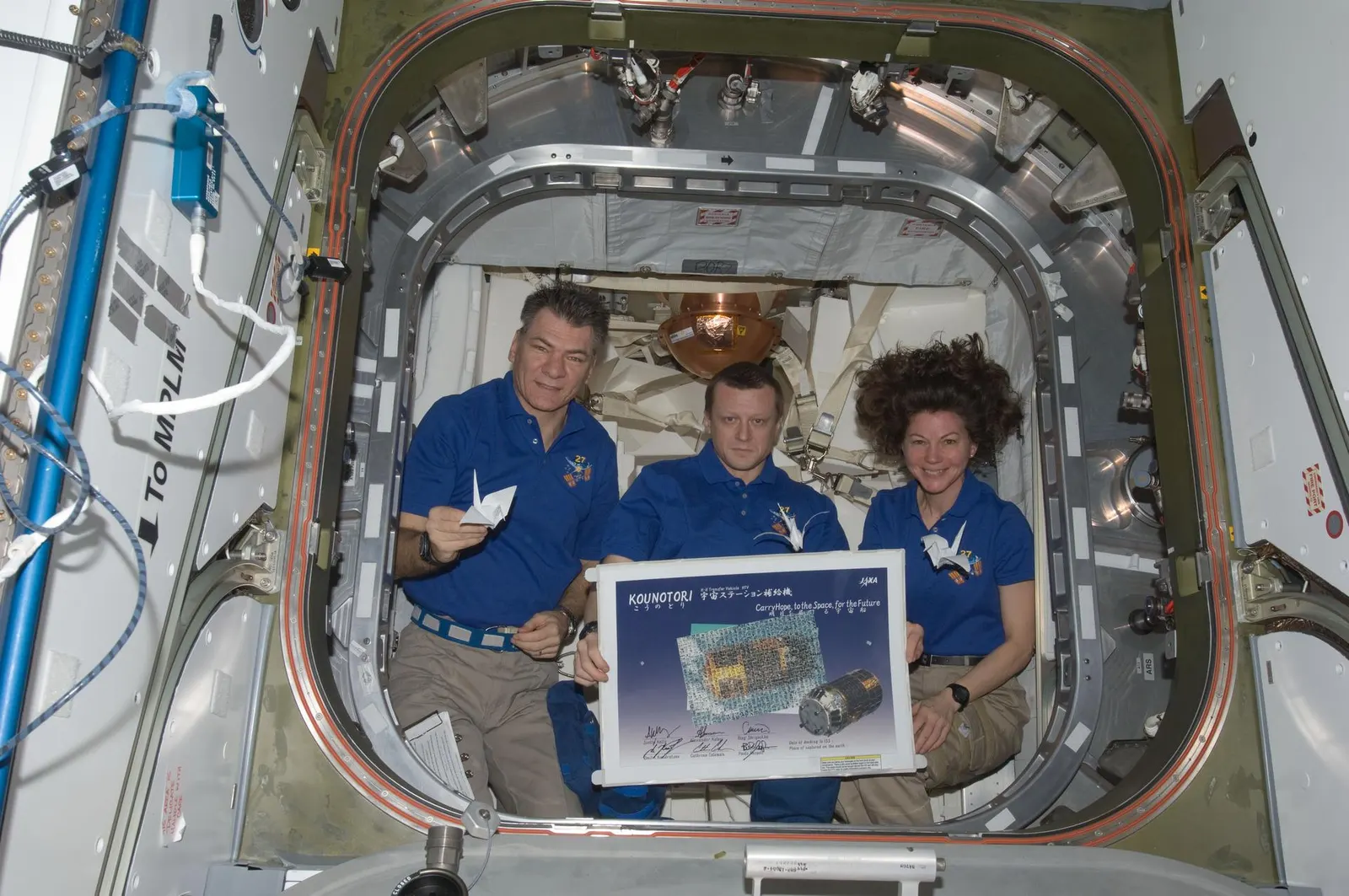
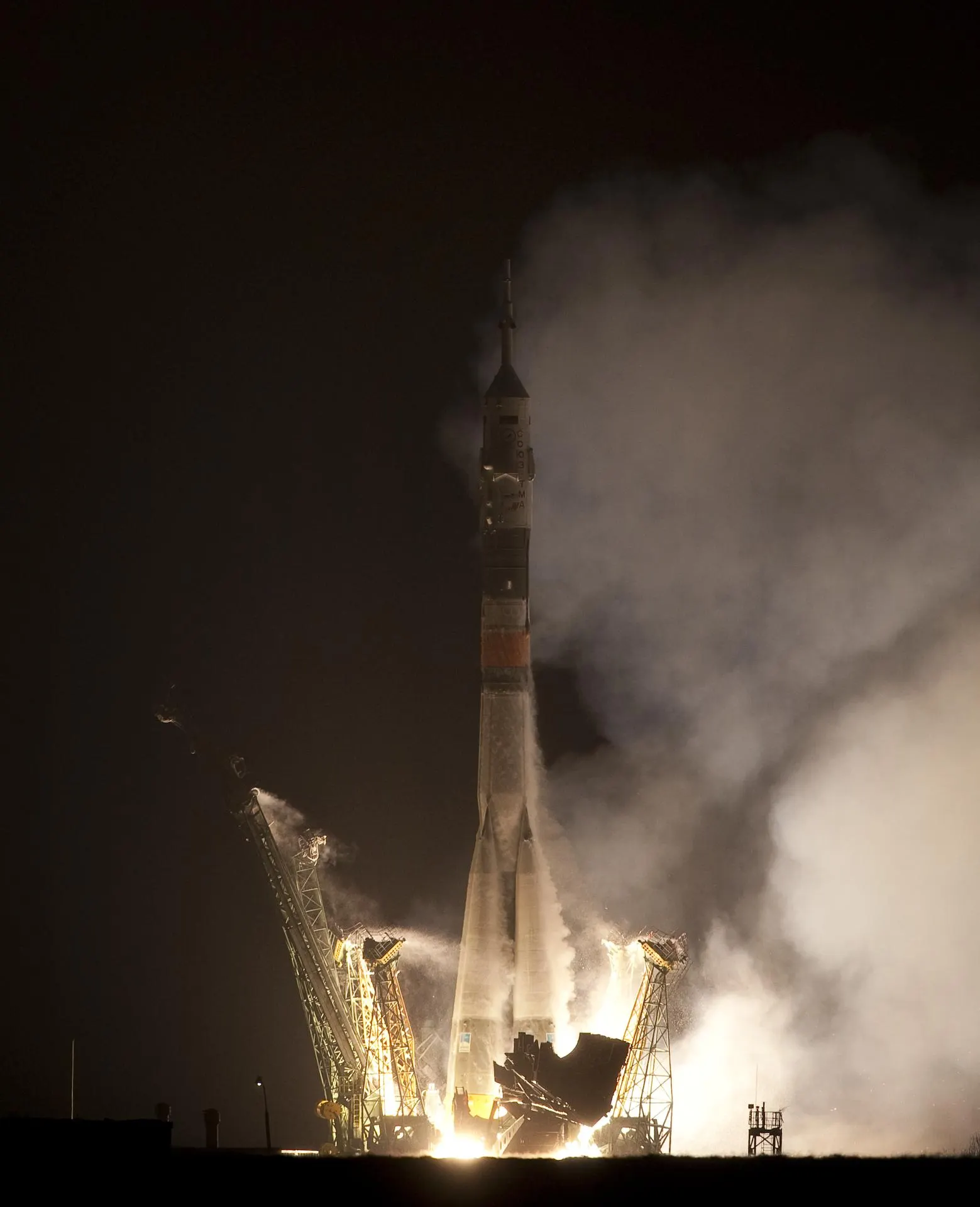
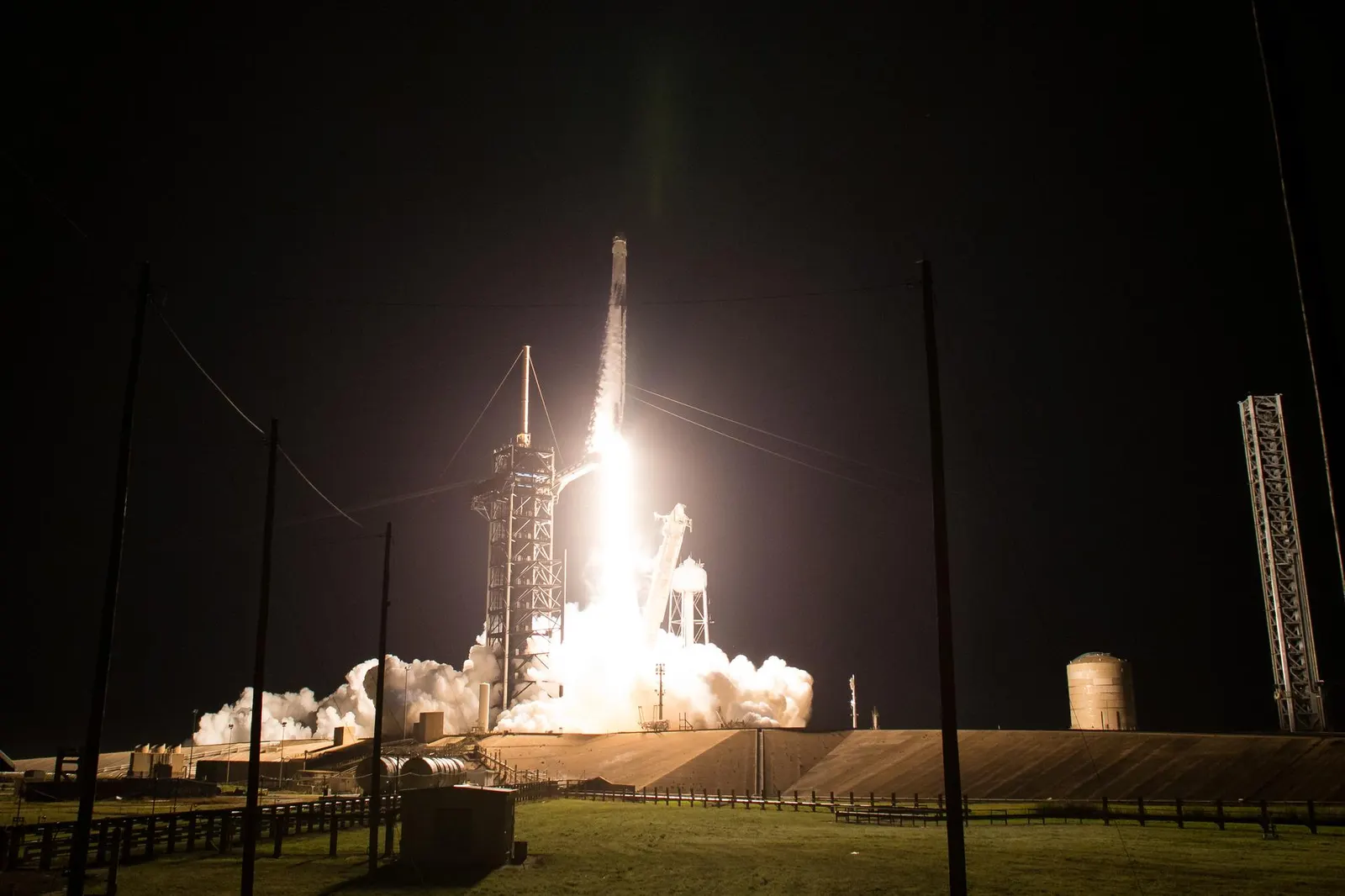
Barratt has flown three times across a career spanning fifteen years. His first flight, in 2009, was a long-duration stay as a flight engineer for Expeditions 19 and 20, launched aboard Soyuz TMA-14. During that increment he ventured outside with cosmonaut Gennady Padalka, including a spacewalk on June 5, 2009 to prepare the Zvezda service module for the arrival of the Poisk module, and a brief internal spacewalk inside the depressurized transfer compartment to swap a hatch for a docking cone. He was also closely associated with the station's early diagnostic-ultrasound and telemedicine work, a field his own flight-surgeon research had helped pioneer and one that would let non-expert crews obtain medical-quality images with guidance from the ground. In 2011 he returned to space aboard Space Shuttle Discovery for the STS-133 assembly mission, where he served as a mission specialist. His third flight came in 2024, when at age 64 he served as pilot of SpaceX Crew-8 and flight engineer across Expeditions 70, 71, and 72, splashing down on October 25, 2024 after another long-duration stay.
Across those three missions Barratt has accumulated roughly 446 days in orbit and a small handful of spacewalks, but his lasting significance lies less in raw statistics than in the field he helped build. He is widely regarded as one of the pioneers of modern space medicine, and his recognitions, including the Aerospace Medical Association's honors and the Melbourne W. Boynton Award for his contributions to the discipline, reflect that dual legacy as physician and flier. An active NASA astronaut fluent in Russian and a lifelong sailor, fly fisherman, and skier, he continues to focus his expertise on the medical challenges of keeping humans healthy on the long journeys to the Moon and Mars, the very missions his research has been preparing crews to survive.
Records & Firsts
Notable accomplishments by Mike Barratt
- Performed first ultrasound diagnosis aboard the ISS
Notable Missions
Expedition 19/20STS-133SpaceX Crew-8 / Expedition 70/71
Beyond the Mission
Hobbies & Interests
sailingfly fishingskiing
Causes They Champion
Space medicine researchAerospace Medical Association
Languages
EnglishRussian
Awards & Honors
- NASA Distinguished Service Medal
- NASA Exceptional Service Medal
- Aerospace Medical Association Melbourne W. Boynton Award
Fun fact
He is board-certified in both internal medicine and aerospace medicine, and helped pioneer the protocols for long-duration space medicine on the ISS.
Learn More
More Astronauts
Other space travelers from NASA