Image: NASA/Bill Ingalls
Soyuz MS-10 abort
Mission Profile
| Launch date | 2018-10-11 |
|---|---|
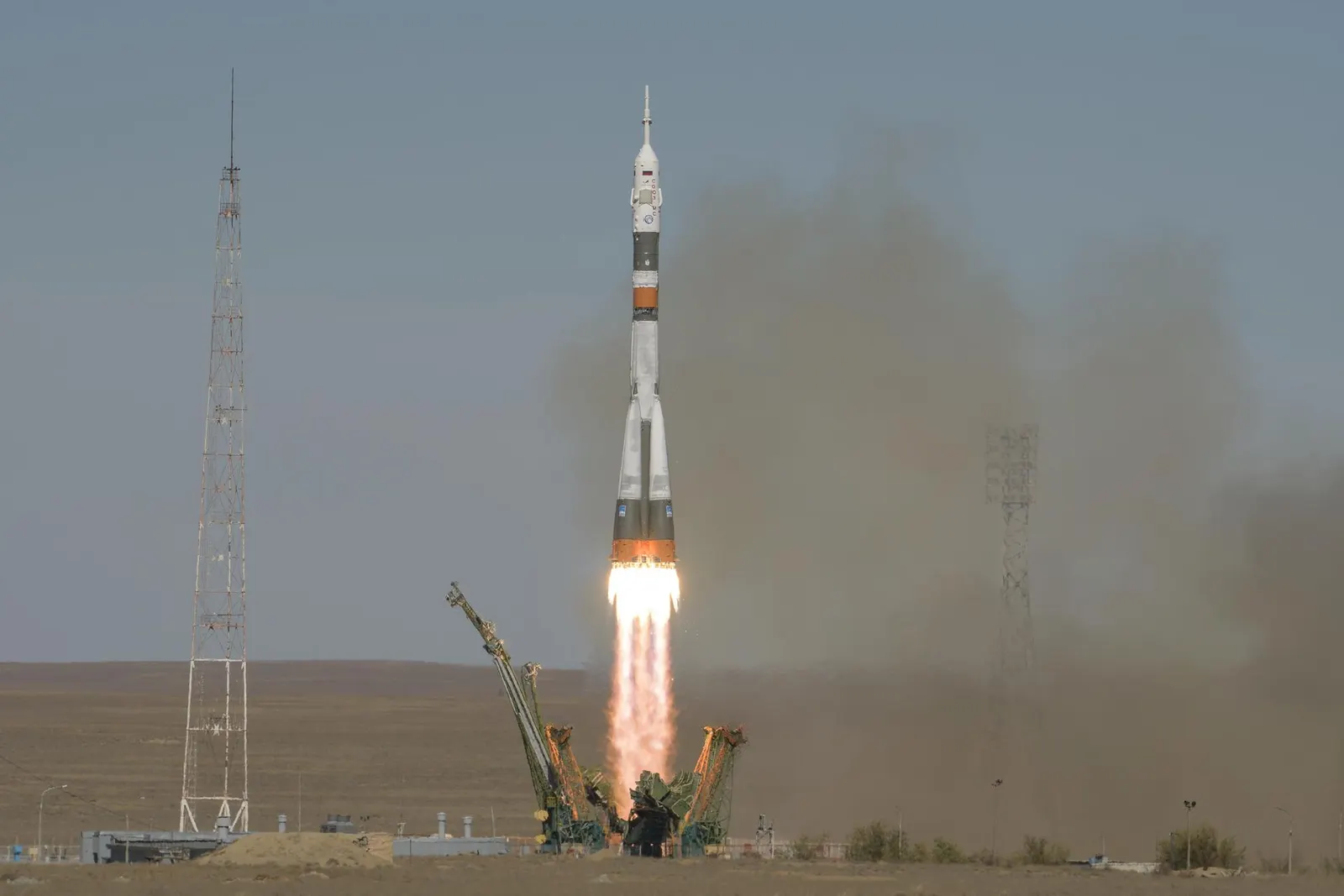
| Launch site | Baikonur Cosmodrome, Site 1/5 (Gagarin's Start) |
| Launch vehicle | Soyuz-FG |
| Spacecraft | Soyuz MS-10 (No. 740) |
| Target | Low Earth Orbit |
| Type | Crewed |
| End date | 2018-10-11 |
| Duration | 19 minutes 41 seconds (suborbital) |
| Partners | Roscosmos, NASA |
Overview
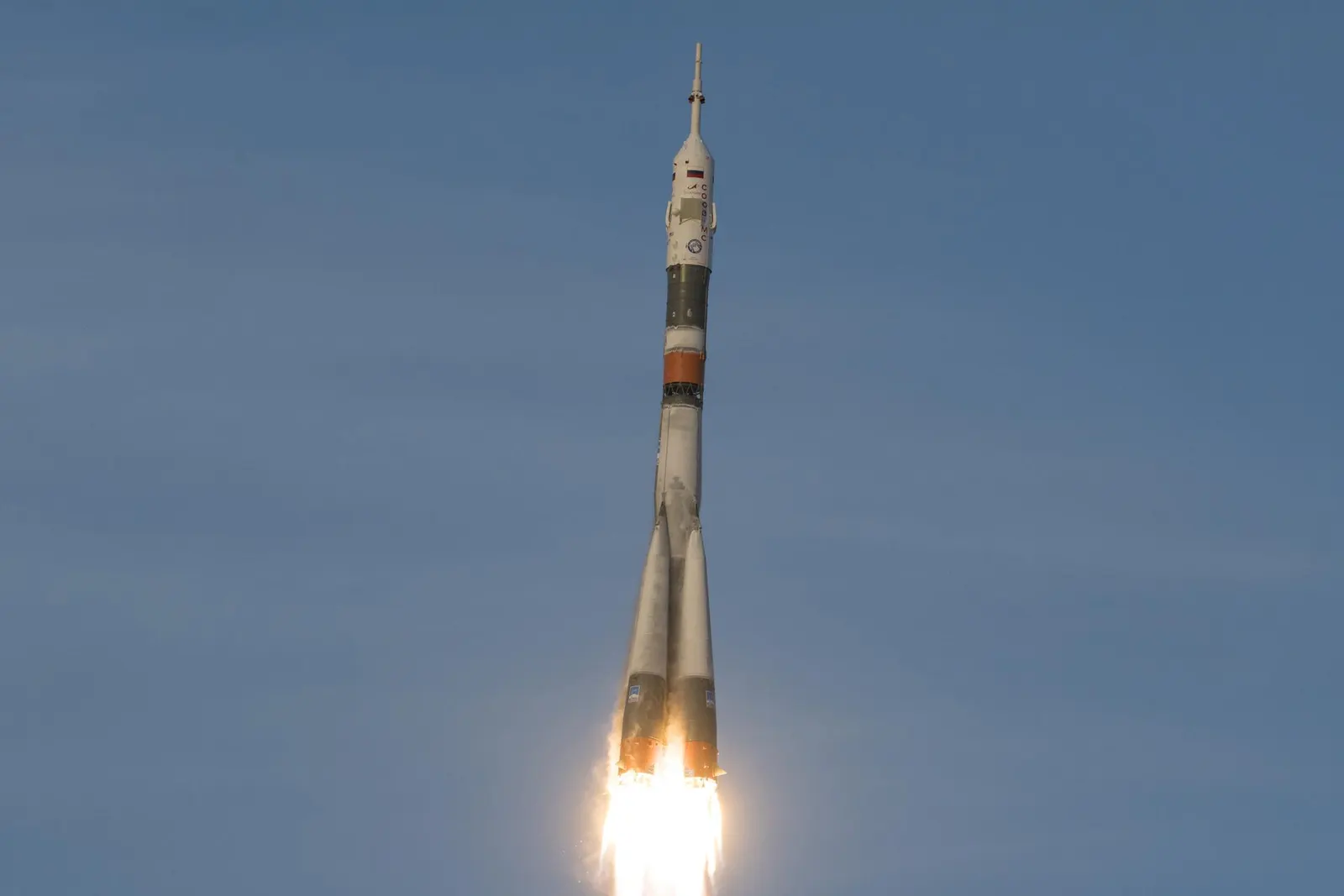
Soyuz MS-10 became the most dramatic crew-survival story of the modern ISS era. Lifting off from Gagarin's Start on 11 October 2018 with Roscosmos commander Alexei Ovchinin and NASA rookie Nick Hague, the Soyuz-FG booster suffered a failure during separation of its strap-on first-stage boosters about two minutes into flight. The launch escape sequence fired automatically, wrenching the crew capsule clear of the disintegrating rocket. Ovchinin and Hague endured a ballistic, high-g suborbital descent before parachuting down some 20 km east of Jezkazgan, Kazakhstan, and were recovered unharmed within hours. It was the first crewed Soyuz launch failure since 1983 and the first in-flight abort of the Soyuz MS era. Investigators traced the fault to a deformed separation sensor; crewed flights resumed within weeks, and both men flew again.
Crew
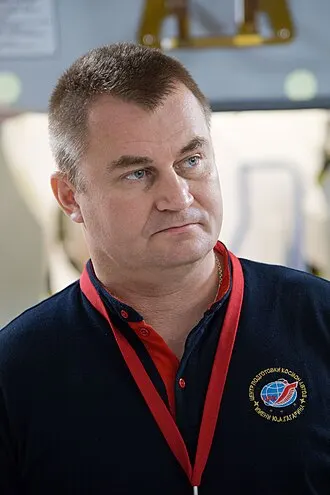
Alexei Ovchinin
Commander (Roscosmos)
Second spaceflight; later flew the increment on Soyuz MS-12
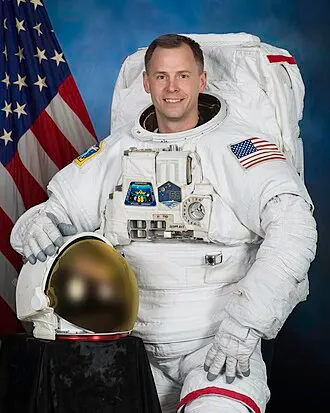
Nick Hague
Flight Engineer (NASA)
First spaceflight attempt; reflew successfully on Soyuz MS-12 in 2019
Key Milestones
2018-10-11
Launch from Baikonur Site 1/5 at 08:40 UTC aboard Soyuz-FG
2018-10-11
Booster separation failure ~119 seconds after liftoff triggers automatic abort
2018-10-11
Ballistic suborbital descent and parachute landing near Jezkazgan, ~08:59 UTC
2018-10-11
Ovchinin and Hague recovered safely; first crewed Soyuz failure since 1983
Key Achievements
First in-flight abort of the Soyuz MS era; crew survived unharmed
First crewed Soyuz launch failure since 1983
Demonstrated the Soyuz launch escape system saving a crew in real flight