Image: NASA
STS-128
Mission Profile
| Launch date | 2009-08-29 |
|---|---|
| Launch site | Kennedy Space Center, Launch Complex 39A |
| Launch vehicle | Space Shuttle |
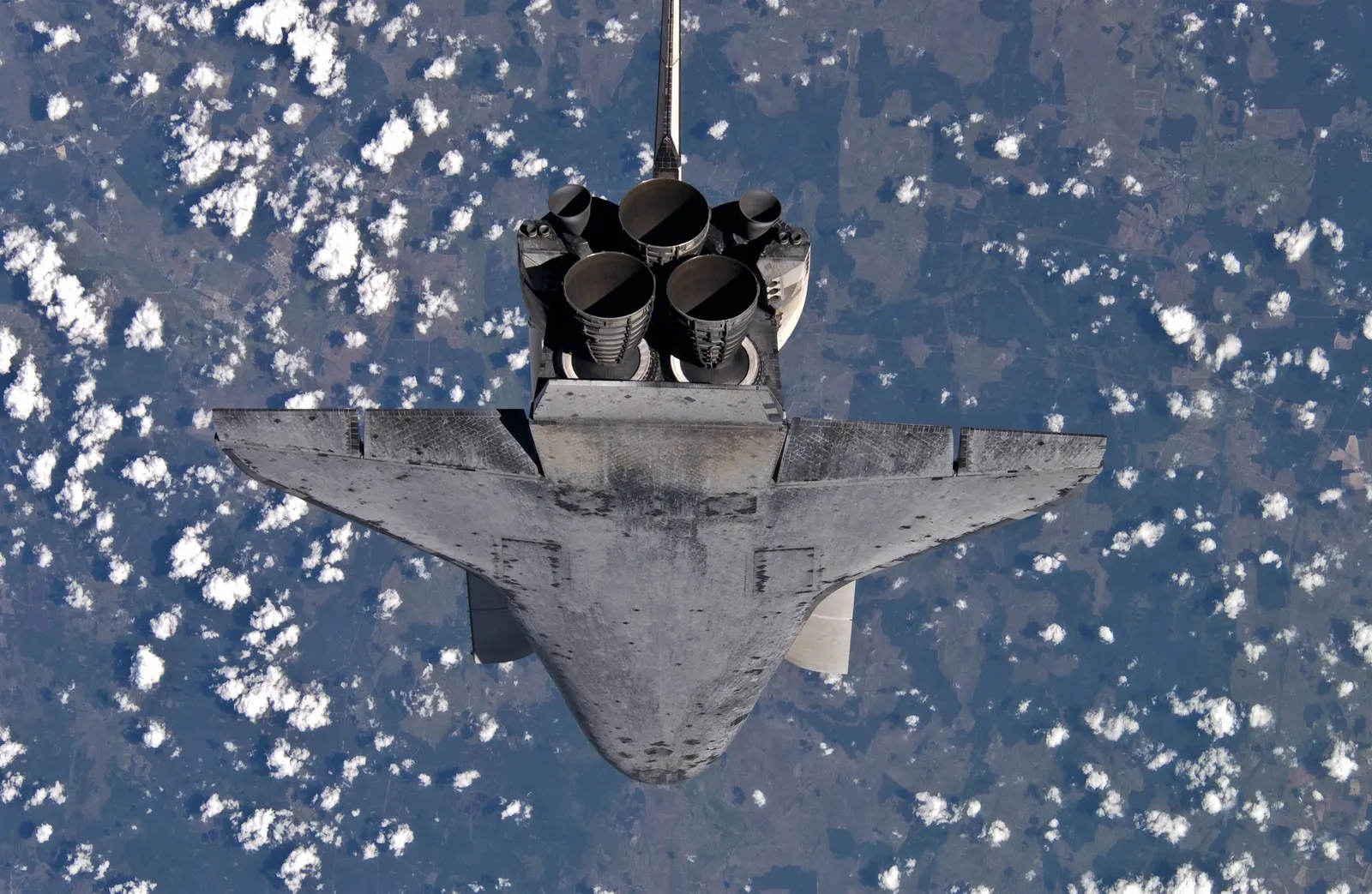
| Spacecraft | Space Shuttle Discovery (OV-103) |
| Target | Low Earth Orbit |
| Type | Crewed |
| End date | 2009-09-11 |
| Duration | 13 days 20 hours 54 minutes |
| Partners | ESA |
Overview
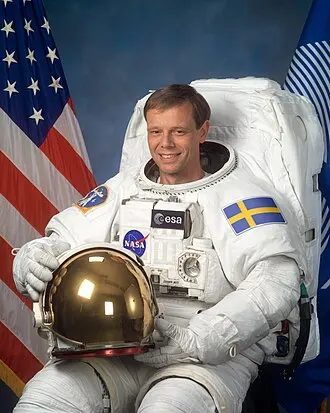
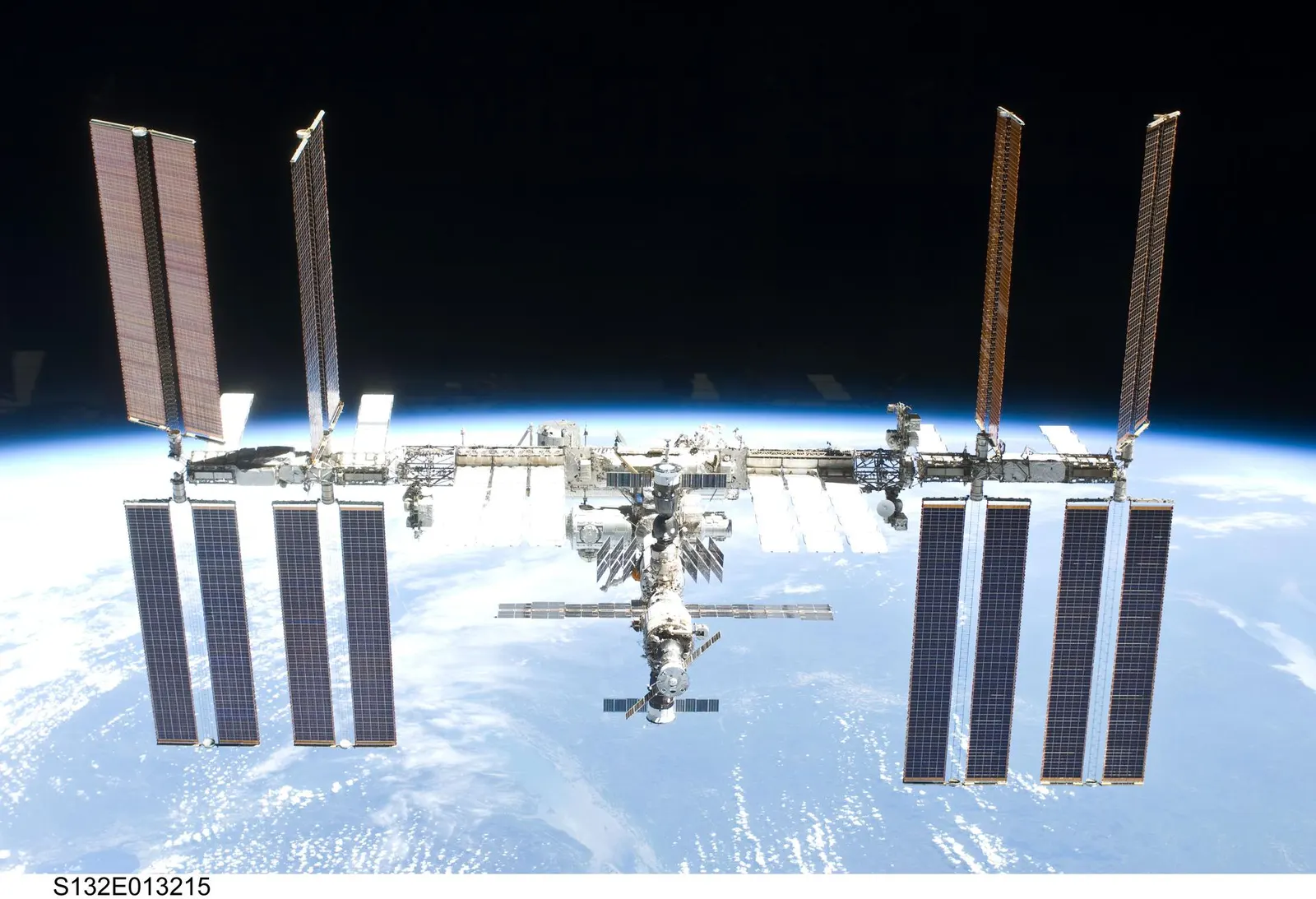
STS-128 brought Christer Fuglesang back to orbit for his second flight, making Sweden's first astronaut also its most experienced, as Discovery carried the Leonardo Multi-Purpose Logistics Module to the International Space Station. Packed inside Leonardo were science racks, the COLBERT treadmill, a new crew sleeping compartment and tons of supplies that helped enable the station's permanent six-person crews. Over three spacewalks, two of them with Fuglesang, the crew replaced a depleted ammonia coolant tank, a heavy and delicate job, and prepared external systems for future assembly. The mission also rotated the Expedition crew, delivering Nicole Stott to the station and returning Timothy Kopra to Earth in the last ISS crew exchange ever flown by a Space Shuttle. Commanded by Frederick Sturckow, Discovery glided to a night landing at Edwards Air Force Base after nearly fourteen days aloft.
Crew
Frederick Sturckow
Commander
Kevin Ford
Pilot
First spaceflight
Patrick Forrester
Mission Specialist
José Hernández
Mission Specialist
First spaceflight; former migrant farm worker
John Olivas
Mission Specialist
Lead spacewalker
Christer Fuglesang
Mission Specialist
Second spaceflight; Sweden's first and most experienced astronaut (ESA)
Nicole Stott
Mission Specialist (up)
Delivered to join Expedition 20/21
Timothy Kopra
Mission Specialist (down)
Returned from his Expedition 20 stay
Key Milestones
2009-08-29
Discovery launches from LC-39A carrying the Leonardo logistics module
2009-08-30
Discovery docks with the ISS; Leonardo is later berthed and unloaded
2009-09-01
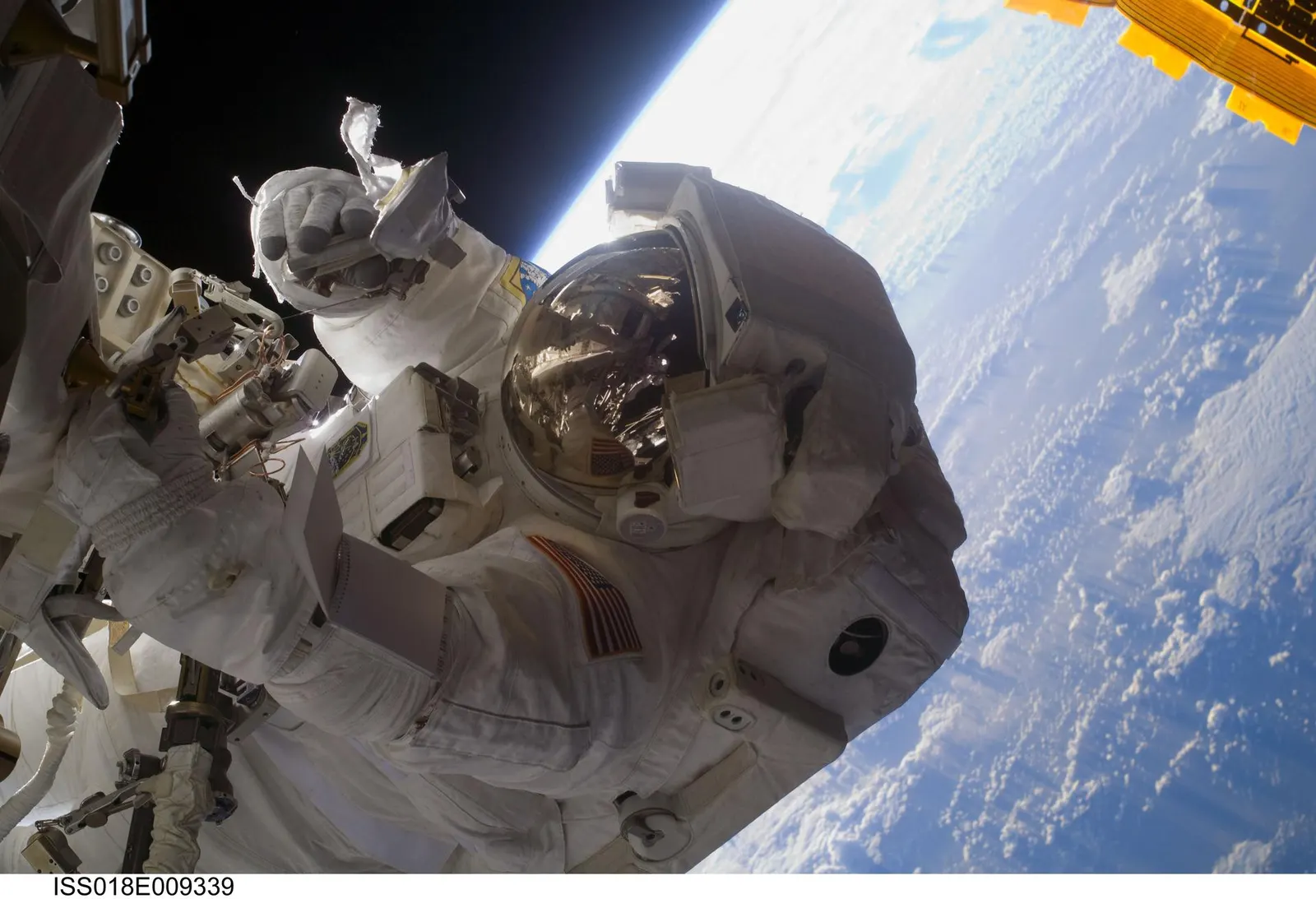
Spacewalkers replace a depleted ammonia coolant tank during multiple EVAs
2009-09-11
Discovery lands at Edwards Air Force Base; Nicole Stott joins the station, Timothy Kopra returns
Key Achievements
Second spaceflight of Christer Fuglesang, Sweden's most experienced astronaut
Delivered the Leonardo logistics module with equipment enabling six-person ISS crews
Replaced a depleted ammonia coolant tank during three spacewalks
Flew the last ISS crew rotation ever performed by a Space Shuttle