NEO Surveyor
NEO Surveyor is NASA's first purpose-built planetary-defense space telescope — a $1.4B+ life-cycle infrared survey designed to find at least two-thirds of the >140 m near-Earth asteroids capable of regional devastation [1][2][3]. Managed by JPL with the spacecraft and instrument from BAE Systems Space & Mission Systems (formerly Ball Aerospace) and the launch on a SpaceX Falcon 9 in September 2027, NEO Surveyor will operate from a Sun-Earth L1 halo orbit for a 5-year prime survey [4][5][6].
Funding & Contract Structure
Total committed: Development cost baseline of approximately $1.2 billion at KDP-C; life-cycle cost (development + launch + 5-year prime operations + post-launch contingency) tracked above $1.4B as of FY2026 [3][9]
Annual run-rate: FY2026 PSD planetary defense line restored to fully fund the September 2027 launch profile after FY2024-25 cuts; specific PEZE breakout not separately published in Congressional Justification [4]
Per launch: Falcon 9 launch services contract awarded to SpaceX in Feb 2025; NASA disclosed approximately $100M for launch services and other mission related costs [4]
Procurement vehicle: COST-PLUS — Government pays incurred costs plus a fee — contractor bears low risk; cost overruns common.
Congressional status: Bipartisan Congressional support tied to the 2005 NASA Authorization Act 140m-NEO mandate; FY2024 budget request cut NEO Surveyor by ~75% but Congress restored funding in subsequent appropriations cycles [9]
GAO / CRS findings
| Date | Finding |
|---|---|
| FY2024 President's Budget Request reduced NEO Surveyor funding by approximately 75% from prior baseline, slipping launch from 2026 to 2028; subsequent Congressional appropriations restored funding and SpaceNews reported the recovery profile[9] | |
| NASA awarded Falcon 9 launch services contract (~$100M) to SpaceX with September 2027 launch readiness — confirming budget-recovery and schedule re-baselining[4] |
Beneficiary Breakdown
| Contractor | Role | Share | Ticker |
|---|---|---|---|
| BAE Systems Space & Mission Systems | prime | Spacecraft bus and infrared instrument prime contractor; inherited the Ball Aerospace NEO Surveyor contract via BAE Systems' $5.55B acquisition of Ball Aerospace closed February 2024[8] | LON: BA. |
| JPL / Caltech | prime | Mission management, science operations, ground system; principal investigator Amy Mainzer at University of Arizona; JPL is a Federally Funded Research and Development Center operated by Caltech for NASA — not a publicly listed entity[1] | private |
| Space Dynamics Laboratory | sub | Cryogenic radiator system and focal-plane electronics; SDL is a Utah State University Research Foundation entity — not publicly listed[6] | private |
| Teledyne Imaging Sensors | sub | Mid-wave and long-wave infrared HgCdTe focal-plane array detectors; Teledyne Technologies parent provides the listed equity exposure[6] | TDY |
| SpaceX | supplier | Falcon 9 launch services from Cape Canaveral SLC-40 / SLC-41 in September 2027; ~$100M firm-fixed-price NASA Launch Services II contract[4] | private |
Key Milestones
NEO Surveyor concept (formerly NEOCam) selected for Discovery Program Step 2 study; NEOCam not selected for flight but later resurrected as planetary-defense priority
NASA elevates NEO Surveyor from concept study to formal mission, citing 2005 Authorization Act 140m-NEO mandate
Independent assessment recommends NASA proceed with NEO Surveyor; spacecraft and instrument contract goes to Ball Aerospace
BAE Systems completes $5.55B acquisition of Ball Aerospace; NEO Surveyor prime contractor transitions to BAE Systems Space & Mission Systems
FY2024 budget cycle cuts NEO Surveyor funding by ~75%; launch slips from 2026 to 2028; Congress restores funding in subsequent appropriations
NASA awards SpaceX Falcon 9 launch services contract (~$100M) for NEO Surveyor; launch readiness September 2027
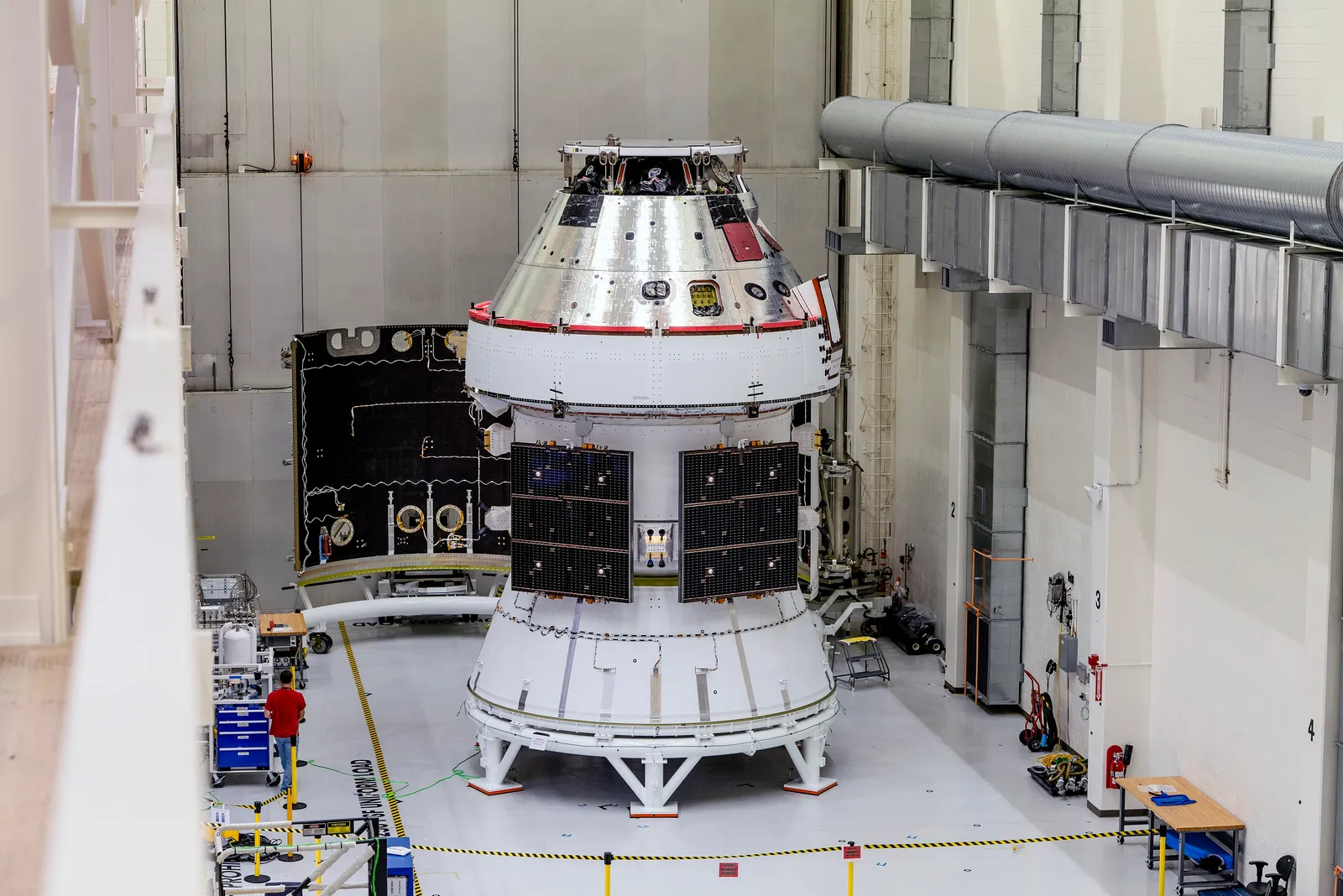
Large sunshade integration begins at BAE Systems Boulder facility; JPL releases imagery of deployable sunshade during integration testing
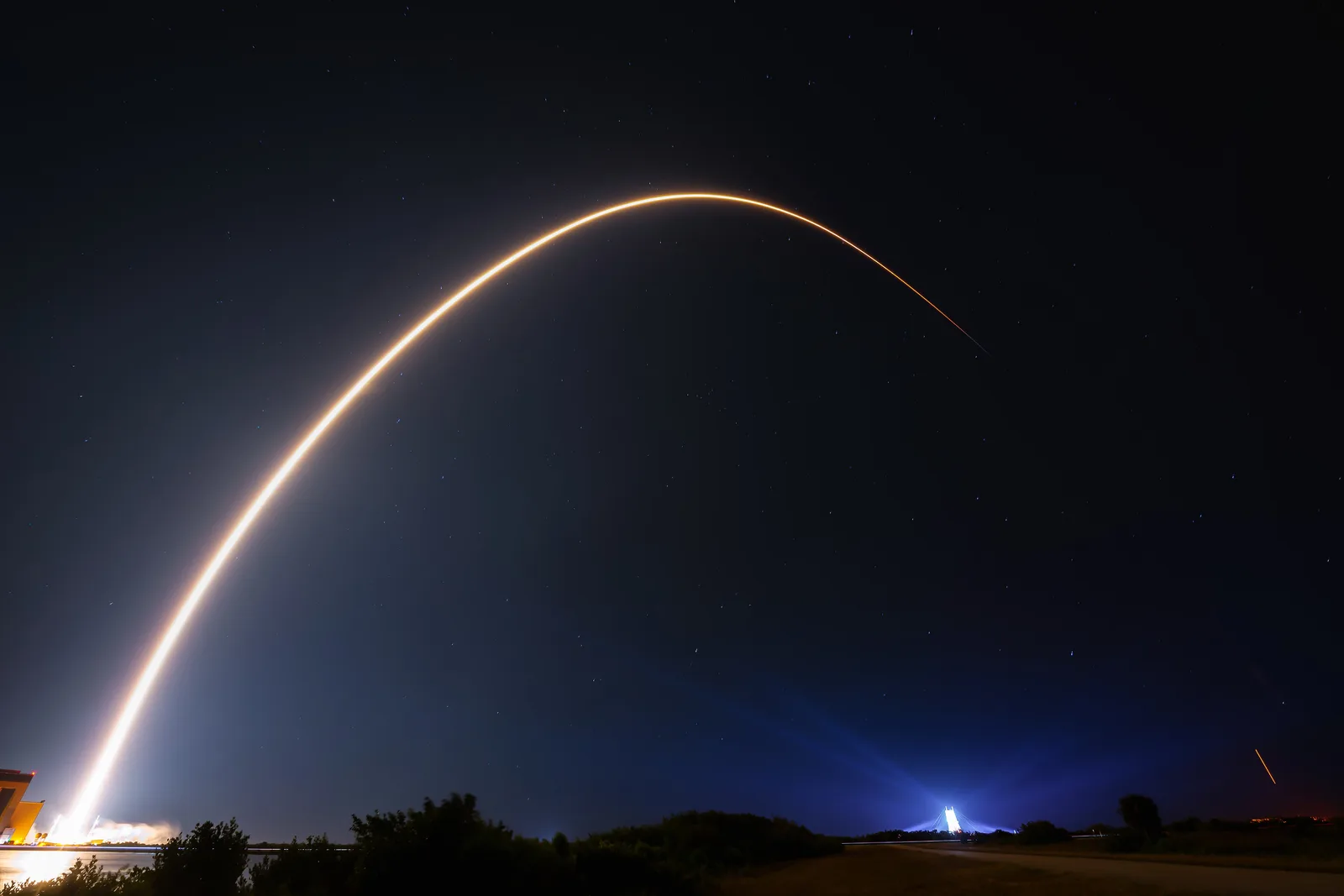
NEO Surveyor launches on Falcon 9 from Cape Canaveral; ~4-month cruise to Sun-Earth L1 halo orbit
L1 halo orbit insertion, sunshade deployment, detector cooldown; start of 5-year prime survey mission
End of 5-year prime mission; cumulative >140m NEO catalogue completion target of ~two-thirds of population
Catalysts
| Date | Event | Sentiment |
|---|---|---|
| Spacecraft + instrument integration and test at BAE Systems Boulder facility; large sunshade integration began in late 2025 per JPL imagery[10] | bullish | |
| NEO Surveyor launch on SpaceX Falcon 9 from Cape Canaveral, targeting a 4-month cruise to Sun-Earth L1 halo orbit insertion[4] | bullish | |
| L1 halo orbit insertion, instrument cooldown, and start of 5-year prime survey mission[3] | bullish | |
| End of 5-year prime mission; expected to have catalogued roughly two-thirds of >140m near-Earth asteroids, plus tens of thousands of smaller objects and Earth Trojans[2] | bullish |
Risk Register
Competitive Landscape
Investability Map
| Ticker | Exposure | Note |
|---|---|---|
| LON: BA. | low | BAE Systems plc inherited the NEO Surveyor prime contract via the Ball Aerospace acquisition; NEO Surveyor is a small slice of a ~£26B-revenue defense+aerospace group dominated by UK MoD, US DoD, and Saudi business — exposure is franchise-evidence not P&L material. |
| TDY | low | Teledyne supplies the HgCdTe MWIR/LWIR focal-plane arrays; planetary-science and astronomy instrumentation is a defensible but small slice of Teledyne's ~$6B revenue base. |
| LMT | low | Lockheed Martin has no direct NEO Surveyor content but maintains strong planetary EDL and deep-space mission systems exposure across adjacent programs; relevant comp for tracking IR/optical mission economics. |
Not investment advice. Figures as-quoted from cited sources.
Sources
- [1] NASA JPL — Near-Earth Object Surveyor mission page (Agency budget doc, accessed )
- [2] NASA Science — NEO Surveyor (mission overview, 140m mandate) (Agency budget doc, accessed )
- [3] IPAC (Caltech) — NEO Surveyor (instrument, L1 halo orbit, MWIR/LWIR design) (Agency budget doc, accessed )
- [4] NASA — Planetary Defense Space Telescope Launch Services Contract (Falcon 9, Feb 2025) (Agency budget doc, accessed )
- [5] Space.com — NASA picks SpaceX Falcon 9 for NEO Surveyor 2027 launch (Industry trade press, accessed )
- [6] Friends of NASA / JPL — NEO Surveyor large sunshade integration (Dec 2025 imagery release) (Agency press / Congressional record, accessed )
- [7] NASA Planetary Defense Coordination Office (2005 NASA Authorization Act 140m NEO mandate) (Agency budget doc, accessed )
- [8] BAE Systems — Press release: completion of $5.55B Ball Aerospace acquisition (Feb 2024) (Official company site, accessed )
- [9] SpaceNews — NEO Surveyor launch delayed despite FY budget restoration (Industry trade press, accessed )
- [10] SpacePolicyOnline — 'NASA's Asteroid-Hunting Telescope on Track for 2027 Launch' (Agency press / Congressional record, accessed )
- [11] The Planetary Society — NEO Surveyor mission summary and policy context (Agency press / Congressional record, accessed )
- [12] JPL — NEO Surveyor in Deep Space (artist concept and ops description) (Agency budget doc, accessed )
- [13] BAE Systems — Space & Mission Systems (former Ball Aerospace) product page (Official company site, accessed )
- [14] Teledyne Imaging Sensors — Space-qualified HgCdTe MWIR/LWIR detectors (Official company site, accessed )
- [15] Space Dynamics Laboratory — Programs (Utah State University Research Foundation) (Official company site, accessed )