All Astronauts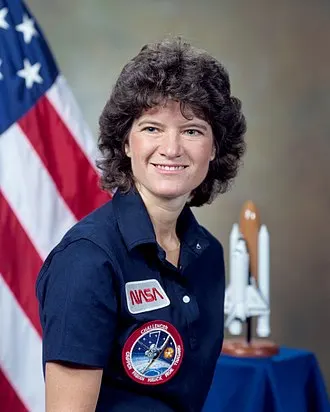 LEGENDIn MemoriamNASA
LEGENDIn MemoriamNASANASA·🇺🇸 United States·Born 1951
Sally Ride
First American woman in space (1983)
343h
Hours in Space
2
Missions
0
EVAs
—
EVA Time
The thing that I'll remember most about the flight is that it was fun. In fact, I'm sure it was the most fun I'll ever have in my life.
All adventures, especially into new territory, are scary.
Studying whether there's life on Mars or studying how the universe began, there's something magical about pushing back the frontiers of knowledge.
Young girls need to see role models in whatever careers they may choose, just so they can picture themselves doing those jobs someday.
Inspirations
Billie Jean King
What they aspire to
She hoped to inspire young girls — especially in middle school — to pursue science, technology, engineering, and math.
Biography
First American woman in space. Flew on Challenger twice and later became a champion for science education.
Before NASAStanford physics Ph.D. researching astrophysics and free-electron lasers; she was a nationally ranked junior tennis player before pursuing science full time.
Life & career
Sally Kristen Ride was born on May 26, 1951, in Encino, in the Los Angeles area of California. A nationally ranked junior tennis player, she considered turning professional before committing fully to science, earning bachelor's degrees in both English and physics from Stanford University, followed by a master's and a Ph.D. in physics, where her research addressed astrophysics and free-electron lasers. In 1977 she answered a newspaper advertisement in which NASA sought astronaut applicants, part of a landmark effort to diversify the corps. Out of thousands of candidates she was chosen in 1978 as one of the first six women selected as NASA astronauts, in the first class recruited for the Space Shuttle.
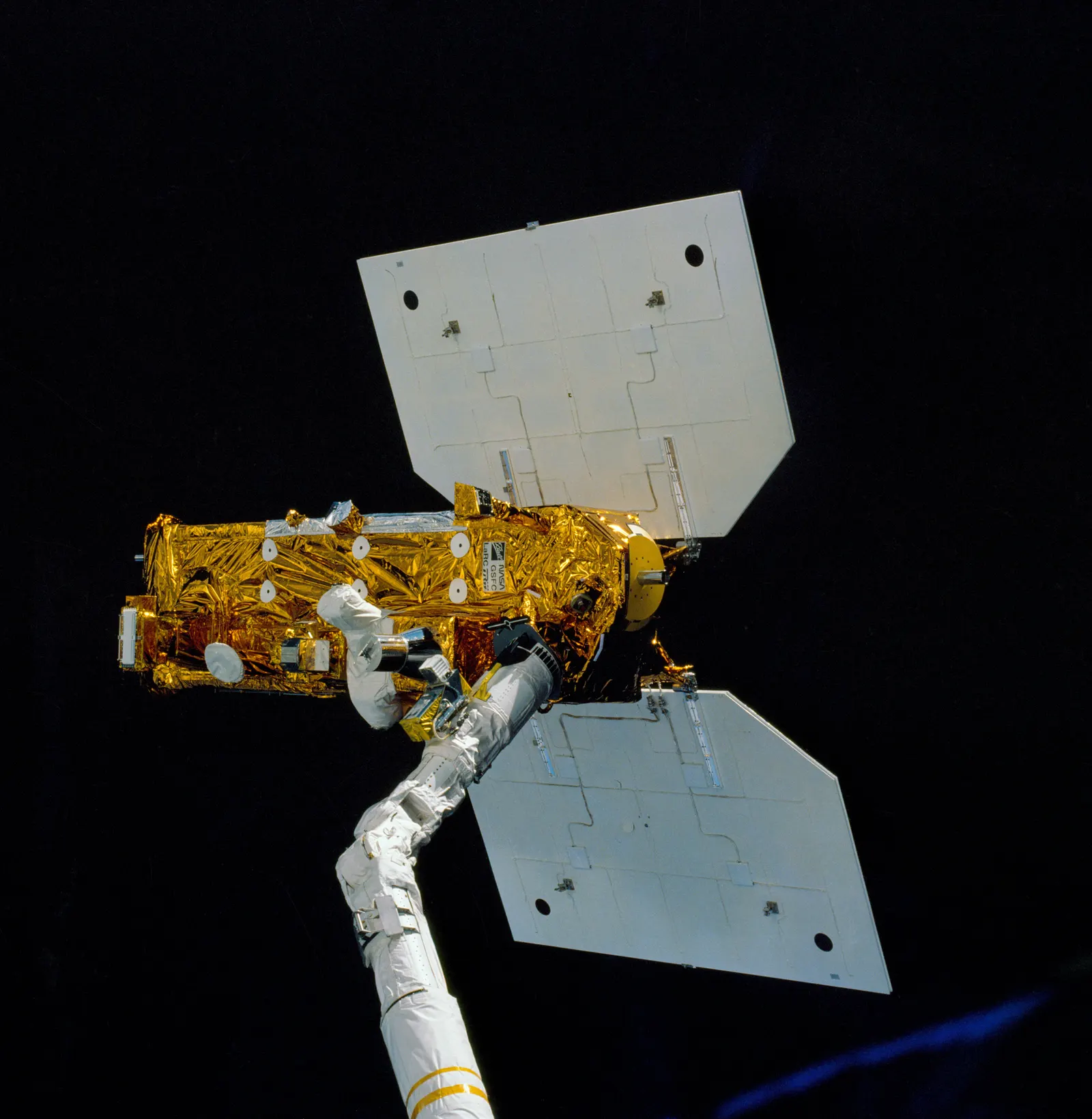
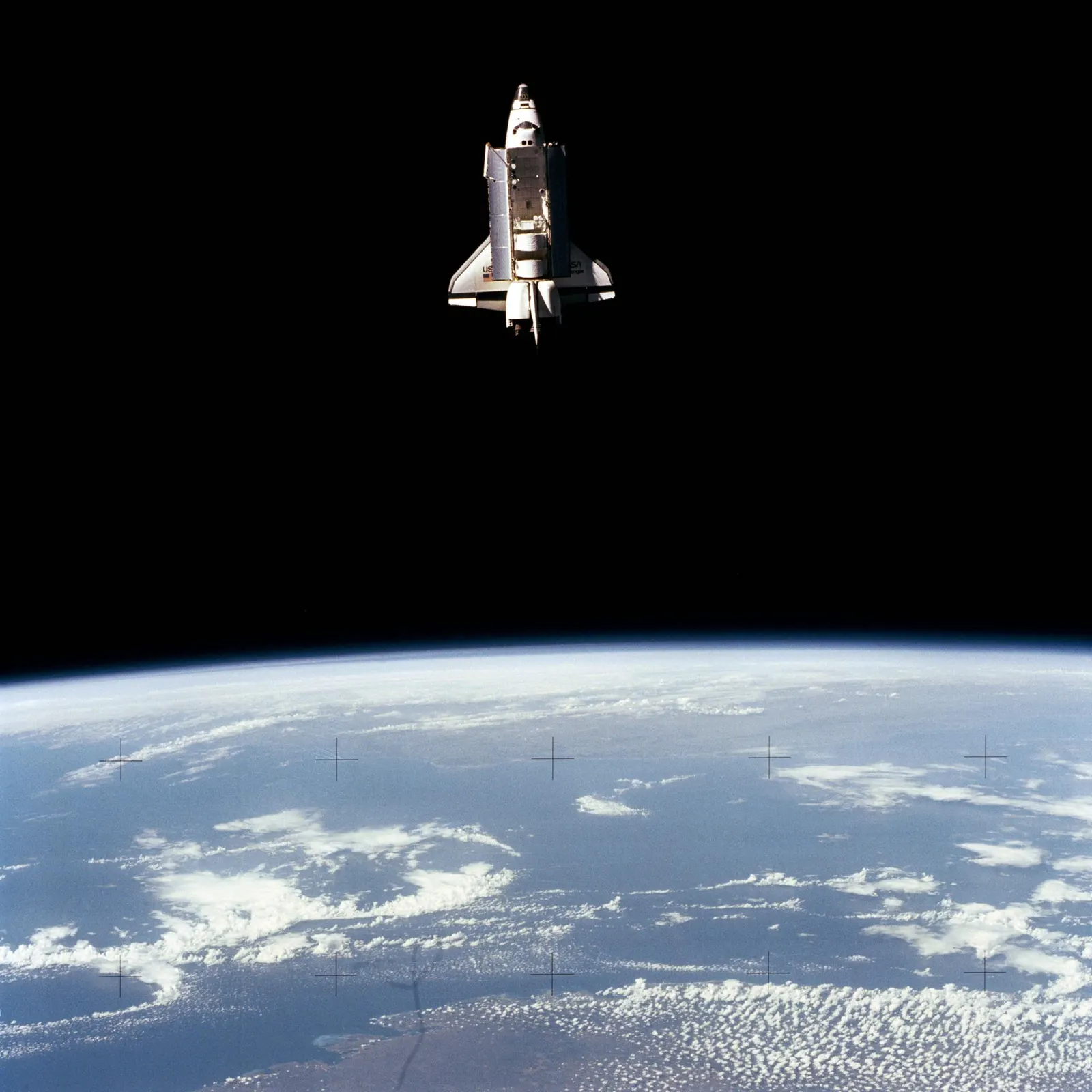
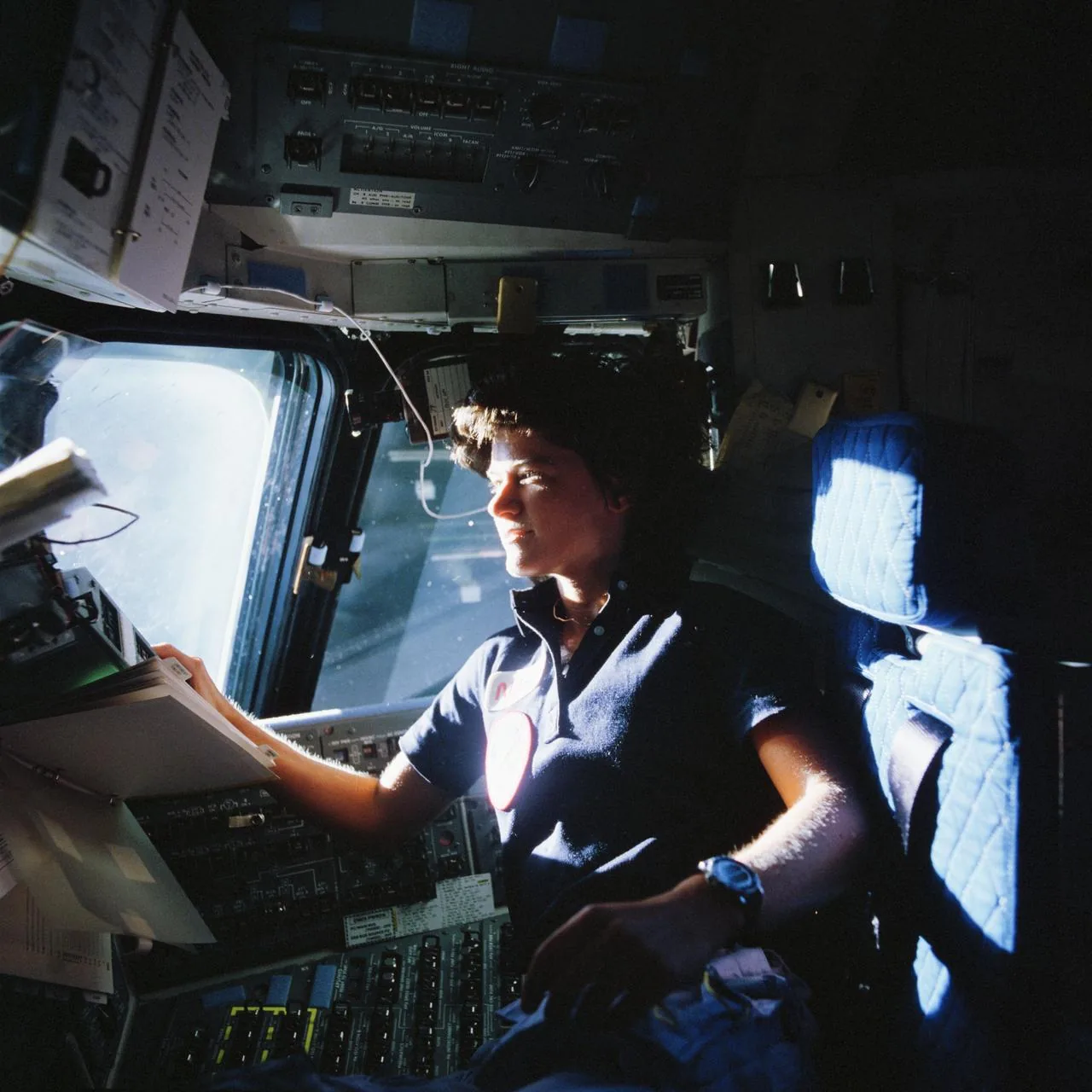
Ride flew twice, both times aboard the orbiter Challenger. On STS-7, launched June 18, 1983, she became the first American woman in space and, at age 32, the youngest American to have flown at that time. As a mission specialist she operated the shuttle's Canadian-built robotic arm to deploy and retrieve satellites, helping pioneer the use of the arm for satellite servicing. She returned to orbit on STS-41-G, launched October 5, 1984, an eight-day flight that carried a seven-person crew and included the first spacewalk by an American woman, fellow astronaut Kathryn Sullivan. Ride logged more than 340 hours in space across the two missions. She was assigned to a third flight, but training ended when the shuttle program was grounded after the 1986 Challenger disaster; she then served on the presidential commission investigating the accident, the only person to sit on both the Challenger and, later, the Columbia investigation boards.
After leaving NASA, Ride became a physics professor at the University of California, San Diego, and devoted herself to science education, founding Sally Ride Science to encourage young people, especially middle-school girls, to pursue careers in STEM, and co-authoring several science books for children. She kept her personal life fiercely private. Sally Ride died on July 23, 2012, at age 61, after a seventeen-month battle with pancreatic cancer. Her obituary revealed that she had shared 27 years of her life with her partner, Tam O'Shaughnessy, making her posthumously recognized as the first known LGBTQ+ astronaut. In 2013 she was awarded the Presidential Medal of Freedom, and she remains an enduring role model for women and girls in science.
Records & Firsts
Notable accomplishments by Sally Ride
- First American woman in space (1983)
- Youngest American astronaut to fly in space at the time (age 32)
- First known LGBTQ+ astronaut
Mission Timeline
- Mission Specialist
Space Shuttle Challenger
STS-7
Launch: Jun 18, 1983Landing: Jun 24, 1983Duration: 6 days- First American woman in space
- Mission Specialist
Space Shuttle Challenger
STS-41-G
Launch: Oct 5, 1984Landing: Oct 13, 1984Duration: 8 days
Beyond the Mission
Hobbies & Interests
tennisrunningstamp collecting
Causes They Champion
Girls in STEM (Sally Ride Science)Science literacyK–12 science education
Languages
English
Awards & Honors
- Presidential Medal of Freedom (posthumous, 2013)
- NASA Space Flight Medal (twice)
- National Women's Hall of Fame
- Astronaut Hall of Fame
Authored
- To Space and Back(1986)
- Voyager: An Adventure to the Edge of the Solar System(1992)
- The Third Planet: Exploring the Earth from Space(1994)
- The Mystery of Mars(1999)
- Exploring Our Solar System(2003)
Fun fact
She answered a newspaper ad NASA placed seeking astronaut applicants while she was a Stanford grad student — and was one of the first six women selected.
Learn More
More Astronauts
Other space travelers from NASA