Image: NASA
STS-41-G
Mission Profile
| Launch date | 1984-10-05 |
|---|---|
| Launch site | Kennedy Space Center, Launch Complex 39A, Florida |
| Launch vehicle | Space Shuttle |
| Spacecraft | Space Shuttle Challenger (OV-099) |
| Target | Low Earth Orbit |
| Type | Crewed |
| End date | 1984-10-13 |
| Recovery | Runway landing — Kennedy Space Center Shuttle Landing Facility, Runway 33, Florida |
| Duration | 8 days, 5 hours, 23 minutes, 33 seconds |
| Partners | National Research Council of Canada |
Overview
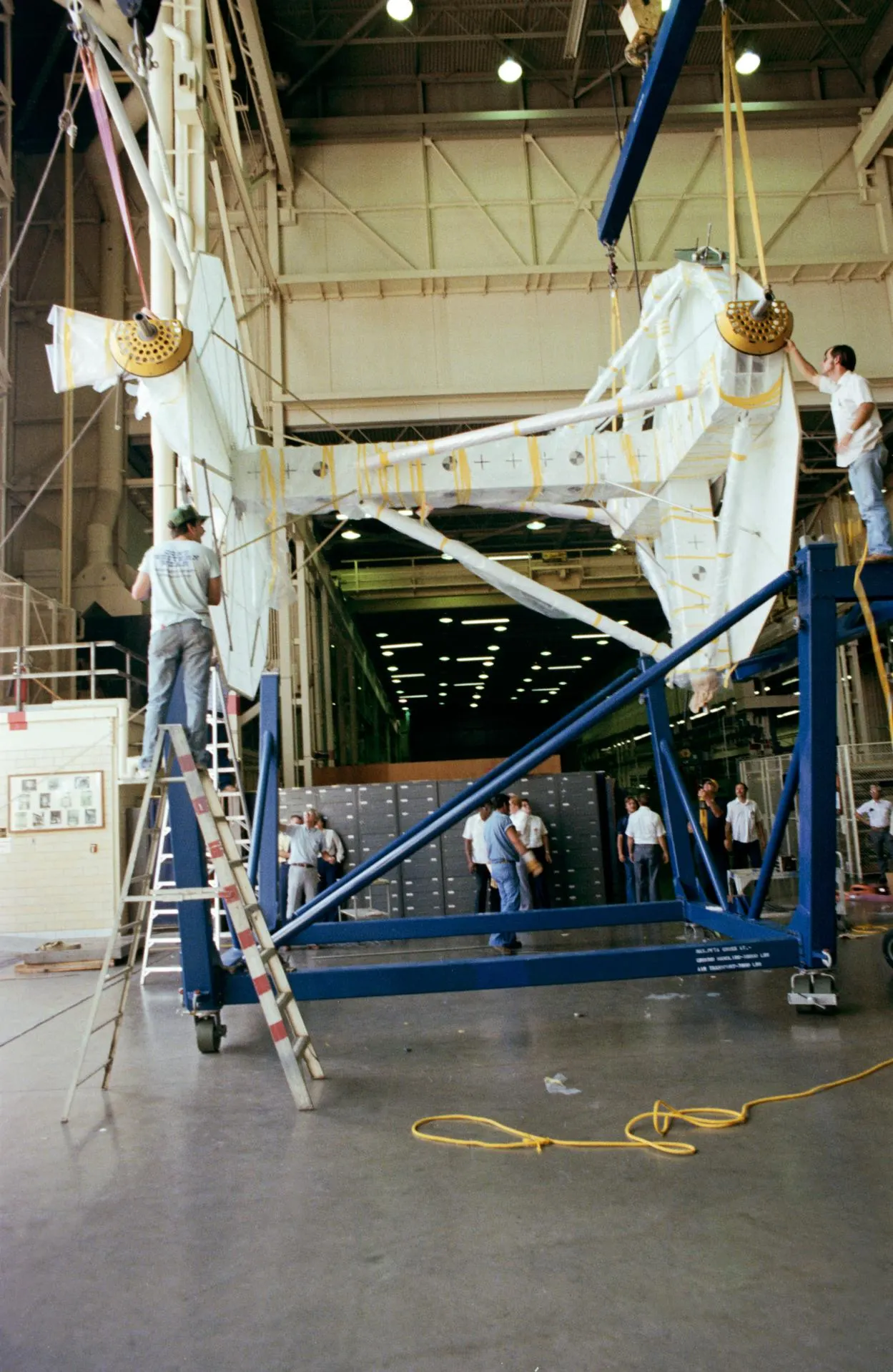
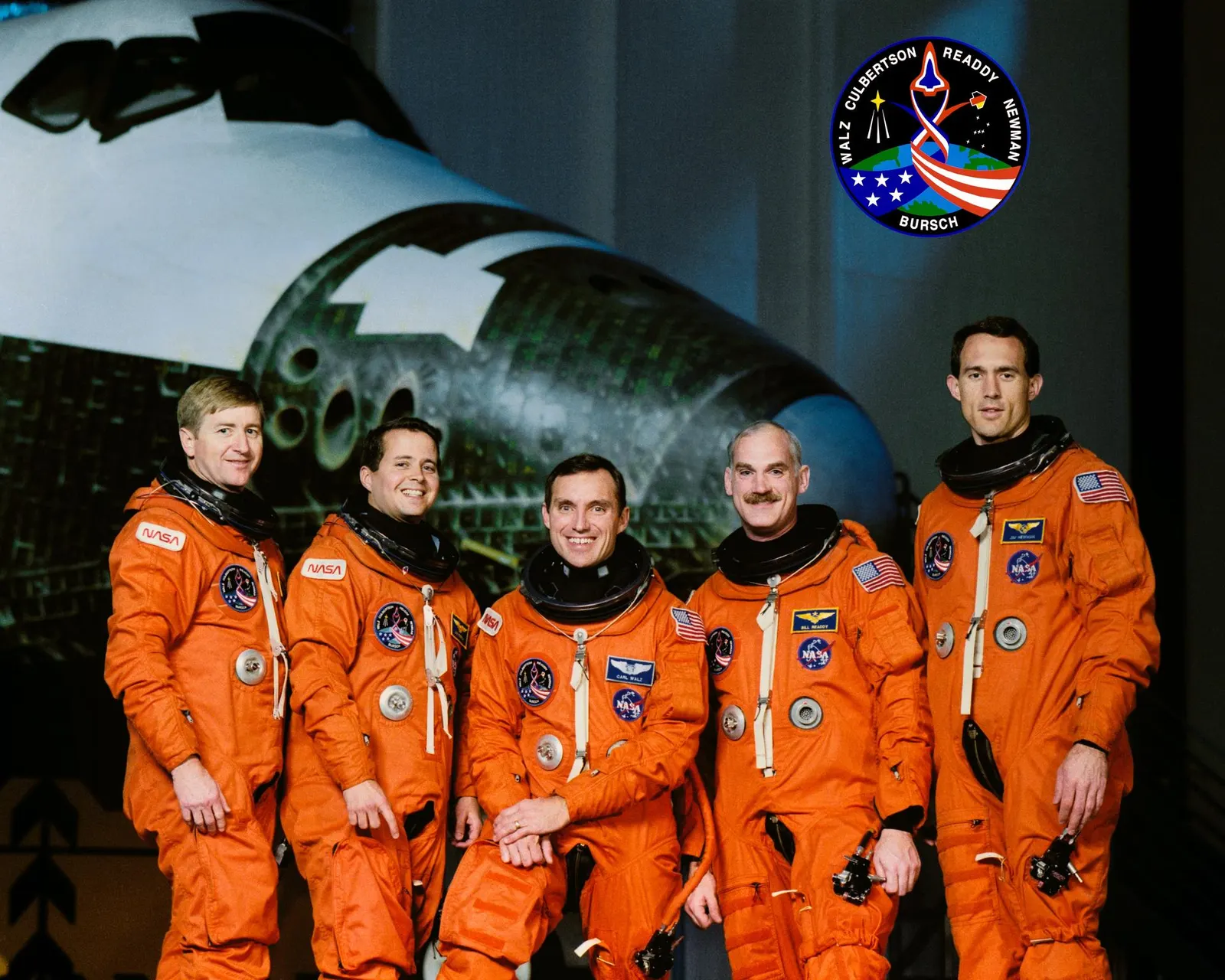
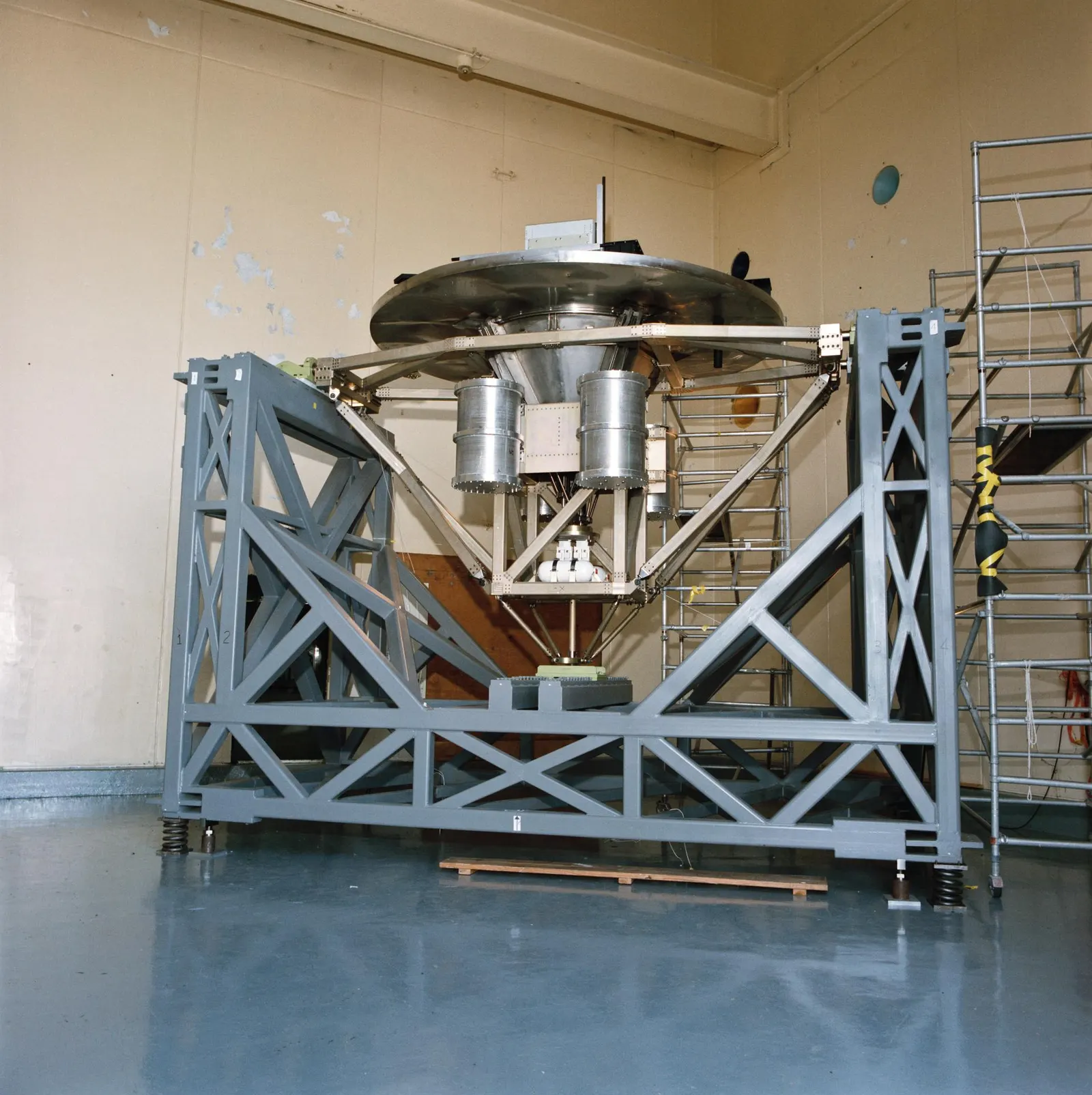
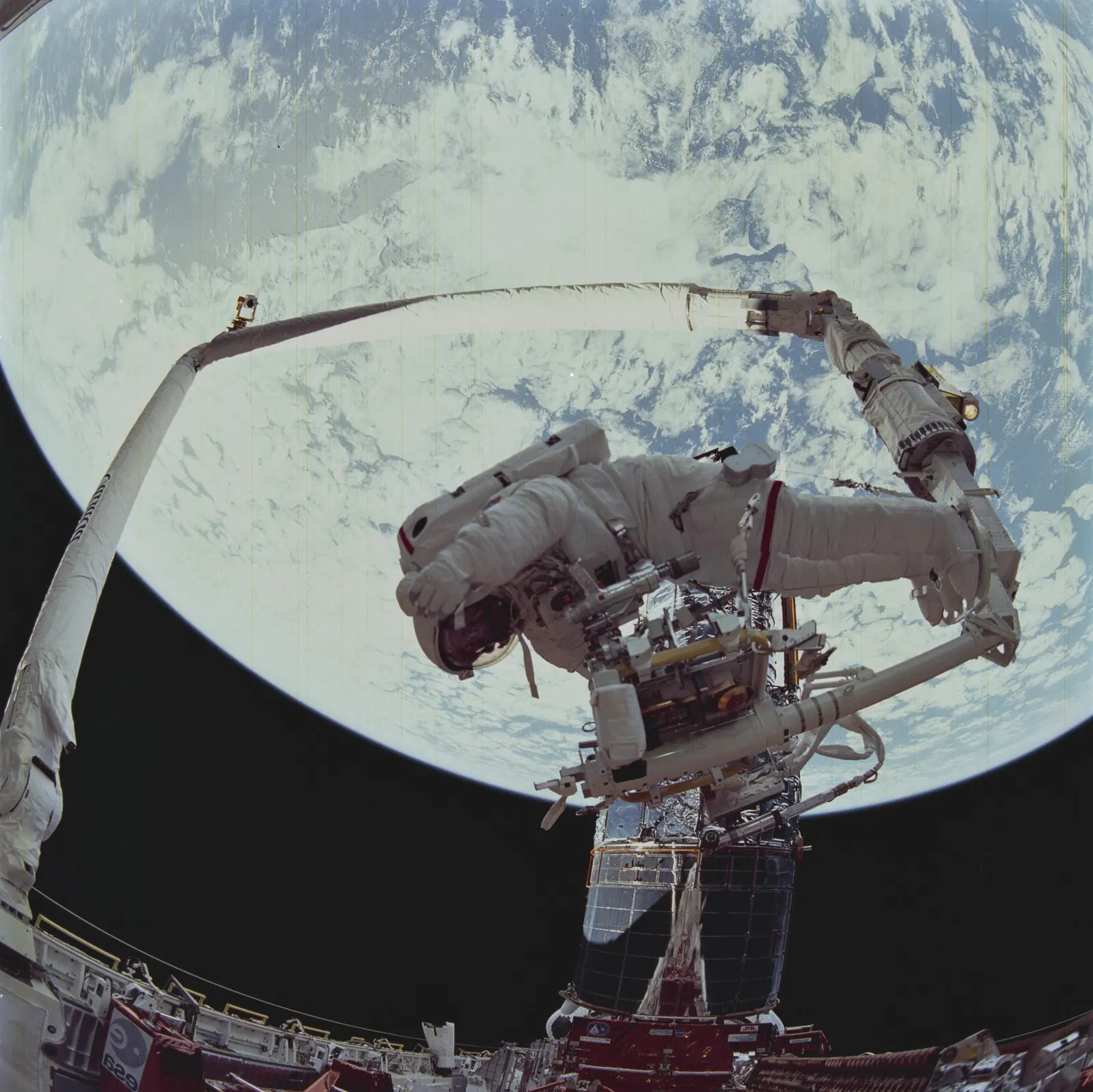
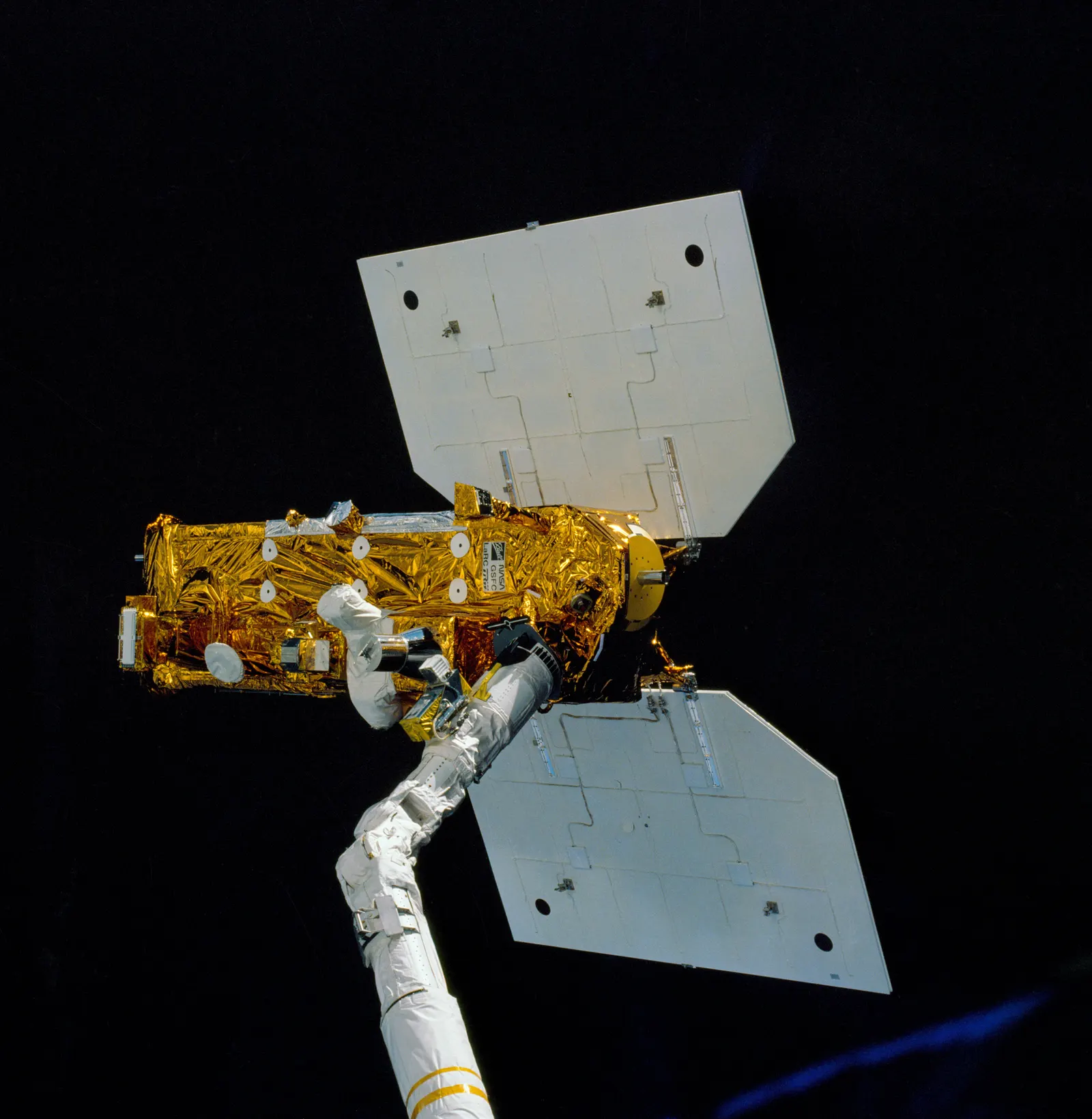
STS-41-G stacked firsts upon firsts. When Challenger left Pad 39A on October 5, 1984, it carried the first seven-person crew ever launched, including two women flying together for the first time — Sally Ride, on her second mission, and Kathryn Sullivan — alongside Marc Garneau, the first Canadian in space, and U.S. Navy oceanographer Paul Scully-Power, the first Australian-born person to fly. Commander Robert Crippen became the first astronaut to fly the Shuttle four times. Hours after launch, Ride used the robot arm to deploy the Earth Radiation Budget Satellite (ERBS) after coaxing open a balky solar array; the spacecraft went on to measure how Earth absorbs and re-radiates solar energy for over two decades of climate science. From the payload bay, the Shuttle Imaging Radar-B (SIR-B) mapped the planet through cloud and darkness as part of the OSTA-3 package. On October 11, Sullivan became the first American woman to walk in space, joining David Leestma for a 3-hour 29-minute EVA that demonstrated the Orbital Refueling System, proving hydrazine could be transferred between tanks in orbit — a key step toward satellite servicing. After 133 orbits, Challenger returned to Kennedy's Runway 33 on October 13.
Crew
Robert Crippen
Commander
First astronaut to fly the Space Shuttle four times
Jon McBride
Pilot
Kathryn Sullivan
Mission Specialist
First American woman to walk in space; later first woman to fly to Hubble and NOAA Administrator
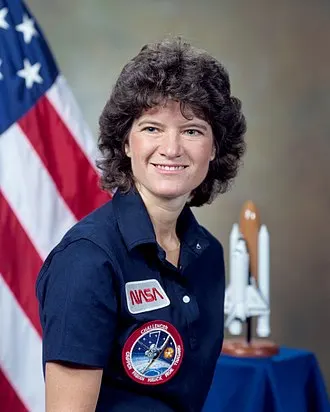
Sally Ride
Mission Specialist
First American woman to make a second spaceflight; deployed ERBS with the robot arm
David Leestma
Mission Specialist
Joined Sullivan on the EVA demonstrating the Orbital Refueling System
Paul Scully-Power
Payload Specialist
U.S. Navy oceanographer; first Australian-born person in space
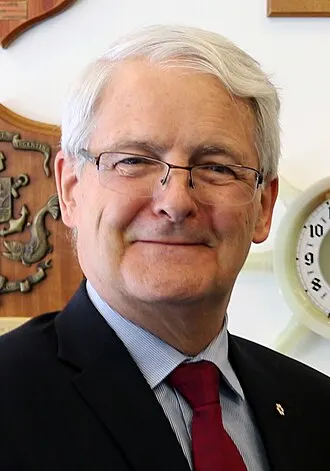
Marc Garneau
Payload Specialist
First Canadian in space; flew the CANEX experiment suite for Canada's National Research Council
Key Milestones
1984-10-05
Launch from LC-39A — the first seven-person spaceflight; Marc Garneau becomes the first Canadian in space
1984-10-05
Sally Ride deploys the Earth Radiation Budget Satellite with the robot arm after freeing a stuck solar array
1984-10-11
Kathryn Sullivan becomes the first American woman to perform a spacewalk — a 3-hour 29-minute EVA with David Leestma demonstrating orbital refueling
1984-10-13
Challenger lands at Kennedy Space Center Runway 33 after 8 days, 5 hours and 133 orbits
Key Achievements
First spaceflight with a seven-person crew
Kathryn Sullivan became the first American woman to perform a spacewalk
Marc Garneau became the first Canadian in space
Sally Ride became the first American woman to fly in space twice
Deployed the Earth Radiation Budget Satellite and demonstrated on-orbit hydrazine refueling
Legacy & Significance
STS-41-G widened the door that STS-7 had opened: two women on one flight, the first female spacewalk, and the first international payload specialists from Canada and Australia made the Shuttle a genuinely multinational vehicle and launched Canada's astronaut corps. ERBS became a workhorse of climate science, anchoring the Earth Radiation Budget Experiment record that still informs models of global warming, while SIR-B advanced spaceborne radar imaging. The Orbital Refueling System demonstration foreshadowed today's satellite-servicing industry, and Kathryn Sullivan's EVA remains a touchstone moment in the history of women in space.