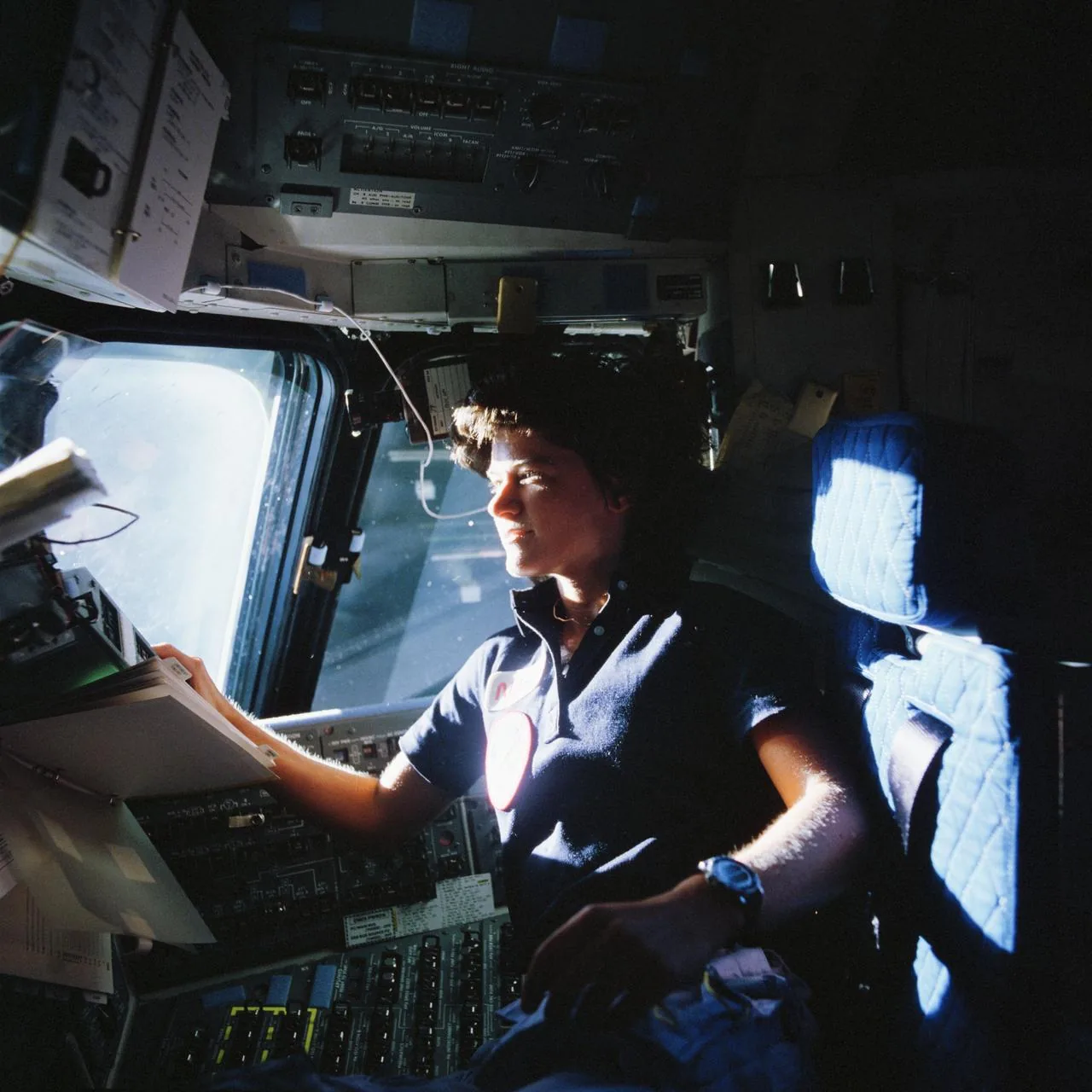
On June 16, 1963, a 26-year-old textile factory worker from a small town in central Russia climbed into a Vostok capsule and launched into orbit. Valentina Tereshkova circled Earth 48 times over nearly three days, spending more time in space on her solo mission than all American astronauts had accumulated combined at that point. She was the first woman in space, and it would take the rest of the world two decades to follow her lead.
The history of women in space exploration is a story of extraordinary talent meeting extraordinary resistance, of barriers broken and records shattered, of a slow but relentless expansion of who gets to explore the cosmos. It is also a story that is far from finished -- because the Artemis program intends to land the first woman on the Moon, and the generation of female astronauts now in training may well be the ones who walk on Mars.
The Pioneer: Valentina Tereshkova
Tereshkova was not a pilot or an engineer when she was selected for the Soviet space program. She was an amateur parachutist -- skydiving was her hobby -- and the Soviets specifically recruited women from outside the military establishment, partly for ideological reasons and partly because the Vostok capsule's reentry required the cosmonaut to eject and parachute to the ground.
Her mission, Vostok 6, was a propaganda triumph for the Soviet Union, demonstrating that socialism could send women to space while the United States could not. But it was also a genuine achievement of courage and skill. Tereshkova experienced nausea, disorientation, and a navigation error in the capsule's automatic systems that she identified and reported, leading to a manual correction. She performed her mission competently under conditions that would have challenged anyone.
Yet her flight had an ironic legacy: it would be 19 years before another woman flew in space. Svetlana Savitskaya launched aboard Soyuz T-7 in 1982, and during a second flight in 1984, she became the first woman to perform a spacewalk. The Soviet program had proved women could fly in space, then largely stopped sending them.
America Catches Up: Sally Ride and Beyond
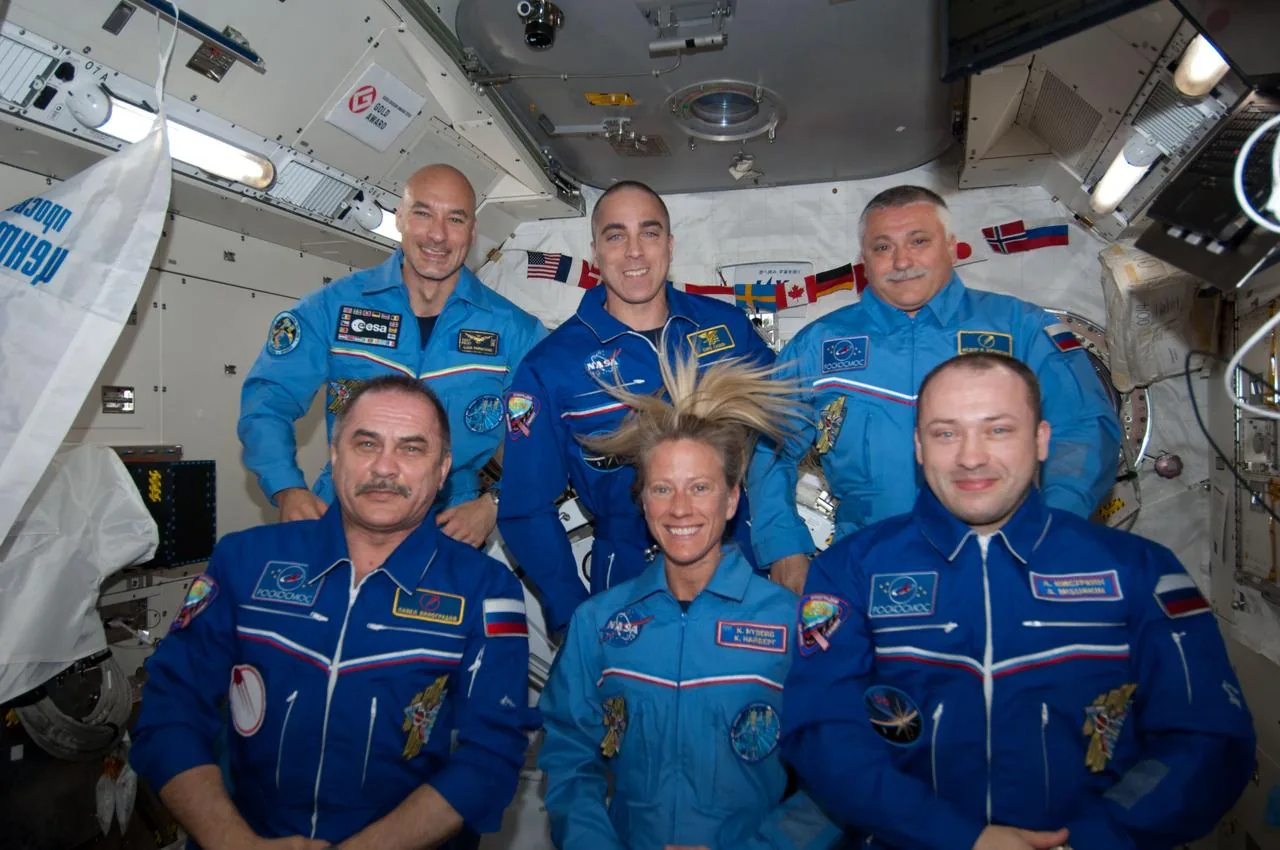
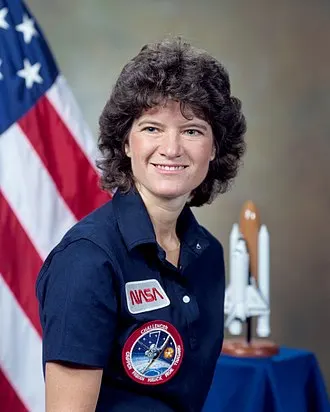
NASA did not select its first female astronauts until 1978, when six women joined Astronaut Group 8 as part of the Space Shuttle program. Among them was Sally Ride, a physicist from Stanford who would become the first American woman in space aboard STS-7 in June 1983 -- twenty years after Tereshkova.
Ride flew again in 1984 and was training for a third mission when the Challenger disaster in 1986 halted shuttle flights. She served on the presidential commission investigating the accident, then left NASA to become a physics professor and tireless advocate for science education, particularly for girls. She founded Sally Ride Science, an organization dedicated to inspiring young people -- especially young women -- to pursue careers in STEM fields. Her influence on the next generation of female scientists and astronauts is incalculable.
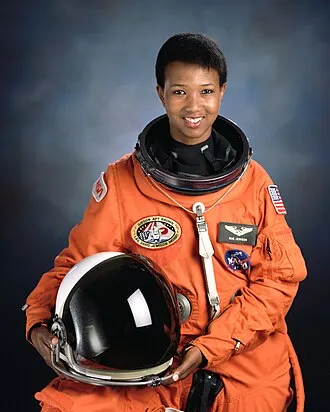
The late 1980s and 1990s saw a steady stream of women reaching space. Mae Jemison became the first African American woman in orbit in 1992 aboard STS-47, bringing a unique perspective as both an engineer and a physician. Eileen Collins became the first woman to pilot a Space Shuttle in 1995 and the first to command one in 1999. Shannon Lucid set a record for the longest spaceflight by an American -- 188 days aboard Mir in 1996 -- that stood for over a decade.
Each of these women opened doors that had been sealed shut, not just by policy but by culture, assumption, and institutional inertia.
Peggy Whitson: The Record Breaker
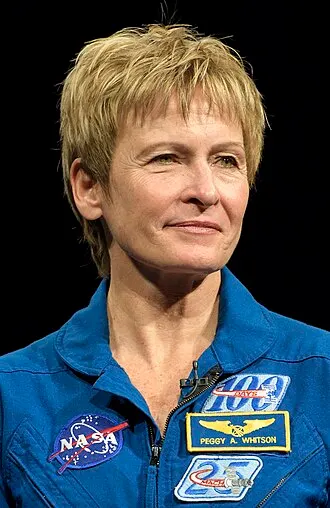
If one person embodies the transformation of women's role in spaceflight, it is Peggy Whitson. A biochemist from a small farm in Iowa, Whitson applied to the astronaut program ten times before being selected in 1996. She first flew to the ISS in 2002 and would go on to become one of the most experienced space travelers in history.
Whitson was the first woman to command the International Space Station, serving as Expedition 16 commander in 2007-2008. She commanded again during Expedition 51 in 2017. Over three long-duration missions with NASA, she accumulated 665 days in space -- more than any other American astronaut at the time, male or female. She also performed ten spacewalks, totaling over 60 hours of EVA time, more than any other woman.
In 2023, at age 63, Whitson launched again -- this time on an Axiom Space private mission, demonstrating that the commercial era of spaceflight could benefit from the deep experience of veteran astronauts. Her career spanning more than two decades of human spaceflight is a testament to persistence, excellence, and the rewards of never giving up on a dream.
Christina Koch and the New Records
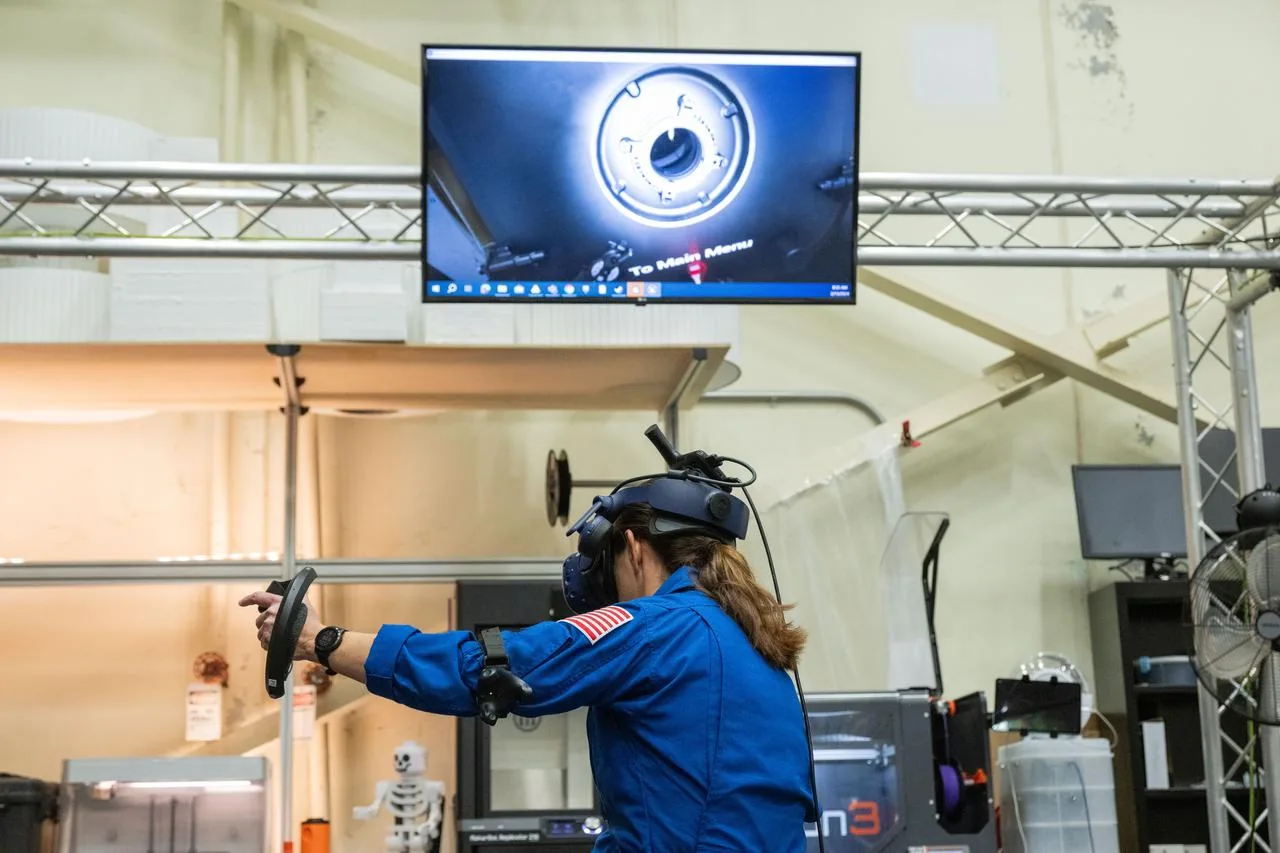
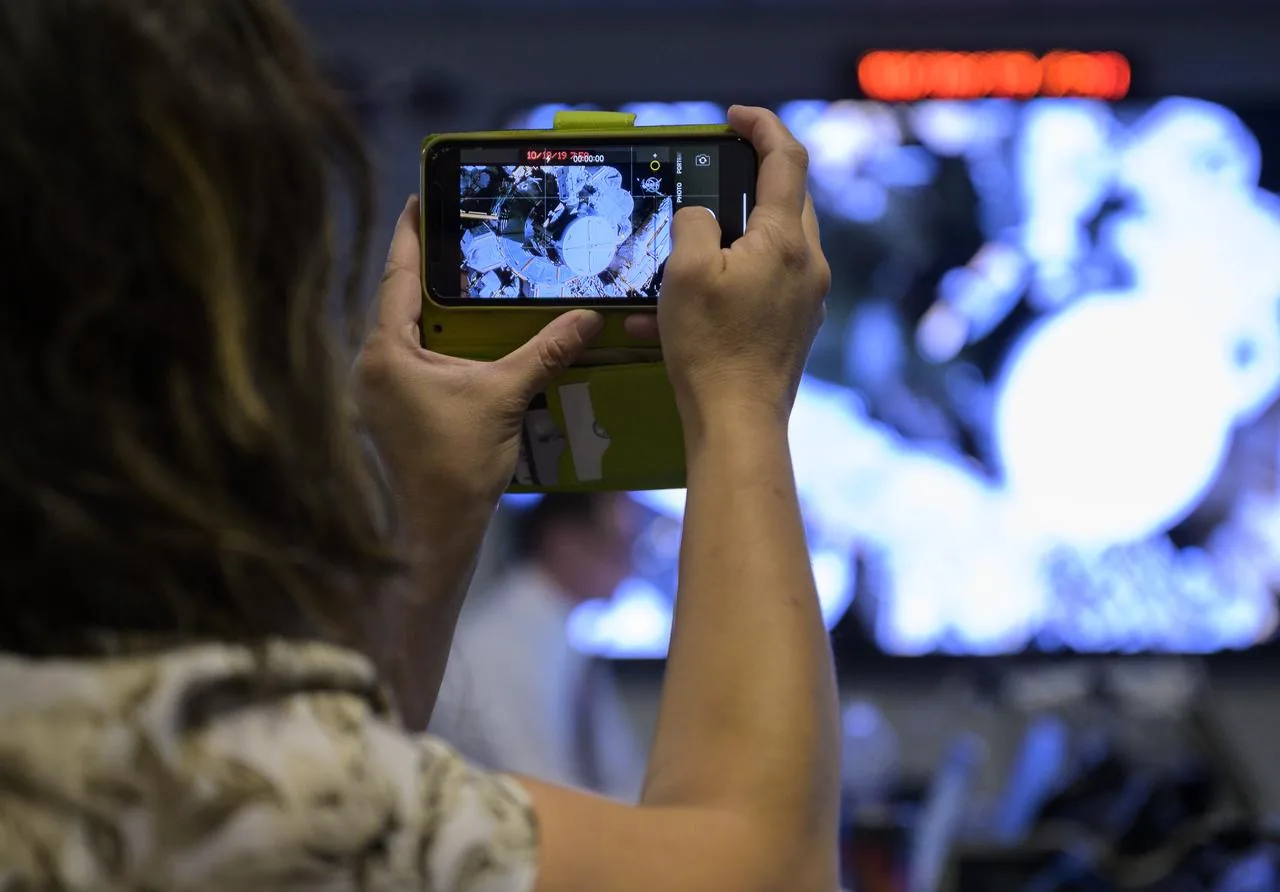
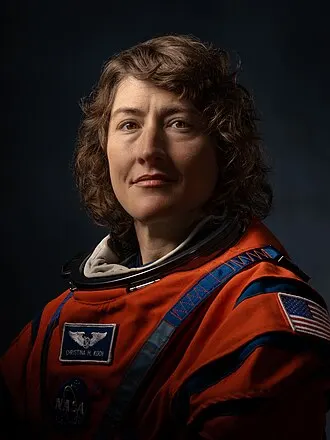
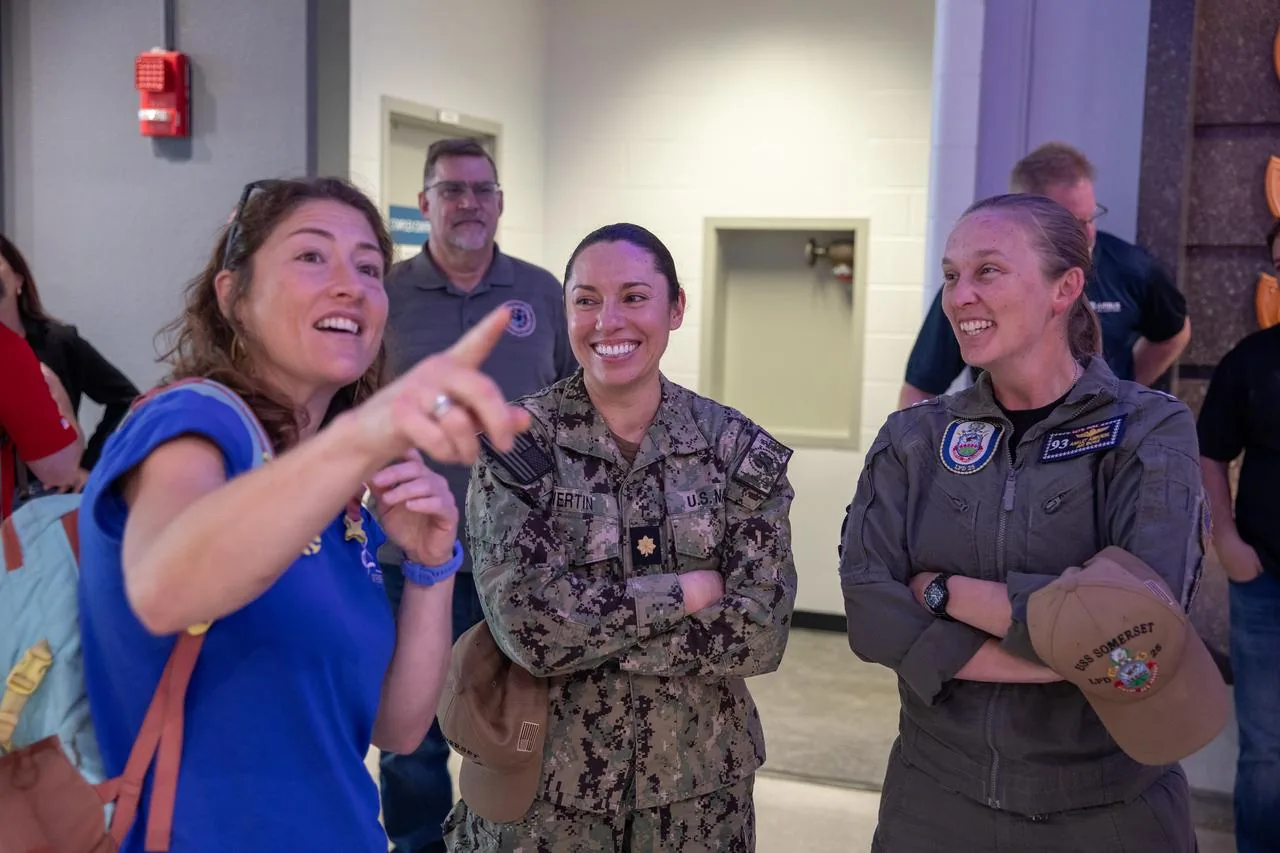
Christina Koch joined NASA's astronaut corps in 2013 and made her first spaceflight in 2019, when her planned six-month ISS stay was extended to 328 consecutive days -- setting a new record for the longest single spaceflight by a woman. During that marathon mission, she participated in the first all-female spacewalk alongside Jessica Meir on October 18, 2019, a milestone that was decades in the making.
The all-female EVA had originally been planned for March 2019 but was postponed because the station did not have enough medium-sized spacesuits available. The delay highlighted a persistent issue: much of the equipment and infrastructure of spaceflight had been designed with male bodies in mind, and accommodating women sometimes required deliberate adjustments that the system had not prioritized.
When Koch and Meir finally stepped outside together in October, it was a moment that resonated far beyond the space community. Not because the work was different -- they replaced a faulty battery charge-discharge unit, routine maintenance -- but because of what it represented. For the first time, a spacewalk crew did not include a man. The symbolism was powerful, even as the astronauts themselves emphasized that they simply wanted to be judged on the quality of their work.
Koch was subsequently selected for the Artemis II mission crew, which will send four astronauts on a lunar flyby -- the first crewed mission to the vicinity of the Moon since Apollo 17 in 1972. She will be joined by commander Reid Wiseman, pilot Victor Glover (the first Black astronaut on a lunar mission), and Canadian Space Agency astronaut Jeremy Hansen.
The Artemis Generation
NASA's Artemis program has made an explicit commitment: it will land the first woman and the first person of color on the surface of the Moon. This is not merely symbolic. It reflects a fundamental shift in who is included in the most ambitious exploration missions, and it sends a message to the next generation about who belongs in space.
The current NASA astronaut corps includes a higher percentage of women than ever before, and the 2021 astronaut class was half female. Women serve in every role -- commander, pilot, mission specialist, flight engineer -- and their presence is no longer remarkable in the way it was when Sally Ride launched in 1983. That normalization is itself a victory.
Beyond NASA, women are increasingly prominent in commercial spaceflight. Hayley Arceneaux flew on SpaceX's Inspiration4 mission in 2021, becoming the youngest American in orbit at age 29 and the first person with a prosthetic body part to fly in space. Sarah Gillis and Anna Menon flew on Polaris Dawn in 2024. Samantha Cristoforetti of the European Space Agency commanded the ISS in 2022, and Chinese taikonauts Liu Yang and Wang Yaping have served aboard Tiangong.
The Work That Remains
For all the progress, the numbers tell a sobering story. Of approximately 600 people who have traveled to space, fewer than 80 have been women -- roughly 13 percent. Women remain underrepresented in senior engineering and leadership positions at space agencies worldwide. The design of spaceflight hardware still sometimes fails to account for female physiology, from suit sizing to medical protocols.
Research into the effects of spaceflight on female bodies is also playing catch-up. Most long-duration spaceflight data comes from male subjects, and there are open questions about how radiation exposure, bone density loss, and cardiovascular deconditioning differ between sexes. As missions grow longer -- six months on the ISS, potentially two to three years for Mars -- understanding these differences becomes medically critical.
Looking Forward
The trajectory, however, is unmistakable. The first woman will walk on the Moon within this decade. Women will command Artemis landing missions. Women will lead commercial space stations. And when humanity eventually sends a crew to Mars, women will be among them -- not as tokens or symbols, but as essential members of a team undertaking the most ambitious journey in human history.
Valentina Tereshkova proved it was possible. Sally Ride proved it could become normal. Peggy Whitson proved women could lead in space. Christina Koch and her contemporaries are proving that the future of exploration belongs to everyone.
Sixty years after Vostok 6, the path from that first orbit to the lunar surface is clearer than it has ever been. And the women walking that path are not following anyone. They are leading.