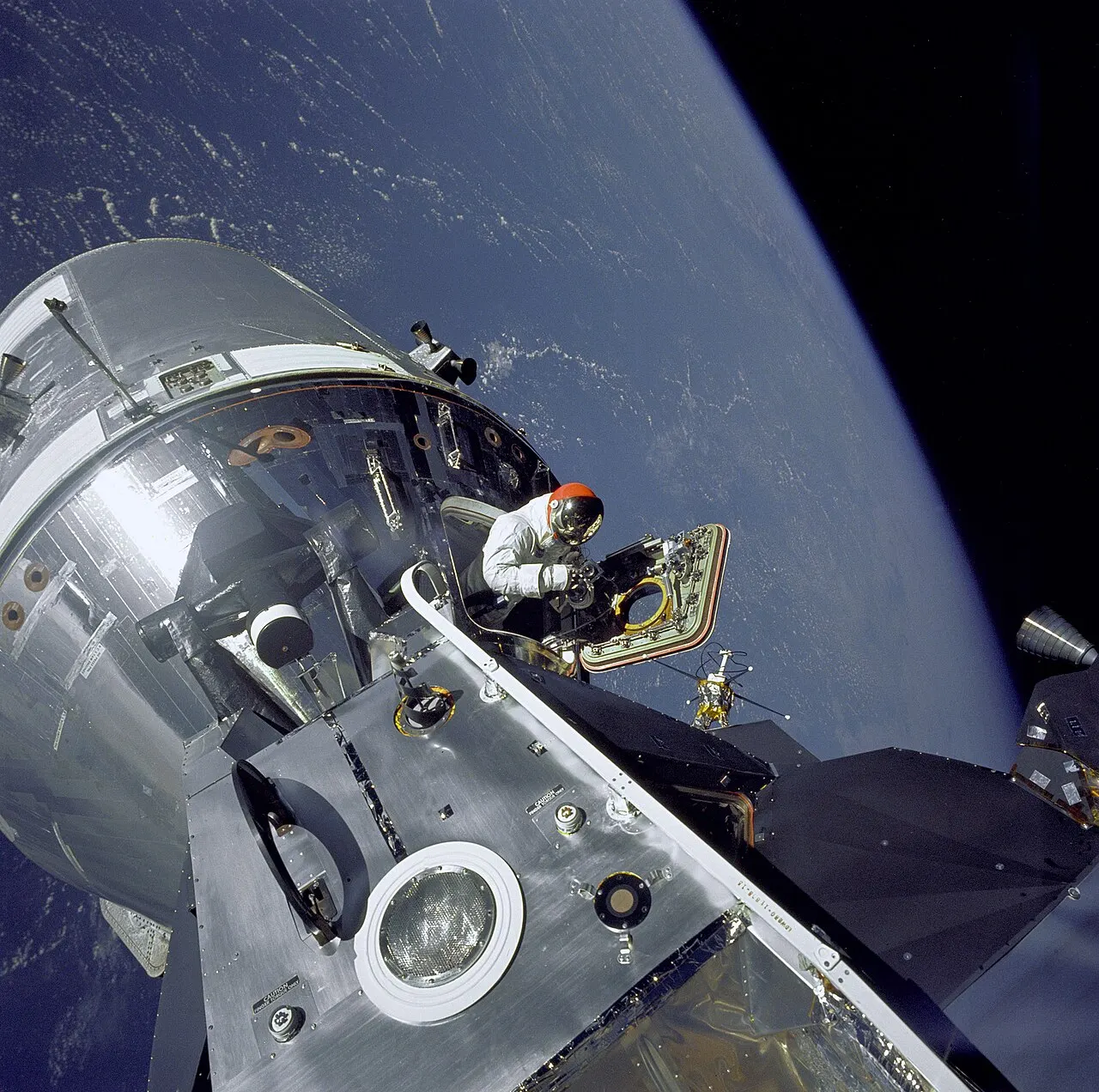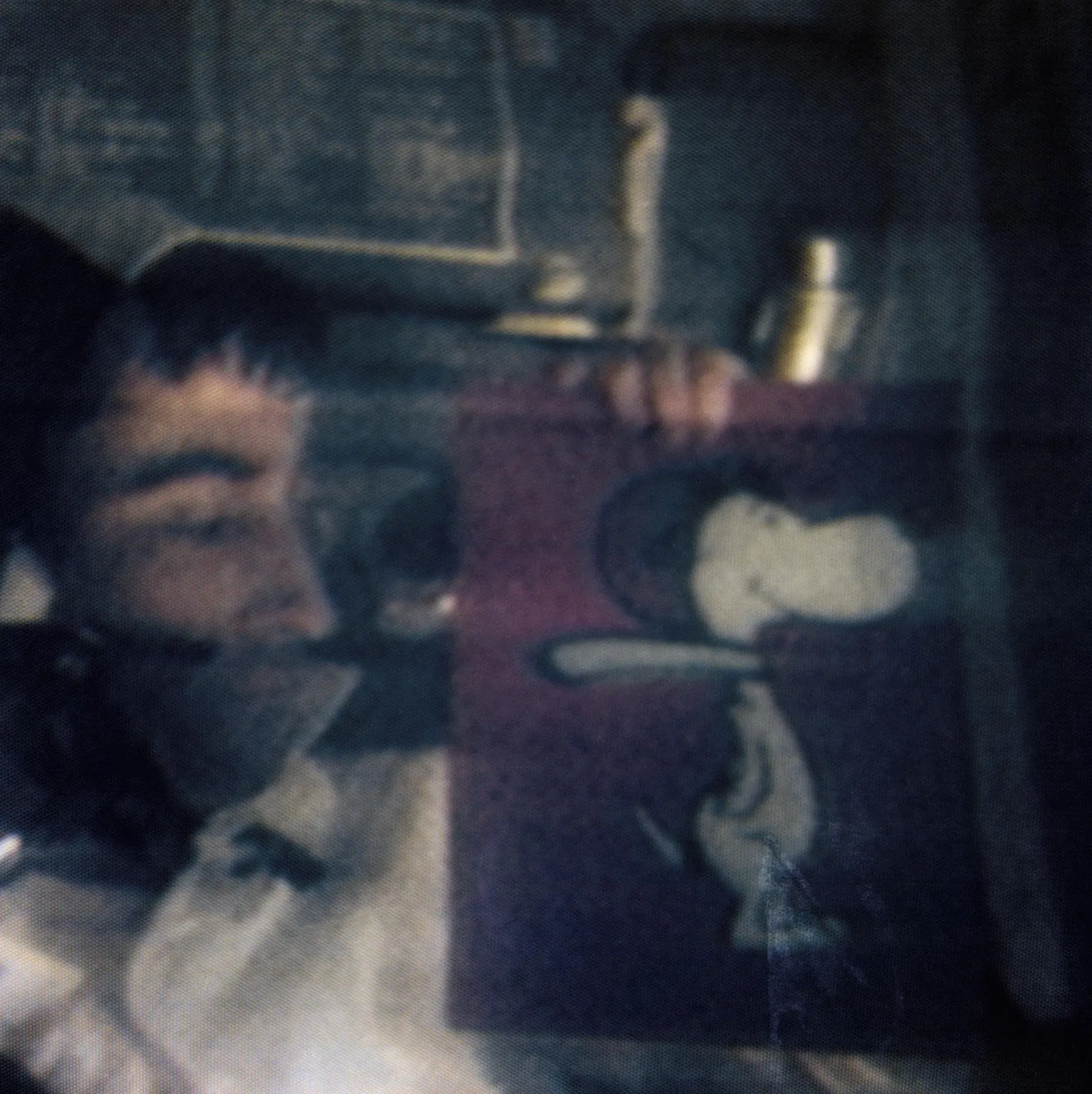
Image: NASA
Apollo 10
Mission Profile
| Launch date | 1969-05-18 |
|---|---|
| Launch site | Kennedy Space Center, Launch Complex 39B, Florida |
| Launch vehicle | Saturn V (SA-505) |
| Spacecraft | CSM-106 "Charlie Brown" + LM-4 "Snoopy" |
| Target | Moon |
| Type | Crewed |
| End date | 1969-05-26 |
| Recovery | USS Princeton, South Pacific (~400 mi east of American Samoa) |
| Cost | Apollo program-wide; mission-specific cost not separately published |
| Mass | ~44,200 kg (CSM + LM combined) |
| Duration | 8 days, 0 hours, 3 minutes, 23 seconds |
| Partners | North American Aviation (CSM), Grumman Aerospace (LM) |
| Instruments | Color TV camera (first in space), 70mm Hasselblad cameras, Lunar surface photography survey |
Overview
Apollo 10 was the full dress rehearsal for the lunar landing — everything except the landing itself. Tom Stafford, John Young, and Gene Cernan launched May 18, 1969 and demonstrated the complete lunar-orbit operation: Stafford and Cernan undocked the Lunar Module "Snoopy" and descended to within 47,400 feet (14.4 km / 7.8 nm) of the lunar surface, photographed the planned Apollo 11 landing site in the Sea of Tranquility, then ascended and rendezvoused with John Young in "Charlie Brown." The mission delivered the first color TV broadcasts from space and, on Earth return, set the human-spaceflight speed record at 24,791 mph — a Guinness record that still stands. Apollo 10 was deliberately fueled to prevent the LM from making it to the surface even if the crew attempted to land — a precaution against any temptation to deviate from the rehearsal-only profile.
Mission Objectives
Full dress rehearsal for the lunar landing (everything except landing)
achieved
Test LM in lunar orbit; descend to lunar surface proximity
achieved
Demonstrate LM rendezvous and docking with CSM in lunar orbit
achieved
Photograph the Apollo 11 prime landing site (Sea of Tranquility)
achieved
Crew
Thomas P. Stafford
Commander
Veteran of Gemini 6A, 9A; later commanded Apollo-Soyuz Test Project. Died 2024.
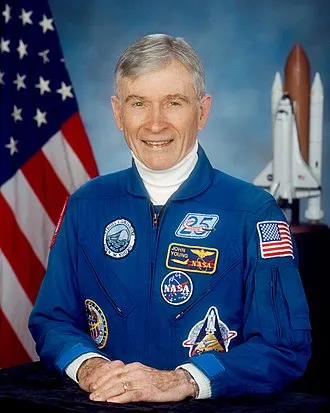
John W. Young
Command Module Pilot
Later commanded Apollo 16 and STS-1 (first Space Shuttle flight). Six-flight veteran.
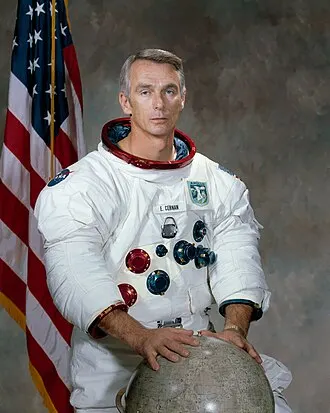
Eugene A. "Gene" Cernan
Lunar Module Pilot
Later commanded Apollo 17 — last person to walk on the Moon. Died 2017.
Vehicle Specifications
Command/Service Module
"Charlie Brown"
- Mass
- ~30,300 kg
Named after the Peanuts comic strip character.
Lunar Module
"Snoopy"
- Mass
- ~13,940 kg
Ascent stage jettisoned into solar orbit — still drifts there today. Recovered by amateur astronomers in 2019.
Key Milestones
1969-05-18
Launch from LC-39B at 16:49 UTC
1969-05-21
Lunar Orbit Insertion
1969-05-22
"Snoopy" undocks and descends to 47,400 ft above lunar surface
1969-05-23
First color TV transmissions from space
1969-05-26
Splashdown at 17:53 UTC; recovered by USS Princeton
Key Achievements
First crewed LM flight to lunar orbit
Closest crewed approach to Moon prior to Apollo 11 (47,400 ft / 14.4 km)
First color TV broadcasts from space
Highest crewed-vehicle return speed: 24,791 mph (39,897 km/h) — Guinness record still standing
Validated every step of the lunar landing two months before Apollo 11
Photo Gallery
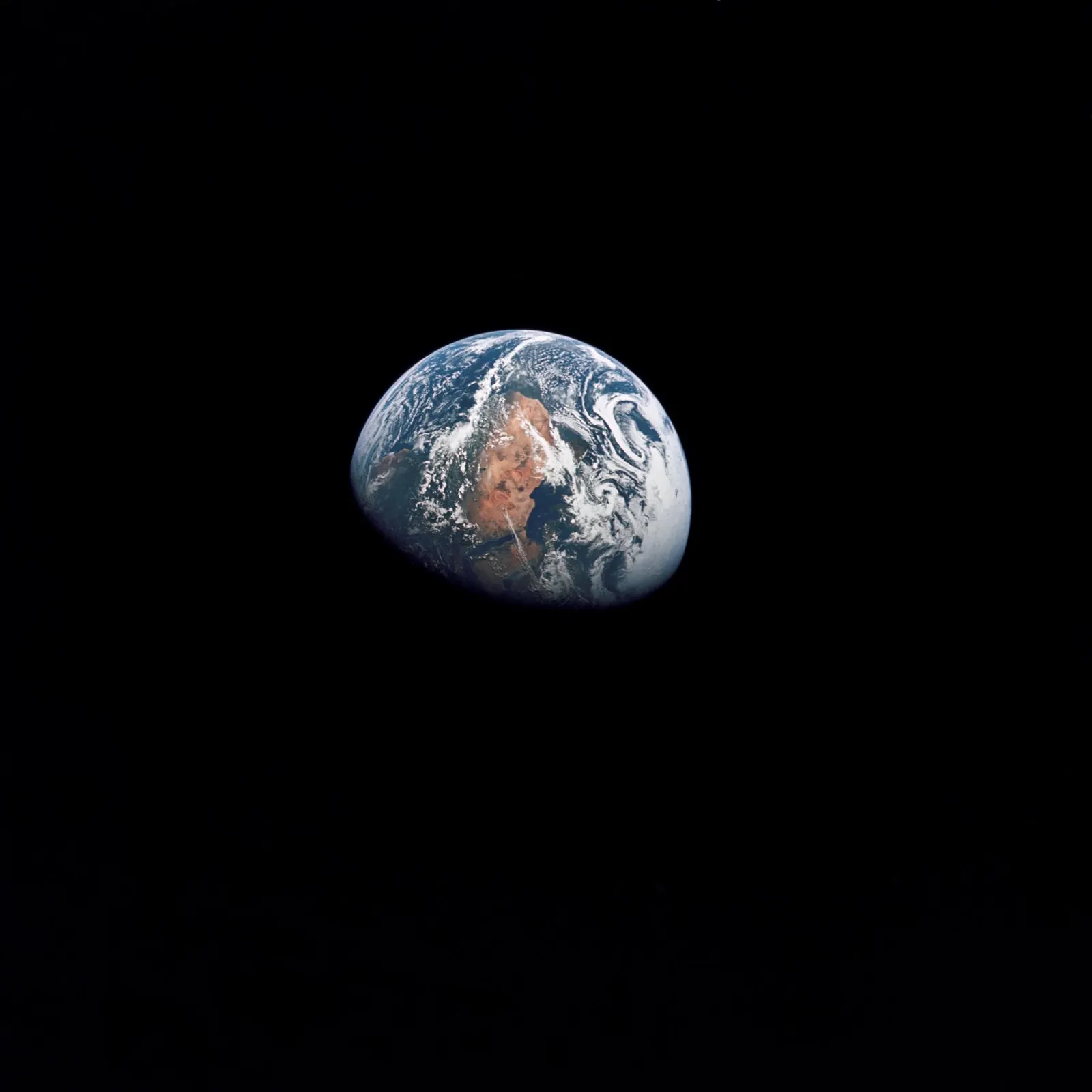
Legacy & Significance
Apollo 10 was the rehearsal that cleared the path. The mission proved every element of the lunar landing architecture — descent, ascent, rendezvous, docking — at the Moon, in real flight conditions, two months before Apollo 11. Tens of years later "Snoopy" became the only recoverable Apollo Lunar Module ascent stage in space, identified by amateur astronomers in 2019 still in heliocentric orbit.