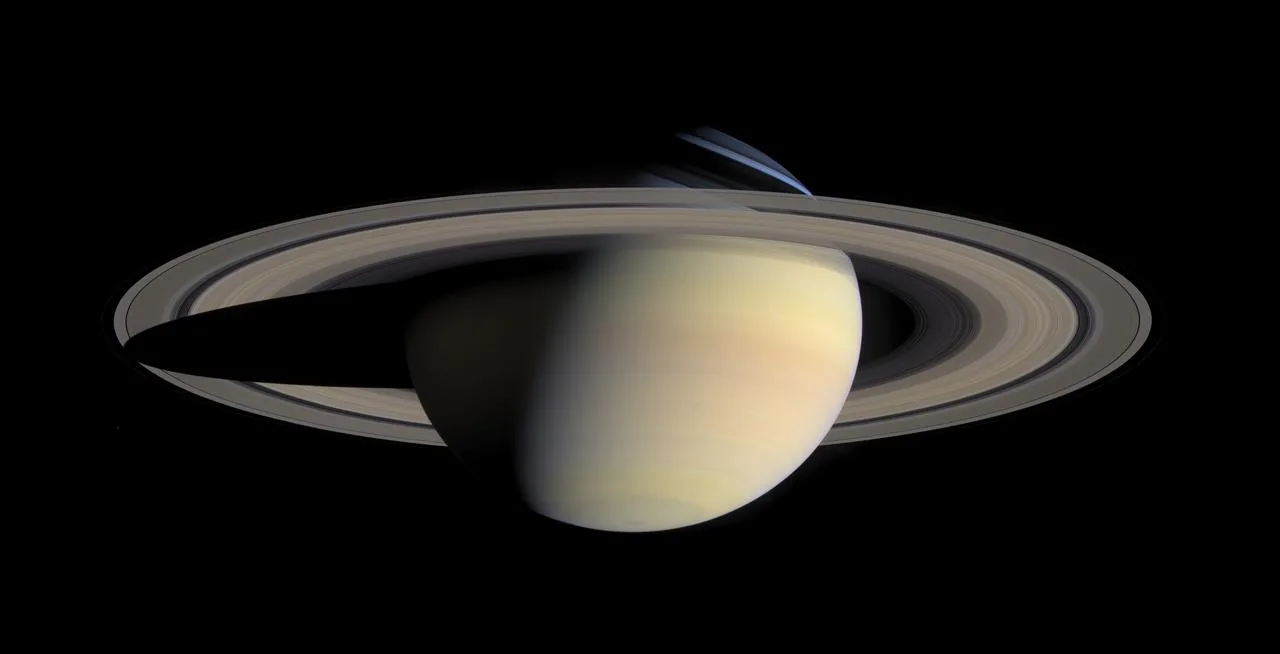
Image: NASA / JPL-Caltech / Space Science Institute
Don't just read it — experience it
Relive Cassini-Huygens, chapter by chapter
20 years · 8 chapters · The Grand Finale
Cassini-Huygens
Mission Profile
| Launch date | 1997-10-15 |
|---|---|
| Launch vehicle | Titan IVB / Centaur |
| Spacecraft | Cassini orbiter + Huygens probe (ESA) |
| Target | Saturn |
| Type | Robotic |
| End date | 2017-09-15 |
| Cost | $3.26B (mission total, ~$4.7B inflation-adjusted) |
| Mass | 5,712 kg at launch (largest interplanetary spacecraft NASA had launched at the time) |
| Duration | 20 years total — 7-year cruise + 13-year Saturn mission |
| Partners | NASA JPL, ESA (Huygens), ASI (high-gain antenna, radio science) |
| Instruments | ISS (cameras), VIMS, CIRS, UVIS, RPWS, MAG, INMS, CAPS, CDA, MIMI, RADAR, Radio Science, Huygens DISR/HASI/SSP/GCMS |
Prime Contractors
Companies that built, launched, or operate this mission. Tickers link to their investor profile.
- NASA JPL
- Aérospatiale (now Airbus)
- Lockheed Martin
- Leonardo (Alenia Spazio)
Overview
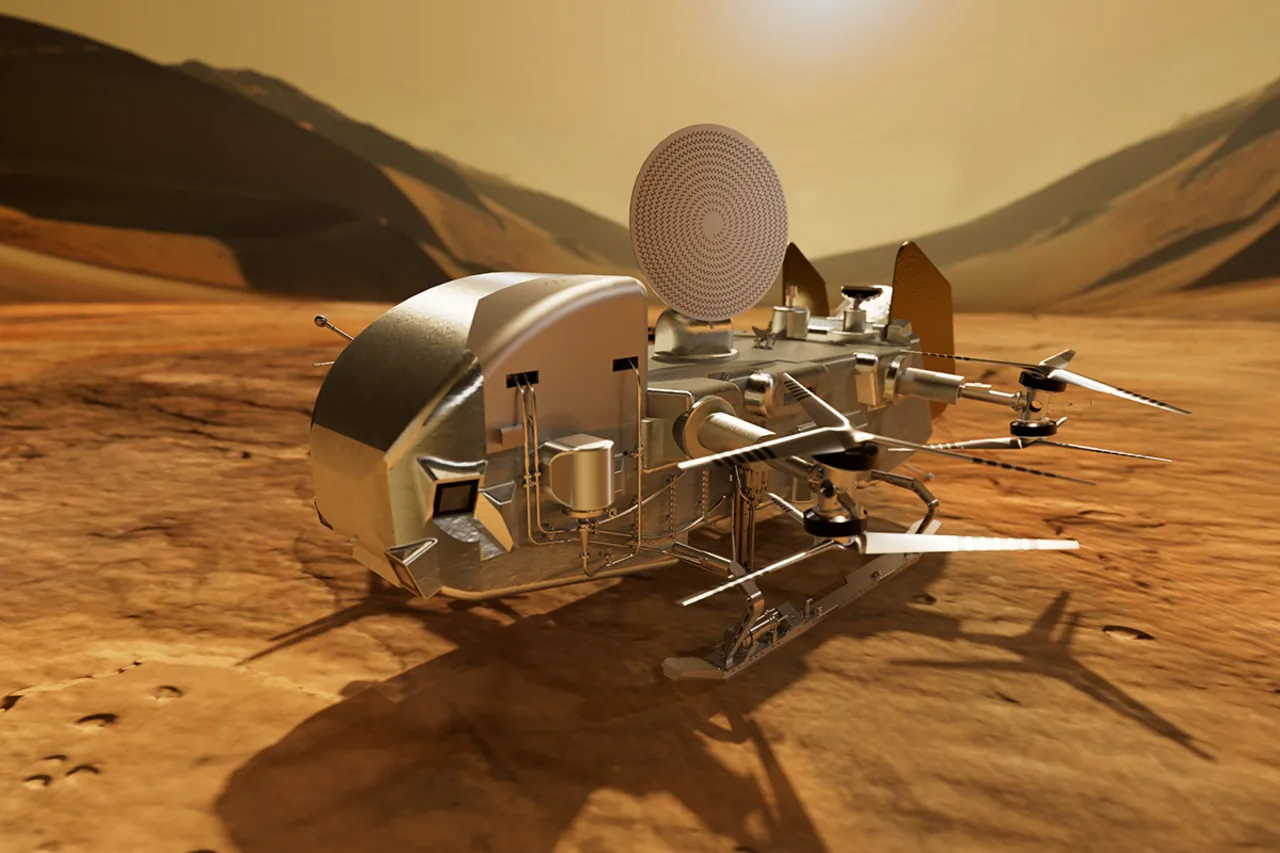
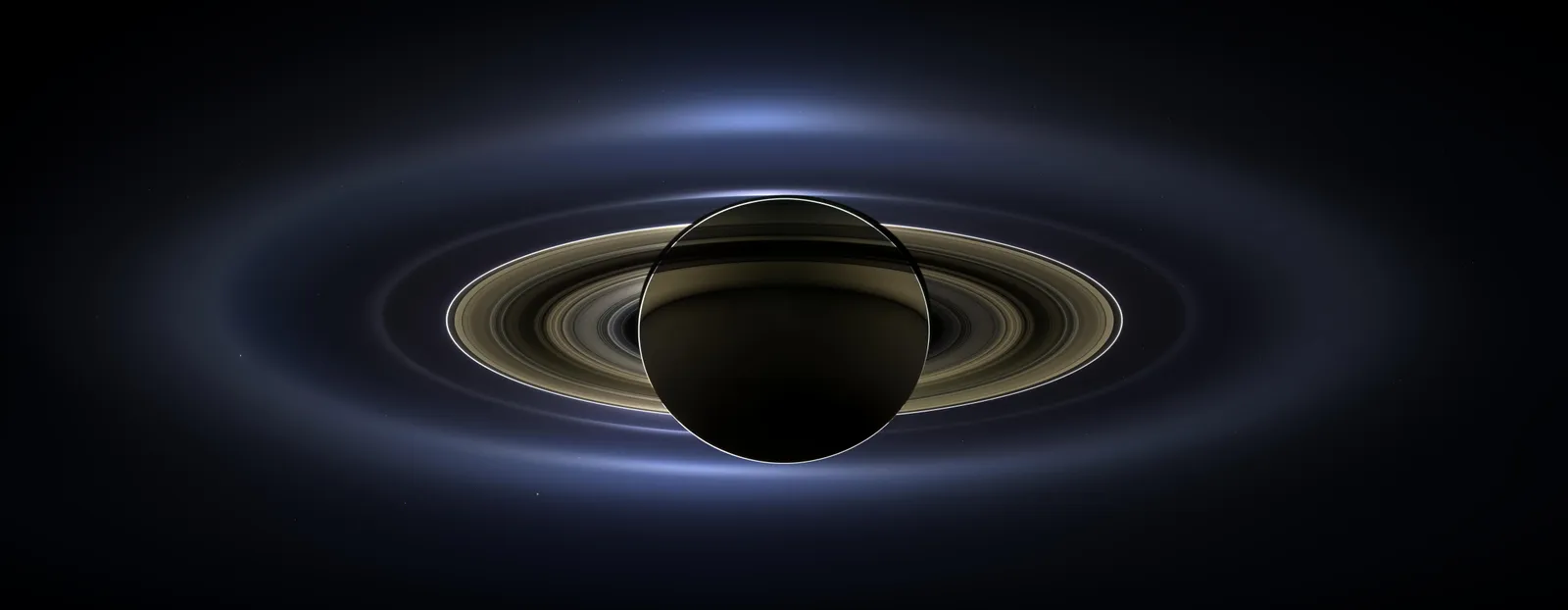
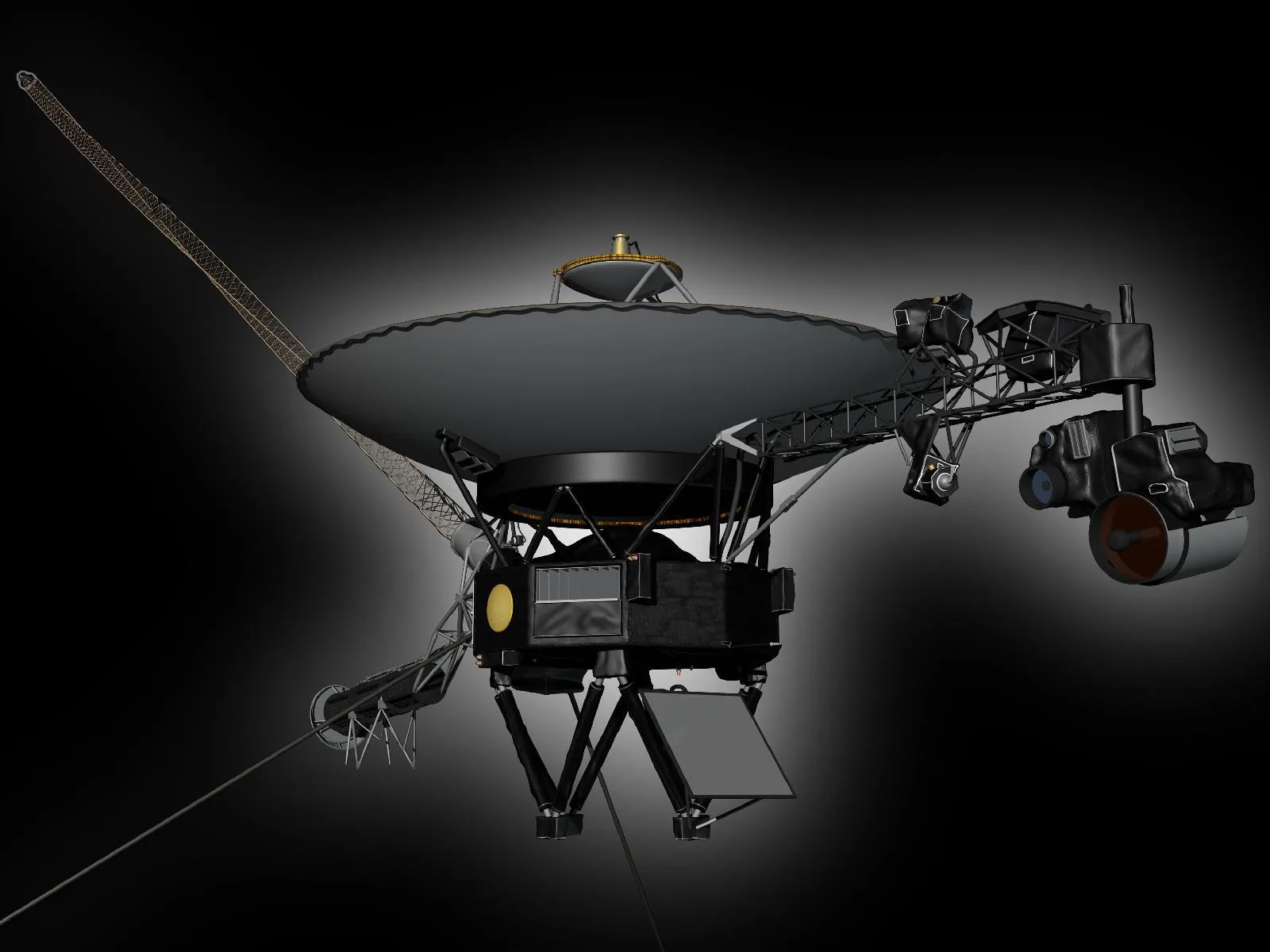
Cassini-Huygens was a flagship-class joint NASA-ESA-ASI mission and the only spacecraft ever to orbit Saturn. Launched in October 1997 on a Titan IVB-Centaur — the largest US expendable launcher of its era — Cassini took seven years to reach Saturn via Venus, Earth, and Jupiter gravity assists. Saturn Orbit Insertion on 1 July 2004 began a 13-year tour that revolutionized planetary science. ESA's Huygens probe, carried piggyback on Cassini, separated and descended through the haze of Titan in January 2005, returning the first images ever taken from the surface of an outer-planet moon. Cassini's discoveries included active water-ice geysers erupting from Saturn's moon Enceladus (and a global subsurface ocean beneath its ice shell), hydrocarbon lakes and seas on Titan that make it the only world besides Earth with stable surface liquids, the unprecedented hexagonal jet stream at Saturn's north pole, and the discovery of seven new moons. The mission ended on 15 September 2017 with the 'Grand Finale' — a controlled plunge into Saturn's atmosphere to prevent contamination of the potentially habitable moons. Cassini's data archive remains a foundational resource for future missions including JUICE, Europa Clipper, and Dragonfly.
Key Milestones
1997-10-15
Launch from Cape Canaveral Air Force Station
2004-07-01
Saturn Orbit Insertion
2005-01-14
Huygens probe lands on Titan (first outer-planet moon landing)
2005-02-17
Cassini discovers Enceladus geysers
2017-09-15
Grand Finale — controlled descent into Saturn's atmosphere