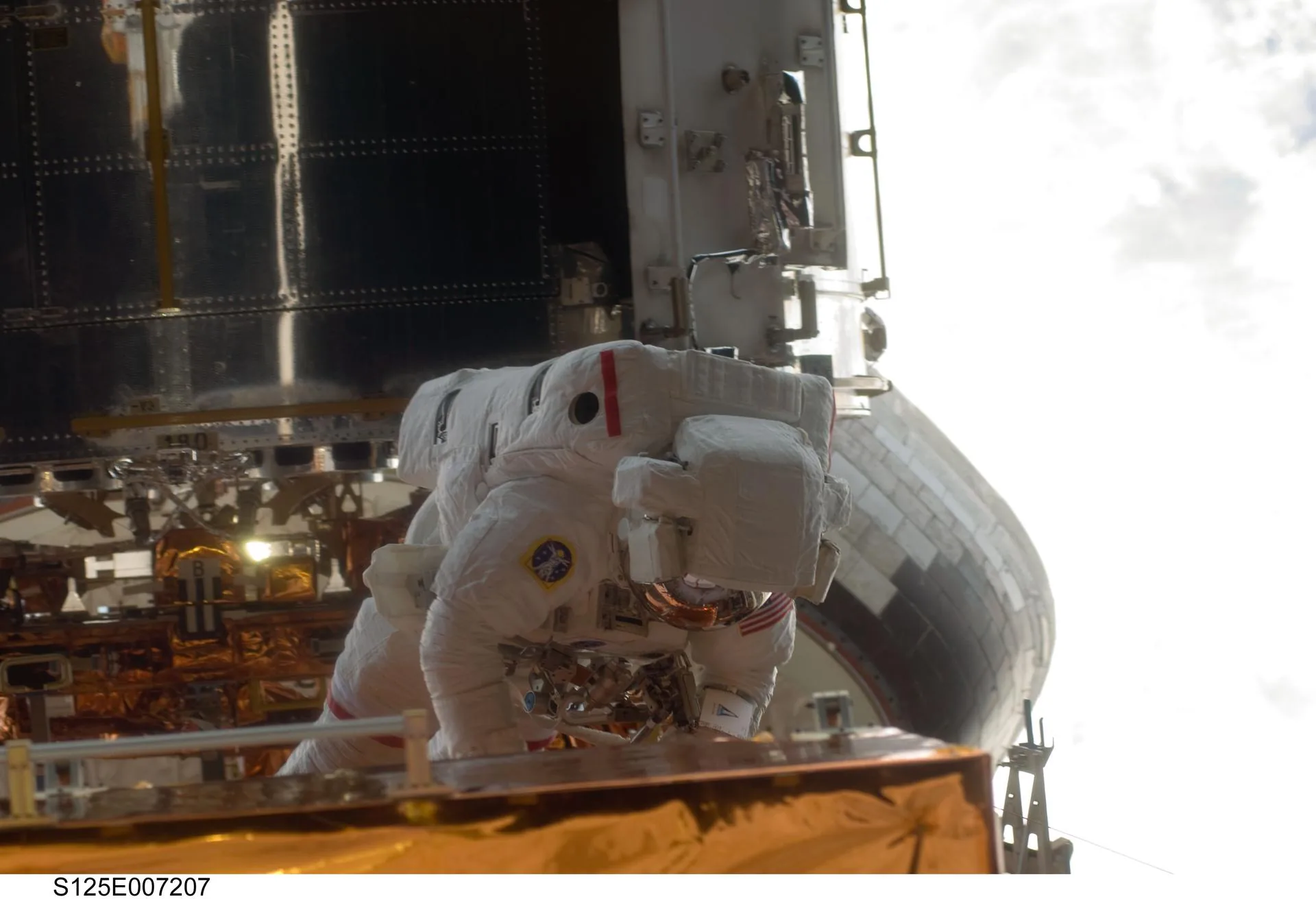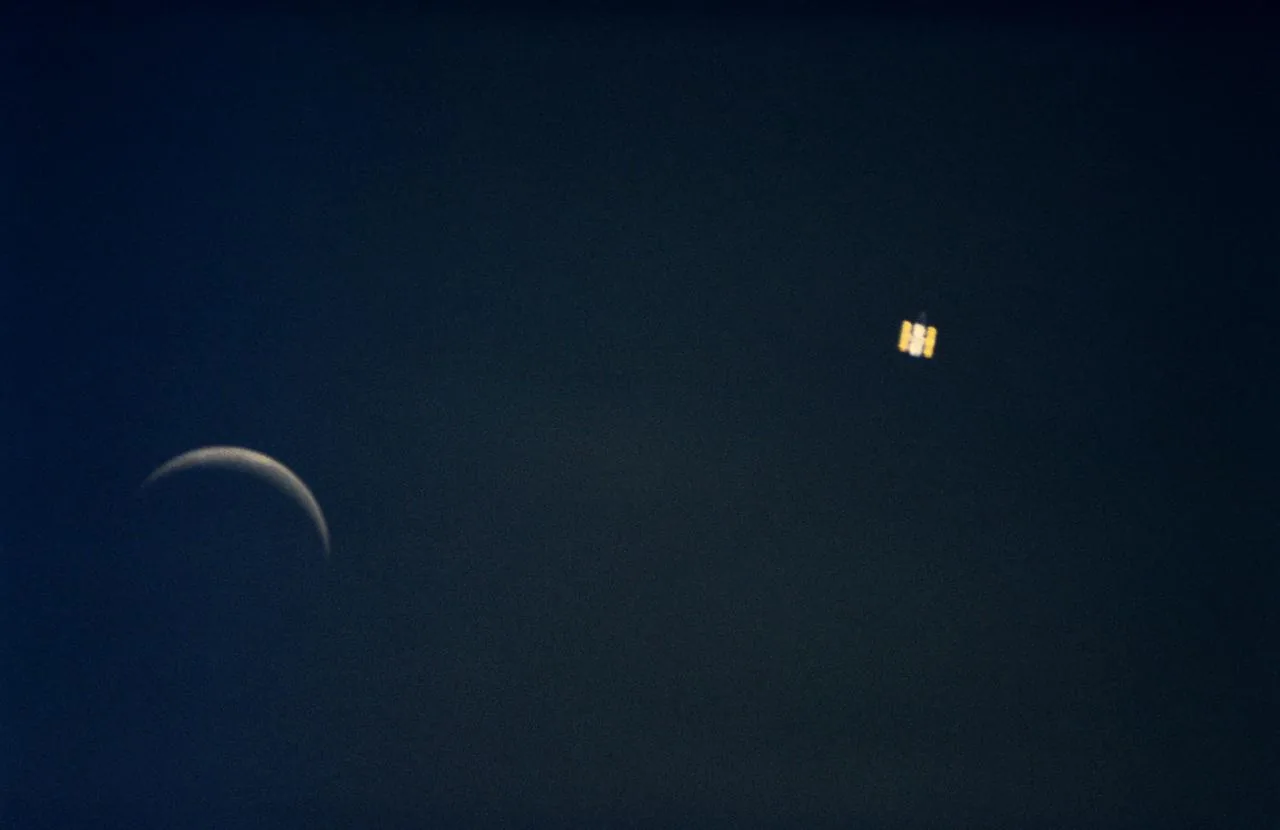
Image: NASA
Don't just read it — experience it
Relive Hubble Space Telescope, chapter by chapter
36 years · 8 chapters · Second Sight
Hubble Space Telescope
Mission Profile
| Launch date | 1990-04-24 |
|---|---|
| Launch vehicle | Space Shuttle Discovery (STS-31) |
| Spacecraft | Hubble Space Telescope |
| Target | Low Earth Orbit |
| Type | Robotic |
| Cost | ~$16B life-cycle including five servicing missions |
| Mass | 11,110 kg |
| Duration | 36+ years and counting |
| Partners | NASA Goddard, ESA, STScI, Lockheed Martin (prime) |
| Instruments | WFC3, ACS, STIS, COS, NICMOS (deactivated), FGS |
Prime Contractors
Companies that built, launched, or operate this mission. Tickers link to their investor profile.
- Lockheed Martin
- BAE Systems (Ball Aerospace)
- Airbus Defence & Space
Overview
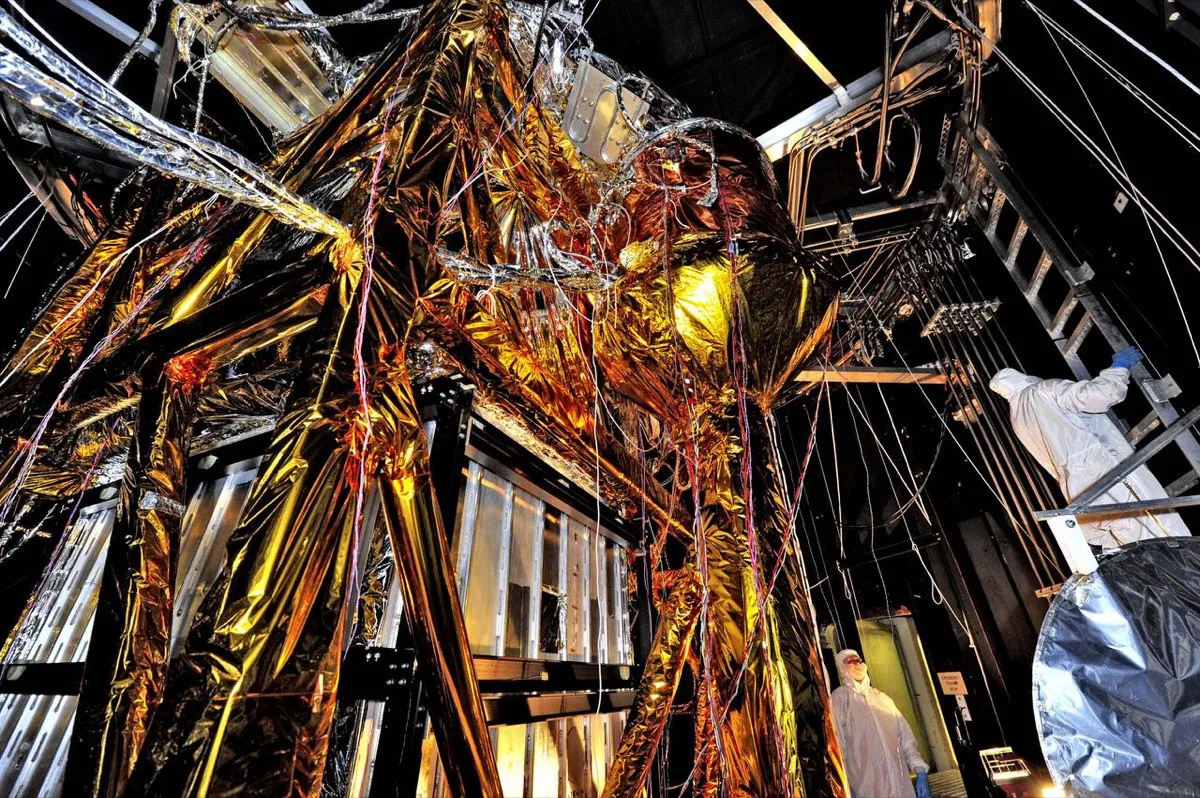
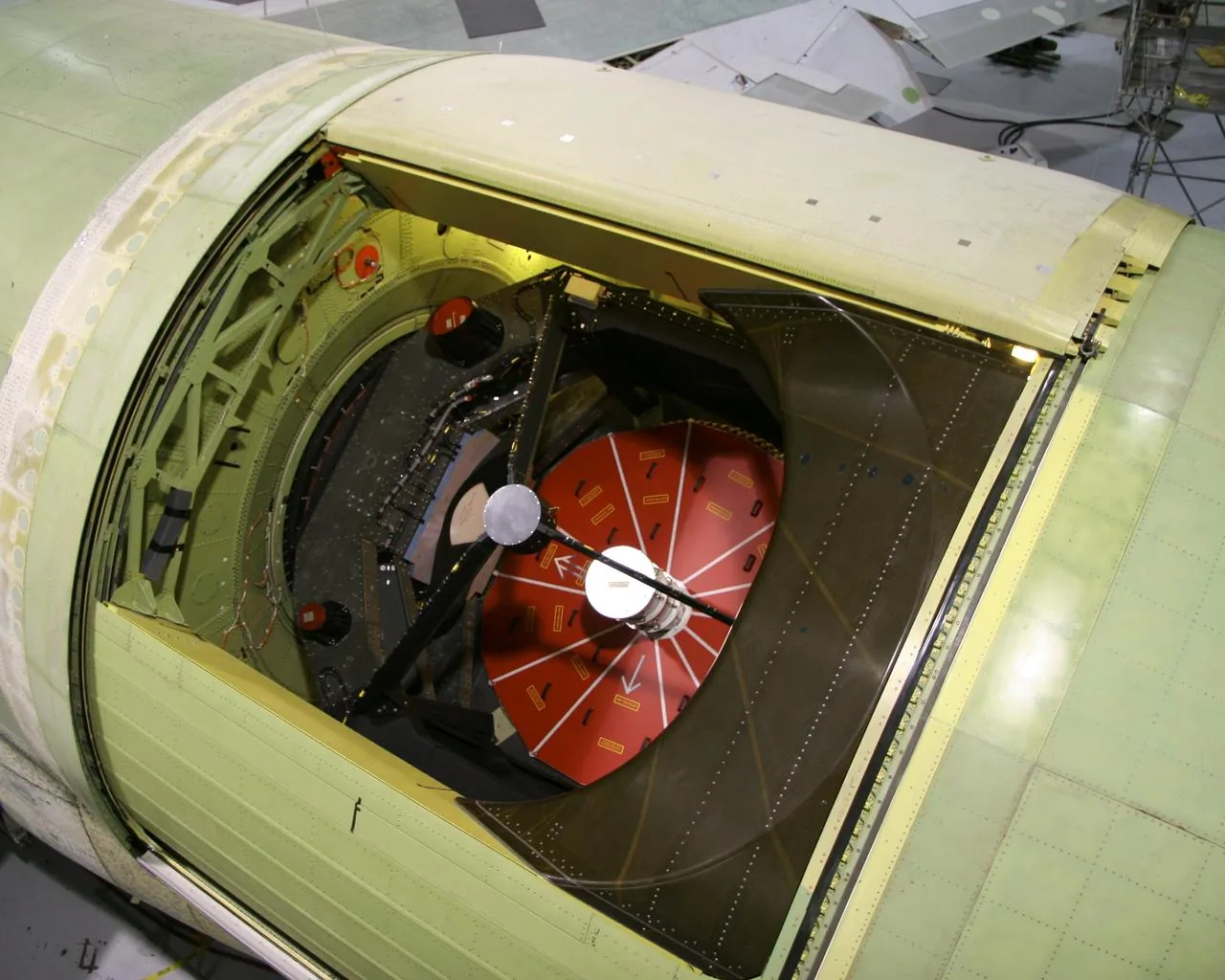
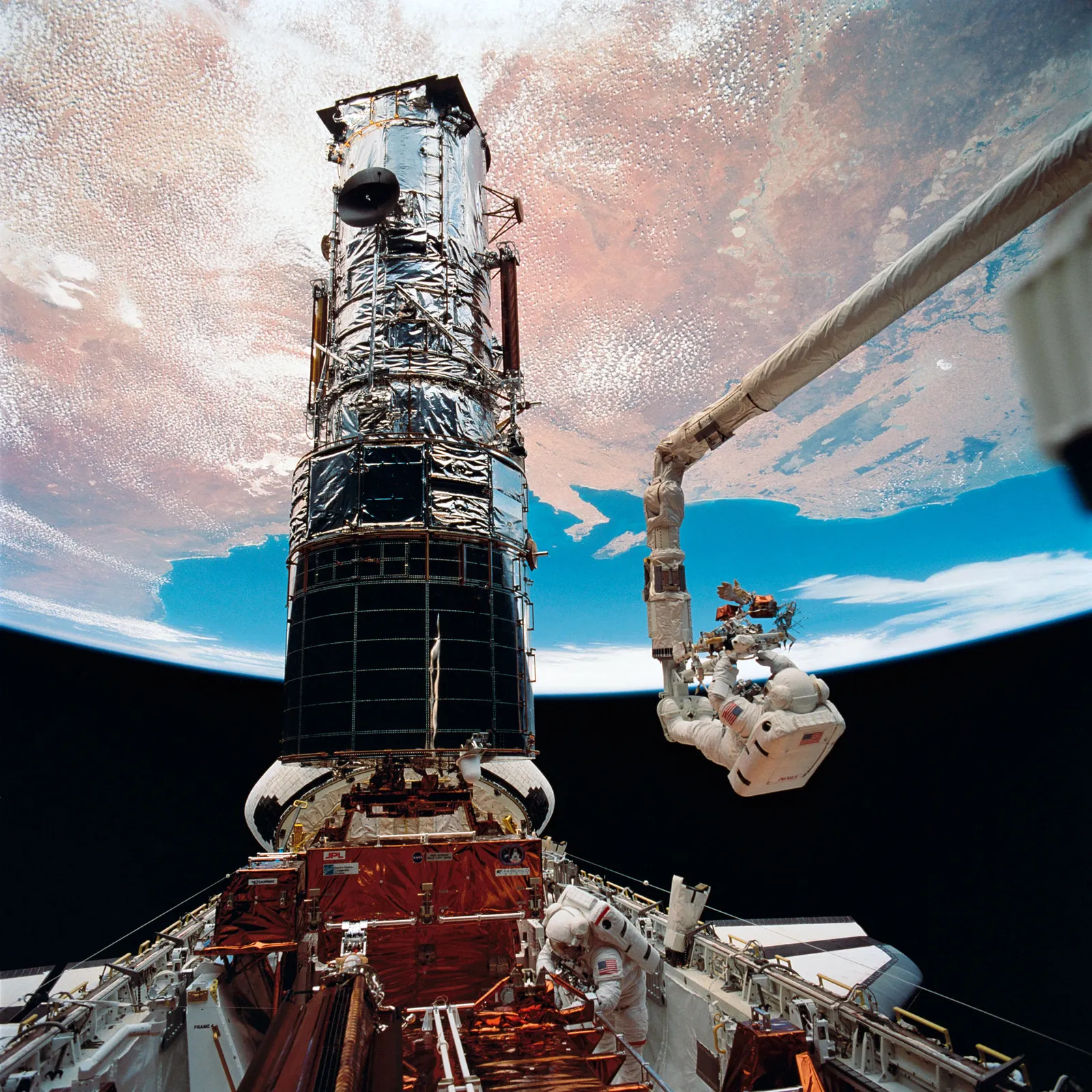
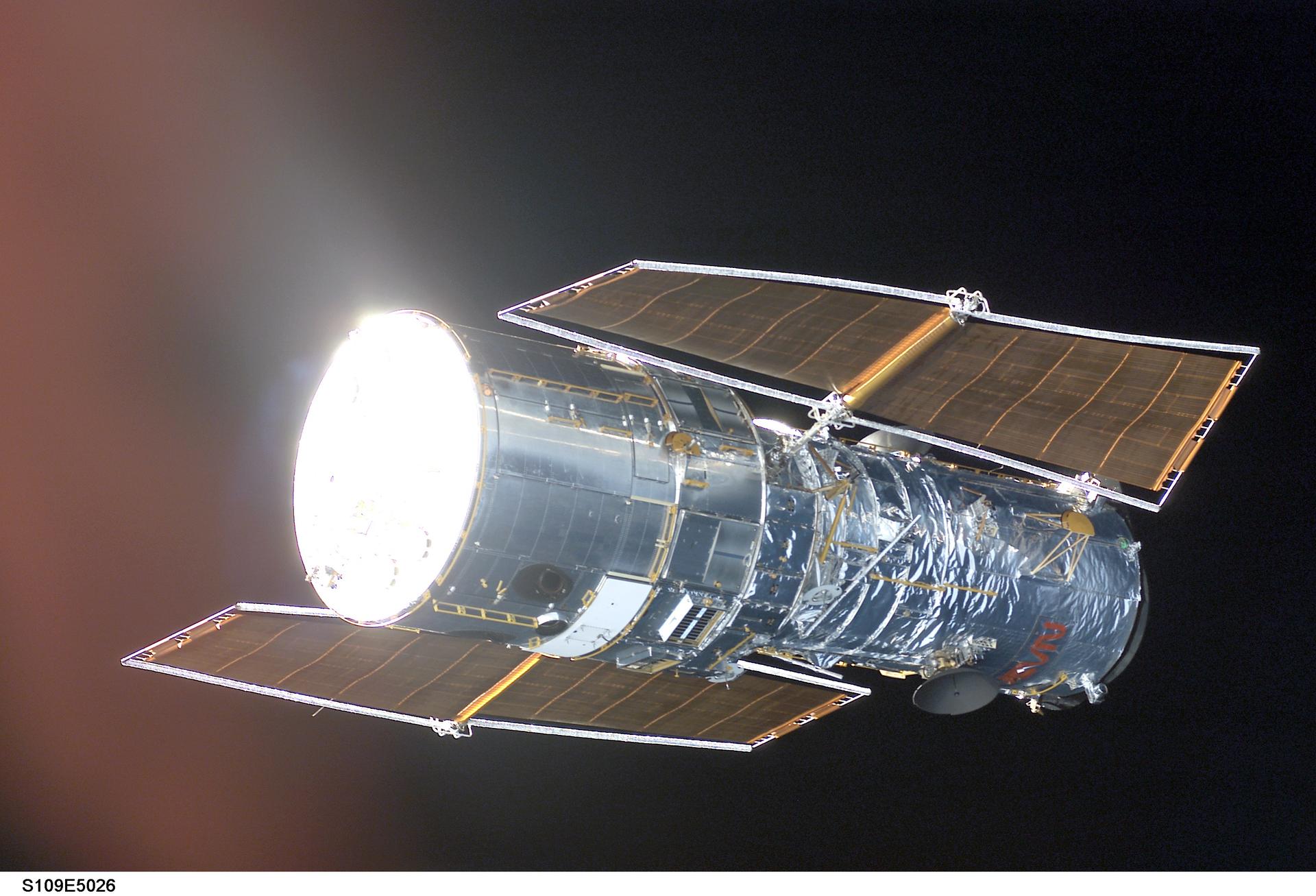
The Hubble Space Telescope, deployed by Space Shuttle Discovery on 25 April 1990, is one of the most scientifically productive instruments ever built and a defining cultural icon of late-20th-century space science. Hubble's 2.4-m primary mirror originally suffered from a spherical aberration that blurred its images — the result of a manufacturing flaw — but a 1993 servicing mission (STS-61) installed corrective optics (COSTAR) and a refurbished WFPC2 camera that restored Hubble to better-than-spec performance. Four subsequent shuttle servicing missions (1997, 1999, 2002, and 2009) progressively replaced instruments and components, repeatedly extending the telescope's life and capabilities. Now in its 36th year of operation, Hubble has produced more than 1.6 million observations, contributed to over 23,000 peer-reviewed papers, and refined the Hubble constant — and thereby the age of the universe — to a precision unimaginable when it launched. Hubble's complement to JWST is essential: while Webb sees infrared, Hubble's UV and visible coverage remains unique among space telescopes and is critical for studies of stellar evolution, exoplanet transits, and Solar System monitoring. As of April 2026 Hubble continues to operate in a reduced one-gyro mode following gyro failures, with NASA exploring options for a possible commercial reboost mission to extend operations into the 2030s.
Key Milestones
1990-04-24
Launch aboard Space Shuttle Discovery (STS-31)
1993-12-02
STS-61 first servicing mission corrects optics
1995-12-18
Hubble Deep Field observations begin
2009-05-11
STS-125 final servicing mission
2024-06-04
NASA confirms one-gyro science operations