Image: NASA
STS-103
Mission Profile
| Launch date | 1999-12-19 |
|---|---|
| Launch site | Launch Complex 39B, Kennedy Space Center, Florida |
| Launch vehicle | Space Shuttle |
| Spacecraft | Space Shuttle Discovery (OV-103) |
| Target | Low Earth Orbit |
| Type | Crewed |
| End date | 1999-12-27 |
| Duration | 7 days, 23 hours, 11 minutes |
| Partners | ESA |
Overview
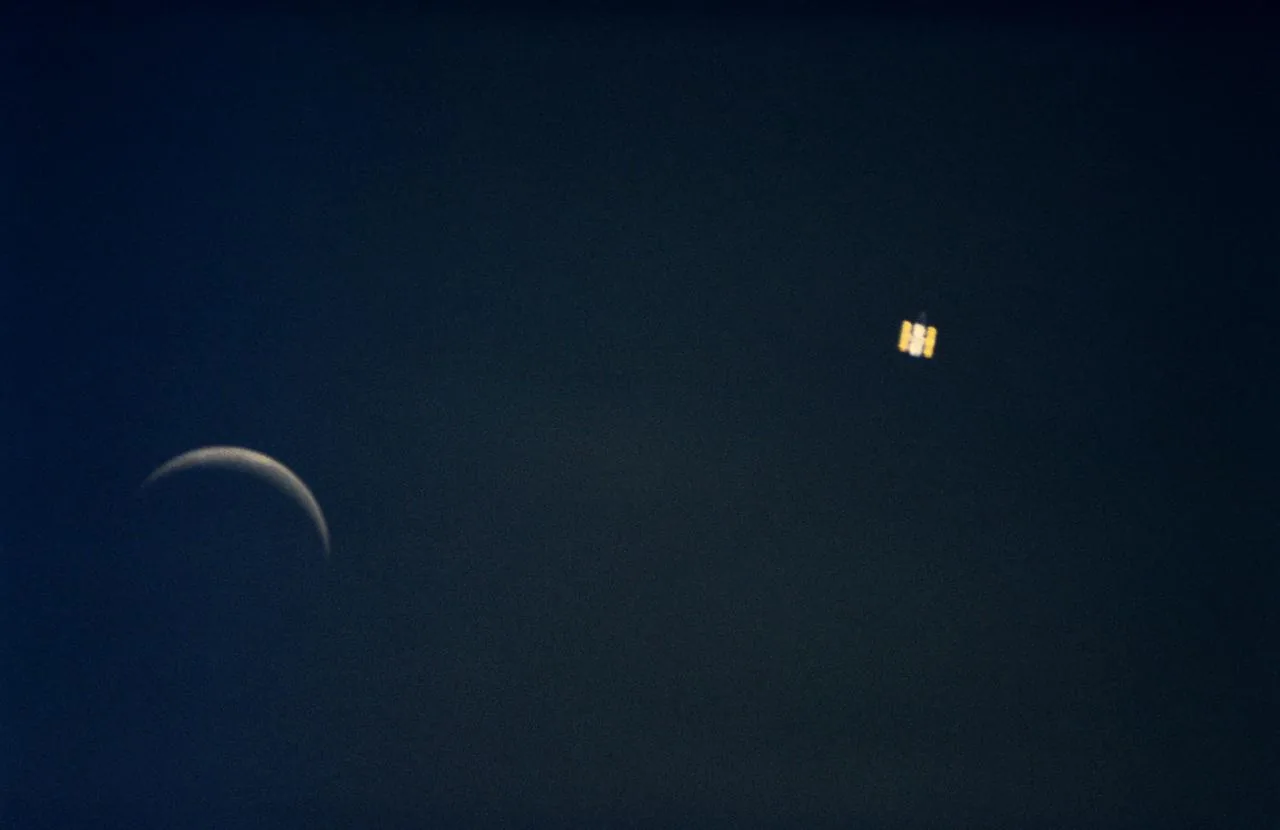
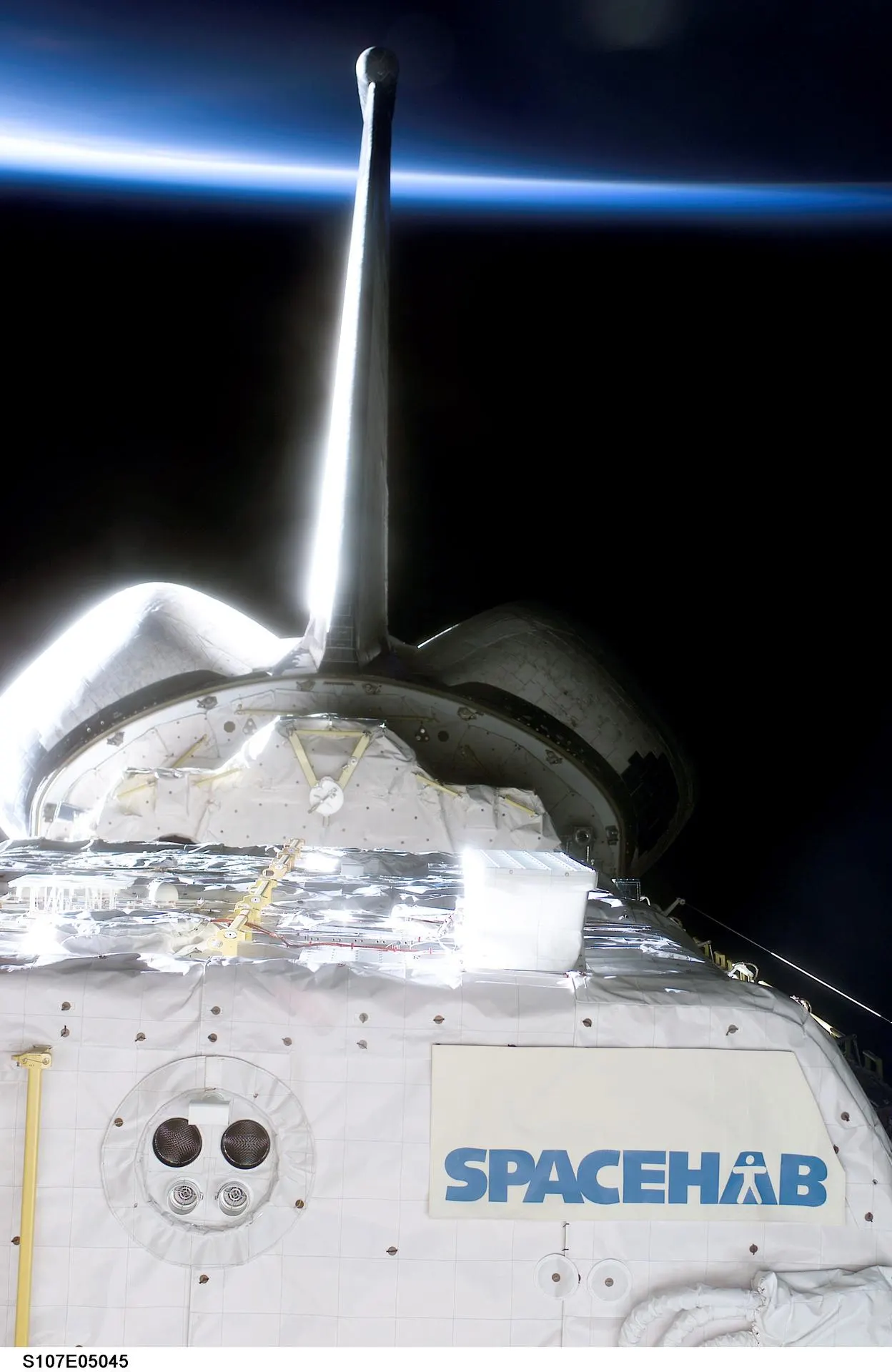
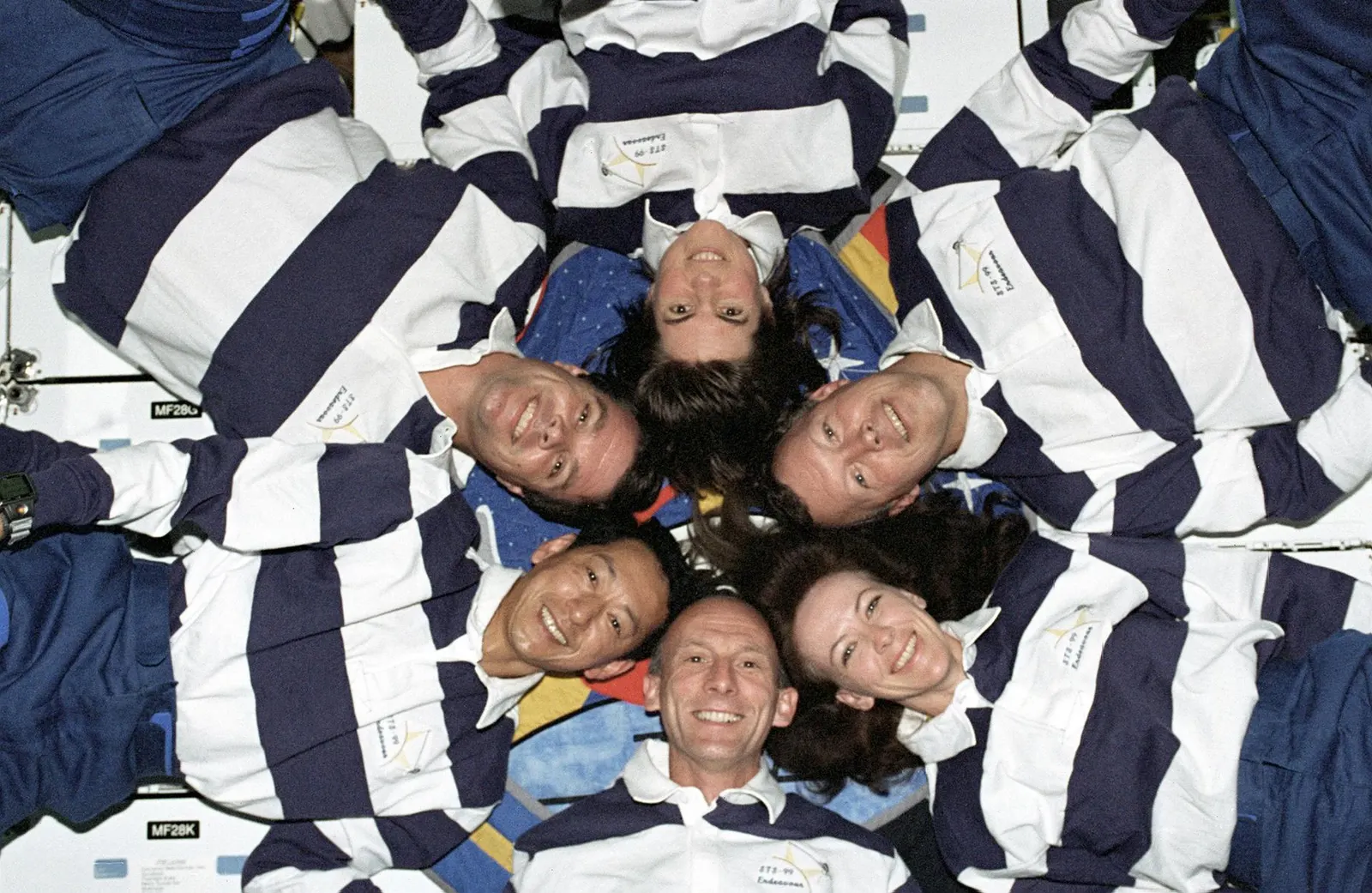
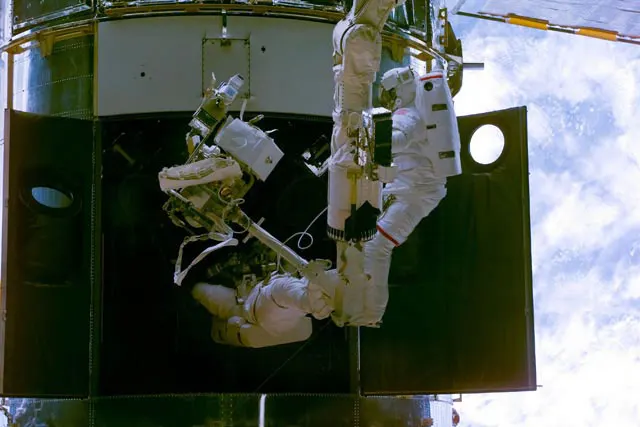
NASA had planned a single third servicing call on the Hubble Space Telescope, but mounting gyroscope failures — capped by a fourth failure on 13 November 1999 that dropped the observatory into protective safe mode — forced the agency to split the flight and dispatch Discovery on an urgent repair, Servicing Mission 3A. Delayed 13 days by technical and weather problems, Discovery lifted off from pad 39B at 7:50 p.m. EST on 19 December 1999. ESA astronaut Jean-François Clervoy grappled the telescope with the robotic arm two days later, and alternating EVA teams then worked three consecutive marathon spacewalks, each exceeding eight hours. Steven Smith and John Grunsfeld replaced all three Rate Sensor Units containing Hubble's six gyroscopes and fitted battery-protection kits; Michael Foale and Claude Nicollier installed a new central computer twenty times faster than the original along with a fine guidance sensor; Smith and Grunsfeld then swapped a failed transmitter and installed a solid-state digital recorder. Hubble was released back to science on Christmas Day, making the crew — which included rookie pilot Scott Kelly on his first spaceflight — the only shuttle astronauts to spend Christmas in orbit. Discovery landed at Kennedy Space Center at 7:01 p.m. EST on 27 December after just under eight days aloft.
Crew
Curtis L. Brown Jr.
Commander
Sixth and final spaceflight of the veteran shuttle commander
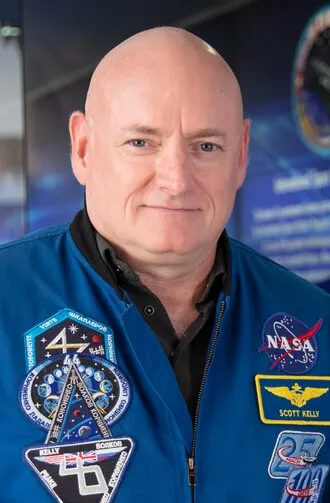
Scott Kelly
Pilot
First spaceflight; later commanded the ISS and flew NASA's Year in Space mission
Steven L. Smith
Mission Specialist / Payload Commander
Performed EVAs 1 and 3 with Grunsfeld
Jean-François Clervoy
Mission Specialist (ESA)
Operated the robotic arm that captured and redeployed Hubble
John M. Grunsfeld
Mission Specialist
First of his three Hubble servicing flights
C. Michael Foale
Mission Specialist
Mir veteran; performed EVA 2
Claude Nicollier
Mission Specialist (ESA)
Performed EVA 2, his first spacewalk
Key Milestones
1999-12-19
Discovery lifts off from Kennedy Space Center pad 39B at 7:50 p.m. EST
1999-12-21
Jean-François Clervoy grapples Hubble with the robotic arm and berths it in the payload bay
1999-12-22
EVA 1 (8 h 15 min): Smith and Grunsfeld replace all three Rate Sensor Units, restoring Hubble's six gyroscopes
1999-12-23
EVA 2 (8 h 10 min): Foale and Nicollier install a new central computer and fine guidance sensor
1999-12-25
Hubble redeployed to free flight on Christmas Day after EVA 3 replaced a failed transmitter
1999-12-27
Discovery lands on Runway 33 at Kennedy Space Center at 7:01 p.m. EST
Key Achievements
Restored the Hubble Space Telescope to operation, replacing all six gyroscopes after a fourth failure had forced the observatory into safe mode
Installed a new central computer 20 times faster than Hubble's original, plus a fine guidance sensor, solid-state recorder and battery-protection kits
Completed three consecutive spacewalks each longer than eight hours, including an 8-hour 15-minute EVA that ranked among the longest ever performed
Gave future ISS year-long flier Scott Kelly his first spaceflight as pilot
Became the only Space Shuttle crew to spend Christmas in orbit, redeploying Hubble on Christmas Day 1999
Legacy & Significance
STS-103 proved NASA could mount a rapid-response rescue of its flagship observatory: when gyroscope attrition silenced Hubble weeks before launch, the split servicing strategy and three marathon EVAs returned it to science within days of arrival. The new computer and gyroscopes installed by the crew underpinned Hubble's most productive decade, while the flight seasoned two astronauts who would shape later eras — John Grunsfeld, who became Hubble's most frequent repairman and NASA science chief, and Scott Kelly, who went on to command the ISS and fly the landmark Year in Space mission that informs today's Mars-duration research.