Image: NASA
STS-45
Mission Profile
| Launch date | 1992-03-24 |
|---|---|
| Launch site | Kennedy Space Center, LC-39A |
| Launch vehicle | Space Shuttle (Atlantis) |
| Spacecraft | Space Shuttle Atlantis (OV-104) |
| Target | Low Earth Orbit |
| Type | Crewed |
| End date | 1992-04-02 |
| Duration | 8 days 22 hours 9 minutes |
| Partners | NASA, ESA, Belgium |
Overview
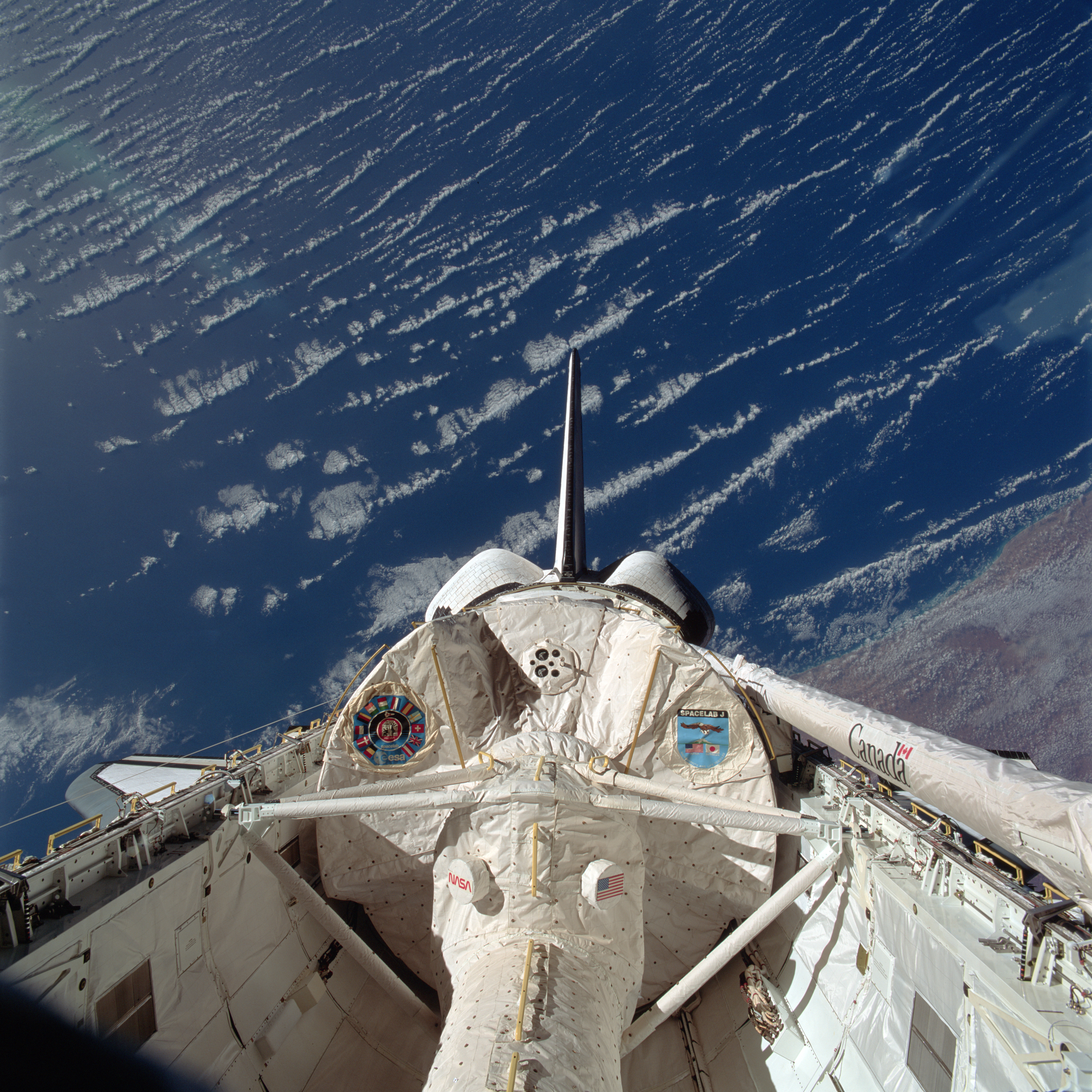
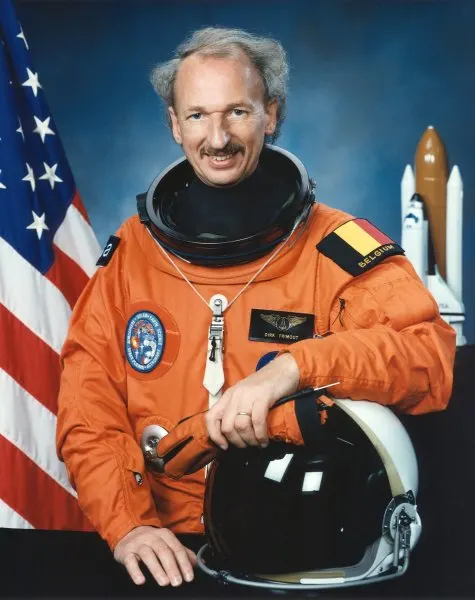
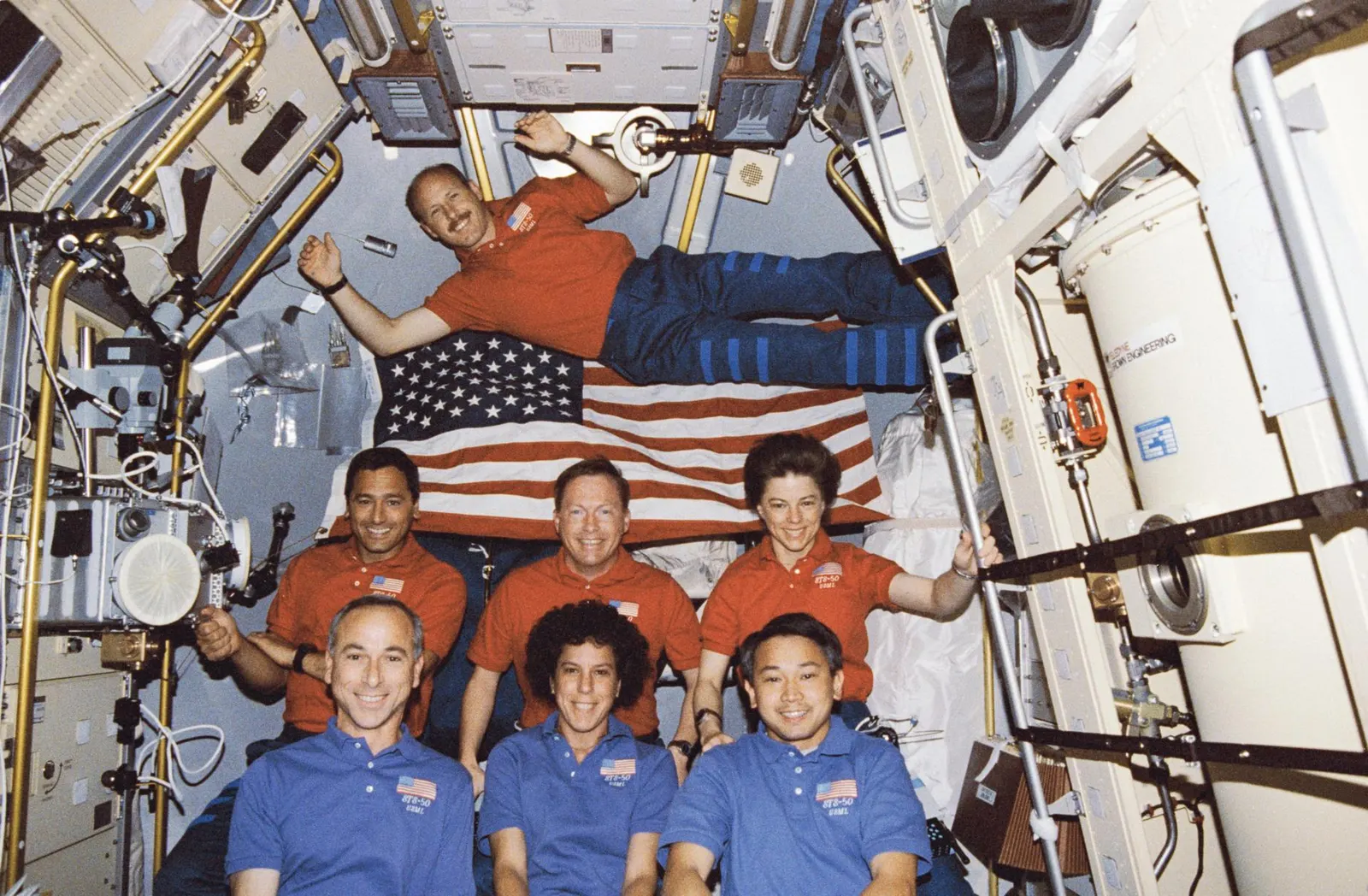
STS-45 carried ATLAS-1, the first flight of the Atmospheric Laboratory for Applications and Science, a pallet of twelve instruments from the U.S., Europe and Japan that studied atmospheric chemistry, solar radiation, space plasma physics and ultraviolet astronomy. The human highlight was payload specialist Dirk Frimout, who became the first Belgian citizen in space. A solar physicist by training, Frimout joined the science team operating the instruments around the clock from Atlantis's middeck and Spacelab control area. The crew, commanded by Charles Bolden, ran a continuous campaign tracking how the Sun drives Earth's upper atmosphere, contributing to ozone and climate research. After a one-day weather and tanking delay, the mission was extended an extra day in orbit to gather more data, completing 143 orbits before landing back at Kennedy Space Center.
Crew
Charles Bolden
Commander
Brian Duffy
Pilot
Kathryn Sullivan
Mission Specialist / Payload Commander
David Leestma
Mission Specialist / Flight Engineer
Michael Foale
Mission Specialist
Byron Lichtenberg
Payload Specialist
Dirk Frimout
Payload Specialist (ESA / Belgium)
First Belgian citizen in space
Key Milestones
1992-03-23
First launch attempt scrubbed over excess hydrogen and oxygen in the aft compartment
1992-03-24
Atlantis launches with ATLAS-1; Dirk Frimout becomes the first Belgian in space
1992-03-31
Mission extended one day to continue atmospheric and solar observations
1992-04-02
Atlantis lands at Kennedy Space Center, Runway 33
Key Achievements
First Belgian citizen in space (Dirk Frimout)
First flight of the ATLAS-1 atmospheric and solar science laboratory
Twelve instruments from the U.S., Europe and Japan studied the Sun-Earth atmospheric connection
Mission extended an extra day in orbit for additional science