Image: NASA
STS-51-G
Mission Profile
| Launch date | 1985-06-17 |
|---|---|
| Launch site | Kennedy Space Center, Launch Complex 39A, Florida |
| Launch vehicle | Space Shuttle |
| Spacecraft | Space Shuttle Discovery (OV-103) |
| Target | Low Earth Orbit |
| Type | Crewed |
| End date | 1985-06-24 |
| Recovery | Runway landing — Edwards Air Force Base, Runway 23, California |
| Duration | 7 days, 1 hour, 38 minutes, 52 seconds |
| Partners | CNES (France), Arab Satellite Communications Organization, Mexico (Morelos program) |
Overview
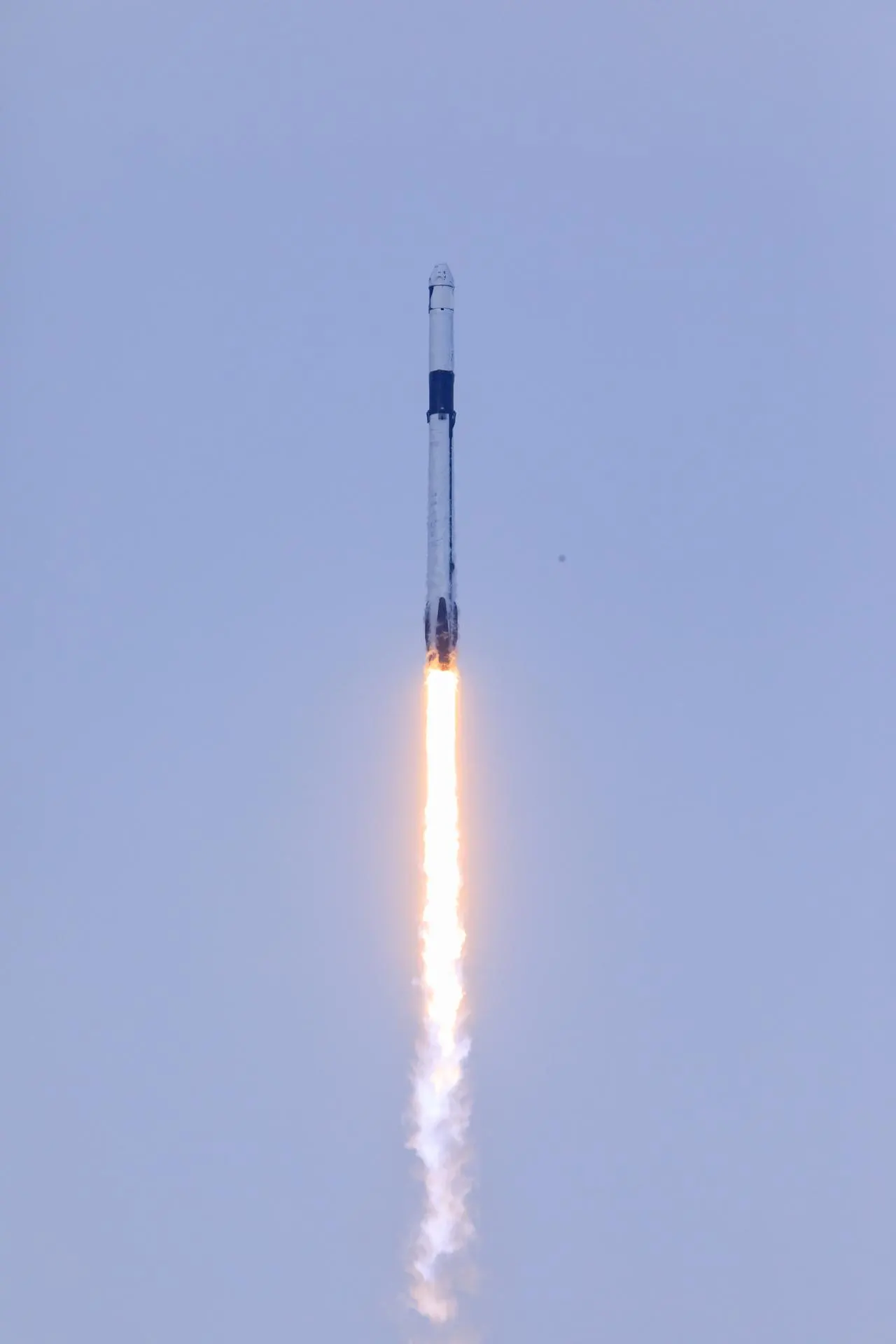
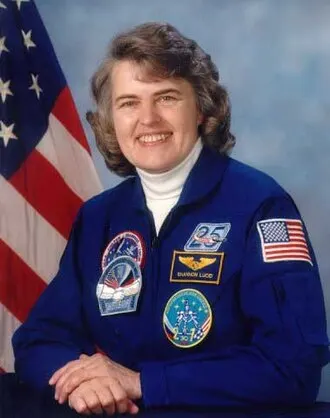
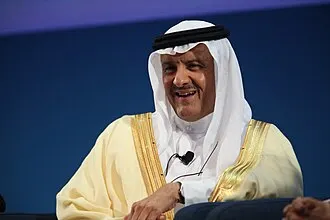
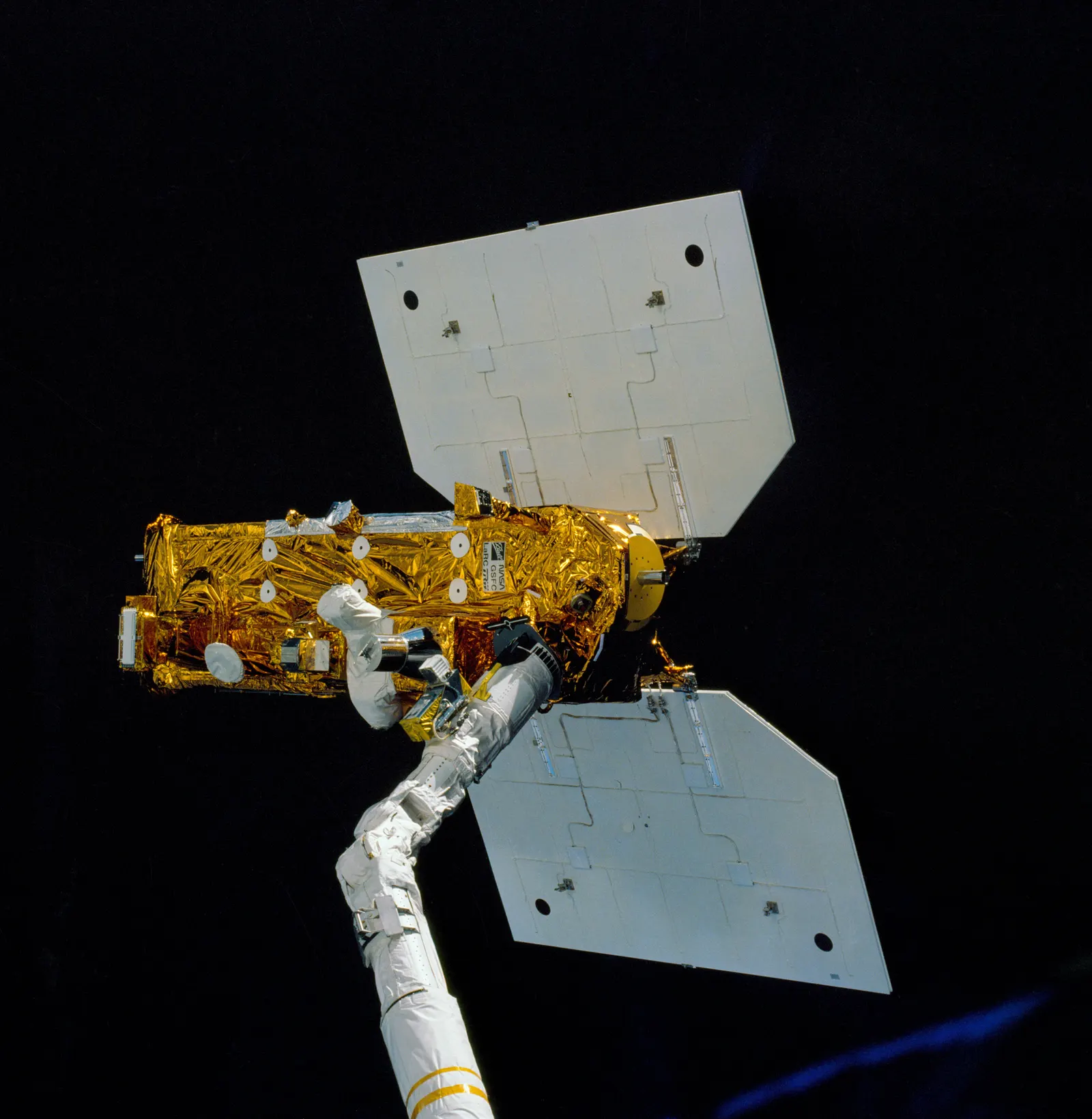
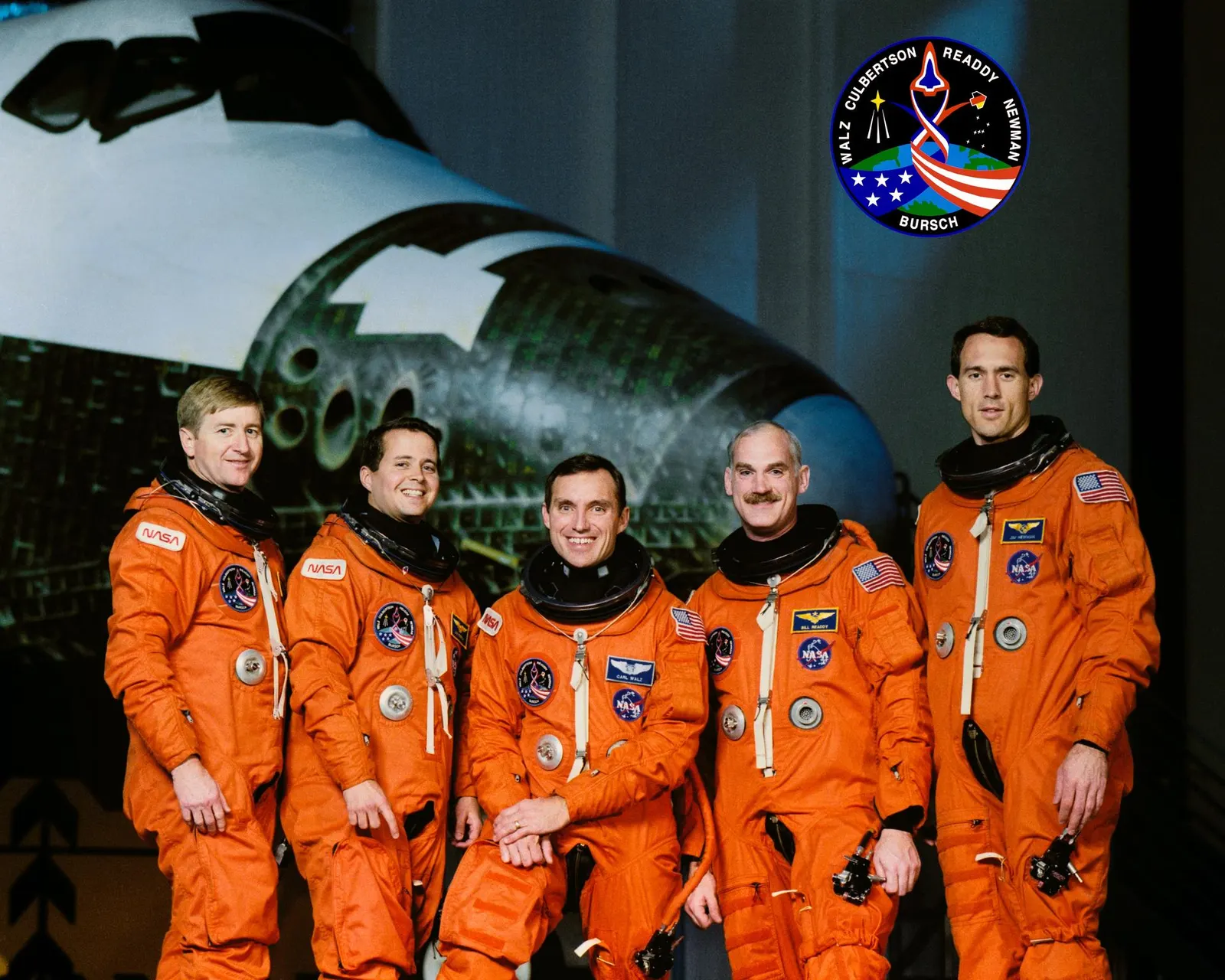
Discovery's June 1985 flight captured the Shuttle era at its most international. The seven-person crew included France's Patrick Baudry, flying CNES biomedical experiments, and Sultan bin Salman Al Saud, a 28-year-old Saudi prince who became the first Arab, the first Muslim and the first member of a royal family to fly in space. Over three consecutive days the crew dispatched three Hughes-built communications satellites on Payload Assist Module upper stages: Morelos-1, Mexico's first communications satellite; Arabsat-1B for the Arab Satellite Communications Organization; and AT&T's Telstar 303. The crew also released the Spartan-1 free-flyer, which spent roughly 45 hours making X-ray astronomy observations of the galactic center region before John Fabian retrieved it with the robot arm. In a Strategic Defense Initiative experiment, a ground-based laser was tracked using a mirror mounted on Discovery's side hatch. Mission specialist Shannon Lucid, making the first of her five spaceflights, would go on to set American endurance records aboard Mir a decade later. After 7 days, 1 hour and 39 minutes, Discovery landed on Runway 23 at Edwards Air Force Base on June 24, 1985, closing one of the most commercially productive flights of the pre-Challenger Shuttle program.
Crew
Daniel Brandenstein
Commander
Second of four Shuttle flights; later NASA Chief Astronaut
John Creighton
Pilot
Shannon Lucid
Mission Specialist
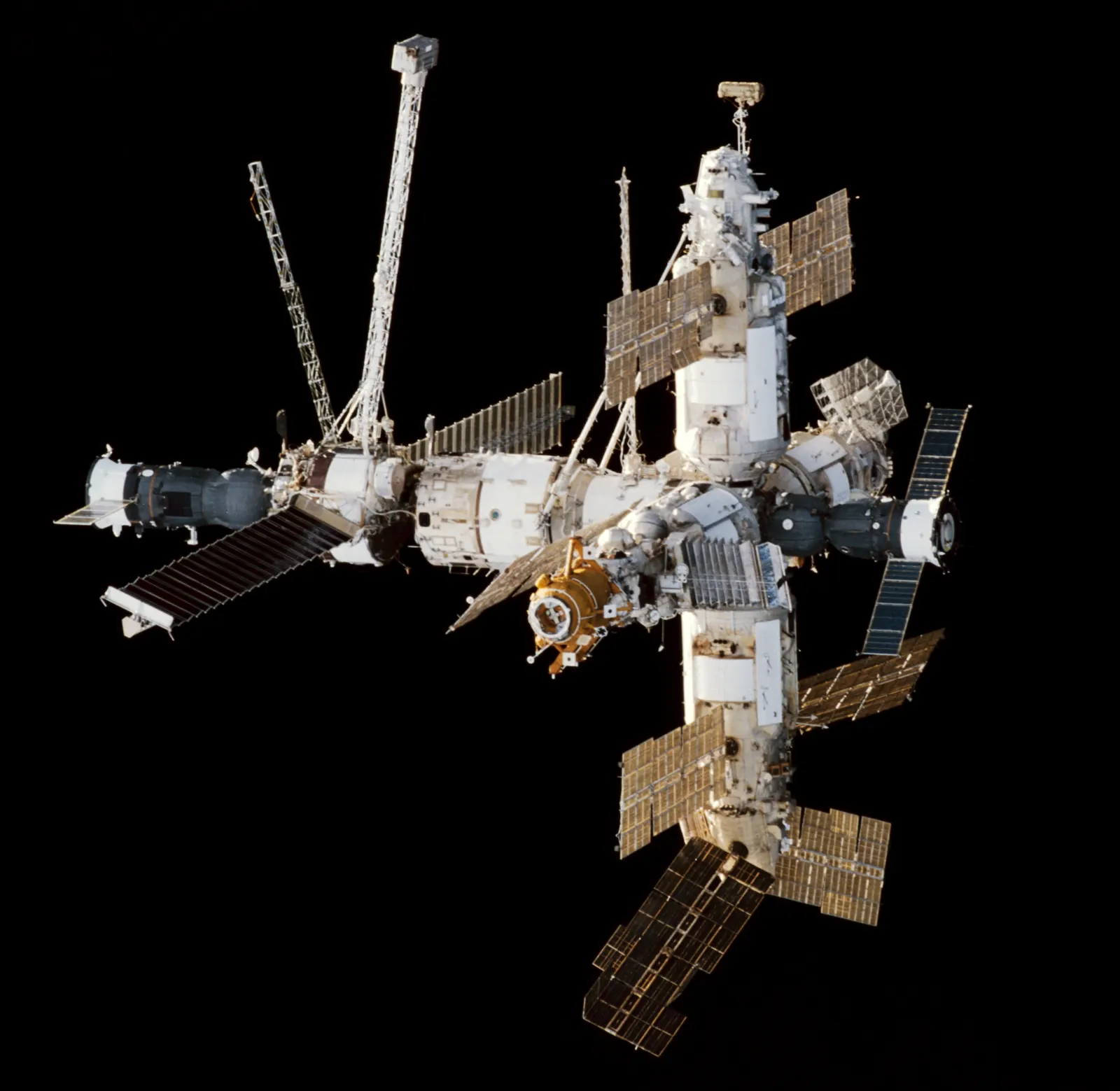
First of five spaceflights; in 1996 set the U.S. single-flight endurance record aboard Mir
Steven Nagel
Mission Specialist
John Fabian
Mission Specialist
STS-7 veteran; operated the robot arm for the Spartan-1 retrieval
Patrick Baudry
Payload Specialist
CNES astronaut (France); conducted French postural and cardiovascular experiments
Sultan bin Salman Al Saud
Payload Specialist
First Arab, first Muslim and first royal in space; observed the Arabsat-1B deployment for Saudi Arabia
Key Milestones
1985-06-17
Launch from LC-39A; Sultan bin Salman Al Saud becomes the first Arab, first Muslim and first royal in space; Morelos-1 deployed for Mexico
1985-06-18
Arabsat-1B deployed for the Arab Satellite Communications Organization
1985-06-19
Telstar 303 deployed for AT&T — third comsat in three days
1985-06-20
Spartan-1 free-flyer released for roughly 45 hours of X-ray astronomy before retrieval by the robot arm
1985-06-24
Discovery lands on Runway 23 at Edwards Air Force Base after 7 days, 1 hour, 39 minutes
Key Achievements
Sultan bin Salman Al Saud became the first Arab, first Muslim and first royal in space
Deployed three communications satellites for three different customers in three days
Deployed and retrieved the Spartan-1 X-ray astronomy free-flyer
Carried France's Patrick Baudry and the first CNES experiments on the Shuttle
First spaceflight for Shannon Lucid, future U.S. endurance record-holder
Legacy & Significance
STS-51-G showed the Shuttle operating as the world's satellite delivery truck at the commercial peak of the program, while quietly making history far beyond Earth orbit mechanics: Sultan bin Salman's flight made spaceflight a source of pride across the Arab and Islamic world, and he later helped found the Association of Space Explorers and led the Saudi Space Commission. Nearly four decades later, Saudi astronauts returned to orbit on Axiom Mission 2, explicitly walking in his footsteps. The flight was also the orbital debut of Shannon Lucid, whose later 188-day Mir increment made her the most experienced American woman in space of her era.