
Private · SpaceXcommercialfirst
October 13, 2024
Starship Super Heavy booster caught by launch tower
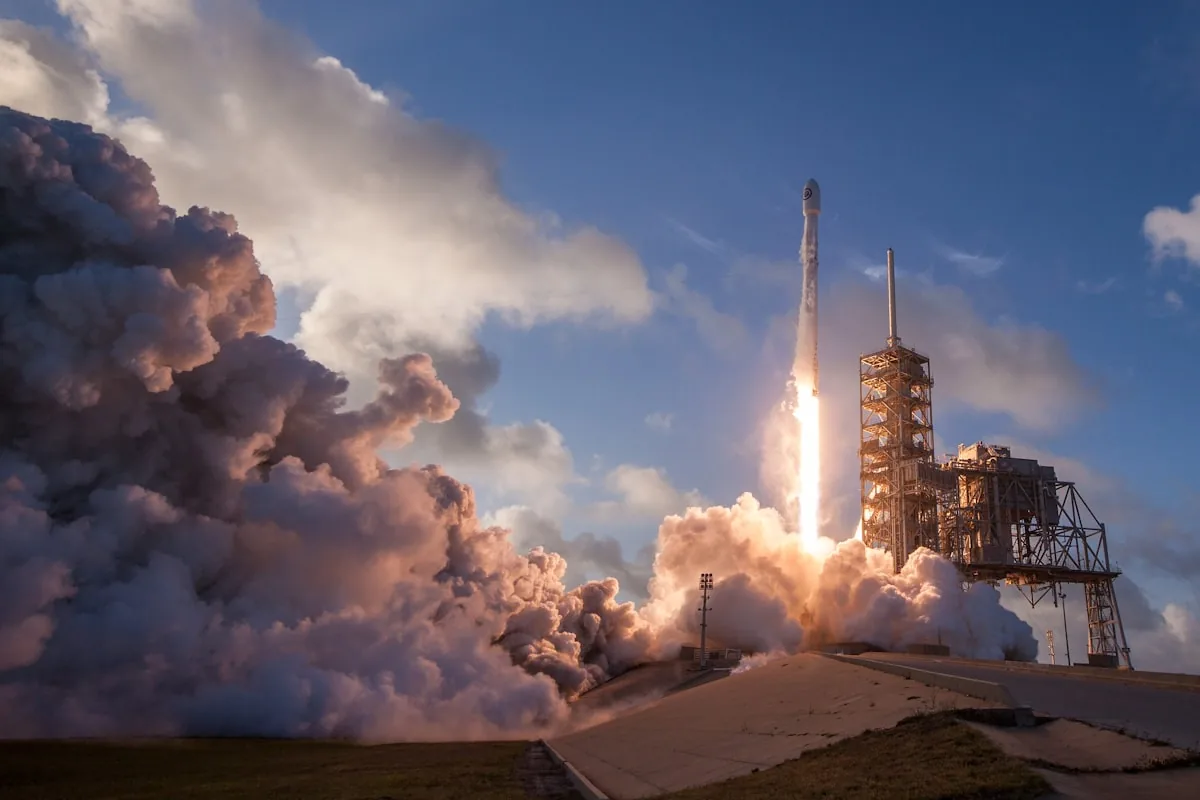
On 13 October 2024, SpaceX's fifth integrated Starship test flight achieved what most aerospace engineers had considered impractical: a 70-metre-tall, 230-tonne orbital-class rocket booster flew back to its launch site and was caught in mid-air by the launch tower's two mechanical 'chopstick' arms — nicknamed 'Mechazilla' — just seven minutes after liftoff.
The Super Heavy booster performed a boostback burn to reverse direction, three separate engine burns to control its descent, and a precisely choreographed grid-fin and engine manoeuvre to position itself between the two catching arms at the Starbase facility in South Texas. The catch occurred at an altitude of roughly 65 metres above the launch pad.
The Ship (Starship's upper stage) continued to orbit before executing a controlled re-entry and splashdown in the Indian Ocean approximately 65 minutes after launch — the second successful Ship splashdown. SpaceX engineers estimated that catching the booster rather than landing it on legs would save weeks of turnaround time per flight.
The catch dramatically validated the core premise of SpaceX's Starship architecture: that rapid, full reusability of an orbital-class vehicle is achievable in practice, not just in theory. If proven at scale, it could reduce the cost of lifting a kilogram to orbit by an order of magnitude over existing launch vehicles.
“Starship will make life multi-planetary. It's not just a rocket — it's the whole future of humanity in space.”
Mission Data
Flight date
13 Oct 2024
Booster height
~70 m
Catch altitude
~65 m above pad
Time to catch
~7 min after launch
Ship splashdown
~65 min after launch
Launch site
Starbase, Boca Chica, Texas
Key Facts
The 70-metre Super Heavy booster was travelling at roughly 1,200 km/h when it was caught — slowed by three engine burns and grid fins before sliding between the tower arms at ~65 m altitude
Starship is the tallest rocket ever built at 121 metres — surpassing even the Saturn V that took astronauts to the Moon
Super Heavy produces 7,590 tonnes of thrust from 33 Raptor engines — about 2.4× the thrust of Saturn V
SpaceX's goal is to refly the same booster within 6–24 hours — compared to months for any previous launch vehicle
A fully reusable Starship could reduce the cost per kilogram to orbit from ~$2,700 (Falcon 9) to an estimated $10–100 — a 10–100× reduction
Why It Mattered
The Mechazilla catch proved that catching and rapidly reflying an orbital-class booster is not just a theory — it works. If SpaceX achieves its reusability targets, Starship will reduce the cost of space access by an order of magnitude, making regular cargo and crew missions to the Moon and Mars economically viable.
Photo Gallery
Part of
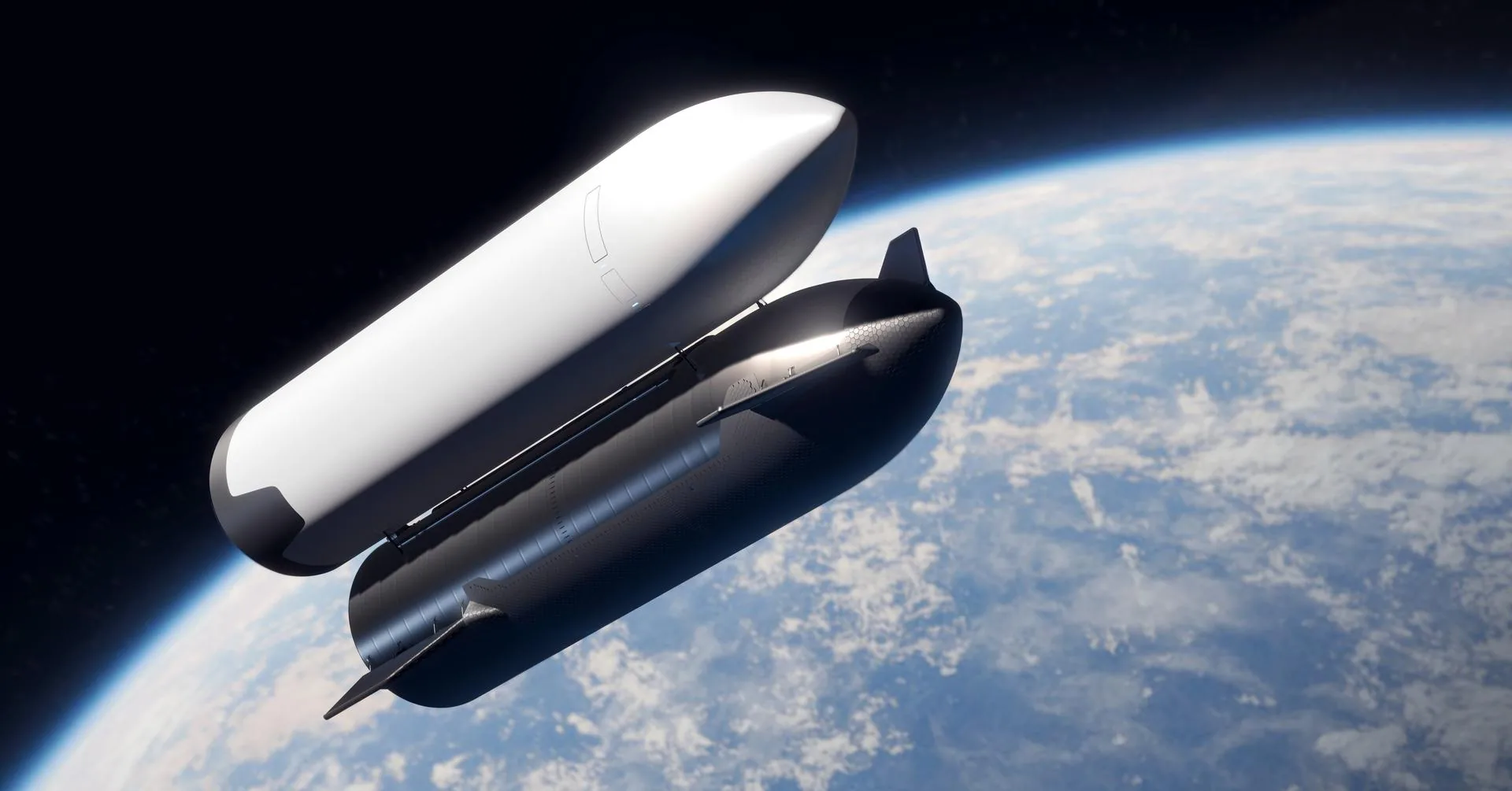
Starship ProgramSteve Jurvetson, CC BY 2.0, via Wikimedia Commons
Official sourceContinue your journey

From the same era
Moment
Ariane 6 maiden flight restores European launch capability
From the same era

From the same era
Moment
Polaris Dawn — first commercial spacewalk
From the same era

From the same era
Moment
Europa Clipper launches to Jupiter's icy moon
From the same era

From the same era
Moment
Starship Flight 6 — propulsive soft splashdown
From the same era
Continue your mission
More tools to explore next